
Creating a Sinking Fund for Horse Vet Emergencies: A Practical Savings Guide
Hello fellow equestrians. That late-night text about a colic or the sight of a fresh cut in the pasture-your stomach plummets. The fear of a staggering vet bill is a quiet stress every horse owner carries.
You are not alone in that worry. Let’s build a plan so money is one less thing to fear when your horse needs help. In this guide, I’ll walk you through the nitty-gritty of creating a financial cushion that actually works.
We will tackle the core questions together:
- How to calculate a realistic monthly savings goal based on your horse’s age, use, and health history.
- Painless, automatic strategies to grow your fund using everyday “stable hacks” I rely on.
- Where to safely keep this cash so it’s instantly accessible for a midnight colic call.
After more than a decade managing barn budgets and nursing everything from Rusty’s gas colic to Pipin’s fence-vaulting wounds, I’ve learned a simple truth: a planned fund is a direct act of care for your horse—and it can help you save money on horse care without compromising their health.
Why a “Sinking Fund” is Your Best Barn Buddy
Think of a sinking fund as your most reliable barn buddy, like old Rusty on a tricky trail-always there when the footing gets soft. It’s a dedicated savings pot you feed monthly, designed to absorb the shock of irregular vet bills before they ever happen.
I learned its value after Pipin’s great escape last spring; he found the one loose board and earned himself a nasty wire cut. Writing that check for emergency stitches taught me that financial stress can cloud your judgment faster than a summer storm.
With a fund in place, your decisions come from care, not crisis. This means you can always choose the gentlest, most thorough option for your horse’s welfare without a second thought. You can also plan ahead for end-of-life care and its costs, so finances never stand in the way of compassionate decisions. If you haven’t started yet, small steps now can ease the burden when the time comes.
It champions equine wellness directly. When you’re prepared, you never delay calling the vet for a subtle lameness or that extra day of stall rest, ensuring comfort is never compromised especially when it counts the most.
- Peace of Mind: You’ll sleep soundly, even with a horse like Luna in the barn.
- Proactive Care: It lets you budget for preventive care, like joint supplements or dental work.
- Stable Rhythm: Your barn finances become as predictable as the morning feed schedule.
Calculating the Cost: What Horse Vet Emergencies Really Run
Let’s move from theory to the hard numbers. Real cost planning cuts through the anxiety and lets you save with purpose, not panic.
Prices vary by region, but based on my invoices and stable chatter, here’s a realistic breakdown. Use this table as a starting point for your own calculations.
| Emergency | Typical Cost Range | What It Includes |
|---|---|---|
| Colic (Medical Management) | $500 – $3,000+ | Farm call, exam, fluids, medication. Surgery can exceed $8,000. |
| Laceration & Stitches | $300 – $1,500 | Wound cleaning, sedation, sutures, antibiotics. Depth matters. |
| Acute Lameness Workup | $400 – $1,200 | Exam, nerve blocks, and x-rays or ultrasound for one limb. |
| Pyoderma or Rainrot | $200 – $600 | Diagnosis, medicated shampoos, and systemic antibiotics for severe cases. |
Remember Luna’s mysterious leg filler? That was an $800 ultrasound. High-strung horses or avid explorers like Pipin often nudge you toward the higher end of these ranges.
Build your target number with these steps.
- Assess Your Horse’s Profile: A senior horse or a bold jumper inherently carries more risk than a quiet pasture pet.
- Price a “Worst-Night” Scenario: Aim to cover a major colic incident first. For most, a $3,000 to $5,000 base fund per horse is a smart goal.
- Break It Down Monthly: If you need $3,000 in three years, that’s about $83 a month-the cost of two bales of good hay.
- Automate It: Set up a separate, automatic transfer. Treat it like a non-negotiable barn bill.
This isn’t about fearing disaster; it’s about honoring your commitment with a practical plan, so you can focus on the smell of fresh hay and the sound of contented chewing, not the dread of an unpaid bill.
Building Your Fund: A 5-Step Stable Savings Plan

Think of this like setting up a new training regimen. You need a clear plan, consistent effort, and the flexibility to adjust when things change. This method takes the panic out of the process.
Step 1: Audit Your Current Horse Care Budget
You can’t plan where you’re going without knowing where your money is now. For one month, track every single horse-related penny. I use a simple notebook in my tack trunk. Write down the obvious: hay, grain, shavings, farrier. Then dig deeper. That monthly supplement, the fly spray, the extra bag of treats, the clinic entry fee. Seeing the full picture often reveals small, recurring leaks that can be redirected straight into your vet fund. It’s not about cutting essentials; it’s about understanding your financial pasture.
Step 2: Set a Realistic Savings Goal and Timeline
Aim for a starter fund of $1,500 to $3,000 as your initial “barn emergency” target. This covers most common crises like a colic exam and fluids, a wound suturing, or a sudden lameness workup. Break that big number down. Saving $3,000 in two years is about $125 a month. In one year, it’s $250 a month. Pick a timeline that doesn’t starve your grocery budget but has enough urgency to matter-like preparing for a foal’s arrival or a show season. When Luna needed emergency colic surgery, that initial fund was what kept us from a heart-wrenching decision while waiting for insurance.
Step 3: Pick the Right Place for Your Money
This money needs to be safe, separate, and accessible. A high-yield savings account at a different bank from your main account is ideal. Out of sight, out of mind, but still earning a little interest. I know an old-school trainer who uses a literal, locked cash box in the feed room. The key is to make it just inconvenient enough to access that you won’t dip into it for a new saddle pad, but not so locked away that you can’t get it at midnight for a trailer ride to the clinic. Avoid investing this cash in the stock market; the vet bill won’t wait for a market rebound.
Step 4: Automate Your Monthly Contributions
Willpower is for staying on during a spook, not for managing savings. The moment your paycheck hits, have an automatic transfer send your chosen amount to your dedicated vet fund account. Treat this contribution like a non-negotiable board bill-it gets paid before anything else. Set it and forget it. The peace of mind you’ll feel watching that balance grow is better than any retail therapy. I timed my transfer to the day after my farrier visit; it just became part of the routine hoof care cycle.
Step 5: Review and Adjust Your Plan Seasonally
Your horse’s needs change with the seasons, and so should your financial plan. Every three months, take five minutes to look at your fund. Did you just drain it for spring vaccines and teeth floating? Time to rebuild. Pair this with the seasonal health concerns horses year round guide, which maps seasonal health risks to budgeting needs. It helps you align spending with vaccines, dental care, and routine health checks throughout the year. Heading into winter? You might boost contributions slightly knowing blanketing and icy paddock risks are coming. A seasonal check-in lets you course-correct before a small dip becomes a canyon, ensuring your fund is always ready for whatever the weather-or your horse-throws at you. I do this when I rotate stockpile hay; it’s a natural reminder.
How Much to Save: Benchmarks for Different Horses
Not all horses carry the same financial risk profile. A sturdy pasture pet and a high-performance athlete have different emergency probabilities. Your savings goal should reflect your individual horse’s reality, especially when considering insurance and emergency fund costs.
Base your target on the highest-risk category your horse fits into, because emergencies are rarely polite enough to happen one at a time. Use these categories as a guide, not a limit.
| Horse Profile | Increased Risk For | Recommended Fund Minimum |
|---|---|---|
| The Senior Citizen (18+ yrs, like Pipin) | Dental issues, arthritis management, Cushings, weight maintenance crises, tumor removal. | $3,000 – $5,000 |
| The Performance Athlete (in regular work) | Soft tissue injuries, ligament strains, stress-related colic, exhaustion-related complications. | $3,000 – $4,000 |
| The Young or Novice Horse (4-7 yrs) | Training mishaps, unpredictable reactions leading to trauma, exploratory wounds. | $2,500 – $3,500 |
| The “Easy Keeper” Pasture Pet | Laminitis founder episodes, metabolic emergencies, obesity-related issues. | $2,000 – $3,000 |
| The Known Medical Management Case | Recurrence of previous issue (e.g., colic, uveitis), specialized diagnostics, medication spikes. | Base fund + 1 year of estimated management costs |
Remember Rusty, my reliable old guy? He’s a senior and an easy keeper, so his fund sits at the higher end. I’m saving for potential joint injections and the higher risk of a digestive upset. Your horse’s personality and history are your best guides-a clever escape artist like Pipin needs a fund ready for fence-related adventures, while a sensitive soul like Luna needs one tuned for stress-induced ailments. Beyond a financial plan, consider how to create a safe, enriching environment for your horse to support wellbeing. Small daily steps—safe turnout and mental enrichment—can help keep him sound and content. Start where you can, but aim for the target that lets you sleep soundly when the barn phone rings after hours.
Managing Your Sinking Fund in Daily Barn Life
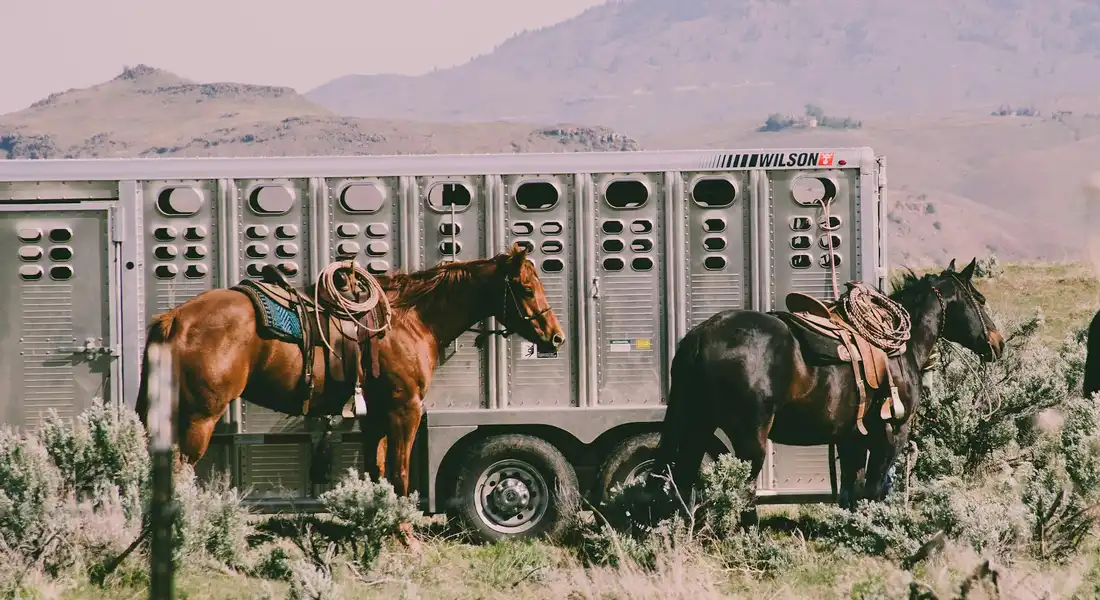
Think of your vet fund not as a distant savings account, but as another regular feed on your barn’s chore chart. I automate a transfer the same day I pay my board bill-it’s just another non-negotiable, like buying grain. Treating this savings like a fixed barn expense is the single best way to ensure it actually grows. The thud of hooves on clay during turnout time is a lot more relaxing when you know a pulled shoe won’t derail your finances, especially when you’re budgeting for unexpected veterinary emergencies.
Get creative by tying small savings to daily rituals. Every time I pick a pebble from Rusty’s hoof or toss a fresh flake of hay to Luna, I round up the cost of that task in my head and stash the difference. Those rounded-up dollars from routine purchases-a bale of shavings, a new bucket-build a surprisingly sturdy financial cushion over weeks and months. It turns mindful care into mindful saving.
Here’s how I weave it into the barn’s rhythm:
- Match Your Savings to Your Schedule: Link your fund contribution to your payday or your monthly hay delivery. When the truck rumbles in, that’s my cue to check the fund.
- The “One Less” Rule: Forgo one non-essential item a month-like that fancy saddle pad-and direct that cash straight to the vet fund. Your horse won’t miss the bling.
- Bulk Buy and Bank the Difference: When you save money by buying grain or bedding in bulk, immediately transfer the amount you saved into your emergency fund. It’s found money for future care.
I keep a separate, labeled bank account so it’s out of sight and out of mind for daily spending. Physically separating this money prevents it from accidentally becoming “new boot money” when willpower is low. Watching Pipin cleverly undo his stall latch reminds me that smart systems prevent big problems, both for ponies and for bank accounts.
Beyond Emergencies: Tying Your Fund to Preventive Care
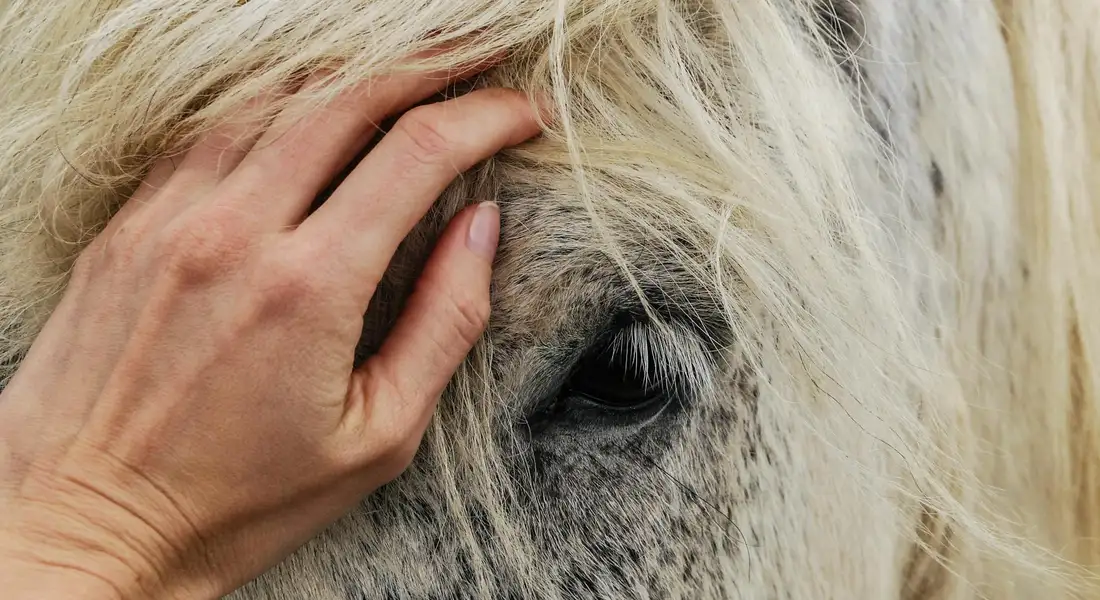
This fund’s true power is realized when you use it to stop emergencies before they start. A sinking fund shouldn’t just be for the ambulance; it should pay for the regular check-ups that keep the ambulance away. Allocating part of your savings to preventive care is the ultimate act of gentle, forward-thinking horsemanship. The quiet click of the vet’s dental float during a routine visit is a sound of investment, not just expense.
I use my fund for what I call “scheduled surprises”-costs we know are coming but never seem to budget for. Luna’s spring vaccines and Rusty’s twice-yearly dental float are line items, not shocks. Planning for these predictable costs reduces financial anxiety and lets you make health decisions based on need, not your checking account balance. It means you can say “yes” to that extra hoof supplement without guilt.
Consider these preventive measures as prime candidates for your fund:
- Annual Vaccinations and Coggins Tests
- Twice-Yearly Dental Examinations and Floats
- Regular Farrier Visits (beyond basic trims, for corrective work or special shoes)
- Seasonal Deworming Based on FEC Tests
- Joint Supplements or Preventive Legend shots for older athletes like Rusty
Last year, a portion of our fund covered a preventive gastro-supplement for Luna when she was stress-prone. That upfront cost was far less than the colic surgery it likely helped us avoid, proving that the best emergency fund is one you use to prevent emergencies. It ensures more days of peaceful grazing and fewer nights of worried stall-watching.
View your fund as a tool for holistic welfare. When Pipin needed his shetland teeth checked, the money was there, ensuring his comfort and his ability to properly digest his food. This proactive approach champions steady wellness over reactive crisis management, leading to healthier horses and a more predictable budget. The smell of fresh hay should be associated with contentment, not with calculating if you can afford the vet to look at a cough.
FAQ: Creating a Sinking Fund for Horse Vet Emergencies
Are there specific apps to help manage a horse vet emergency fund?
While there isn’t an app exclusively for horses, general budgeting apps with “sinking fund” features are excellent tools. You can create a dedicated digital envelope labeled “Equine Emergency Fund” to track contributions and growth. The key is consistent use, mirroring the automated transfer strategy recommended in the main guide.
How does the recommended fund amount change if I own multiple horses?
Your total fund target should scale significantly, as the risk of an emergency multiplies with each horse. A practical approach is to build the full minimum amount for your highest-risk horse first, then systematically save toward the goal for each additional animal. This layered strategy ensures you always have a meaningful cushion available for any single emergency or when managing expenses related to resources such as pasture land for your horses.
Should my vet emergency sinking fund also cover routine preventive care?
Absolutely, this is a powerful way to utilize your fund for comprehensive wellness. Allocating a portion for predictable costs like vaccines and dental floats transforms the fund from purely reactive to proactively health-focused. This integrated approach reduces financial stress and aligns perfectly with the article’s principle of using your plan to champion steady, gentle horsemanship.
Peace of Mind for the Long Trail
Start your fund today, even if it’s just a few dollars, and automate the transfer so you never forget. The single most powerful step is simply beginning, transforming a vague worry into a managed part of your routine.
Your horse’s well-being is a marathon, not a sprint, and this fund is your pit crew. True horsemanship means preparing for the unexpected, so you can focus on what matters most: listening to them.
Further Reading & Sources
- Financial Assistance for Emergency Vet Care
- Vet Direct Safety Net – AAEP
- Equine Assistance Program • MSPCA-Angell
- Owner Assistance Programs – Homes for Horses Coalition
At Horse and Hay, we are passionate about providing expert guidance on all aspects of horse care, from nutrition to wellness. Our team of equine specialists and veterinarians offer trusted advice on the best foods, supplements, and practices to keep your horse healthy and thriving. Whether you're a seasoned rider or new to equine care, we provide valuable insights into feeding, grooming, and overall well-being to ensure your horse lives its happiest, healthiest life.
Health