
American Paint Horse Health: Proactive Care for Common Concerns
Published on: July 18, 2026 | Last Updated: July 18, 2026
Written By: Henry Wellington
Hello fellow equestrians! That moment you spot something “off” with your Paint-a slight head tilt, a new patch of dry skin, or a hesitant step-can send a chill right through your barn coat. You’re right to pay attention; those stunning coat patterns are linked to some specific health predispositions that savvy owners need on their radar.
Let’s walk through what to watch for and how to build a solid foundation of care. This guide will give you a clear, actionable rundown of the most frequent health challenges for Paints, so you can move from worry to informed action. We’ll specifically cover:
- Skin and coat conditions tied to their unique pigmentation, from sunburn to melanoma.
- Eye problems like equine recurrent uveitis that can sneak up on them.
- Metabolic balance to keep their energy steady and their hooves safe.
- Joint and structural care for their powerful, athletic builds.
- Practical daily habits that prioritize prevention and early detection.
My time managing barns and training horses, from my steady Eddy Rusty to my clever escape artist Pipin, has taught me that the best health plan starts with knowing what’s normal for your individual horse.
Paint Horse 101: Breed Traits and Health Awareness
Their flashy coats make them stars of the show ring and beloved companions, but those same patterns are linked to specific genetic codes. Knowing the breed’s tendencies isn’t about fear-mongering; it’s about empowered, proactive ownership. A watchful owner who understands their Paint’s potential genetic blueprint is the first and best line of defense for a long, healthy life.
Inherited Conditions: The Genetic Card Paint Horses Can Be Dealt
Responsible breeding has dramatically reduced the incidence of these issues, but as an owner, knowing what to look for is non-negotiable. I’ve spent years in the barn observing the subtle signs that something is off-a knowledge that’s just as important as any show ribbon.
Overo Lethal White Syndrome (OLWS)
This is the most well-known genetic condition linked to the Paint’s stunning coat patterns. It occurs when a foal inherits the frame overo gene from both parents. These foals are born almost completely white and with an underdeveloped colon, which is fatal. There is no treatment. The single most important action for preventing OLWS is genetic testing of breeding stock; a simple cheek swab can prevent this heartbreak. A foal that is mostly white at birth and shows signs of colic (rolling, discomfort) within hours must be seen by a vet immediately, though the prognosis is grave.
Hyperkalemic Periodic Paralysis (HYPP)
This is a muscular disorder caused by a specific genetic mutation, often traced back to a famous Quarter Horse sire. It affects some Paint Horses and is characterized by unpredictable episodes of muscle tremors, weakness, or even collapse. I once managed a mare, Bella, who was HYPP positive. Managing HYPP is a daily commitment focused on a low-potassium diet and consistent, regular exercise to keep the muscular system functioning smoothly.
Key management strategies include:
- Feeding a diet low in potassium (avoid alfalfa hay, molasses, and electrolyte supplements with potassium).
- Ensuring multiple small meals throughout the day to maintain steady insulin levels.
- Providing a consistent daily turnout and exercise routine; sudden stall rest can trigger an episode.
- Always having your veterinarian’s emergency number on hand.
Other Genetic Quirks: Vision and Coat
Beyond the major syndromes, Paints can be prone to a few other inherited traits. Minimal to no pigment around the eyes (common on bald or mostly white faces) increases the risk of squamous cell carcinoma, a type of skin cancer. I am militant about fly masks with UV protection on sunny days for horses like my old friend Rusty, who has a wide blaze.
Additionally, some breeding lines may carry genes for:
- Congenital Stationary Night Blindness (CSNB): A non-progressive condition where a horse sees poorly or not at all in low light. These horses adjust remarkably well in familiar, well-maintained environments but can be dangerously spooky or hesitant when moved to a new, dark location.
- Mane and Tail Dystrophy: This isn’t just a thin tail; it’s a genetic condition where the hair is extremely brittle, sparse, and fails to grow normally. While not painful, it requires gentle grooming and protection from breakage.
Your job is observation. Regularly lift the mane and tail, check around the eyes and muzzle for pink skin, and note any hesitation in dim light-these simple checks are your everyday tools for catching small issues before they become big problems.
Metabolic and Digestive Troubles: From Feedbag to Bellyache

That flashy coat and easy-going nature can sometimes mask a metabolic minefield. Paints, like many stock-type breeds, have a thrifty gene that’s fantastic for surviving lean winters but a nightmare in a world of rich pasture and abundant hay. I’ve seen more than a few easy-keepers in my barn, and managing their waistline is a daily commitment.
Spotting and Managing EMS and Cushing’s
Equine Metabolic Syndrome (EMS) often shows up as abnormal fat deposits, especially along the crest of the neck, over the tailhead, and behind the shoulders. A telltale sign is a horse that stays rotund on the same ration that keeps others sleek. If you can’t feel your horse’s ribs with light pressure, you’re looking at the first sign of a problem that can lead to debilitating laminitis. Regularly using an equine body condition score lets you assess your horse and track fat distribution over time. PPID (Cushing’s disease), more common in seniors, adds a long, curly coat that won’t shed and a loss of topline muscle.
Management is a barn-wide effort. For my easy-keeper, Rusty, it meant:
- Using a slow-feed hay net year-round to stretch his chewing time and mimic grazing.
- Soaking his hay for 30-60 minutes before feeding to leach out sugars and calories.
- Implementing strict, monitored pasture turnout with a grazing muzzle during spring and fall.
- Prioritizing movement over diet restriction; even hand-walking helps increase insulin sensitivity.
Preventing Colic and Gastric Ulcers
The Paint’s generally calm demeanor doesn’t make them immune to digestive upset. In fact, stalled horses of any breed are prime candidates for boredom and stress-related issues. I remember a boarder’s horse who started wood chewing—a classic red flag for not enough forage and too much idle time.
Your best defense is a consistent, horse-centric routine:
- Provide free-choice forage, 24/7, either as pasture or hay. An empty stomach is an acidic stomach.
- Feed smaller, more frequent grain meals if concentrates are necessary. One big dump of grain is a shock to the system.
- Ensure constant access to clean, fresh water. Check heaters in winter and clean buckets daily.
- Maximize turnout. The movement from walking around a paddock keeps the gut contents moving.
A sudden change in hay type, a dirty water bucket, or a long stretch without forage are the quiet beginnings of most colics I’ve encountered. Listen for the lack of gut sounds and watch for that restless, glancing-at-the-flank behavior.
Lameness and Leg Woes: Supporting a Sound Partner
Those sturdy, well-muscled legs are built for work, but they carry a lot of weight and are subject to repetitive stress. The goal isn’t to avoid all wear and tear-that’s impossible-but to manage it intelligently for a long, usable career.
Degenerative Joint Disease and Arthritis
This isn’t an “old horse” disease; it’s a “used joint” condition that can start surprisingly early. The low, smooth action we love in a riding horse still creates friction in the joints over thousands of strides. Stiffness after stall rest, a shorter stride, or heat in a joint are your early warnings. Many common horse health issues trace back to the anatomy of joints, tendons, and bones. Understanding that anatomy helps explain why those problems arise and which areas to examine first.
My management for Rusty’s older hocks focuses on consistent, low-impact motion and smart support:
- Daily turnout is non-negotiable. Standing still is worse for arthritis than gentle movement.
- I use a quality oral joint supplement with glucosamine, chondroitin, and MSM, and I give it time-months, not weeks-to see an effect.
- I warm up slowly, asking for a long-and-low frame for a good ten minutes of walk and trot before any collected work.
- After a hard workout, a cold hose on the legs is my go-to for reducing inflammation.
Think of arthritis management as a daily deposit in your horse’s soundness bank, not a withdrawal you make only on show days.
Hoof Health: Cracks, Abscesses, and Navicular
The foot is a complex marvel, and problems here will lame the strongest horse. Paints aren’t uniquely prone to one issue, but their active lives make them susceptible to common threats. A hoof abscess, for instance, is often caused by a simple bruise or a tiny puncture that lets bacteria in.
Pipin the pony taught me vigilance with his penchant for finding the one sharp object in a pristine field. A sudden, severe lameness where he wouldn’t put weight on one foot? Almost always an abscess brewing.
- Partner with a skilled, proactive farrier on a regular 5-7 week schedule. Trimming balance is preventative medicine.
- Pick out feet daily, without fail. Look for lodged stones, unusual smells, or heat in the hoof wall.
- Understand that “navicular” is now often called “navicular syndrome,” a catch-all for heel pain that requires veterinary imaging for a true diagnosis.
- Support the hoof internally with a balanced diet; biotin supplements help, but overall nutrition is key.
A clean, dry stall and a well-maintained paddock are your first line of defense against thrush, cracks, and bruised soles. The health of the hoof is quite literally the foundation of everything you ask your horse to do. Between farrier visits, maintaining hoof health with regular picking, cleaning, and routine checks helps prevent issues before they start. Small daily care can make a big difference in keeping your horse sound until the next trim.
Breathing and Skin: Environmental Irritants
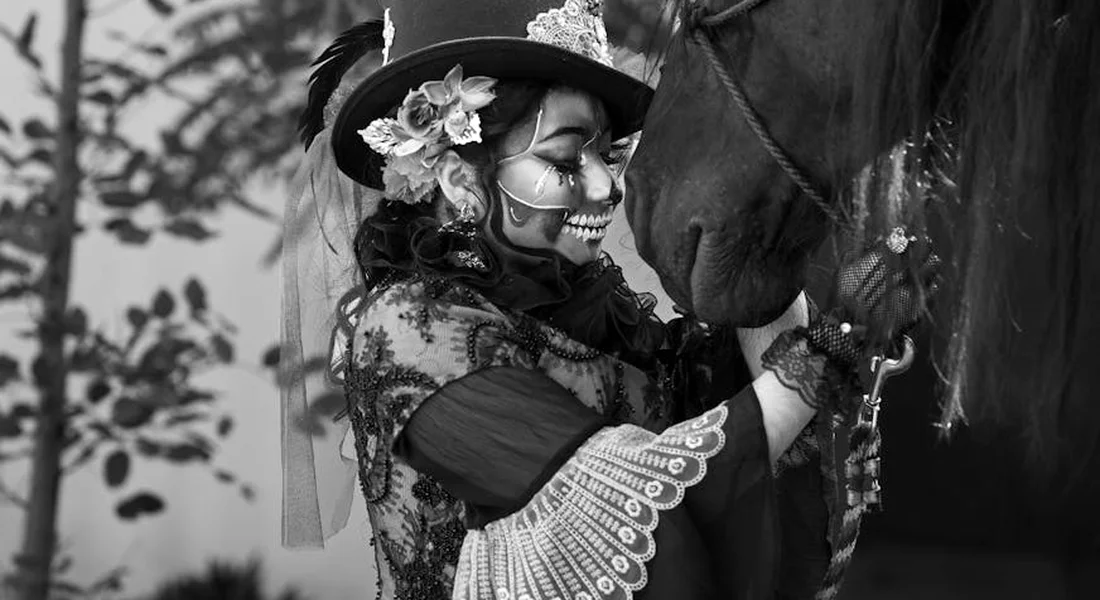
American Paint Horses carry their artwork on their skin, but those stunning patterns can come with sensitive airways and delicate dermis. The same barn that shelters them can harbor invisible irritants in dust clouds from hay or the dampness of a stall corner. I’ve spent countless mornings listening to the soft thud of hooves on bedding, only to hear a faint cough echo from a dusty stall. Your management routine directly shapes the air your horse breathes and the health of their skin, making daily choices pivotal for prevention. Recognizing common horse allergies early—through identification and management—helps tailor care and protect airways and skin. Simple adjustments in hay quality, stall cleanliness, and ventilation can make a big difference.
Managing Equine Asthma in the Barn
Equine asthma, often called heaves, isn’t just a cough; it’s a constriction of the airways that makes every breath labored. It flares from inhaled mold spores and fine particulates. My sensitive Luna once developed a rhythmic cough after we opened a new, slightly dusty hay bale. Soaking hay thoroughly isn’t a suggestion for asthmatic horses; it’s a non-negotiable daily practice that saves their lung capacity.
Transform your barn from a trigger zone to a clean-air haven with these steps:
- Switch to low-dust bedding like wetted wood pellets or shredded cardboard.
- Feed hay from ground-level nets or mats to encourage natural drainage.
- Run fans to promote air circulation, but avoid directing dust toward your horse.
- Muck out stalls when the horse is turned out to let dust settle.
I rebuilt a stall bank for better ventilation, and the change was audible-the quiet breathing returned. Prioritizing maximum turnout time is the single best thing you can do, as fresh pasture air naturally flushes the respiratory system.
Soothing Skin Allergies and Scratches
Those beautiful white socks and blazes lack protective pigment, making them prone to photosensitivity and allergic reactions. Scratches, or pastern dermatitis, is a muddy-paddock menace that starts as a small scab and can bloom into a painful infection. My food-motivated Pipin constantly dunked his feet in water tubs, creating the perfect damp environment for bacteria. Consistently dry legs are your best defense against the creeping redness of scratches.
When you spot those first crusts, act with this gentle protocol:
- Gently clip the hair around the affected pastern for better visibility and airflow.
- Clean daily with a diluted chlorhexidine solution, using soft cloths you can toss.
- Dry the area completely with a clean towel, using a patting motion.
- Apply a thick, protective ointment like zinc oxide to create a moisture barrier.
For general skin allergies, identify the culprit. I keep a simple journal tracking flare-ups against new bedding, fly sprays, or pasture weeds, which often reveals the hidden irritant. Using fly sheets with UV protection and adding omega-3 fatty acids to the diet can strengthen skin resilience from the inside out.
Eye Health: Guarding Their Vision
The expressive eyes of a Paint Horse are windows to their world, but they can be vulnerable. Less pigment around the eye allows more sunlight to penetrate, and genetics can play a role in conditions like ERU. Seeing a horse shy from a sunbeam they once tolerated is a subtle but urgent warning sign. Some horses—even within Paint lines—can have striking blue-green eyes, illustrating how eye color varies across the species. Understanding equine eye colors helps owners interpret changes and respond appropriately. Daily, mindful observation of your horse’s eyes is as critical as checking their water bucket.
Living with and Managing ERU
Equine Recurrent Uveitis (ERU) is a complex autoimmune condition causing painful, repeated inflammation inside the eye. It’s a slow thief of vision. My steady Rusty began to hesitate on our wooded trails, a slight squint in his left eye the only clue. ERU management is less about cure and more about diligent, quiet stewardship to prolong comfort and sight.
Living with an ERU diagnosis requires a structured, calm approach. Here is our barn’s daily protocol:
- Inspect eyes in consistent light, looking for increased tearing, cloudiness, or a constricted pupil.
- Administer vet-prescribed anti-inflammatory eye drops on a strict, unwavering schedule.
- Provide a dark, quiet stall during flare-ups and use a fly mask with UV protection year-round.
- Maintain a low-stress environment with predictable routines to support the immune system.
I store medications in a designated cooler bag by the tack room door so I never miss a dose. Gentle horsemanship here means your touch around the head is always confident and soothing, turning treatment time into a moment of trust, not tension. With vigilant care, many horses with ERU continue to enjoy a good quality of life.
Your Prevention Playbook: Daily Care for a Healthier Horse
Managing health isn’t just about treating problems; it’s about building a daily fortress of good habits. My routine with Rusty, Luna, and Pipin isn’t fancy, but it’s consistent. It’s the quiet minutes in the stall, the rhythm of the day. This is where you build resilience.
Non-Negotiables: The Daily and Weekly Check
This is your five-minute visual and tactile scan. Do it during feeding when they’re distracted. Your goal isn’t to diagnose, but to notice changes.
- Eyes & Nose: Look for clear, bright eyes and dry nostrils. A bit of clear discharge after dusty turnout is normal, but thick yellow or constant dripping is a red flag.
- Appetite & Hydration: Did they leave grain? Is the water bucket level suspiciously high? A horse like Pipin skipping a meal means something is seriously wrong.
- Manure & Urination: Watch for the normal pile. Dry, hard balls or cow-pie consistency are clues. Note if they’re straining or posturing to urinate more often.
- Coat & Skin: Run your hand over their body. You’re feeling for heat, swelling, or new lumps. A scurfy coat or patches of hair loss can signal skin issues.
- Legs & Hooves: Pick out all four feet every single day. Feel for unusual heat in the hooves or tendons. Look for puncture wounds, cracks, or loose shoes. This is your best chance to catch thrush early by its tell-tale black gunk and foul smell.
Your weekly ritual should include a careful check of weight using a tape and a thorough grooming session to feel every inch of them, from poll to tail. This is how you find the tiny cut or the emerging bald spot before it becomes a big issue.
The Turnout Prescription: Movement is Medicine
Stalling a horse for long periods is like putting a marathon runner in a closet. It weakens their mind and body. I’ve seen Luna’s whole demeanor change from tense to relaxed after just an hour of free movement.
- Digestive Health: Constant, slow movement keeps the gut contents shifting and reduces colic risk. A horse wandering a pasture is performing internal massage.
- Respiratory Health: Fresh air dilutes and disperses dust and ammonia fumes from urine that can damage airways. Think of it as airing out the lungs.
- Hoof Health: Movement pumps blood down the legs, nourishing the laminae and promoting strong hoof growth. Dry ground helps keep hooves compact and healthy.
- Mental Health: Freedom to graze, roll, and interact is a fundamental need. A bored horse is a inventive horse, often inventing new ways to injure themselves.
Prioritize turnout, even if it’s just in a small paddock, over a perfectly clean stall. Muddy but moving is almost always healthier than clean but standing still. Pasture and paddock environments each have distinct benefits for movement, grazing, and safety.
Knowing the Red Flags: When to Call the Vet Now
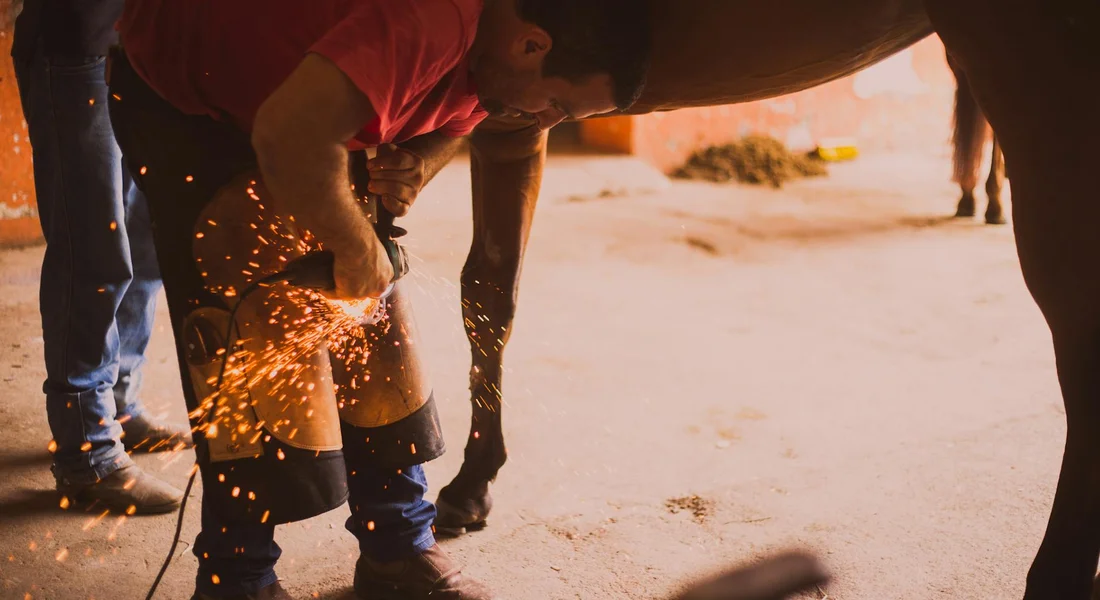
Some signs are whispers; these are shouts. Never second-guess or “wait until morning” with these. I learned this the hard way with a late-night colic.
- Persistent Colic Signs: Rolling violently, looking at the flank, repeatedly lying down and getting up, lack of manure, or an absence of gut sounds. A horse pawing mildly might be okay to monitor, but thrashing is an emergency.
- Labored Breathing at Rest: Flaring nostrils, heaving sides, or a respiratory rate over 30 breaths per minute when they are just standing still.
- Acute Lameness: Non-weight-bearing lameness, a leg held off the ground, or a sudden, drastic change in gait. This could indicate a fracture or severe tendon injury.
- Profuse Bleeding: Any bleeding that doesn’t stop with direct, firm pressure after 5-10 minutes. A steady stream from a limb is a vet call.
- Neurological Symptoms: Staggering, circling, head-pressing into a wall, or sudden blindness. These are dire signs.
- High Fever: A temperature over 102.5°F that doesn’t quickly resolve.
- Choke: Coughing/gagging with green discharge from nostrils, distress, and a lump visible on the left side of the neck. Do not let them eat or drink.
Trust your gut. If your horse’s behavior is so abnormal it sends a chill down your spine, that is your signal to pick up the phone. Your vet would rather have a false alarm than a preventable tragedy.
FAQ: Common Health Issues in American Paint Horses
Are American Paint Horses more prone to certain skin cancers?
Yes, due to their common lack of pigment around the eyes and muzzle, they are at a higher risk for squamous cell carcinoma. This is a type of skin cancer triggered by prolonged sun exposure on pink skin. Using UV-protective fly masks and applying equine-safe sunscreen are critical preventive measures.
Is HYPP still a major concern for Paint Horses today?
While responsible breeding has reduced its prevalence, HYPP remains a known genetic concern traced to certain bloodlines. It causes episodes of muscle tremors or weakness and is managed through a strict low-potassium diet. Genetic testing of breeding stock is essential to prevent passing on this condition.
What should I do if I suspect my Paint Horse is having an ERU flare-up?
Contact your veterinarian immediately, as prompt treatment is vital to control inflammation and save vision. Symptoms include squinting, excessive tearing, cloudiness in the eye, and light sensitivity. Consistent use of a UV-blocking fly mask and administering prescribed anti-inflammatory eye drops on schedule are key parts of long-term management.
Stewarding a Sound and Happy Paint
Monitor those white markings for sun sensitivity and prioritize preventive hoof care to build a solid foundation. Your most powerful tool is a consistent routine that blends watchful eyes at the barn with proactive veterinary partnerships.
True horsemanship is built in the quiet moments of daily care, not just the rides. Your horse’s well-being is a conversation—always listen to what they’re telling you, especially when you talk to horses and try to understand them.
Further Reading & Sources
- American Paint Horse | PetMD
- American Paint Horse Breed Characteristics, Health & Nutrition Guide | Mad Barn
- Meet The American Paint Horse Characteristics | Touch of Chrome Paints
- American Paint Horse – Wikipedia
At Horse and Hay, we are passionate about providing expert guidance on all aspects of horse care, from nutrition to wellness. Our team of equine specialists and veterinarians offer trusted advice on the best foods, supplements, and practices to keep your horse healthy and thriving. Whether you're a seasoned rider or new to equine care, we provide valuable insights into feeding, grooming, and overall well-being to ensure your horse lives its happiest, healthiest life.
Breed-Specific Care