
The Truth About Stallions: Debunking 8 Myths About Keeping an Intact Male
Hello fellow equestrians. That flicker of interest in owning a stallion often gets snuffed out by loud warnings about aggression, astronomical costs, and handling nightmares. I’ve stood at plenty of paddock fences listening to these same fears, and the anxiety about safety and practicality is absolutely understandable.
Let’s clear the air. This article isn’t a sales pitch; it’s a reality check. We’re going to dismantle eight of the most persistent stallion myths, giving you the grounded facts on temperament and training, safe turnout and socialization, realistic daily management, and long-term health care for your intact male.
My advice comes from the saddle and the stallway, after years of barn management and training that included guiding clever, food-motivated ponies like Pipin and building trust with sensitive souls like Luna.
Introduction: The Intact Male in Modern Equine Care
Let’s set the record straight. A stallion is an intact male horse, while a gelding has been castrated. This biological fact sparks many tall tales, but reality is far more interesting.
My aim here is to separate fact from fiction for responsible ownership. Knowledge, not gossip, should guide your choices.
I once cared for a stallion named Atlas, a Percheron with feet the size of dinner plates. He’d wait politely at his stall door for his morning hay, demonstrating more manners than some ponies. Atlas taught me that true horsemanship revolves around welfare, clear handling, and intelligent management, principles that apply to every single horse.
Myths About Stallion Temperament and Training
Myth 1: Stallions Are Inherently Aggressive and Dangerous
This myth is tougher than old leather. Behavior is shaped by handling, genetics, and training, not just testosterone. A grumpy gelding can be far more opinionated than a well-raised stallion.
Real aggression usually springs from poor management, not gender. Here are the common culprits:
- Confinement: Lack of turnout makes any horse irritable and tense.
- Inconsistent rules: Mixed signals from handlers create confusion and frustration.
- Fear: A scared horse, stallion or mare, will act defensively.
I knew a stallion who would gently take treats from a toddler’s hand. Meanwhile, a gelding at our barn would pin his ears over grain. Any horse that learns disrespect is a safety hazard, which is why your consistent leadership is the most important factor.
Myth 2: Stallions Require Harsh or Specialized Training Methods
Absolutely not. Stallions respond brilliantly to the same gentle, consistent horsemanship I use on all my horses. I’ve never shouted a stallion into submission.
The core principles of good training are universal. They work on every horse in the barn.
- Clarity: Use precise cues and immediate, fair feedback.
- Patience: Allow time for the lesson to sink in without pressure.
- Trust: Build a partnership where the horse feels secure and heard.
A stallion’s powerful focus is an asset. Direct it with clear communication into positive work like pattern drills or precise groundwork. Channeling that mental intensity into a shared goal builds a willing partner, not a rogue.
Myth 3: Stallions Are Too Stressed Without a Breeding Job
This assumes stallions are one-dimensional, which sells them short. They are athletes and companions first, not just breeding machines.
Like my high-energy mare Luna, a stallion needs a balanced routine. Without work and turnout, any spirited horse becomes stressed.
The solution is a fulfilling schedule of exercise, pasture time, and mental snacks. Daily turnout is critical for mental health. A good hack can settle their mind as well as any breeding activity.
I managed a stallion who was a successful show jumper and never bred a mare. His life was rich with training, trail rides, and watching barn life from his paddock. Providing purpose through varied, engaging work fulfills a stallion completely, making the absence of a breeding “job” irrelevant—it’s just one of those horse facts and misconceptions.
Myths About Housing, Health, and Social Needs
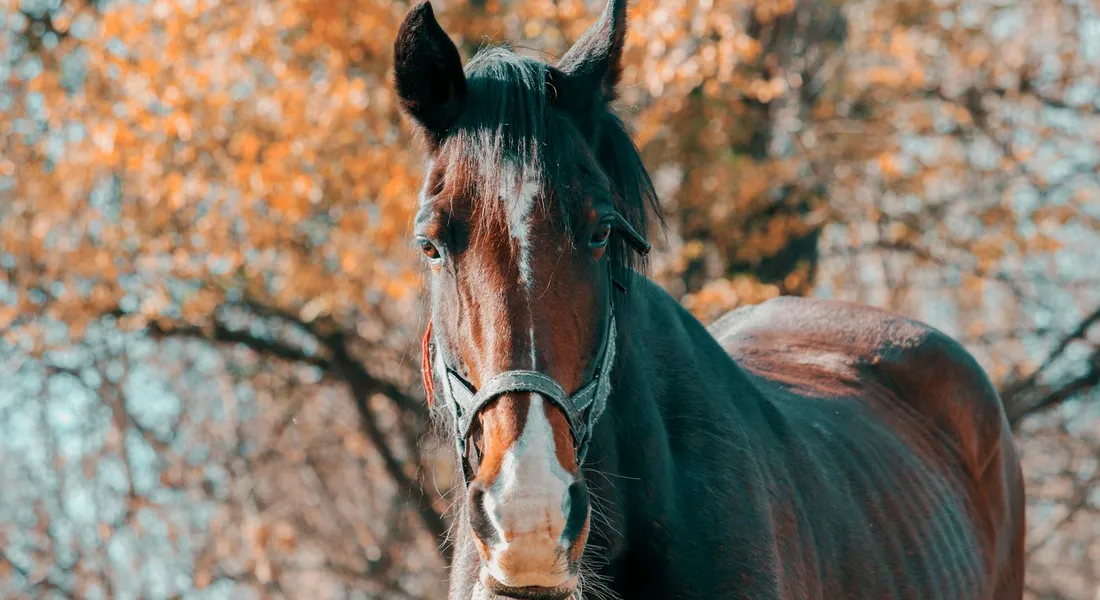
Myth 4: Stallions Can Never Be Housed or Turned Out With Other Horses
The image of a lonely stallion locked in a fortress is a stubborn one. I’ve managed barns where we turned this myth on its head with thoughtful setups. With the right precautions, many stallions can enjoy visual or even physical contact with other horses, which is vital for their mental well-being. Isolation breeds frustration, and a frustrated horse is never a safe partner.
Safe social management starts with reading your individual horse. Some stallions are content living next to a calm gelding buddy, sharing the breeze over a sturdy fence. Others might tolerate direct turnout with certain companions after a careful, supervised introduction. Your fencing is your first and most critical line of defense-think tall, visible, and incredibly strong, without a single weak board or loose wire. I’ve seen a motivated stallion test a fence with the focused power of a battering ram, so build for that. For a safe turnout area, plan a sturdy fencing layout with clearly defined paddocks, escape-proof boundaries, and good visibility.
Here are a few herd configurations I’ve used successfully, always with a backup plan and my boots on the ground watching:
- Solo turnout with visual contact: The stallion has his own paddock but can see and interact with geldings or mares in adjacent spaces. This satisfies the herd instinct without physical risk.
- Turnout with a select gelding: Some older, steady geldings make excellent companions. I once turned a young stallion out with a veteran like Rusty, who had zero tolerance for drama and would put him in his place with a pinned ear.
- Small, stable bachelor bands: In very large, secure pastures, a group of compatible stallions can live together, but this requires immense space, expert management, and is generally for specialized operations.
My favorite success story involved a sensitive Thoroughbred stallion who would weave anxiously alone. We moved him to a stall with a window facing the geldings’ field, and the change was immediate-the rhythmic thud of hooves at play seemed to soothe him, and his weaving stopped within a week. The goal is always to meet their social needs while keeping every creature safe.
Myth 5: Stallions Have More Health and Veterinary Problems
This myth conflates additional maintenance with inherent sickness. A stallion isn’t a walking vet bill; he just has a different checklist. Think of reproductive care as an extra module in your horse’s health plan, not a guarantee of overall poor health. His foundation-strong hooves, clean teeth, a parasite-free gut-is built the same way as for Luna the mare or Pipin the pony.
The core of equine wellness doesn’t change with gender. All horses need regular dental floats, consistent hoof trims, and strategic deworming based on fecal counts. A balanced diet and ample turnout are the bedrock of health for every horse in my care, stallion or not. Where your routine diverges is in those specific, intact-male tasks.
Here’s the short list of routine care unique to stallions:
- Sheath cleaning: This isn’t optional. Smegma can build up, causing discomfort and even infection. A gentle, annual clean by you or your vet is a must.
- Breeding soundness exams (BSE): If you’re considering breeding, a vet will check sperm quality, libido, and physical soundness. It’s a standard evaluation, not a sign something is wrong.
- Strategic vaccination: Discuss with your vet if vaccines for venereal diseases like Equine Viral Arteritis (EVA) are needed in your area or breeding circuit.
I schedule sheath cleanings for my intact boys during spring vaccinations-it’s a messy job, but the smell of clean hay afterwards is a reward. Proactive, consistent care prevents the vast majority of problems, leaving you with a healthy athlete whose plumbing is just one part of the whole.
Myths About Suitability and the Reality of Breeding
Myth 6: Only Professionals Can Handle a Stallion Responsibly
Professional experience helps, but I’ve seen novices with the right heart do brilliantly and “pros” with a lazy approach create hazards. Handling a stallion responsibly hinges less on a title and more on a daily commitment to calm, predictable leadership. It’s about who you are every time you snap that lead rope onto the halter.
The essential traits aren’t mystical; they’re practical. You need the confidence to move with purpose, the consistency to enforce the same polite manners every single day, and the humility to ask for help. A handler who loses their temper or lets rules slide is far more dangerous than an inexperienced owner who seeks knowledge and moves with quiet intent. I learned this early when a seasoned groom got complacent and got a hoof to the shin for his trouble.
If you’re considering a stallion, be brutally honest with yourself. Then, find a mentor-a trainer or experienced owner who can watch you work and give feedback. Spend time just being around him, grooming him, learning his tells; the creak of leather under tension can be your first warning sign he’s getting anxious. Handling is a skill built in the quiet moments, not just the exciting ones.
Myth 7: Stallions Perform Poorly Compared to Geldings
Tell that to the stallions dominating dressage, reining, and show jumping circuits worldwide. The idea that testosterone only equals distraction is a simplification. For a well-managed stallion, that hormonal drive can translate into a powerful focus and presence in the arena that is unmistakable. It’s about channeling energy, not suppressing it.
Proper management is the key. A stallion kept fit, mentally stimulated, and with his social needs met can be all business under saddle. His “edge” often means he’s more sensitive to aids and more connected to his rider-a trait we cherish in sensitive mares like Luna, too. Sure, some individuals are more easily distracted by nearby mares, but I’ve known geldings who were barn-sour and mares who were moody. It’s about the individual.
I’ve ridden geldings who were lazy and stallions who were the most willing partners. The difference in performance comes down to training, management, and the horse’s innate personality, not just the presence of testicles. A stallion’s job is to work, and when he respects you as his leader, he often works with a brilliant intensity.
Myth 8: Breeding a Stallion is a Simple Profit Center
Let’s be blunt: breeding is a high-risk business and a profound ethical responsibility, not a side hustle. Thinking you’ll breed a few foals to cover your horse’s expenses is a fast track to financial stress and potentially contributing to the problem of unwanted horses. The romance of a baby in the field fades quickly against vet bills and sleepless nights. It’s crucial to understand the legal responsibilities when breeding horses before taking the plunge.
The hidden costs stack up fast and deep. Beyond your stallion’s upkeep, you’re looking at mare care, veterinary fees for breeding, ultrasounds, and foaling. Then there’s marketing, insurance, and the stark reality of liability. You are ethically bound to produce sound, trainable foals with temperaments and conformations that will not burden their future owners. This means only breeding from proven, excellent stock with clear goals to ensure they meet insurance requirements and protect your investment.
- Vet Fees: Collection, insemination, pregnancy checks, and potential complications.
- Mare Care: Board, feed, and monitoring for the mare, often for over a year.
- Marketing & Liability: Advertising stud services, contracts, and the risk of a mare or foal getting injured.
- The Foal’s Future: Having vetted homes lined up before the breeding even happens.
I’ve seen well-intentioned people end up with a lovely foal they can’t sell because the market is saturated. Breeding should never be an experiment or a way to “pay for your horse.” It is a deliberate act of stewardship, requiring as much business acumen as it does love for the species. Do it for the right reasons, with your eyes wide open to the true cost.
Practical Husbandry for the Intact Equine

Caring for a stallion isn’t a mysterious art, but it is a disciplined science. It boils down to consistency, foresight, and a rock-solid routine. The foundation of good stallion management is predictability; he should know what to expect from you, and you must know what to expect from him. From my years at the barn, I’ve learned that their world needs clear edges and reliable patterns.
The Stallion Keeper’s Checklist
This isn’t your average gelding’s schedule. Every point here is designed to keep him mentally engaged, physically sound, and safely integrated into the farm’s rhythm.
- Secure Housing: Think fortress, not just stall. Walls and doors must be solid and high-I’ve seen a motivated stallion lean over a standard door. Fencing should be visible, immovable, and at least 5 feet tall. Pasture turnout, while highly beneficial, requires a double-fenced safety buffer or a dedicated paddock well away from mares. Daily stall cleaning is non-negotiable; a clean environment reduces stress and stall vices.
- Structured Handling: Every interaction is training. Groom him where he stands, don’t let him invade your space for scratches. Lead with a chain over the nose or under the chin, used correctly as a cue, not a crutch. Your handling must be fair and unflappable; patience and quiet confidence speak louder to a stallion than force ever could. Work on ground manners daily, even if it’s just five minutes of standing square or backing up politely.
- Nutrition for His Job: A stallion’s diet is about balance, not brute strength. Most don’t need massive grain meals; that’s a recipe for explosive energy. Base his diet on premium-quality hay, adjusted for his body condition and workload. A good vitamin/mineral supplement is key. I watch my boys like a hawk when the spring grass comes in-too much sugar can turn even steady Rusty into a handful.
- Veterinary Schedule: This is non-negotiable. Beyond the usual vaccines and deworming, dental checks are paramount. A mouthache makes any horse irritable, and an irritable stallion is a risk. Annual breeding soundness exams are a must if he’s at stud. Hoof care stays on a strict 6-8 week cycle; a balanced hoof is critical for his posture and demeanor.
This routine isn’t about restriction, but about creating a framework for success. With this knowledge and a deep well of respect, caring for a stallion transforms from a daunting task into a deeply rewarding partnership. You’re not just a keeper; you’re the steady anchor in his world, and that is a role of immense privilege.
FAQ: The Truth About Stallions: Debunking 8 Myths About Keeping an Intact Male
Can stallions be safely kept with other horses?
Yes, many stallions can have safe social contact with proper management and facilities. Options include solo turnout with visual contact or carefully introduced companionship with a steady gelding. The key is using exceptionally strong, tall fencing and always prioritizing safety for all horses involved.
Are stallions more prone to health problems than geldings?
Stallions are not inherently less healthy, but they do require specific, routine reproductive care. This includes annual sheath cleaning and possibly specific vaccinations, which are additional to a solid foundation of standard equine wellness. Many common health issues are tied to anatomy—how a horse’s organs and reproductive structures are arranged can influence risk and symptoms. This perspective makes routine care and targeted checkups even more important for stallions. With proactive and consistent veterinary care, a stallion can be just as healthy and sound as any gelding.
Is it impossible for amateurs or casual owners to handle a stallion responsibly?
Responsible handling depends more on the individual’s commitment, knowledge, and consistency than on a professional title. An amateur who is calm, predictable, and seeks ongoing education and mentorship can succeed. The essential factors are a willingness to learn and a daily dedication to clear, respectful leadership.
Parting Wisdom from the Paddock
Through handling everything from reliable Rusty to sensitive Luna, I’ve learned a stallion’s behavior reflects his management, not myth. Build a partnership based on clear, consistent routines and ensure he gets plenty of turnout-a bored or confined stallion is a problem waiting to happen.
Always prioritize calm, safe interactions and trust the horse in front of you over old wives’ tales. Your patience and observation are the true tools for successful horsemanship, especially when it comes to building a strong bond and trust with your horse.
Further Reading & Sources
- What Is Telegony? The Discredited Theory Explained – ScienceInsights
- 12 Stallion-Care Myths – Fact or Fiction?
- Are Stallions Hard To Deal With – How To Own a Horse
- r/etymology on Reddit: How did stallion transform from meaning “male horse” to a “tall, fine” woman?
At Horse and Hay, we are passionate about providing expert guidance on all aspects of horse care, from nutrition to wellness. Our team of equine specialists and veterinarians offer trusted advice on the best foods, supplements, and practices to keep your horse healthy and thriving. Whether you're a seasoned rider or new to equine care, we provide valuable insights into feeding, grooming, and overall well-being to ensure your horse lives its happiest, healthiest life.
Behavior