
Training Considerations for Different Horse Breeds: A Tailored Approach
Published on: March 15, 2026 | Last Updated: March 15, 2026
Written By: Henry Wellington
Hello fellow equestrians. Hitting a wall with a training method that worked perfectly on your last horse but fails miserably with your new one? That frustration, and the safety or behavioral hiccups that follow, is often a breed-specific puzzle waiting to be solved.
This guide will help you fit the pieces together by focusing on three core strategies:
- Reading the unique personality blueprint of different breeds
- Matching your tack and techniques to physical build and historical purpose
- Creating a training timeline that respects natural maturity rates and instincts
My years in the saddle and the stable, managing herds and training everything from clever ponies to high-strung sport horses, have taught me that the best training starts with observation, not assumption.
Start With the Right Foundation: Training Principles for Every Horse
The Universal First Steps
Before you saddle up or introduce fancy maneuvers, every horse deserves a cornerstone of clarity and safety. Your first job in any training session is to manage the environment and your own energy to prevent accidents before they can happen. I learned this foundational lesson with Rusty, my steady Quarter Horse, during a simple leading exercise years ago. Distracted by a barn cat, I didn’t notice my slack lead rope, and Rusty, ever the opportunist, decided to investigate a nearby hay bale—stepping squarely on my foot. The sharp thud of his hoof was a pain I earned, a reminder that safety is an active practice, not a passive hope. Proper handling techniques are essential for both horse and handler.
These four non-negotiable steps apply to every horse, from a fiery Arabian to a gentle Shire:
-
Establish Trust Through Predictability. Spend the first minutes of any interaction without demands. Gentle grooming, quiet grazing, or simply sharing space builds the bank account of trust you’ll draw from later. Rusty now rests a hip and sighs when I enter his stall, a sign he sees me as part of his herd, not a stressor. That steady routine helps you build a strong bond and trust with your horse. In the next steps, you’ll find practical ways to deepen that bond and trust.
-
Communicate with Clear Pressure and Release. This is the universal language of yes and no. Apply light pressure, wait for any attempt at the correct response, and release instantly. The release of pressure is the reward, teaching the horse that comfort comes from cooperating. Use it for everything from haltering to lateral movements.
-
Commit to Iron-Clad Consistency. Horses are creatures of habit who find security in routine. Use the same verbal cue, body posture, and expected response every single time. Inconsistency breeds confusion, and confusion breeds resistance — especially when it undermines your horse’s trust.
-
Let Patience Dictate the Timeline. Training is not a race. Some concepts click in a day; others need weeks of gentle repetition. Celebrate the microscopic wins-a relaxed ear, a willing step-as much as the major breakthroughs.
Reading Your Horse’s Feedback
True training is a dialogue, and your horse is constantly talking with their body. Learning to interpret this silent language is what separates a good trainer from a great partner. The flick of an ear, the set of the jaw, and the tension in the neck are all sentences in an ongoing conversation.
Start with the ears. Forward and soft means engaged; pinned flat back is a definitive “no.” Watch the eyes: a soft, drooping lid indicates relaxation, while a wide eye with visible white shows fear or alarm. The tail is a mood meter-a casual swish is normal, but a stiff, clamped tail often signals pain or anxiety.
Compare my two: Luna, my Thoroughbred, broadcasts her feelings like a neon sign. A plastic bag rustling might make her snort, jump sideways, and hold her breath. For her, that’s a loud cry for reassurance. Rusty, the Quarter Horse, might simply stop, tense his neck slightly, and let out a slow blow. Missing these subtle signals from a stoic horse is how minor discomfort becomes a major behavioral issue. Understanding common horse fears and skittish behavior helps you recognize anxiety patterns early. With that knowledge, you can tailor your responses to manage it effectively. Whether your horse is a live wire or a steady rock, your success hinges on listening and adjusting your ask in real time.
Breed-Specific Blueprints: Temperament and Training
The Steady Quarter Horse
Blessed with a willing “get-along” attitude, Quarter Horses like Rusty are the ultimate all-rounders. Their biggest training challenge isn’t overcoming defiance, but preventing mental boredom in a horse that will politely do anything you ask. Leverage their versatility by rotating their work-trail riding one day, arena figures the next, and maybe some ground pole gymnastics after that.
To keep a reliable horse responsive, avoid drilling. After three or four perfect repetitions of a new skill, stop and do something enjoyable. A long, wandering walk on a loose rein or a good scratch on the withers reinforces that work ends positively. This maintains their eager-to-please nature for the long haul.
The Sensitive Thoroughbred
Training a Thoroughbred like Luna requires the patience of a saint and the calm of a monk. Their nervous system is wired tightly, meaning your energy and hands must be soft and predictable to build their fragile confidence. A raised voice or a sudden gesture can undo weeks of progress. I learned with Luna that on spooky days, dropping the reins and singing a silly song did more to settle her than any technical aid.
Manage their high energy with ample turnout and forward, rhythmic work that lets them stretch their legs. Break every lesson into tiny, digestible pieces, and reward the slightest try. Their sensitivity, when respected, transforms into breathtaking athleticism and heart.
The Spirited Arabian
Arabians pack formidable intelligence and endurance into a compact frame. They excel at figuring out what you want, and what they can get away with, so keep lessons engaging and positive to harness their curiosity. Monotony is your enemy. Introduce new trails, different obstacles, or varied patterns to keep their active minds focused on you.
Channel their spirited energy into disciplines that reward stamina and mental engagement, like endurance riding or competitive trail. Use their bond with you as a primary motivator, as they often work enthusiastically for a trusted rider. Avoid power struggles; make the correct choice obvious and rewarding.
The Powerful Warmblood
These athletes are built for disciplines like dressage and jumping, but they mature slowly. Pushing a young Warmblood too hard, too fast is a recipe for physical injury and mental shutdown. Prioritize slow, correct conditioning that builds the topline and core strength needed to carry a rider in collection.
Systematic strength building is non-negotiable. Think months of long and low trot work, hill exercises, and careful gymnastics over poles. Mentally, they may seem placid as youngsters, but with consistent, kind training, they develop into powerful and willing partners. Give them time to process each new physical demand.
The Gentle Draft Horse
Their immense strength and generally calm demeanor are gifts, but their size changes everything. You are working with significant leverage, so cues must be taught with clarity from the ground to ensure they are light and responsive under saddle. What feels like a light aid to you might not register to a 2,000-pound horse. That invites the question: how do horses’ senses compare to ours? Understanding that helps us design cues that are truly clear to them.
Use their calm nature to your advantage by introducing complex tasks like driving or obstacle work that stimulate their mind. Teach maneuvers like yielding the hindquarters or backing up with clear body pressure before ever adding reins. Remember, their mass means they need more time to start and stop, so plan your cues accordingly.
The Clever Pony
Ponies like Pippin are ingenious, mischievous, and often food-obsessed. Training a pony is less about brute force and more about setting firm, fair boundaries that outsmart their cunning. I once spent a week teaching Pippin to step onto a wooden platform for a treat. He learned it in one session, then spent the next six trying to knock the platform over to get the grain bucket underneath. His cleverness is a blast when directed positively.
Use their food motivation wisely-treats are for rewarding desired behavior, not for bribing or stopping bad habits. Keep sessions short, fun, and varied to hold their attention. Establish yourself as the unquestioned leader through unwavering consistency, or they will happily take over the herd.
Groundwork and Manners: The Great Equalizer
Why Groundwork Comes Before Riding
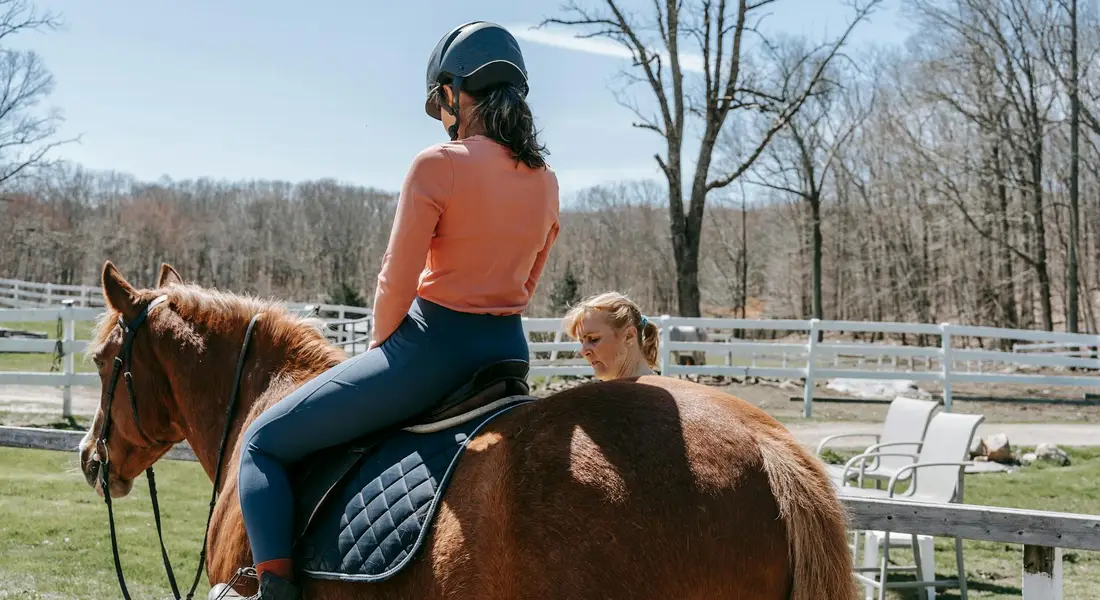
You can’t build a house on sand, and you shouldn’t climb on a horse without a solid foundation on the ground. I learned this the hard way with Luna, my sensitive Thoroughbred, who taught me that patience in the round pen saves panic in the saddle. Groundwork establishes a common language before you ever put weight in a stirrup, making every ride safer and more connected. It builds respect as you move the horse’s feet respectfully, and it sharpens communication through clear pressure and release. This isn’t just for green horses or problem cases. From Pipin the pony to a gentle giant Percheron, every equine benefits from this fundamental conversation. The time you invest here pays dividends in trust, making vet visits, farrier work, and trailering less stressful for everyone.
Breed-Tailored Groundwork Exercises
Think of groundwork as customizing your approach. A one-size-fits-all method just creates frustration. A pushy Quarter Horse and a spooky Arabian need different dialogues. Match the exercise to the personality, and you’ll see progress instead of a power struggle. Here’s a quick guide to pairing common breed tendencies with focused exercises.
| Common Tendency | Example Breeds/Types | Recommended Groundwork Exercise |
|---|---|---|
| Spooky or Nervous | Thoroughbreds, Arabians | Desensitization with flags and tarps; focus on rhythmic, quiet leading over poles to build confidence. |
| Pushy or Dominant | Some Quarter Horses, Ponies | Yielding the hindquarters with clear pressure; establishing personal space boundaries during feeding. |
| Lazy or Unmotivated | Some Draft crosses, older geldings | Energy-building exercises like trot circles with transitions; using clear vocal cues to create responsiveness. |
| Curious & Intelligent | Warmbloods, Morgans | Problem-solving tasks, like opening a gate or navigating a simple maze; keeps their mind engaged. |
With Rusty, my steady Quarter Horse, I work on fine-tuning yields because he can get a little too comfortable in my pocket. For Pipin, the clever Shetland, I make every session a game to outthink his escape artist plans.
Matching Equipment to Breed and Build
Finding the Right Tack Fit
A saddle that fits a broad-backed Haflinger will bridge and pinch on a sharp-withered Thoroughbred like Luna. It’s not just comfort; it’s about preventing soreness that leads to behavioral issues. Always run your hand under the fully tightened girth and saddle pad to feel for any pressure points, especially after a sweaty ride when impressions are clear. High withered breeds often need saddles with more front gullet clearance, while round-barreled cobs require wider trees. Bits follow the same rule: a thin, ported bit for a draft horse’s thick tongue is cruel, while a thick, mild snaffle might be ignored by a fine-mouthed Arabian. The goal is clean contact, not constant correction.
Tool Selection for Different Personalities
Choosing a bit or training aid based solely on your riding discipline is like using a sledgehammer to crack a walnut. The horse’s mind matters most. Select tools that match your horse’s sensitivity, starting with the mildest option possible and only changing if communication breaks down. A sensitive horse like Luna thrives in a simple eggbutt snaffle, where subtle rein aids are whispers. A duller, heavier-mouthed horse might need the clearer signal of a slow-twist snaffle, but always check fit first. I avoid gadgets that force position over understanding. Remember, the best tool is a well-fitted, appropriate piece of equipment used by patient hands.
Conditioning and Recovery: Not All Fitness is the Same
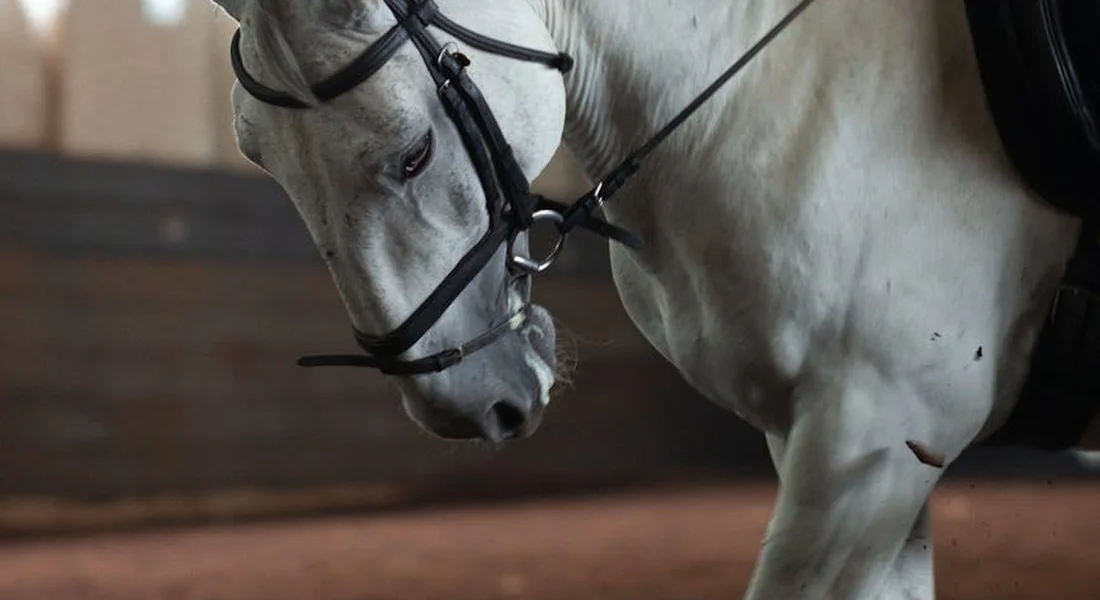
The creak of the saddle and the rhythm of hooves on a trail feels different on every horse because their bodies are built for different jobs. Conditioning isn’t just about making a horse tired; it’s about developing the specific type of fitness their breed and role requires, while always, always respecting their need for recovery. I learned this the hard way trying to put a draft horse’s muscle on a lean Thoroughbred frame, which is a good reminder that a tired horse isn’t always a good horse.
Breed-Specific Fitness Plans
Think of it like training athletes. You wouldn’t train a marathon runner and a powerlifter the same way. Your Arabian or lean Thoroughbred, like my Luna, is your endurance athlete. For them, fitness is about cardiac and respiratory stamina. Long, slow distance work-walking and trotting over varied terrain-builds that deep, efficient engine without frying their nerves.
Your Warmblood or stock horse is your strength athlete. Building topline and hindquarter muscle for collection requires short, focused periods of intense work: hill work, transitions, and gymnastic exercises, followed by generous stretching and walk breaks. Building the topline is essential for overall strength. Their fitness is structural, not just cardiovascular.
Then there’s the pony, like Pipin. That sturdy Shetland metabolism is a furnace that burns slow and hot on very little fuel. Their workload must be carefully measured against their calorie intake to avoid turning a fun ride into a weight management crisis. For ponies and easy keepers like Rusty, fitness is often more about consistent movement and mental engagement than exhausting exercise.
Nutrition for the Working Horse
You can’t power a delicate sports car with diesel fuel, and you can’t fuel a calm trail horse like a racehorse. Feed must match both energy output and innate temperament. For the high-strung horse-your Lunas of the world-I lean on calories from fats and fibers. These provide slow-release energy without the sugar spikes that can turn a training session into a rodeo. A scoop of a high-fat supplement or soaked beet pulp can work wonders.
For the steady eddy or the easy keeper in moderate work, like Rusty, good-quality hay often covers most needs. If you need to add energy, choose a low-starch, low-sugar feed and always weigh your scoops; eyeballing it is a fast track to a fizzy or overweight horse. The goal is to fuel the work, not the temperament.
- Hot Horse: Seek “cool” calories from fat (oil, rice bran) and fermentable fiber (beet pulp).
- Hard Keeper: May need highly digestible fiber and a balanced concentrate, fed in multiple small meals.
- Easy Keeper in Work: Prioritize premium hay, and add a vitamin/mineral balancer instead of a rich grain.
The Non-Negotiable: Rest and Turnout
The most critical part of any fitness plan is what happens outside the arena. A stall is not a recovery suite; it’s a cage for a mind and body built to move. I’ve seen stoic horses get ulcerated and gentle souls turn stall-walkers from lack of turnout. Muscles repair, joints lubricate, and minds decompose during unstructured movement and social grazing. That thud of hooves as they trot off to roll is the sound of therapy.
Turnout prevents the physical stiffness that leads to injury and the mental frustration that leads to dangerous behaviors. This is not breed-specific. Every horse, from the feisty Arabian to the placid Percheron, needs daily freedom. A healthy exercise turnout schedule helps translate that freedom into steady fitness and calm behavior. A well-timed balance of turnout and controlled activity ensures consistent recovery. If you want to see a training breakthrough, sometimes the best thing you can do is not train at all-just open the gate and let them be a horse. Their recovery is your responsibility, and it’s the foundation every ride is built upon.
FAQ: Training Considerations for Different Horse Breeds
How do I determine the best training frequency for my horse’s breed?
Base training frequency on the breed’s typical energy and maturity, such as shorter, daily sessions for sensitive Thoroughbreds to manage nerves. For slower-maturing Warmbloods, focus on fewer, quality sessions weekly to allow for physical development. Always monitor your horse’s feedback to adjust the schedule and avoid overtraining, ensuring progress without stress.
What role does a breed’s historical purpose play in modern training techniques?
A breed’s original function, like herding or carriage pulling, influences its instincts and physical capabilities, which should guide your training goals. For example, leverage a Draft horse’s calm strength for driving exercises rather than speed work. Respecting these inherent traits helps you choose suitable disciplines and build on natural strengths for a harmonious partnership, as well as understanding horse behavior and psychology.
How can I prevent boredom or burnout in breeds known for high intelligence or energy?
Introduce variety in routines, such as trail rides or obstacle courses, to engage smart breeds like Arabians and ponies. Keep lessons short and reward-focused to maintain their interest and prevent them from becoming sour. Consistently provide ample turnout and mental enrichment outside training to channel their energy positively and sustain long-term willingness.
Finding Your Horse’s Frequency
The most effective training starts with adjusting your expectations and methods to your horse’s genetic blueprint, whether that means steady confidence-building for a Quarter Horse or thoughtful desensitization for a sharp Thoroughbred. Your ultimate success hinges on observing the individual in front of you, blending breed knowledge with the unique personality you know from the ground up.
Progress is a dance of patience and safety, never a forced march. Your horse, through a relaxed eye or a hesitant ear, will always tell you what they need you to hear.
Further Reading & Sources
- Training and Conditioning Your Equine Athlete | Equimed – Horse Health Matters
- Horse breeding – Wikipedia
- Training Techniques for Different Horse Breeds
- Training standardbred trotters and pacers | Veterian Key
At Horse and Hay, we are passionate about providing expert guidance on all aspects of horse care, from nutrition to wellness. Our team of equine specialists and veterinarians offer trusted advice on the best foods, supplements, and practices to keep your horse healthy and thriving. Whether you're a seasoned rider or new to equine care, we provide valuable insights into feeding, grooming, and overall well-being to ensure your horse lives its happiest, healthiest life.
Breed-Specific Care