
Daily Horse Stable Maintenance: The Essential Tools You Actually Need
Published on: July 5, 2026 | Last Updated: July 5, 2026
Written By: Henry Wellington
Hello fellow equestrians. That sinking feeling when you walk into the barn, knowing the day’s chores are looming, is all too familiar-especially when you fear a missed task could mean a colic scare, a hoof abscess, or a frustrated horse. I’ve watched skipped maintenance turn into costly vet bills and preventable behavioral issues, from a pony like Pipin refusing his stall because it’s damp to a sensitive soul like Luna developing skin irritations.
This guide cuts through the clutter. I’ll walk you through the exact tools that make daily care efficient and effective, covering the grooming kit items that safeguard against skin and hoof problems, the mucking tools that transform clean-up from a chore to a quick routine, the feeding and watering supplies that promote safety and reduce waste, and the basic tack care essentials that prevent equipment failure.
My advice comes from years of barn management and training, where the right tool in hand has made all the difference for the welfare of every horse in my care, from reliable Rusty to high-energy Luna.
The Mucking Out Kit: Your Daily Foundation
Mucking out is the non-negotiable core of good barn keeping. I treat it as a morning meditation with a purpose: that sharp smell of ammonia fading as I work, replaced by the earthy scent of fresh bedding. This daily ritual directly impacts your horse’s respiratory health and comfort, making it a quiet act of profound care. A clean, dry stall encourages your horse to lie down and rest properly, which is vital for their mental and physical recovery.
Primary Tools for Waste Removal
Your efficiency and your back’s survival depend on using the right implements. Think of these as extensions of your own arms.
Muck Fork or Manure Fork
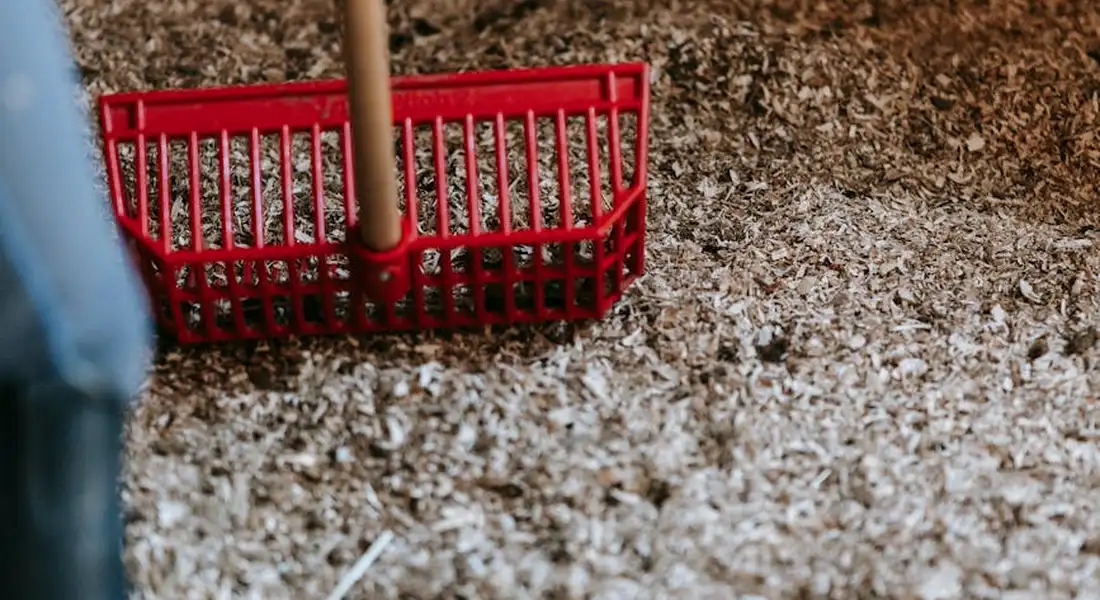
This is your primary weapon. I’ve broken cheap ones and learned the hard way. Opt for a fork with a forged steel head and tines spaced about 3/4 of an inch apart-perfect for shaking out clean pine shavings while catching the wet spots and piles. The handle length is personal; I like one that reaches my chin when stood upright, saving me from constant bending.
- Durable forged steel construction
- Proper tine spacing for your bedding type
- A comfortable, grippy handle (rubber over wood)
Wheelbarrow or Muck Cart
Your moving bin. A wheelbarrow is agile for tight spaces, but a two-wheeled muck cart is a game-changer for stability. I use a cart because it doesn’t tip when Pipin decides to zoom past it. Look for a model with a pneumatic tire; it rolls easier over uneven yard surfaces and saves your shoulders on the tenth trip to the manure pile. Empty it promptly to avoid becoming a fly breeding station.
Shovel and Manure Scoop
These are your precision tools. A flat-edged shovel is indispensable for scraping wet packed bedding from stall corners. The manure scoop, a small handheld shovel, is my secret for spot-cleaning paddocks and trailers. Keeping a dedicated scoop in the tack room means you can quickly remove fresh manure from high-traffic areas, disrupting parasite cycles on the spot. It’s a five-second habit with big health benefits.
Sweeping and Scrubbing: Tools for a Tidy Aisleway
A clean aisle is about safety first-for you, your horse, and the vet or farrier who visits. That satisfying swish of a broom sets the tone for a organized barn day.
Keeping Surfaces Clean and Safe
Dust, hay chaff, and the occasional escaped grain need a daily eviction. This isn’t just about looks; it’s about preventing slips and monitoring barn health.
Stable Broom and Muck Rake
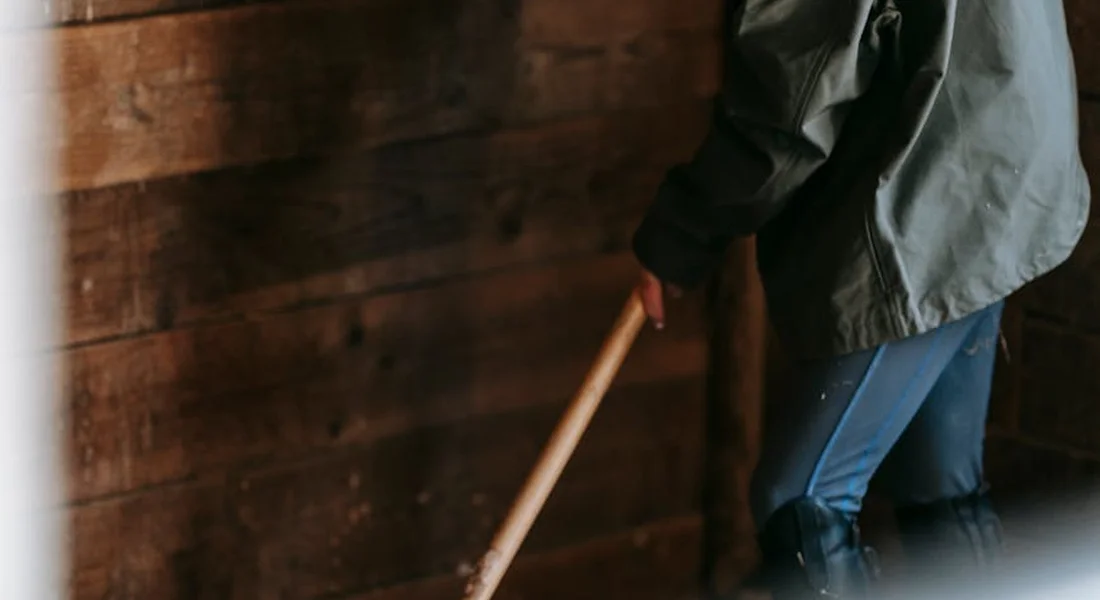
A heavy-duty stable broom with stiff synthetic bristles moves dirt and gravel effectively. The muck rake, with its wide, flat metal head, is for heavier debris like matted hay or mud clods. I sweep towards the barn door, not into stalls, to keep dust away from where horses breathe. After Luna’s energetic grooming sessions, the rake is a lifesaver for gathering hair and dust balls.
- Sweep daily to control dust and assess footing
- Use the rake for wet, heavy debris before it becomes a hazard
- Store brooms bristles-up to maintain their shape
Bucket, Hose, and Scrub Brush
For the weekly deep clean. A simple five-gallon bucket, a hose with a spray nozzle, and a stiff-bristled scrub brush conquer grime. I use cool water and a dash of white vinegar to scrub water troughs and rubber mats-it cuts calcium buildup without harsh chemicals that could worry sensitive noses like Rusty’s. This trio also tackles tack room spills and muddy hoof prints before they set.
- Rinse the area first with the hose to loosen dirt.
- Apply your cleaning solution with the scrub brush, using elbow grease on stained spots.
- Rinse thoroughly; standing water or soap residue can make floors slick.
Grooming Gear: Bridging Stable Care and Horse Health
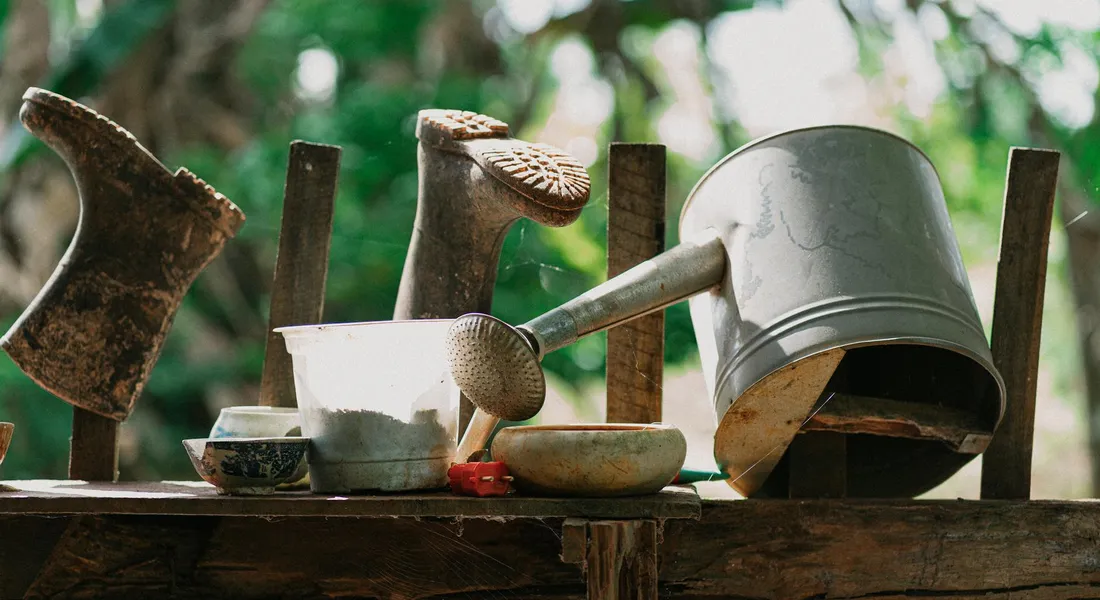
Think of grooming as your daily wellness check. Your hands and tools become diagnostic equipment, catching heat, swelling, or a hidden cut before it becomes a crisis. This ritual builds trust and gives you a complete read on your horse’s physical state. This daily connection is where you learn the map of your horse’s body, noticing every new bump or shift in muscle tone long before a lameness appears and helps deepen your connection with your horse.
Tools for the Daily Once-Over
You don’t need a fancy kit. You need the right few tools used with intention. I start every groom at the ground and work up, because a horse with sore feet tells the whole story with his shoulders. Understanding which are essential grooming tools for a horse keeps your routine simple and effective. With the right tools in hand, you set the horse up from the ground for success.
The Hoof Care Trio
This non-negotiable routine prevents thrush, abscesses, and stone bruises. I keep my hoof pick on a carabiner clipped to my belt loop-I’ve lost too many in deep bedding.
- Hoof Pick: The primary tool. Always pick from heel to toe to avoid driving debris into the sensitive frog. Scrape the sides of the frog groove thoroughly.
- Hoof Brush: A stiff-bristled brush for the final sweep. It clears away remaining dust and gives you a clean slate to inspect the sole and hoof wall for cracks.
- Hoof Knife (for the confident): Not for beginners, but invaluable for carefully paring away loose, dead sole or frog. I use it on my old guy Pipin to keep his thrush-prone frog tidy. If you aren’t sure what to cut, leave it-a vet or farrier can show you the safe limits.
I once found a tiny pebble wedged beside Luna’s frog that she never took a lame step on, but her grouchy attitude at the grooming stall suddenly made sense. The hoof tells all.
Basic Body Brushes
Brushing isn’t just for shine. It stimulates skin oils, distributes them through the coat, and massages the muscle beneath. The order of operations matters.
- Rubber Curry Comb: Use in vigorous circles on big muscle groups to lift dirt and loose hair. Avoid bony areas like the legs and spine. Listen to your horse-some, like Luna, prefer a gentler, kneading touch with a softer rubber mitt.
- Stiff-Bristled Dandy Brush: Follow the curry to flick away the debris you’ve lifted. Use short, firm strokes in the direction of hair growth. This brush gets the worst of the mud off.
- Soft-Bristled Body Brush: The finisher. This brings up the shine and removes the final dust layer. Long, sweeping strokes calm the horse and signal the work is done. This is the brush I use on faces and sensitive areas.
A clean brush is a good brush; tap your brushes out on the stall wall or use a brush cleaning block weekly to prevent just moving dirt around. I have a separate, softer set I use on the horses’ faces, because nobody likes a scratchy towel. When handling delicate areas, it’s especially important to safely clean your horse’s face, ears, and sensitive areas.
Feeding and Watering Fundamentals
This is where precision meets practicality. Inconsistent feeding or dirty water doesn’t just frustrate your horse—it directly risks colic, ulcers, and nutritional imbalance. That’s why understanding the top 7 feeding mistakes that greatly increase your horses colic risk matters for practical prevention.
Equipment for Nutrition and Hydration
The right tools here create calm, safe mealtimes and protect delicate digestive systems. Chaos at feeding time is a recipe for kicked buckets and anxious herd dynamics.
Feed Scoops and Hay Forks
Guesswork has no place in the feed room. My rule is one scoop, one horse-no cross-contamination between grain bins.
- Use a dedicated, labeled scoop for each type of feed (grain, pellets, beet pulp). This prevents accidental over-supplementation.
- Choose a metal or heavy-duty plastic scoop. Weigh what your standard scoop holds for each feed; a “scoop” of pellets is far heavier than a scoop of plain oats.
- For hay, a two- or three-pronged pitchfork is your best ally. Shake each forkful before dumping it into the net or stall to dislodge any dust or mold spores at the bottom of the bale.
I measure Rusty’s senior feed to the exact cup, because even a little extra throws his digestion off for days. Consistency is the kindest thing you can do for their gut.
Buckets and Water Systems
Water is the most critical nutrient. A horse can decline hay or grain, but a refusal of water is a veterinary red flag. Regular testing of water quality and ensuring a clean, accessible source can support hydration. Small improvements to the water supply can boost intake and overall health.
- Clean, Clean, Clean: Scrub all water buckets and troughs at least twice a week with a brush and vinegar solution. Biofilm-that slimy layer-breeds bacteria and discourages drinking.
- Secure Placement: Use wall-mounted bucket holders or heavy rubber buckets in a corner to prevent tipping. A horse playing with an empty bucket is annoying; a horse without water for hours is dangerous.
- Observe Intake: In winter, check for ice breaks multiple times daily. In summer, watch evaporation and algae growth. Automatic waterers are fantastic, but you must check they are functioning and that your horse is actually using them.
I knew a gelding who developed ulcers simply because he disliked the taste of algae in a shared trough. A simple scrub and fresh water brought his intake-and his temperament-back to normal within a day. Your tools here are your first line of defense against dehydration and colic.
Your Personal Toolkit: Safety and Comfort
Protective Gear for the Handler
Barn work is physical, and your body is your most important tool. I once spent a week with bandaged palms after a frayed rope burn, all because I skipped gloves. Proper gear turns you from a vulnerable caretaker into a confident, effective partner for your horse. The right horse tack equipment—bridle, saddle, girth, and proper fittings—supports that partnership.
Gloves and Footwear
I keep three glove types in my locker: thick leather for hay bales and wire, flexible synthetic for grooming and tack, and waterproof rubber for scrubbing buckets. The right glove for the job preserves your grip and skin, letting you work longer without discomfort.
Your shoes matter just as much. I wear pull-on rubber muck boots in winter and sturdy paddock boots in summer, always with a slight heel. A solid heel prevents your foot from sliding too far through a stirrup during an unexpected moment, a simple trick that anchors you in a crisis. After Pipin stepped on my toe, I never wore soft shoes to the barn again.
Utility Items: Dustpan and Gate Brush
These humble tools prevent big accidents. I use a heavy-duty dustpan and brush daily to sweep up spilled grain at the feed station. A clean floor eliminates slip hazards for you and prevents pests from being attracted to leftover snacks.
The stiff-bristled gate brush is for dust and cobwebs on stall bars and door frames. Reducing airborne dust is a direct act of care for your horse’s lungs, especially for thoroughbreds like Luna who can be prone to respiratory sensitivity. The swift scratch of the brush and the smell of clean wood make the barn feel orderly.
Beyond the Basics: Handy Extras for Efficiency
Tools That Save Time and Effort
Good tools give you the gift of time, which you can then spend on your horse. Efficiency in chores directly translates to more quality moments for training, grazing, or simply observing your herd. Quality time with your horse builds trust and a stronger bond, and you can maximize that by keeping routines consistent. When bonding is prioritized, training and daily care become smoother and more rewarding.
The Stable Rake and Pitchfork
Invest in a quality manure fork with springy tines and a stable rake with a leveling edge. The fork should let wet bedding fall through while keeping clean shavings. Using a proper fork means you remove waste, not expensive bedding, saving money and effort with every stall.
The stable rake is for finishing. I use the flat side to tamp down high spots and the tined side to fluff up banks. Creating a consistent, cushioned stall floor promotes sound rest and protects older joints, something I’m meticulous about for my veteran Rusty. The thud of hooves on a well-raked surface is a satisfying sound of comfort.
Organization and Storage Solutions
Chaos wastes minutes you don’t have. I mounted a cheap pegboard on the tack room wall and traced each tool’s outline in marker. An assigned spot for every item means you always know where your rake is, even on a dark, early morning.
For smaller items, I use clear plastic bins with labels: ‘Hoof Care’, ‘Grooming’, ‘First Aid’. Visible, organized supplies let you address a minor cut or a muddy hoof immediately, preventing small issues from becoming big problems. When everything has a home, you can move through your list with a calm mind, which your horses will feel.
Frequently Asked Questions: Essential Tools for Daily Horse Stable Maintenance
How do I properly clean and store my stable maintenance tools to ensure longevity?
After each use, rinse metal tools like muck forks and shovels with water to remove debris and prevent rust. Store brushes upright and clean them weekly with a brush block to avoid dirt buildup. Keep all tools in a dry, designated area, such as a pegboard or rack, to prevent damage and maintain organization.
What should I consider when selecting tools for a horse with specific health issues, like respiratory problems?
Choose grooming tools with soft bristles or rubber curries to minimize dust agitation during brushing. Opt for stable brooms with dampening features or use water misters while sweeping to reduce airborne particles. Select feed and water containers that are seamless and easy to sanitize, preventing mold and bacterial growth that could irritate sensitive airways.
Are there any multi-purpose or innovative tools that can enhance daily stable efficiency?
A heavy-duty garden cart with removable sides can serve as both a muck cart and a feed transporter, reducing equipment clutter. Magnetic strips or hooks in the tack room allow for quick access to frequently used items like hoof picks and brushes. Consider a pressure washer for periodic deep cleaning of stalls and aisles, which saves time and water compared to manual scrubbing.
Build Your Routine, Build Your Partnership
Keep your core tools clean, organized, and within easy reach to make daily chores efficient and safe. A consistent routine built on these reliable tools does more than clean a stall-it builds the foundation of trust and observation that keeps your horse truly healthy.
Your horse will tell you what they need if you pay attention during these quiet moments of care. Patience with the process and respect for the animal in front of you will always be your most valuable pieces of equipment. Learning to talk with your horse and read their signals builds better communication. When you tune in to their cues, you create a partnership built on trust.
Further Reading & Sources
- Best Tools You Need to Manage Your Horse Stalls | Performance Footing
- 3 Tools To Keep In Your Horse’s Stable – Back on Track USA
- Top 10 Tools & Tips for Efficient Horse Stable Cleaning
- Essential Horse Barn & Stable Supplies– Horse.com
At Horse and Hay, we are passionate about providing expert guidance on all aspects of horse care, from nutrition to wellness. Our team of equine specialists and veterinarians offer trusted advice on the best foods, supplements, and practices to keep your horse healthy and thriving. Whether you're a seasoned rider or new to equine care, we provide valuable insights into feeding, grooming, and overall well-being to ensure your horse lives its happiest, healthiest life.
Stable Management