
How Often Should You Clean a Horse Stable and Paddock? Your Practical Schedule for Healthier Horses
Published on: July 17, 2026 | Last Updated: July 17, 2026
Written By: Henry Wellington
Hello fellow equestrians. That sinking feeling when you notice a damp spot in the stall or a manure pile growing in the paddock is more than just a chore reminder-it’s a direct alarm for your horse’s health and your wallet. Skipping cleans risks everything from hoof rot and respiratory infections to costly vet visits and frustrating behavioral issues.
In this guide, I’ll share the straightforward system I use, covering the exact daily stall tasks that prevent ammonia buildup, how to tailor your paddock cleaning to weather, ground conditions, and herd size, and the time-saving stable hacks that make maintenance feel manageable.
I’ve spent years in the barn aisle with horses like my sensitive Thoroughbred, Luna, and my reliable Quarter Horse, Rusty, learning that a consistent clean is the bedrock of gentle horsemanship and equine welfare.
The Foundation: Why Your Mucking Schedule Directly Impacts Horse Health
Preventing Illness Through Stable Sanitation
Think of your horse’s stable and paddock as their bedroom and living room. A messy environment isn’t just unsightly-it’s a health hazard. The two biggest culprits are ammonia and manure, which can be particularly problematic if you haven’t prepared a safe and enriching environment.
Ammonia fumes from urine-soaked bedding are an irritant. Your horse stands in it, and breathes it in all night. Over time, this is like breathing sandpaper for their lungs, leading to or worsening conditions like heaves, a chronic obstructive pulmonary disease. Your nose is a great tool; if you walk into the stall and are hit with that sharp, eye-watering smell, your horse’s respiratory system is already under attack—know how to identify and manage those issues.
Manure piles are more than just an obstacle. They are the epicenter for parasite life cycles and bacterial growth. Flies breed in them, spreading disease. Persistent wet manure packed in hooves creates the perfect anaerobic environment for thrush to take hold. Common issues from poor hygiene include:
- Respiratory ailments (coughs, nasal discharge, heaves)
- Internal parasite burdens (worms)
- Hoof diseases (thrush, white line disease)
- Skin infections and rainrot from constant dampness
- Increased risk of colic from selective grazing around manure piles
Promoting Natural Behavior and Safety
A clean space is a safe space for moving and thinking. In a paddock littered with manure piles and slick, muddy spots, a horse is more likely to trip, slip, or twist a leg. Clearing the area gives them confident footing for rolling, playing, or just trotting over to a friend.
It also encourages natural grazing behavior. Horses will often avoid the grass right around a manure pile, a phenomenon called “sward rejection.” By regularly removing these piles, you give them more clean grazing area and reduce the patchy, overgrazed/undergrazed look of a field. These practices are a staple of horse property pasture management. They support healthier, more uniform grazing across the property.
I saw this firsthand with Luna, our sensitive Thoroughbred. She started becoming anxious in her stall, pacing and calling. Once we committed to a rigorous daily muck-out and weekly strip-down, her demeanor changed within days; she began dozing calmly and seemed more settled. The simple comfort of a clean, dry, predictable environment directly soothed her high-strung nature. A clean space is a calm space.
Inside the Barn: The Daily, Weekly, and Monthly Stable Cleaning Rhythm
The Daily Non-Negotiables: Your Quick Mucking Routine
This is the ten-to-fifteen-minute drill that keeps everything functional. Do it at the same time every day, ideally in the morning. Your tools: a sturdy manure fork, a wheelbarrow, and a sweat scraper for cleaning mats.
- Remove all manure. Get every pile. This is your primary task. Look at the manure itself-is it normal? Too dry? Too loose? This is your first health check.
- Scoop out wet bedding. Dig down to find all the damp, clumpy shavings or straw. Urine sinks, so get to the bottom layer, especially in corners. Your fork should come up with mostly dry bedding.
- Fluff and level dry bedding. Rake the remaining clean, dry bedding back into an even layer. This fluffing reintroduces air and makes the stall more inviting.
- Refresh water and hay. Dump, scrub, and refill water buckets. Remove any old, trampled hay and replace it with a fresh flake or net. This is when you check your horse’s appetite.
This daily ritual is your best opportunity for a hands-off health inspection-note any uneaten feed, listen for coughs, and check for signs of injury as your horse moves around you. By doing this daily check, you can spot early signs of illness or injury in your horse. Quick attention to these cues can prevent minor issues from turning serious.
Weekly Deep Clean: Resetting the Stall
Once a week, the stall gets a total reset. This is usually a weekend task. You’ll need to remove the horse completely, have a large disposal area for old bedding, and have a hose and disinfectant ready.
Start by stripping everything out-all bedding goes. Then, with the stall empty, inspect it. Look for chewed wood, loose boards, or protruding nails that need repair. Next, scrub all surfaces.
- Wash down walls with a dilute disinfectant or vinegar solution.
- Scrub rubber mats thoroughly. Lift them if possible to hose underneath.
- Clean feed tubs and water buckets with a brush and soap.
- Sweep cobwebs from corners and rafters.
Let everything air dry completely. A damp stall floor under fresh bedding will just sour faster, undermining all your hard work. Once dry, lay down a fresh, thick layer of your chosen bedding, creating a deep, comfortable bank against the walls.
Monthly and Seasonal Overhauls: Beyond the Bedding
This is about maintaining the entire stable system, not just the stalls. Put these tasks on your calendar.
Each month, walk the barn with a maintenance eye. Clean out roof gutters and downspouts to prevent water dumping right by the barn. Check that all stall ventilation (windows, eaves openings) is clear of cobwebs and dust. Give the hay loft a good sweeping to reduce dust and chaff accumulation, which is a fire risk.
Seasonally, plan for a bigger overhaul. In spring and fall, do a full barn sanitation. Move all equipment out, sweep down every surface, and consider lime-washing the stall walls. Check and refresh drainage in paddocks and high-traffic areas. This proactive deep clean breaks parasite and pest cycles before they become overwhelming, setting you up for a healthier season ahead.
Outside the Barn: A Practical Guide to Paddock Cleaning Frequency
Daily Picking: The Essential Habit
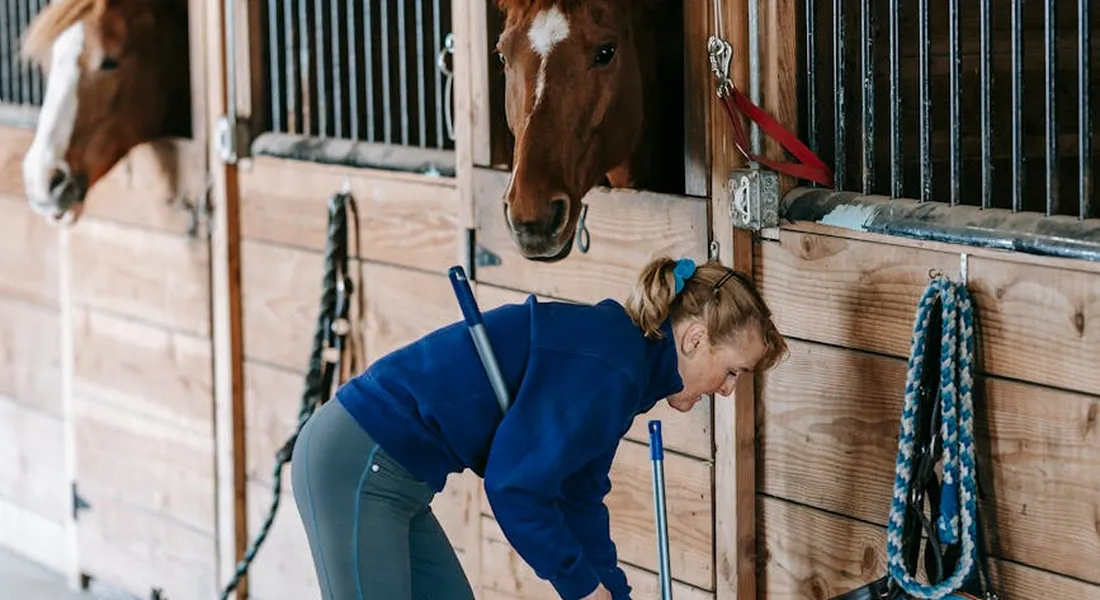
You need to pick manure from your paddock every single day. I make this my first chore, even before coffee. Daily removal breaks the life cycle of parasites and keeps fly populations from exploding. Think of it like taking out the trash; letting it pile up invites trouble.
Weather changes your timeline. After rain, manure breaks down faster, washing parasites into the soil. In heat, piles bake hard and become fly hotels. If you see clouds gathering, grab your fork and get out there-a dry pickup is always faster than a soggy one.
Time commitment? For a single-horse paddock, it’s a 10-minute job. My guy Rusty has a half-acre spot, and I can clear his droppings in about 15 minutes. For two or more horses, budget 20-30 minutes. Setting a daily timer keeps you honest and your horse healthier.
Weekly Raking and Leveling
Once a week, give your paddock a deeper once-over. This isn’t just about manure; it’s about the ground itself. Use a heavy rake to break up compacted manure patches and rough, muddy areas where water pools. Luna, my Thoroughbred, has tender feet, so I’m religious about this.
Spread any leftover hay piles evenly. This prevents selective grazing and waste. Leveling the footing helps prevent strained tendons and keeps your horse sure-footed during play. Check for holes or emerging rocks each time you rake.
This weekly task is your best friend for paddock rotation. By systematically cleaning and resting sections, you preserve grass roots and stop mud from taking over. I rotate Pipin’s small pen every week to give the grass a fighting chance against his enthusiastic grazing.
Seasonal Paddock Management
Your paddock needs shift with the seasons. In spring, focus on drainage. Clear any clogged ditches or channels to move melting snow and rain away from high-traffic areas. I add gravel to the gate area every spring-it saves me from a mud pit later.
Summer brings dust. A light watering at dawn can help, but don’t create mud. Regular dragging disperses manure and breaks up crusted soil, improving the footing and reducing airborne irritants.
Fall is for the big cleanup. Remove the summer’s manure buildup before the ground freezes; frozen piles are impossible to deal with all winter. This is also the time for a thorough fence and gate check. Tighten loose boards and ensure latches work smoothly before the cold weather hits.
Assembling Your Arsenal: Essential Tools for Efficient Cleaning
Core Tools for Stall and Paddock
Your toolkit dictates your efficiency. Start with a strong manure fork. I prefer a metal fork with rounded tines for durability, but a polypropylene one is lighter and gentler on rubber mats. Test the handle weight-you’ll be swinging it for years.
Here’s my non-negotiable list:
- A sturdy wheelbarrow or muck cart: Get one with a flat-free tire. Trust me, a punctured tire at 6 a.m. is a mood killer.
- A heavy-duty landscape rake: For leveling paddock footing and spreading material.
- A reliable shovel: For digging out wet spots or moving gravel.
- A hoof pick on your keyring: Because you’ll always find a stone when you’re just looking.
Invest in comfort; ergonomic handles save your back and make the work faster. I learned this after a long week of cleaning Luna’s stall with a cheap, splintery fork.
Equipment for Sanitation and Upkeep
Clean water is as vital as clean footing. Scrub water troughs weekly with a stiff-bristled brush and a vinegar solution to prevent algae and slime. I keep a dedicated brush and bucket just for this.
For disinfecting, have a simple bleach solution for tools after treating any wounds or illness. Store disinfectants in a labeled, locked cabinet away from curious noses, both equine and canine—especially the disinfectants for grooming tools.
If you compost manure, a pitchfork or a compost aerator tool is key for turning the pile. Turning the pile regularly speeds decomposition and kills parasite eggs with heat.
Storage hacks? Mount tools on a wall rack in a dry shed. Hanging them keeps handles from warping and stops Pipin from turning your rake into a chew toy. A simple, lidded garbage can works for storing smaller items like gloves and scrub brushes.
Smart Stablekeeping: Best Practices for Sanitation and Waste Management
Mastering Manure Management
Moving manure from point A to point B is one thing. Handling it wisely is where true stablekeeping shines. A good system keeps your place tidy, your neighbors happy, and can even give you a free resource. Right behind the scenes, creating an effective manure management system for your stable makes all the difference. Look ahead to the next steps for a practical guide you can apply today.
Turning Waste into Wealth: The Composting Pile
A proper compost pile isn’t a random heap. It’s a layered, managed system that uses heat to break down manure and kill parasites. To start a simple three-bay system, you’ll need a designated area away from water sources and at least a few feet from fence lines. Here’s the basic cycle:
- Fill: Add daily manure and soiled bedding to your first bay or pile.
- Turn: Once the pile is about 4-5 feet high, turn it thoroughly into the second bay to introduce oxygen. This heating phase is crucial.
- Cure: Let the pile in the second bay sit and “cook,” turning it occasionally. It should get hot enough to steam in cool weather.
- Use: The material in the third bay becomes finished, crumbly, sweet-smelling compost for non-edible plants, landscaping, or pasture top-dressing.
Always check your local county ordinances for specific regulations on manure pile size, location, and agricultural waste management-some areas have strict rules to protect watersheds.
For odor control, especially with close neighbors, keep piles tidy and turned. A layer of old straw or carbon-rich leaves on top of a fresh pile acts like a bio-filter. Lime can also help neutralize ammonia smells in stall waste before it heads to the pile.
Proactive Health Monitoring Through Cleaning
The best diagnostic tool in the barn isn’t in your tack box-it’s your eyes during chore time. Cleaning isn’t just removal; it’s observation.
As you muck, look at the manure piles. Are they normally formed, or is there a sudden change to cow-pie consistency or dry balls? Your morning muck-out is the first and best check for digestive upset, dehydration, or stress.
Check hoof prints in the bedding. Is Pipin favoring a foot, leaving a shallower impression on one side? Are there signs of excessive digging or circling that could indicate colic discomfort? Sweat marks in strange patterns on the stall walls can tell a story of a restless night.
This routine turns a chore into a daily health audit. I’ve caught the earliest signs of a brewing abscess in Luna not from lameness, but from how she redistributed her weight on her stall floor overnight.
Reading the Signs: When Your Cleaning Schedule Isn’t Working
Visual and Olfactory Red Flags in the Stable
Your schedule should be proactive, not reactive. If you notice these issues, your system needs a tweak.
- The Ammonia Aroma: A sharp sting in your nose when you walk in means urine is breaking down in the bedding. This harms respiratory health. You need more frequent removal of wet spots, more absorbent bedding, or better ventilation.
- Persistent Dampness: If the floor beneath the bedding never feels dry, you’re inviting thrush and bacteria. Increase bedding depth, consider a more absorbent type like shavings over straw, or evaluate drainage.
- Unwanted Guests: A surge in flies, mice, or stable beetles points to leftover feed and manure. This signals you need more thorough daily cleaning and secure feed storage.
Seeing these signs means it’s time to increase your cleaning frequency or reassess your bedding material, not just power through with the same routine.
Problem Signs in the Paddock
The field tells its own tale of neglect. Overlooked paddock maintenance has direct consequences.
- Manure Mounds: Horses naturally avoid grazing near their own droppings. Large, untouched piles mean grass is going to waste and parasite larvae are concentrating. This demands more frequent picking-aim for at least twice a week.
- Boggy Boots: Muddy gateways, water trough areas, or holes from rolling are more than a mess. They’re a recipe for pulled tendons, thrush, and rain scald. These spots need immediate grading, gravel, or rest.
- Sour, Rank Grass: Patches of overly long, yellowed, or dead grass amidst dirt show poor grazing rotation and manure buildup. The paddock needs a rigorous pick, harrowing to break up manure, and a rest period.
If Rusty’s field looks more like a obstacle course of hazards and waste than a pasture, your picking schedule has fallen behind. The fix is simple: get out there with the cart more often. Your horse’s soundness depends on it.
FAQ: How Often Should You Clean a Horse Stable and Paddock?
How does the number of horses in a stable affect the cleaning frequency?
Housing multiple horses together increases waste production and soiled bedding areas dramatically. You will likely need to remove manure and wet spots more than once per day to maintain air quality and dry footing. Your weekly deep clean may also need to occur more frequently to control ammonia and prevent disease transmission in a shared space, especially when meeting essential horse housing and land requirements.
Does the type of bedding used change how often I need to clean the stall?
Yes, different bedding materials have varying absorbency and odor-control properties, which impacts your schedule. Highly absorbent, non-clumping beddings may require more frequent full changes, while quick-clumping substrates allow for easier daily spot-cleaning. You must adjust your routine to how quickly the specific bedding breaks down and loses its ability to manage moisture and smell effectively.
What are the immediate risks if I miss just one weekly deep clean?
Missing a single weekly reset allows urine ammonia to seep deeply into the stall floor or mats, creating a persistently damp and acidic environment. This significantly elevates the risk of thrush developing in hooves and can trigger respiratory irritation before the next clean. Parasite eggs and fly larvae also get a substantial head start, accelerating potential health problems.
Your Horse’s Health Starts with a Clean Space
Commit to a daily stall muck-out to protect against ammonia and thrush. A consistent paddock pick-up schedule, tailored to your herd size and weather, is the absolute bedrock of preventing parasite loads and maintaining healthy hooves.
This daily diligence is a direct investment in your horse’s comfort and your own peace of mind. Trust that your horse’s cleaner digs and brighter demeanor are the best rewards for your steady effort, especially when you follow a proper daily grooming routine.
Further Reading & Sources
- r/Equestrian on Reddit: To the people who manage their horses by themselves, how much time does it take per day to tend to your horse, including feeding it and cleaning the paddock? Assuming I don’t hire anyone to care for my horse, what are the pros and cons of keeping my horse on pasture or in paddock?
- Cleaning horse stables correctly | Kärcher International
- Barn Cleaning Service | Rebecca’s Equine Exercise Service
- Horse Paddock Maintenance Calendar – Boston Seeds
At Horse and Hay, we are passionate about providing expert guidance on all aspects of horse care, from nutrition to wellness. Our team of equine specialists and veterinarians offer trusted advice on the best foods, supplements, and practices to keep your horse healthy and thriving. Whether you're a seasoned rider or new to equine care, we provide valuable insights into feeding, grooming, and overall well-being to ensure your horse lives its happiest, healthiest life.
Stable Management