
How to Create an Effective Manure Management System for a Healthy Stable
Published on: July 17, 2026 | Last Updated: July 17, 2026
Written By: Henry Wellington
Hello fellow equestrians! If the ever-growing manure pile behind your barn feels like a looming headache, you’re right to be concerned. That neglected heap isn’t just an eyesore; it’s a breeding ground for flies, parasites, and ammonia fumes that can lead to costly vet bills for respiratory and hoof ailments.
Let’s turn that problem into a simple, routine part of barn life. In this guide, I’ll share the same practical system I use daily, covering everything from basic math to handy tools. You’ll learn how to accurately calculate your weekly manure output, choose the best disposal or composting method for your space, implement a no-fuss cleaning schedule that staff will actually follow, and select the most efficient tools for the job.
This comes from over a decade of barn management, where a good manure plan has saved my back, my budget, and my horses’ well-being.
Why Manure Management Isn’t Just Mucking Out
Cleaning stalls feels like a simple chore, a daily transaction of swapping soiled bedding for fresh. I used to think that way too, until a wet summer turned our casual manure pile into a buzzing, odorous nightmare. The flies plagued Luna’s sensitive skin, and the sour smell of ammonia hung in the humid air. That’s when I realized mucking out is just the first step in a much bigger responsibility. Knowing how often you should clean the horse stable paddock became part of that routine. A regular paddock-cleaning rhythm helps keep footing safer and odors down. True manure management is a cornerstone of proactive horse care, protecting your animals, your land, and your standing in the community.
An effective system tackles problems you can’t always see. Parasite larvae thrive in fresh piles, waiting to be ingested and continue their cycle. Flies breed with terrifying efficiency in undisturbed waste. By regularly removing and properly composting manure, you directly slash your horses’ parasite load and disrupt the breeding ground for pests. The difference in our barn after we got systematic was profound-fewer flies meant less agitation for the horses and fewer bottles of chemical spray. Nothing compares to clean, well-managed pastures in keeping those parasites at bay.
The benefits ripple outward. Rainwater washing over a raw manure pile carries excess nutrients (nitrogen and phosphorus) into local waterways, harming aquatic life. A contained, composting system prevents this runoff. Then there’s the simple courtesy of odor control. Good neighbors are made through good management, and a well-run manure system is a silent but powerful testament to your stewardship. It turns a potential nuisance into a valuable resource, whether that’s black gold for your garden or a tidy commodity for a local farmer.
Take Stock: Assess Your Current Manure Situation
Before you buy a single tractor attachment or build a bin, you need to conduct a frank barn audit. Grab a notebook and walk your property. Honest answers here will save you time, money, and frustration down the line. This isn’t about judging your current setup, but about understanding its reality so you can build a better one.
How Much Waste Are You Really Dealing With?
This is the foundational number. The average weight of a horse varies by breed, but many riding horses hover around 1,000 pounds. If you’re planning for a mixed herd, you may see lighter or heavier animals, which will affect waste volume. A typical 1,000-pound horse produces about 50 pounds of manure per day. Multiply that by your herd size and add your daily bedding removal. Underestimating volume is the fastest way to overwhelm a new storage system within a month. Track it for a week-fill your standard wheelbarrow and count how many trips you make. That number dictates the scale of everything that follows.
Bedding Type and Its Impact on Your Heap
Your bedding choice dramatically alters the composting chemistry and end volume. Shavings break down slowly and create a bulkier, carbon-rich pile. Straw decomposes faster but can mat down. Pellets expand and hold moisture differently. The wrong handling method for your bedding can stall decomposition or create a slimy, anaerobic mess instead of sweet-smelling compost. Know what you’re working with, as it influences aeration needs and cure time.
Space, Rules, and Your End Goal
Now, ask the strategic questions. Map your available space-is there a flat, well-draining area away from paddocks and waterways? Check local ordinances; some counties have strict rules on pile size or location, especially near property lines. Your final goal for the compost determines your process: do you want to use it yourself, give it away, or pay for disposal? A lush garden requires a hot, well-turned pile to kill weed seeds. If a farmer will take it, they may have specific requirements. Your budget for equipment (from a pitchfork to a front-end loader) and labor caps your options. Answering these questions frames your entire plan.
The Three Pillars of a Solid Manure System
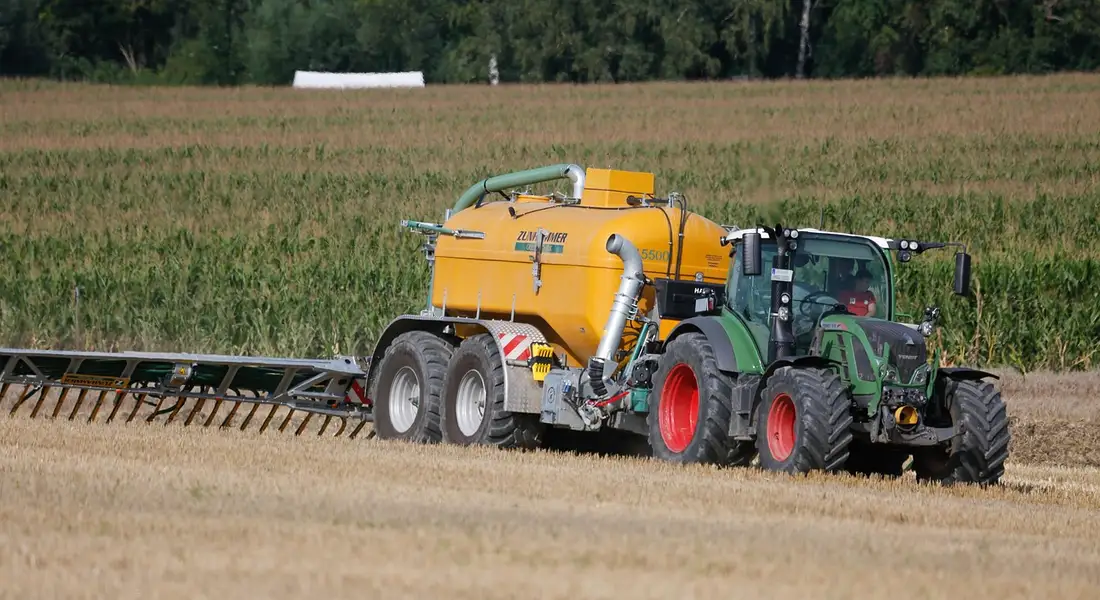
Think of manure management like a three-legged stool: if one leg is wobbly, the whole thing tips over. A good system isn’t about frantic, backbreaking work; it’s about a calm, daily rhythm that keeps your barn sweet-smelling and your horses healthy. Getting this right means more time for riding and less time wrestling with a reeking mountain behind the barn. Here are the three non-negotiable parts you need to lock down — especially if you’re trying to prevent any curious horses from sampling their own or others’ manure.
1. Efficient Collection
This is your daily drill, the backbone of everything. It’s not just about shoveling poop; it’s about removing wet bedding and urine-soaked spots to break the fly cycle and protect hooves from thrush. I keep a specific manure fork for Luna’s stall-her thoroughbred sensitivity means she hates the clang of metal on concrete, so a quiet, poly one keeps us both calm. Your goal is to remove waste quickly and completely, every single day, without drama or delay. A five-gallon bucket and a dedicated cart can turn a chore into a ten-minute pit stop between grooming sessions.
2. Smart Storage
Where you put the pile matters as much as how you build it. You need a designated, contained area that’s downwind from the barn and house, but easily accessible for your tractor or truck. I learned this the hard way when Pipin figured out how to nudge open a poorly latched gate and treated a poorly placed heap as his personal playground. A good storage site has a solid base, like packed gravel or clay, to prevent nutrient runoff from seeping into groundwater. Covering the pile with a tarp between turnings cuts odor and flies in half, making summer evenings on the patio actually pleasant.
3. Responsible Processing or Disposal
This is where your manure gets a second life. Letting it rot in a forgotten heap is a wasted resource and a neighborhood nuisance. Composting transforms it into gold for your pastures or garden, killing parasite eggs and weed seeds in the process. Turning that waste into valuable compost is the ultimate win for your land and a quiet nod to running a closed-loop, sustainable operation. If you don’t have the space, arranging for regular pickup by a local farmer is a responsible and often affordable solution that keeps the cycle moving.
Step-by-Step: Building Your System from the Ground Up
Now, let’s roll up our sleeves and map this out from stall to soil. Follow these steps in order, and you’ll avoid the common pitfalls that have left many a barn manager sighing deeply at a soggy, fly-blown mess.
Step 1: Design the Flow (From Stall to Pile)
Map the traffic pattern in your mind. The path from each stall to your storage area should be wide, level, and direct. For Rusty’s stall, which is farthest from the barn door, I positioned a large, rubber-wheeled cart right outside. This hack means I load once and wheel it straight out, instead of making five trips with a wobbling wheelbarrow. Plan for all-weather access; a path of crushed stone or wood chips prevents muddy bogs that can trip you or your cart. Think of it as designing a highway for waste-efficiency here saves your back hours over a year.
Step 2: Establish Your Storage Area
Pick your spot and build it to last. A three-sided bin made from old pallets or railroad ties works beautifully. The key is size: plan for at least a cubic yard of storage per horse, per month. Ensure the area slopes slightly for drainage, but away from any water sources. I layer the bottom of my bins with a foot of coarse wood shavings or straw; this soaks up leachate and makes turning the pile easier later. Always leave enough room on one side for equipment to easily access and turn the pile, because wrestling a tractor into a tight space is a recipe for a broken fence—especially in a pasture area designed for horse safety.
Step 3: Choose Your Processing Path
This is your endgame decision. If you choose composting, commit to turning the pile with a bucket loader every few weeks to introduce oxygen-this heats it up properly. A hot, active compost pile should steam on a cool morning and have an earthy, not rotten, smell. If removal is better for you, schedule pickups before the pile becomes an eyesore. Building a relationship with a local farmer who needs manure for fields can turn your waste into a welcome commodity, or even a small barter for hay. Whichever path you choose, make it a scheduled part of your barn calendar, as regular as farrier visits.
Common Manure Handling Methods Compared

Picking a manure plan isn’t glamorous, but it’s as vital as clean water. I’ve shuffled piles in the rain and celebrated dry, crumbly compost. The right method saves your back, your wallet, and your neighbor’s goodwill.
On-Site Composting for Soil Amendment
This is my go-to for sustainability. It transforms waste into garden gold. Active, hot composting destroys parasite eggs and weed seeds, making the end product safe for your pastures.
Pros:
- Creates free, potent fertilizer for gardens or fields.
- Reduces manure volume by nearly half, saving space.
- Cuts down on off-site disposal costs long-term.
Cons:
- Demands a sizable, well-drained area for piles.
- Requires regular turning with a tractor or pitchfork.
- Needs careful balance of carbon (bedding) and nitrogen (manure).
Off-Site Removal and Landfill Avoidance
When space is tight, getting it gone is the goal. I’ve used both services and farmer handshakes. Budget for this as a fixed cost, like grain, to avoid surprise expenses.
Hiring a Removal Service:
- Pros: Completely hands-off. They handle hauling and scheduling.
- Cons: A recurring monthly bill. You rely on their timeliness.
Partnering with Local Farmers or Gardeners:
- Pros: Often free. Manure gets used productively, building community.
- Cons> Requires networking and coordination. Supply may exceed their demand.
Direct Spreading and Nutrient Management
Spreading fresh manure directly onto pastures seems easy, but timing is everything. Never spread on overgrazed or soggy fields, as it can harm the grass, stress the sod further during mud season, and pollute waterways.
Pros:
- Immediate return of nutrients to the soil.
- Eliminates pile handling and storage.
Cons:
- Can spread internal parasites if not harrowed and rested.
- Risk of nutrient runoff into streams during rain.
- Not suitable for small paddocks or high-traffic areas.
Pitfalls to Avoid in Barn Waste Management
I’ve made every mistake so you don’t have to. Here’s what to sidestep for a cleaner, happier barn. A proactive plan today prevents a foul, fly-blown mess tomorrow.
Ignoring Runoff and Creating a Slurry Problem
Placing a pile in a low spot is a classic error. One spring thaw turned my pile into a lake of brown sludge that smelled like regret. Always build your storage area on a high, well-drained spot, preferably with a gravel base or concrete pad. This prevents nutrient-rich slurry from seeping into groundwater and stops mosquitoes from breeding.
Letting the Pile Go Anaerobic
A cold, slimy, stinking pile is a sign of anaerobic decay. I ignored a pile for a month, and the stench drove us from the tack room. Turn your compost pile regularly to incorporate oxygen, which fuels the good bacteria and cuts the rotten-egg smell. A neglected pile also becomes a five-star hotel for rats and flies. If you can’t turn it, at least avoid compacting it with heavy machinery.
Fine-Tuning Your System for Efficiency

You’ve got the basics down-the wheelbarrow runs, the pile grows. Now, let’s tweak that system so it works smarter, not harder. A refined approach saves you time, money, and creates a genuinely healthier space for you and your horses. It’s the difference between just managing waste and running a tight, clean ship.
Optimizing Bedding to Reduce Volume
The type and amount of bedding you use directly controls how much muck you have to move. It’s the first variable you should fiddle with. I learned this the hard way after a winter of bank-breaking shavings deliveries and a mountain of manure that refused to cook down.
Choosing a lower-volume bedding can cut your waste heap by a third, making every trip to the pile more effective. Pelleted wood or paper bedding absorbs a tremendous amount of moisture and expands, meaning you use far fewer bags per stall. For my sensitive mare Luna, I found a softwood pellet that forms a dry, comfortable mat, and I use maybe half of what I did with traditional shavings.
Consider the “deep litter” method for certain horses. For my reliable old guy Rusty, who is neat and doesn’t paw, I sprinkle a thin layer of fresh pellets over his wet spots daily. The base composts beneath him, providing warmth. I only strip the stall completely every few weeks. This isn’t for every horse-my cheeky pony Pippin would have it excavated to China in an hour-but for a calm horse, it drastically reduces total waste. Ultimately, this approach supports creating a safe, enriching environment for your horse, promoting calmness and comfort. It’s all part of building routines and spaces that help your horse thrive.
The golden rule is to only remove what’s wet. Skim off the manure daily with a pitchfork, leaving the clean, dry bedding behind. You’ll be shocked at how much longer your bedding lasts.
Speeding Up Your Compost Pile
A slow, cold pile is just a stacking manure system. A hot, active compost pile is a waste-processing machine. The goal is to get that internal temperature above 130°F to kill pathogens and weed seeds. Here’s how to fire it up.
Your pile needs to breathe. Turning it weekly with a tractor bucket or a dedicated compost turner introduces oxygen, which the microbes need to thrive. A neglected pile goes anaerobic, creating that sour, ammonia smell; a turned pile smells like warm, earthy forest soil.
Manage your moisture like a baker manages dough. It should feel like a wrung-out sponge. In the rainy season, cover your pile with a tarp. In dry spells, give it a soak with the hose when you turn it. The balance is critical-too wet and it’s a stinky sludge, too dry and the microbial life grinds to a halt.
Think of your ingredients as “greens” (manure, fresh grass clippings) and “browns” (straw, dry leaves, spent hay). A good mix is roughly 2 parts brown to 1 part green. If your pile is mostly manure, it’s too dense and nitrogen-rich. Toss in those leftover straw bales or a bag of fall leaves to get the recipe right.
Controlling Odor and Deterring Pests
A well-managed compost pile shouldn’t stink. Persistent odor is a symptom of a problem-usually lack of air or too much moisture. Turning is your best fix. For daily bin or stall odors, a sprinkle of agricultural lime or stall freshener over wet spots after mucking neutralizes ammonia.
Flies and rodents are attracted to the buffet of a poorly managed pile and a dirty barn. Keep the pile active and hot-fly larvae cannot survive the internal heat of a proper compost pile. This level of sanitation is a key part of managing flies around your horse. Good fly control protects your horse from irritation and disease. In the barn, never dump grain-sweepings or tasty treats in the muck bucket. Seal your grain bins tightly and use a metal trash can with a lid for discarded supplements.
Create a clean perimeter. Keep the area around your manure pile and compost bins free of scattered muck and old bedding. This removes the habitat for pests and makes the entire area look and feel more managed. You can convert it into compost horse manure garden fertilizer. That way your beds get a nutrient boost and the space stays clean. The payoff is a barn where you can enjoy the smell of hay and leather, not one you hurry through.
FAQ: Creating an Effective Manure Management System
What local regulations apply to manure management in your area?
Local zoning and environmental health departments often have specific rules regarding manure pile size, location, and potential runoff. It is crucial to contact your county extension office or local municipality to understand these ordinances before establishing your system. Compliance prevents neighbor disputes and potential fines, ensuring your setup is both effective and lawful.
What equipment is available for handling manure?
Your options range from simple hand tools like manure forks and wheelbarrows to tractor-mounted front-end loaders and specialized compost turners. The choice depends entirely on your herd size, storage method, and physical capability. Investing in the right tool for your primary tasks, such as a sturdy cart with high-volume capacity, drastically improves daily efficiency and reduces labor strain.
What is your budget for implementing or improving a manure system?
Your budget will dictate whether you build simple bins from pallets or invest in commercial composting equipment and professional removal services. Even with a limited budget, prioritizing a well-drained, contained storage pad is a critical first investment that prevents larger environmental costs later. Remember to factor in both initial setup costs and the long-term savings a good system provides through reduced disposal fees or homemade fertilizer.
Final Thoughts from the Stable
Build your system around daily removal, a dedicated composting site, and a plan for using or disposing of the finished product. Regularity in mucking out is the single most important factor for breaking parasite cycles and ensuring a healthy footing for your herd.
Approach this task with patience and a focus on safety, wearing gloves and sturdy boots. A well-managed manure pile is a cornerstone of good horsemanship, and your horse’s vibrant health and clean living space will be your best reward. Keep essential tools for daily stable maintenance ready at hand. These tools help keep routines smooth and stalls clean for your horse’s well-being.
Further Reading & Sources
- Horse Stable Manure Management
- Best Manure Management Practices on Horse Farms | Stable Management
- Storing manure on a small farm – Manure Management
- Manure Management Strategies for Horse Farms | Mad Barn
At Horse and Hay, we are passionate about providing expert guidance on all aspects of horse care, from nutrition to wellness. Our team of equine specialists and veterinarians offer trusted advice on the best foods, supplements, and practices to keep your horse healthy and thriving. Whether you're a seasoned rider or new to equine care, we provide valuable insights into feeding, grooming, and overall well-being to ensure your horse lives its happiest, healthiest life.
Stable Management