
What is a Bronco Horse Breed? A Clear Guide to Their Care and Training
Published on: August 4, 2026 | Last Updated: August 4, 2026
Written By: Henry Wellington
Hello fellow equestrians. That sinking feeling when a horse braces to buck isn’t just about staying in the saddle-it’s about safety, trust, and the worry that you’re facing an unmanageable animal.
If you’re hearing the term ‘bronco’ and picturing an uncontrollable outlaw, let’s settle those nerves right now. This label often brings up valid concerns about handling, training methods, and equine welfare.
I’ll cut through the rodeo hype and give you the grounded facts. In this article, you’ll get a clear picture of:
- The true definition of a “bronco” horse and its history beyond the arena.
- Key behavioral and physical traits that set these horses apart.
- Practical, gentle training approaches that prioritize safety and partnership.
My advice comes from years of barn management and training, mucking stalls for wise souls like Rusty and earning the trust of sensitive types like Luna, always with a focus on patient horsemanship.
Unpacking “Bronco”: Is It a Breed or a Behavior?
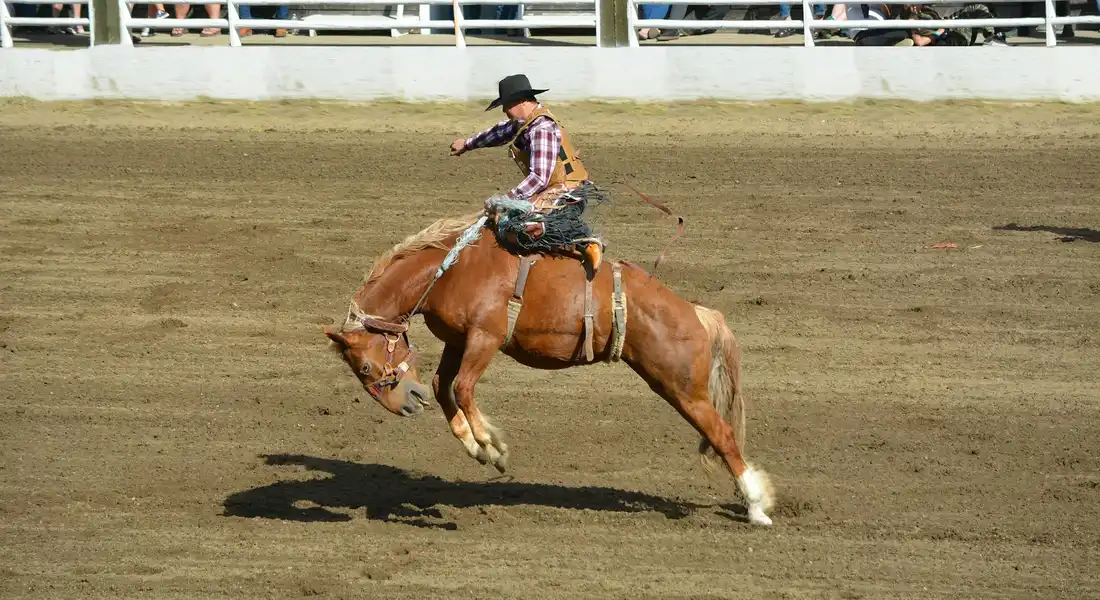
Let’s settle this straight from the saddle. “Bronco” is not a breed. It is a description of behavior, a tag for an untrained horse that bucks, especially one fresh to handling. I’ve had more than a few labeled this way trot into my barn. You’re talking about a state of training, not a bloodline like my reliable Quarter Horse, Rusty.
Compare it to other common terms. This keeps everything clear in the barn aisle and the vet’s office.
- Bronco: A behavior. An unbroken or green horse exhibiting bucking.
- Mustang: A type. Free-roaming horses, often of mixed breed, descended from Spanish stock.
- Stock Horse: A category. Breeds like Quarter Horses, bred for ranch work and cow sense.
My cheeky Shetland, Pipin, was called a “little bronco” when he’d duck under fences, but he’s pure pony. Mixing up these terms can lead to mismatched expectations and training approaches.
Here’s my favorite analogy. A bronco is like a teenager. It’s a phase, not a permanent identity. With the right guidance-patient, consistent, and kind-that rebellious behavior mellows. Your goal isn’t to break a bronco, but to gently educate a partner.
From Wild Roots to Rodeo: The History of the Bronco Horse
The story starts on the open range. The word “bronco” comes from Spanish ranchers, meaning rough or wild. It was the cowboy’s term for any horse not yet broken to saddle. These were often mustangs or ranch-raised horses, valued for their toughness and spirit.
That daily ranch work is the grandfather of rodeo. Breaking horses was a necessary skill, and that challenge evolved into organized events like saddle bronc riding. The transition from practical skill to public spectacle changed how we saw these horses.
This history took a turn with selective breeding. Rodeo stock contractors began breeding horses specifically for athletic bucking ability, creating lines of professional “bucking stock.” I’ve watched these athletes in practice, and their power is humbling. Even horses bred to buck deserve and require ethical care, including plenty of turnout for their mental health.
Connecting the dots, the modern bronc often carries mustang heritage in its lineage-that independent, resilient spirit. Understanding this past helps us advocate for their present: every horse, regardless of its job, benefits from gentle hands and room to move. When readers ask, ‘are mustang horses good?‘, they are really seeking to understand temperament and care needs. This line of inquiry links history to practical welfare and stewardship.
Spotting a Bronco: Key Physical and Behavioral Traits
Physical Characteristics
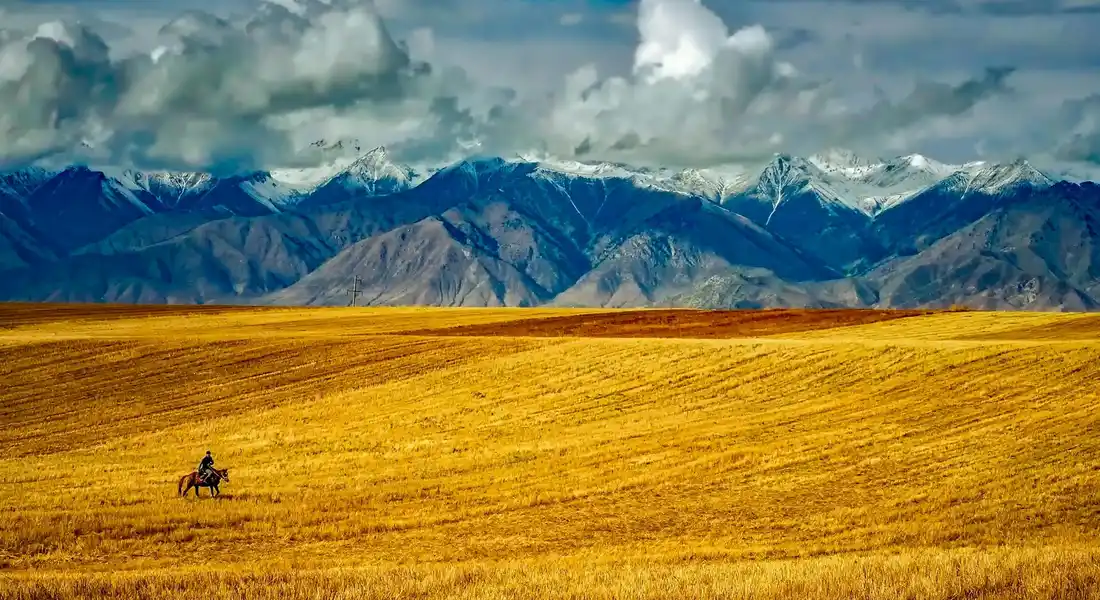
You can often identify a bronco type by its utilitarian physique, a body shaped more by necessity than selective breeding for show. Think sturdy and compact, with a broad chest and strong, solid legs that can handle rough terrain. The hindquarters are particularly powerful, built for explosive bursts of energy like the sudden jumps and kicks you see in a rodeo arena. This build frequently points to stock horse ancestry, blending the hardiness of mustang lines with the muscle of working ranch breeds.
This isn’t a delicate animal; it’s a durable one, with a low center of gravity and a back that can carry weight, even if it initially objects to the idea.
| Trait | Bronco | Quarter Horse | Paint Horse |
|---|---|---|---|
| Overall Build | Sturdy, compact, utilitarian | Muscular, refined, athletic | Stocky and muscular, similar to Quarter Horse |
| Height Range | Often 14-15.2 hands | Typically 14.3-16 hands | Typically 14.2-16 hands |
| Hindquarters | Exceptionally strong, geared for bucking and quick turns | Powerfully muscled for sprinting and stopping | Well-muscled for cow work and agility |
| Common Lineage | Feral mustang, ranch cull, or mixed stock blood | Bred specifically for speed and “cow sense” | Often Quarter Horse ancestry with distinctive coat patterns |
| Typical Use | Untrained mounts, rodeo stock, project horses | Ranch work, trail riding, racing, showing | Ranch work, showing, pleasure riding |
Behavioral Hallmarks
The behavior tells the real story. An untrained bronco communicates through its entire body: the tense posture, the head held high and swiveling at every sound, the whites of the eyes showing in a flash of fear. You might see a resistance to basic handling, like balking at the touch of a girth or the weight of a saddle. The thud of a buck isn’t just for show; it’s a primal reaction to pressure they don’t understand.
Listen for the sharp snort at a flapping tarp and watch for feet that seem rooted to the ground when you ask for forward movement-these are clear signs of a mind not yet introduced to partnership.
I think of Luna on a windy day, her Thoroughbred sensitivity on high alert, but with a bronco, that reactivity is often the default setting for everything new. It’s a language of survival, not malice.
The Untrained Temperament: Nature, Nurture, and Genetics
That bronco temperament is a stew of genetics and experience. The “nature” part often comes from mustang or feral bloodlines, where survival meant being hyper-vigilant and quick to react. The “nurture” part is the lack of it-no early imprinting, no patient sessions teaching that human hands mean comfort instead of conflict. This combination creates the classic unruly mount.
It’s crucial to see this not as a fixed personality, but as a set of learned responses that can be unlearned with time and the right approach.
Calling a horse just “wild” misses the point. The bronco mindset is usually one of high intelligence and sensitivity. They feel everything intensely, which makes them quick studies, for better or worse. I’ve seen it in clever ponies like Pipin; that same food-motivated cunning in a 500-pound animal is what makes a bronco both a challenge and a rewarding pupil.
This behavior is absolutely reshapeable with patient, consistent training that prioritizes trust, especially when you understand and manage their anxiety. Gentle horsemanship that explains rather than demands turns fear into curiosity. It starts with simple, quiet interactions at the rail, letting them sniff the saddle pad before it goes on, and always ensuring their welfare with ample turnout time to process new lessons.
Rewarding the smallest try, like a moment of relaxed breathing or a single step forward, builds a new history that can override old genetics and bad experiences.
Practical Care for the Horse with Bronco Tendencies
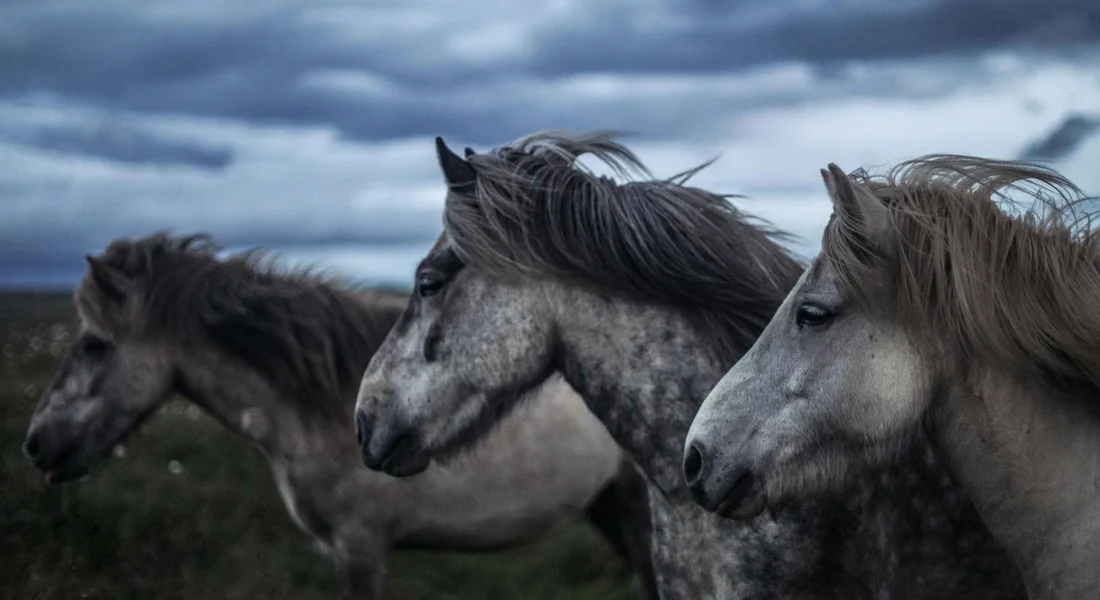
Managing a horse with spark isn’t about suppression; it’s about smart, consistent care that respects their nature. Small, daily routines build a foundation of trust that makes everything else possible.
Nutrition and Feed
Food directly influences behavior. A jittery gut often means a jittery horse. Start by looking at what’s in the feed tub, not just how much.
-
Build the diet on a base of quality roughage like grass hay or pasture. High-energy grains can turn a sensitive horse into a live wire. With my thoroughbred Luna, swapping sweet feed for a forage-based ration with a balancer made her attentive instead of anxious, which made me realize that horses don’t always need grain.
-
Feed at identical times each day. Predictability builds psychological safety. My old reliable, Rusty, settles his whole demeanor knowing his meals arrive like clockwork.
Turnout and Housing
Freedom of movement is the best therapy for a busy mind. Turnout time isn’t a luxury; it’s a critical component of equine mental health.
-
Provide ample daily turnout in a secure, well-fenced pasture. Let them roll, run, and be horses. I’ve watched horses with pent-up energy literally shake it off after a good gallop in the field. A thoughtfully enriched pasture—with varied forage, shade, and safe enrichment features—helps create an enriching pasture environment for horses. This supports natural behaviors and overall well-being.
-
If stall time is necessary, make it safe and enriching. Use rubber mats, ensure good ventilation, and offer a slow-feed hay net. For my pony Pipin, a stall with a view and a continuous nibble of hay curbs his clever escape plans.
Daily Grooming and Hoof Care
Grooming is your daily conversation. Move slowly and let the horse process each touch. Many riders wonder if grooming touch can deepen the bond with grooming. The answer is yes, when touch is calm and consistent. The goal is to desensitize, not startle, creating a bond that translates to the saddle.
-
Begin grooming with a soft brush on the neck, using long, calm strokes. Gradually work towards the flanks and belly. If the horse tenses, just hold the brush still and wait for them to exhale before continuing. This is part of an essential daily grooming routine for a healthy horse. Maintaining consistency helps keep the coat and skin in good condition.
-
For hoof picking, always run your hand down the leg first. Apply gentle pressure at the fetlock until the hoof is lifted. Keep your own body positioned safely to the side, a habit that saved my toes from a wary horse more than once.
Gentle Horsemanship: Training an Untrained or Bucking Horse
This work is a dance, not a wrestling match. Your patience is the music. Forge a partnership where the horse chooses to work with you, not because it fears what happens if it doesn’t.
-
Start all training on the ground. Teach yielding to pressure, moving the hindquarters, and standing tied. This groundwork builds a common language and establishes you as a calm, predictable leader.
-
Invest time in trust-building that isn’t “training.” I often spend time just sitting in Luna’s stall, letting her sniff me and get bored with my presence. This teaches her that my arrival doesn’t always mean work, which lowers her default excitement level.
-
Introduce tack with painstaking slowness. Let the horse see, smell, and feel the saddle pad long before you cinch it. Rushing this step is the fastest way to create a bronco; let the horse’s curiosity overcome its fear.
-
Never compromise on safety. Wear your helmet, use a secure area, and know when to call a professional. Getting help early is a sign of strength, not weakness-it kept both me and Pipin safe when his cleverness exceeded my experience.
-
Avoid the common pitfalls: losing your temper, skipping foundational steps, or misreading fear as disobedience. Force creates resistance, while understanding builds willingness. Listen to what the horse is telling you with its body. Being aware of common mistakes that break trust helps you avoid them and protect your horse’s trust. Keeping trust intact makes future training smoother.
Is a Bronco-Type Horse the Right Fit for You?
Considering a horse with a “bronco” history is a serious decision, one that goes far beyond falling for a pretty face or a compelling backstory. It’s about matching a specific animal’s needs and temperament with your own lifestyle and skillset. Having managed horses of every temperament, I can tell you the choice between a project and a partner is the most important one you’ll make.
The Potential Rewards and Real Challenges
Let’s lay it out straight. Working with a bronco-type isn’t for everyone, but for the right person, it can be incredibly fulfilling.
- Potential for a Deep Bond: Earning the trust of a horse that has learned to distrust can create a partnership of unparalleled loyalty and connection. The first quiet nicker they offer you, unprompted, feels like winning the Olympics.
- An Immersive Learning Experience: You will become a keen student of equine body language, pressure release, and patience. This journey will make you a better, more empathetic horseman or horsewoman, period.
- Often Athletic and Intelligent: Many horses labeled “broncy” are simply smart, sensitive, and reactive. Once channeled, that intelligence and energy can excel in a job they understand and enjoy.
- Requires Significant Experience: This is not a first, second, or even third horse. You need a solid foundation in reading subtle cues, staying calm under pressure, and having soft, independent hands. A mistake here isn’t just a training setback; it can be dangerous.
- Demands Time and Consistency: Progress is measured in months, not days. You cannot be a weekend warrior. These horses need daily, predictable handling to rebuild neural pathways that tell them the world is safe.
- Higher Risk of Injury: Let’s be blunt. A spook, a buck, or a bolt from a powerful, frightened animal carries more consequence. You must be physically fit, wear a helmet without exception, and have a safe, enclosed environment to work in.
Assess Your Situation Honestly
Be brutally honest with yourself. Grab a notebook and walk through your reality.
- Your Skills: Can you sit a sudden spin or bolt without grabbing the reins for balance? Do you understand negative reinforcement vs. positive pressure? Have you successfully restarted a horse before, or worked extensively with a sensitive one like Luna?
- Your Facilities: Do you have a small, safe round pen or arena with high, solid fencing? Is there 24/7 turnout available? A bronco-type horse stuck in a stall 23 hours a day is a recipe for disaster. They need movement and space to process.
- Your Goals & Support: Are you looking for a quiet trail horse in six months? That’s likely unrealistic. Is your goal the training process itself? Do you have a trusted, highly experienced mentor or trainer on call for the inevitable tough days?
The Rusty Comparison: A Different Kind of Partnership
For perspective, let’s compare to caring for my old reliable, Rusty. With Rusty, our daily routine is about maintenance and enjoyment. I toss him his hay, he chews contentedly. I saddle up, and we head out for a two-hour trail ride where he plods through creeks (after some convincing about puddles) and waits patiently if I stop to take a photo.
A horse like Rusty offers a partnership based on predictable reliability; he is the steady rock that allows you to enjoy the ride and build confidence without daily management crises.
With a bronco-type, the daily routine is the training. A simple thing like putting on a fly mask can be a 20-minute lesson in trust and desensitization. Turning them out isn’t just opening a gate; it’s ensuring the paddock is secure enough to contain an escape artist like Pipin, and that the herd dynamics are calm. The reward isn’t a relaxing trail ride next week, but the moment they voluntarily lower their head for the halter.
Choosing a bronco-type means choosing the project as your primary goal. If your heart is set on competitive events or peaceful hacks right now, a steady horse is the wiser, kinder choice for both of you. But if your passion is the slow art of rebuilding trust and you have the skills and setup to do it safely, the journey with a bronco can redefine your relationship with horses.
FAQ: What is a Bronco Horse Breed?
Are there specific bronco horse breeds I should know about?
“Bronco” is not a formal breed but a behavioral description for untrained horses that buck. The term often applies to horses with mustang or mixed stock horse ancestry known for their hardiness and spirit. When discussing breeds, you are likely referring to the stock-type horses or feral mustangs that historically carried this label.
How do I find responsible bronco horse breeders?
Responsible breeders focusing on horses with this behavioral history are rare, as ethical breeders prioritize trainable temperaments. Your search may instead lead to rodeo stock contractors who breed athletic bucking horses, or mustang adoption programs. Always prioritize operations that emphasize humane treatment, proper socialization, and transparency about a horse’s background and needs. Double-check these following guidelines when choosing a horse breeder or rescue.
What should I consider before looking for a bronco horse breed for sale?
Honestly assess your experience, time, and facilities, as these horses require skilled, patient retraining. View any sale with caution, ensuring you have a veterinarian perform a pre-purchase exam to rule out pain as a cause for behavior. Remember, purchasing such a horse is committing to a lengthy rehabilitation project, not acquiring a ready-to-ride partner.
Steady Hands for Spirited Hearts
Focus on foundational respect through quiet, consistent groundwork before ever stepping into the saddle. Their physical and mental health is fundamentally linked to generous, daily turnout in a safe space where they can simply be a horse. Remember, a good horse is a tired horse, but turnout alone isn’t exercise.
True progress is measured in quiet moments of understanding, not in forced milestones. The best training plan is the one your horse helps you write, by listening to what his actions and attitude are telling you.
Further Reading & Sources
- Bucking horse – Wikipedia
- Bronc riding – Wikipedia
- Where do the broncos come from? | The Horse Forum
- What breed are bucking horses in pro rodeo? | The Horse Forum
At Horse and Hay, we are passionate about providing expert guidance on all aspects of horse care, from nutrition to wellness. Our team of equine specialists and veterinarians offer trusted advice on the best foods, supplements, and practices to keep your horse healthy and thriving. Whether you're a seasoned rider or new to equine care, we provide valuable insights into feeding, grooming, and overall well-being to ensure your horse lives its happiest, healthiest life.
Choosing the Right Breed