
What is a Mustang Horse? A Real-World Guide to History, Temperament & Suitability
Published on: August 6, 2026 | Last Updated: August 6, 2026
Written By: Henry Wellington
Hello fellow horse folks. You’re likely here because the idea of a Mustang has captured your imagination, but a little voice is whispering about potential pitfalls, training nightmares, or hidden costs. That’s a smart and responsible worry to have before bringing any horse home, let alone one with a wild history.
Let’s saddle up and sort myth from reality. I’ll walk you through everything from their deep-rooted history on the range to the practicalities of daily life with one, based on years of barn management and the unique experience of helping gentle Bureau of Land Management mustangs. We’ll cover the Mustang’s true history and biology, their often-misunderstood temperament, the real costs of adoption and care, the commitment of gentling and training, and finally, help you decide what type of rider or home they’re truly best suited for.
My perspective comes from the corral gate, having worked with everything from cheeky Shetlands to hot-blooded Thoroughbreds, and finding a special place in my heart for the intelligent gaze of a mustang figuring out the world of humans.
What Is a Mustang Horse? Beyond the Wild West Myth
Forget the movie scenes of untamed beasts; the real mustang is a feral horse, directly descended from Spanish stock brought over by explorers centuries ago. Today, these herds are managed by the Bureau of Land Management (BLM), which oversees their populations on public lands through adoption programs, a system far more complex than the simple wild west legend. They are not a domesticated breed like a Quarter Horse or Thoroughbred, but a landrace shaped entirely by survival in the American West.
Clearing up the terminology helps understand their unique status:
- Feral Horse: An animal that descended from domesticated ancestors but now lives in a wild state. This is the accurate term for mustangs.
- Wild Horse: A species that has never been domesticated, such as the Przewalski’s horse. Mustangs are often incorrectly called wild.
- American Mustang: The specific name for these feral horses in the U.S., protected under the 1971 Wild Free-Roaming Horses and Burros Act.
Key Definitions: Feral vs. Wild vs. Domestic
It’s easy to mix up these terms, but the differences matter for how we care for them. Knowing whether a horse is feral, wild, or domestic directly impacts your approach to its handling, training, and welfare needs. A grounded grasp of horse behavior psychology helps translate those differences into day-to-day decisions. The complete guide to understanding horse behavior psychology offers practical insights you can apply in daily care and training.
| Type | Origins | Behavior | Management |
|---|---|---|---|
| Feral (e.g., Mustang) | Domesticated ancestors returned to the wild | Strong survival instincts; can be gentled | BLM oversight; adoptable into human care |
| Wild (e.g., Przewalski’s) | Never domesticated; native species | Truly wild; high aversion to humans | Conservation in preserves; not for riding |
| Domestic (e.g., Quarter Horse) | Selectively bred in captivity for generations | Habituated to human interaction from birth | Private ownership; used for sport, work, companionship |
The American Mustang: A Living History
Their history is a hoofprint on the continent itself, starting with Spanish arrivals in the 1500s. Escaped horses formed the foundation herds, mixing with other stock over time to create the tough, genetically diverse mustang we see today. Modern conservation focuses on herd management, while registries like the Mustang Heritage Foundation promote these horses as versatile partners, proving their history is still being written.
The Mustang Temperament: Hardy, Intelligent, and Adaptable
Working with mustangs at the barn has taught me more about patience than any domestic horse ever has. Their intelligence is raw and practical, honed by a life where every shadow could be a predator, making them incredibly quick studies when they choose to engage. They possess a profound herd instinct and a resilience that means they often thrive on good forage and ample turnout, advocating for their own welfare through sheer hardiness. Observing how they run and react to threats is a window into their health, as running behavior often carries instinctual signals about well-being. Understanding these natural running instincts helps tailor care and safety in training and daily management.
Here’s a straightforward list of what to expect from their temperament:
- Pros: Exceptionally hardy and often low-maintenance; fiercely loyal once trust is built; problem-solvers who learn tasks quickly.
- Cons: Can be initially wary and skeptical; strong flight response requires calm handling; may test boundaries with intelligent pushback.
Behavior in the Wild vs. After Adoption
In the wild, every decision is about survival—the startle at a crackling branch, the complex social order of the herd. After adoption, these behaviors don’t vanish; they translate into a horse that needs you to be a calm, predictable leader and requires generous turnout time to move and socialize as nature intended. I recall gentling a mustang gelding who’d never seen a saddle; the first time I rested a pad on his back, he stood frozen, processing the new pressure with an intensity I’ve rarely seen in my stable-born horses like Luna. Understanding herd dynamics is crucial when integrating any horse into a new environment.
Are Mustangs Good for First-Time Owners?
This isn’t a simple yes or no answer. A first-time owner can succeed with a mustang, but only if they are committed to seeking out experienced mentorship and moving at the horse’s pace, not their own timeline. The initial trust-building is a steep hill, and without a guide, it’s easy to misunderstand their communication. For a novice, partnering with a mustang rescue or trainer for support isn’t just helpful-it’s often the key to a safe and rewarding partnership.
Mustang Care Essentials: Health, Diet, and Hoof Care
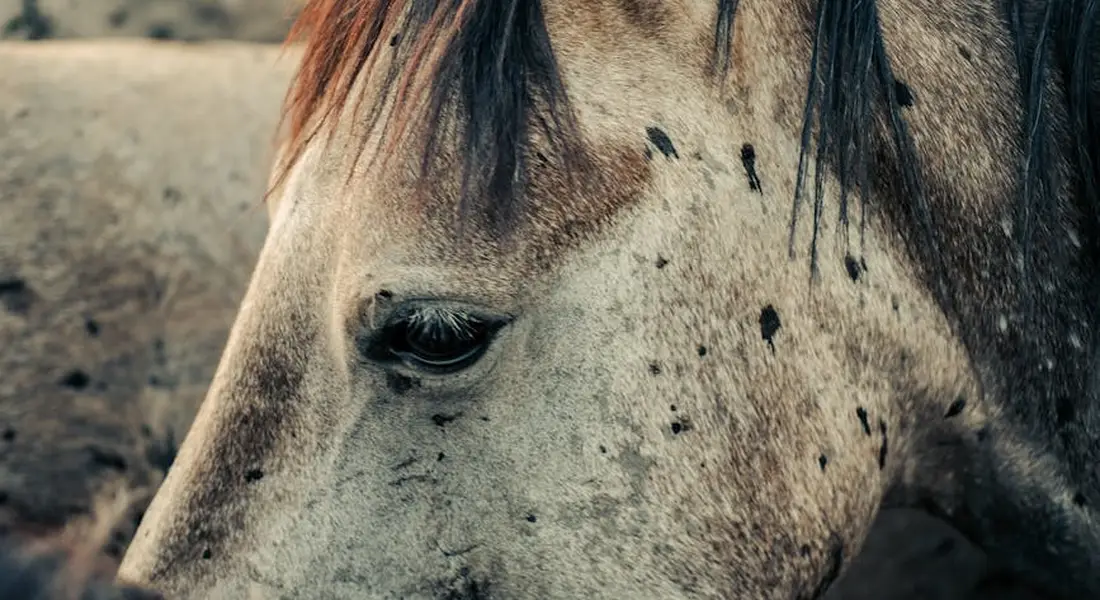
Caring for a mustang is a lesson in respecting natural design. Their hardiness is a gift, not an excuse for minimal care. It means your management should facilitate, not fight, their innate resilience. The single best thing you can do for a mustang’s mind and body is to provide maximal turnout in a safe, spacious environment; a life of constant stalling is a profound insult to their wild heritage. Your routine should be a quiet check-in, not a disruptive overhaul.
Diet and Nutrition: Thriving on Simplicity
Mustangs possess a famously efficient metabolism, forged over generations on sparse rangelands. This means they are easy keepers, a trait that becomes a liability in our world of rich pastures and abundant grain. An adopted mustang’s diet should be overwhelmingly forage-based, with grain introduced only as absolute necessity dictates, not as a daily routine. I’ve seen more mustangs founder from kindness than neglect-overfeeding is a real and present danger.
Think of them like my pony, Pipin: clever and designed to thrive on less. They convert calories with stunning efficiency. A diet of good-quality grass hay, free-choice salt, and a solid vitamin/mineral balancer specific to your region’s soil deficiencies meets most needs. Watch their body condition like a hawk, feeling for ribs rather than just looking.
Sample Feeding Schedule for an Adopted Mustang
Transition from Bureau of Land Management (BLM) holding facility feed to your own program over 10-14 days to avoid digestive upset. Here is a cautious framework:
| Week 1 | 75% BLM-provided hay (often grass mix), 25% your local grass hay. Offer plain water and a white salt block. |
| Week 2 | 50% BLM hay, 50% local hay. Introduce a weighed portion of a pelleted balancer, soaked. |
| Week 3+ | 100% local grass hay (1.5-2% of body weight, split into multiple nets). Continue soaked balancer. Assess pasture access gradually in 15-minute increments. |
Hoof Care: Built for the Wilderness
The mustang hoof is a masterpiece of natural selection-concave, dense, and often self-sustaining over miles of abrasive terrain. However, the moment they step onto our soft pastures and level stalls, the wear pattern changes completely, making regular professional trimming non-negotiable. They may not need shoes, but they absolutely need a consistent farrier schedule every 6-8 weeks to prevent cracks, flares, and imbalance.
The goal is to maintain the wild hoof geometry they were born with, not force a domestic shape. I’ve watched mustangs with proper trim schedules develop hooves as tough as truck tires, while those left unattended quickly develop problems foreign to their wild experience. For caretakers, essential horse hoof care proper trimming techniques provide practical guidance to maintain that balance and prevent issues. These techniques cover trimming frequency, angle, and flare control.
Common Health Considerations
Their rugged past grants them robustness but also presents unique checkpoints. Here is where your vigilance focuses:
- Parasite Control: Wild mustangs carry a low parasite load due to constant movement. Confined spaces change this. Implement a fecal egg count-based deworming program, never just rotate chemicals on the calendar.
- Dental Care: A yearly float is critical. Their diet of tough, gritty wild forage keeps teeth worn evenly; softer domestic feed does not.
- Injury Legacy: Scan for old scars, lumps, or slight asymmetries. Past encounters with wire, predators, or rough terrain can leave subtle reminders. A thorough vet check post-adoption is your baseline map.
Their resilience is your partner, but it is not a substitute for your observant, proactive care.
Training and Riding Your Mustang: Patience Pays Off
Training a mustang is not about imposing your will; it’s about building a dialogue. They are not blank slates but individuals with a fully formed sense of self-preservation. Your approach must be rooted in gentle horsemanship, patience, and the quiet confidence of a leader. Every interaction is a deposit or withdrawal from their trust bank-make more deposits. Start with the assumption they have never seen a human up close, because effectively, they haven’t.
The initial gentling process is sacred ground. Move slowly, breathe deeply, and let them make choices. Here’s how I’d begin:
- Acclimate in Peace: For the first few days, just be a quiet presence. Feed, water, and observe without demands.
- Introduce Touch: Using a long-handled tool like a dressage whip, gently rub their shoulder and back. The goal is to make physical contact feel safe, not invasive.
- Join-Up in a Round Pen: This is where you speak their language of pressure and release. Drive them gently, then step back and invite them in. When they turn an ear and step toward you, you’ve begun the conversation.
- Desensitize Systematically: Introduce the feel of a rope, the sound of a tarp, the touch of a saddle pad in slow, reward-based sessions. End each on a good note.
Suitable Disciplines for Mustang Horses
Once a partnership is forged, their talents shine in areas that value stamina, intelligence, and sure-footedness. They are not typically arena ornaments but phenomenal partners for real work.
- Trail and Endurance Riding: Their natural endurance and environmental awareness make them brilliant, cautious trail partners. They notice the cougar in the bush you missed.
- Ranch Work & Cow Sense: Many have an innate cow sense, making them agile partners for sorting and pen work.
- Versatility Competitions: Events that test a horse’s adaptability over obstacles, patterns, and new tasks play directly to a mustang’s problem-solving strengths.
The Adoption Training Timeline: What to Expect
Manage your expectations. This is a marathon of trust, not a sprint to under saddle. Rushing ruins mustangs. Based on my work with sensitive, smart horses like Luna, here’s a realistic framework on building a strong bond and trust with your horse:
- Weeks 1-4: Acclimation & Gentling. Goal: Halter, lead, tie, accept full-body touch. Feet may not be fully handled yet.
- Months 2-4: Foundation & Desensitization. Goal: Stand for grooming, vet, and farrier. Introduce saddle pad and girth. Begin ground-driving.
- Months 5-8: First Rides. Goal: Accept rider weight at a standstill, walk, and steer in a controlled space. Canter work comes much later.
- Year 1 & Beyond: Solidification. Goal: Develop a reliable, confident riding horse. The mustang is still learning, but the deep trust is now the foundation for everything.
There are no shortcuts, but the horse you get on the other side of this timeline is one of the most genuine partners you will ever know.
Assessing Suitability: Is a Mustang Right for Your Barn?
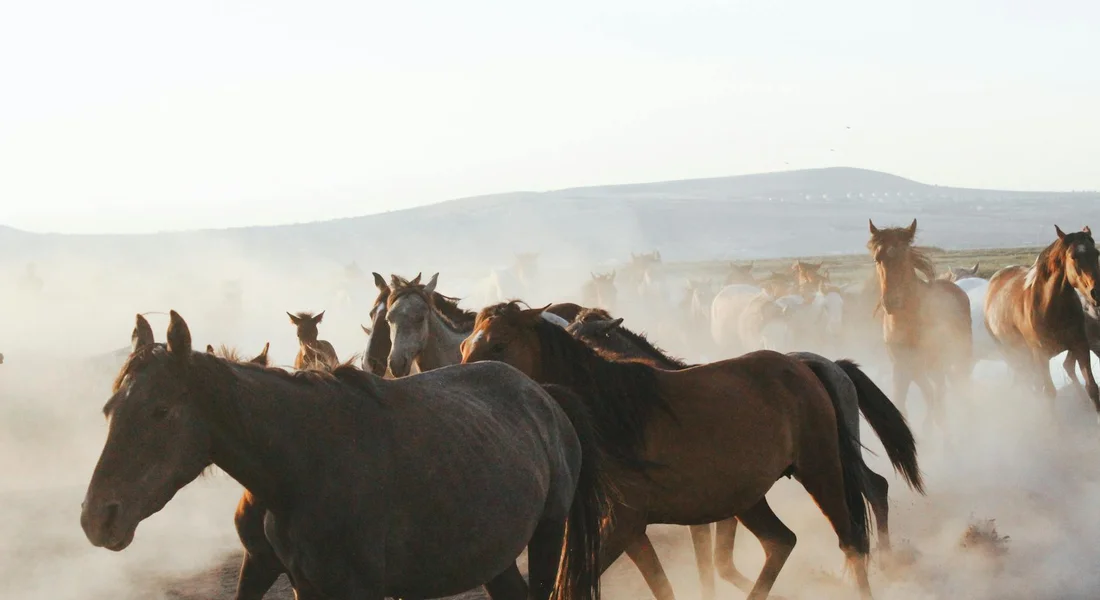
Bringing a mustang home isn’t just about wanting a cool horse; it’s about matching their wild heart with your daily reality. I learned this the hard way years ago when I underestimated the space my first project mustang truly needed. You must honestly audit your barn, your schedule, and your skills before committing to a horse built for vast landscapes. Start with this blunt checklist.
Grab a notepad and walk your property. Is your fencing sturdy and visible? Mustangs are masters of finding weak spots. Do you have a safe, quiet area for initial training? Also consider creating a safe, enriching environment for your horse—calm spaces and gentle exposure. Simple enrichment activities can help build trust and reduce stress. Now, look at your time. These horses thrive on consistent, patient handling. Budget for more time than you think, not just for riding, but for the daily trust-building that replaces their natural herd interactions. Finally, count the costs beyond adoption: hoof care, dental work, and potential dietary supplements for a horse adjusting to rich domestic feed.
- Facilities: Secure, strong fencing (no barbed wire). A minimum of 2 acres of pasture per horse, but more is always better. A run-in shelter for weather protection.
- Experience: Comfort with ground work, reading horse body language, and a history of working with sensitive or green horses. If you’ve only ridden schoolmasters, pause.
- Goals: Are you seeking a trail partner, a project, or a companion? Be realistic about timelines. A mustang won’t be a finished show horse in six months.
- Time Commitment: Plan for at least two hours daily for care, observation, and training sessions. They need your time more than they need your treats.
- Resources: Funds for routine vet and farrier care, emergency savings, and quality hay. Their hardy nature doesn’t make them immune to colic or lameness.
Their herd nature is non-negotiable. Isolating a mustang in a stall is a recipe for anxiety and behavioral issues. I design my paddocks so every horse, from my steady Quarter Horse Rusty to the clever pony Pipin, can see and interact with buddies. Understanding horse herd dynamics and social enrichment guides how I design spaces for calm and cooperation. Social housing isn’t a luxury; it’s a core requirement for their mental well-being.
Mustang vs. Quarter Horse: A Practical Comparison
Let’s get practical. Comparing a mustang to a Quarter Horse like my old reliable Rusty is like comparing a survivalist to a soldier-both are tough, but their training and instincts differ. This table breaks it down for common owner goals.
| Aspect | Mustang | Quarter Horse |
|---|---|---|
| Core Temperament | Highly intelligent, perceptive, and self-preserving. They think first, then react. Bonds are deep but earned. | Typically calm, agreeable, and bred for human partnership. Often more immediately trusting and steady. |
| Care & Maintenance | Often has harder hooves, may require less frequent shoeing. Can be an easy keeper; prone to obesity on rich feed. Needs gradual dietary introduction. | Hoof quality varies by lineage. Metabolism is generally well-understood; dietary needs are more standardized through breeding. |
| Leisure & Trail Riding | Can be exceptional, sure-footed partners with unmatched environmental awareness. Requires desensitization to traffic, bikes, and odd objects. | Bred for this very purpose. Often more placid about novel stimuli and quicker to relax on a casual ride. |
| Farm & Ranch Work | Capable and hardy, but their independent streak may not suit tight cattle penning. Excel at long hours in varied terrain. | The classic choice. Bred for cow sense and rapid, athletic bursts of speed in controlled settings. |
| Training Approach | Requires a foundation of mutual respect and clear communication. Force creates shutdowns or fights. Patience is your primary tool. | Often responds well to traditional, direct pressure-release methods. May progress through early training stages more quickly. |
Choosing between them isn’t about which is better, but which is a better fit for your current life and the life you can provide. Rusty was my plug-and-play trail buddy; a mustang is a co-creator of that relationship.
Space and Turnout Needs: Why Freedom Matters
You cannot stall a mustang. Their spirit is literally shaped by the open range, and confining them is like caging the wind. I’ve seen the dullness in a horse’s eye when turnout is scarce, and in a mustang, that dullness turns into weaving, pawing, or fence walking. Ample pasture time isn’t just exercise; it’s how they process the world, graze at will, and engage in the herd dynamics that keep them sane.
Think beyond a small paddock. They need room to move at all three gaits on their own terms. This movement is critical for joint health, digestion, and hoof circulation. If your setup is mostly stall-based with limited turnout, a mustang is not the horse for you—full stop. Their mental health is directly tied to their physical freedom. Watching my mare Luna, the Thoroughbred, stretch her legs at dawn is a joy, but for a mustang, that daily run isn’t just joy; it’s a fundamental need.
Debunking Mustang Myths: Separating Fact from Fiction
Barn gossip is full of tall tales about mustangs. Let’s saddle up and ride through the most common ones with some hard-earned truth. I’ve stood in a round pen with a so-called “untrainable” mustang and found just a scared horse asking for clarity.
| Myth | Fact |
|---|---|
| “Mustangs are untrainable and wild.” | They are highly trainable but require a thoughtful, trust-based approach. Their survival smarts make them quick learners when they understand what’s being asked. |
| “They are naturally aggressive or mean.” | Fearful, not mean. Aggression is usually a defense mechanism from confusion or past pressure. With gentle, consistent handling, they become remarkably loyal. |
| “Mustangs have poor health and weak constitutions.” | The opposite is true. Centuries of natural selection have created a resilient, hardy animal with strong hooves and efficient metabolisms. They often thrive on simpler care. |
| “They can’t adapt to domestic life.” | They adapt beautifully when introduced gradually. The key is respecting their need for forage, friends, and freedom, mimicking their natural lifestyle as much as possible. |
| “They’re only good for looking at, not real riding.” | Mustangs excel in virtually every discipline, from trail riding and dressage to competitive endurance. Their versatility is a testament to their intelligence and stamina. |
The biggest myth is that they are a problem to be solved, rather than a partner to be understood. Give them the right environment, and their true nature-curious, capable, and connective-shines through.
The Adoption Process: Bringing a Mustang Home
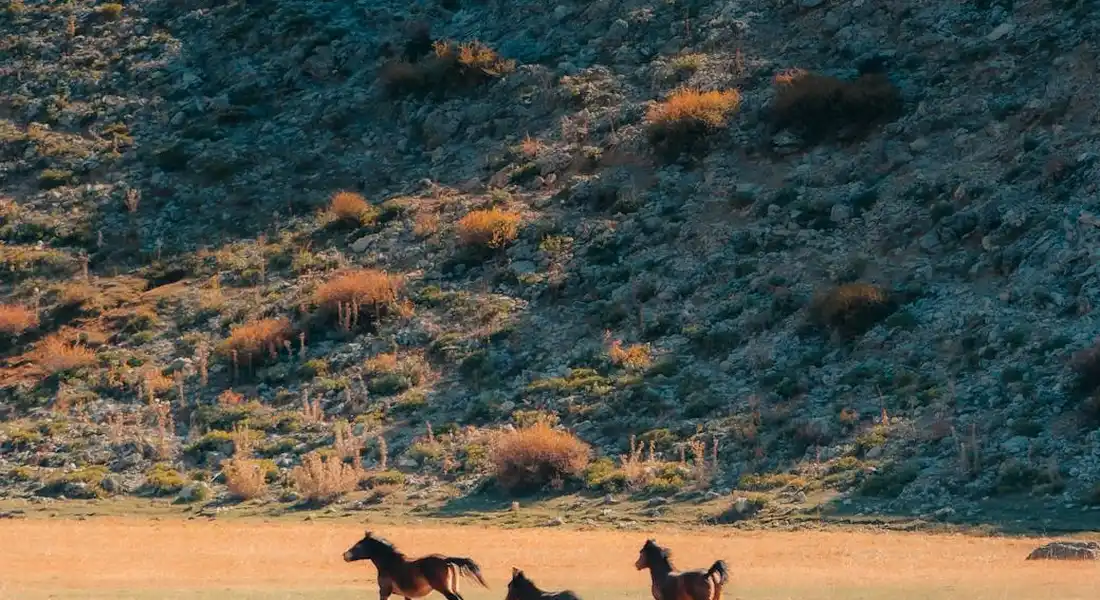
Bringing a mustang home is an adventure rooted in patience, not paperwork. My first time assisting with a BLM adoption, the barn hummed with a new kind of quiet, broken only by the thud of hooves on fresh bedding and Rusty’s curious snort from his stall. The process is straightforward if you move with care.
Start by visiting the BLM website or contacting a reputable mustang rescue to understand their specific adoption calendars and requirements.
Follow these steps to ensure a smooth transition for your new horse:
- Submit Your Application: You’ll need to prove you have safe handling facilities and a solid plan. This paperwork is your first commitment to their welfare, so detail your turnout space and shelter.
- Choose Your Partner: Attend an adoption event or visit a holding facility. Watch the horses interact; a mustang that calmly observes its surroundings might suit a novice better than one pacing the fence. I learned from Luna to look for a soft eye, not just a quiet body.
- Arrange Transport: Use a sturdy, well-ventilated trailer. Line it deeply with shavings for the journey. I always check the brake lights twice-the rattle of a trailer hitch is a sound you want to hear only when you intend it.
- Implement a Quarantine: Isolate your mustang in a separate paddock or stall for two to three weeks. This protects your herd and lets the new arrival decompress. Offer free-choice hay and water, and resist the urge to over-handle them. Let them watch you do chores; your calm routine builds more trust than forced interaction.
Factor in the immediate costs of transport and initial vet check, but more importantly, start talking to other mustang owners right away. Your support network begins the moment you decide to adopt.
Costs and Commitments
The adoption fee is the smallest part of your financial picture. BLM fees are famously low, often $125 to $1,000, but that’s just the key to the gate. The real expense is in the daily, yearly, and decade-long care that follows.
Budgeting for a mustang means planning for their entire lifespan, which can easily span 25 years or more.
- Adoption and Transport: The fee plus hauling costs can run $500 to $1,500 upfront. Paperwork is simple, but read every line.
- Annual Feed: Mustangs are efficient, but they still need 1.5-2% of their body weight in roughage daily. Quality hay or pasture maintenance costs $1,200 to $2,500 a year. Grain is often unnecessary unless they’re in heavy work.
- Routine Veterinary and Hoof Care: Annual vaccines, dental floats, and parasite control cost $600-$800. Regular trims every 6-8 weeks add another $500-$700 yearly. Ample turnout keeps hooves tougher and can stretch time between farrier visits.
- Training Investment: Professional guidance is highly recommended. Budget $300 to $800 per month for a trainer if you’re new to this. Proper tack and equipment are another initial outlay of $1,000 or more.
This is a long-term promise. Like my old friend Rusty, who needed joint supplements in his teens, mustangs will have changing needs. You’re committing to see them through all of it.
Building a Support System: Trainers and Communities
Going it alone is the hardest way to start. When I was learning to work with Luna’s sensitivity, finding a mentor changed everything. For mustangs, a community that gets their unique history is invaluable.
Surround yourself with people who celebrate slow progress and understand that trust is built in silent moments, not forced encounters.
- Find a Mustang-Savvy Trainer: Seek out professionals with experience in gentle, natural horsemanship or specific BLM training programs. They can help you read subtle cues and avoid creating fear-based responses.
- Join Online Forums and Groups: Facebook groups like “Mustang Owners United” or forums on the Mustang Heritage Foundation website are goldmines for advice. It’s like having a barn full of experienced owners at your fingertips, ready to offer a hack for everything from trailer loading to enriching stall time.
- Connect Locally: Look for mustang challenge events, clinics, or local clubs. Watching others work, sharing your struggles over the sound of chewing hay, and learning together turns isolation into a shared journey. Even Pipin, our clever pony, taught me that a community can help you brainstorm solutions for the craftiest escape artist.
This network isn’t a luxury; it’s your safety net. They’ll be there to cheer when your mustang finally drops its head to be haltered, a victory that smells like sweet grain and feels like pure relief.
FAQ: Mustang Horses – Common Questions Answered
Are Mustangs good for carriage driving?
Mustangs can adapt to carriage driving with patient training, leveraging their stamina and intelligence for steady, reliable work. However, their initial wariness requires gradual desensitization to harnesses and environmental stimuli for safety. They are best suited for leisurely or trail driving rather than high-pressure competitive events due to their independent nature.
Are Mustangs good for reining?
Mustangs may excel in reining due to their agility and cow sense, but they are not typically bred for this discipline like Quarter Horses. Their intelligent, problem-solving mindset can aid in learning patterns, though consistent, trust-based training is essential to manage their independent streak. With proper guidance, they can be competent in reining, especially in versatility-focused settings.
Are Mustangs good horses in Red Dead Redemption 2?
In Red Dead Redemption 2, Mustangs are depicted as hardy and versatile mounts, mirroring real-world traits like endurance and adaptability. The game highlights their resilience across diverse terrains, reflecting their feral heritage and survival instincts. This fictional portrayal aligns with their real potential as sturdy partners, though in-game performance is simplified compared to actual horse care and training.
A Partner Forged by the West
Adopting a Mustang is a profound commitment that asks you to meet them where they are, not where you wish they’d start. The single most important thing you can do is honor their wild history by investing in patient, pressure-and-release groundwork long before you ever introduce a saddle.
Your progress will be measured in quiet conversations, not quick victories. The greatest skill you’ll build is learning to listen, because a Mustang will always tell you exactly what they need you to hear.
Further Reading & Sources
- Mustang Horse | History, Characteristics & Types | Study.com
- Meet the Mustang: America’s Feral Horse
- All About the American Mustang Horse: Breed Profile, History, Characteristics, & Facts – Savvy Horsewoman
- MUSTANG HORSE – The Fortunate One™ Horseshoe Jewellery
At Horse and Hay, we are passionate about providing expert guidance on all aspects of horse care, from nutrition to wellness. Our team of equine specialists and veterinarians offer trusted advice on the best foods, supplements, and practices to keep your horse healthy and thriving. Whether you're a seasoned rider or new to equine care, we provide valuable insights into feeding, grooming, and overall well-being to ensure your horse lives its happiest, healthiest life.
Choosing the Right Breed