
What is a Horse’s Flank? Understanding This Key Area for Equine Health and Comfort
Hello fellow barn folks, have you ever cinched a saddle and felt your horse tense or hollow away from your touch? Maybe you’ve seen a subtle kick towards their belly during grooming. That reaction often centers on the flank-a sensitive zone many riders overlook until it causes a problem.
Ignoring this area can lead to tack fit issues, misunderstood behaviors, and even mask early signs of colic. Let’s change that. In this guide, I’ll walk you through the precise anatomy of the flank and its role in movement, how to spot pain or tension there during your daily routine, and gentle handling techniques to build your horse’s trust.
I’ve spent countless hours in the stable, fitting tack on wide-backed drafts like Rusty and soothing sensitive thoroughbreds like Luna, and I’m here to translate that experience into plain advice you can use today.
Horse Flank Anatomy: More Than Just a Hollow
Pinpointing the Flank Region
Find the flank by sliding your hand back from the last rib until you hit a soft, cup-shaped hollow just in front of the stifle and thigh. It’s that vulnerable dip where the barrel tucks up, a key landmark between the belly and the powerful hindquarters. Learning this geography is your first step in spotting discomfort or changes during your daily grooming. I always start my checks with Rusty; his reliable stance makes it easy to feel how his sorrel coat dips right behind the saddle pad.
Think of it not as an empty space but as a flexible seam in the horse’s architecture. On a lean, fit horse like Luna, the flank appears more pronounced, while on a easy-keeping pony like Pipin, it might be a softer crease. Your eye will learn to see the flank as a living barometer of fitness and well-being.
Structures Beneath the Skin: Muscles and Nerves
Beneath that skin lies a critical web of muscles and nerves. The primary players are sheets of abdominal muscle-the external and internal obliques-that act like a living, breathing girdle. These muscles are the body’s natural support band, crucial for core stability and protecting everything inside. Major nerves, like the iliohypogastric and ilioinguinal, run through here, making the area supremely sensitive.
This is why some horses flinch or twitch when you touch their flank; it’s not always ticklishness, but often a sign of nerve sensitivity or muscle tightness. I’ve learned to use a flat, steady hand when applying liniment near Luna’s dappled grey flank to avoid startling her. A well-toned flank feels firm yet supple under pressure, not rigid or sunken.
- Key Muscles: External abdominal oblique, internal abdominal oblique.
- Key Nerves: Supply sensation to the skin and muscles of the belly and groin.
- What You Feel: A layered, elastic strength when the horse is healthy and relaxed.
The Flank’s Vital Jobs: From Digestion to Motion
Supporting the Digestive Highway
This hollow is the outer wall over a busy digestive intersection, housing parts of the small intestine and the large colon. Every bite of hay your horse processes relies on the rhythmic, wave-like contractions of the muscles in this region. Does the horse’s digestive system really work as a whole? Its effectiveness depends on these muscles’ coordinated contractions. A tight or spasming flank can signal digestive upset, like gas colic, where the gut distends against that muscular wall.
Advocating for ample turnout is non-negotiable here. Constant, slow movement keeps the gut contents shifting and these muscles healthily engaged. I remember the frantic thud of hooves when Pipin escaped and gorged on grain; monitoring his flank for tautness was my first clue in managing the impending bellyache. A soft, pliable flank after a meal is a good sign of digestive ease.
Engine Room for Hindquarter Power
Watch a horse execute a collected trot or launch over a jump: you’ll see the flank fold and tighten, transmitting power from the hind legs forward. This area is the kinetic link, where impulsion is generated and channeled through the body. It’s the core engagement that allows for that breathtaking push you feel in the saddle. That efficiency is also shaped by anatomy—bone structure, limb proportions, and muscle arrangement. In short, a horse’s anatomy largely determines how effectively impulsion becomes speed.
Gentle horsemanship means developing this power without causing tension. Rough hands or abrupt leg aids can make a horse clamp its flank, blocking that energy flow. Building trust through patience, as with sensitive Luna, allows the flank muscles to work freely, creating fluid, powerful movement. A horse moving with a softly engaged flank is a horse using its body correctly.
- Step 1: Observe at rest. The flank should be calm, not sucked in or visibly trembling.
- Step 2: Watch in motion. Look for a symmetrical folding and release with each stride.
- Step 3: Feel under saddle. You want to sense a springy gathering, not a rigid brace, when you ask for engagement.
Your Flank Health Checklist: Reading the Signs

Think of the flank as a mood ring for your horse’s internal state. A quick daily check takes seconds but can reveal volumes.
Visual and Tactile Indicators
Run your eyes and hands over this area during grooming. You’re looking for anything that breaks the smooth, symmetrical flow from rib to hip.
- Swelling or Filling: A puffy, tight look can signal everything from a mild bug bite to a more serious internal issue like colic or a tendon strain higher up the leg.
- Skin Disruptions: Look for patches of sweat, dry flaky skin, hair loss, or rub marks. A damp, sweaty patch under where the saddle pad ends is a classic sign of saddle pressure.
- Muscle Tone: Feel for consistent firmness. A hollowed-out look or tense, ropy muscles can indicate pain, poor saddle fit, or nutritional issues.
- Reaction to Touch: Does your horse sink away, flinch, or tense when you lightly run your hand here? A relaxed horse will tolerate or even lean into the touch.
A supple, quiet flank moves easily with each breath; a rigid one tells a story of discomfort you need to investigate.
When Flank Behavior Signals Pain
The body doesn’t lie. Watch for these subtle and not-so-subtle clues, especially under saddle or during handling.
- The “Tail Swish of Annoyance”: Not the fly-chasing flick. This is a sharp, rhythmic swatting during girthing, saddling, or when you first mount. I learned this with Rusty; his casual tail switch at the mounting block was my first clue his girth was pinching that forward flank area.
- Resistance to Leg or Girth Pressure: A horse that kicks out when cinched, crowds the stall wall for girthing, or throws a buck when you apply your leg may be saying the flank is sore or overly sensitive.
- Altered Movement: A short, stiff stride behind, reluctance to engage the hindquarters, or an unwillingness to bend can originate from flank discomfort.
- General Grumpiness: A usually cheerful horse like Pipin becoming grouchy about being groomed or tacked up in this region is a red flag. He can’t say “ouch,” so he nips or pins his ears instead.
Behavior is communication; a sudden change in your horse’s demeanor around their flank is a direct request for you to problem-solve. Talking with your horse helps you understand them and build better communication. This ongoing dialogue strengthens trust and makes future signals clearer.
Tack and the Tender Flank: Avoiding Common Pitfalls
Our equipment is meant to partner with the horse’s body, not conquer it. The flank area is a prime spot where tack can go from tool to tormentor.
Saddle Fit: The Flank’s Arch-Nemesis
Most riders check shoulder clearance and wither clearance, but the back of the saddle is just as critical. A poorly fitting saddle can press directly on the sensitive forward flank.
- The Tree is Key: If the tree points (the front ends of the saddle tree) are too wide or too long, they can dig into the area just behind the shoulder, right where the flank begins. You’ll often see white hairs or dry patches here as proof.
- Panel Pressure: An over-stuffed or uneven panel can create a pressure point that radiates discomfort into the flank muscles. A saddle that’s too narrow can pinch along the entire back.
- The “Bridge” Effect: This is when the middle of the saddle panel loses contact, putting all the pressure on the front and back. The rear pressure point often sits right over the flank, causing the horse to hollow its back to escape it.
I’ve seen more horses transformed by a proper saddle fit than by any training gadget; it’s the foundation of everything you ask them to do. A practical, step-by-step guide to saddling properly can help you translate that foundation into action. If you’re new to the process, a concise saddle-fit guide will walk you through the essential steps to saddle a horse correctly.
Choosing and Fitting Flank Protection
For sports like reining or rodeo where a flank strap is used, or for general protection, fit is non-negotiable. The principle of comfort-first applies even here.
- Know the Purpose: A fluffy fleece-lined flank cover for keeping a clipped horse warm is different from a neoprene protective bib for preventing roping burns. Use the right tool for the job.
- Fit for Freedom: Any flank gear should sit snugly but without compression. You should be able to slip your flat hand easily between it and the horse. It must never restrict breathing or the natural swing of the barrel.
- Check for Rubs: After the first use, and routinely after, inspect the skin. Look for any marks, ruffled hair, or heat. Adjust the fit or add a soft liner as needed.
- Mind the Girth: Ensure the flank protection lies smoothly and doesn’t interfere with or get bunched up by the girth. Friction here is a fast track to a sore.
Protective equipment should solve a problem, not create one; its presence should be a comfort, not an irritation.
Hands-On Flank Care in the Barn

Grooming for Health and Bonding
The flank is a sensitive area, so I always start with a soft brush here. I work in gentle, circular motions, following the lay of the hair. This feels good to the horse and lets me check for any hidden bumps, bites, or heat. This daily ritual is less about getting dirt off and more about building a language of trust with your hands. In time, it becomes a way to groom your horse and deepen your bond step-by-step.
I learned this with Luna, my dapple grey Thoroughbred. She’d tense up if I approached her flank too directly. By starting with light strokes on her shoulder and working my way back, talking softly, she learned to sigh and relax. That quiet moment of connection is as vital as any curry comb. Your grooming routine is a full-body check-up that costs nothing but time.
Pay close attention to the texture of the skin and coat. A healthy flank should feel smooth and pliable, not tight or crusty. Use this time to look for ticks or signs of rain rot, which love damp, sheltered spots. Finding a problem early while grooming can prevent a major vet call later.
Supporting Flank Health Through Turnout and Diet
Nothing supports a healthy flank like freedom to move. When a horse walks and rolls in turnout, it naturally massages the abdominal and flank muscles, aiding digestion. Stalled horses often develop tension here. Daily turnout isn’t a luxury; it’s a non-negotiable part of keeping the entire digestive system moving smoothly.
I watch Rusty, my quarter horse, every morning. He marches out to his paddock, takes a deep breath, and almost immediately drops for a good roll. That full-body stretch works out kinks I could never reach with a brush. If your horse can’t move freely, you’re asking for stiffness and digestive hiccups that often show as flank discomfort.
Diet is direct fuel for flank health. The goal is to prevent gas colic, which causes painful distension right behind the flank.
- Provide constant access to clean, high-fiber hay. This mimics natural grazing.
- Limit high-sugar grains and rich spring grass, which can ferment quickly.
- Ensure fresh water is always available, especially in cold weather.
A belly full of roughage is a quiet, comfortable belly, and that means a relaxed flank.
Addressing Common Flank Concerns
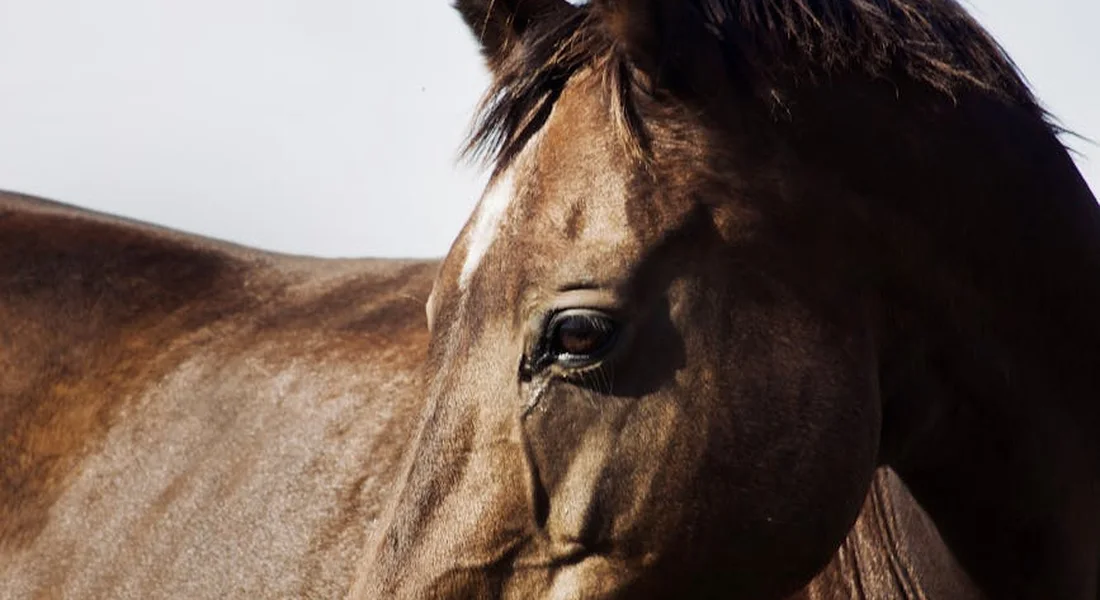
Understanding and Managing Flank Biting
When a horse consistently nips or bites at its own flank, it’s sending a telegram you need to decode. This isn’t a bad habit; it’s a symptom. Flank biting is your horse’s way of saying something underneath the skin is driving him crazy.
The causes usually follow a logical trail. Start with the simplest fix first:
- Parasites: Pinworms or tapeworms can cause intense anal itching that makes a horse bite toward the flank. Stick to a regular deworming schedule based on fecal tests.
- Skin Irritants: Check for allergic reactions to shampoo, fly spray, or even bedding. A patch of sweet itch can make them frantic.
- Dietary Upset: Gas or ulcers can create a referred itch or pain. Review your feeding program.
- Pure Boredom: A stalled horse with nothing to do might start chewing on itself. More turnout or a stall companion often helps.
If the biting continues after you’ve checked these boxes, your vet needs to investigate for deeper musculoskeletal pain or why horses bite and how to stop this behavior.
Responding to Flank Trauma or Swelling
Seeing a swollen flank or a fresh cut there can spike your adrenaline. Stay calm. Your first job is to assess how the horse is behaving. A small scratch is one thing, but if the horse is kicking at its belly, sweating, or refusing to move, colic is likely and you need to call the vet immediately.
For a minor trauma, like a kick from a pasture mate, follow these steps:
- Move the horse to a quiet, safe stall or area.
- Apply a cold hose or a chilled gel pack to the swelling for 15-20 minutes to reduce inflammation.
- Gently clean any breaks in the skin with a dilute antiseptic solution.
- Monitor closely for the next 24 hours for increased heat, pain, or lameness.
Cold therapy is your best friend for fresh swelling; it reduces inflammation and provides pain relief while you figure out the next steps.
Remember Pipin, my cheeky Shetland? He got a nasty flank kick once. After the initial cold hosing, I applied a clay poultice to draw out soreness overnight. The thud of that kick was scary, but a methodical response prevented an infection. Always have a well-stocked first-aid kit in your tack room, because flank injuries wait for no one.
FAQ: What is a Horse’s Flank and Why is it Important?
What specific anatomical structures make the flank so sensitive?
The flank’s sensitivity primarily comes from a major network of sensory nerves, like the iliohypogastric, that run just beneath the skin. These nerves supply sensation to the skin and muscles of the lower abdomen and groin area. This dense innervation is why a light touch can provoke a strong reaction, as it’s a key zone for perceiving touch and potential pain.
How does the flank’s muscle anatomy contribute to a horse’s core strength?
The flank is layered with abdominal oblique muscles that act like a natural athletic support belt for the horse. These sheet-like muscles are vital for stabilizing the spine and supporting the internal organs during movement. Their engagement and tone are foundational for collecting power from the hindquarters and channeling it forward through the body.
Why can the appearance of a horse’s flank vary so much between individuals?
The flank’s visible hollow is more pronounced in lean, fit horses due to lower body fat covering the muscular and skeletal landmarks. A horse with a heavier body condition will have a softer, less defined flank crease due to fat deposition. Additionally, breed conformation and an individual’s rib cage length directly influence the flank’s overall shape and appearance.
Trust and Touch at the Flank
Always approach your horse’s flank with slow, deliberate movements during grooming and tacking to prevent a startled reaction. Make a daily habit of lightly running your hand over this area to monitor for tightness, sweat patterns, or sensitivity that can signal everything from saddle fit problems to the earliest whispers of colic.
Give your horse time to accept touch in this vulnerable zone, and always prioritize their comfort over speed. The most important tool in your care kit isn’t in your barn box-it’s your willingness to listen and respond to what your horse is telling you with their body. It’s the foundation of grooming and touch.
Further Reading & Sources
- Equine anatomy – Wikipedia
- Horse Veterinarian Equine Anatomy San Diego
- Where is the flank on a horse? – Quora
- Horse anatomy – diagrams of horse body parts – EQUISHOP Equestrian Shop
At Horse and Hay, we are passionate about providing expert guidance on all aspects of horse care, from nutrition to wellness. Our team of equine specialists and veterinarians offer trusted advice on the best foods, supplements, and practices to keep your horse healthy and thriving. Whether you're a seasoned rider or new to equine care, we provide valuable insights into feeding, grooming, and overall well-being to ensure your horse lives its happiest, healthiest life.
Health