
What Is a Morgan Horse? A Guide to Their Characteristics and Everyday Uses
Published on: March 11, 2026 | Last Updated: March 11, 2026
Written By: Henry Wellington
Hello fellow equestrians! Are you trying to decide if a Morgan is the right partner for your riding dreams or stable life? Maybe you’re weighing breed options and worry about finding a horse with a manageable temperament that won’t lead to frustrating training sessions or unexpected vet calls.
Let’s settle those nerves right at the hitching post. In this article, I’ll break down the Morgan horse for you. We’ll explore the breed’s sturdy build and famously willing personality that makes them a barn favorite, their wide range of jobs from calm trail buddy to competitive show horse, and how their care aligns with principles of ample turnout and respectful horsemanship.
My years of barn management and training, from guiding reliable Rusty to earning the trust of sensitive Luna, have shown me exactly what to look for in a versatile equine partner.
The Morgan Horse: An American Legacy
Every Morgan horse pulling a carriage in a parade or nuzzling a child in a lesson traces its lineage back to one tough little stallion. That foundation sire was a horse originally named Figure, who belonged to a schoolteacher named Justin Morgan in late-1700s New England, and the breed proudly carries his owner’s name today. I’ve handled a few direct descendants over the years, and that same spark of resilience and willingness is still the breed’s calling card.
This wasn’t a specialized show horse back then; it was the indispensable partner that built a nation. The Morgan served as the all-purpose engine for early America, clearing stony fields for farming, serving with courage in the cavalry, and providing reliable transportation over rough roads. Their strength and sound mind made them the go-to choice for settlers who needed a horse that could do anything on a handful of oats.
What’s remarkable is how tightly those original traits were woven into the breed. Through careful selection and a closed studbook, the Morgan became one of the first truly American horse breeds, with a purity of type that’s still evident in every well-bred individual. Working with them, you feel that direct link to history in their steady demeanor and robust health.
Recognizing a Morgan: Conformation and Color
You can spot a Morgan from across the barn aisle by its distinctive, balanced silhouette. The classic Morgan build is compact and powerfully muscled, with a short back, a proudly arched neck, and a refined, expressive head that often features large, intelligent eyes. It’s a conformation bred for durability and agility, not just for show.
They are a solidly middleweight breed, with dimensions that make them incredibly versatile for riders of all sizes. You’ll typically find Morgans standing between 14.1 and 15.2 hands high and weighing anywhere from 900 to 1,100 pounds, making them substantial without being cumbersome. This size is a big part of why they’re such fantastic family and sport horses.
Their coats come in a rich palette of colors that gleam in the turnout sun. The American Morgan Horse Association recognizes a variety of solid colors, including:
Put a Morgan next to a lanky Thoroughbred or a draft cross, and their unique structure is immediately apparent. Where some breeds are built for sheer speed or massive pull, the Morgan’s sturdy conformation is designed for all-day stamina and a comfortable, smooth ride. That short back and deep heart girth support good saddle fit and strong overall health with proper care and plenty of movement.
The Morgan Mind: Temperament and Intelligence
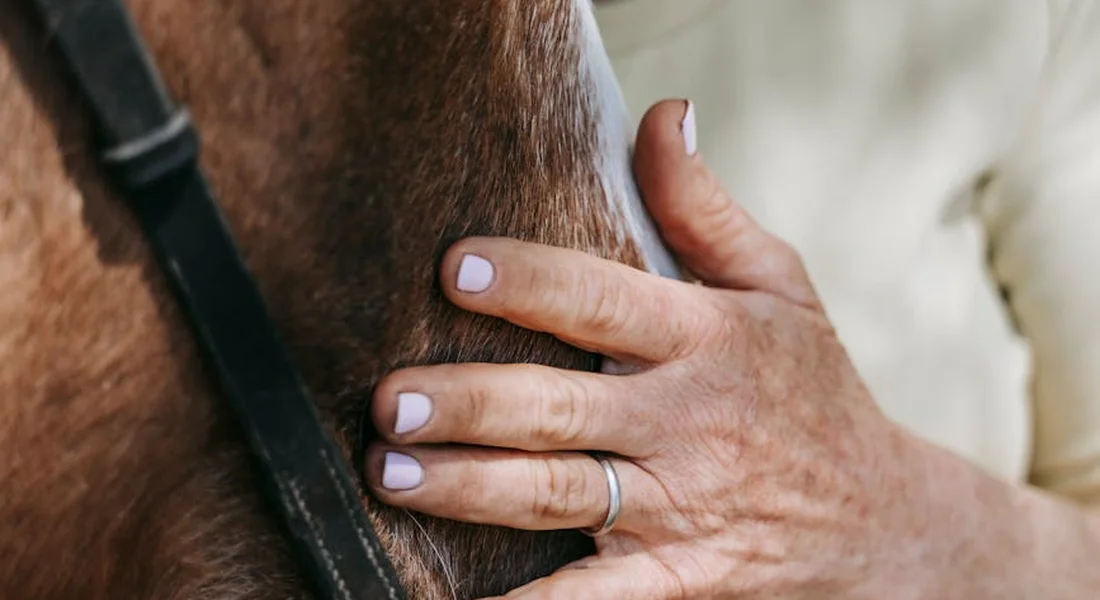
After decades in the barn, I’ve learned a horse’s mind is just as important as its movement. I’ve spent afternoons with Luna, my Thoroughbred, whose thoughts seem to flicker like a candle flame, and steady days with Rusty, who plods along with unshakable calm. The Morgan horse finds a beautiful middle ground. Their temperament is famously willing and people-oriented. You’ll see it in the way they turn a kind eye toward you in the stall, always curious about the next task. This breed possesses a deep-seated desire to connect and work alongside their human, which makes every interaction feel like a partnership rather than a negotiation—a strong bond that’s built on trust and understanding.
Their intelligence is practical, not mischievous. Unlike Pipin the pony, who plots snack-based escapades, a Morgan’s smartness is directed toward understanding what you’re asking. They pick up new cues quickly and retain lessons with impressive clarity. This eagerness to please translates directly to their work ethic. They are the horses that seem to try their heart out in every training session, whether it’s mastering a new dressage movement or patiently standing for the farrier. This trainability stems from a mental stamina that matches their physical endurance, making them suitable for riders of many skill levels who use consistent, gentle methods.
Energy level is where Morgans truly shine for the average owner. They are athletic and possess a vibrant presence, but they are not typically “hot” or overly nervous. They carry enough spark for the show ring but possess an innate “off switch” that makes them reliable on a quiet trail ride. This balanced mindset is a gift. It means they can adapt to varied routines, but they still require and deserve regular turnout to mentally decompress and just be a horse. I advocate for ample pasture time because a mentally content Morgan is a safe and willing partner, and this breed’s sanity is a key part of their longevity.
Speaking of longevity, it’s a cornerstone of their character. It’s not uncommon to see Morgans working soundly and happily into their late twenties. This isn’t an accident. It’s the result of a robust constitution, sensible mind that avoids stress-related injuries, and a structure built to last. When you choose a Morgan, you’re often choosing a companion for a decade or more, a horse that remains a steady presence in your life as the years go by.
Morgan Horse Uses: From Trail to Show Ring
The Morgan’s versatility is legendary. They don’t just participate in disciplines; they excel in them, bringing that signature attitude and durability to every task. This is a breed that truly can do it all, from the polished show ring to the dusty backcountry.
Core Competitive Disciplines
- English Pleasure: With their elegant, high-stepping action and proud carriage, Morgans are natural stars here. They exhibit a smooth, comfortable gait that judges love, all while maintaining that calm demeanor.
- Western Pleasure: The same steady mind makes them perfect for western events. They perform with a relaxed, slow gait and a quiet disposition, making for a picture of effortless control.
- Dressage: Their intelligence and athleticism shine in the dressage arena. They are quick to learn collection and extension, and their willingness makes advanced movements a cooperative effort.
- Driving: This is where their history comes alive. Morgans are exceptional driving horses, both for pleasure and combined driving events. They are strong, agile, and trust their driver, making them a safe and flashy choice for hitches.
Beyond the arena, their true calling might be on the trail. With stamina that seems endless and a sure-footedness I’ve always trusted more than some lighter breeds, they are ideal for endurance riding or long weekend pack trips. They have a gritty toughness that keeps them going when others tire, paired with a level head that doesn’t spook at every rustling bush. These traits align with what makes some of the best horse breeds for racing and endurance sports. They pair stamina with steadiness for long-distance events.
This steady nature has carved out a vital role for them in therapeutic riding programs. Their predictable movements, patience, and genuine kindness provide a stable and comforting platform for riders with disabilities. I’ve seen the transformative calm a Morgan can bring to a person, and it’s a powerful testament to their character.
Don’t overlook their capability on a working ranch, either. They have the cow sense and agility for sorting, and the strength for long days. Ultimately, the Morgan is the quintessential all-around family horse. They are the one horse who can patiently carry a beginner in the morning, perform a flawless pattern in the afternoon, and then pull a sleigh for the whole family at dusk. This adaptability, rooted in that superb temperament, is why they’ve been beloved for centuries.
Caring for Your Morgan: Daily Needs and Considerations
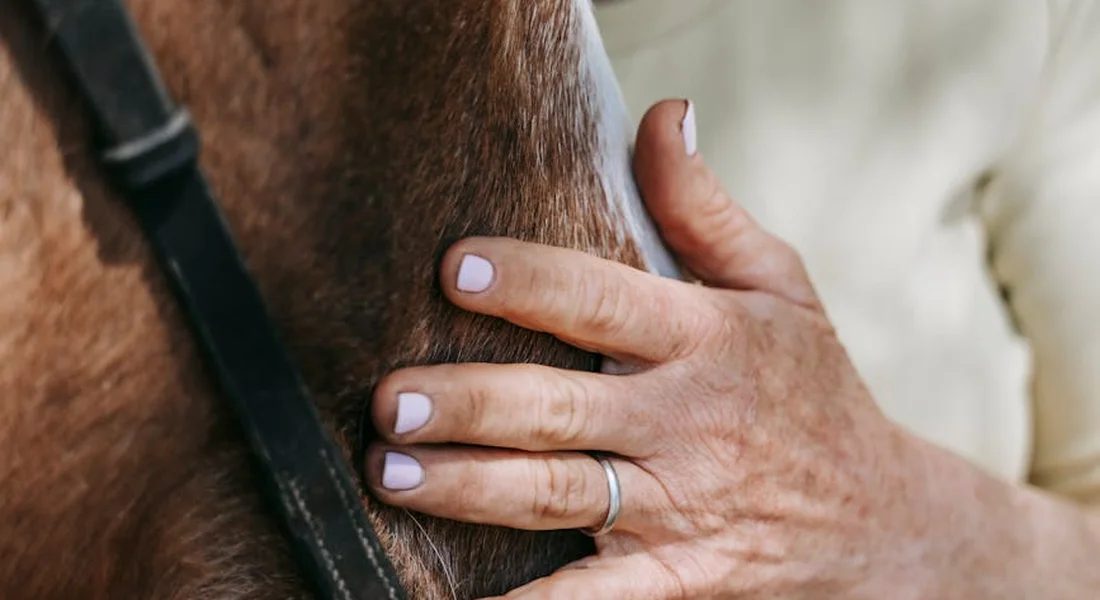
Morgans thrive on routine and thoughtful care, blending sturdy health with a few specific needs that keep them at their best. Their reputation as easy keepers means you get to focus on quality over quantity, but it demands a watchful eye to prevent that solid build from tipping into excess. Your goal is to support their robust nature without letting comfort slide into obesity, which starts with what goes into their mouth.
Dietary Needs: Easy Keepers Require Watchful Eyes
That Morgan metabolism is often a frugal one; they can get fat on air, as we say in the barn. I learned this with a pony like Pipin, where an extra scoop of grain showed up on his ribs in a week. Base their diet on top-quality forage-grass hay is usually perfect-and measure any concentrates carefully. For most Morgans, a flake of good hay is worth more than a bucket of grain, and their digestive system is happiest with slow, steady roughage. Watch their weight monthly by feeling for ribs, not just looking, and adjust hay before ever reaching for more grain.
- Prioritize grass hay over alfalfa for most adults to control calories and protein.
- Use a slow-feed hay net to mimic natural grazing and prevent boredom eating.
- Limit treats to small, healthy bites like carrot pieces, or you’ll have a pushy friend fast.
Grooming: Taming That Luxurious Mane and Tail
Run your fingers through a Morgan’s mane, and you’ll feel that iconic thickness-it’s gorgeous but mats if ignored. Regular brushing with a quality detangler keeps knots at bay and bonding time high. I make a ritual of it with every horse, finding that a damp brush and patience work better than yanking through tangles. Pay attention to their feathered legs in muddy seasons, as dirt can hide skin issues. A quick daily once-over beats a marathon session every week.
- Invest in a leave-in conditioner for their tail to prevent breakage and simplify brushing.
- Check behind the ears and under the jaw for sweat and dirt buildup after rides.
- Use a rubber curry comb in circles to lift dirt and stimulate skin before brushing.
Hoof Care: Strong Foundations Need Regular Attention
Morgans typically have tough, well-shaped feet, but “good feet” doesn’t mean “no care.” A consistent trim every 6-8 weeks by a knowledgeable farrier is non-negotiable, rain or shine. Listen for the crisp tap of a healthy hoof on hard ground; a dull thud might mean thrush or imbalance. Pick out their feet daily, feeling for stones or heat that signal trouble. I’ve seen a minor crack turn into a lameness issue because it was missed in a busy week.
- Apply a hoof conditioner like pine tar to the hoof wall and sole during dry spells to prevent cracking.
- Keep their living area clean and dry to reduce thrush risk, especially in wet climates.
- Watch for changes in gait or reluctance to move, which can indicate foot soreness.
Turnout and Mental Stimulation: Non-Negotiables for a Happy Morgan
Stall life is a slow misery for a horse built to work and explore. Morgans need daily turnout-ideally with a buddy-to stretch their legs and just be horses. Turnout isn’t a luxury; it’s as vital as hay and water for their mental and physical health. Without it, that clever mind invents trouble, like weaving or stall walking. Mix up their scenery with hand-grazing or a change in paddock or pasture to keep them engaged. The sound of contented munching in a field is better than any calming supplement.
- Aim for at least 12 hours of turnout daily, even if it’s in a smaller paddock with movement.
- Provide safe toys like a hanging Jolly Ball or a treat-dispensing snuffle mat to prevent boredom.
- Rotate grazing areas if possible to offer fresh grass and new smells, which satisfies their curiosity.
Training and Working with a Morgan
Training a Morgan is a dance of respect and enthusiasm-they give so much that you must guide with clarity and kindness. Their intelligence means they learn fast, but it also means they remember every shortcut and mistake. Start every session with the understanding that fairness builds a partnership faster than force ever will. I’ve trained sensitive souls like Luna, where a soft voice did more than a strong pull.
Building Trust Through Consistent Groundwork
Groundwork isn’t just leading; it’s teaching manners, pressure release, and spatial awareness. Spend time on halter work, yielding hindquarters, and backing up with light cues. Consistency here prevents pushy behavior later, because a Morgan who respects your space on the ground will listen under saddle. Use a rope halter and long line for clear communication, and always end on a positive note, even if it’s a small win.
- Practice leading with stops and turns until they match your pace without crowding.
- Teach them to stand tied patiently, using a quick-release knot and supervision.
- Introduce desensitization to objects like tarps or bags, rewarding calmness with a break.
Engaging the Morgan Mind with Varied Training
Boredom is the enemy of progress with this breed. Rotate between riding, driving, trail walks, and even ground games to keep their brain ticking. One day we might work on dressage circles, the next we’re navigating cones in the arena-variety sparks their willingness. I’ll often take a break from structured work to just hand-walk and explore, letting them sniff new things. The thud of hooves on a trail relaxes both of us.
- Incorporate trail obstacles like bridges or logs to build confidence and coordination.
- Use positive reinforcement like a clicker or verbal praise for quick learning of new tasks.
- Keep sessions short, 30-45 minutes, to maintain focus and avoid frustration.
Setting Clear Boundaries to Channel Willingness
Morgans aim to please, but without boundaries, that can turn into testing limits. Be firm but fair-no means no, and yes means reward. If they get mouthy for treats, turn your back until they stand politely; clarity prevents confusion. I’ve handled cheeky ponies like Pipin, where a consistent “wait” command made all the difference. Use body language to communicate, stepping into their space to ask for movement, stepping back to invite them in.
- Establish rules for feeding time, such as making them wait until the bucket is set down.
- Correct unwanted behaviors immediately and calmly, then redirect to a positive action.
- Avoid overfacing them with too much too soon, which can lead to anxiety or shut-down.
Celebrating Versatility with Positive Methods
From trail riding to showing, Morgans excel when trained with encouragement. Their versatility means you can try many disciplines, but always build on success. Positive reinforcement-like a scratch on the withers after a good effort-strengthens their trust and eagerness. Celebrate small victories, like a smooth transition or a calm reaction to a spook. I remember Rusty’s steady patience on trails, earned through years of gentle exposure.
- Match training goals to their individual personality; not every Morgan wants to jump.
- Use rewards they love, whether it’s a carrot slice or a minute of rest in a sunny spot.
- Keep competition fun; pressure can dull their sparkle if it becomes the only focus.
Morgan Horse Health: What to Watch For
Morgan horses are the reliable anchors of the barn, often boasting lifespans well into their late twenties or thirties. Their historical role as all-purpose farm and carriage horses built a foundation of remarkable hardiness that persists today. I’ve watched older Morgans teach beginners with the same steady patience year after year, their soundness a testament to good genes and good care.
Breed-Specific Points on Your Radar
While famously robust, a few health considerations are worth knowing. Some lines may carry genetic markers for conditions like Type 1 Polysaccharide Storage Myopathy (PSSM1), which affects muscle metabolism, or Hereditary Equine Regional Dermal Asthenia (HERDA). Reputable breeders will provide genetic test results; asking for this paperwork is a standard and smart part of your search.
More commonly, their efficient “good doer” metabolism demands attention. Like my pony Pipin, who would balloon on spring grass, a Morgan can easily gain weight on rich forage or grain. This makes them prone to metabolic issues, so regular body condition scoring is non-negotiable to prevent founder.
- Genetic Screening: Ask breeders about tests for PSSM1 and HERDA.
- Metabolic Vigilance: Monitor weight closely and adjust feed to prevent obesity.
- Hoof Health: Be proactive, as laminitis risk increases with metabolic stress.
The Pillars of Lifelong Care
Their sturdy nature doesn’t excuse skipping basics. Routine veterinary dentistry, core vaccinations, and strategic deworming based on fecal counts are the bedrock of preventative health. I remember a lesson horse whose sudden resistance vanished after a dental float-that discomfort was silent until it wasn’t.
Prioritize ample turnout for movement and mental well-being. The sound of a Morgan grazing calmly in a pasture is far better for its digestion and mind than the stable-bound pawing of a bored horse. Their welfare thrives on predictable routines and the freedom to just be a horse. This is especially important when considering stall vs pasture boarding.
- Dental Exams: Schedule floats every 6-12 months to ensure proper chewing.
- Veterinary Partnership: Annual check-ups and vaccines tailored to your local risks.
- Hoof Care: Consistent farrier visits every 6-8 weeks, rain or shine.
- Turnout Time: Advocate for daily access to space and companionship.
Is a Morgan Horse Right for You?
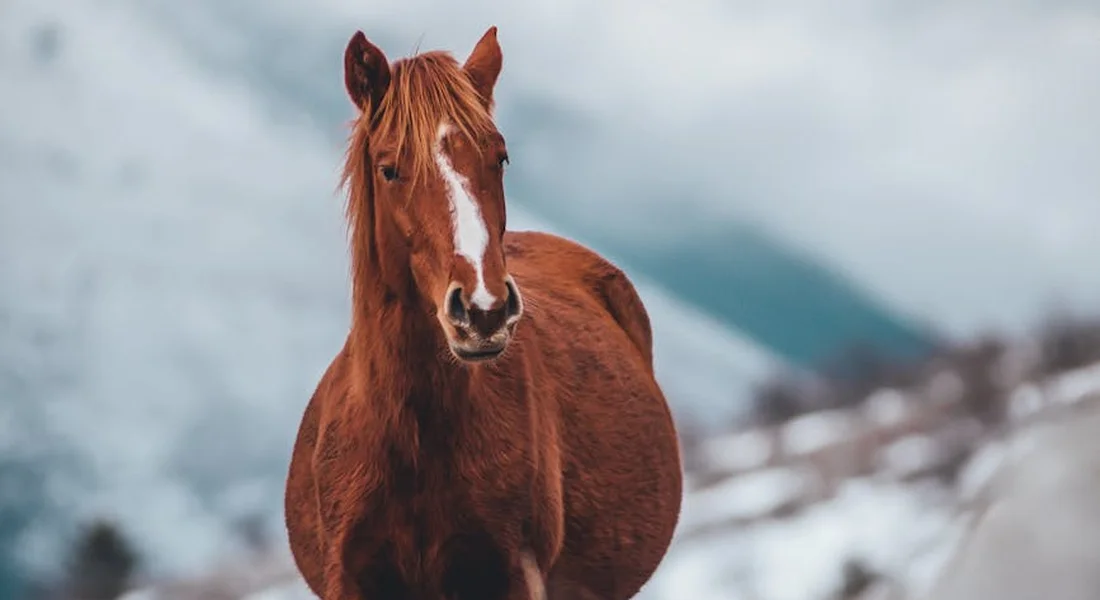
Choosing a horse is about matching energy and ambition. A Morgan suits someone seeking a single, personable partner for multiple jobs, from trail riding to driving to arena work. They are the definition of a “one-person horse,” forming deep bonds and thriving on consistent interaction.
Portrait of an Ideal Owner
You might be a perfect match if you value versatility and a willing mind over specialized breeding. Confident beginners will appreciate their forgiving nature, while experienced riders will enjoy training their keen intelligence. I’ve seen them gently carry nervous adults on forest trails one day and work focused dressage patterns the next.
They excel in family settings where patience is prized. Their steady demeanor around chatter and sudden movements makes them a safer choice for barns with kids, much like our reliable trail horse Rusty. These traits align with the friendliest calmest horse breeds for families. They thrive in gentle routines and patient handling.
- The Versatile Enthusiast: You want a horse for pleasure, competition, and everything between.
- The Family-Oriented Owner: You need a gentle, predictable temperament for varied handlers.
- The Project-Oriented Rider: You enjoy the process of training a smart, responsive equine.
Grounded Steps Before You Buy
Fall in love with the horse’s mind, not just its arched neck. Visit several breeders or rescues, observe how the horses interact with people, and ask to see them saddled and driven. Touch their coat, listen to their breathing, and watch how they move – the devil is in the details. For a deeper understanding, study horse behavior and psychology.
Audit your own life with brutal honesty. Do you have the time for daily care and the setup for ample turnout, or will your Morgan spend most hours in a stall? A bored, stalled horse of any breed develops vices; a Morgan deserves better.
- Meet Multiple Horses: Compare temperaments. Handle them in the stall and at liberty.
- Interview Breeders: Ask about health history, training methods, and after-sale support.
- Assess Your Resources: Budget for not just purchase, but ongoing quality feed, vet, and farrier care.
- Take a Test Ride: Feel their movement and responsiveness for yourself.
Trust the process and your instincts. Finding the right Morgan feels less like a transaction and more like the start of a long conversation, one filled with the creak of leather and the quiet understanding of a trusted partner.
FAQ: What Is a Morgan Horse? Characteristics and Uses
What are the key characteristics of the Morgan horse temperament?
The Morgan horse is renowned for its exceptionally willing, people-oriented, and intelligent temperament. This breed possesses a strong desire to please, making them highly trainable and reliable partners for various disciplines. Their balanced energy provides enough spark for work while maintaining a calm demeanor, which suits both competitive and leisure riders.
What are the defining physical characteristics of a Morgan?
The Morgan horse exhibits a compact, muscular, and refined build with a distinctive silhouette. Key features include a short back, a proudly arched neck, a refined head with expressive eyes, and a high-set tail. They typically stand between 14.1 and 15.2 hands high and are most commonly seen in solid coat colors like bay, black, chestnut, and brown.
Where can I find an official document outlining Morgan horse breed characteristics?
For a comprehensive and official breed standard, you should refer to the American Morgan Horse Association (AMHA). The AMHA provides detailed official breed standard documents, often available as a PDF download on their website. This resource is invaluable for understanding the precise conformation, temperament, and characteristics that define the ideal Morgan horse. If you have breed-specific questions about Morgans, these standards are a reliable reference for answers. We can address breed-specific inquiries by guiding you to the most relevant sections.
Stewards of the Morgan Breed
Whether your Morgan is a show ring star or a trusted trail buddy, their compact power thrives on consistent, thoughtful care. Their famous stamina and good nature are best supported by ample pasture time and a simple diet of quality forage, keeping their minds engaged and their bodies fit without excess grain.
Build your relationship slowly, always putting safety and kindness ahead of any timeline. The most important tool in your tack box is your ability to listen-your Morgan’s feedback is the true guide to a happy, healthy life together.
Further Reading & Sources
- American Morgan Horse Association – Ideal Morgan
- Morgan horse – Wikipedia
- Meet the Friendly and Versatile Morgan Horse Breed
- Morgan | US Equestrian
At Horse and Hay, we are passionate about providing expert guidance on all aspects of horse care, from nutrition to wellness. Our team of equine specialists and veterinarians offer trusted advice on the best foods, supplements, and practices to keep your horse healthy and thriving. Whether you're a seasoned rider or new to equine care, we provide valuable insights into feeding, grooming, and overall well-being to ensure your horse lives its happiest, healthiest life.
Choosing the Right Breed