
The Ideal Pasture Rotation Schedule for Healthier Horses
Published on: July 16, 2026 | Last Updated: July 16, 2026
Written By: Henry Wellington
Hello fellow horse stewards. Are you watching your pasture turn to dust while worrying about colic or lameness? I’ve felt that same knot in my stomach when my gelding, Rusty, started gaining too much weight on a lush but static field.
Getting rotation right stops the cycle of overgrazing and builds a resilient, healthy landscape for your herd. This guide will walk you through a practical, step-by-step plan to create a schedule that works for your land and your horses. I’ll cover the core components:
- How to calculate rotation frequency based on your acreage and herd size.
- Setting up low-cost paddocks that encourage movement and rest.
- Reading the land for signs it’s time to move the herd.
- Balancing equine welfare with pasture recovery for year-round health.
My recommendations are forged from managing my own mixed herd and a decade of keeping pastures green and horses content on busy boarding barn schedules.
Why Your Horse’s Health Depends on Rotating Pastures
Think of your pasture not as a static lawn, but as a living pantry and medicine cabinet for your horse. How you manage it directly shapes their well-being, from their hooves to their hindgut. Creating an enriching pasture environment is key to ensuring your horse’s health and happiness.
The Core Connection Between Grass and Gut Health
A horse’s digestive system is a fermentation vat designed for near-constant trickle-feeding of fibrous plants. Fresh, diverse pasture provides the complex fiber spectrum their microbiome thrives on, promoting stability and reducing the risk of colic. When horses are stuck on overgrazed dirt, we often compensate with more concentrated feed, which is a prime disruptor of gut pH and bacterial balance—especially when compared to grain-free and traditional feed options.
I watch my mare Luna, whose Thoroughbred gut can be fussy. On rested, lush paddocks, she is calmer and her manure is perfect. On short, stressed grass, she’s anxious and gassy. The difference is stark.
What Happens When Pastures Don’t Get a Break
Without rotation, you create a cascade of problems. The grass is grazed into the ground, losing its root reserves and nutritional value. Weeds, which horses often avoid, then take over.
- Overgrazing: Horses eat preferred grasses to the soil, killing them.
- Soil Compaction: Constant hoof traffic, especially in wet conditions, turns dirt into concrete. Rain can’t soak in, and grass roots can’t breathe.
- Parasite Buildup: Worm eggs shed in manure hatch on that same patch. Horses re-ingest them, increasing parasite loads dramatically.
- Boredom & Stress: A barren lot offers no mental stimulation, leading to vices like weaving or fence-walking.
My pony Pipin is a master of turning a tired paddock into a dust bowl if I don’t move him. The result is a patch of ground that needs months, not weeks, to recover.
The Essential Ingredients of a Horse-Safe Rotation Plan
Creating a good rotation isn’t just about opening and closing gates. It’s a thoughtful balance of space, time, and observation.
Paddock Size and Shape: Room to Roam
A long, narrow lane encourages movement and playful running, which is great for fitness. A wider square allows for more relaxed, social grazing. Avoid odd corners where a horse can get trapped; always design for easy escape and clear lines of sight. For a single horse, even a half-acre paddock can work if it’s part of a rotation, giving them space to roll, trot, and just be a horse.
Stocking Rate: How Many Horses Can Your Land Support?
This is the bedrock calculation. The classic rule is two acres per horse for sustainable grazing in temperate climates, but this varies wildly with soil, rainfall, and grass type. It’s better to think in terms of “horse days per acre.” If you have 5 acres and a 30-day target rest period, you can’t keep 5 horses on it full-time without supplemental hay. You must factor in rest time. My rule is to understock; I’d rather have robust, healthy grass and feed a little extra hay than stress the land.
The Golden Rule: Pasture Rest Time
This is the non-negotiable ingredient. Grass needs time to regrow leaves, rebuild root energy, and outcompete weeds. A minimum of 30 days rest is the gold standard, but in slow-growing seasons or after drought, 45-60 days may be necessary. Listen to the land, not just the calendar.
Monitoring Grazing Height for Optimal Turnout
Your best tool is your eye, trained to see grass height. Move horses onto a pasture when grasses are 6-8 inches tall. This ensures ample forage and healthy root systems. Rotate them off when grasses are grazed down to about 3-4 inches, never to the dirt. Leaving this residual height allows the plant to photosynthesize and recover rapidly. I keep a simple measuring stick in my tack room to check, especially in spring when growth is deceptively fast.
Step-by-Step: Building Your Pasture Rotation Calendar
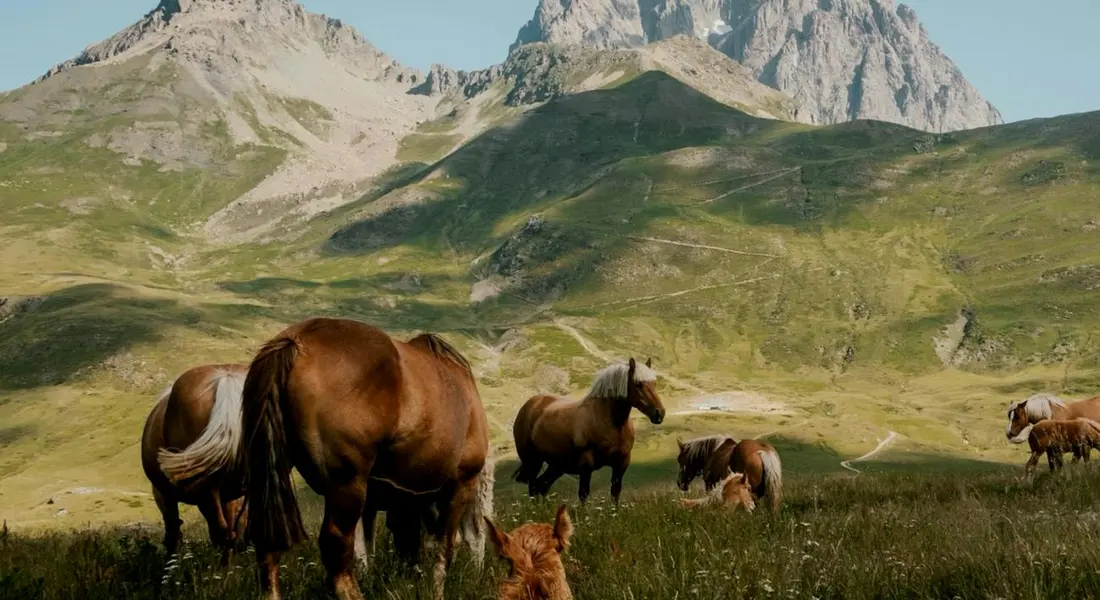
Forget complex spreadsheets. A good rotation plan is a living document, scribbled on a barn whiteboard and adapted to the weather. It starts with simple observation and grows from there.
Step 1: Map Your Land and Herd
Grab a notebook and walk your fields. I sketch a crude map every spring, noting where the low, muddy spots are (Rusty will avoid those puddles) and where the grass grows thickest. You need to know your resources. How many acres total? How many are actually usable? Count your horses and note their types. My 15-hand Quarter Horse and a petite Shetland pony do not eat the same amount, so I factor in Pipin’s cheeky appetite as one “horse” even though he’s small.
- Measure: Use a simple online map tool or even just stride it out to estimate acreage per paddock.
- Inventory: Note water sources, gate placements, shelter locations, and persistent weeds.
- Calculate Animal Units: One 1,000-lb horse is one unit. Adjust for ponies, minis, or easy keepers.
The goal is to see your land not as a static picture, but as a dynamic system that changes with every hoofprint and mouthful.
Step 2: Calculate Your Baseline Rest Period
This is the heart of the system. Grass needs time to recover after being grazed down. A shorn plant must regrow its leafy solar panels before it can be eaten again without being stressed. In ideal growing seasons (spring, early fall), a minimum rest period is 21-30 days. During slow growth (summer heat, winter), that stretches to 40-60 days or more.
- Divide your total usable pasture acreage by the number of animal units.
- Decide how many separate paddocks you can create (even temporary electric tape divisions count!).
- Plan the moves so that by the time the herd cycles through all sections, the first one has rested for your target period.
A golden rule I live by is that the rest period is non-negotiable; if grass hasn’t recovered, you must supplement with hay, not sacrifice recovery time.
Step 3: Integrate Seasonal Variation
Your calendar is not fixed. Pencil in seasonal adjustments. In spring, when grass grows explosively, you might rotate faster to prevent it from getting too mature and stemmy. In summer’s drought, you’ll hold them in a smaller “sacrifice” area with hay to protect dormant pastures. I mark my barn calendar with reminders: “Check grass height in North Field” or “Begin pulling off back pasture for winter rest.”
- Spring/Fall (Fast Growth): Rotate every 3-7 days based on grass height.
- Summer (Slow Growth): Extend rotations, use a dry lot.
- Winter (Dormancy): Pastures are for exercise only; feed all hay.
Treat your rotation schedule like a dance with the seasons, where you let the weather and the grass take the lead.
Step 4: Implement and Observe
Put the plan into action and then watch-really watch. The best tool is your eyes, not your calculator. Move horses when the grass is grazed down to about 3-4 inches. Before moving them back, ensure it has regrown to 6-8 inches. I watch Luna’s manure; if it gets loose in a new paddock, the grass might be too rich too quickly.
- Move the herd.
- Check the water and fences in the new paddock.
- Observe grazing patterns and grass health in the one they left.
- Adjust your next move date based on what you see, not just the calendar.
The final step is perpetual: be ready to throw the plan out the window for a week of rain or a surprise heatwave, and always have hay on hand as your safety net.
Seasonal Pasture Rotation Strategies for Year-Round Health
Each season throws unique challenges at your pastures and your horses’ metabolisms. A static year-round plan fails. Here’s how to pivot with a seasonal forage plan.
Spring: Managing the Lush Grass Surge
This is the most dangerous and glorious time. That bright green flush is loaded with sugars (NSC), a direct trigger for laminitis in prone horses. My strategy is to slow them down. I let them graze new growth for only a few hours at a time, often using a muzzle for Pipin, my easy keeper. I start rotations on my least rich, most hilly pasture first.
- Use a “sacrifice lot” for overnight and morning turnout when sugar content is highest.
- Introduce new grass gradually, over 1-2 weeks.
- Rotate quickly to keep grass from becoming too mature, but never re-graze until fully recovered.
Spring rotation is less about maximizing intake and more about carefully rationing a potent, sugary food source to prevent a metabolic crisis.
Summer and Drought Management
The grass turns from a buffet to a fragile carpet needing protection. When growth slows or stops, continuous grazing will kill your pasture. I create a central “dry lot” – a gravel or sand pad with run-in shelter – and use it as home base. Horses go out on pasture for limited night-time grazing when sugars are lower, or for short day trips, but their primary nutrition comes from hay. For foundered horses, grazing management is critical to prevent laminitis. I tailor turnout plans to limit access to high-sugar pasture and balance grazing with hay.
- Designate one or two paddocks as “summer sacrifice” areas to be trashed.
- Give other pastures a long, 60-day+ rest to store root energy for fall.
- Water deeply but less frequently to encourage deep root growth.
Successful summer management means accepting that pasture is a supplement, and your goal shifts from harvest to preservation of the plants’ root systems.
Fall and Winter: Preparing for Dormancy
Fall is your chance to heal summer damage and prepare for winter. Cool-season grasses get a second growth spurt. I do a final, quick rotation to graze this down before frost, then pull all animals off for the winter. Letting grass go into winter about 4-6 inches tall protects the crown of the plant and provides some insulation.
- Take a final grazing pass in early fall.
- Remove all manure piles to spread parasites and encourage even spring growth.
- By first frost, close the gates. All winter turnout happens in your sacrifice area.
The single best thing you can do for next year’s pasture is to give it a complete rest over the winter, letting the dormant plants conserve energy without the stress of hoof traffic on frozen or muddy ground.
Solving Common Horse Pasture Rotation Problems
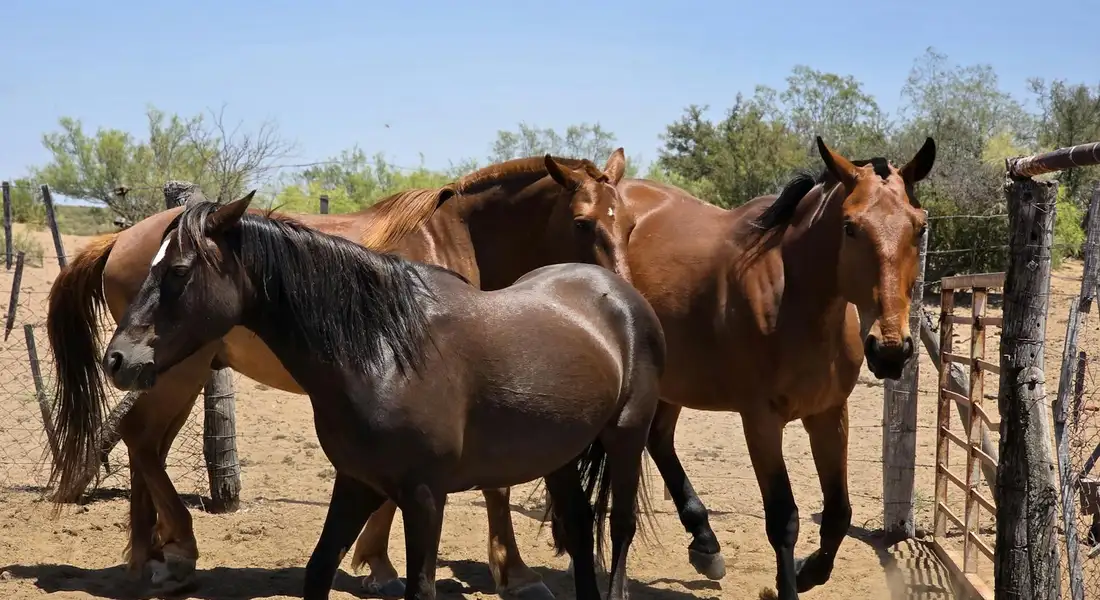
Even the best-laid rotation plans hit snags. The weather changes, a new plant pops up, or a horse’s ribs start to show. Here’s how to troubleshoot.
Problem: The Paddock Turns to Mud or Dust
Overgrazing or overcrowding destroys pasture structure. I’ve watched a lush spring field turn into a moonscape of hoof-sucking mud by July, with Rusty planting his feet at the gate in protest.
Sacrifice is not a dirty word; a sacrifice area, a small paddock or pen used during wet or recovery periods, is your pasture’s best friend. Move horses here during heavy rain, deep snow, or when grass needs a rest. This preserves your good land.
For dust bowls, focus on rest and reseeding.
- Rest the paddock completely for a full growing season.
- Aerate compacted soil and overseed with a hardy pasture mix.
- Use a chain harrow to break up manure piles, which also helps with parasites.
- Ensure proper drainage by fixing any low spots where water collects.
Problem: Unwanted Weeds or Poisonous Plants Appear
Weeds are opportunists, filling bare spots left by overgrazing. A diverse, thick stand of grass is your best defense. Walk your pastures weekly, not just a glance from the gate.
Learn to identify the top three dangerous plants in your region-like ragwort, yellow star thistle, or maple leaves-and remove them immediately with gloves and a dedicated tool. For general weeds, mowing before they seed is effective. For persistent invasions, targeted spot-spraying may be necessary, but always follow grazing withdrawal times. My cheeky pony Pipin taught me that if a plant exists, he will find and sample it, so vigilance is non-negotiable.
Problem: Horses Aren’t Gaining or Maintaining Weight
This is a clear signal your pasture isn’t providing enough calories, often during seasonal dips or with high-energy animals like my Luna. Rotation alone can’t fix poor soil or overstocking.
First, test your soil. Grass can’t be nutritious if the soil isn’t. Amend based on the results. Then, adjust your schedule.
- Lengthen the rest period significantly to let grasses reach a more mature, nutrient-rich state before grazing.
- Implement “first-last” grazing: strip graze a fresh section, then open the previous, already-grazed section for clean-up. This ensures everyone gets quality forage.
- Always provide free-choice hay in the pasture when the grass is less than 3-4 inches tall. Horses burn more calories searching for food than they consume. This is especially important when used in conjunction with natural foraging enrichment.
Beyond Rotation: Supporting Health with Diet and Monitoring
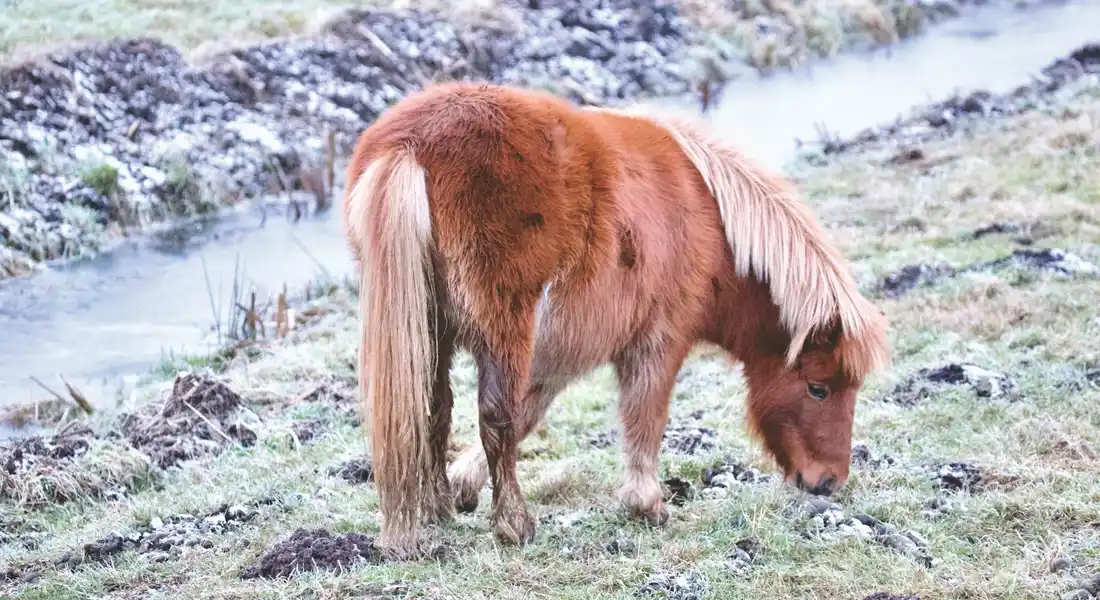
Rotation is a powerful tool, but it’s not a set-and-forget system. Your daily observation completes the circle.
Hay Supplementation: Filling the Gaps
Pasture is variable. Hay is consistent. I keep hay feeders in every pasture, year-round. Offering free-choice grass hay ensures their digestive systems never empty and buffers against sudden changes in pasture sugar content, which is critical for metabolic horses. It’s not cheating your rotation; it’s supporting it. During drought or winter, hay becomes the main course, and the pasture is just the salad bar.
Parasite Control in a Rotational System
Moving horses can help break parasite cycles, but it’s not a substitute for a smart deworming program. The goal is to minimize larvae on the pasture. Together with a smart deworming program, these steps help prevent and control equine parasites effectively. An integrated approach—pasture care plus targeted treatment—keeps infections down and pasture health up.
- Pick manure from paddocks every 1-3 days. This single habit reduces parasite loads dramatically.
- Harrow paddocks only in hot, dry weather to break up and kill larvae. Harrowing in damp conditions just spreads them.
- Use a fecal egg count to identify which horses are high shedders and target deworm them. Don’t just blanket dose everyone.
- Consider co-grazing with ruminants like sheep or goats, as they consume horse parasite larvae without being affected by them.
The Daily Check: Watching Hooves, Weight, and Well-Being
Your eyes and hands are the best diagnostic tools. Make your daily catch-up a quiet inspection. Run your hands over their coat for lumps or ticks. Feel for the firmness of their hooves after a night on wet grass. Watch the herd dynamics-is someone being chased from the hay?
- Weight: Use a weight tape weekly. The eye can lie, especially with a fluffy winter coat. Aim for a consistent score.
- Hooves: Note any new chips, cracks, or tenderness. More turnout often means stronger hooves, but wet-dry cycles can be tough.
- Well-Being: Look for bright eyes, calm breathing, and the contented rhythm of chewing. The sound of a herd grazing quietly is the ultimate sign your system is working.
FAQ: The Ideal Pasture Rotation Schedule for Horse Health
How does pasture rotation influence horse behavior and reduce stress?
Pasture rotation introduces environmental variety that encourages natural foraging and exploration, reducing boredom-driven vices like weaving or cribbing. Moving horses to fresh paddocks promotes herd socialization and playful activity, which alleviates anxiety and fosters mental well-being. This consistent change mimics their natural roaming instincts, leading to calmer, more engaged horses. Exploring the benefits of different turnout environments—pasture versus paddock—can help tailor these practices to each horse’s needs. Balancing these environments supports both physical conditioning and social well-being.
What are the key indicators that my pasture rotation plan is successful?
Successful rotation is evident when pastures maintain a dense, diverse grass stand without bare spots or soil compaction over time. Horses should exhibit steady energy levels and healthy manure consistency, reflecting balanced gut function from varied forage. Additionally, you’ll notice reduced reliance on supplemental hay during peak growing seasons, indicating efficient pasture utilization.
Can a tailored rotation schedule help manage horses prone to laminitis or obesity?
A customized rotation strategy can restrict grazing on high-sugar grasses during risky periods, directly lowering laminitis risk. By incorporating longer rest periods and using dry lots, you control calorie intake to support weight management for obese horses. This approach allows you to provide exercise and enrichment without compromising their metabolic health or pasture sustainability. It complements other efforts to manage your horse’s weight and diet.
Turnout Takeaways for Thriving Horses
A good rotation schedule hinges on mapping out your space, sticking to sensible rest periods, and letting grasses stockpile for winter.The single most effective thing you can do is manage for grass height, moving horses before it gets too short and letting it recover fully.
Your pasture plan is a living document, shaped by rain, sun, and the appetites of your herd. The best schedule is the one your horses help you write, through their shiny coats, sound hooves, and contented grazing. A simple annual pasture health checklist and a seasonal plan help ensure safe forage year-round.
Further Reading & Sources
- Managing established horse pastures | UMN Extension
- Pasture Rotation
- Rotational Grazing on Horse Farms | Equine Programs
- Equine Pasture Management: “A Year-Round Approach” | Equine Science Center
At Horse and Hay, we are passionate about providing expert guidance on all aspects of horse care, from nutrition to wellness. Our team of equine specialists and veterinarians offer trusted advice on the best foods, supplements, and practices to keep your horse healthy and thriving. Whether you're a seasoned rider or new to equine care, we provide valuable insights into feeding, grooming, and overall well-being to ensure your horse lives its happiest, healthiest life.
Stable Management