
What is the Fetlock on a Horse? Anatomy, Health, and Your Guide to Soundness
Hello fellow equestrians. Noticing a new lump, heat, or odd angle on your horse’s lower leg can send a chill down your spine, mixing fear of lameness with dread of the vet bill. I’ve knelt in the shavings more times than I can count, running my hands down a leg, feeling for that tell-tale puffiness around the fetlock.
Let’s put that worry to rest. In this article, we’ll cover:
- the fetlock’s exact location and how this complex hinge works to absorb tremendous shock
- clear ways to distinguish harmless conformation from early injury signs
- straightforward daily care and turnout practices that actively protect this vulnerable joint
My years of barn management and training horses, from the high-strung Thoroughbred to the steady Quarter Horse, have taught me that a little knowledge here prevents a lot of trouble down the road.
The Fetlock Joint: Your Horse’s Powerful Shock Absorber
Reach down and feel that prominent, flexible bump just above your horse’s hoof. That’s the fetlock, and it’s the unsung hero of every stride. Think of it as your horse’s built-in suspension system, working overtime to cushion every step, jump, and turn. I’ve watched old Rusty navigate rocky trails, his fetlocks dipping gracefully with each careful placement, absorbing shocks that would rattle my bones. That foundation comes into play when you jump your horse properly. Stay tuned for practical tips on jumping your horse properly in the next section.
This joint acts like a sophisticated spring. When the hoof impacts the ground, the fetlock hyperextends, lowering the pastern nearly to the earth. This motion dissipates concussive force, protecting everything from the hoof wall up to the shoulders and back. Without this give, the sheer physics of a half-ton animal moving at speed would be devastating.
Its health is non-negotiable for soundness. A compromised fetlock doesn’t just cause a limp; it alters the entire kinetic chain. That’s why I’m a zealot for ample turnout-letting horses move freely on good footing is the best maintenance for these natural shock absorbers. Luna’s high-strung nature means she often stocks up if stalled too long, a visible reminder that joints need circulation.
A Closer Look at Fetlock Anatomy and How It Works
Let’s name the parts. The fetlock isn’t just one bone; it’s a complex meeting point. The primary players are:
- The Cannon Bone (Third Metacarpal): The long bone above.
- The Pastern Bone (Proximal Phalanx): The first bone below.
- The Sesamoid Bones: Two small, boat-shaped bones at the back, embedded in the suspensory apparatus.
These bones are lashed together by a network of ligaments and tendons that act like biological straps and pulleys. The suspensory ligament and the superficial and deep flexor tendons are the main support crew, preventing over-extension while allowing fluid motion.

During movement, the fetlock operates in a precise sequence. Watch closely on a hard surface and you’ll hear the rhythm: the hoof lands, the fetlock sinks, the tendons tense, and then it springs back. This cycle stores and releases elastic energy, making movement efficient and protecting the limb from impact trauma. Moreover, the horse’s anatomy—leg length, bone structure, and tendon elasticity—shapes speed. This form–function link governs stride length and propulsion. It’s why a horse can pivot on a dime or land a jump gracefully.
Monitoring this joint is daily barn craft. Run your hand down the leg after work, feeling for unusual heat or swelling. Consistent, gentle conditioning over uneven, natural terrain builds the strongest supportive tissues for fetlock health. Even cheeky Pipin, from his low pony perspective, demonstrates perfect fetlock function when he darts under fences-a masterclass in anatomical engineering.
Spotting Trouble: Common Fetlock Injuries and Symptoms
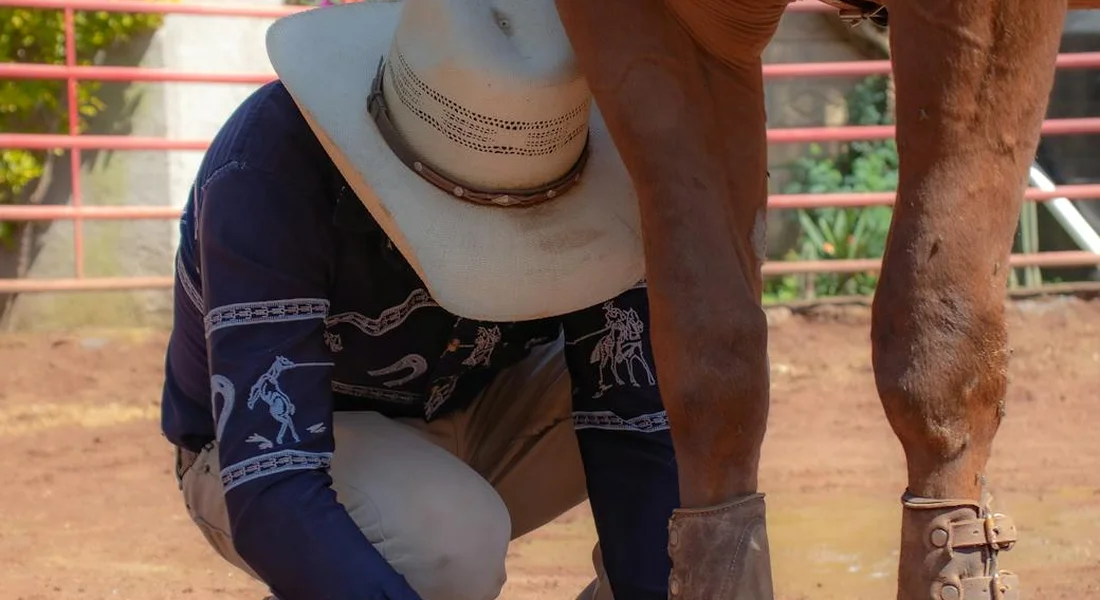
Think of the fetlock as a complex, high-performance shock absorber. It works hard, and sometimes it gets overworked. The most common issues stem from strain or trauma to the supportive structures. One major culprit is injury to the suspensory ligament, which runs down the back of the cannon bone and splits to anchor on the sesamoid bones. A strain here can range from mild inflammation to a devastating breakdown.
Problems can also arise within the joint itself. Synovitis is inflammation of the joint capsule, often causing that classic “puffy” fetlock. Osteoarthritis is the wear-and-tear degeneration of cartilage and bone, a common guest in older athletes. And let’s not forget fractures, often of the sesamoid bones, which are as serious as they sound. My gelding Rusty once came in from the field with a suspicious filling; catching it early meant a week of cold hosing and controlled movement instead of a long-term lameness.
What Your Horse is Telling You
Horses whisper their problems through physical signs. You have to learn the language. Here’s what to watch for on your daily once-over: Spotting early signs of illness or injury gives you a head start on care. By noting even small changes—like a slight limp, fever, appetite drop, or unusual fatigue—you can get timely help for your horse.
- Swelling or “Filling”: A symmetrical puffiness around the joint is often synovitis. A localized bulge on one side could indicate a ligament injury.
- Heat: Run your hand down the leg. The fetlock should feel cool like the cannon bone. Any noticeable warmth is a red flag for active inflammation.
- Pain on Palpation: Gently squeeze around the joint. A flinch, a pulled-away leg, or a pinned ear means “ouch.”
- Altered Stance: Is the horse “pointing” the toe to relieve weight on that leg? Is the fetlock dropped or over-extended at rest compared to its partner?
- Change in Movement: This is the big one. A head bob, a shortened stride, stiffness turning one direction, or outright lameness. On hard ground, you might hear a stilted, less fluid rhythm in their footfalls.
The moment you see consistent lameness paired with heat or swelling, your job is to stop working and call the vet; trying to “walk it off” is a recipe for a chronic, career-limiting injury.
Daily Care to Support Healthy Fetlocks
Protecting the fetlock isn’t about bubble wrap; it’s about intelligent, consistent management that builds resilience from the ground up. Most of this happens outside the riding arena. The single best thing you can do is provide ample 24/7 turnout on safe, varied terrain. Movement is circulation, and circulation brings nutrients to those hard-working tendons and ligaments. I’ve watched stiff horses transform with nothing but time on a gentle slope.
The Foundation: Hoof and Limb Balance
Everything starts from the ground. A poorly balanced hoof creates a crooked landing, sending jarring forces up the leg. Work with a skilled, proactive farrier.
- Keep trims regular (every 6-8 weeks) to maintain proper angle and prevent long toes that lever the fetlock.
- Discuss if your horse needs support. A rolled toe or specific shoe can facilitate a smoother break-over, reducing strain.
- Feel the bottom of the hoof after a trim. It should be level, without one side feeling higher, which would torque the joint.
Conditioning and Common Sense
You can’t take a couch-potato horse and gallop hills on the weekend. Build tendon and ligament strength slowly.
- Start slow. Increase workload (duration, intensity, difficulty) by no more than 10% per week.
- Warm up thoroughly. Ten minutes of walking isn’t a suggestion; it’s mandatory to increase blood flow to cold tissues.
- Cool down completely. Walk until their breathing is normal and the muscles under the saddle are cool to the touch.
- Listen to the footing. Deep, heavy mud is a trap for wrenching injuries. Rock-hard ground offers no concussion relief. Seek out that happy medium.
After a hard workout, I make a ritual of running my hands down every leg, feeling for heat or swelling; this two-minute check has caught more than one brewing issue before it became a vet bill.
Supportive Therapies and Vigilance
For horses in heavy work, or those managing a chronic issue, simple therapies can be integrated into your routine.
- Cold Therapy (Hosing/Ice Boots): The gold standard for reducing inflammation after work. 15-20 minutes of cold hosing constricts blood vessels and lessens swelling.
- Supportive Bandaging: Properly applied standing bandages after intense work can provide gentle support and minimize filling. Learn to do it right-too tight is dangerous.
- Supplements: While not a cure-all, joint supplements with glucosamine, chondroitin, and MSM can support cartilage health in some horses. Think of them as nutritional insurance, not a magic bullet.
Your eye is the best tool. Know what your horse’s fetlocks look and feel like on a normal Tuesday. That way, you’ll instantly spot the abnormal Wednesday.
When to Call the Vet: Fetlock First Response

Learning the difference between a minor fill and a true emergency is a barn manager’s most vital skill. Your eyes and hands are your best tools. Run your palm down the back of the cannon bone and over the fetlock; it should feel cool and firm, not puffy or warm like a freshly baked roll.
A warm, swollen fetlock that wasn’t there three hours ago is your first red flag. I’ve seen Luna come in from the field with a puffy ankle from a playful kick, which icing and stall rest often resolve. But combined with other signs, swelling demands immediate attention.
Never wait to call your vet if you observe any of these three things:
- Non-Weight-Bearing Lameness: If the horse refuses to put any weight on the leg, or hops when trying to move. This indicates severe pain, possibly from a fracture or serious ligament tear.
- Visible Deformity or Break in the Skin: A joint angled oddly or an open wound near the fetlock joint is a one-way ticket to the veterinary hospital. Joint infections are a fierce battle.
- Severe Heat with Intense Pain Response: If the area is hot to the touch and the horse flinches or pulls away violently from gentle pressure, don’t second-guess it.
For subtler signs, your action plan is key. Mild lameness (a slight head nod at the trot) with some filling might warrant a 24-hour stall rest with cold hosing. If there’s no marked improvement after a day of strict rest, pick up the phone. With a clever fellow like Pipin, I once found a slight limp that turned out to be a tiny abscess brewing at the coronary band-something easily missed without a systematic check.
Fetlock vs. Human Ankle: A Useful Comparison
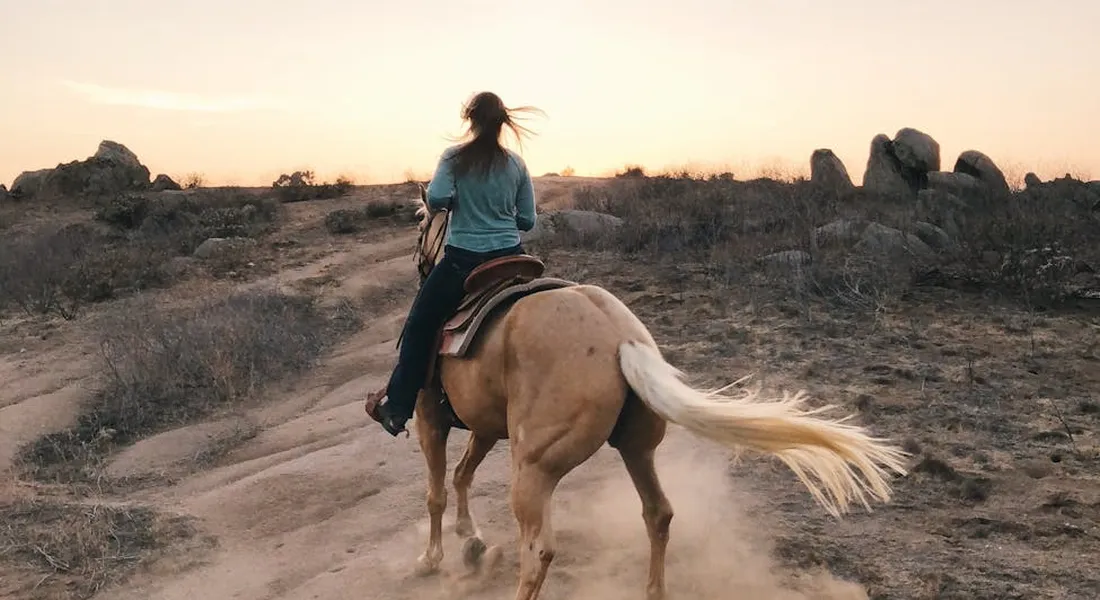
Calling the fetlock an “ankle” helps us picture it, but the comparison only goes so far. Your ankle is a hinge, mostly moving forward and back. The fetlock is a high-motion hinge and shock absorber, but it also has significant sideways “give” to navigate uneven ground.
Think of your own ankle: it sits between your leg and your foot. Now, imagine sprinting downhill, landing on that ankle with over 1,000 pounds of force, and then immediately pushing off to jump a fence. The fetlock is built for immense, repetitive impact that would shatter a human joint. That’s why the suspensory apparatus and sesamoid bones are so critical-they’re a unique, specialized support system we simply don’t have.
The major difference lies in the “foot” part of the equation. What we see as the horse’s lower leg is anatomically equivalent to our walking on the very tips of our fingers and toes. The fetlock is the joint where those long “finger” bones (the cannon and pastern) meet.
- Similarity: Both are major, weight-bearing synovial joints that can suffer from arthritis, sprains, and fractures.
- Critical Difference: Our ankle is covered in muscle. The fetlock is mostly tendon, ligament, and bone right under the skin, with less protective padding, making it more vulnerable to direct trauma.
This comparison isn’t just academic. It explains why even a small cut on the fetlock can be catastrophic if it invades the joint capsule, and why supporting this area with proper conditioning and mindful footing is non-negotiable.
Frequently Asked Questions: The Horse’s Fetlock Joint
What are the most common causes of fetlock problems?
The primary causes are trauma and overuse, often from athletic strain or missteps. Conformational weaknesses, like overly upright pasterns, can predispose a horse to issues. Many common health problems are linked to anatomy and conformation, shaping how stress is distributed in the body. This makes anatomy a key factor in assessing risk. Poor hoof balance and working on extreme footing are also significant contributing factors.
How can I tell if my horse’s fetlock is injured?
Look for a combination of lameness, visible swelling, and heat in the joint area. Your horse may also stand with the toe pointed to relieve pressure or show pain when the fetlock is gently flexed or palpated. Any persistent change in gait or stance warrants closer investigation.
What should I do first if I suspect a fetlock injury?
Immediately stop all work and restrict the horse’s movement to a small, safe area like a stall. Apply cold therapy, such as cold hosing, for 15-20 minutes to reduce inflammation and swelling. Contact your veterinarian for a proper diagnosis and to rule out a serious ligament injury or fracture. These steps kick off a recovery plan that supports healing after injury or surgery. Your veterinarian may guide a structured rehabilitation program with controlled exercise, therapy, and nutrition to optimize recovery.
Stewards of the Sound Fetlock
Incorporate a gentle palpation of the fetlock into your daily touch, checking for heat, swelling, or any change in contour. The moment you detect unexplained puffiness or a hitch in your horse’s stride, your job is to stop, rest them, and seek professional guidance-pushing through ambiguity is how minor issues become chronic. For a broader framework, this approach is part of the ultimate horse health troubleshooting checklist, a head-to-tail guide. Keep it handy as a reference during routine checks.
True partnership is built on respecting these small signals and having the patience for proper healing. The most profound training happens not in the saddle, but in the quiet moments you spend listening and responding to what your horse’s body tells you.
Further Reading & Sources
- Guide to the Fetlock | Cryochaps Blog
- Fetlock – Wikipedia
- Distal Limb – CVM Large Animal Anatomy
- Horse Fetlock: Everything You Need to Know
At Horse and Hay, we are passionate about providing expert guidance on all aspects of horse care, from nutrition to wellness. Our team of equine specialists and veterinarians offer trusted advice on the best foods, supplements, and practices to keep your horse healthy and thriving. Whether you're a seasoned rider or new to equine care, we provide valuable insights into feeding, grooming, and overall well-being to ensure your horse lives its happiest, healthiest life.
Health