
Cob Horse Size: Clear Measurements for Riding, Tack, and Care
Published on: August 22, 2026 | Last Updated: August 22, 2026
Written By: Henry Wellington
Hello from the stable. If you’re asking about cob horse dimensions, you’re likely facing a tack room dilemma or worrying if a cob’s stature matches your riding style. I’ve seen the frustration when a saddle slips or a horse becomes reluctant, all stemming from a simple size mismatch.
Let’s settle this with plain talk from the paddock. In this article, I’ll provide you with actionable details on:
- The definitive height and weight ranges for a typical cob
- How to take accurate body measurements for perfect tack fit
- Why a cob’s build directly impacts rider safety and equine comfort
- Distinguishing cobs from similar stocky breeds and ponies
My years as a barn manager and trainer have been filled with fitting cobs correctly, a hands-on process that always starts with knowing their true size.
Understanding the Cob: More Than Just Size
Asking for the size of a cob horse is like asking for the recipe for a good stew-the key ingredients matter more than the pot it’s cooked in. A cob is defined by a specific, compact build: think substantial bone, a round barrel, and a general impression of sturdiness that says “built to last.”
Their personalities often match this solid physique. You’ll typically find them to be:
- Calm and grounded, less prone to spooking at flapping plastic bags.
- Dependable, offering a steady confidence that rubs off on their rider.
- Strong-willed yet kind, possessing a pragmatic intelligence.
I remember a cob named Barley who shared a paddock with our more highly-strung thoroughbred, Luna. During a sudden hailstorm, while Luna was prancing and calling, Barley simply positioned his broad side against the shelter, offering a living windbreak for his nervous friend-a perfect example of the quiet, pragmatic strength that makes cobs so invaluable. That innate steadiness is why I always advocate for giving these good-natured souls plenty of turnout time; it lets them be the calming influencers they are naturally meant to be.
The Cob Horse Size Range: Hands and Body
Average Height in Hands
The typical riding cob stands comfortably between 14 and 15.2 hands high. For those new to equine measurements, one “hand” equals four inches, and we measure from the ground straight up to the highest point of the withers (those shoulder blades). Beyond height, you’ll also want to know how to measure girth—the circumference around the barrel just behind the front legs—for proper saddle fit. We’ll cover that next.
You’ll find delightful variations, from pony-sized cobs at 13.2 hands to larger individuals edging toward 16 hands. The height number is a starting point, but the defining cob character is always worn in the width and depth of the body, not the tape measure’s final tally.
The Stocky Cob Build: Weight and Conformation
True cob conformation is a masterpiece of practical design. Look for these key features:
- A muscular, crested neck that flows from a broad, deep chest.
- A short, strong back that provides a stable riding platform.
- Powerful, rounded hindquarters capable of steady propulsion.
- Solid bone and clean, stout joints supporting it all.
This construction means a 14.2-hand cob carries weight entirely differently than a lean thoroughbred of the same height. Where one is built for aerodynamic speed, the cob is built for durable load-bearing, like comparing a sturdy oak table to a lightweight folding chair.
An average cob weighs between 1,100 and 1,500 pounds. Knowing this approximate weight is non-negotiable for proper care-it dictates everything from your hay ration and supplement doses to ensuring your saddle tree is wide enough to clear that powerful spine. Across breeds, the term ‘average weight horse‘ serves as a practical benchmark for nutrition and equipment planning. Keeping this benchmark in mind helps ensure your hay, supplements, and tack are all appropriately matched. A well-fitted cob, enjoying plenty of gentle movement in the pasture, is a picture of equine health and contentment.
Cob Size Compared to Other Horses and Ponies
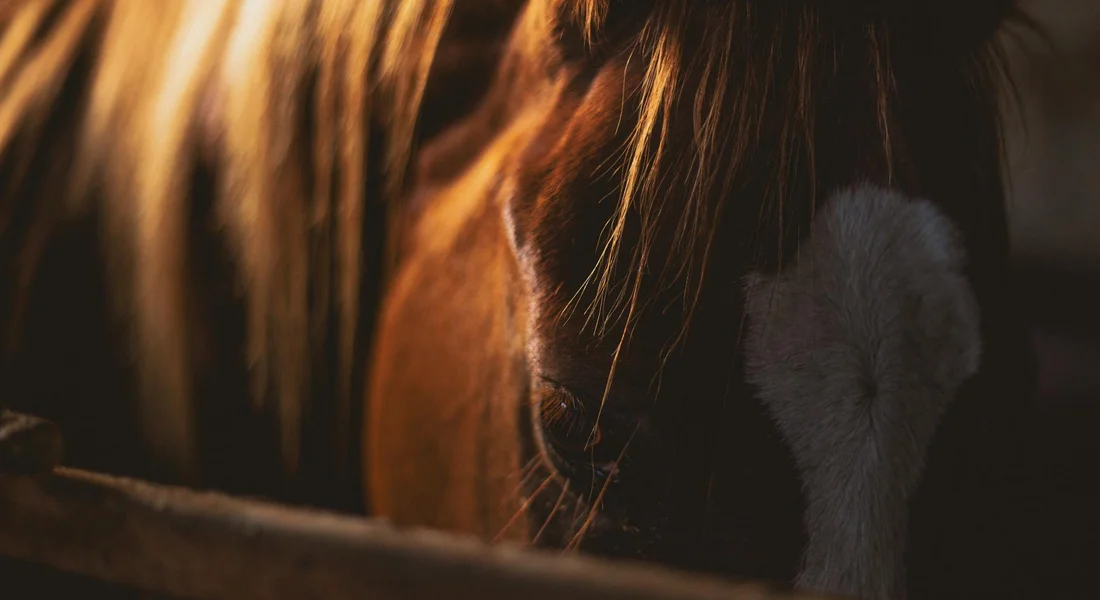
Putting a number to their height is one thing, but you really understand a cob’s build when you see them standing next to other equines. The differences go far beyond the tape measure. To translate that eye-test into a number, a horse size height calculator can help you find your perfect match. It’s a quick step that turns build and stance into a size you can compare with confidence.
Cob vs. Draft Horse
Stand a classic cob next to a Shire or Clydesdale, and the draft will make the cob look petite. Drafts are taller, often over 16 hands, and are built with truly massive bone. Think of it as the difference between a sturdy SUV and a freight truck-both are strong, but they’re engineered for different jobs. You might wonder: are draft horses other types beyond these famous breeds? The draft category includes several breeds with distinct builds and temperaments. A cob’s magic is in its balance of strength and agility. They have the power for light draft work but are compact and nimble enough to be fantastic, comfortable riding partners all day long.
Cob vs. Light Horse Breed (e.g., Thoroughbred)
Now, stand that same cob next to my Thoroughbred, Luna. The contrast is stunning. Luna is all long lines, lean muscle, and high energy, built for airflow and speed. A cob is built for stability and endurance. Their center of gravity is lower and more centralized, which gives them that famously steady, rolling movement. Where a light horse might feel like a sports car, a well-built cob feels like the most reliable four-wheel-drive vehicle you’ve ever trusted on a tricky trail.
Is a Cob a Pony or a Horse?
This question trips up so many new owners. By strict height measurement, some cobs are technically pony-sized (under 14.2 hands). But you’d never mistake a chunky cob for a pony like my clever Pipin. The classification comes down to substance: bone density, body mass, and overall weight. A cob carries the physical presence of a horse. Remember, “cob” describes a type-a sturdy, capable blueprint-not a single breed. This is why you see such lovely variation, from the 13-hand “show cob” to the 15-hand “Irish cob,” all sharing that characteristic robust build, regardless of typical breed size.
Why Cob Size Matters for Care and Tack
Their unique proportions aren’t just for looks; they directly impact everything from their wardrobe to their waistline. Getting these details right is a cornerstone of responsible cob ownership.
Finding the Right Tack Fit
Off-the-rack “horse size” gear rarely fits a cob’s distinctive contours. A cob-sized bridle is designed for a shorter, wider headpiece, a broader forehead, and fuller cheeks. Using a standard bridle can pinch at the poll or rub on the cheekbones.
- Cob Size: Fits most true cobs and some large pony breeds.
- Full/Horse Size: Often too long in the headpiece and noseband for a compact cob head.
- Warmblood/Extra Full: Far too large; will hang and shift.
Here’s my step-by-step check for a cob bridle fit:
- Check the browband: It should lie flat, two fingers below the base of the ears, without pulling the headpiece forward.
- Buckled, the throatlatch should allow you to easily fit your whole fist between it and the jaw.
- The noseband (if used) should sit four fingers below the cheekbone and allow two fingers to slide underneath.
- Watch for wrinkles: A smooth face means a happy, comfortable fit.
Weight Management and Diet Considerations
That efficient, thrifty build is a double-edged sword. Cobs are masters at turning the simplest grass into condition, making them prone to weight gain and related issues like laminitis. For many cobs, a diet of excellent-quality hay or pasture, a balancer for vitamins, and very limited (if any) concentrates is the perfect recipe for health. Ample daily turnout with movement is non-negotiable; it’s their best metabolism regulator. I’ve spent years managing Rusty’s waistline, using a weight tape and a keen eye for that tell-tale cresty neck, especially when the spring grass comes in.
Saddle Fitting a Compact Frame
This is perhaps the greatest challenge and most critical investment. A short-backed, broad-bodied horse has a limited “sweet spot” for saddle placement. A saddle that’s too long will sit on the loins, and a tree that’s too narrow will bridge, creating painful pressure points on either side of the spine. Many riders also weigh treeless vs treed saddles when comparing fit, comfort, and rider feel. Understanding how each style interacts with your cob’s shape can help you choose the right approach. I cannot overstate this: a professional saddle fitter who understands cobs is worth every penny. They will find a tree width and panel configuration that mirrors your cob’s unique shape, ensuring comfort and freedom of movement for a lifetime.
FAQs About Cob Horse Size
What does ‘cob size’ mean when shopping for tack?
“Cob size” in tack refers to gear specifically designed for the shorter, broader proportions of a cob’s head and body. It is not simply a smaller version of a horse size, but a different shape to accommodate a wider forehead, fuller cheeks, and a more substantial jaw. Using correctly sized tack is essential for your horse’s comfort and to prevent rubbing or pressure points. To ensure a secure, comfortable ride, it’s important to learn how to properly fit and adjust horse tack for cob-sized gear.
How do I choose between a cob and full-size halter?
Always measure your horse’s head rather than relying on the breed label alone. Key measurements include the nose circumference and the length from the cheekpiece to the throatlatch. Knowing your horse’s measurement size helps you choose the right gear beyond halters as well. A cob-size halter fits a shorter, wider head, while a full-size halter will be too long in the nose and cheek pieces, potentially allowing a cob to get a foot caught.
Are there specific size considerations for cobs in Ireland and England?
While the classic cob type is consistent, regional breeding can influence average size and substance. Irish Cobs, like the traditional Irish Draught, often have a taller, leggier build within the cob type, sometimes requiring a different saddle tree. Native UK breeds like the Welsh Cob have a defined height range in their studbook, but all share the characteristic sturdy, compact conformation that defines the type.
Ride Safe
Choosing the right cob is less about a tape measure and more about a well-balanced physique that matches your discipline. Always prioritize a proper fit for saddle and tack above a specific height, as a cob’s broad build is their defining feature.
Take your time finding a partner whose mind and movement suit you, not just one who hits a number on a chart. A happy, comfortable horse, who trusts you to understand their needs, is the true measure of a perfect match.
Further Reading & Sources
- Cob (horse) – Wikipedia
- What is the difference between cob and horse size? – Quora
- Cob vs Full – What’s the difference? – TailCinch Equine Products
- What Exactly Do the Sizes Mean on Our Size Charts? – Chimacum Tack
At Horse and Hay, we are passionate about providing expert guidance on all aspects of horse care, from nutrition to wellness. Our team of equine specialists and veterinarians offer trusted advice on the best foods, supplements, and practices to keep your horse healthy and thriving. Whether you're a seasoned rider or new to equine care, we provide valuable insights into feeding, grooming, and overall well-being to ensure your horse lives its happiest, healthiest life.
Choosing the Right Breed