
What to Look For When Buying a Horse: Essential Questions for a Wise Purchase
Published on: February 25, 2026 | Last Updated: February 25, 2026
Written By: Henry Wellington
Hello fellow equestrians! That heart-fluttering moment of meeting a potential new horse is often followed by a cold wave of doubt-what if a hidden health issue empties your savings, or a temperament clash turns rides into battles?
I’ve stood in that same spot, from assessing the steady patience of a Quarter Horse like Rusty to navigating the spirited energy of a Thoroughbred like Luna. This guide will walk you through the critical questions to ask, focusing on arranging a thorough pre-purchase veterinary exam, observing behavior and training in different settings, understanding the full scope of ongoing costs, and ensuring the horse’s personality aligns with your riding goals.
With multiple years of barn management and training grounded in equine welfare, I’ve learned which questions separate a dream partnership from a stressful predicament.
1. Start with Yourself: Define Your Goals and Rider Compatibility
Searching for a horse is exciting, but the biggest mistake I see is starting with the horse. Start with the rider in the mirror. Be brutally honest. That moment of clarity saves everyone heartache, especially the horse.
Your Riding Experience and Future Goals
Match your current skill, not your hopeful future self’s skill, to the horse’s needs. A stressed rider makes a stressed horse. I’ve watched confident riders deflate on a spooky horse and novice riders get terrified on a too-quick horse. Your safety and the horse’s comfort are the non-negotiable foundation of this partnership.
- Beginner/Novice: Seek a “been there, done that” schoolmaster like my Rusty. A horse that forgives a clumsy rein aid, stands quietly for mounting, and doesn’t spook at flapping plastic. Their job is to build your confidence.
- Intermediate: You’re solid on the basics. Look for a horse that can grow with you-perhaps a willing Quarter Horse cross or a steady Appendix. They should handle arena work and trail rides without constant drama.
- Advanced/Competitive: You can focus on finer tuning. A sensitive breed like Luna, the Thoroughbred, could be a match. You must have the soft hands and steady seat to channel that energy productively.
Evaluating Age, Breed, and Training Claims
Age is more than a number; it’s a roadmap of wear, training, and potential. A 12-year-old like Rusty often offers proven sanity and physical soundness for a decade of steady riding. A 6-year-old like Luna is athletic but may still be mentally green. Verify every training claim by seeing the horse perform the stated task. “Trail safe” means they calmly pass the scary barrel, not just walk a quiet path.
Breed tendencies are real, but individuals vary wildly. Know the general blueprint:
- Quarter Horses/Paints: Often calmer, muscular, great for Western or beginner English.
- Thoroughbreds/Warmbloods: Typically more sensitive, leggy, bred for performance sports.
- Draft Crosses: Usually sturdy and calm, but can be strong.
- Shetlands (like Pipin): Brilliant, strong-willed, and perfect for small, savvy kids.
Your budget must include the purchase price and the ongoing cost. The horse is the down payment. Factor in board, farrier (every 6-8 weeks), vet (vaccines, dentistry, emergencies), feed, tack, and training. If the purchase price stretches you thin, you cannot afford the care they deserve.
2. Investigate the Horse’s Past: History and Background Check
A horse’s history is written in their body and mind. You are a detective piecing together their story. A clean, transparent past is a green flag. Gaps and evasions are a flashing red light.
Previous Ownership and Training Disciplines
Ask for specifics. “He’s done trails” is vague. “He’s been ridden 5 days a week for three years on steep, rocky mountain trails with wildlife” is specific and valuable. Request to see any available videos of past training or competitions-it provides a baseline for their capability.
I once tried a lovely gelding who “loved jumping.” His seller failed to mention he’d been a barrel racer for five years first. His muscle memory meant every approach to a fence felt like heading into a turn-a confusing experience for both of us that a simple history question would have revealed.
- How many homes has the horse had in the last five years? Frequent moves can indicate hidden issues.
- What is the exact training regimen? (e.g., “30 minutes of flatwork, 15 minutes over fences, 3x weekly”)
- Can you speak to the previous trainer or owner?
- Do you have registration papers, a current negative Coggins, and veterinary records?
Understanding the Reason for Sale
“Seller moving” or “rider outgrew the horse” are common and often legitimate. Listen for consistency. Does the stated reason align with the horse’s behavior and condition? A horse sold as a “perfect beginner mount” for “time constraints” that has been listed for six months warrants skepticism. A long stint on the market often signals that savvy local buyers have passed for reasons not in the ad.
Ask directly, “What is the one thing a new owner should know about this horse?” The answer-and the hesitation before it-tells you volumes. Transparency builds trust. A seller who openly says, “He needs a confident rider because he can be barn-sour,” is giving you the tools for success. That’s a person who cares where their horse lands.
3. Observe Behavior: Temperament and Daily Manners
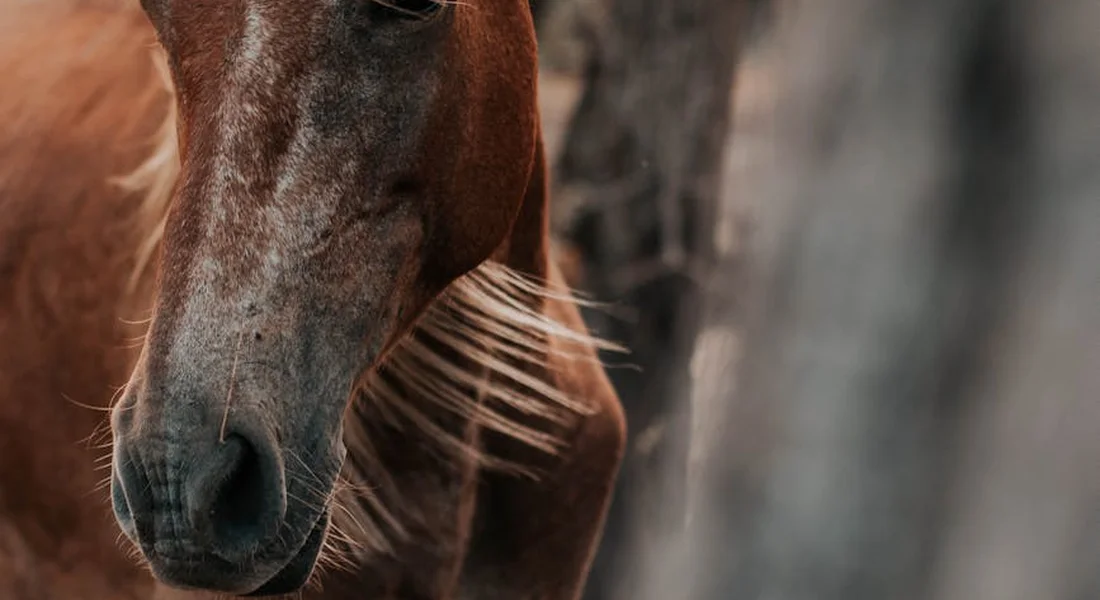
Spend time watching the horse in its normal setting. I make two visits minimum, once in the busy morning and once in the quiet evening. You need to see the true character beyond the sales pitch. Watch how it moves in the herd, if it pins ears over hay, or if it dozes in the sun. The thud of hooves on clay or the smell of fresh hay can set the scene for real behavior to show through.
A horse’s daily manners in the barn predict its attitude under saddle more than any arena workout ever could.
Follow this step-by-step protocol to test foundational handling. If the seller balks at any step, consider it a warning.
- Catching: Walk into the pasture without a treat bucket. Does the horse meet you or turn its tail? A horse that is hard to catch can turn daily chores into a frustrating chase.
- Leading: Ask to lead the horse yourself. Walk a simple pattern, halt, and back up. Feel for pulling or lagging. Now lead over a single pole on the ground.
- Grooming: Run your hands everywhere. Use a brush on the flanks, pick up all four feet, and simulate wiping near the eyes. Notice tension or evasion.
- Trailer Loading: Request to see the horse load. Watch for hesitation, rushing, or panic. The creak of the trailer ramp shouldn’t cause a meltdown.
Remember Pipin, my clever Shetland? His food-motivated cheekiness meant he’d untie knots and open gates. That personality required creative management, like double-latched feeders. His intelligence was a gift, but only with consistent boundaries.
Personality Traits and Common Vices
Stable vices are repetitive behaviors often born from stress or confinement. Cribbing involves gripping a surface with the teeth and sucking air, which can damage teeth and lead to colic. Weaving is a rhythmic swaying that wastes calories and strains legs. Both signal compromised welfare and can increase care costs for dental work and nutrition.
These habits are often management issues, not moral failings, but they are your clue to ask about the horse’s current turnout schedule and social life.
Observe the horse’s reaction to normal farm chaos-a slammed door, a barking dog, a passing tractor. A horse that jumps at everything might not suit a busy lesson program. One that barely flickers an ear could be your steady Eddy.
Behavior for Farrier and Veterinary Care
This is the hill I will die on: a horse must behave safely for routine hoof trims and injections. It is non-negotiable for their own welfare. I’ve held too many horses for farriers where the owner apologized for the kicking; it’s a dangerous and expensive problem.
Ask the seller to have the farrier out for a trim during your visit, or at the very least, get a direct reference you can call. A vet’s opinion on how the horse stands for shots is equally valuable.
Think of the pre-purchase exam as an insurance policy you buy before you own the horse, not after. It’s crucial for identifying any issues early and planning for your horse’s future, including initial and ongoing veterinary care.
5. Plan for Care: Daily Routines and Ongoing Maintenance
Look past the initial excitement and picture your average Tuesday with this horse. I learned this with Pipin; his cheeky escapes stopped once we mirrored his previous farm’s schedule. Ask the seller to walk you through a typical day-what time is turnout, how many flakes of hay, and when does the farrier come? This ritual is the heartbeat of good horsekeeping, and any major deviation can stress them out.
Grab a notebook and sketch a budget. Feed is your biggest weekly line item, but don’t forget the trimmings. A basic trim for my guys runs about $50 every six weeks, while shoes for Luna can be double that. Yearly teeth floating and vaccines add up, so a rough monthly estimate keeps surprises at bay.
Now, eyeball your own setup. Does your pasture have safe fencing and shelter for all-day turnout? Can you provide a herd mate or a calm neighbor? Horses like Rusty are social creatures who wilt in isolation. Think about how to create a safe, enriching environment for your horse. This means designating space for social interaction, exploration, and mental engagement. Your facility must offer more than a stall-it needs to provide a life.
Daily Feeding, Grooming, and Turnout Needs
Most horses thrive on simple groceries: good grass hay, fresh water, and a salt block. High-energy types like Luna might need a grain boost, but forage should always be the main course. I feed twice a day, with hay nets to slow down the gobblers and mimic natural grazing.
Turnout isn’t a luxury; it’s a requirement for sane minds and sound bodies. A horse cooped up all day is a recipe for stiffness, anxiety, and creative stall destruction. I plan my entire barn schedule around guaranteeing every horse gets hours to move freely, even if it’s just in a large paddock. The difference in their attitude is night and day. A healthy exercise turnout schedule for horses helps keep joints supple, muscles balanced, and minds calm. I design it to fit weather, pasture quality, and individual needs so turnout stays consistent and rewarding.
Hoof Care, Shoeing, and Saddle Fit
Run your hand down the hoof wall-it should feel smooth and solid, like a dense shell. Cracks, splits, or a spongy feel signal trouble. A regular farrier is your hoof’s best friend, visiting every 5-8 weeks to maintain balance and prevent lameness.
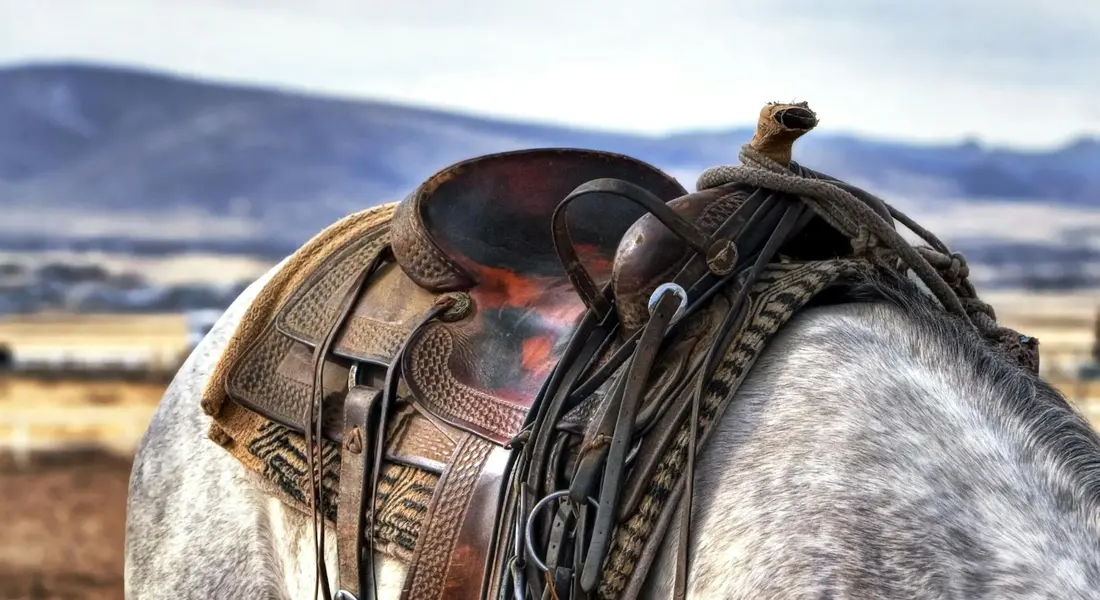
While you’re at it, peek at the saddle that comes with the horse. An old, ill-fitting saddle is a common hidden cost. A pinched wither or a bridging tree can cause resistance under saddle that’s mistaken for bad behavior. If it doesn’t fit, budget for a professional fitting or a new one entirely.
6. Seal the Deal: Purchase Logistics and Trial Periods
Time to talk numbers. Is the asking price firm, or is there room for discussion? Know what’s included: is that nice bridle part of the deal, or just for show? I always get this in writing before a handshake. A written bill of sale protects everyone and should list the price, horse’s details, and any warranties on soundness.
Have a transport plan locked in before money changes hands. The first days in a new home are jarring; I keep new arrivals like Rusty on their old feed for a week and give them quiet turnout with a calm buddy to watch over the fence.
Negotiating Price and Included Tack
Do your homework on local prices for similar horses. If the horse needs shoes every month or special supplements, use that to discuss a fair price. If tack is included, inspect it like you’re buying it separately. Check for worn stitching, cracked leather, and fit. That “free” saddle may cost you hundreds in repairs before it’s safe to use.
Trial Periods and the Transition Home
A trial period of a week or two is golden. It lets you see how the horse handles your farrier, your trails, and your routine. Pipin passed his trial because we saw how quickly he settled with consistent rules.
Go slow when they arrive. Let them explore a paddock first, not a crowded pasture. Keep workouts light and focus on building trust. The goal isn’t to impress anyone in the first month; it’s to build a foundation for a confident partner.
Frequently Asked Questions About Buying a Horse
What is the horse’s temperament and personality like?
This is crucial for ensuring a safe and enjoyable partnership. Spend time observing the horse in its stall, at pasture, and during handling to see if it is generally calm, alert, anxious, or spirited. A horse’s core personality in the barn is a strong predictor of its behavior under saddle and its suitability for your specific goals.
Has the horse ever displayed any vices (e.g., cribbing, weaving, biting, kicking)?
Always ask this directly, as vices can affect a horse’s health, safety, and cost of care. Be sure to observe the horse for signs of these stress-related behaviors during your visit. Understanding any vices allows you to assess if you can provide the proper management and environment to handle them.
What is the horse’s current feeding and care routine?
Knowing the exact routine helps you plan a seamless transition and ongoing budget. Ask for specifics on feed type, amounts, turnout schedule, and farrier frequency. A sudden change in this routine can cause stress or health issues, so it’s best to replicate it initially when the horse comes home.
From the Barn: Making Your Choice
Focus on the full picture-health records, daily temperament, and how the horse fits your actual routine-not just a pretty trot. Your single most important move is to invest in a thorough pre-purchase exam with a vet you trust; it’s the clearest window into your potential partner’s future soundness.
Take a deep breath and let the process unfold without rushing; a good match is worth the wait. The best horsemanship begins the moment you meet, by quietly observing and listening to what the horse is telling you.
Further Reading & Sources
- Checklist for Buying a Horse – AQHA
- Horse Buying Checklist – Equine Legal Solutions
- Buying a Horse: 11-Step Checklist for a First-Time Horse Owner – Farm House Tack
- Buy A Horse Questionnaire / Checklist
At Horse and Hay, we are passionate about providing expert guidance on all aspects of horse care, from nutrition to wellness. Our team of equine specialists and veterinarians offer trusted advice on the best foods, supplements, and practices to keep your horse healthy and thriving. Whether you're a seasoned rider or new to equine care, we provide valuable insights into feeding, grooming, and overall well-being to ensure your horse lives its happiest, healthiest life.
Choosing the Right Breed