
Why and When to Castrate Your Horse: Practical Advice for Owners
Hello from the barn aisle! If you’re staring down a colt transforming into a handful-whether it’s mounting behavior, aggression at feeding time, or general safety concerns-you’re not alone. That worry about escalating vet bills or a dangerous situation is valid and shared by every responsible owner I’ve ever met.
This article will break down the decision into clear, manageable parts. I’ll cover:
- The core behavioral and safety benefits of gelding your horse.
- The ideal age and timing for the procedure, from weanlings to older stallions.
- A step-by-step look at what happens during recovery and aftercare.
You’re getting this advice from someone who has managed this process firsthand for everything from high-strung young Thoroughbreds to stubborn pony escape artists, balancing equine welfare with real-world barn logistics.
The Main Reasons to Choose Castration
Beyond population control, the decision to geld is overwhelmingly about safety and welfare. A stallion’s mind is wired for survival and propagation, which in a domestic setting translates to distraction, aggression, and immense management pressure. I’ve spent years managing barns with mixed herds, and the palpable shift in atmosphere when a stud is present is like static electricity in the air. Geldings are simply safer to be around for people, other horses, and themselves, especially for non-breeders looking for a manageable companion.
The primary goal is to create a calmer, more trainable, and socially adaptable equine partner. Removing testosterone reduces sexually-driven behaviors like herding mares, fence fighting, vocalizing, and excessive nervous energy. This mental calm allows a horse’s true personality to shine and lets training focus on partnership, not constant power struggles. A gelding’s priority becomes his human and his job, not the mare in the next paddock, which fundamentally changes the safety calculus for everyday handling. To round out this topic, the truth about stallions—debunking 8 myths about keeping intact males offers a broader, evidence-based perspective. Understanding these myths helps frame training and safety considerations for all horses, not just stallions.
Management becomes infinitely simpler. Gelded horses can live harmoniously in group turnout, often in larger, more natural herds. They can be hauled next to other horses, ridden on trails with friends, and boarded at facilities without needing specialized isolation stalls. This social integration is critical for their mental health and understanding the importance of herd dynamics. From a barn manager’s perspective, it’s the difference between orchestrating a complex ballet around one horse and having a cohesive, peaceful herd.
Finding the Right Time: Age and Timing Considerations
Timing isn’t one-size-fits-all; it’s a balance of veterinary science, behavioral development, and your individual horse’s circumstances. The clatter of a halter in the spring air often brings questions about the young colts, and the answer depends on their legs, their attitude, and your long-term plan.
The Young Foal: Pros of Early Neutering
Sometimes called a “neonatal castration,” this is performed on healthy foals just a few months old. The procedure is quick, and recovery is often shockingly fast—I’ve seen them nursing contentedly minutes later and bucking in the field the next day. The main advantage is the near-total avoidance of stallion-like behaviors before they ever start. These youngsters grow up never knowing the hormonal surges associated with equine reproductive anatomy and physiology, so their default setting is that of a calm, sociable horse. There’s also less risk of post-operative swelling or complication due to their small size. The potential downside is a slightly increased, though still very rare, chance of a cryptorchid (retained testicle) if one hasn’t fully descended yet, which requires a more complex surgery later.
The Yearling and Two-Year-Old: A Common Window
This is the most typical and often recommended timeframe for castration. By this age, both testicles have usually descended, eliminating the cryptorchid worry. The horse is mature enough to handle anesthesia safely but young enough that learned stallion behaviors are not yet deeply ingrained. You’re acting before those powerful hormonal instincts become hardwired habit. Castrating during this window allows them to develop socially with other young horses, which is crucial for their development.
I’ve found the sweet spot is often late fall or early winter of their yearling year. The cooler weather minimizes flies and reduces swelling risk. Schedule the surgery for a time when you can provide a clean, dry pen for a week of quiet stall rest, followed by several weeks of controlled movement in a small paddock. This careful management prevents hernias and allows the incision to heal cleanly, setting your horse up for a sound and healthy future.
The Mature Stallion: Special Considerations for Older Horses
Gelding an older stallion is a bigger decision, but it can be a lifesaving gift of retirement. The surgery itself is more involved due to larger blood vessels and stronger muscles, and recovery requires stricter confinement. The critical factor is managing expectations: while testosterone will fade, learned behaviors are now hardened habits. The stallion who has bred mares for years may still exhibit territorial tendencies. For senior horses, special health considerations—like arthritis management and dental care—should guide post-operative plans. These factors influence recovery, pain management, and long-term welfare.
You are removing the hormonal fuel, but you must still retrain the mind. The payoff, however, can be profound. I once helped retrain a 12-year-old stallion who was simply too dangerous for his aging owner. Within a year of gelding and consistent, gentle retraining, he became a reliable lesson horse. The key with an older horse is patience; you are undoing years of mental patterning, and the change is a gradual unwinding, not an overnight fix. Always ensure they recover away from mares and are introduced to a gelding herd slowly and under supervision, as they may not know how to “speak gelding” at first.
Behavioral Changes: What to Really Expect
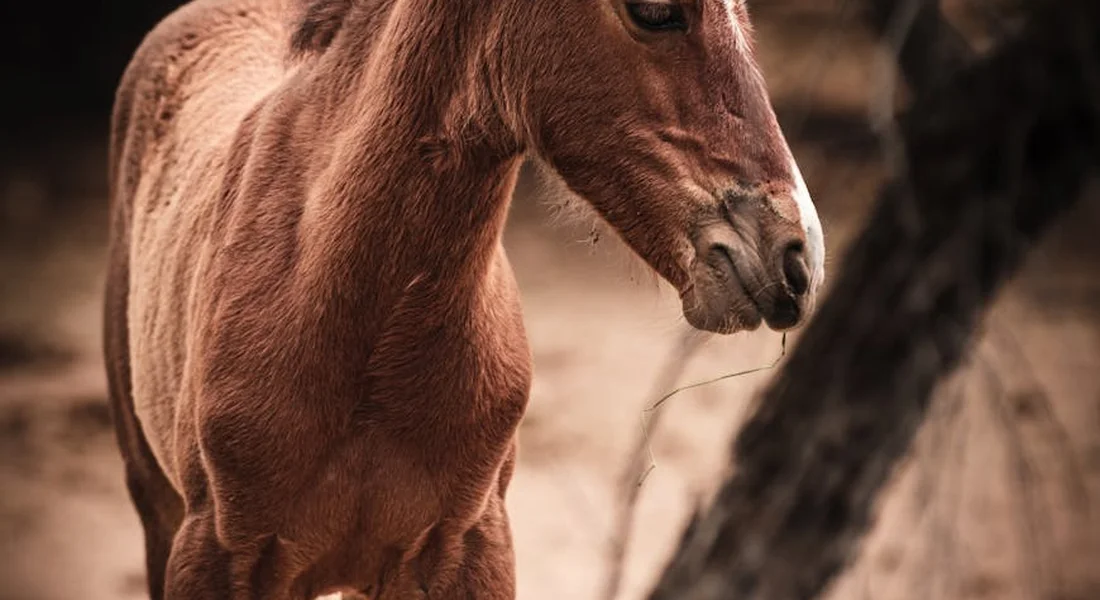
Let’s be honest, most folks geld to dial down the drama. The most significant shift you’ll see is a reduction in hormonally-driven behaviors. Think less pacing the fence line when a mare walks by and more interest in the hay net. The constant, low-grade tension of being a stud often evaporates, replaced by a more present and trainable mindset.
I’ve seen it with my own guys. My Quarter Horse, Rusty, was gelded late at seven after a brief and unsuccessful show career as a stallion. Post-gelding, his reliable nature became his entire personality, instead of just the part he showed when no mares were around. The change wasn’t instant-those hormonal habits took months to fade-but the difference in his ability to focus was night and day.
Here’s a realistic breakdown of common changes:
- Aggression: Stallion-to-stallion aggression plummets. Same-fence-line fighting and dangerous herd dynamics typically end. He’s more likely to see other horses as buddies, not rivals.
- Focus: This is the big win for training. A stallion’s brain is often half on you and half on scanning for mares. A gelding is generally more willing to pay attention to the lesson, whether it’s a new trail or a leg-yield.
- Rideability: The “hot” factor cools. He’s less likely to become rigid, snorty, or distracted by scents or sounds linked to mares in season. Your rides become more predictable.
- Handling Safety: Routine care like farrier work, vet exams, and loading in a trailer becomes markedly safer for everyone involved when you remove the potent cocktail of testosterone and instinct.
But let’s keep it real. Gelding is not a magic pill for bad manners. Gelding fixes hormone problems, not training problems. A rude, pushy colt will likely become a rude, pushy gelding if you don’t provide consistent boundaries. Pipin, our Shetland, is living proof-gelded for decades, yet his food-motivated mischief remains legendary.
Health and Management Benefits for the Gelding
The behavioral peace is wonderful, but the physical and logistical benefits are just as compelling. From a health perspective, gelding removes several significant risks and simplifies daily life at the barn.
First, you eliminate the risk of testicular cancer and greatly reduce the chance of certain types of hernias. You also sidestep the entire complex world of breeding soundness exams and the potential for breeding-related injuries. By removing the source of testosterone, you effectively unplug a major driver of metabolic stress and injury-prone behavior.
Management becomes infinitely easier. This is where your life as a horse owner gets a lot more flexible and a lot less worrisome.
- Turnout Freedom: This is my biggest advocacy point. Geldings can usually be turned out in groups. This means herd socializing, mutual grooming, and the constant movement that keeps minds and bodies healthy. No more solitary paddocks or carefully spaced stallion suites.
- Weight Management: Stallions often burn calories maintaining muscle tone and nervous energy. Geldings can be easier keepers, so you’ll need to monitor their diet and exercise to prevent cresty necks or excess weight.
- Reduced Colic Risk: Seriously. The stress of being a stallion-the pacing, the calling, the general angst-is a known colic trigger. A gelding’s quieter digestive routine is a healthier one.
- Barn Logistics: You can board him almost anywhere. Trailers can be shared. You won’t trigger estrus cycles in mares nearby. The vet and farrier bills for routine care are often lower because the job is safer and faster.
I remember the palpable relief when Luna, my sensitive Thoroughbred mare, could be moved to a pasture with a calm gelding buddy instead of being isolated. Gelding one horse often improves the welfare and social opportunities for every horse in your care. It transforms him from a management challenge into just one of the herd, which is, after all, what most horses deeply want to be.
Understanding the Procedure and Recovery Process
Surgical Castration: The Standard Approach
Picture the clinic area: the soft thud of a sedated horse lying down, the focused silence of your vet. Surgical castration, or gelding, is a common but significant procedure. The goal is always a clean, quick operation with minimal stress for your horse. Most vets use intravenous sedation combined with a local anesthetic block at the site, though some young or high-strung patients like Luna might need brief general anesthesia for everyone’s safety. Understanding routine, common medical treatments for horses helps owners anticipate care beyond surgeries. From vaccines and dental work to pain management and deworming, these measures keep equine patients healthy and stable.
I’ve held many a lead rope during this process. The vet makes two small incisions in the scrotum, removes the testicles, and often ties off the spermatic cord with absorbable suture. There are technical variations like “open” versus “closed” castration, which your vet will choose based on the horse’s age and anatomy. For a steady Eddy like Rusty, the routine is smooth; for others, it requires more nuanced patience.
Key steps you’ll see:
- Heavy sedation and local anesthesia for pain-free surgery.
- Surgical scrubbing of the scrotum and surrounding area.
- Precise removal of both testicles and careful ligation of cords.
- Leaving the incisions open to drain, which is normal and prevents fluid buildup.
The Critical Postoperative Care Period
This is where your barn manager instincts kick in. The first 24-48 hours are paramount. Your main jobs are monitoring for complications and ensuring strict, clean stall rest to prevent injury and infection. I set up a cozy stall with deep, clean shavings and keep the water bucket full.
Handwalking starts gently the day after surgery to reduce swelling. Controlled movement is medicine, but too much can cause harm. I follow a simple daily protocol for the first week:
- Check incision sites twice daily for drainage, which should be minimal and watery.
- Administer all prescribed anti-inflammatories and antibiotics on time.
- Offer small, wet mashes to keep the gut moving and encourage water intake.
- Perform gentle handwalking, starting with five minutes and slowly increasing.
Red Flags: When to Call the Vet Immediately
Trust your gut. If something feels off, it probably is. Never hesitate to call your veterinarian; a quick response can prevent a minor issue from becoming a crisis. From my experience, these signs demand an immediate phone call:
- Profuse, bright red bleeding that soaks the bedding or drips steadily.
- Fever above 101.5°F, marked by a hot horse with little interest in food.
- Foul-smelling, thick, or pus-like discharge from the incisions.
- Severe swelling in the sheath or abdomen that makes the horse reluctant to move.
- Signs of intense pain: pawing, repeatedly looking at his flank, or rolling.
Weighing the Risks and When to Hold Off
Castration is routine, but it’s not zero-risk. Being informed helps you make the best choice. The most common risks include postoperative hemorrhage, infection, excessive swelling (edema), or the rare event of a hernia. A skilled vet minimizes these, but they’re part of the conversation.
There are clear times to pause and reconsider the timing. Always delay surgery if your horse has a fever, a respiratory infection, or is in poor body condition. His immune system needs to be strong for healing. I once postponed for Pipin when he had a minor cough; waiting two weeks made for a much smoother recovery.
Consider holding off if:
- The horse is a cryptorchid (a “rig”), where one or both testicles haven’t descended. This is a more complex abdominal surgery.
- Your breeding plans are uncertain. Once done, it’s irreversible.
- The animal is very young or very old. Vets often recommend waiting until after a horse is a year old for better anatomical development.
- The horse’s temperament is extremely volatile, requiring extra planning for a safe procedure.
Advocating for equine welfare means knowing when action serves the horse. For a sensitive soul like Luna, we ensured she was utterly calm and pre-medicated before her procedure, putting her psychological welfare on par with her physical safety. These choices reflect core ethical principles at the heart of horse welfare and responsible ownership. They guide how we determine best care for each horse. Weighing these factors isn’t second-guessing; it’s responsible ownership.
Frequently Asked Questions About Horse Castration
What is the recommended season or time of year for castration?
The ideal time is during cooler weather, typically late fall or early winter. This minimizes fly activity and reduces the risk of swelling and infection at the incision site. You should also schedule it for a period when you can provide attentive post-operative care and stable rest.
When should you avoid castrating a horse?
You should postpone the procedure if the horse has a fever, respiratory infection, or is in poor body condition. It is also crucial to avoid routine castration if the horse is a confirmed cryptorchid, as this requires a different surgical approach. Finally, reconsider if your future breeding plans for the animal are not absolutely certain. Additionally, to prepare your horse for a safe and calm vet examination, plan ahead. A calm, well-prepared horse helps the veterinarian perform checks more efficiently.
What are the considerations for castrating an older horse?
Gelding a mature stallion is a more involved surgery due to larger blood vessels and requires stricter postoperative confinement. Proper care during recovery is essential. Behavioral changes will be gradual, as you are removing hormonal fuel while retraining deeply ingrained stallion habits. Successful integration involves a patient recovery and a slow, supervised introduction into a gelding herd.
Final Thoughts from the Stable
Gelding is a straightforward decision for most non-breeding males, focusing on safety and temperament. Your entire plan should revolve around a trusted veterinarian’s expertise for timing, surgical method, and a detailed aftercare protocol to prevent complications.
Post-procedure, your watchful eye and patience are as vital as any medical step. The horse in front of you is your best guide; listening to his comfort and behavior builds a stronger partnership for the years ahead.
Further Reading & Sources
- Open field castration – Veterinary Practice
- When to Geld a Horse – Castration for Colts and Stallions
- Why castrate your horse? • Prevent unwanted breeding of mares
- equine castration Sweet River Equine Clinic,
At Horse and Hay, we are passionate about providing expert guidance on all aspects of horse care, from nutrition to wellness. Our team of equine specialists and veterinarians offer trusted advice on the best foods, supplements, and practices to keep your horse healthy and thriving. Whether you're a seasoned rider or new to equine care, we provide valuable insights into feeding, grooming, and overall well-being to ensure your horse lives its happiest, healthiest life.
Health