
Why Horses Are So Well-Adapted for Long-Distance Running
Published on: September 14, 2026 | Last Updated: September 14, 2026
Written By: Henry Wellington
Hello fellow equestrians. Have you ever finished a long trail ride feeling utterly spent, only to see your horse look back at you with ears perked, ready for more? Or maybe you’ve worried about the strain of endurance work on their joints and spirit, fearing costly vet bills or behavioral shutdowns.
That caution is wise-respecting our horses’ limits is the heart of good horsemanship. Your concern for their well-being is what separates a good owner from a great one.
Let’s look at the incredible built-in features that make your horse a natural endurance athlete. We’ll cover:
- The turbocharged engine: a heart and lung system built for stamina.
- Shock-absorber legs: how their unique anatomy prevents fatigue.
- The energy-saving secret of their gait and posture.
- Their gut as a slow-burn furnace, fueling miles of movement.
I’ve leaned on these adaptations for years as a barn manager and trainer, whether conditioning a sensitive Thoroughbred like Luna or trusting old Rusty to carry me safely home on a tired day.
The Evolutionary Sprint: From Prey Animal to Partner
Picture the ancient plains: endless grasses, a vast sky, and the constant, quiet threat of predators. For millions of years, this was the horse’s world, and it forged them into the ultimate endurance athletes. Unlike a human sprinter who explodes for seconds, horses are the quintessential long-distance joggers of the animal kingdom, built for covering vast ground at a sustainable clip. Their entire anatomy, from leg structure to metabolism, was honed by the daily demands of grazing while always being ready to flee.
I see echoes of this every day at my barn during turnout. Watch a herd move across a pasture-they amble, trot, canter, and walk for hours, not minutes. This isn’t just play; it’s their evolutionary programming for efficient locomotion and steady energy use. Key survival pressures that favored these traits include:
- Constant foraging: Needing to travel miles each day to find enough sparse forage selected for animals that could walk and trot efficiently.
- Predator evasion: Outlasting predators in a chase was more successful than outright outsprinting them, favoring cardiovascular stamina.
- Climate migration: Moving across landscapes to find water and shelter rewarded those who could sustain travel over days.
This legacy means a well-conditioned horse is using energy in a measured, fat-burning way for long periods, much like a human marathoner, rather than tapping into quick, draining bursts of sugar-based power. It’s why a horse like Rusty, my Quarter Horse, can happily plod down a trail for hours-his body is simply doing what it was designed to do.
Heart and Lungs: The Unseen Powerplant
Cardiovascular Marvels
Under that sleek coat lies an engine that would make a mechanic weep with joy. A horse’s heart is massive, comprising nearly 1% of its body weight-compared to about 0.5% in humans. Think of it as a high-capacity, ultra-reliable fuel pump. The big horses’ heart scales with body size to support remarkable endurance. This powerful heart moves a tremendous stroke volume of blood with each beat, delivering oxygen and nutrients while efficiently removing waste like lactic acid.
Their red blood cell count is also higher than ours, acting like more delivery trucks for oxygen. Here’s how the system works during a sustained trot or canter:
- Oxygen-rich air is drawn deep into the lungs with each powerful breath.
- In the lungs, oxygen crosses into the bloodstream and binds to hemoglobin in red blood cells.
- The large heart pumps this oxygen-loaded blood forcefully to the working muscles.
- At the muscle level, oxygen is released to fuel aerobic metabolism, creating sustained energy.
- Deoxygenated blood, carrying carbon dioxide, returns to the heart and lungs to be refreshed.
This efficient cycle allows a fit horse to work aerobically for a long time before fatiguing, which is the cornerstone of endurance. Training, like the slow, distance work I do with Luna, expands this system’s capacity, much like upgrading a pump’s plumbing.
Respiratory Efficiency
A horse’s breathing is mechanically superior to ours, especially in motion. They have a large lung capacity, but the real magic is in how they breathe. Unlike humans, who couple breathing with stride (often inhaling for two steps, exhaling for two), a horse synchronizes one breath per stride at a canter or gallop. This piston-like action ensures maximal air exchange with minimal effort, directly powering their endurance.
When you run, you might get quickly winded; a horse in good condition maintains a steady, rhythmic flow of air. Their “anaerobic threshold”-the point where the body can’t deliver oxygen fast enough and starts to fatigue rapidly-is remarkably high. Consistent, gentle conditioning pushes this threshold higher, allowing the horse to do more work aerobically, which is cleaner and less taxing on their body. It’s a principle I apply to all my horses, from sensitive Luna to cheeky Pipin: build the wind slowly, and you build a resilient athlete.
The Mechanics of Mileage: Legs, Tendons, and Hooves
Leg Anatomy and Stride Efficiency
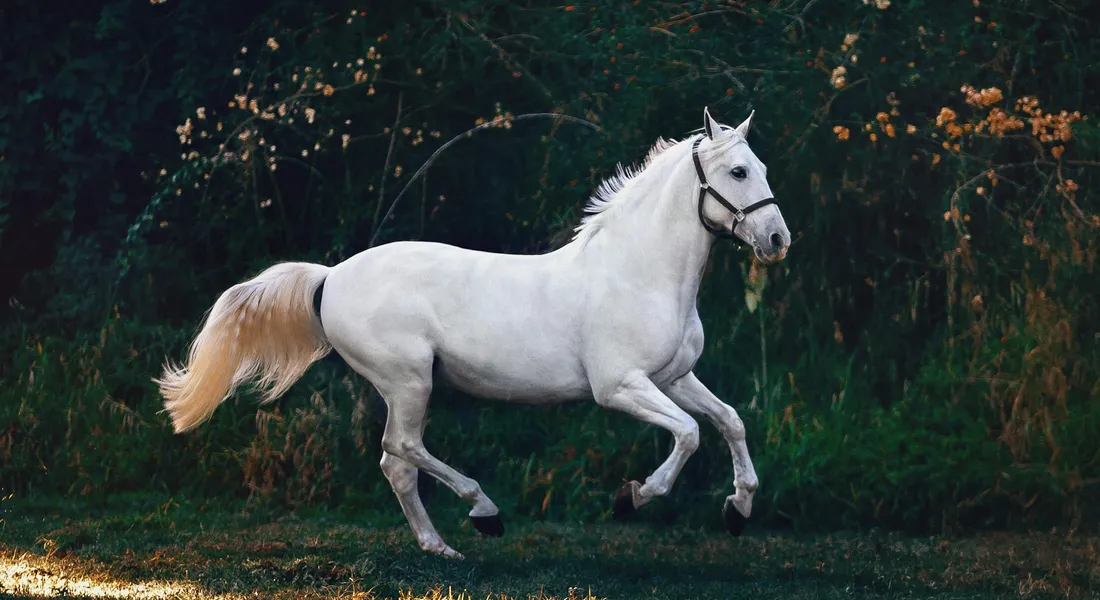
Think of a horse’s leg as a perfectly tuned suspension system. Bones are stacked in a straight column from shoulder to hoof, creating a rigid lever for powerful push-off.
The long, elastic tendons in the lower leg act like built-in springs, storing kinetic energy with each stride and releasing it to propel the horse forward with minimal muscular effort. I’ve felt this efficiency firsthand riding Luna on long trails; her thoroughbred legs, while sensitive, cover ground with a rhythmic, springy feel that barely disturbs her back.
Muscles are concentrated high up near the body, keeping the lower legs light and reducing the energy needed to swing them. This design allows for a sweeping, ground-covering stride that eats up miles without wasting fuel.
Traits ideal for endurance versus sprinting are quite different:
- Endurance Build: Longer, straighter leg bones, highly elastic tendons, lean muscle mass, and a stride optimized for efficiency over raw power.
- Sprinting Build: Shorter, more angled bones for explosive leverage, bulkier fast-twitch muscles, and tendons tuned for maximum recoil in short bursts.
Hoof Design: Nature’s All-Terrain Boot
The hoof is a masterpiece of engineering. The outer wall bears weight, while the internal structures-the frog and digital cushion-compress on impact, absorbing shock and pumping blood back up the leg.
This natural shock absorption system is why a sound hoof on a healthy foot can feel so solid yet springy, returning energy with each step like a perfectly inflated tire. Neglecting hoof care is like asking a marathon runner to compete in worn-out shoes; it compromises the entire system.
Before and after any long ride, a quick hoof check is non-negotiable for soundness. Here’s what my barn routine looks like:
- Before: Pick out each hoof thoroughly. Feel for heat or a pronounced pulse at the heel, which can signal inflammation. Look for cracks, splits, or loose shoes.
- After: Pick again, checking for impacted stones or debris. Run your hand over the coronary band and heel for swelling. Notice if your horse is reluctant to bear weight on any one foot.
I remember Pipin, our clever Shetland, once going subtly lame after a paddock romp; a tiny pebble lodged in his hoof was the culprit, a reminder that daily checks prevent big problems.
Internal Fuel Management: Metabolism and Cooling
Metabolic Efficiency for the Long Haul
A horse’s metabolism is like a hybrid car’s engine, expertly switching fuel sources for maximum range. For sustained effort, they primarily burn fat, sparing their limited stores of muscle glycogen (sugar) for when they need a sudden burst.
Their muscles are dense with mitochondria, the cellular power plants that efficiently convert fat into energy, allowing them to work aerobically for hours without fatiguing. This is why a well-conditioned trail horse like Rusty can maintain a steady jog all day, while a sprint-bred horse might fade quickly over the same distance.
You can spot a metabolically fit horse by a few key signs:
- They maintain a steady body weight and topline on a consistent diet.
- Their energy levels are reliable, not spikey or lethargic.
- They recover quickly from work without stiffening or “tying up.”
- They have a healthy appetite and drink water regularly.
Masterful Thermoregulation
Horses are elite sweaters. Their skin is rich with capillaries that bring hot blood to the surface, and their sweat is watery and abundant, allowing for rapid evaporative cooling. This system is far more effective than ours, making it crucial to keep horses cool and safe in hot weather.
I learned the importance of respecting this system one hot summer day with Luna; after a vigorous schooling session, she was lathered and blowing, and rushing her cooling would have stressed her circulatory system. We walked on a loose rein in the shade until her breathing settled, and I used lukewarm water to sponge her major blood vessels-neck, chest, between the legs-scraping it off repeatedly to pull heat away.
To support your horse’s natural cooling after long-distance work, follow these steps:
- Walk for at least 10-15 minutes until their breathing is mostly normal.
- Offer small, frequent sips of cool water. Avoid letting an overly hot horse gulp large amounts.
- Use lukewarm or cool water to sponge or hose the neck, chest, and legs. Scrape the water off immediately; the evaporation is what cools.
- Keep them moving gently in a breezy spot until they are completely dry and cool to the touch.
- Provide access to electrolyte supplementation if they’ve sweated heavily, always with plenty of fresh water.
Conformation’s Role in Endurance Potential
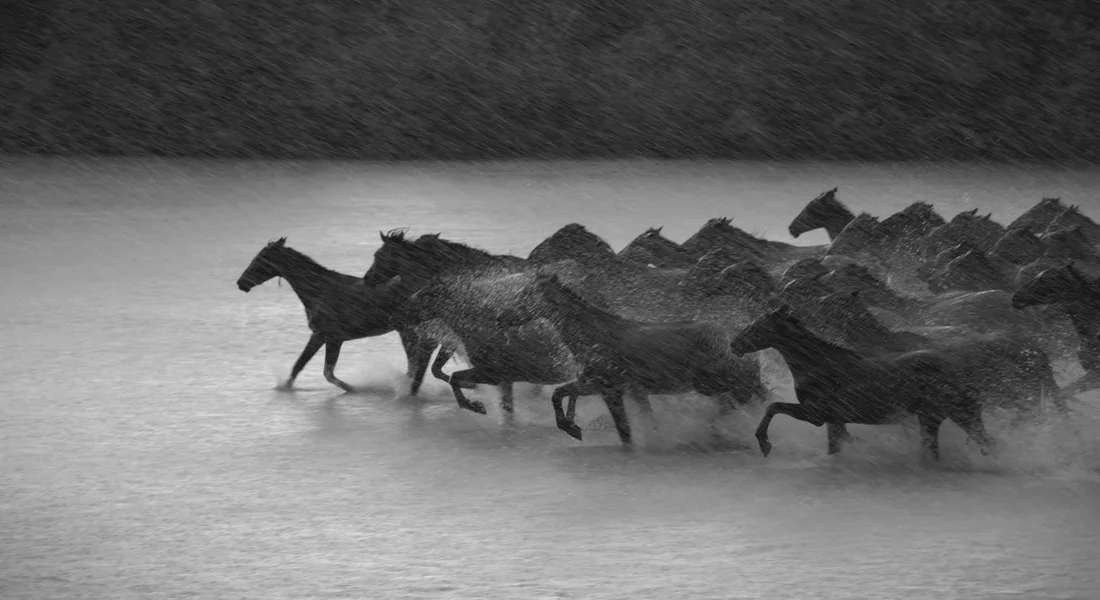
You can love any horse, but their build dictates their job. A good endurance prospect isn’t about being flashy; it’s about being efficient. Endurance travel tests a horse’s stamina over miles and varied terrain. The same principles—efficiency, sound conformation, and steady recovery—guide our assessments. Let’s look at three key areas you can assess in your own horse, right there in the cross-ties.
A long, sloping shoulder (ideally around a 45-degree angle) is your horse’s natural shock absorber, allowing for a longer, smoother stride that eats up ground without jarring their joints-or yours. I always check this on a new horse; it’s the difference between a floaty trot and a choppy one.
Next, look at the back. You want a relatively short back that connects a strong loin to a well-angled hip. A back that’s too long can be weaker and less efficient at transferring power from the hindquarters.
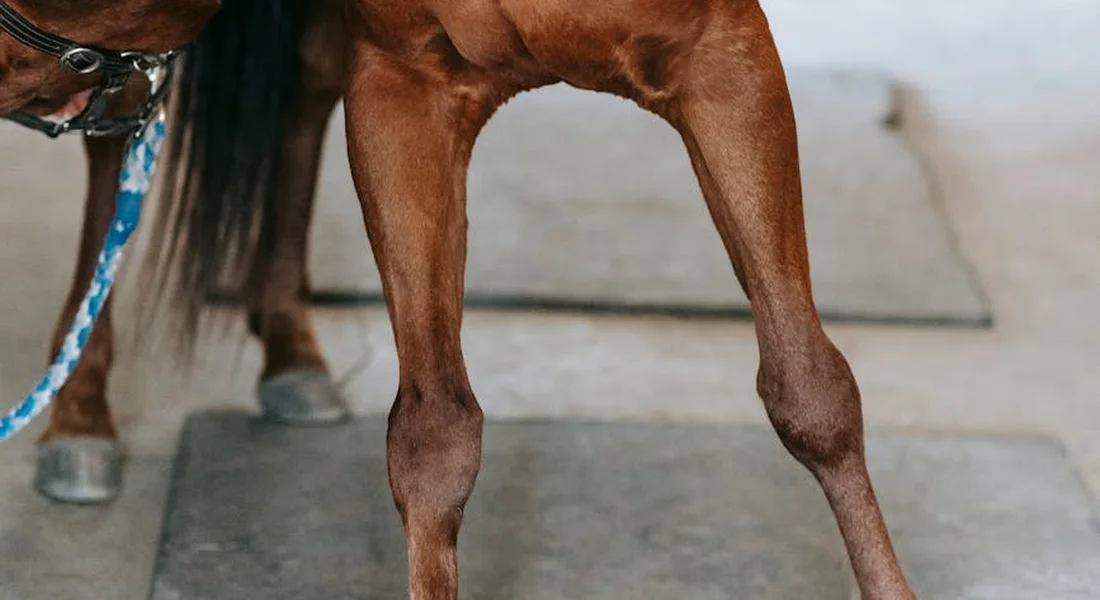
A moderate, well-angled pastern acts like the final suspension component, cushioning impact before it travels up the leg; think of it as the last line of defense against concussive force.
Remember, no horse is perfect. My reliable Rusty has pasterns a touch more upright than ideal, but knowing that means I’m extra vigilant about footing and never skip his joint supplements. Understanding structure isn’t about criticism-it’s about informed, compassionate care.
Supporting Your Horse’s Built-In Endurance Through Care
Diet for the Distance
An endurance engine runs on the right fuel. Forget the idea of loading up on grain for energy; that’s a quick burn that can lead to digestive upset. The goal is to condition your horse to utilize fat as fuel, a much more efficient and steady energy source for long, slow work. This involves creating a balanced diet that supports performance.
This starts with mimicking natural grazing. Constant access to good-quality hay or pasture keeps the digestive tract functioning optimally and the mind content. From that solid forage base, you can build.
Here’s a simple list of feed considerations for the working horse:
- Prioritize forage. It should be 1.5-2% of their body weight daily.
- Add fats for cool energy. Vegetable oil or a high-fat stabilized rice bran are excellent choices.
- Choose a performance balancer or pellet over heavy grains. These provide concentrated vitamins, minerals, and protein without the starch overload.
- Electrolytes are crucial, not optional. Supplement before, during, and after heavy sweating to replace what’s lost.
Training and Recovery as Care
Building endurance is a slow dance, not a sprint. It’s about consistent, gradual adaptation of the heart, lungs, muscles, and tendons. I learned this deeply bringing Luna, my sensitive Thoroughbred, back into work after a layoff; rushing the process only builds a fragile athlete. We started with just long, exploratory walks on a loose rein, building her mind and her fitness together.
Your post-ride routine is as critical as the ride itself. A proper cool-down isn’t just hopping off. Here’s a basic recovery protocol:
- Walk until breathing is normal and muscles are cool to the touch. This can take 20-30 minutes after a hard workout.
- Offer small, frequent sips of lukewarm water. I always add a pinch of salt to the first bucket to encourage drinking.
- Do a thorough groom, feeling for any heat or swelling. This is your hands-on physical exam.
- Provide a recovery meal of soaked hay pellets or a mash to rehydrate and replenish gently.
The Foundation of Turnout and Wellness
You cannot stall-train a true endurance horse. Period. Daily, free movement in a herd setting is the bedrock of cardiovascular health, tendon strength, and mental resilience; it’s where their physiology is meant to live. The constant low-grade movement circulates blood, nourishes hooves, and keeps joints supple in a way no hour-long ride ever can. A healthy exercise turnout schedule for horses helps ensure daily movement is predictable and balanced with rest. It ties turnout, grazing, and recovery to support long-term endurance.
This ties directly to gentle horsemanship. A willing partnership reduces performance-sapping stress. Spend time just being with your horse in the field, observing their interactions and letting them choose to be with you; this builds a trust that translates directly to a calmer, more responsive mount on the trail. Building a strong bond and trust with your horse is the cornerstone of safe, intuitive riding. When you trust your horse, you unlock their willingness to engage and cooperate. Pipin, our cheeky Shetland, taught me more about reading subtle body language than any clinic. Listen with your eyes, and ask with softness. Their athletic potential is unlocked not by force, but through fostering well-being in every facet of their life.
FAQ: Why Are Horses So Well-Adapted for Long-Distance Running?
How can I assess my horse’s natural endurance potential based on its conformation?
Evaluate key traits like a long, sloping shoulder for a smooth stride and reduced joint strain. Check for a short back and well-angled hips to ensure efficient power transfer from the hindquarters. Moderate pasterns are vital as they cushion impact, helping to prevent fatigue over miles.
What dietary adjustments can enhance my horse’s endurance capabilities?
Base the diet on high-quality forage to support steady digestion and energy levels. Add fat sources like rice bran for efficient, sustained fuel without starch spikes. Always supplement electrolytes during endurance work to maintain hydration and muscle function.
Why is consistent turnout crucial for maintaining a horse’s endurance fitness?
Daily free movement builds cardiovascular stamina and tendon resilience through natural exercise. It reduces stress, which can hinder performance and recovery in trained horses. This routine also fosters mental calmness, making your horse more cooperative during long-distance activities.
Ride With Their Nature
To care for a horse built for miles, match their evolutionary design with ample turnout and a forage-first diet. Their incredible aerobic capacity is a gift, not a guarantee-protect it by never rushing conditioning and always honoring a thorough cool-down.
Patience and observation are the bedrock of safe, effective distance riding. Your horse’s breathing and attitude are the ultimate gauges; listen to them, and you’ll both go farther.
Further Reading & Sources
- Equine Exercise Physiology – PMC
- Equine Exercise Physiology | ScienceDirect
- Equine Exercise Physiology | Wiley
- Equine Exercise Physiology – an overview | ScienceDirect Topics
At Horse and Hay, we are passionate about providing expert guidance on all aspects of horse care, from nutrition to wellness. Our team of equine specialists and veterinarians offer trusted advice on the best foods, supplements, and practices to keep your horse healthy and thriving. Whether you're a seasoned rider or new to equine care, we provide valuable insights into feeding, grooming, and overall well-being to ensure your horse lives its happiest, healthiest life.
Exercise