
Practical Steps to Build Your Horse’s Endurance for Running and Travel
Hello fellow equestrians! Does the idea of a long trail ride fill you with dread that your horse will tire too quickly, or does the trailer ride itself cause more stress than the journey? I’ve spent countless mornings listening to that anxious pawing in the trailer and seen the head droop of a horse pushed just a bit too far.
In this guide, I’ll share the barn-tested methods that work, focusing on creating a progressive conditioning plan that respects your horse’s limits, fueling for stamina with the right forage and supplements, critical hoof and leg care to prevent breakdowns, and acclimating your horse to travel for calm, safe trips.
My advice comes from the saddle and the stall, gained through years as a barn manager and trainer working with everything from steady Quarter Horses to flighty Thoroughbreds.
What is Equine Endurance for Running and Travel?
In our world, endurance isn’t just about winning ribbons in a 100-mile race. It’s the everyday stamina your horse needs for a long trail ride or a multi-day camping trip. Think of it as your horse’s ability to keep going comfortably and safely, mile after mile, without hitting a wall. It’s the difference between a leisurely afternoon stroll and a purposeful, all-day journey.
Physically, it’s like training a marathon runner, not a sprinter. Your horse needs a strong heart, resilient muscles, and joints that can handle repetitive motion. Mentally, it’s about focus and patience. A horse that spooks at every shadow won’t make a good travel companion. I remember Luna’s early days on the trail; her thoroughbred energy needed channeling into a steady, confident rhythm.
The true test of endurance is how your horse handles work, not just during it, but after. Key fitness indicators are simple to watch for once you know how. A fit horse will bounce back quickly.
- Steady Heart Rate Recovery: After a climb or a trot, a fit horse’s pulse should drop significantly within 10-15 minutes of rest.
- Efficient Gait: They move with purpose, not plodding. Their stride is even and ground-covering, without wasted energy.
- Good Hydration: They drink readily on the trail and their skin snaps back quickly when pinched at the neck.
Laying the Groundwork: Conditioning and Fitness
Building a Safe Conditioning Plan
You can’t go from weekend warrior to trail explorer overnight. Conditioning is a slow, respectful conversation with your horse’s body. Start where you are. If your horse is like Rusty and gets regular turnout, you have a head start. If they’re more stall-bound, begin with more walking.
The golden rule is to increase either distance or intensity, but never both in the same week. A sample eight-week plan for a horse in light work might look like this, always starting and ending with a 10-minute walk warm-up and cool-down.
- Weeks 1-2: Ride 30 minutes, 4 days a week. Mostly walking, with some trotting on firm, level ground.
- Weeks 3-4: Increase to 45 minutes, 4 days a week. Introduce one longer 60-minute ride per week with gentle hill walks.
- Weeks 5-6: Ride 60 minutes, 4 days a week. Include sustained trot sets of 5-10 minutes on varied terrain.
- Weeks 7-8: Incorporate one 90-120 minute “simulation” ride weekly, mimicking your planned travel pace and rest stops.
Rest days are not lazy days; they are when muscle repairs itself. Listen to the feedback in the thud of hooves and the puff of breath. Pipin taught me that a horse who tries to nap in the crossties is probably telling you yesterday’s work was enough.
Specific exercises build the right muscles: hill work for hindquarters, serpentines at the trot for balance, and backing up for overall engagement. These aren’t just arena exercises; they’re injury prevention on the trail.
Monitoring Vital Signs
Your hands and eyes are your best tools. You don’t need fancy gear to know if your horse is coping. Learn their normal, resting baselines on a quiet morning in the stall, and compare what you feel with signs of a healthy horse. This way, you can spot any issues early.
To check heart rate, feel for the pulse under the jawbone or inside the left elbow, counting beats for 15 seconds then multiplying by four. A normal resting rate is 28-44 beats per minute. After work, time how long it takes to drop below 60 bpm; improving fitness means a faster recovery.
Watch the flank for breaths. One inhale and exhale counts as one breath. Normal rest is 8-16 breaths per minute. Persistent, fast breathing long after exercise has stopped is a red flag for overexertion or pain. I always check Luna’s respiration first; her sensitive nature means stress shows there before anywhere else.
Combine these checks with gum color and capillary refill time. Press on the gum above a tooth; it should blanch white and return to pink in one to two seconds. This simple trio-heart, lungs, and circulation-gives you a clear picture of fitness and fatigue.
Fueling the Engine: Nutrition and Hydration Strategies
Forage Quality and Electrolyte Balance
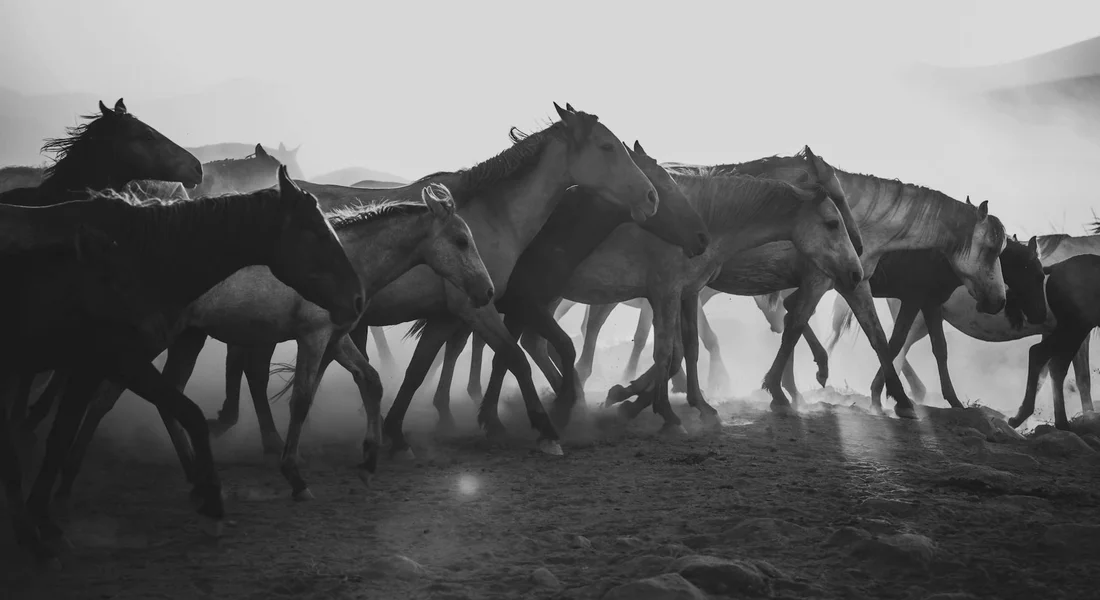
Think of your horse’s gut as a slow-burning furnace, and forage is the coal. For endurance, you need high-quality, clean hay that provides steady energy without spikes. I learned this with Luna; her thoroughbred metabolism goes haywire on sugary hay, but a timothy-orchard grass mix keeps her focused for miles. Your horse’s base diet must be excellent forage-aim for leafy, green, and dust-free hay that they’ll eat eagerly.
Most endurance horses need extra calories beyond forage. Instead of piling on grain, which can heat up the gut, consider adding a fat source like rice bran or flax oil. It’s a cool, dense energy boost. For my reliable Rusty, a cup of oil in his dinner keeps his sorrel coat shiny and his energy consistent on long trail days. Supplement strategically: fats for sustained fuel, grains only if work intensity demands it, and always weighed and introduced slowly for a balanced diet for a performance horse.
Electrolytes aren’t just for race day; they’re for any travel that stresses the system. I give a small dose in the evening feed for two nights before a trip. During the journey, I mix electrolytes into a wet mash at rest stops. Afterward, I continue for a day or two to help recovery. Always provide plain salt alongside electrolytes and ensure unlimited fresh water to prevent imbalance.
Ensuring Access to Water Sources
Horses can be oddly suspicious of new water. I pack familiar buckets and often flavor water with a splash of apple juice or a handful of soaked beet pulp to encourage that first crucial drink at camp. With Pipin, the cheeky pony, I’ve learned that letting him see another horse drink first does the trick. Make water taste and smell like home to bypass their natural hesitation. Hydration matters. I keep water inviting so he drinks regularly.
On the trail, offer water at every opportunity, even if your horse only takes a few sips. Stop at reliable streams or carry a collapsible bucket. Watch for subtle signs of dehydration: gums that feel tacky, skin that tents when pinched, or a lethargic demeanor. Act fast if you see these signs: get the horse to shade, offer small, frequent sips of water, and call a vet if they refuse to drink or show severe lethargy.
Gear Up: Essential Equipment for Endurance Journeys
Saddle Fit and Hoof Care Systems
A poorly fitting saddle is a silent thief of stamina. After long hours, I check for dry spots under the pad-they signal pressure points. Run your hand along the withers; you should feel even pressure without bridging. Watch your horse’s back muscles after untacking; any lingering tension or swelling means the fit is off. Your saddle must clear the spine completely and distribute weight evenly across the back muscles, not the bony structures.
For hooves, choose protection based on your terrain and your horse’s needs. My rule is simple: if the ground is rocky, they need shoes or boots. For general trail travel, I prefer glue-on shoes or well-fitted hoof boots for their shock absorption. Inspect hooves daily for loose shoes, cracks, or heat, and pack a spare set of boots and quick-set adhesive for emergencies.
Packing for Horse and Rider
Organize your gear into clear categories to avoid frantic searches at dusk. Here’s my core list:
- Camp Gear: High-line kit with tree-savers, LED lantern, portable corral or electric fence, heavy-duty buckets, and a spare cooler blanket.
- Safety Equipment: Reflective leg bands, headlamp with red light, GPS or detailed maps, and a loud whistle.
- First-Aid: Vet wrap, poultice, digital thermometer, sterile saline, antiseptic, and bute paste with vet instructions.
Maintenance on the trail keeps small issues from becoming trip-enders. I wipe down bits and girths daily to prevent chafing. Check stitching on reins and stirrup leathers each morning. A multi-tool and a roll of duct tape can fix most equipment failures long enough to get you safely back to base.
On the Move: Pace Management and Trail Safety
Planning Your Route and Rest Periods
Mapping a trail isn’t just about miles; it’s about rhythm. I plan routes for Rusty that switch between soft forest floor, gentle gravel slopes, and open fields. Varied terrain prevents repetitive strain and keeps your horse’s mind engaged, turning work into exploration.
Always trace your path past reliable water. I mark every creek and trough on my map, because a thirsty horse is a sluggish partner. Aim to encounter water at least every hour, allowing your horse to drink deeply without anxiety.
- Build in mandatory 10-minute pauses every 45 minutes. Use this time to check your horse’s pulse and let them graze. This mimics natural foraging and settles their gut.
- For journeys over two hours, schedule a full 30-minute rest. Remove the saddle, check for sweat patterns, and let them chill. Luna appreciates these long breaks to simply stand and watch the world.
Weather Preparedness and Safety Gear
My trailer always has a “go-bag” for sudden weather shifts. Getting caught in a downpour with Pipin taught me to never assume the sky will stay clear. Preparing for the worst ensures a minor hiccup doesn’t become a crisis.
Your kit should cover both of you. Here’s my non-negotiable list:
- For your horse: A spare halter and lead rope, a rubber-hoof pick, a single easy-boot, a lightweight sweat scraper, and a cooler blanket.
- For you: A weatherproof cell phone case, a compact human-and-equine first aid kit, electrolyte packets, and a whistle.
Adjust your pace before the weather forces you to. In high heat, I walk more and trot in short bursts, always seeking shade. Slow down at the first sign of heavy breathing or excessive sweating; overheating sneaks up fast. In biting cold, maintain a steady, energetic walk to generate warmth, but avoid sweating if you can. Rusty’s stamina plummets if he gets damp and chilled.
Recovery and Care: Keeping Your Horse Sound After Miles
The Post-Ride Cool Down
The work isn’t over when you dismount. I walk my horse until their flanks stop heaving and their coat feels cool under my palm. This active recovery circulates blood to flush out metabolic waste, which is key for preventing next-day soreness.
Follow this sequence every single time:
- Walk on a long, loose rein for a minimum of 10-15 minutes.
- Offer tepid water in small, repeated amounts. Never allow immediate, unlimited access.
- Run your hands down every leg, feeling for unusual heat or bumps. Press gently along the back and girth area for tenderness.
- Pick out all four hooves, checking for stones, cracks, or sensitive soles.
- Use a soft brush or your hands to massage major muscle groups, like the shoulders and hindquarters.
I often do a simple stretch with Luna, gently guiding her nose toward her chest and holding for a few seconds. Catching a slight hitch in their step or a tender spot early allows for quick intervention, like a liniment bath or extra rest.
Long-Term Health and Transit Accommodation
Long hauls in a trailer stress the body. I use deep shavings, secure partitions, and always hang a hay net for chewing. Familiar routines reduce travel anxiety, so I feed and water at the same times I would at home.
If you’re staying overnight, insist on turnout or a large stall. A tired horse still needs to move freely. I’ve seen Pipin’s attitude transform after just twenty minutes of wandering in a paddock. Regular turnout isn’t a luxury; it’s a physiological requirement for maintaining a sound mind and a supple body (https://horseandhay.com/a-good-horse-is-a-tired-horse-debunking-5-exercise-and-turnout-myths).
Gentle horsemanship means respecting their fatigue. If Rusty seems dull unloading after a trip, I give him a quiet day of grazing instead of a workout. Listening builds the partnership that makes them want to go the extra mile for you.
FAQ: Horse Endurance for Running and Travel
How long does it typically take to build a horse’s endurance for long-distance travel?
Building a solid endurance base typically takes several months of consistent, progressive training, starting from a horse’s current fitness level. For a horse in light work, expect at least eight to twelve weeks of structured conditioning to safely handle journeys over a few hours. Patience is key, as rushing this process can lead to injury or burnout, so always prioritize gradual increases in distance or intensity.
What are the key differences in preparing a horse for endurance running versus leisure trail riding?
Endurance running requires a higher level of cardiovascular fitness and muscle resilience, often involving targeted trot and canter sets to build stamina. Nutrition must be precisely managed with focused electrolyte replenishment and high-quality forage to sustain energy over long periods. Mentally, horses need to be conditioned for prolonged focus and steadiness, unlike the more relaxed pace and varied stimuli of leisure riding. Factors that determine a horse’s endurance stamina include conditioning, nutrition, recovery, and workload. These factors shape training and management for sustainable performance.
How should I adjust my horse’s care routine during multi-day endurance trips?
During multi-day trips, increase daily monitoring of vital signs and hydration status, as cumulative fatigue can set in quickly. Adjust feed to include more easily digestible calories, like soaked beet pulp or fats, and ensure electrolyte supplementation continues throughout. Incorporate longer rest periods with opportunities for grazing and loose movement to aid recovery and maintain soundness over consecutive days.
Partners for the Long Trail
Build fitness slowly with consistent, varied work and prioritize hoof health and electrolyte balance. Always let your horse’s recovery pace dictate your next training day, not a preset schedule.
Good horsemanship means putting safety and patience ahead of any personal mileage goal. Your most important job is to listen to the subtle signs your horse gives you every single ride.
Further Reading & Sources
- Preparing your horse for the (crazy-fun) sport of endurance riding
- How to Condition Your Horse for Equestrian Endurance Riding
- From 0 to 160km: Training Horses for Endurance
- Endurance Training | Perseverance Endurance Horses
At Horse and Hay, we are passionate about providing expert guidance on all aspects of horse care, from nutrition to wellness. Our team of equine specialists and veterinarians offer trusted advice on the best foods, supplements, and practices to keep your horse healthy and thriving. Whether you're a seasoned rider or new to equine care, we provide valuable insights into feeding, grooming, and overall well-being to ensure your horse lives its happiest, healthiest life.
Exercise