
Why Do Horses Bite and How to Stop This Behavior?
Hello fellow equestrians. That unexpected nip or deliberate bite from your horse is more than a surprise-it’s a jarring moment that undermines safety and trust in your partnership.
Let’s tackle this head-on. In this guide, I’ll walk you through the core reasons behind this behavior and the practical steps to correct it. We’ll cover:
- The top five motivations for biting, from pain signals to herd dynamics.
- Safe, immediate responses that de-escalate the situation.
- Consistent training adjustments to encourage polite manners.
- Key signs that indicate a vet visit is necessary.
I’ve grounded this advice in years of barn management and training, having reformed everything from Pipin’s cheeky grabs to Luna’s anxious reactions.
The Root Causes: Why Horses Resort to Biting
A bite is never just a bite. It’s a symptom, a final memo sent when all other forms of communication have been ignored. To fix the behavior, you must become a detective, looking past the teeth to find the source of the message.
Pain and Physical Discomfort
This is the first and most critical box to check. A horse in pain is a horse on edge. I’ve seen the gentlest geldings turn snappy when something hurts. The pressure from a girth over a sore ulcer, the pinch of a poorly fitted bit, or the deep ache of arthritis in the hocks-any of these can make a horse say “enough!” with their teeth. Often the most telling signals are subtle: a hip shift, ear pinning, or reluctance to move. Recognizing these quiet cues of equine pain can help you intervene early.
Think like a horse for a moment. If you had a screaming headache and someone kept poking you, you’d swat their hand away. A bite is their swat.
- Dental Issues: Sharp points, infected teeth, or wolf teeth interfering with the bit cause significant mouth pain.
- Tack Fit: A pinching saddle, a too-tight noseband, or a harsh bit can create defensive biting during grooming or tacking up.
- Internal Pain: Gastric ulcers, colic, or musculoskeletal soreness (like a sore back from an ill-fitting saddle) lower their tolerance dramatically.
- Skin Irritations: Rain rot, sweet itch, or even a too-rough grooming brush on sensitive skin can trigger a reactive nip.
My horse Luna, the sensitive Thoroughbred, once nipped at the air when I tightened the girth; a chiropractic visit revealed a subtle back misalignment that made that pressure painful. It wasn’t malice, it was information.
Fear, Insecurity, and Defense
When a horse feels trapped or threatened, biting becomes a weapon of last resort. This isn’t dominance; it’s pure self-preservation. A horse that hasn’t learned to trust humans may bite out of fear when cornered in a stall or when a handler moves in a sudden, unpredictable way. Understanding common horse fears and skittish behavior helps explain these reactions. It also guides handling strategies to manage anxiety and build trust.
Consider the horse’s history and the situation. Is the horse new to your barn? Are you asking for something scary, like loading into a trailer? Is their personal space being invaded by a pushy herdmate or an unfamiliar person?
- Invasion of Space: Quickly reaching over their neck or head can trigger a defensive head swing.
- Negative Associations: If every time the vet comes, they get a shot, they may preemptively bite to ward off the perceived threat.
- Lack of Trust: Horses with rough handling in their past may bite first, ask questions later.
Building confidence through positive, consistent interactions is the only cure for fear-based biting. Forced discipline will only confirm their belief that humans are dangerous.
Dominance, Play, and Learned Behavior
This is where human misunderstanding often fuels the problem. Horses are not scheming to dominate us in some power struggle. However, they do experiment with behaviors that get a result. If a nip makes you jump back and drop the treat, that’s a very effective equine strategy that will be repeated.
Play-biting is common in young horses and geldings turned out together. They mouth and nip each other in play. Sometimes, they try it on us. It’s not malicious, but it must be politely redirected because our skin isn’t as tough as horsehide.
- Attention-Seeking: A bored horse in a stall may nip at your shirt as you walk by simply to get you to interact with them.
- Food Aggression: This is resource-guarding. Pipin, my Shetland, was a master at this, thinking his tub was a fortress to be defended.
- Poor Manners: A horse that has been allowed to push, nip, or mug for treats without consistent correction has simply learned that it’s acceptable behavior.
The key here is that the horse has learned this works. Your job is to teach them a more polite way to communicate, and that biting never, ever yields a reward.
Is That Nip Normal? Decoding Equine Communication
Not all contact with teeth is created equal. Distinguishing between a communicative nip and an aggressive bite is the first step in crafting the right response.
A friendly nip between horses is often loose-lipped and gentle, part of mutual grooming or play. A true bite is deliberate, tense, and intended to cause pain or move a threat. Context is your decoder ring.
| Signs of a Normal, Communicative “Nip” | Signs of a Problematic, Aggressive Bite |
|---|---|
| Soft, loose lips and jaw; no tension in the neck. | Tight, drawn-back lips (a “mare face”), pinned ears, tense neck muscles. |
| Quick, exploratory motion, often during grooming or play. | A deliberate, sustained clamp or a hard, fast strike. |
| Usually no follow-up; the horse returns to a calm state. | Often part of an escalating pattern of threatening body language. |
| Common in young horses testing boundaries or friends mutually grooming. | Can occur in any context, but often when the horse feels pressured, pained, or defensive. |
The moment you feel teeth on your skin, your reaction must be immediate, clear, and consistent-a firm “no” and a removal of your attention is more effective than a physical retaliation that can spark a fight.
Here’s my immediate mental checklist when a horse uses their teeth:
- Check for pain first. Rule out physical causes before labeling it a “behavior problem.”
- Review the last 30 seconds. Did I invade their space? Startle them? Was I unclear in my ask?
- Observe the whole horse. Were the ears pinned? Was their body tense? The bite is just one piece of the puzzle.
Remember Rusty, my Quarter Horse? His infamous puddle-hating meant he’d sometimes spin and nip at his own flank when forced near one-a fear response that looked like aggression but was pure panic. Understanding the “why” changed my entire approach from correction to patient training.
Your Prevention Playbook: Stopping Bites Before They Start
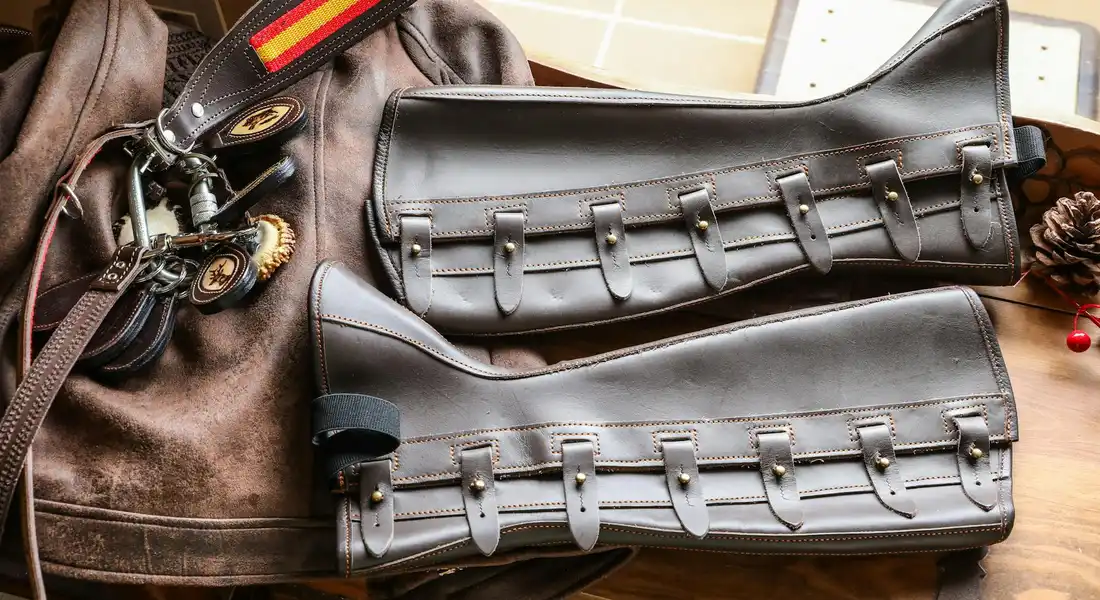
Environmental Enrichment and Turnout
Think of a bored horse like a bored toddler with the strength to rip a door off its hinges. Confinement and monotony are prime bite catalysts. I’ve seen the smartest horses, like my clever pony Pipin, turn into furry piranhas when their minds aren’t occupied.
A horse with ample turnout and foraging opportunities is a calm, content horse who is less likely to see you as a source of entertainment or frustration. Their world needs to be more than four walls and a feed tub twice a day.
Your environmental enrichment checklist should include:
- Maximum possible turnout with herd mates for social interaction.
- Slow-feed hay nets to mimic natural, prolonged grazing.
- Safe, horse-proof toys like jolly balls or hanging licks.
- Variety in their view-a stall with a window or a paddock with activity to watch.
- Different textures to explore, from sand patches to groomer’s mats.
Consistent and Clear Handling
Horses crave predictability. Inconsistent rules create confused, pushy horses. If you let Luna lip your pocket for treats one day but scold her the next, you’re teaching her that biting is a gamble that sometimes pays off.
Set your personal space boundaries and defend them with quiet, unwavering consistency every single time you handle your horse. This isn’t about being stern; it’s about being a trustworthy leader.
Make your expectations crystal clear from the ground up. I don’t allow any horse to drift into my space unless I invite them. If Rusty swings his hip toward me while I’m picking his stall, I use a calm touch and a voice cue to ask him to move over. I reward the slightest try. This daily reinforcement teaches him that respecting my space is always the right answer, removing the need for a nip to get my attention or express irritation.
Step-by-Step Correction: How to Stop a Biting Habit
Step 1: The Immediate Redirection and “No”
When a bite attempt happens, your reaction must be instant, clear, and boring. The goal is to make biting an ineffective and uninteresting behavior. Shouting or a large, angry reaction can scare a sensitive horse like Luna or become a game for a cheeky one like Pipin.
Use a sharp, low-toned “No” or “Eh-eh” the millisecond you see the head swing or lips purse. Simultaneously, use your elbow (not your hand) to create a firm, unyielding block in the space where the bite is coming. Then, immediately redirect the horse’s head away with the lead rope or by asking for a simple step back.
The sequence is: signal (voice), block (body), redirect (action). You’re not punishing; you’re communicating that the behavior doesn’t work and then giving them something else to do.
Step 2: Reinforce Good Behavior with Positive Pressure
This step is where you truly change the game. You must be a detective for good behavior. The instant your horse stands quietly with his head in a neutral position, or chooses to turn away instead of nibble, you mark that moment.
“Pressure” doesn’t mean force-it means applying the gentle pressure of your attention and reward to shape the behavior you want. For a treat-motivated horse like Rusty, a small piece of carrot after five seconds of calm standing is powerful. For a horse who values release, the reward is stopping an activity like brushing for a moment of rest.
You are literally teaching them that not biting is more rewarding than biting. It feels silly at first, praising a horse for just standing there, but it builds a powerful new neural pathway. This method is especially effective when avoiding common training mistakes that can lead to behavioral issues.
Step 3: Systematic Desensitization
Some horses bite from annoyance during grooming, girthing, or blanketing. They’ve learned a nip makes the annoying thing stop. To fix this, you must break the process down into tiny, non-threatening steps and rebuild their tolerance.
Let’s take a horse who bites when girthed. Instead of tightening the girth in one go, you’ll introduce the sensation slowly. Rest your hand on his side. If he stands still, release and reward. Lightly touch the girth strap. Reward. Buckle the first hole loosely. Reward. Gradually increase the pressure over many sessions.
The rule is: you only proceed to the next step when the horse is relaxed and not showing tension or bite intent. If he tenses or swings his head, you pause or go back a step, but you do not remove the pressure until he gives a single sigh or slight relaxation. This teaches him that patience, not biting, makes the pressure go away. It’s slow, meticulous work that pays off in a safer, more trusting partnership.
Navigating Tricky Moments: Biting During Grooming and Tack
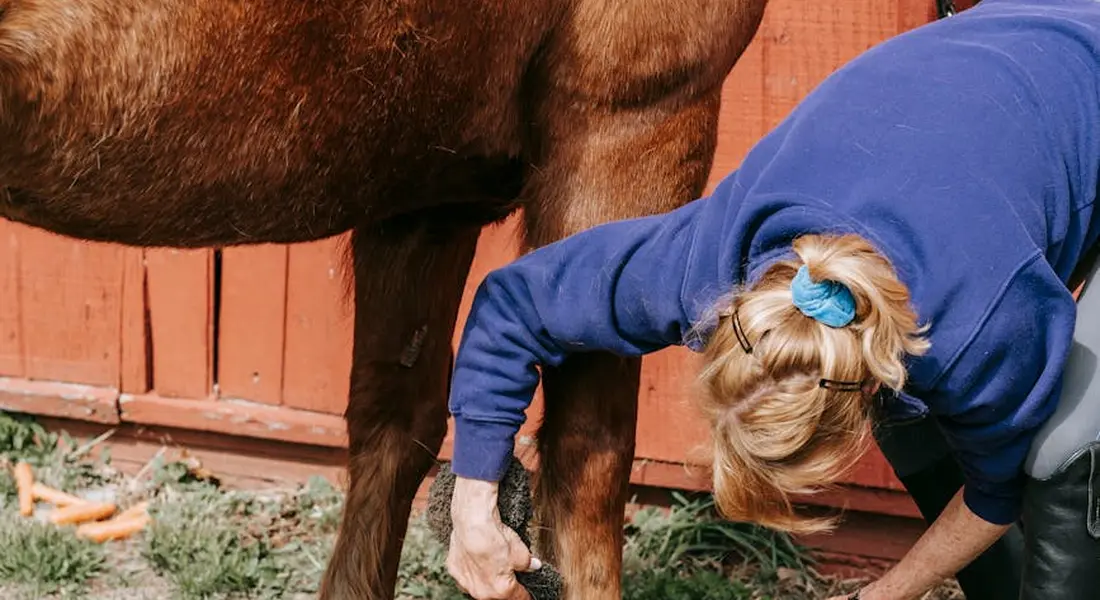
That sudden head swing and pinch during currying isn’t personal; it’s often a horse telling you something is wrong. I learned this the hard way with Luna, my sensitive Thoroughbred. The first time I brushed her flank with a stiff dandy brush, she spun and nipped my sleeve. Her skin was simply too thin for that tool, and she was shouting in the only way she could. Listening to these subtle cues is the first step in transforming grooming from a battle into a bonding session.
Biting during tacking up often stems from anticipation of discomfort or a bad memory. A pinchy girth or a poorly fitted bit can make a horse dread the process. I always run my hand under the girth after tightening it, feeling for any wrinkles or pinched skin. That’s why taking time to properly fit and adjust horse tack matters. A horse that bites when the saddle comes out is often remembering past pain, not being inherently naughty.
Practical Steps for a Peaceful Session
Follow this sequence to build positive associations and keep those teeth to themselves.
- Start with a “Hand Scan.” Before any brush touches them, run your bare hands over their body. Feel for heat, swelling, or flinchy spots. This tells you where to be extra gentle.
- Choose Your Tools Wisely. Use a soft rubber curry on sensitive areas like the belly and legs. Save stiffer brushes for muscular shoulders and quarters. For a horse like Pipin, who has sensitive skin under all that pony fur, a grooming mitt is a game-changer.
- Introduce Tack Slowly. Let them see and smell the saddle pad and girth. Drape the pad over their back, then remove it, rewarding calmness. Tighten the girth one hole at a time, pausing in between.
- Watch the Clock. If your horse gets fidgety after ten minutes of grooming, keep sessions short and sweet. A bored horse becomes a mouthy horse.
The smell of clean leather and the sound of a quiet buckle should signal relaxation, not tension. By going slow and reading your horse’s body language, you teach them that human hands bring comfort, not annoyance.
Safety Protocols for You and Your Horse
Safety around a biting horse isn’t about dominance; it’s about intelligent positioning and clear communication. Your body in the wrong place is an invitation. I always stand close to the shoulder when grooming, where I can see the head but am not directly in the strike zone. Your safest spot is beside the horse’s neck or shoulder, not directly in front of them where a quick nip can reach.
When a bite attempt happens, your reaction matters more than your emotion. A loud, sharp “ah-ah!” or a firm tap on the neck with your fingernails can interrupt the behavior without causing fear. I never hit a horse in the face. With Rusty, who used to test boundaries for treats, a simple step into his space and a stern voice was enough to remind him of manners. Consistent, immediate feedback is far more effective than delayed punishment.
Essential Safety Checklist
- Mind Your Feet: Always keep your feet moving and be ready to step decisively away or into the horse’s space to redirect energy.
- Use a Lead Rope: Even in the cross-ties, have a lead rope clipped on. If you need to move the horse’s head or reposition them quickly, you have safe leverage.
- Wear Appropriate Clothing: Close-fitting sleeves and sturdy gloves can prevent minor skin breaks if a nip does connect.
- Check Your Environment: Ensure grooming areas are clutter-free so you can move safely without tripping. The thud of a hoof on clean rubber matting is a lot less alarming than on concrete.
Turnout time is one of your best safety tools. A horse with pent-up energy from stall confinement is a ticking clock. Adequate daily movement and herd interaction drastically reduce the frustrated biting that comes from boredom or excess vitality.
Finally, know when to call for help. If a horse’s biting is severe, unpredictable, or linked to pain you can’t identify, involve a veterinarian or a professional trainer. Prioritizing safety sometimes means admitting you need another set of experienced eyes on the problem. Protecting yourself ensures you can continue to provide the gentle, patient care your horse deserves. A basic understanding of horse fly bites—prevention, treatment, and safety—helps you respond swiftly and protect both you and your horse. This knowledge guides safer, more confident care in the future.
When It’s Time to Call the Pros
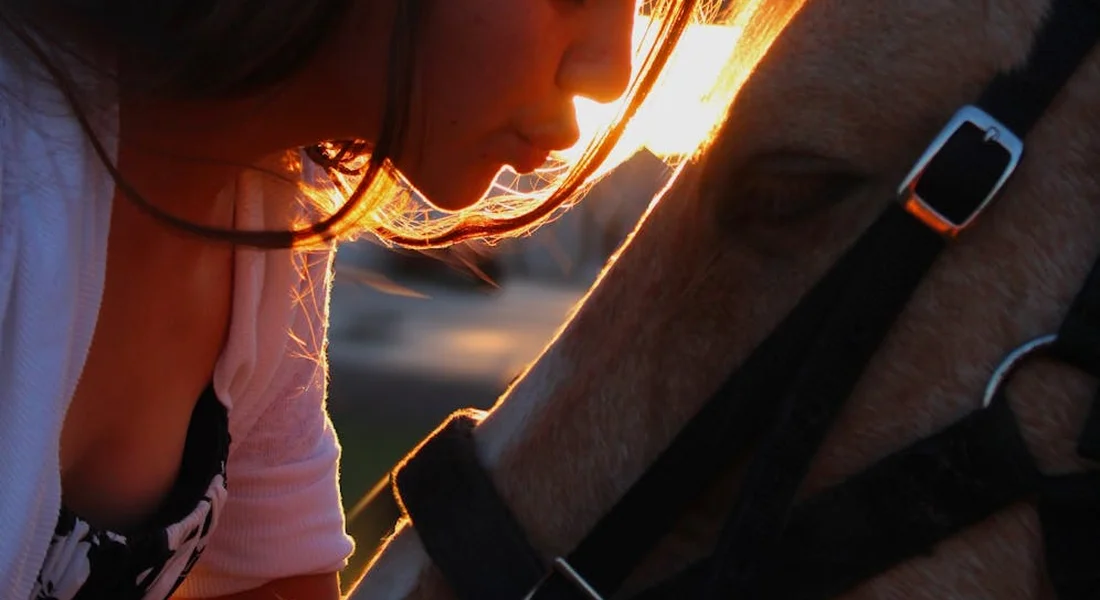
There comes a point where your best efforts aren’t enough, and that’s okay. Recognizing this isn’t a failure on your part; it’s a responsible commitment to your horse’s well-being. My rule of thumb is simple: if the behavior is sudden, severe, or just plain scary, it’s time to phone a friend with more letters after their name than I have.
The Veterinarian is Your First Call
Always, always rule out pain first. I learned this the hard way with a lesson horse years ago who started nipping during grooming. We thought it was behavioral until the vet found a brewing abscess under his saddle pad area. A horse can’t tell you where it hurts, so they often say it with their teeth.
- Sudden Onset: A normally gentle horse like Rusty turning snappy over a week is a red flag.
- Location Specific: Biting only when the girth is tightened, the back is brushed, or a hoof is picked.
- Signs of Discomfort: Watch for pinned ears, tail swishing, flinching, or restlessness paired with the biting.
A thorough exam from your vet can uncover issues like ulcers, dental hooks, back pain, or orthopedic trouble that you simply can’t see.
Enter the Equine Behaviorist or Specialist Trainer
If your vet gives a clean bill of health, the root is likely behavioral. This is where a professional with a science-based approach is invaluable. They read the subtle language you might miss.
- They assess the whole picture: turnout schedule, herd dynamics, your handling techniques.
- They identify the precise reinforcement loop. Is the horse biting to make you go away (negative reinforcement), or to get your attention/treat (positive reinforcement)?
- They create a safe, step-by-step retraining plan for both you and the horse.
I sought help for Luna’s sensitivity, which sometimes tipped into defensiveness; an outside expert gave me the tools to rebuild her trust without guesswork. For a cunning opportunist like Pipin, a pro helped us set up clear, consistent boundaries that even a smart pony couldn’t loophole.
What to Look For in a Professional
Not all help is good help. You want someone who advocates for the horse.
- They ask detailed questions about the horse’s environment and daily life first.
- Their methods are force-free and focus on rewarding desired behaviors, not punishing the bad.
- They welcome your questions and make you feel empowered, not incompetent.
A true professional will want to teach you how to communicate better, not just “fix” your horse for you in one session. The goal is lasting change, not a quick suppression of symptoms that could explode later.
FAQ: Preventing Horses from Biting
How does increased turnout prevent biting?
Ample turnout with compatible herd mates fulfills a horse’s social and movement needs, reducing pent-up energy and boredom. A content, physically tired horse is far less likely to see handlers as targets for playful or frustrated nipping. Providing slow-feed hay nets during turnout further encourages natural foraging behavior, keeping their mind peacefully occupied.
Why is consistent handling so crucial for prevention?
Horses thrive on clear, predictable rules, and inconsistent boundaries teach them that biting is a gamble that sometimes pays off. By calmly and immediately correcting every push or nip into your space, you defend your personal bubble and build respectful manners. Rewarding polite behavior, like standing quietly, reinforces that good choices are more rewarding than biting.
What can I do to prevent biting during grooming and tacking?
Systematic desensitization breaks down potentially annoying processes like girthing into tiny, positive steps to rebuild tolerance. Always use appropriate tools and gentle pressure, especially on sensitive areas, to avoid causing pain that triggers a defensive reaction. Creating positive associations by rewarding calmness throughout the session teaches your horse that human hands and tack bring comfort, not annoyance.
Walking the Path Together
Your first and most important step is to schedule a veterinary check to rule out pain or discomfort, as this is behind more biting than most people realize. With health confirmed, focus on consistent, calm reinforcement to reward polite behavior and redirect unwanted actions.
Change unfolds over weeks, not days, so anchor yourself in patience and prioritize safety for both of you. True horsemanship means viewing every nip or avoidance not as defiance, but as a sentence in an ongoing conversation you’re learning to understand.
Further Reading & Sources
- Why Do Horses Bite?
- Biting and Kicking Other Horses | Downunder Horsemanship
- Types of Unwanted Biting & Chewing in Horses| Foran Equine
- Why Do Horses Bite? 12 Common Reasons Explained & Solved!
At Horse and Hay, we are passionate about providing expert guidance on all aspects of horse care, from nutrition to wellness. Our team of equine specialists and veterinarians offer trusted advice on the best foods, supplements, and practices to keep your horse healthy and thriving. Whether you're a seasoned rider or new to equine care, we provide valuable insights into feeding, grooming, and overall well-being to ensure your horse lives its happiest, healthiest life.
Behavior