
Why Do Horses Have Manes? Understanding Their Purpose and Function
Hello fellow equestrians. That frustrating snarl of hair you battle with a brush isn’t just a grooming nuisance-it’s a functional feature, and misunderstanding it can lead to discomfort, skin issues, and even vet bills for your horse.
Let’s look beyond the tangles. I’ll explain the mane’s evolutionary survival story, its practical job as a fly swatter and weather shield, how it acts as a social signal in the herd, and gentle care methods that respect its natural role.
My years in the barn as a manager and trainer have shown me that respecting a horse’s design is the first step to true partnership.
The Mane Event: What Exactly Is This Neck Hair?
Let’s get specific. The mane isn’t just random long hair; it’s the dense strip growing from the crest of the neck, starting at the poll (the area behind the ears) and running down to the withers. This strategic placement is no accident-it sits right along the spine’s top line, positioning it perfectly for a variety of natural duties.
- Definition and Anatomy: Technically, the mane is specialized hair emerging from a thickened area of skin on the neck crest. Each hair follicle is anchored deep, which is why pulling manes for showing requires care-you’re dealing with a living part of their anatomy, not just dead hair.
- Texture and Growth: Compared to the sleek, short hairs of the summer coat or the fluffy winter undercoat, mane hair is notably coarser and thicker. It’s more similar to tail hair but often feels denser at the base where it emerges. I’ve spent hours braiding, and the texture tells a story-Rusty’s sorrel mane is like sturdy rope, while Luna’s grey threads are finer, almost silky, reflecting their different breeds and care.
- Sensory Experience: There’s a particular satisfaction in the way a clean mane parts neatly over the neck with a soft swoosh, or the coarse feel of it against your palm on a chilly morning. It’s a functional feature you can see and touch every day.
Built for a Reason: The Core Functions of a Horse’s Mane
Every swipe of the brush serves a purpose rooted in survival. That mane isn’t for looks alone; it’s a multi-tool evolved over millennia. Understanding these core reasons changes how you view even simple grooming-it becomes an act of respecting their biology.
- Protection is Key: The mane acts as a first line of defense. It shields the vulnerable neck and crest from biting insects, harsh sunlight, wind-driven rain, and the scrape of branches or brush in the wild. It’s nature’s own buffer zone.
- Thermoregulation: Hair is a fantastic insulator. A thick, full mane traps a layer of warm air close to the skin in winter. In summer, it can help wick moisture and provide shade, aiding the cooling process. This is why I’m a firm advocate for natural turnout-it lets their coats, and manes, adapt to the seasons as intended.
- Social Signaling and Communication: In the herd, the mane is a billboard. Its thickness, length, and how it’s carried send clear signals about health, mood, and social standing to other horses.
Natural Fly Swatter and Sunshield
Watch a horse in the pasture on a buggy day. They’ll give a mighty shake, and that mane whips around, physically dislodging flies from their neck and face. The dangling hairs also create a shady overhang for the jugular vein area, a critical spot for regulating body temperature.
- I’ve seen Pipin, our Shetland, stand head-to-tail with Luna in turnout; Luna’s mane provides a flicking barrier for Pipin’s hindquarters, and vice-versa. It’s a cooperative fly-control system.
- The mane’s density makes it harder for insects to reach the skin directly, much like wearing a dense, furry scarf. This is one reason I’m cautious about over-thinning or roaching manes without cause-you’re removing a built-in pest deterrent.
That Built-In Thermostat
The science is elegant in its simplicity. Hair creates tiny pockets of air that slow heat transfer. A dry, fluffy winter mane is holding warmth in, while a sleeker summer mane allows for better air circulation close to the skin.
- In cold months, you’ll notice the hair at the base of the mane gets incredibly dense. This isn’t just for show; it’s a physiological response to shorter daylight hours, building up insulation.
- Come spring, you’ll find more of those coarse mane hairs in your brush as they shed out for a lighter summer version. This cycle is a direct dialogue between the horse and its environment.
The Herd’s Billboard: Display and Communication
Body language in horses is subtle, and the mane plays a part. A horse with its mane erected (pilorection) is often alarmed or excited, making itself look bigger. A thick, lustrous mane is a visual cue of good health and vitality, which can influence social ranking and attract mates.
- In my herd, Luna, with her flowing dapple grey mane, often gets respectful space from the others-her impressive appearance signals confidence. Rusty’s neat, tidy mane seems to broadcast his steady, reliable nature.
- Breeds like Friesians are known for their extravagant manes, a trait selectively bred for but rooted in that ancient display function. It’s a badge of identity in the equine world.
A Tale of Time: The Evolution and History of Manes
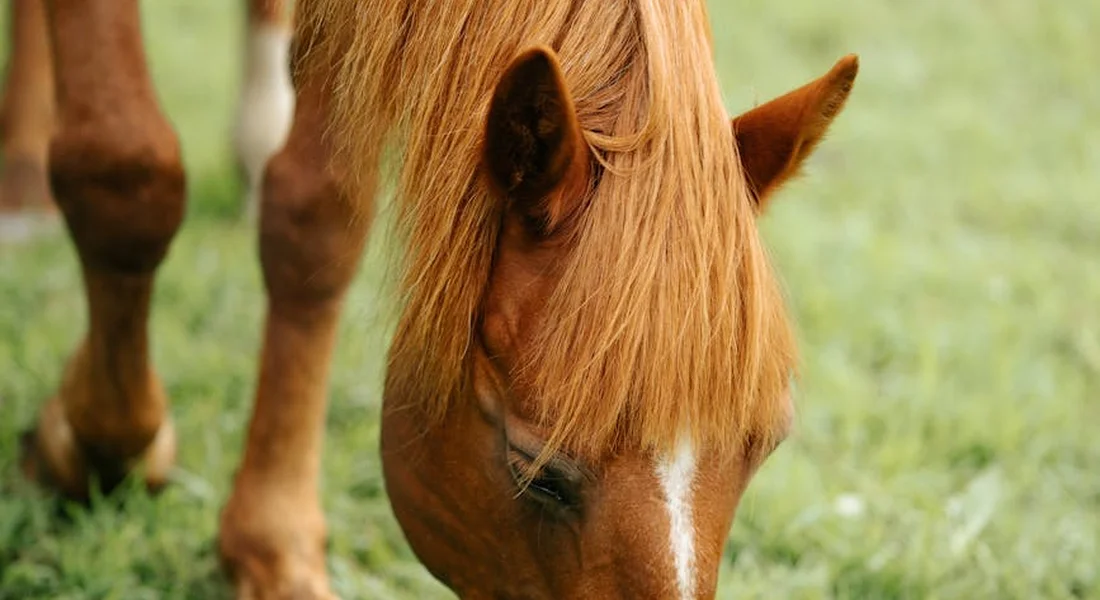
Picture a wild horse on an open plain, tail swishing at flies and a short, upright mane standing like a bristle brush along its neck. This wasn’t a fashion choice; it was a survival toolkit. That coarse hair provided a surprising amount of protection. Imagine what a horse’s tail would look like without hair—it certainly wouldn’t be as effective at swatting away insects.
The evolutionary advantages are straightforward but brilliant. The mane shields the vulnerable crest of the neck from biting insects. It also offers a thin layer of insulation against weather. Perhaps most importantly, that upright “standing” mane made a young foal easier to follow in tall grass and gave the animal a slightly larger, more imposing silhouette to potential predators.
Compare this to our domesticated friends. The last truly wild horse, the Przewalski, sports that classic upright mane. Many domestic breeds, through centuries of selective breeding, now have long, flowing manes that fall to one side. Humans shaped this change for function and form. A thick, heavy mane on a medieval destrier protected its neck in battle. The lush mane of a Friesian is part of its majestic presentation. The tidy, often braided mane of a sport horse minimizes distraction and interference.
We literally bred the wild right out of their hairstyles. Draft breeds often kept thicker manes for weather protection in fields, while finer riding breeds were sometimes selected for silky, decorative hair. Every breed’s mane tells a story of what we asked that horse to do for us, from war to work to show.
Reading the Whisper: What Your Horse’s Mane Tells You
Your horse’s mane is a daily health report written in hair. You just have to know how to read it. A healthy mane should lie relatively flat, have a slight natural shine, and be free of large patches of thinning or broken hairs. An essential daily grooming routine helps keep that health report accurate for a healthy horse. Regular brushing and routine checks make the mane a reliable health indicator.
Dull, brittle, or thin hair can be a red flag. It often whispers about nutritional deficiencies, like a lack of quality protein, copper, or zinc. A suddenly patchy mane might scream about a skin fungus like ringworm or external parasites. When your horse’s mane starts looking ratty, your first call should be to the feed bin and the vet, not the grooming kit.
Gentle horsemanship is deeply tied to mane care. Yanking through tangles with a metal “puller” tool isn’t grooming; it’s assault. It teaches your horse that your approach means pain. I use my fingers or a wide-toothed plastic mane comb, working from the bottom up, always holding the hair at its base to avoid tugging the roots. This quiet, patient time builds trust. The state of the mane reflects the state of your care. For the best way to manage your horse’s mane and tail, gentle detangling and regular grooming are key. Consistent, patient care yields a healthier mane and a calmer, more cooperative partner.
I saw this with Luna, my sensitive Thoroughbred. When she first arrived, stressed and high-strung, her dappled grey mane was a frizzy, tangled mess no matter how I brushed it. It wasn’t dirt; it was anxiety. After months of consistent, quiet handling, predictable turnout, and a calm routine, I was braiding her mane one day and stopped. The hair running through my fingers was cool, smooth, and lay perfectly against her neck-a silent testament to the comfort she finally felt in her own skin. Her mane told me she was home before she ever could.
Hands in the Hair: A Practical Guide to Mane Maintenance
-
Tools of the Trade: Your toolkit needs only a few key items. I keep a wide-tooth comb for thick manes, a soft-bristled brush for dust, and a spray bottle of detangler mixed with water. These items are essential grooming tools for a horse. They set the foundation for a calm, effective grooming routine. Skip the cheap plastic combs; a good quality, smooth-toothed comb prevents snags and shows your horse you care. My quarter horse, Rusty, leans into the brush like it’s a massage, proof that the right tools build trust.
-
The Gentle Grooming Routine: Start by misting the mane lightly with detangler. Never drag a comb from the top down. Follow these steps every time:
- Use your fingers to gently separate a small section at the very bottom of the hairs.
- Work the wide-tooth comb through that bottom inch until it glides freely.
- Move up an inch and repeat, slowly climbing toward the crest.
- Brush the entire length only after all knots are gone. This method saves hair and patience.
Rushing this process is how you end up with a thin, ragged mane and a horse that tosses its head when you approach.
-
Washing and Conditioning: Baths are for occasional deep cleans, not weekly routines. Over-washing strips natural oils. When you do bathe, use a gentle, equine-specific shampoo and follow with a conditioner. The most critical step is drying the mane thoroughly right down to the skin, as dampness invites fungal growth. I use old towels and sometimes let Luna graze in the sun while her dappled grey mane air-dries completely.
-
To Braid or Not: Braiding can protect a mane from tangling in turnout or during storage. The key is to keep it loose. Tight braids pull on the hair follicles and can cause breakage or discomfort. For overnight, a few loose running braids are perfect; for my cheeky pony Pipin, a single loose braid keeps his black mane out of his eyes and less tasty to his pasture mates. Always unbrave within a day or two to check the skin. Tails deserve the same gentle care—regular detangling and keeping the tail dock clean help prevent knots and skin irritation. Proper tail care is part of a complete grooming routine.
Dealing with Common Tangles and Knots
-
Severe mats require patience, not force. First, saturate the knot with detangler. Use your fingers to pry and loosen the center of the mat. Your fingers are your best tool for feeling the tension and working it apart without snapping hairs. Only after it’s largely finger-combed should you introduce a comb, starting at the very bottom edges of the remaining tangle.
-
If the horse resists, stop. This is a sign of pain or memory of a bad experience. Offer a treat, scratch their withers, and return to it later. Advocate for your horse by listening to their reactions; a calm session is always more productive than a battle. I’ve spent whole afternoons patiently working on one knot with Luna, and the result is a stronger bond.
When the Mane Suffers: Identifying and Addressing Health Issues
-
Mites, or mane mange, cause intense itching and patchy hair loss. You’ll see scaly skin and constant rubbing. Treat this with a vet-prescribed topical solution, and isolate the horse’s grooming tools to prevent spread.
-
Fungal infections like rain rot create crusty scabs along the crest. Treatment involves antifungal shampoos and keeping the area dry. Call your vet if the area is large or doesn’t improve quickly, as it can be stubborn.
-
Scratches from fencing or tight blankets tear hair and skin. Clean any wound with a mild antiseptic and apply a healing ointment. Prevent future rubs by padding sharp edges in stalls and ensuring blankets fit properly with room over the withers.
-
Self-inflicted rubbing often points to boredom or skin irritation. Increase turnout time for mental stimulation and check for other causes like insects or allergies. Prevention is always simpler than cure: a clean, dry environment, consistent grooming, and a diet rich in omega fatty acids build resilient skin and a glossy mane.
Spotting and Soothing Itchy Mites
-
Symptoms include frantic scratching on posts, hair loss in clumps, and visible dandruff-like flakes at the base of the hairs. That relentless itching is miserable for the horse, so prompt action is a welfare must.
-
Safe treatment starts with a vet diagnosis. They may recommend a lime-sulfur dip or a prescribed parasiticide. Wash all blankets and thoroughly clean the stall. Isolate the affected horse if possible, and treat all horses in contact, as mites are highly contagious.
Healing Tears and Preventing Rubs
-
For a torn mane skin, clean the wound with saline or a gentle cleanser. Apply a thin layer of antibiotic ointment and monitor for infection. Keep the horse turned out in a clean paddock to promote healing and reduce stable-bound stress.
-
Prevent rubs by wrapping rough fence boards with PVC piping or specialized tape. Regularly check blanket fit, especially as horses gain or lose weight seasonally. I learned this after Rusty developed a rub; a simple blanket adjustment solved it, and his sorrel mane grew back in fully. Also, look for signs your blanket needs replacing—frayed fabric, torn seams, or stretched straps. If you notice these, replacement may be the best option.
Making the Cut: Functional and Aesthetic Choices for Mane Length
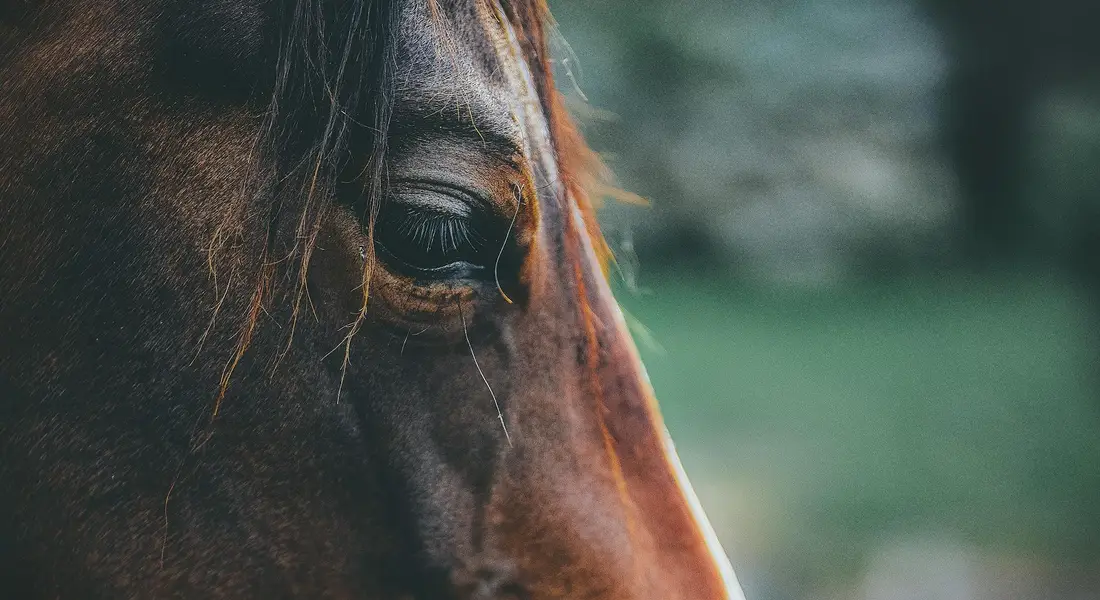
Standing at the cross-ties, brush in hand, you’ve probably wondered if you should thin, trim, or completely reimagine that cascade of hair. The length of a mane is rarely just about looks; it’s a practical decision that affects your horse’s daily comfort.
The Long and Short of It: Weighing Your Options
A full, untrimmed mane is the horse’s original all-weather gear. It provides a thick curtain against rain running down the neck and is a first line of defense against flies. For a horse living out 24/7, a long, natural mane is not just traditional-it’s functional armor against the elements. The downside? It can become matted, hold moisture against the skin, and be a nuisance when braiding for shows.
The Pulled and Layered Look
Pulling-thinning the mane to a shorter, tidy length-is a classic for many English disciplines. It creates a neat, manageable appearance that lies flat under tack. I’ve done this for show horses who spend most of their time in a stall or controlled turnout. This aesthetic choice sacrifices some natural protection for a polished look, making it best for horses with limited exposure to harsh weather or swarming insects. It requires regular maintenance to keep its shape. Many owners wonder: do horse manes tails grow back? Regrowth depends on follicle health, nutrition, and ongoing care.
The Bold Statement: The Roached Mane
Shaving the entire mane off, or “roaching,” is a dramatic choice. It’s incredibly low-maintenance and excellent for preventing rubs and sores from heavy tack or blankets. Many riders of polo ponies or cavalry reenactors choose this. Roaching a mane completely removes its protective benefits, so it should only be considered for horses in heavy work with minimal turnout or in specific climates where insect pressure is low. Remember, it takes a long time to grow back.
Matching the Mane to the Life
Your horse’s daily routine should be the loudest voice in this conversation. A pastured horse like my old reliable Rusty needs every inch of his mane to swat flies and shed rain. A sensitive Thoroughbred like Luna, who wears a cooler after workouts, might benefit from a slightly pulled mane for grooming ease. Grooming must respect coat type—short, sleek coats versus thick, double coats call for different brushing rhythms. Understanding a breed’s coat helps tailor routines for shedding, moisture management, and fly control. Always prioritize function over fashion for horses who live primarily outdoors; their comfort and health depend on those natural defenses.
Trimming for Tidiness, Not Just Shortness
You can achieve a neat look without stripping away utility. Here’s my barn-hack method for a functional, tidy trim:
- Only trim the ends of the mane, not the hairs at the roots, to maintain bulk and thickness.
- Use sharp scissors and cut in small, upward snips to avoid a blunt, choppy line.
- Focus on the areas that get most tangled-usually right behind the ears and at the withers.
- For a pulled look without the pull, use a thinning knife to remove hair from the underside only, preserving the protective top layer.
Grooming your horse is more than maintenance—it’s a chance to build a stronger bond, step by step. Those calm, routine sessions deepen trust and improve communication during care. A little strategic trimming keeps the mane manageable for you while leaving its vital defensive layers intact for your horse. The goal is partnership, not perfection.
FAQ: Why Do Horses Have Manes? Understanding Their Purpose and Function
Why do some horse breeds have much thicker or longer manes than others?
Selective breeding by humans has amplified the mane’s natural traits for specific jobs and aesthetics. Draft breeds often retained thick manes for weather protection, while some riding breeds were developed for luxurious, flowing manes for dramatic presentation. This means a breed’s typical mane style is often a history lesson in what we’ve asked that horse to do.
Does the forelock (the mane between the ears) serve a different purpose?
Yes, the forelock is a specialized extension of the mane with focused duties. It acts as a primary sun visor and bug shield for the horse’s eyes and face. This strategic placement helps keep sweat, debris, and flying insects from irritating their sensitive eyes, which is crucial for both comfort and clear vision.
Can the way I manage my horse’s mane affect its ability to communicate with other horses?
Yes, excessive thinning, tight styling, or roaching can limit a horse’s natural expressive signals. A mane that is heavily altered may reduce the visual impact of piloerection (hair standing on end) during alertness or excitement. While domestic life changes dynamics, preserving some natural mane allows for more nuanced body language within the herd.
Honoring the Horse’s Natural Design
A horse’s mane is built-in armor, shielding them from biting insects and harsh weather, so your grooming routine should always protect that function. Resist the urge to over-thin or create restrictive braids that leave the neck vulnerable and forget the job this hair was born to do.
Good horsemanship means putting your horse’s comfort and communication first, every single time you run a brush through that forelock. Let the swish of a tail or the tilt of an ear guide your hands, because your horse is always telling you what they need.
Further Reading & Sources
- r/explainlikeimfive on Reddit: ELI5: What is the purpose of a horse’s mane?
- The Mane Attraction – Tips for Achieving a Beautiful Mane & Tail
- Why Do Horses Have Manes? | PetMD
- Why Do Horses Have Manes? 6 Likely Reasons | PangoVet
At Horse and Hay, we are passionate about providing expert guidance on all aspects of horse care, from nutrition to wellness. Our team of equine specialists and veterinarians offer trusted advice on the best foods, supplements, and practices to keep your horse healthy and thriving. Whether you're a seasoned rider or new to equine care, we provide valuable insights into feeding, grooming, and overall well-being to ensure your horse lives its happiest, healthiest life.
Coat and Mane Care