
Winter vs. Summer Horse Grooming: Smart Routines for Health and Comfort
Published on: September 10, 2026 | Last Updated: September 10, 2026
Written By: Henry Wellington
Hello fellow equestrians. Does your horse’s thick winter coat hide sweat and dirt, or does summer’s heat leave them itchy and prone to scratches? You’re right to be concerned-seasonal grooming mistakes can lead to skin issues, hoof problems, and unnecessary vet bills.
Let’s sort it out. I’ll break down the core shifts in your routine, covering winter coat management to prevent chills and mats, summer sweat and skin protection strategies, how to adjust your hoof care for wet or dry ground, and the simple tool swaps that make all the difference.
I’ve spent countless winters thawing water buckets and summers cooling down hot horses, so these tips come straight from the barn aisle.
Why Your Horse’s Coat Dictates Your Grooming Routine
Think of your horse’s winter coat as a built-in, down-filled parka. That dense, fluffy undercoat traps warm air close to the skin, while the longer guard hairs shed water and wind. Your primary grooming job in cold months is to protect this ingenious insulation system, not scrub it away. I learned this the hard way years ago, over-brushing a good-doer gelding until his coat lay flat and lost its loft, making him shiver in the drizzle. Coat type matters—thick double coats vs. sleek single coats shape how you should groom. Knowing your horse’s coat type helps tailor grooming needs for the season.
Come summer, that parka is swapped for a breezy linen t-shirt. The coat is sleek, short, and designed to maximize air flow over the skin for cooling. The summer grooming focus shifts entirely to removing sweat, dust, and pests to keep that skin healthy and the thermoregulation efficient. Your tools and pressure change with the seasons, just like your own wardrobe.
Winter Grooming: Preserving Warmth and Protecting Skin
Brushing a Fuzzy Winter Coat: Less is More
That winter fluff is held together by natural oils that repel moisture. Over-zealous brushing strips these oils and flattens the insulating layers. For daily tidying, I use a gentle, three-step dance that lifts grime but leaves the warmth. My quarter horse, Rusty, leans into this routine, especially when treats are involved.
- Start with a soft rubber curry. Use circular motions on the neck, barrel, and rump to loosen dried mud and skin cells. Avoid bony areas.
- Follow with a soft-bristled dandy brush. Flick it lightly over the coat to remove the debris you’ve lifted. Never scrub hard.
- Finish with a clean, dry cloth. Wipe down the entire coat to redistribute oils and catch any remaining dust, leaving a healthy shine.
Save the deep cleaning for a rare, warm day with a quick bath and immediate, thorough drying. A slightly dusty coat in winter is a functional, warm coat, and that’s the goal.
Winter Hoof and Leg Care: Mud, Snow, and Moisture
Wet conditions are the enemy here. Packed snow turns into ice balls in the hooves, creating painful pressure points, while constant wetness breaks down skin barriers. My daily hoof pick ritual becomes a detective mission for hidden moisture and debris. After turning out Pipin, our Shetland, I always find a perfect snowball packed in each tiny hoof.
- Pick all four hooves twice daily. Check sole, frog, and clefts.
- Feel for unusual cold spots, which can indicate a snow pack. Use a hoof pick to break it up.
- Apply a non-stick hoof ointment to the sole to help prevent snow balling, if it’s a persistent issue.
Mud fever and rain rot are caused by bacteria thriving in damp, muddy conditions. The golden rule for muddy legs is this: always clean them, but never put a wet horse back out. Here’s my stable hack for a muddy turnout.
- Rinse or brush off major mud with cool water.
- Pat the legs dry with a clean, absorbent towel. Get between the pasterns and fetlocks.
- Allow legs to air-dry completely in a stall or dry area before re-blanketing or turning out.
- For horses prone to issues, a moisture-wicking leg wrap or a thin layer of petroleum jelly on the pasterns can provide a barrier.
To Clip or Not to Clip? Managing the Working Horse
For horses in regular work, a heavy winter coat can be a liability. It takes forever to dry after exercise, leading to chills. Clipping is a trade-off: you gain manageability but assume full responsibility for your horse’s thermostat. My sensitive thoroughbred, Luna, gets a trace clip so she doesn’t overheat during our workouts but retains some natural coverage. You can learn the basics of clipping at this guide for beginners.
Consider these common clip types:
- Trace Clip: Hair is removed from the lower neck, belly, and behind the elbows. Ideal for light-to-moderate work.
- Blanket Clip: Body is clipped, leaving hair on the legs and a “blanket” area over the back and hindquarters. For horses in regular training.
- Full Clip: All body hair is removed. Reserved for high-performance horses or those with Cushing’s disease; requires intensive blanketing management.
If you take the hair off, you must put a blanket on. You’ll need a wardrobe of sheets and blankets for different temperatures, and you must check fit and dryness daily. It’s a commitment, but for a sweating horse, it’s a welfare issue.
Summer Grooming: Promoting Coolness and Combatting Pests
Managing the Summer Shed and Final Clean-Up
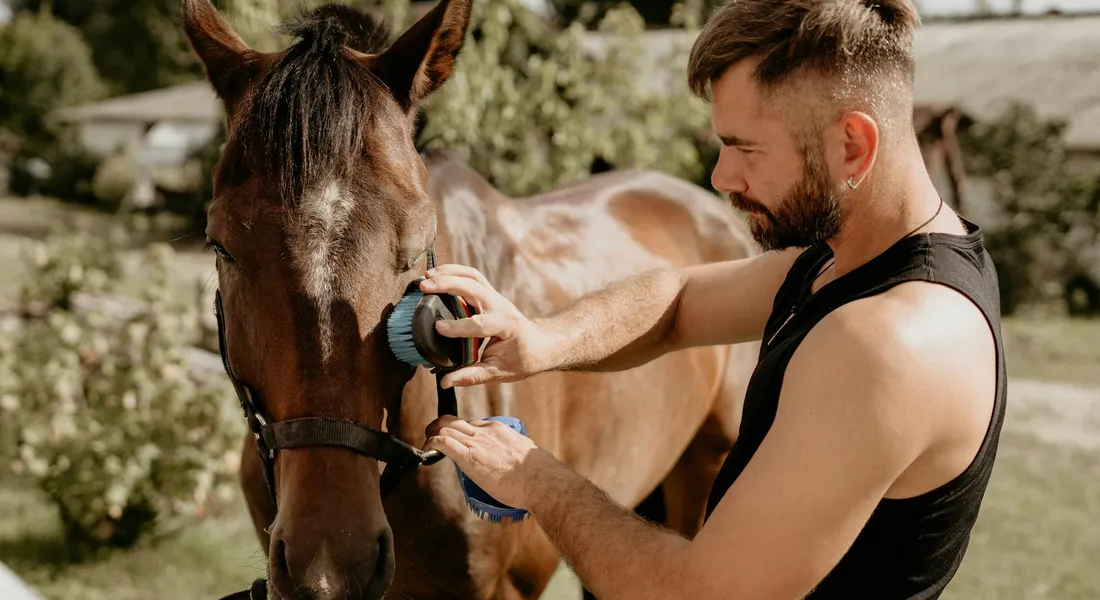
That fluffy winter coat has to go, and your horse is itching to help. I spend spring mornings in a cloud of horse hair, with Pipin looking like a fuzzy black snow globe after a good roll. Effective shedding starts with the right tools: a shedding blade for large swaths of loose hair and a rubber curry comb to break up mats and stimulate the skin. The metal blade grabs the dead undercoat, while the curry boosts circulation for a healthier summer shine.
Here is my step-by-step method for helping even the most reluctant shedder.
- Start with a rubber curry comb in circular motions over the neck, shoulders, and barrel to loosen the coat.
- Follow with the shedding blade, using firm, sweeping strokes in the direction of hair growth. Avoid bony areas like the face and legs.
- Use a stiff dandy brush to flick away the piles of loose hair you’ve lifted.
- For stubborn patches on the belly or behind the elbows, a gentle pulling motion with the shedding blade’s teeth often does the trick.
A bath with cool water and a mild shampoo can rinse away the last of the loose hair and dirt. I always give Luna a good rinse after her shedding session; it seems to soothe her sensitive skin and she prances with relief.
Summer Skin and Coat Care: Sweat, Bugs, and Sun
Summer sweat is more than just moisture; it’s a mix of water, salts, and oils that can dry into a gritty, chafing layer on your horse’s skin. Left unchecked, this salt crust can cause irritation and even hide minor cuts or hot spots. Identifying common skin conditions in horses helps you spot trouble early. Your post-ride routine is your best defense.
Cool down your horse properly with this quick groom.
- Walk your horse until their breathing returns to normal.
- Use a sweat scraper to remove the bulk of the wet sweat.
- Follow with a damp cloth or sponge to wipe away salt residue, especially under the girth and bridle areas.
- Let them dry completely in a breezy spot or use a moisture-wicking towel.
Bugs and sun are the other summer nuisances. Fly spray is a staple, but for my crew, I prefer a physical barrier first. Fly masks protect eyes from pests and UV rays, while a dab of equine-safe sunscreen on pink muzzles prevents painful burns. Watch for scratches, a bacterial infection that thrives in the wet-dry cycle of dew-soaked pasture. Keeping feathers trimmed and legs dry is key.
Summer Hoof Health: Dry Ground and Faster Growth
Winter worries about thrush and snowballs give way to a different set of summer challenges. Where winter ground is soft and muddy, summer ground turns hard and unforgiving, sending more concussive force up your horse’s legs with every step. This makes a proper trim from your farrier non-negotiable; balanced hooves distribute impact evenly.
You’ll likely see your farrier more often in summer. The combination of warmth, good nutrition, and increased circulation means hooves often grow faster, sometimes needing a trim every 5-6 weeks instead of 8. I mark my calendar after each visit for Rusty, as his reliable feet are the foundation of our trail rides.
Your Seasonal Grooming Kit: Tools for the Task
Just like you swap out your own wardrobe, your grooming tote should change with the seasons. A clutter-free kit with the right tools makes every session faster and more effective.
Optimized for Winter
Winter grooming is about removing mud, stimulating skin under a thick coat, and managing moisture.
- Stiff Dandy Brush: Your workhorse for knocking off dried mud and snow.
- Soft Body Brush: Lifts dust and polishes the topcoat without chilling the skin.
- Soft Cloths or Rags: For wiping eyes, nostrils, and the dock area without irritating cold-sensitive skin.
- Heavy-Duty Hoof Pick: Essential for digging out packed snow, ice, and muddy bedding from the hoof.
- Moisture-Wicking Towels: Crucial for drying wet legs and bellies after turnout to prevent chills.
Optimized for Summer
Summer tools focus on shedding, cooling, and protection.
- Shedding Blade: The fastest way to remove that itchy winter undercoat.
- Rubber Curry Comb: Loosens dirt and sweat while massaging the skin.
- Sweat Scraper: Pulls away sheets of water after a bath or workout to speed drying.
- Fine Dandy Brush: Perfect for a daily once-over to remove light dust and bring out a shine.
- Fly Spray Applicator (or sponge): For even application of repellent, especially on the face and legs where sprays can scare a sensitive horse like Luna.
Making the Seasonal Switch: A Smooth Transition
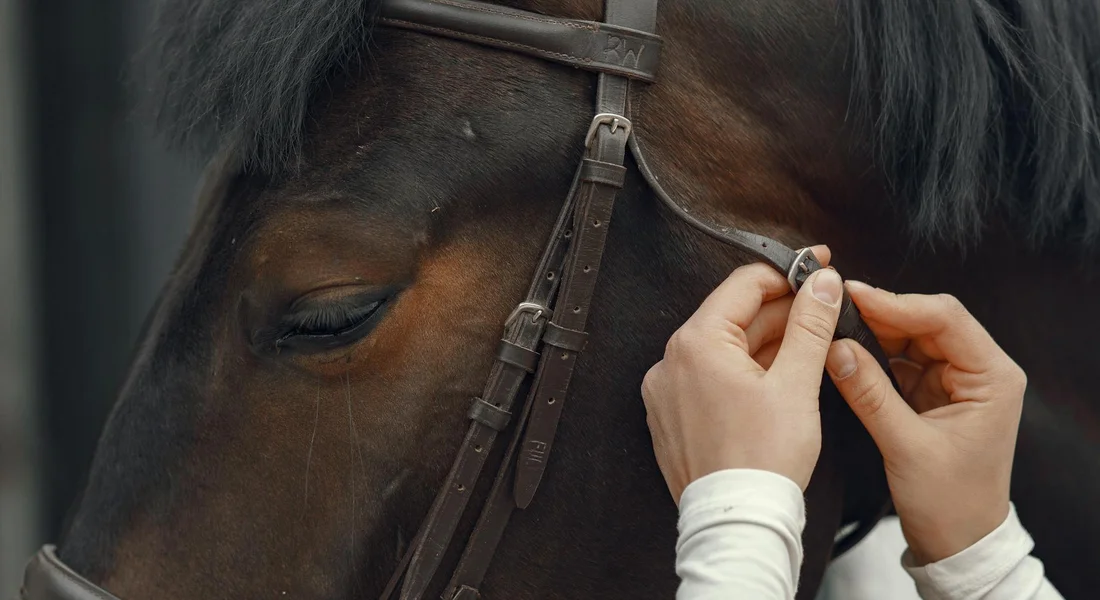
Changing seasons isn’t a flip of a calendar switch for a horse. It’s a gradual shift you must manage with intention, like easing a green horse into a new pasture. Your routine should flow with the weather, not fight against it. Understanding how to adjust your horse care schedule seasonally is essential for their well-being.
Guiding Notes: Provide a practical, step-by-step guide for transitioning your horse and your routine between seasons. Include checking blanket fit as weather cools, adjusting feed for coat growth, and deep-cleaning grooming tools. Emphasize observing your horse daily as the best guide.
Step 1: The Slide into Winter
When the first crisp morning arrives, don’t just grab a heavier blanket. Start with a light sheet on cooler nights to let their winter coat come in naturally. I watch Rusty like a hawk; if he’s shivering at the gate, I’ve waited too long. If he’s sweating under his sheet by mid-morning, I’ve moved too fast.
Blanket fit is a non-negotiable safety check you must do every single time you put one on, as a horse’s shape changes with the seasons. Run your hand under the front chest strap and along the withers. You should be able to slide your flat hand easily between the blanket and their shoulder. Listen for the quiet rustle of nylon, not the tight strain of overstretched fabric. If you notice any bulging or wear, it might be time to replace your horse’s blanket.
Step 2: Fueling the Furnace (and the Fur)
A horse growing a winter coat is burning extra calories. This is where your feeding program needs a subtle tweak. I increase Luna’s high-quality forage a week or two before the first major cold snap hits.
Think of it as stoking her internal furnace with good hay before she needs to turn the heat on full blast. Adding a fat source, like a cup of vegetable oil or a fortified rice bran, can provide dense calories for warmth and give that winter coat an extra shine without the fizz of extra grain.
Step 3: The Great Spring Shed-Out
This is the messy, hairy glory of seasonal change. As days lengthen, increase your grooming from a quick brush to a dedicated shedding session. A rubber curry in firm circles is your best friend here, working with the grain to pull loose hair to the surface.
I often find Pipin, my Shetland, sporting tufts like dandelion fluff. He loves the vigorous currying. Increase your horse’s turnout time as the weather allows; nothing helps shed a winter coat like a good roll in warm sunshine and the friction of grass.
Step 4: The Toolbox Reset
Your tools need a seasonal reset, too. Twice a year, I take everything to the tack room sink. Dirt, hair, and skin oils build up in brushes, reducing their effectiveness and spreading gunk.
- Plastic and rubber curries: Soak in warm, soapy water, scrub with a stiff brush, and rinse.
- Stiff-bristled brushes: Tap firmly against a wall to dislodge deep dirt, then wash bristle-side down.
- Soft brushes and grooming mitts: These go in a mesh laundry bag and into the washing machine on gentle.
- Metal hoof picks: A quick scrub with a wire brush and a wipe-down with disinfectant keeps thrush at bay.
A clean tool kit is a more effective tool kit, and it prevents you from scratching your horse’s skin with last season’s embedded grime. Keep the tack clean, and maintain clean hooves for proper hygiene. These habits support your horse’s comfort and safety.
Step 5: Your Daily Log is Your Best Guide
All these steps mean nothing without the context of your individual horse. Your daily observation trumps any rigid calendar date. Run your hands over their coat and ribs. Feel for damp sweat under blankets or persistent winter hair in late spring, especially when learning how to properly blanket a horse.
Note their energy levels. Are they frisky in the cooler air or lethargic? The most important piece of equipment in your seasonal toolkit is your own attentive eyes and hands, tuned to your horse’s unique rhythm. Luna will tell me she’s cold by being tense and tucked up. Rusty will just stand there, stoic, until he can’t. Knowing the difference is your job, especially when wondering how horses handle cold weather and winter conditions.
FAQ: Winter vs. Summer Horse Grooming
How does the primary goal of grooming shift between seasons?
In winter, grooming aims to preserve the coat’s insulating properties by gently removing dirt without disturbing natural oils. Summer grooming prioritizes cooling and skin health by actively removing sweat, dust, and pests. This seasonal adjustment helps prevent issues like chills or heat stress.
What are the key considerations for blanketing after winter clipping?
Clipping removes natural insulation, so you must provide appropriate blankets based on temperature and activity level. Ensure blankets fit well to avoid rubs and allow for layering as weather changes. Regularly check for dampness or sweating underneath to maintain comfort and health.
How should hoof care priorities change from winter to summer?
Winter hoof care focuses on preventing moisture buildup and snow balling through frequent picking and drying. Summer care emphasizes managing faster growth and protecting hooves from hard, dry ground. Consistent farrier visits are crucial in both seasons to address these distinct challenges.
Grooming With the Seasons in Mind
Tailor your routine to the weather: in winter, brush to stimulate oils and check for mud fever, while summer demands swift sweat removal and fly protection. The golden rule is to adapt your efforts to support your horse’s natural coat, not fight against what it’s designed to do.
Move with patience and always put your horse’s comfort and safety above a perfect shine. That quiet moment at the cross-ties is your best chance to listen and strengthen your partnership — especially when grooming.
Further Reading & Sources
- A Guide to Seasonal Horse Grooming – MiEqui
- How to Groom a Horse: Step-By-Step Guide | Mad Barn
- The Basics of Horse Grooming: Techniques for a Healthy Coat | Vetericyn
- Horse grooming 101: A guide for beginners
At Horse and Hay, we are passionate about providing expert guidance on all aspects of horse care, from nutrition to wellness. Our team of equine specialists and veterinarians offer trusted advice on the best foods, supplements, and practices to keep your horse healthy and thriving. Whether you're a seasoned rider or new to equine care, we provide valuable insights into feeding, grooming, and overall well-being to ensure your horse lives its happiest, healthiest life.
Basic Grooming Techniques