
9 Trailer Loading Mistakes That Teach Your Horse to Fear Travel
Hello fellow equestrians. That sinking feeling when your horse locks its knees and refuses the trailer ramp is all too familiar. What starts as a simple loading attempt can spiral into a dangerous standoff, risking injury to both of you and turning every journey into a source of dread.
This fear is often learned, not innate, and usually stems from common handling errors we can fix. I’ve spent years in the aisle listening to the frantic scramble of hooves on metal, and I know how quickly a single bad load can unravel months of trust.
Below, I’ll preview the core mistakes that sabotage your horse’s confidence, so you can replace panic with patience. We’ll cover critical errors like using force instead of persuasion, neglecting pre-loading groundwork, and failing to make the trailer a peaceful space.
My advice comes from firsthand experience managing a busy barn and retraining everything from spooky off-track thoroughbreds to clever ponies who’d rather be anywhere else.
The 9 Most Common Trailer Loading Mistakes
1. Rushing the Loading Process
We’ve all been there: running late for a show, the sun is setting, and you just need to get on the road. That urgency transmits down the lead rope like an electric shock. Your horse feels your tense shoulder and hurried footsteps. Loading is not a race, and treating it like one programs your horse to associate the trailer ramp with your stress. I learned this the hard way with Luna; one rushed load set our training back three weeks. Build in double the time you think you’ll need, so a few minutes of patient standing becomes possible.
2. Using Excessive Force
This is the big one. Yanking on the lead, waving a lunge line, or using a chain over the nose in a punitive way might get a horse in the trailer today. But it guarantees a fight tomorrow. Force triggers their primal flight-or-fight response, directly linking the trailer to a feeling of being trapped and attacked. If you have to escalate pressure to get compliance, you are not training-you are creating a future emergency. The goal is willing movement, not terrified submission.
3. Poor Trailer Preparation
Would you walk blindfolded into a dark, noisy, clanging cave? That’s what we ask when we haven’t prepped the trailer. Common oversights include:
- Floor Inspection: A horse can feel a spongy board or hear a hollow sound. Check for solid footing.
- Strange Noises: Loose partitions that bang, squeaky hinges, or flapping rubber mats are terrifying.
- Poor Ventilation & Light: A hot, dark, stuffy box is deeply unpleasant. Open windows, clean vents, and consider a light inside.
I always back the trailer into a quiet, familiar spot and open all the doors well before bringing a horse over. Let them see it as a resting place, not a confinement chamber.
4. Inconsistent Training Methods
One day you use clicker training, the next day you get frustrated and resort to pressure-and-release, and by the weekend you’re asking a friend to “just chase him in.” This confusion shatters your horse’s trust. Inconsistency teaches a horse that the rules are unpredictable, making them anxious and resistant. These are common mistakes that break your horse’s trust—avoid them. By staying consistent, you protect the relationship you’re building. Pick a calm, positive method and stick with it across every session, whether it’s a Tuesday practice or a Sunday trip.
5. Ignoring the Horse’s Past Experiences
That “difficult loader” might have a very good reason. A past traumatic ride, a slip on a ramp, or even chronic motion sickness can leave deep scars. You must be a detective for your horse’s history-observe their hesitation for clues. Pipin, for instance, once got a leg stuck in a divider; for months after, he’d load but then panic. We had to restart by practicing with the divider fully removed, rebuilding his confidence from square one.
6. Lack of Patience from the Handler
Patience isn’t just waiting; it’s your entire demeanor. Sighing, shifting your weight impatiently, or getting frustrated when they sniff the ramp are all forms of pressure. Your horse reads your body language more than your words. Breathe out, soften your eyes, and make your goal a calm conversation, not a loaded horse. Some days, the win is just one quiet step toward the trailer.
7. Failing to Make the Trailer a Positive Space
The trailer should never be just a means to an end. It needs its own positive associations. How?
- Feed meals inside it while it’s parked safely at home.
- Loose hay in a net once they’re loaded.
- A good, deep wither scratch as a reward for standing quietly.
For Rusty, a flake of alfalfa in the manger turned the trailer from a question mark into a lunch truck. The creak of the ramp now means something good is coming.
8. Not Practicing Unloading Enough
Everyone practices loading. Almost no one practices the exit. This creates horses who rush or bolt backwards in panic when the door opens. Teach a clear, quiet cue for backing out, one careful step at a time. Unload, then immediately reload. This teaches them that the trailer isn’t a trap-they can go in and come out with equal calmness. It transforms the entire process and ensures you’re ready to transport them safely.
9. Using Counterproductive Training Approaches
Some old-school techniques are actively harmful. Tying a horse’s head to one side so they can’t see out, using excessive rear-barring, or flooding (forcing them to stay in until they stop reacting) create learned helplessness, not trust. A quiet, thinking horse who chooses to walk in is infinitely safer than a shut-down animal who has given up. Gentle horsemanship builds a partnership where the horse looks to you for safety, even at the trailer door. For beginners, a handle horse safely beginners guide offers practical, step-by-step basics to start safely. Look for a concise version in the next steps.
Why Rushing and Using Force Creates Lasting Fear
The horse’s brain is wired for survival above all else. When we rush or apply force, we directly activate that survival wiring. The slam of a butt bar, the sharp pull on the lead, the frantic energy-these all signal danger. The horse’s memory doesn’t file this away as “a bad Tuesday.” It files it under “Trailer: Threat to Life.”
Fear learned through pressure and pain is stored in the amygdala, the primitive part of the brain responsible for emotional memory and the fight-or-flight response. This type of memory is incredibly sticky and hard to undo. Next time, they won’t just be wary of the trailer; they’ll be flooded with adrenaline at the very sight of it, anticipating the threat. Their resistance isn’t stubbornness; it’s a profound fear reflex you installed.
I’ve seen the physical manifestation of this: the sweat that isn’t from heat, the white-rimmed eye, the tremor in the flank. Contrast this with the horse who loads because they know a peaceful hay net awaits-their emotional state is relaxed, their breathing even. That’s the difference between creating a trauma and building a habit. It’s not just kinder; it results in a horse you can reliably and safely transport for the next twenty years.
Preparing the Trailer: From Cleanliness to Comfort

A trailer that smells like old fear and looks like a cave won’t invite any horse in. Start with a deep clean. Scrub out every last bit of dried manure and stale urine. That sharp, ammonia smell is a universal warning sign for horses. I hose out my trailer after every trip, and the fresh scent of clean water and simple soap makes a world of difference for a wary traveler like Luna.
Your inspection must go beyond sight. Run your hand along the walls and partitions feeling for splinters or protruding bolts. Listen to the floor as you walk across it. A solid, quiet thud is good; a hollow boom or a concerning crackle is not. A thorough hands-and-ears check before loading can prevent a terrifying experience caused by a sudden noise or break.
Comfort is not a luxury; it’s a requirement for safe travel. Lay down a thick, absorbent bedding like shavings or straw. This provides cushioning and traction, soaking up urine to keep the floor dry. I always use extra bedding for Rusty, as his deep dislike for puddles extends to any damp surface during travel.
Here is your pre-load checklist:
- Secure, functioning brakes and lights.
- Sturdy flooring with no rot or weak spots.
- Adequate ventilation without sharp edges.
- Properly adjusted partitions and butt bars.
- Non-slip rubber mats over a dry, bedded floor.
Good ventilation is critical but often overlooked. A stagnant, hot trailer feels like a prison. Open those vents or windows to create a gentle cross-breeze. That steady flow of fresh air reduces stress and keeps your horse from overheating before you even hit the road.
Reading Your Horse: Past Experiences and Personality
Your horse is not a blank slate. They remember every rough ride, every slam of a divider, every time they lost balance. Start by considering their history. A rescue horse or one with unknown past may need you to assume the worst and proceed with extra gentleness. Old injuries can also make certain stances in the trailer painful, so supporting their recovery properly is crucial.
Personality dictates your approach. My three teach me daily. Luna, the Thoroughbred, reads my energy like a book. If I’m hurried or tense, she plants her feet. For a sensitive soul, your calm, deliberate patience is the most important piece of equipment you own. Pipin, the pony, views loading as a game he can win. With him, I use his food motivation to my advantage, but I never turn my back on his clever escape plans.
Watch your horse’s body language in the hours before travel. Are they relaxed or on edge? Use this simple guide to gauge their state.
- Soft eye, low head: Generally calm and receptive.
- High head, flared nostrils: Alert or anxious; proceed slowly.
- Tight mouth, pinned ears: Stressed or defensive; reassess your plan.
- Sweating on neck (not from heat): Sign of significant nervousness.
Tailor your method to the individual. For Rusty, the reliable veteran, a straightforward ask and a follow-up treat works. For Luna, I spend minutes just standing at the ramp, letting her sniff and look, with zero pressure to step up. Rushing a horse like Luna only proves that the trailer is a place where their voice doesn’t matter. For Pipin, I make the trailer the most interesting place in the yard, with a tasty mash waiting inside.
Past bad experiences require a reset. Break the process down into tiny, rewardable steps. Touch the ramp. Reward. One foot on the ramp. Reward. Back out. The goal is to build new, positive memories. This gentle, incremental training respects the horse’s fear and rebuilds their confidence on their own timeline, utilizing positive reinforcement techniques.
The Handler’s Toolkit: Patience and Consistent Cues
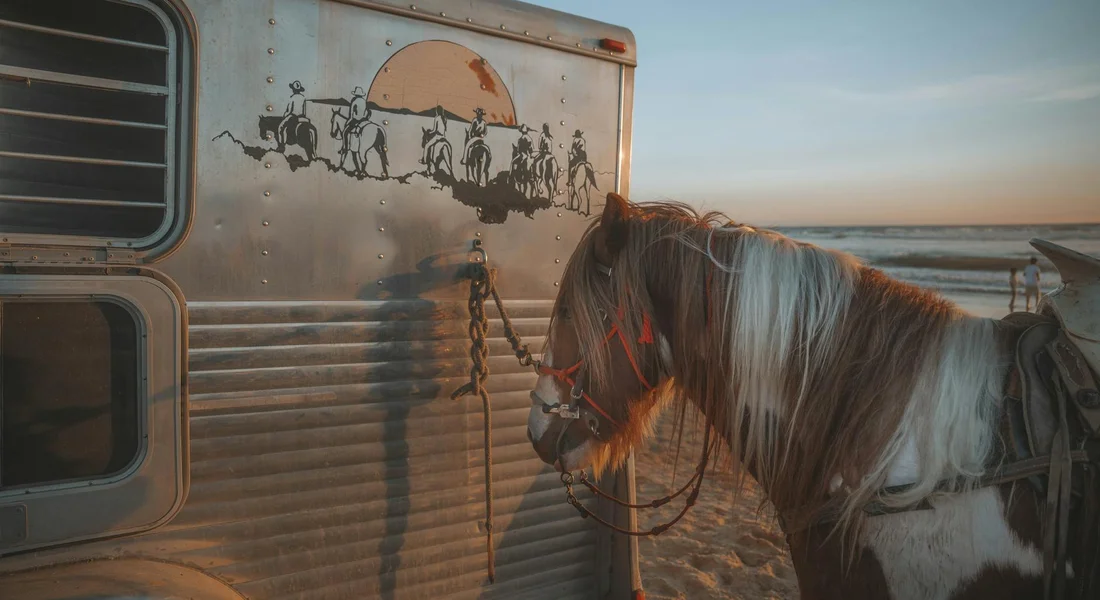
Your frustration is a language horses understand perfectly. I remember one sweaty afternoon with Luna, my tense Thoroughbred, where my hurried taps and raised voice only made her plant her feet harder at the trailer door. Loading is a conversation, and impatience shouts louder than any cue you give.
Consistency builds a predictable world for your horse. Think of your cues like a reliable old gate latch-it should work the same way every single time. A shifting routine teaches your horse to distrust the process and fear the unknown.
Build your loading ritual from these simple, repeatable blocks:
- Use one clear verbal signal, like a calm “walk” or a steady cluck.
- Stand in the same position near the shoulder, not weaving in front of them.
- Apply light lead rope pressure forward, releasing instantly for any step toward the trailer.
- Breathe deeply yourself; the sigh of your patience is the best calming signal.
With clever Pipin, I use a consistent hand signal pointing into the trailer, paired with a crinkle of the treat bag. Now he marches on, focused on the job. Advocating for equine welfare starts with the quiet time you give them to think and respond without pressure.
Loading is Only Half the Journey: Practicing Unloading
If loading is the deep breath, unloading is the steady exhale. A horse that scrambles backward in a panic has learned that the trailer is a place to escape from. Practicing a polite unload is just as critical for their mental comfort as a calm load.
I make it a habit to back Rusty out slowly after every practice load, even if we aren’t going anywhere. The creak of the trailer hinges and the solid thud of his hooves on the ramp should signal control, not chaos. This practice turns the trailer from a cage into a temporary stall they can enter and leave politely.
Follow this sequence for a safe, educational unload every time:
- Park on level ground and secure the trailer before you even touch the door latch.
- Open the door calmly and stand safely to the side of the opening.
- Ask for a single backward step with a gentle “back” and light rope pressure.
- Release all pressure and pause the moment that foot moves.
- Repeat for each step, ensuring the exit is slower than the entry.
Let them stand quietly for a moment after unloading, maybe with a scratch on the withers, before walking away. Gentle horsemanship means honoring the entire journey, ensuring the last memory of travel is as peaceful as the first.
Frequently Asked Questions About 9 Trailer Loading Mistakes That Teach Your Horse to Fear Travel
How does rushing the loading process create fear in horses?
Rushing communicates your stress and urgency to the horse, making the trailer feel like a high-pressure situation. This prevents the horse from calmly exploring and accepting the trailer at their own pace. Over time, it conditions them to associate loading with anxiety, leading to defensive refusals.
Why is using excessive force counterproductive when loading a horse?
Excessive force activates the horse’s primal fight-or-flight response, directly linking the trailer to fear and pain. It breaks down trust and teaches resistance rather than willing cooperation. This often escalates into dangerous conflicts and makes future loading attempts more traumatic. A calm, step-by-step approach to safely load and tie a horse to a trailer can prevent escalation. Gentle, consistent handling and proper tying techniques reduce stress and build trust for future loading.
What is the consequence of not making the trailer a positive space?
Without positive associations, the trailer remains a scary, confined environment rather than a neutral or safe space. This increases anxiety and reluctance, as the horse has no rewarding reason to enter. Ultimately, it hinders training progress and can lead to chronic loading issues.
From My Trailer to Yours
Break the cycle of fear by replacing rushing and force with patience and positive reinforcement, ensuring the trailer itself is a calm, safe space. Your number one job is to make the horse feel successful at every single step, even if that step is just looking at the ramp. This step-by-step guide will walk you through each stage of trailer loading, fostering that success.
True safety comes from a partnership built on trust, not coercion. Your horse’s confidence grows when you listen to what their pinned ears or hesitant feet are trying to tell you. That’s how you build a strong bond and trust your horse. Nurture that relationship, and safety follows in every moment.
Further Reading & Sources
- Troubleshooting Horse Trailer Loading: One Step at a Time – The Horse
- Loading Horses in the Trailer: A Step By Step Approach
- Expert Trailer-Loading Fix | Julie Goodnight Academy
- Mastering Horse Trailer Loading: Overcoming Common Challenges – YouTube
At Horse and Hay, we are passionate about providing expert guidance on all aspects of horse care, from nutrition to wellness. Our team of equine specialists and veterinarians offer trusted advice on the best foods, supplements, and practices to keep your horse healthy and thriving. Whether you're a seasoned rider or new to equine care, we provide valuable insights into feeding, grooming, and overall well-being to ensure your horse lives its happiest, healthiest life.
Behavior