
Horse Hocks Explained: Find Them, Understand Them, and Keep Them Healthy
Hello fellow equestrians! That slight hitch in your horse’s gait or their new resistance during a tight turn isn’t just a training quirk-it’s often a whisper from their hocks. Ignoring these signs can lead to serious lameness, sky-high vet bills, and a loss of trust under saddle.
In this guide, I’ll cut through the confusion so you can confidently care for this critical joint. We’ll cover:
- Pinpointing the exact location of the hock on your horse’s leg, using plain language you can apply in the aisle.
- Understanding how the hock functions like a complex hinge and why it’s a common trouble spot.
- Recognizing the subtle signs of hock pain before it escalates into a behavioral or soundness crisis.
- Practical, daily management strategies I use to support hock health through turnout and gentle horsemanship.
My years of barn management and training, from keeping old souls like Pipin sound to working with athletic types like Luna, have taught me how to listen to what a horse’s hocks are saying.
What and Where: Identifying the Hock on Your Horse
Run your hand down the back of your horse’s leg from the stifle. You’ll feel the solid cannon bone, then a prominent, angular joint. That’s the hock. It’s the major joint on the hind leg, sitting between the stifle and the hoof, and it’s built for power.
Think of it as the engine’s drive shaft. When you watch a horse move, you see the hock flex and extend with every stride, providing the thrust that pushes the whole body forward. It’s why a horse can launch into a gallop from a standstill or power up a steep hill. To find it, stand beside your horse and look at the hind leg. The hock is that complex, multi-angled joint about midway up. Proper identification is your first step in monitoring for swelling, heat, or changes in movement that could signal trouble.
I often use Luna, my sensitive Thoroughbred, as a teaching moment. After a lively training session, I make a point to feel her hocks. The skin is tight over the bones, and I’m checking for any unusual warmth compared to the other leg. It’s a simple, two-minute ritual that builds a map of her normal.
Inside the Powerhouse: Hock Joint Anatomy Simplified
This joint isn’t simple. It’s a sophisticated marvel of equine engineering, combining several bones and a network of soft tissues to create movement that is both powerful and shock-absorbing.
The Bones That Build It
Imagine stacking and fusing a few short bones together-that’s essentially the hock. It’s not one single hinge. Four key tarsal bones work together:
- Talus: This is the keystone. It sits at the top, connecting the hock to the tibia (the long leg bone above). It’s like a pulley that allows the up-and-down motion.
- Calcaneus: That pointy bone at the back? That’s the calcaneus, forming the point of the hock. It’s the attachment point for the Achilles tendon, the critical cord that allows the leg to extend.
- Central and Third Tarsals: These smaller, fused bones fill the space, creating a rigid yet shock-absorbing column that transmits force from the upper leg down to the cannon bone.
The unique, interlocking design of these bones provides immense stability for weight-bearing while still permitting necessary flexion. These bones are key parts of the horse’s skeletal muscular system. They enable coordinated movement and support. It’s why a horse can stand sleeping on three legs without its hocks collapsing.
Ligaments, Tendons, and Joint Fluid
The bones are nothing without the soft tissues that bind and move them. This is where most issues arise.
- Ligaments: These are strong, fibrous bands that connect bone to bone, holding the joint together. The hock has a complex web of them on all sides. A ligament strain means the joint has been stressed beyond its normal range.
- Tendons: These connect muscle to bone. The most famous is the superficial digital flexor tendon, which runs down the back of the leg over the point of the hock. You can see it tense when the leg is weighted. The deep digital flexor tendon and the Achilles (gastrocnemius) tendon complete the system, enabling flexion and powerful extension.
- Synovial Fluid & Capsule: The joint is encased in a capsule filled with synovial fluid. This thick, viscous liquid is the joint’s lubricant and nutrition source for the cartilage. Healthy joint fluid acts like high-quality oil in a truck’s engine-it reduces friction and prevents wear on the moving parts.
I think of Pipin, my clever Shetland, when I consider this system. His compact, powerful build puts tremendous force through small hocks. Keeping him at a healthy weight is non-negotiable; every extra pound is stress on those ligaments and joint surfaces. It’s a practical, daily form of care that matters more than any supplement.
How the Hock Works: The Engine of the Hind End

Think of the hock not as a simple hinge, but as a sophisticated, multi-gear transmission. Its complex arrangement of small bones and joints allows for that powerful thrust you feel when your horse leaps over a log or digs in for a tight turn. The primary movement is flexion and extension-the folding and snapping straight that drives the entire hind leg forward and back. You can see this engine at work watching a horse trot freely in the pasture; each hock smoothly cycles through its motion, providing both propulsion and shock absorption.
The uppermost joint, the tarsocrural, is responsible for most of that up-and-down movement, similar to your ankle. The lower joints, like the centroidal and tarsometatarsal, have much less range. Their job is more about transferring force and providing stability than wide swings. This intricate design is why a stiff hock doesn’t just affect the leg-it shortens the entire stride, tightening the back and robbing the horse of its natural impulsion. I’ve felt this firsthand on sensitive Luna; even a slight hesitation behind can make her feel uphill and tense through her topline.
All this power requires serious support. A network of ligaments binds the bones together, while tendons from muscles higher up the leg course over the back of the hock, acting like pulleys to flex it. This is a high-stress area. The constant concussion, the torque from twisting movements, and the sheer weight carried make the hock a prime candidate for wear and tear. Keeping this joint healthy is less about grand gestures and more about consistent, smart management: ample turnout to move freely, proper conditioning to build supporting muscle, and a keen eye for the first sign of a hitch in that rhythmic gait.
Common Hock Problems: From Arthritis to Spavin
The hock’s complicated job makes it vulnerable to specific issues. Catching them early is the absolute key to management. The problems generally fall into two categories: bony changes and soft-tissue inflammation. Learning to recognize the subtle signs-a warm spot, a slight filling, or a reluctance to engage that hind end-can save you and your horse from bigger troubles down the trail. Spotting early signs of illness or injury in your horse is essential. Regular checks help you act quickly and prevent bigger problems.
Arthritis and Bone Spavin
This is the big one for many older horses and performance animals. “Spavin” is just an old-fashioned term for arthritis in the hock, specifically the lower, less-mobile joints. It’s a degenerative process where cartilage wears down and the body responds by laying down new bone (bone spurs) to try to stabilize the area. That hard, bony swelling you might feel on the inside front of the hock is often this reactive bone growth, a telltale sign of bone spavin.
The symptoms start small. You might notice:
- A shortened stride behind, especially when first moving off.
- Stiffness that improves with warming up but returns after rest.
- Reluctance to push off for a canter lead or navigate uneven ground.
- A visible “hiking” of the hind leg, avoiding full flexion.
My old reliable Rusty started showing this. He’d be stiff coming out of his stall but would walk out of it after ten minutes on the trail. Management is the cornerstone: keeping the horse moving to promote joint fluid circulation is non-negotiable. Controlled exercise, anti-inflammatory supplements like glucosamine, and veterinary interventions like injections can keep a spaviny horse comfortable and serviceable for years. It’s about managing the condition, not curing it. Care for aging horses with chronic medical conditions is essential. A proactive, personalized plan helps ensure Rusty stays comfortable and active as he ages.
Bog Spavin and Soft-Tissue Issues
While bone spavin is a hard change, a “bog” is a soft, fluid-filled swelling. A bog spavin is a specific distention of the joint capsule of the main upper hock joint, often appearing as a smooth, soft bulge on the front. This is a sign of synovitis-inflammation of the joint lining-which can be caused by acute strain, conformational stress, or as a secondary effect of arthritis in the lower joints.
Bog spavin can come and go with exercise and rest. In a young horse like Luna, a sudden appearance might point to a tweak from a exuberant buck in turnout. In an older horse, it’s more often a chronic indicator of instability. Other soft-tissue woes include:
- Curb: A sprain of the plantar ligament, behind the hock, causing a thickened look.
- Thoroughpin: A swelling of the digital flexor tendon sheath, appearing as a squishy bulge on either side of the Achilles tendon.
- Strained tendons: The tendons running over the back of the hock are vulnerable to overstress.
The initial care for most soft-tissue inflammation is classic R&R: Rest, cold therapy, and controlled hand-walking. Veterinary diagnosis is critical here to distinguish a simple strain from something that needs more targeted support, like precise blistering or ligament injections. The goal is always to reduce inflammation, support the tissue, and patiently rebuild strength without re-injury. Watching clever Pipin, I know horses are masters at hiding discomfort; our job is to notice the small swellings and slight hesitations before they become big problems.
Reading the Signs: Is Your Horse’s Hock Sore?
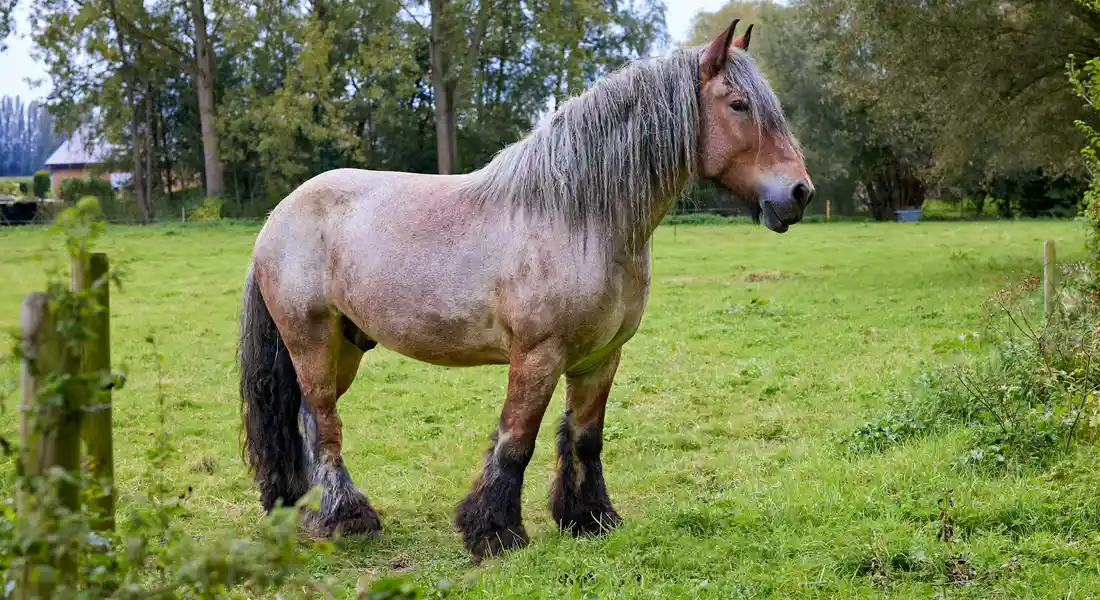
Hock pain rarely shows up as a dramatic, head-tossing lameness. It’s a master of disguise, often presenting as a general stiffness or a sour attitude. You have to become a detective, noticing the small changes in how your horse carries itself. Recognizing these subtle signs is crucial for early intervention.
Watch for a short, stilted stride behind, especially when moving off on a circle or going downhill. I once noticed Luna dragging the toe of her hind foot just a hair, which for her high-strung self was a blaring siren. A subtle change in gait is your horse’s first and clearest attempt to tell you something hurts.
What to Look and Feel For
Beyond movement, your hands and eyes are your best tools. During your daily grooming, run your hands down the back of the leg.
- Heat or noticeable swelling in any part of the joint.
- Visible puffiness, often appearing on the inside or outside of the hock.
- Pain reaction to firm pressure around the joint bones.
- Reluctance to lift the leg for hoof picking or farrier work.
- A general “guarding” of the area, pulling it away from your touch.
Behavioral Red Flags
Discomfort shifts personality. Your reliable guy might start pinning his ears when you cinch the girth, as the act of moving into the pressure hurts his back end. A horse that suddenly objects to familiar tasks, like standing square for mounting or picking up a specific lead, is often communicating pain, not stubbornness.
I’ve seen stoic old Rusty simply plant his feet and sigh when his hocks were bothering him, a world away from his usual treat-motivated cooperation. Watch for poor performance, like difficulty maintaining a canter or a reluctance to engage and push from behind.
Proactive Hock Health: Prevention and Daily Care
Think of hock care like dental hygiene: consistent, gentle upkeep prevents major, painful procedures later. Your daily management choices are the foundation.
The Foundation: Turnout and Footing
Continuous movement on a supportive surface is non-negotiable. A stiff horse in a stall is a horse priming for arthritis. Daily turnout, even in a small paddock, lets synovial fluid lubricate the joint cartilage naturally with every step.
Be critical of your footing. Deep, heavy sand in an arena creates excessive drag and strain. Hard, uneven ground delivers concussive shocks. Aim for a firm, well-drained, and level surface wherever your horse spends most of its time.
Conditioning, Not Just Riding
Build strength slowly and smartly. Just like you wouldn’t run a marathon without training, don’t ask for collected work or jumping from a horse with weak hindquarters. Focused, progressive conditioning helps build strong, healthy hindquarter muscles. This sets the stage for building and strengthening horse muscle effectively through proper training and technique.
- Start with long, low walking on gentle slopes to build tendon and ligament strength without stress.
- Incorporate careful trot poles to encourage joint flexion and coordination.
- Always follow harder work with a day of lighter, loosening exercise like trail walking.
- End every ride with a long, forward walk on a loose rein to let the joints cool down moving.
Conditioning is about consistent, incremental progress, not weekend warrior feats that leave everyone sore on Monday.
The Support Squad: Farrier and Bodywork
Your team matters. A balanced hoof is critical for proper limb alignment all the way up to the hock. A long toe or a medial-lateral imbalance forces the joint to twist and compensate with every step.
Regular bodywork from a knowledgeable practitioner can identify muscular tension in the glutes and hamstrings that often stems from, or contributes to, hock stiffness. A good farrier and a skilled masseuse are investments in joint longevity, not luxuries. They help keep everything moving smoothly so you can focus on the joy of the ride, not managing pain.
Responding to Trouble: Steps for a Suspected Hock Injury
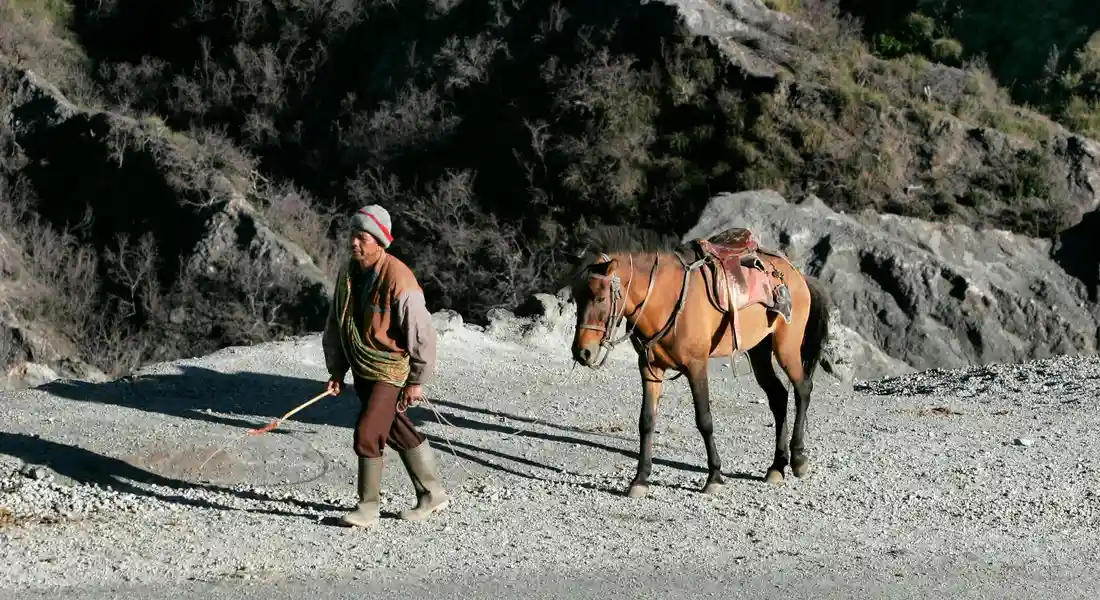
You see a slight hitch in your horse’s step coming out of a turn, or maybe there’s a new, subtle swelling just below that pointy joint. Your stomach drops. Hock trouble can feel daunting, but a calm, methodical approach is your best tool. I’ve walked this path with my sensitive Thoroughbred, Luna, more than once. Common horse health issues often trace back to anatomy—how joints, ligaments, and bones align. Knowing that link helps you spot subtle signs early.
Step 1: The Immediate Stable Response
Stop the current work immediately. Pushing through potential pain risks a minor issue becoming a major one. Lead your horse back to the barn on level, firm ground. Your first job is to prevent further strain, so skip the post-ride grazing if it involves uneven terrain or hills.
Apply cold therapy. A cold hock boot or even towels soaked in ice water can reduce initial inflammation. Twenty minutes on, twenty minutes off is a good rule. While you’re at it, pick up the hoof on the suspect leg and check for any heat or pulse in the foot-sometimes the problem originates lower down.
Step 2: Call the Pros and Gather Information
This is not a “wait and see” joint. Call your veterinarian. While you wait for their visit, become a detective. Make notes on these points:
- When did you first notice the change? Was it after a specific movement, slip, or workout?
- Is the lameness consistent? Does it worsen on hard ground, soft ground, or when circling?
- Run your hands over both hocks. Compare them. Note any heat, swelling, or sensitivity to pressure.
- Watch the horse stand. Is he “pointing” the toe of the affected leg to take weight off the hock?
This precise information saves your vet time and gets you closer to a diagnosis faster. I keep a small notebook in my tack trunk for exactly this purpose.
Step 3: Diagnostic Pathways and Treatment Realities
Your vet will likely perform a flexion test, holding the hock bent for a period, then trotting the horse out to see if lameness increases. They may recommend nerve blocks-injecting anesthetic around specific nerves to numb the hock and see if the lameness disappears. This pinpoints the pain source. Confirmation often comes from X-rays or ultrasound.
Treatments vary wildly based on the specific issue. A bone spavin requires a different plan than a bog spavin or a kick wound, so trust your vet’s specific diagnosis over general internet advice. Common paths include:
- Rest and Controlled Exercise: Many soft-tissue issues need structured rest followed by a slow, walking rehab program.
- Joint Injections: For arthritis, injections of anti-inflammatories or lubricants like hyaluronic acid can provide months of relief.
- Farrier Work: Corrective trimming or special shoeing (like wedged pads) can alter the angle of the pastern and foot, changing how force travels up to the hock.
- Surgery: In severe cases, like certain fractures or advanced bone spavin, arthroscopic surgery or even a joint fusion might be recommended.
Step 4: The Long Road of Rehabilitation
Healing is not linear. After my gelding Rusty had a hock strain, our rehab was a masterclass in patience. It starts with hand-walking, often on a level, forgiving surface. The goal is controlled movement to maintain circulation without loading the joint excessively. Deep, soft bedding in the stall is non-negotiable for comfortable resting.
As strength returns, you might incorporate hills, trot work, and eventually circles. Listen to your horse and follow your vet’s protocol to the day. Rushing this stage is how you end up back at square one.
Step 5: Management for the Long Haul
A horse with a hock history needs lifelong support. This is where management shines. Ensure daily turnout for natural movement, which is the best joint therapy there is. Consider a quality joint supplement with glucosamine, chondroitin, and MSM after discussing it with your vet. Keeping your horse at a healthy weight is one of the most impactful things you can do to reduce stress on all his joints, especially the hocks. Regular, proper hoof trimming maintains correct leg alignment. Mastering essential hoof care and proper trimming techniques is part of that ongoing commitment. With the right trimming approach, you protect the joints and support long-term soundness. It’s a holistic commitment, but one that pays off in years of sound, comfortable partnership.
FAQ: Locating and Identifying Horse Hocks
How can I confirm I’m looking at the hock and not another joint?
The hock is uniquely positioned as the major hinge joint between the stifle and the hoof on the hind leg. Its most distinctive feature is the pointed calcaneus bone at the back, which isn’t present on other joints. Symmetry between both hocks can serve as a reliable check during visual inspection.
Why is the hock’s specific location vital for equine movement?
Placed midway up the hind limb, the hock acts as a critical lever for generating thrust. This positioning allows it to efficiently transfer power from the large muscles of the hindquarters to the lower leg. Its central role in flexion and extension makes it essential for activities like jumping, turning, and acceleration.
What are the best reference points for finding the hock during a routine exam?
Use the stifle joint as your upper landmark and the cannon bone as your lower guide. When the horse is standing squarely, the hock is often horizontally aligned with the chestnut on the front leg. Feeling for the hard, angular bones rather than softer tissue areas ensures accurate identification. These landmarks illustrate core ideas in horse anatomy biology. They show how bone alignment supports movement.
Steady on the Hocks
Incorporate a visual and tactile check of the hocks into every grooming session, feeling for any unusual heat or puffiness. Consistent, gentle observation is your most powerful tool for catching strain or arthritis early, long before a slight stiffness becomes a serious limp.
Building soundness takes time, so pair your vigilance with plenty of relaxed turnout to let those joints move freely. Your horse’s comfort is the ultimate goal, and they’ll tell you everything you need to know if you watch and listen to their body language.
Further Reading & Sources
- What the Hock Is and What it Does – Horse and Rider
- Hock Lameness in Horses: Causes, Symptoms, and Treatment Options
- Understanding Your Horse’s Hock Health
- 6 Horses Hock Health Problems & Anomalies [Diagnosis & Prevention]
At Horse and Hay, we are passionate about providing expert guidance on all aspects of horse care, from nutrition to wellness. Our team of equine specialists and veterinarians offer trusted advice on the best foods, supplements, and practices to keep your horse healthy and thriving. Whether you're a seasoned rider or new to equine care, we provide valuable insights into feeding, grooming, and overall well-being to ensure your horse lives its happiest, healthiest life.
Health