
Do Horses Enjoy Racing? Interpreting Equine Signals for a Safer Sport
Hello fellow equestrians. That quiet worry in the back of your mind as you watch a race-wondering if the horse is a willing partner or just enduring the run-is a sign of your compassion. Concerns about hidden stress, catastrophic injuries, and the ethics of competition are real and weighty for any horse lover.
Let’s untangle this complex question together. I’ll share my barn-side perspective on how to distinguish between a focused athlete and a distressed animal using clear body language, why ample turnout and herd time are non-negotiable for any performance horse’s mind, and the training and care shifts that prioritize the horse’s voice over the clock.
My decades of managing barns and training everything from reliable trail mounts like Rusty to sensitive Thoroughbreds have shown me that true partnership never overrides their well-being.
The Equine Athlete: Natural Instincts and Racing
Horse Psychology: What Motivates a Horse to Run?
A horse doesn’t run to win a trophy. They run for older, simpler reasons. The urge to move fast is rooted in the flight response, play, and social dynamics. Watching a herd in a spring pasture shows you this pure version: a sudden, joyful burst of speed, kicking up heels, with no finish line in sight. In training, we channel that innate willingness to move, but we must be careful not to twist it into pressure and fear.
My old gelding, Rusty, would never sprint off on the trail without a reason. But on a crisp morning with his buddies, he’d give a little buck and trot off, ears forward. That’s play. The motivation in racing is a complex cocktail of that instinct, herd behavior (running with other horses), and learned response to the rider’s cues and the routine. They learn the job, but they don’t comprehend the gamble.
Physiology of Speed: How Horses Are Built for Bursts
The horse is a power athlete built for explosive flight, not marathon endurance. Their entire anatomy is a study in speed. A massive heart pumps vast amounts of blood, while a unique “stay apparatus” in their legs allows them to sleep standing and conserve energy for sudden movement. Their spooky nature? That’s a high-performance surveillance system hardwired to their engine.
The incredible stress on their frame during a race is the dark side of this specialization. At full gallop, a horse’s leg bones experience forces exceeding 2.5 times their body weight. Their respiratory system is a one-way street-they can only breathe in sync with their stride. This is why we see such specific injuries; the equipment is pushed to its absolute limit.
Breed-Specific Considerations in Racing
Not all speed is created equal. The breed dictates the fuel tank and the chassis.
- Thoroughbreds: Bred for high-strung, explosive speed over middle distances. They are fine-tuned athletes, often with a more reactive temperament like my Luna. Their care requires an understanding of this sensitivity-they feel everything more intensely.
- Quarter Horses: Built for raw power and acceleration over very short distances. They are muscular, stockier, and often have a calmer disposition about their work, reminiscent of Rusty’s steady mind.
- Standardbreds: The endurance specialists of the speed world, bred for a sustained trot or pace. Their physiology and mindset are geared for a different kind of stamina.
Forcing a breed to perform outside its innate blueprint is where welfare often falters. A draft horse will never be a sprinter, and asking a sprinter for endless endurance is a path to breakdown.
Reading the Horse: Signs of Stress and Enjoyment on the Track
Welfare Indicators: Body Language That Tells the Story
The truth is in the ears, the eyes, and the muzzle. You learn to read the subtle signs before the obvious ones scream at you. A happy, engaged horse is a relaxed athlete.
- The Good: Forward-pricked ears (interested), a soft eye with a relaxed eyelid, a lowered head carriage when not at full exertion, a swinging tail, and a willingness to approach the starting gate or track without resistance.
- The Bad: Pinned ears flat back (anger/fear), a wide eye with white showing (whale eye), a clamped tail, tight muscles across the topline, constant head tossing or rearing, and excessive sweating before the exertion even begins.
- The Ugly: Open-mouthed gaping with the tongue lolling out, repetitive weaving or stall-walking, a dull and depressed demeanor-this horse has checked out.
I look for the horse that is “on the job” but not in a panic; there’s a focused calm in the ones who understand their work and are physically comfortable. A calm, assertive leader for your anxious horse helps guide that calm in every moment, from groundwork to riding. This approach builds trust and steady progress.
Fatigue and Overexertion: Knowing When Enough is Enough
This is the barn manager’s most critical skill. Pushing past fatigue is where careers end and lives are risked. The signs are physical, and they are non-negotiable.
- Respiratory Distress: Flared nostrils with labored breathing that doesn’t recover quickly. A deep, hacking cough post-race can indicate lung strain or bleeding.
- Stride Degradation: The horse begins to shorten stride, stumble, or change gait. They are telling you their legs are done.
- Behavioral Shutdown: A sudden unwillingness to move forward, despite the rider’s urging. This isn’t stubbornness; it’s systemic failure.
- Physical Collapse: Excessive trembling, staggering, or an inability to stand. This is a dire medical emergency.
The thud of hooves should sound rhythmic and powerful, not faltering or scrambling. Our primary duty is to listen to what the horse’s body is shouting, even when the crowd is roaring. The best trainers I’ve known are the ones who scratch the horse from a race because of a “bad feeling,” not a visible limp. They’re reading the whole animal.
Training for the Track: Methods that Foster Willing Participation
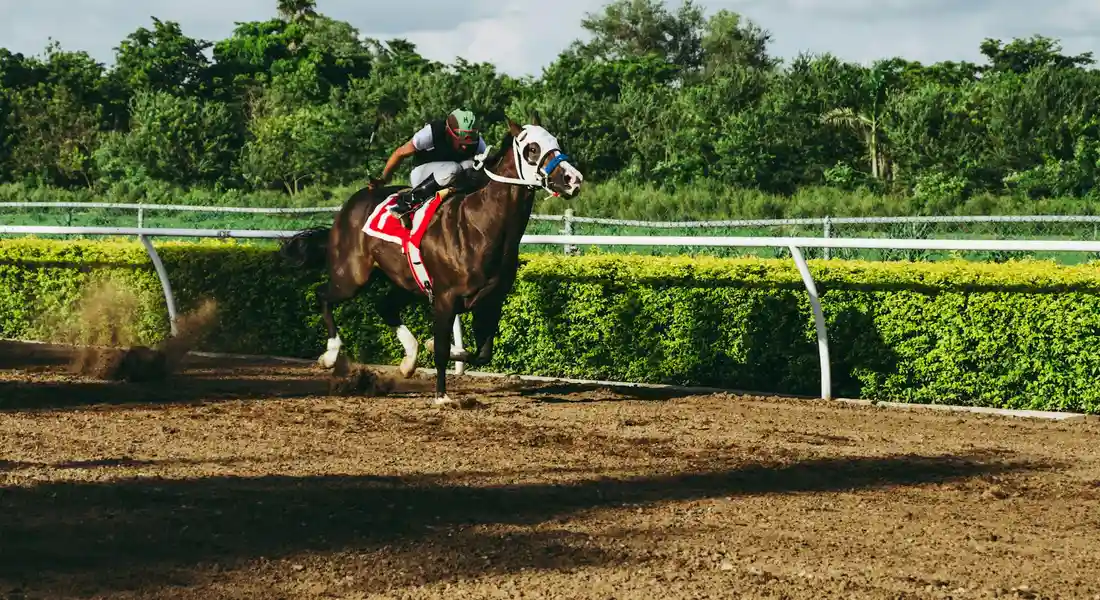
Training a racehorse isn’t about breaking a spirit; it’s about channeling an incredible natural athlete. From the barn, I’ve seen that the horses who thrive are the ones treated as students, not machines. Their daily attitude in the stall and on the walker tells you everything about their training experience. It also raises a question: do horses learn through conditioning and understanding in equine training? Exploring that can shape the next steps in their conditioning.
Building Trust: The Foundation of Any Equine Sport
Trust is earned in the quiet moments long before the starting gate. It starts with consistent, gentle handling at the stall. I spend time just being with a horse like Luna, reading her subtle signals-a soft eye, a relaxed lower lip. Forcing a spooky horse through a fear only teaches them that you are the source of pressure, not the solution.
Positive reinforcement is a powerful tool. A simple rub on the withers or a handful of plain oats for a correct response builds a willing partner. I’ve seen clever ponies like Pipin learn complex tasks for a carrot, proving motivation beats coercion every time. The goal is for the horse to associate the track with your presence and positive outcomes, not dread. It’s all part of positive reinforcement training.
- Begin with extensive ground work, teaching pressure-and-release for yielding hindquarters and shoulders.
- Introduce tack slowly, allowing the horse to sniff and explore the saddle and bridle in their stall.
- Vary the routine to prevent boredom; include trail walks or turnout in a sand ring alongside structured workouts.
- Watch for signs of shut-down-a dull eye, fixed ears, relentless tail swishing-these are cries for a different approach.
Rider Cues and Communication: Speaking the Horse’s Language
A jockey’s signals must be crystal clear. In training, this means refining aids to whispers, not shouts. A heavy, unbalanced seat or constant sawing on the mouth creates a confused and resistant horse. Good communication feels like a conversation, not a series of shouted commands, especially when working with horses.
It’s about translating human intent into equine understanding. Asking for more speed isn’t just kicking; it’s a squeeze with the calf, a shift of weight, and a release on the bit when they respond. I think of Rusty on the trails; a slight leg cue moves him around a puddle, a deep breath from me helps him relax. That same principle of nuanced dialogue is paramount on the track.
- Establish a clear ‘go’ cue from the ground first, pairing a voice command with a physical signal.
- Practice transitions within gaits-lengthening and collecting stride-to teach responsiveness.
- Reward the slightest try immediately; timing is everything in building the right association.
- Ensure all riders on a horse use identical cues to avoid muddying the message.
The Racing Environment: Impact on Horse Welfare
The atmosphere on race day is a sensory explosion for a horse: roaring crowds, flapping banners, tight enclosures. Our job is to prepare them for that world without overwhelming their sensitive nature. Welfare isn’t just about vet checks; it’s about crafting an environment where a horse can perform without panic.
Track Conditions and Safety: Setting the Stage for Success
A track’s surface is the single biggest physical variable. Too hard, and it’s punishing on legs. Too deep, and it risks tendon strain. Consistent, well-maintained footing is a non-negotiable safety requirement, not a luxury. I listen to the sound of hooves on different terrain; the dull thud on deep sand versus the crisp clip on a firm, watered track tells a story.
Beyond the surface, safety encompasses everything from secure starting gate design to clear visual barriers that prevent spooking. Horses are prey animals; sudden movements in their periphery can trigger a flight response. Thoughtful track design minimizes these mental hazards as diligently as it addresses physical ones.
- Advocate for regular watering and harrowing to maintain an even, cushioning surface.
- Support the use of modern, padded starting gates that reduce initial impact stress.
- Ensure paddock and walking rings have solid, non-reflective fencing to contain focus.
- Recognize that different horses prefer different footing; a one-size-fits-all approach risks injury.
The Jockey-Horse Bond: A Partnership or Pressure?
This relationship is the heart of the race. I’ve seen jockeys who are mere passengers, and others who are true partners. The difference is palpable in the horse’s demeanor. A true partner knows their mount’s breathing, their favorite lead, and the exact moment they need a calming word. They feel the flick of an ear or a slight hesitation through their hands and seat.
Pressure arises when the drive to win overrides the feel for the animal. Constant use of the whip, aggressive bit work, and ignoring signs of fatigue turn partnership into coercion. The best jockeys, like the best trainers, understand that a confident, cared-for horse will give more than one who is frightened and sore. It’s the difference between riding the horse you have under you, and fighting the horse you wish you had.
- A skilled jockey balances aggressive positioning with empathetic feel, reading the horse’s energy throughout the race.
- Post-race care is telling; does the jockey immediately dismount and check their horse, or hand them off without a glance?
- The bond is built in morning workouts, where trust is solidified without the pressure of competition.
- Ultimately, the horse’s long-term soundness and temperament are the real scorecard of this relationship.
Ethics and Consent: The Human Role in Horse Racing
Understanding Equine Consent in Sport
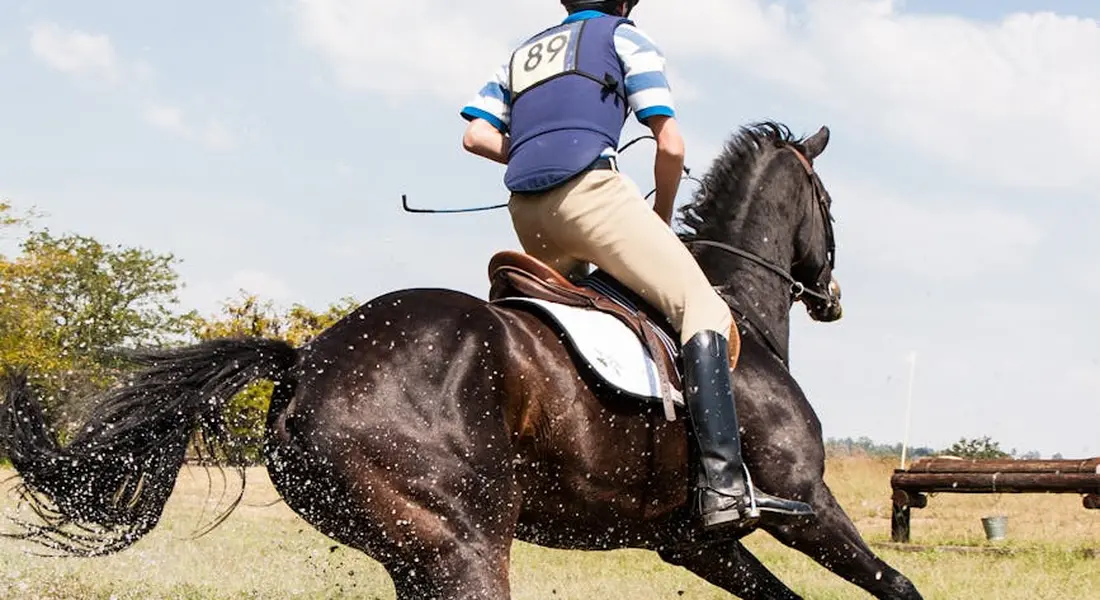
Consent in horses is read in the flick of an ear, the tension in a jaw, or the rhythm of their breathing. They don’t vote with a raised hand, but with their whole being. Your job is to become fluent in this silent language, interpreting the difference between eager partnership and resigned tolerance. I see it with Luna, my thoroughbred; her entire posture softens when she’s willing, but she becomes a statue of tension when unsure.
Look for the green lights: a head lowered on a loose rein, a soft snort, or eyes that seek you out. Red flags include pinned ears, tail swishing like a metronome, or a hollowed back. Ignoring these signs isn’t training-it’s coercion, and it chips away at the trust you’ve built. Remember the feel of a horse that moves freely under you versus one that just goes through the motions.
Pressure and release is the cornerstone, but the release must be immediate and meaningful. Ask, then listen. A horse that believes it can communicate discomfort is a horse that will try harder for you when it counts. I learned this with clever Pipin; if he feels forced, he becomes an escape artist, but with patience, he offers his full attention.
Promoting Humane Racing: What Responsible Ownership Looks Like
Humane racing starts long before the starting gate and continues long after the finish line. It’s a holistic commitment. Responsible ownership means your horse’s retirement plan is as detailed as his training schedule. This industry owes every athlete a safe, soft landing after the cheers fade.
Prioritize turnout like it’s medication. A horse’s mind and body heal in the pasture. Daily access to paddock time isn’t a luxury; it’s a physiological need for digestion, joint health, and mental peace. Even on busy days, Rusty gets his hours outside, and I watch his stress melt away as he rolls. Turnout in the right environment makes all the difference.
Advocate for your horse. This means saying no to rushed timelines, questionable medications, or excessive racing schedules. Build a team-trainer, vet, farrier-who prioritizes welfare over wins and communicates openly about any concern. Your horse’s soundness is the only trophy that matters in the long run.
Practical Care for the Racing Horse
Nutrition and Recovery: Fueling the Equine Athlete
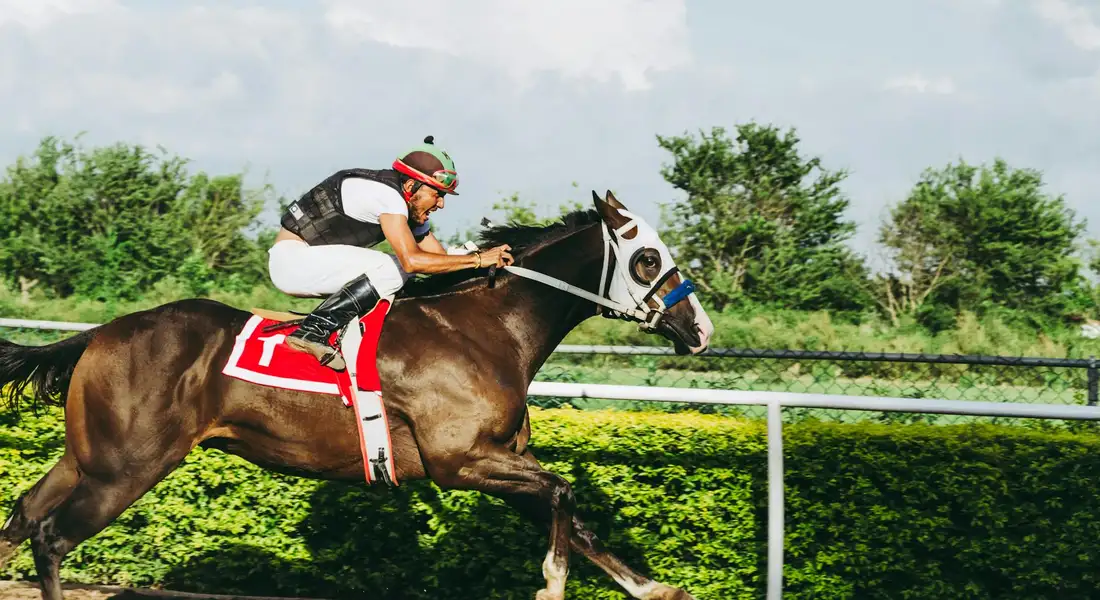
Think of nutrition as building a fire. Hay is the steady, slow-burning log. Concentrates are the kindling for intense bursts. Always build the forage base first; a gut full of good hay is the best defense against ulcers and colic. For the equine athlete, I add fats like rice bran for cool energy, not just sugary grains that spike and crash. Ultimately, do create a balanced diet for the performance horse by pairing ample forage with measured fats and appropriate concentrates. A balanced plan keeps energy steady and supports long-term soundness.
Recovery begins the moment exercise ends. That first hour sets the stage for tomorrow’s soundness. Never let a hot horse stand still; a slow, deliberate walk until his ribs stop heaving is non-negotiable. Listen to the rhythm of his breathing return to normal.
Here is my post-workout checklist:
- Offer sips of cool, not cold, water immediately.
- Prepare a warm, wet mash with electrolytes to replenish minerals lost in sweat.
- Feel for any unusual heat or filling in legs and joints during your cool-down walk.
- Provide a small, easily digestible meal once he is fully cool and alert.
The smell of a good mash and the sound of contented chewing are the best signs you’ve done it right. Hydration and gut fill are your primary metrics, not just how clean the feed tub is.
Hoof and Leg Care: Preventing Injury in High-Speed Sports
Legs and hooves bear the incredible forces of speed. Their care is daily, meticulous detective work. Run your hands down every leg, every day, feeling for the slightest bump, heat, or change in texture. Do horses feel pain in their hooves, and can they recognize it? Understanding hoof pain helps you notice when something is wrong. Learn the normal feel of your horse’s tendons-like firm rubber bands-so you notice when they tighten.
Partner with a farrier who understands dynamics. Racing plates are not just about traction; they’re about balance and support at velocity. A shoe that’s a few grams too heavy or a toe that’s a degree too long can change a gait and invite injury. The ring of the farrier’s hammer should be a sound of maintenance, not correction.
Incorporate these proactive steps:
- After fast work, stand legs in ice boots or run cool water over tendons for 15-20 minutes to reduce inflammation.
- Use supportive bandages or boots for training, but ensure they are applied evenly-wrinkles cause pressure points.
- Pick hooves twice daily, checking for rocks, thrush, or cracks that start as hairline fractures.
- Feel the digital pulse at the back of the fetlock; a pronounced throb is a red flag requiring immediate rest.
The thud of a healthy hoof on the ground should be even and solid. Prevention is found in the quiet routine of care, long before the vet truck needs to be called. I listen to that thud with Rusty on the trail, and it’s the same principle at the track-consistency is everything.
FAQ: Do Horses Enjoy Racing as a Sport? Understanding Their Response
Do horses naturally enjoy racing, or is it primarily a result of training?
Horses have innate instincts to run, often displayed during play or herd interactions. Their enjoyment in racing depends on training that channels this energy without inducing fear or stress. Positive reinforcement and respectful handling are essential to cultivate a willing and happy athlete.
What common concerns about horse enjoyment in racing are raised in online forums like Reddit?
Discussions often focus on ethical issues, such as identifying signs of stress versus genuine enthusiasm. Many emphasize the need for industry reforms that prioritize equine welfare over competition. Insights frequently highlight how proper care, including turnout and mental stimulation, directly impacts a horse’s attitude toward racing. These concerns tie back to the core ethical principles of horse welfare and ownership. They ask who bears responsibility for a horse’s well-being and how that duty is enacted in practice.
How can owners and trainers assess if a racehorse is truly enjoying the sport?
Observe consistent body language cues like relaxed ears and a calm demeanor during routines. Ensure training incorporates variety and breaks to prevent burnout and maintain interest. Regular health monitoring and a supportive environment help confirm that participation is based on trust, not coercion.
Reading the Horse, Not the Program
Focus on the individual in your care by providing ample turnout, a calm environment, and watching for clear behavioral cues like eagerness at the gate or post-race relaxation. The single most critical factor is structuring their entire life-not just their track time-around voluntary participation and physical comfort.
Safety and patience in your approach will always yield more honest results than pressure ever will. At the end of the day, your horse’s sustained well-being is the only trophy that matters.
Further Reading & Sources
- Enhancing Equine Performance and Safety with Advanced Wearable Technology | Keeneland
- Our Commitment to Safety
- StrideSAFE Shows Technology is Key for Equine Safety – BloodHorse
- Horseracing Integrity & Welfare Unit – HIWU
At Horse and Hay, we are passionate about providing expert guidance on all aspects of horse care, from nutrition to wellness. Our team of equine specialists and veterinarians offer trusted advice on the best foods, supplements, and practices to keep your horse healthy and thriving. Whether you're a seasoned rider or new to equine care, we provide valuable insights into feeding, grooming, and overall well-being to ensure your horse lives its happiest, healthiest life.
Behavior