
How Your Horse’s Breathing Fuels Every Stride: A Respiratory Health Guide
Hello fellow equestrians. That soft cough from the stall or the heavy breathing after a simple warm-up isn’t just background noise-it’s a direct signal about your horse’s health and performance ceiling. I’ve been there, anxiously listening to Luna’s breaths after a workout, knowing something was off and dreading the vet call.
Let’s clear the air. A well-functioning respiratory system is the unseen engine for everything your horse does. In this article, we’ll explore how this system works and how you can support it. You will learn the direct link between oxygen flow and your horse’s stamina, how common stable management choices can quietly sabotage lung health, and practical, daily steps to encourage clear airways and strong breathing.
My years in the barn managing everything from reliable Rusty to sensitive Luna have taught me that supporting the respiratory system is one of the most impactful things you can do for your horse’s career and comfort.
How Is a Horse’s Breathing Different from Ours?
Stand next to your horse after a good workout and listen. You’ll hear a steady, powerful rhythm, not the gulping pants we might make. Horses are obligate nasal breathers, meaning they cannot breathe through their mouths like we can. This is a fundamental design difference with huge performance implications. Their entire airway is a one-way, high-efficiency tunnel designed to move massive volumes of air while filtering out dust and debris.
Think about Luna, my sensitive Thoroughbred. When she’s anxious, her nostrils flare into wide, pink caverns, but her mouth stays shut. This nasal breathing forces air past intricate scroll-like bones called turbinates, which warm and humidify it. I’ve found that ensuring her stall is well-ventilated and low-dust makes a night-and-day difference in how freely she breathes during work.
Their breathing is also mechanically linked to movement. At a gallop, a horse takes one breath per stride. This coupling is so precise it’s like a piston engine. Here’s a quick list of key differences:
- Air Intake: Humans can mouth-breathe; horses are strictly nasal breathers, which protects their lungs.
- Capacity: A horse’s lungs can move over 1800 liters of air per minute at full gallop, dwarfing our capacity.
- Recovery: A fit horse’s respiratory rate drops rapidly after exercise, while ours may take longer to steady.
- Sound: Healthy horse breathing is often silent; loud noises or coughs can signal an issue needing attention.
I learned this watching old Rusty on the trails. Even climbing a steep hill, his breathing remained a deep, steady rush, not a ragged gasp. This efficiency is why maximizing turnout is non-negotiable for respiratory health-constant low-level movement keeps their airways clear and functioning.
The Engine Room: Lungs and Oxygen Delivery
If the respiratory system is the engine, the lungs are the superchargers. They aren’t just big bags; they’re dense, spongy organs packed with millions of tiny air sacs. A horse’s performance ceiling is directly tied to how well these lungs can grab oxygen and shove it into the bloodstream. You can have the strongest legs in the world, but without oxygen-fueled muscles, they’ll turn to jelly.
Gentle, consistent training builds lung capacity and resilience, much like it does for us. I always advocate for gradual conditioning over sudden, intense work. Pushing too hard, too fast, is like revving a cold engine-it causes damage. Remember, a horse living out 24/7 with room to roam is passively conditioning its respiratory system every single day.
From Air to Blood: The Gas Exchange Magic
Deep inside the lungs, the real magic happens in structures called alveoli. Picture these as billions of microscopic, moist balloons. Each one is wrapped in a net of even tinier blood vessels, capillaries. Oxygen and carbon dioxide perform a silent, rapid swap across these thin walls-this is the gas exchange that powers every cell.
The health of this system hinges on clean air. Dust from hay, mold from bedding, or ammonia from soiled stalls can inflame these delicate tissues. I’m militant about soaking Luna’s hay to settle dust and choosing low-dust shavings. For a horse, breathing bad air is like us trying to run while sucking air through a straw filled with sand.
Here’s what supports efficient gas exchange:
- Clean Environment: Well-ventilated barns, soaked hay, and dry footing reduce airborne irritants.
- Cardiovascular Fitness: Regular exercise increases capillary density around the alveoli, creating more “swap stations.”
- Hydration: Adequate water keeps the mucosal lining in the airways thin and effective for gas transfer.
Hemoglobin: The Oxygen Taxi
Once oxygen crosses into the blood, it doesn’t just float around. It hops into a specialized protein called hemoglobin inside your horse’s red blood cells. Think of hemoglobin as a fleet of dedicated taxis. Each hemoglobin ‘taxi’ can carry four oxygen molecules, racing from the lungs to deliver its payload to starving muscles, organs, and even the brain.
This is where nutrition plays a starring role. Hemoglobin needs iron to build itself. Good-quality forage, like the rich hay Rusty thrives on, typically provides enough. However, poor pasture or certain health issues can lead to anemia, where there aren’t enough taxis on the road. A dull coat and lagging energy can be telltale signs.
I check for healthy oxygen transport by monitoring gum color-a bright pink is ideal-and watching for sustained energy during work. Supporting this system is a long game of quality forage, regular turnout for natural exercise, and avoiding workouts that push them into unsustainable oxygen debt. Even Pipin, our cheeky pony, needs his oxygen taxis full to fuel his escape artistry and keep his mischievous brain sharp.
Built for Speed: Key Respiratory Adaptations

Watch a horse like my Thoroughbred, Luna, explode into a canter and you’ll hear it-a powerful, rhythmic whoosh of air. That sound is the hallmark of an engine built for endurance and power. A horse’s respiratory system is a masterpiece of evolutionary design, moving massive volumes of air with astonishing efficiency. It’s why they can sustain effort that would leave us gasping on the ground.
The Air Intake: Nasal Passages and Larynx
It all starts at the nose. Unlike us, horses are obligate nasal breathers; they can’t intentionally switch to mouth breathing. Those large, flaring nostrils you see during work aren’t just for show. The nasal passages are wide, flexible corridors designed to minimize airflow resistance and warm and humidify air before it hits the lungs. I often check for any nasal discharge after a ride, as even a minor blockage here can tank performance. It’s just one of those biological quirks that make horses unique.
Further back, the larynx acts like a sophisticated valve. Its unique structure allows for a huge airway opening when the horse is at rest or working hard. Any dysfunction here, like a whistle or roar, is a veterinary red flag because it literally steals oxygen from the engine. Listening to Rusty’s clear, quiet breath on the trail is one of my daily reassurances that his plumbing is in good order, unlike some of those weird noises horses make to communicate.
- Obligate nasal breathing ensures air is properly filtered and conditioned.
- Flexible nasal bones allow nostrils to flare wide, increasing intake volume by over 50% during exercise.
- A well-angled larynx creates a straighter, smoother path for air to travel to the trachea.
The Bellows: Diaphragm and Lung Expansion
Think of the diaphragm as the primary pump. This large, dome-shaped muscle sits beneath the lungs. When it contracts, it flattens, creating a vacuum that pulls the lungs downward to fill with air. The horse’s diaphragm is exceptionally powerful and accounts for most of the peaceful rise and fall you see in a resting horse’s flank.
But here’s the kicker: a horse’s lungs are stuck to the rib cage. They can’t inflate like free-floating balloons. Lung expansion is directly tied to rib cage movement, so every stride literally helps pump air in and out. This is why consistent, rhythmic work builds respiratory fitness. Watching Luna recover after a vigorous school, I see her ribs heave in a steady, expanding wave-a sign her bellows are working correctly.
- The diaphragm is the main driver of inhalation, much more so than in humans.
- Lungs are attached to the thoracic wall, meaning rib expansion is non-negotiable for deep breaths.
- A healthy, unrestricted back and rib cage are critical for maximum lung capacity.
From Walk to Gallop: How Breathing Changes with Exercise
Breathing isn’t a separate process; it’s locked in step with locomotion. At a walk, breaths are slow and deep. But ask for a trot, and everything syncs up. In most gaits, a horse takes one breath per stride, a phenomenon called locomotor-respiratory coupling. It’s an energy-saving mechanism that makes their movement incredibly efficient.
As pace increases, both the rate and depth of breathing change. A galloping horse might take over 120 breaths per minute. The real limiter at top speed isn’t the heart’s ability to pump blood, but the lungs’ ability to oxygenate it. This is why free turnout is so vital; it allows horses to set their own pace and practice these natural breathing patterns without the constraint of a rider. Understanding heart rate and respiration helps assess a horse’s fitness. Monitoring these signals reveals how conditioning is progressing.
I see this with all my charges. Steady Rusty maintains a metronomic breath on hills. Sensitive Luna needs a longer warm-up to find her breathing rhythm without anxiety. Always listen to your horse’s breath-it’s the most honest gauge of their effort and comfort level. A ragged, uneven pant during low-intensity work is a clear signal to stop and investigate.
- Walk: Breathing is voluntary and independent of stride.
- Trot/Canter: One breath per stride. Inhalation occurs as the front legs stretch forward.
- Gallop: Breathing becomes coupled with the biphasic stride; two breaths may occur per jump cycle.
- Recovery: Deep, rapid breaths initially, slowing as heart rate drops. Proper cool-down walks are essential for clearing metabolic waste.
Heart and Lungs: The Power Couple
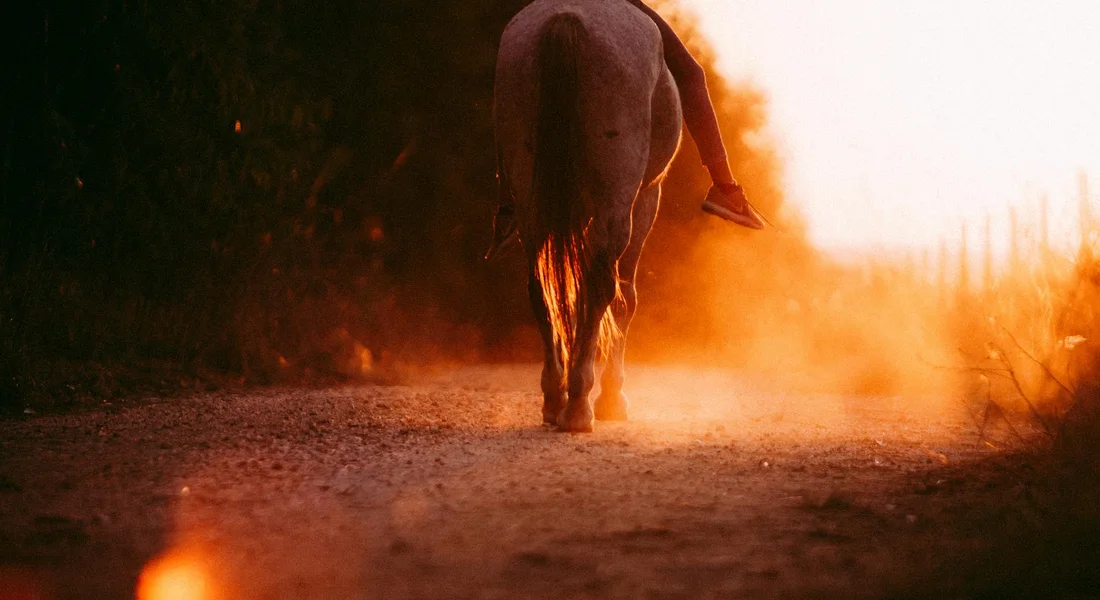
Imagine your horse’s cardiovascular and respiratory systems as a perfectly synchronized dance team. The heart pumps oxygen-rich blood from the lungs to muscles craving fuel, and the lungs refresh that blood with a new breath. This partnership defines stamina; a flaw in one partner instantly drags the other down. I’ve clocked countless hours conditioning horses like Rusty, and the difference in recovery time between a horse with healthy lungs and one with even a mild issue is stark – especially when you know how to identify and manage those respiratory issues.
Capillary Density and Pulmonary Adaptation
Deep inside the lungs, millions of microscopic capillaries hug the air sacs. This is where the magic exchange happens: oxygen in, carbon dioxide out. Training doesn’t just build muscle; it literally builds a more extensive highway system within the lung tissue itself. Consistent, gradual work increases capillary density, allowing for a far greater volume of life-giving oxygen to enter the bloodstream with every breath.
Think of it like upgrading a country road to a multi-lane freeway. This adaptation is why a fit horse like Luna, once she’s in work, can power up a hill without heaving, while an untrained horse might be gasping. The goal is always to build this capacity slowly and kindly, never forcing the engine to redline before it’s ready.
When the System Falters: Common Respiratory Issues
Even the strongest systems can be challenged. In the barn, we most often battle environmental irritants that evolve into chronic problems. The big three I’ve wrestled with are:
- Equine Asthma (Heaves): A allergic-like reaction to dust and mold, often from hay or bedding.
- Recurrent Airway Obstruction (RAO): Similar to heaves, it’s a long-term inflammatory condition.
- Infections: Like strangles or influenza, spread by viruses or bacteria.
Many of these issues are directly linked to management, which means we, as caregivers, have immense power to prevent them. A dusty stall isn’t just messy; it’s an assault on your horse’s delicate airways.
Spotting Trouble: Signs of Respiratory Distress
Horses are stoic, so we must be detectives. Listen more than you look, at first. Place your ear against their flank after mild exercise and hear the rhythm. Spotting early signs of illness or injury in your horse matters, because timely action can keep them safe. Trouble signs include:
- A persistent, dry cough, especially at the start of work or when fed hay.
- Thick white or yellow nasal discharge, not just clear moisture.
- Flared nostrils at rest or a visible “heave line” along the abdomen from labored breathing.
- Lethargy or a sudden drop in performance. Luna, for instance, will simply refuse to engage if she’s struggling for air.
Any of these signs warrant a vet call; early intervention prevents permanent lung damage. I learned this the hard way with a lesson horse years ago, dismissing a cough as “just dust.”
Barn Management for Healthy Lungs
This is where your daily habits create a sanctuary for breathing. Your first and best tool is not a supplement, but turnout. Constant access to fresh, moving air is the single most effective thing you can do for equine respiratory health. Beyond that, focus on the air they breathe inside. Equally important is how the stable is ventilated—good airflow reduces moisture, ammonia, and dust. Properly ventilating your horse stable is a key step toward optimal health.
My non-negotiable barn rules for clean air:
- Soak or steam hay to trap dust and mold spores. This one change helped Rusty more than any powder.
- Choose low-dust bedding like peat moss or shredded paper, and muck out when the horse is outside.
- Ensure powerful cross-ventilation. Open those doors and windows unless weather is extreme.
- Store hay and bedding far from the stall area. That nostalgic smell of hay in the aisle is a cloud of irritants.
- Keep vaccinations current to ward off infectious respiratory diseases.
Remember, a clean, airy barn isn’t just about tidiness; it’s a critical component of gentle, welfare-focused horsemanship. The sound of easy breathing is far more comforting than the thud of hooves on a stall door.
Training for Better Breath: Improving Respiratory Efficiency
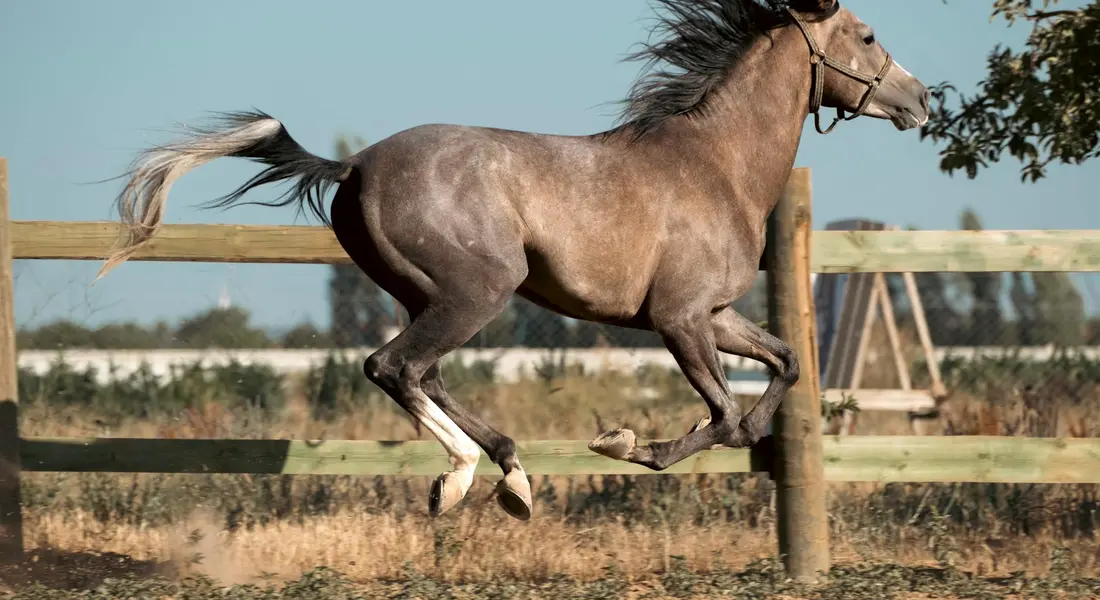
Think of your horse’s lungs as an engine. You can have a powerful V8 under the hood, but if the air intake is clogged or the fuel mixture is poor, you’ll never get the performance you paid for. Training isn’t just about building muscle; it’s about teaching that entire respiratory engine to work in smooth, powerful harmony with every stride.
The Foundation: Slow and Steady Wins the Race
You can’t sprint your way to better wind. I learned this the hard way with Luna, my sensitive Thoroughbred. Eager to build her stamina, I pushed too fast on our trot sets and heard her breath become ragged and tight. Respiratory conditioning starts at the walk and builds over weeks, not days, allowing the lungs, diaphragm, and intercostal muscles to adapt without strain. For most horses, begin with at least 20 minutes of steady, rhythmic walking under saddle or in hand. To make this sustainable, create a progressive conditioning plan for your horse that gradually increases work and rest. It helps prevent overload and supports long-term fitness.
- Focus on Rhythm: A consistent, marching walk encourages deep, regular breaths.
- Monitor Nostril Flare: Gentle flaring is good; pronounced, labored flaring means slow down.
- Listen: You should hear a soft, two-beat breath pattern-inhale-exhale, inhale-exhale-in time with the movement.
Incorporating Hills and Intervals
Once a solid base is established, add challenges. Rusty, my Quarter Horse, practically powers up hills on autopilot now, but we started with one gentle slope. Hill work is a superb, natural way to increase respiratory demand without the concussion of high-speed work. Walking or trotting uphill forces the diaphragm to work harder to expand the lungs against gravity.
Interval training is your next tool. This isn’t just for racehorses. After a good warm-up, try a pattern like this for a riding horse:
- Three minutes of working trot, focusing on steady, forward momentum.
- Five minutes of relaxed walk, allowing breathing to fully recover.
- Repeat 2-3 times, always finishing when the horse is still eager.
The recovery walk is where the real magic happens; it teaches the system to efficiently clear carbon dioxide and return to a resting rate.
Reading the Signs: Your Horse’s Feedback Loop
Your eyes and ears are the best diagnostics. After a workout, place your hand on your horse’s barrel. Feel the expansion and the rate. A quick recovery to a normal breathing rate within 10-15 minutes of moderate work is a key sign of improving fitness. Be a mucus detective. A small amount of clear mucus post-exercise is normal. Thick, white, or yellow mucus can signal irritation or the beginning of an issue. I always check Luna’s stall wall in the morning; a few clear splatters are fine, but a pattern of thicker discharge tells me to adjust her management or call the vet.
What to Avoid: Common Training Pitfalls
Good training builds the system; poor practice can damage it. Avoid these common mistakes:
- Head-tying high or tight: This restricts the full range of motion needed for the throat and larynx to function optimally during breathing.
- Overtightening the noseband: A cranked-up noseband can prevent the jaw from moving and the nostrils from fully dilating. You should always fit two fingers comfortably underneath.
- Working in poor air quality: Dusty arenas or polluted air is like asking your horse to run breathing through a filthy sock. Hose your arena, wait for windy days to pass, and prioritize turnout in clean air.
- Skipping the cool-down: Ending work abruptly doesn’t allow the respiratory system to gradually downshift. A proper 10-15 minute walk is non-negotiable.
Patience and consistency here pay off in a horse that breathes easy, recovers faster, and feels better in its work. It’s the quiet, daily dedication that builds the unshakable foundation for every breath they take. By tuning into their running behavior and natural instincts, we can spot health concerns early and tailor care accordingly. This mindful awareness keeps training aligned with their instinctive movement.
FAQ: How Does a Horse’s Respiratory System Support Its Performance?
How does the horse’s respiratory system support high-intensity exercise?
The system is supremely efficient at moving enormous volumes of air, with a galloping horse moving over 1800 liters per minute. It is mechanically coupled to the stride through locomotor-respiratory coupling, taking one breath per stride for energy-saving efficiency. This design ensures maximal oxygen intake is perfectly synchronized with the peak physical demands of high-speed movement.
How does the respiratory system work with the cardiovascular system to support a horse’s athletic abilities?
The respiratory and cardiovascular systems act as a perfectly synchronized team, with the lungs oxygenating blood that the heart rapidly delivers to working muscles. Training increases capillary density around the lung’s alveoli, creating more efficient stations for the vital gas exchange of oxygen and carbon dioxide. This partnership defines stamina, as any flaw in one system instantly limits the performance of the other.
How does training impact the efficiency of a horse’s respiratory system?
Consistent, gradual training physically adapts the respiratory system by increasing lung capacity and the capillary network for better gas exchange. It strengthens the diaphragm and intercostal muscles, improving the power and efficiency of each breath. Proper training also teaches the system to recover more quickly, clearing metabolic waste and returning to a resting rate efficiently after exercise.
Your Horse’s Breath Is His Engine
Keep a watchful eye daily for any cough or nasal discharge, and make consistent airway care-like soaking hay and managing dust-part of your routine. The single best thing you can do for his respiratory health is to maximize his turnout time in fresh, clean air.
Building fitness and maintaining clear airways is a marathon, not a sprint, and it’s the foundation of everything you ask your horse to do. The true partnership begins when you listen to the rhythm of his breath as closely as you listen to your own thoughts in the saddle.
Further Reading & Sources
- Introduction to Lung and Airway Disorders of Horses – Horse Owners – Merck Veterinary Manual
- Equine Respiratory Health
- Overview of Respiratory Diseases of Horses – Respiratory System – Merck Veterinary Manual
- Respiratory diseases – Fact Files – Information and Advice – RVC Equine – Royal Veterinary College, RVC
At Horse and Hay, we are passionate about providing expert guidance on all aspects of horse care, from nutrition to wellness. Our team of equine specialists and veterinarians offer trusted advice on the best foods, supplements, and practices to keep your horse healthy and thriving. Whether you're a seasoned rider or new to equine care, we provide valuable insights into feeding, grooming, and overall well-being to ensure your horse lives its happiest, healthiest life.
Health