
The Barn Emergency Preparedness Checklist: Are You Ready for Fire, Flood, or Storm?
Published on: May 19, 2026 | Last Updated: May 19, 2026
Written By: Henry Wellington
Hello fellow equestrians. That cold dread when storm clouds gather or you smell distant smoke? It’s the fear for your horses’ safety, and it’s a weight every responsible owner carries.
This article will help you replace that worry with a clear plan. I’ll share the practical steps I use at my barn, focusing on building a simple, actionable evacuation protocol, stocking a weatherproof emergency kit with horse-specific supplies, and fortifying your barn against common disaster scenarios.
My years of barn management through wildfires and sudden storms have taught me that readiness is the calmest form of care.
Why Barn Emergency Preparedness Isn’t Optional
I remember the acrid smell of smoke creeping into the tack room on a dead-still Tuesday evening. It wasn’t our barn, but a neighbor’s shed a field over. In the ten minutes it took for the fire trucks to arrive, my heart hammered against my ribs as I led a trembling Luna and a confused Rusty to the far paddock, my mind racing through a checklist I’d only vaguely considered. That smell was a cheap lesson: waiting for the siren is waiting too long.
The three main threats-fire, flood, and storm-don’t call ahead. A spark from faulty wiring can engulf a barn in minutes, with smoke inhalation being the silent, swift killer. Flash flooding can turn a familiar pasture into a treacherous current, sweeping away footing and frightening even steady horses. A sudden microburst can turn loose debris into projectiles and turn a safe stall into a dangerous trap. Your horse’s flight instinct, their greatest survival tool, becomes their biggest liability in a confined, chaotic space.
True gentle horsemanship extends beyond the saddle and the grooming stall; it’s about stewardship in every scenario. Preparation is the ultimate act of calm leadership. It prevents the blind panic that endangers both you and your animals, transforming a potential catastrophe into a managed procedure. You owe them that clarity. Adopt calm, assertive leadership with your anxious horse. This mindset translates preparation into confident, steady handling that keeps fear from spiraling.
Your Core Emergency Plan: More Than a Piece of Paper
This plan is your brain when yours has gone blank with adrenaline. It must be stupidly simple, visibly posted, and relentlessly practiced.
Step 1: Draft and Post Your Written Plan
This document needs to be a visual map, not an essay. Laminate it and use a bold marker. Post it at every human entrance to the barn: the main door, the tack room, the feed room. Every single person who steps foot on the property must be able to find and understand it in seconds.
Your written plan must include:
- Clearly Marked, Unobstructed Emergency Exits: For every stall and main alley. This means physically drawing them. Assign a person to double-check that these paths are never blocked by wheelbarrows, hay bales, or temporary storage.
- Designated Safe Turnout or Evacuation Sites: Identify at least two. The first might be a secure, inland paddock far from trees and buildings for a storm. The second should be a more distant location (a neighbor’s field) for full evacuation. Know how to get there without using main roads that may be blocked.
- Simple, Large-Print Instructions: Use commands. “FIRE: 1. Pull Alarm. 2. Call 911. 3. Halter & Lead Horses to North Paddock. DO NOT TURN LOOSE.”
A plan buried in a binder is a fantasy; a plan on the wall, smudged with dirt, is a tool.
Step 2: Build Your Emergency Contact Network
Your phone contacts aren’t enough. When the power is out and your cell phone is at 2%, you need a physical list. Keep this list posted right next to every barn phone and inside the plastic sleeve with your written emergency plan.
Your critical contacts are:
- Primary Veterinarian (office & mobile numbers)
- 2-3 Backup Veterinarians
- Primary Farrier
- Emergency Livestock Hauler (with truck/trailer type and capacity)
- Two trusted neighbors who can assist with horses
- Local animal control & county emergency management
- Your own emergency contact person (out of the immediate area)
Save this list digitally as a PDF in your phone’s “Favorites” and email it to every boarder and barn helper, so it lives in multiple pockets at once.
Step 3: Map Your Evacuation Routes and Practice Drills
Look at your property with new eyes. From each pasture, what is the fastest, safest path to your designated safe area? Which gate is widest and easiest to open under stress? From the stall aisle, can you lead two horses out side-by-side, or is it a single-file bottleneck? You must identify a primary and a secondary route for every horse’s location. Incorrect setups can lead to common mistakes that put stress on you and your horses.
Then, you must drill. Schedule it quarterly, like farrier visits. Make it a barn-wide event. Time how long it takes to halter and move every horse. You’ll quickly learn that Pipin the Shetland will duck under a rail the moment you’re distracted, while Luna might need a calm, blindfolded lead. Practice reveals the flaws in your perfect plan, and that is its entire purpose.
Fortifying Your Barn: From Fire Risks to Flood Waters
Fire Safety: Your First Line of Defense
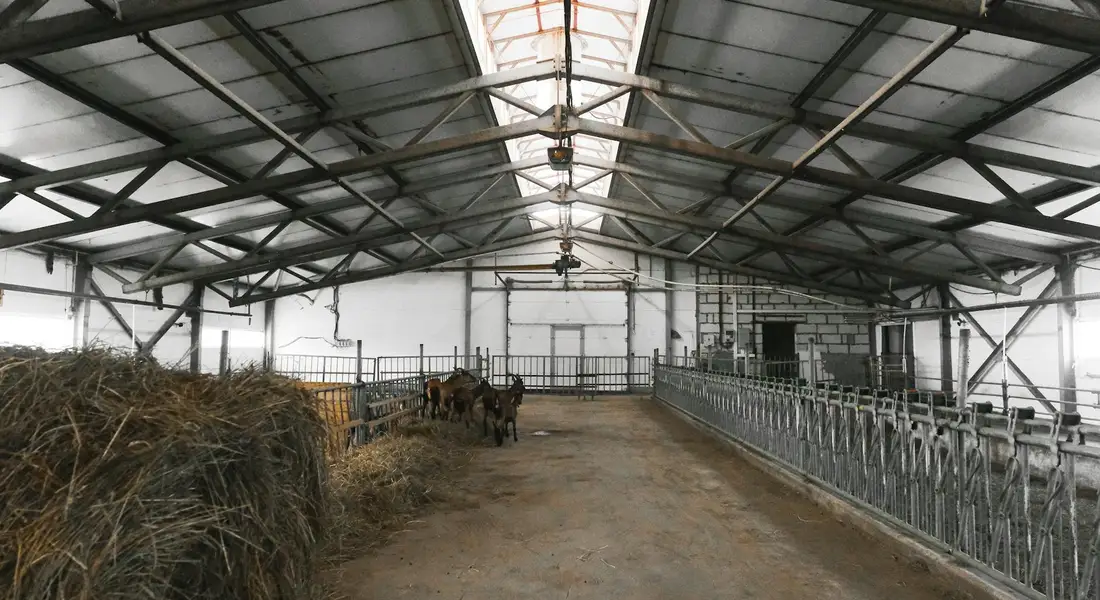
Barn fires move with terrifying speed. My vigilance starts with a simple monthly ritual: checking every red cylinder. Test each fire extinguisher’s gauge and ensure the pin is secure, because a charged extinguisher you can’t reach is useless in a panic. Store hay and bedding separately if possible; a loft full of dry timothy is a tinderbox waiting for a spark.
Flammable liquids like diesel or cleaner belong in sealed metal cabinets far from stalls. I once caught a whiff of something sweet and sharp near a feed room outlet-a motor was overheating. That distinct smell of burning insulation or hot electronics is a silent alarm you must never ignore; unplug the device immediately and investigate.
- Inspect all fire extinguishers monthly for pressure and accessibility.
- Store hay, shavings, and pellets in a detached, ventilated structure.
- Lock flammable liquids in approved safety containers away from heat sources.
- Examine electrical cords for fraying, rodent damage, or loose outlets.
- Keep aisles clear and post emergency numbers by every phone.
Water and Wind: Securing the Property
Water seeks the path of least resistance, and I learned this watching a torrent pour under our barn door after a clogged gutter gave way. Now, I walk the fence lines after every rain. Clear drainage ditches and gutter spouts each season to direct runoff away from foundations and doorways. It’s a muddy job, but it beats mopping out stalls.
High winds turn unsecured items into dangerous missiles. Double-check all gate latches and slide barn doors fully into their tracks. Trim dead or overhanging tree limbs well before storm season; a falling branch once spooked Luna so badly we spent hours calming her. In extreme weather, proactive care keeps your horse calm and safe. Plan for shelter, turnout, and routine checks to minimize stress during storms. Bring garbage cans, jumps, and lawn furniture inside. Your horse’s welfare depends on a secure environment, even if it means shortening turnout when warnings are issued.
- Maintain clear perimeter drainage to prevent standing water and flooding.
- Secure all exterior doors, stall guards, and paddock gates with robust latches.
- Anchor or store portable items like wheelbarrows, mounting blocks, and manure carts.
- Schedule annual tree maintenance to remove weak limbs near buildings and paddocks.
- Check roofing for loose panels or shingles that could lift in high wind.
The Evacuation Kit: What to Grab When Seconds Count
Essential Gear for Every Horse
In an emergency, your hands will shake. That’s why I have a dedicated tote for each horse. A strong halter and lead rope must hang on every stall door, not buried in a tack room; you need to halter your horse and go. Attach a waterproof ID tag to each halter with your phone number and any critical medication notes. It’s also important to know how to properly put a halter on your horse and tie a quick release knot for safety reasons.
Your equine first-aid kit should be basic but ready. Include sterile gauze, self-adhering vet wrap, antiseptic wipes, and blunt-tipped scissors. Always pack a hoof pick-a stone lodged during a frantic trailer load can cause immediate lameness. To ensure nothing is missed, consult the should horse first aid kit complete checklist. It helps confirm every essential item is included. I keep these bags in a marked bin by the barn exit. Pipin’s clever escapes have made me drill this routine until it’s muscle memory.
- Sturdy, well-fitting halter with a strong lead rope attached.
- Waterproof identification tag listing your contact and the horse’s name.
- Compact first-aid: vet wrap, gauze pads, antiseptic, scissors, and a thermometer.
- Hoof pick and a small, absorbent towel.
- A spare nylon webbing halter as a backup.
The Barn Manager’s Critical Supplies
You can’t help your horses if you’re unprepared. My human kit stays right next to the horse totes. A heavy-duty flashlight or headlamp with spare batteries is non-negotiable for navigating a dark, smoky, or storm-lashed barn. Pair it with a battery-powered weather radio to hear updates when the power fails.
Heavy leather gloves and bolt cutters can free a tangled animal or open a damaged gate. Keep physical copies of your horses’ Coggins, vaccination records, and photos in a waterproof sleeve; digital files are worthless if your phone dies. I learned this the hard way during a flood scare, and now Rusty’s paperwork travels with us.
- Reliable light source (flashlight/headlamp) with extra batteries.
- Battery-powered or hand-crank radio for emergency information.
- Leather work gloves and a multi-tool or wire cutters.
- Waterproof envelope containing horse paperwork and a list of emergency contacts.
- Personal items: pocket knife, charged power bank, and a pair of sturdy boots.
Horse Identification and Records: Your Lifeline After Disaster
Permanent and Temporary ID Options
Don’t Put All Your Eggs in One Basket
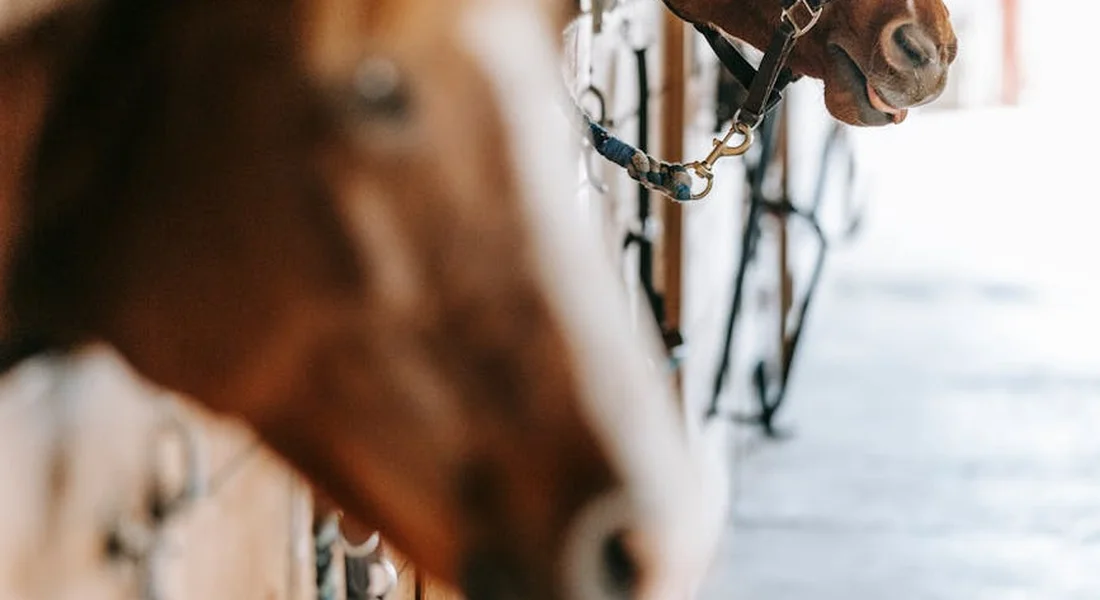
I once helped sort out six loose horses after a tornado. The one with a microchip was home by dinner. The others took days. A microchip is a permanent, unlosable ID, but it requires a scanner. For immediate visibility, I use a combination.
Compare your options like you’re building a safety net.
- Microchips: Implanted by your vet, these are the gold standard for permanent ID. They’re like a social security number in your horse’s neck.
- Mane Clip Tags: These are my go-to temporary tag. They’re durable, weather-resistant, and you can write your phone number in permanent marker. I keep a few pre-made in my emergency kit.
- Livestock Markers: A grease pencil or non-toxic paint stick can write your number directly on your horse’s coat or hoof. It washes out, but it buys you crucial time in the initial chaos.
- Braided-In Info: Plait a luggage tag with your contact details into your horse’s mane or tail. It’s low-tech, cheap, and effective for short-term events like an evacuation.
Relying on just one method is a gamble; layering permanent and temporary ID creates a redundancy that speaks for your horse when you can’t.
For my crew, Rusty has a chip and a bright orange tag on his halter. Luna, being more sensitive, has a chip and I’ll braid in a tag if a storm is coming. Pipin? He gets a marker on his flank because he’ll rub off anything else.
Paperwork That Needs a Safe Home
What to Save and How to Save It
Paper burns. Computers crash. Your horse’s proof of ownership and health history must survive both. I use a fireproof lockbox for physical copies and a digital backup for everything else.
Here is the non-negotiable list of documents to secure:
- Registration Papers and Proof of Ownership
- Insurance Policies and Agent Contact Info
- Current Coggins Test and Health Certificate
- Vaccination and Deworming Records
- Recent Photographs of each horse from all sides, showing any unique markings.
- Your Veterinarian’s and Farrier’s Emergency Numbers
Take clear, well-lit photos of each horse every season; a muddy winter coat can hide a distinctive scar or unique coat pattern that a summer photo shows plainly.
My system is simple: the originals live in the lockbox. I use my phone to scan everything into a dedicated cloud folder. Once, a pipe burst and soaked my filing cabinet. Those digital scans saved me hours of frantic calls to the vet clinic.
Power Outages and Sustenance: Keeping the Lights On and Bellies Full
Feed and Water Reserves
Calculate for Three Days Minimum
Your hay shed isn’t just storage; it’s your first line of defense. A horse needs to eat 1.5-2% of its body weight in forage daily. For a 1,000-pound horse, that’s 15-20 pounds of hay. Do the math for your herd and stock a 72-hour supply, minimum. Proper feeding is crucial for their health and well-being.
I keep a dedicated pallet of hay, clearly marked, that we don’t touch unless the trucks stop running. Grain should be in sealed, rodent-proof containers. Rotate these reserves into your regular feeding schedule every few months to keep everything fresh and usable.
Water is the real crisis. Electric pumps fail. Have a manual backup plan.
- Keep all troughs and barrels full when severe weather is forecast.
- Store a few 50-gallon drums of water specifically for the horses.
- Have a plan to access a pond, stream, or neighbor’s well. This means owning a generator-powered pump or a lot of buckets and strong backs.
The thud of a hollow bucket on an empty trough is a sickening sound. After a three-day blackout, we filled troughs from a creek with buckets. It was hard work, but it kept Luna and the others hydrated.
When the Lights Go Out
Light, Power, and Getting the Job Done
The sudden silence of a barn without power is unsettling. Your horses will feel it too. The goal is to maintain normalcy and safety without electricity.
A generator can run essential equipment like a well pump or a fridge for medications. Always operate generators outside, far from barn windows and doors, to prevent deadly carbon monoxide from drifting into stalls. I learned this after smelling fumes near a poorly placed unit; now ours sits a good 50 feet downwind.
For everyday chores, go battery-powered and manual.
- Invest in several LED lanterns. I hang them on hooks at every stall and cross-tie area.
- Keep a headlamp in your pocket for hands-free grain measuring or hoof picking.
- Have manual tools ready: a hand-crank drill for repairs, a battery-free radio for weather updates, and good old-fashioned pitchforks and muck buckets.
The gentle glow of lantern light can actually be calming. I’ve spent many quiet evenings in the barn during outages, listening to the sound of contented chewing, reassured that with prepared hands, the work always gets done.
Practice Makes Prepared: Drills and Mental Rehearsals
A plan in a binder is just paper. Your real readiness is measured in the calm, quick actions you and your barn community can perform under pressure. I’ve spent countless hours in the saddle and even more in the aisles, and I can tell you that practiced muscle memory beats frantic thinking every time.
Conducting a Smooth Evacuation Drill
An evacuation drill isn’t a disruption to your barn day; it’s the most important training you’ll do. Treat it like a rehearsed dance where every person knows their steps and every horse learns the rhythm. Follow these steps to make it effective, not chaotic.
- Schedule with all barn users. Choose a predictable, slower day and communicate clearly. Include boarders, staff, farriers, and even the casual weekend rider. Missing someone creates confusion. I once failed to notify a new leaser, and her panic during a simulated smoke scenario was a sobering lesson for us all.
- Simulate a specific scenario. Vague alarms cause hesitation. Announce a concrete problem: “Fire in the hay loft” or “Flash flood warning for the lower pasture.” This dictates specific actions. In our last drill, we used a radio for storm noises; sensitive Luna spooked at the static but settled when handled with soft, deliberate commands.
- Time the response and note bottlenecks. Click a stopwatch the moment the alarm sounds. How long to halter the last horse? Does a corner become a traffic jam? Pay close attention to physical barriers and individual horse reactions-these are your plan’s weak points. My reliable Rusty will follow anyone with a lead rope, but cheeky Pipin once ducked under a fence during a drill, reminding us to secure the pony paddock first.
- Debrief and update the plan immediately. Huddle together while the experience is fresh. Was a gate hard to open? Did someone forget the location of the fire extinguishers? Write down every hiccup and revise your official checklist. This conversation turns a simple exercise into lasting safety.
Learning From Every Season
Your barn’s risks shift with the weather, and your preparedness must adapt too. A yearly review is not enough; you need a living plan that breathes with the seasons. I block time on my calendar every quarter for this exact task.
Winter audits focus on heating sources, ensuring space heaters are away from bedding and checking that water tank heaters are on dedicated circuits. Summer reviews mean preparing for severe storms: securing garbage bins, checking drainage ditches, and storing lightweight tack. Proactive seasonal checks prevent predictable disasters from catching you off guard.
The value of this habit hit home during a fall hurricane drill. We were moving horses to our highest ground, a well-practiced route. Every animal, from the thoroughbred to the ponies, was loading smoothly until the final gate-its latch was rusted shut from autumn dampness. We lost four minutes wrestling with it, time we wouldn’t have in a real surge. That gate wasn’t on a list, but now it gets oiled with every seasonal tack cleaning. Drills reveal the truths your paperwork hides.
FAQ: The Barn Emergency Preparedness Checklist
Are all electrical wiring, heat lamps, and fans kept in safe condition and clear of flammable materials?
Absolutely. Faulty wiring and heating elements are leading causes of barn fires. You should schedule monthly inspections for frayed cords, overloaded circuits, and ensure all appliances are kept well away from bedding, hay, and draping blankets. This proactive check is a simple ritual that drastically reduces the risk of a catastrophic spark.
Are all flammable liquids stored safely in approved containers away from the main barn?
Yes, this is a non-negotiable step for fire prevention. Fuels, solvents, and paints must be kept in tightly sealed, approved safety containers. These containers must be stored in a dedicated, locked shed or cabinet that is completely separate from where animals, feed, or bedding are housed to prevent vapors from igniting.
Is the property’s drainage adequate and are gutters clear to prevent flooding?
Proper water management is essential to protect your barn’s foundation and prevent hazardous standing water. You must ensure gutters and downspouts are cleared of debris seasonally to handle heavy rain. Furthermore, walk your property regularly to confirm drainage ditches and slopes actively direct water away from all structures and high-traffic animal areas.
Your Peace of Mind Plan
Pack a clear, accessible kit with veterinary documents, halters, and a week’s feed, and practice loading every horse into a trailer with your planned routes mapped. True preparedness isn’t a single task you check off, but a routine you build into your barn life, updating contacts and checking flashlights with every season change, and ensuring your horse is comfortable loading into a trailer.
Your calm, practiced response is what your horse will cling to when the wind howls or the smoke rolls in. Trust that time spent planning today means you can both focus on safety when it matters most. Understanding common horse fears and skittish behavior helps you anticipate triggers. It also supports better anxiety management for both of you.
Further Reading & Sources
- Emergency Preparedness for Horse Owners – [Disaster Planning] | Mad Barn
- Disaster Preparedness | ASPCA
- Build A Kit | Ready.gov
- Emergency Preparedness Checklist
At Horse and Hay, we are passionate about providing expert guidance on all aspects of horse care, from nutrition to wellness. Our team of equine specialists and veterinarians offer trusted advice on the best foods, supplements, and practices to keep your horse healthy and thriving. Whether you're a seasoned rider or new to equine care, we provide valuable insights into feeding, grooming, and overall well-being to ensure your horse lives its happiest, healthiest life.
Stable Management