
The Weaning Process: A Week-by-Week Guide for a Stress-Free Transition
Hello fellow equestrians. That first big separation between mare and foal is a nerve-wracking milestone. You’re right to be concerned about frantic behavior, lost weight, or those heart-wrenching calls that echo across the barnyard.
In this guide, I’ll walk you through a step-by-step plan that puts equine mental health first. We’ll focus on:
- Pre-weaning setups that use turnout and buddy systems to build confidence
- A practical week-by-week timeline that avoids cold-turkey separation
- Clear signs of healthy adjustment versus red flags needing a vet
I’ve guided countless mares and foals through this transition from my years as a barn manager, always with an eye on gentle horsemanship and ample pasture time.
Understanding the Weaning Timeline: Why “When” Matters More Than “If”
What is Weaning, Really?
Weaning is the biological and social shift where a foal transitions from relying on its dam’s milk to sustaining itself entirely on solid food and water. In nature, this is a gradual drift, often prompted by the mare’s declining milk supply or her own irritation as the foal grows. In our managed herds, we guide this process to protect the mare’s body condition and ensure the foal’s nutritional needs are met on a precise schedule. Our job isn’t to force a sudden break, but to thoughtfully manage a natural progression that has already begun—especially since equine lactation production decreases over time.
The typical window falls between four and seven months of age. I’ve found aiming for five to six months strikes a good balance for most breeds. This timing considers several factors beyond a birthday. A mare who is thin, bred back, or simply worn out from mothering may need an earlier wean date. A late-born or slower-developing foal might benefit from those extra weeks of milk. The calendar gives you a frame, but the individual animals write the story. You must read their condition, not just cross off days.
Signs Your Foal is Ready for This Transition
Watch for cues that the foal is already moving on, behaviorally and physically. Is he spending more time nibbling hay or grazing than nursing? Can you hear the loud, rhythmic crunch of him eating grain from a pan? These are your green lights. From the mare’s side, look for pinned ears, a lifted hind leg, or walking away when the foal tries to nurse. She’s teaching boundaries, and we should listen.
Physical readiness is just as crucial. The foal should be thriving, with a shiny coat and good weight. His baby teeth should be erupted, allowing him to chew effectively. Most importantly, he must already know how to drink water independently and be accustomed to eating a quality foal feed. Weaning day is a social and emotional change; it should never be the day a foal learns what grain is. His digestive system must be prepared.
Finally, assess his social world. A foal weaned alone is a recipe for anxiety and injury. He needs a companion-another gentle, weaned foal, a calm pony like my Pipin, or a steady “nanny” mare or gelding. This companion provides security and models “how to be a horse” without mom. A trusted buddy is not a luxury in weaning; it’s a core piece of safety equipment.
Preparation is Everything: Your Pre-Weaning Checklist
Essential Equipment and Setup for a Smooth Start
Your physical setup can make or break the first week. You’ll need two secure, adjoining spaces. I use a sturdy, no-climb paddock for the foal and buddy, sharing a fence line with the mare’s separate paddock. Walk that fence line yourself. Check for loose boards, protruding nails, or gaps a frantic foal could squeeze through. The thud of a body hitting a fence is a sound you don’t want to hear.
- Strong, Visible Fencing: Solid wood or tightly woven mesh is best. Avoid barbed wire entirely.
- Adjoining Pens: Allows mare and foal to see and smell each other without physical contact. This visual connection drastically reduces stress.
- Shelter & Water: Separate, accessible shelter and automatic waterers or large, heavy buckets in both pens.
- The “Nanny”: Arrange for that calm companion horse to be moved in a week before weaning, so bonds form early.
Prepare a small, quiet stall or a corner of the barn as a safe holding area. Sometimes, a few hours of quiet with a buddy and some hay is all a frazzled foal needs to reset. Having a peaceful retreat planned is a sign of foresight, not coddling.
Nutritional Foundation: Introducing Solids Before The Big Day
This is the non-negotiable step. Start your foal on a high-quality, palatable creep feed at least one month before your target wean date. A creep feeder allows the foal to eat without the mare stealing it, teaching him that this tasty stuff is *his*. The goal isn’t to fatten him, but to develop the gut enzymes needed to digest concentrates.
By weaning day, he should be consuming about one pound of feed per month of age daily (e.g., a five-month-old eats roughly five pounds per day, split into multiple meals). He must also be an expert at drinking water from a bucket or automatic fountain. I spend weeks teaching this, making a game of it, splashing my fingers in the water to spark curiosity.
Look for a feed specifically formulated for growing foals. Key nutrients to check for include:
- Protein (14-16%): The building blocks for muscle and tissue. Quality sources like soybean meal are ideal.
- Balanced Minerals: Calcium and phosphorus in the correct ratio (about 1.5:1 to 2:1) for proper bone development.
- Trace Minerals like Copper & Zinc: Critical for joint and ligament strength, helping prevent developmental orthopedic disease.
Free-choice, high-quality grass or legume mix hay should already be a staple in his diet. When you close the gate on weaning day, you are closing it on a nutritionally confident foal, not a hungry one. His belly will be full, giving his mind one less thing to panic about. That’s the cornerstone of a calm transition.
The Gentle Weaning Blueprint: A Week-by-Week Process
Week 1: The Slow Separation (Side-by-Side Living)
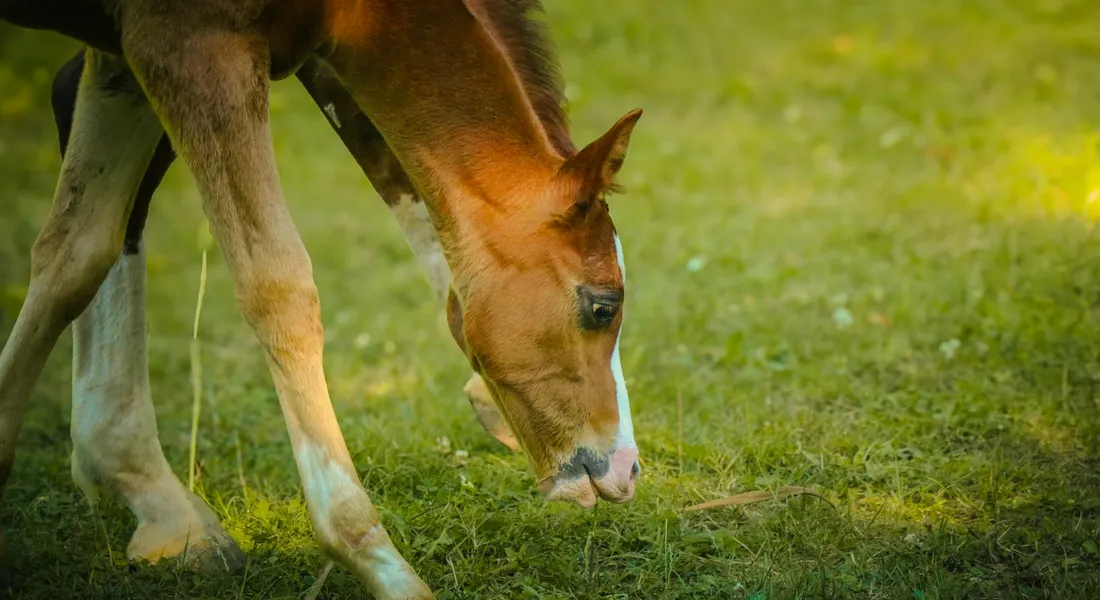
This week is all about introducing the concept of separation without the shock. I set up a safe, strong fence line-like a good woven wire or board fence-where the mare and foal can still see, touch, and smell each other. That physical connection acts as a security blanket, letting the foal know mom is still right there while they start to explore independence.
Monitor both horses like a hawk. You’ll listen for the mare’s anxious calls and watch the foal’s body language. Begin with very brief separations, just 15 to 30 minutes at a time. The goal is to increase the time apart gradually, always pulling back if you see signs of extreme distress like frantic pacing or refusing to eat. Recognizing and managing separation anxiety is crucial during this process. I keep a notebook in my pocket to jot down their reactions; it helps me stay patient and not rush.
Your primary focus is the foal’s transition to solid food. Ensure they have access to high-quality creep feed or a foal-specific grain and plenty of tender grass hay. A foal that is willingly eating from a bucket and drinking water on its own is building the crucial habits for a healthy post-weaning life. I remember a stubborn weanling who only took to his grain after I dampened it with a little apple juice-sometimes creativity wins the day.
Week 2: Increasing Independence (Out of Sight, Not Out of Mind)
Now we move to the next level: breaking the visual bond. Start by placing the mare and foal in separate but adjoining stalls, or in paddocks where a solid wall blocks their view. The first time you walk away and hear only the quiet munching of hay, you’ll know they’re starting to adjust.
Lengthen these out-of-sight periods slowly over several days. From 30 minutes, move to an hour, then to a full morning session. Consistency in your timing is more important than speed; a predictable routine tells both horses that this new normal is safe. I use feeding times as a natural divider, as a busy mouth often means a quieter mind.
Keep both horses occupied. Provide ample hay and consider introducing a steady, older companion for the foal. The calm presence of another horse, like a reliable soul such as Rusty, can teach a weanling how to be a horse and provide immense emotional comfort. I’ve seen skittish foals settle down almost instantly when turned out with a gentle babysitter. This method is especially effective when socializing young or rescue horses with others.
Week 3 & 4: Establishing the New Normal
The goal for these final weeks is simple: mare and foal living fully separate, content lives. They might greet each other over the fence, but the constant, anxious calling should have faded. Success looks like two relaxed animals engaged in their own daily rhythms, not two heartsick ones.
Establish a rock-solid daily routine for your weanling. This predictability is a cornerstone of their security. A sample day might include:
- Morning turnout with compatible peers for socialization and movement.
- Two to three measured grain feedings at the same times each day.
- Gentle handling sessions for grooming, leading, and hoof care.
This structured schedule does more than organize your day-it gives the young horse a sense of control and safety in their new world. I always use the same lead rope and the same quiet voice to build that association.
Do not neglect the mare. Check her udder daily for signs of heat, hardness, or pain. Gentle hand-milking to relieve mild engorgement can prevent painful mastitis and help her dry up comfortably. I keep a warm compress and some soothing udder cream in my tack room for this exact purpose.
Post-Weaning Foal Care: Nutrition, Growth, and Handling
Crafting the Perfect Weanling Diet
Post-weaning nutrition is where you set the stage for sound growth. The foundation is always top-quality grass hay-it should smell like a sunny meadow and be free of mold. This roughage is non-negotiable, as it keeps their digestive system moving and mimics natural foraging behavior.
Complement the hay with a balanced grain ration formulated for growing horses. For guidance on how much hay a horse should eat daily, consult our complete feeding guide. A typical feeding plan might look like this for a 400-pound weanling:
- Free-choice grass hay (approximately 4-8 pounds per day).
- 1-1.5 pounds of growth-formula grain, split into two meals.
- Always available, clean, fresh water.
Feeding at consistent times each day isn’t just convenient; it regulates their gut pH and significantly lowers the risk of stress-related ulcers. I weigh my grain for every meal-eyeballing it can lead to uneven growth or digestive upset.
Watch their water intake closely. A weanling on dry hay needs to drink plenty. I make a habit of scrubbing water buckets every morning to encourage drinking, as a clean trough is far more inviting. In my experience, a quiet, low-stress environment at feeding time supports better digestion than any supplement.
Handling and Socialization for a Well-Adjusted Youngster
Now is the time to instill good manners through gentle, consistent groundwork. Focus on the basics in short, positive sessions.
- Leading politely without pulling or lagging.
- Picking up all four feet calmly for cleaning.
- Standing quietly for grooming and veterinary exams.
Five minutes of focused, reward-based training is far more valuable than a half-hour of frustrated repetition. Use a clicker or a soft “good” followed by a carrot bit to mark desired behavior.
Turnout with other young horses is absolutely critical. This is where they learn bite inhibition, play, and social hierarchy. Watching a group of weanlings buck and run in the pasture isn’t just cute-it’s essential for their musculoskeletal and psychological development. Ensure the group is small and the space is safe, with no hidden hazards.
Remember, every foal has a unique personality. Some will be bold and curious, others more tentative. Your job is to adapt your energy to theirs, providing a steady, reassuring presence that builds trust for a lifetime of partnership. I think of clever Pipin, who taught me that patience and a pocketful of oats can solve most early training puzzles.
Navigating Common Weaning Challenges and Setbacks
Stress Signals and Soothing Solutions
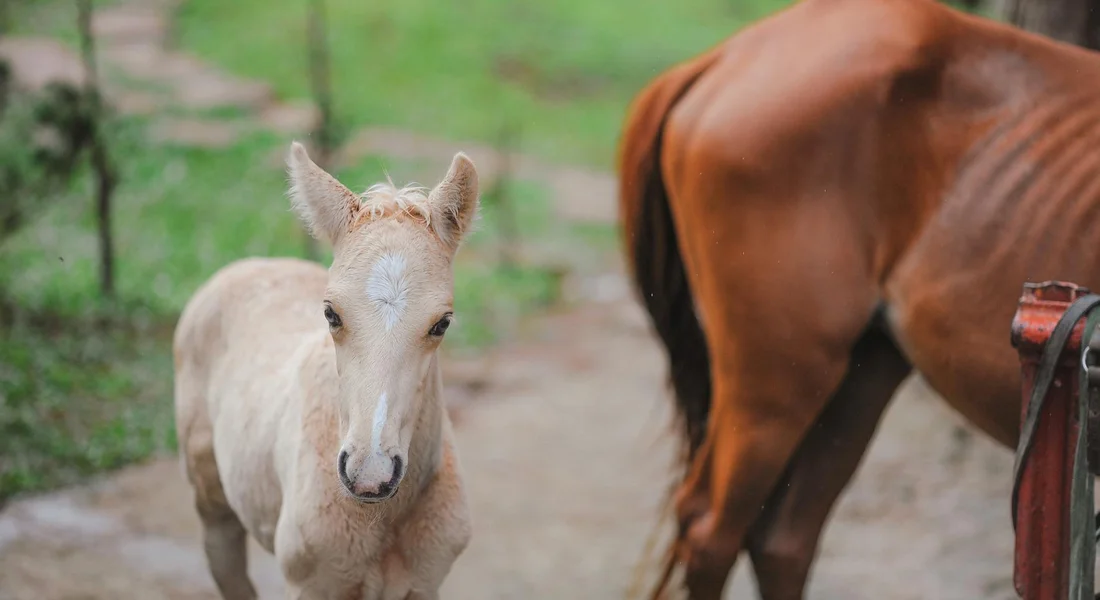
Watch your foal like a hawk those first few days. I remember weaning a sensitive filly who spent hours pacing the fence line, her little whinnies cutting through the quiet barn. Excessive pacing, frantic vocalizing, and a sudden disinterest in food are the big three red flags for a stressed foal. They might also sweat for no reason or seem hyper-alert.
Mares aren’t immune to the worry either. A dam separated from her baby will often call out, pace, and may even stop eating for a short spell. It’s a natural, if heart-tugging, response. The key is to recognize this distress but not panic; most mares settle within 48 hours once milk production eases.
My go-to barn hack is always more movement and better company. Turnout in a safe, spacious paddock is the best anxiety medicine you can offer, as it allows them to move freely and process the change. For a solo weanling, a steady older companion like my Quarter Horse, Rusty, works wonders. His calm presence teaches the youngster how to just *be* a horse.
- Foal Stress Signs: Constant pacing or circling, high-pitched, frequent whinnies, ignoring hay and grain, excessive sweating.
- Mare Distress Signs: Loud, persistent calling, agitated walking along the fence, decreased appetite for a day or two.
- Soothing Solutions: Provide 24/7 turnout in a secure area. Introduce a babysitter horse-a gelding or a calm older mare. Hang a safe mirror in the stall for visual company. Keep routines predictable to build security.
When Appetite Lags: Encouraging the Picky Eater
A foal turning up its nose at creep feed can spike any owner’s blood pressure. First, take a breath. It’s common. Start by ensuring the feed is specifically formulated for weanlings-their tiny tummies need the right balance. Always offer top-quality, soft leafy hay first; sometimes they just want the familiar comfort of roughage.
If they’re still not interested, get a little crafty in the feed room. I’ve won over many a picky eater by adding a tablespoon of molasses to warm water and mixing it into their grain, or by stirring in a handful of soaked beet pulp for sweetness and extra hydration. The goal is to make it enticing, not to create a sugar addict.
Follow these steps if your weanling is a reluctant diner:
- Check the feed’s freshness and ensure it’s designed for growing horses.
- Feed in a shallow, rubber pan to avoid scary noises.
- Add a tasty but safe motivator: a dash of apple juice, a sprinkle of chopped carrot, or a bit of soaked alfalfa pellets.
- Hand-feed a few pieces to build positive association.
- Ensure constant access to clean, fresh water-dehydration is a silent danger.
If you see any weight loss, sunken eyes, or signs of dehydration, stop experimenting and call your vet immediately. It’s always better to get a professional opinion than to guess with a growing baby.
The Long View: From Weanling to Yearling Herd Member
Integrating Your Weanling into a Youngstock Herd
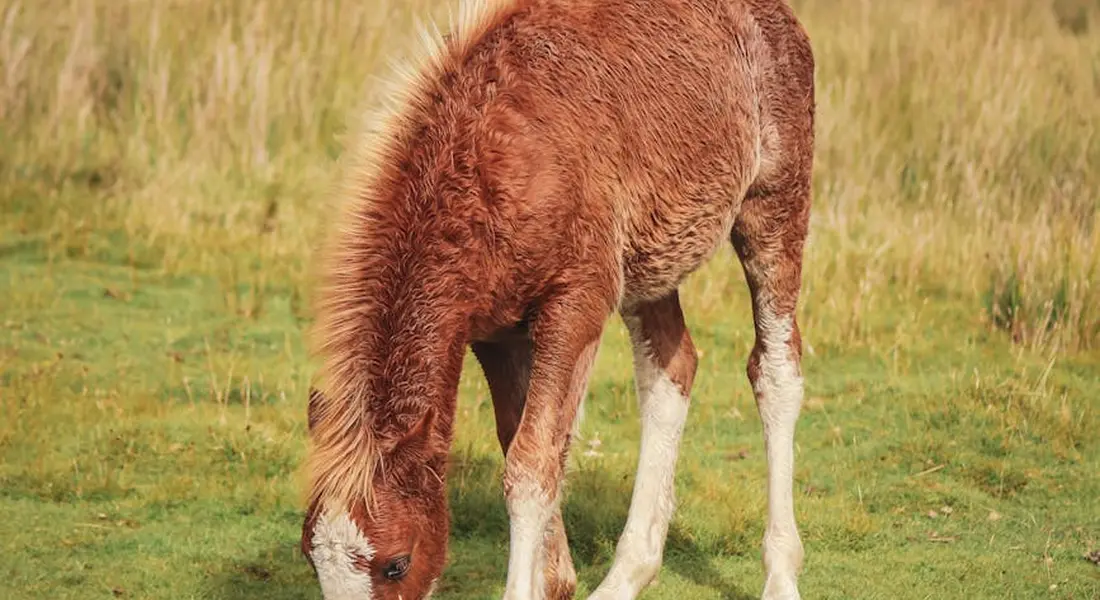
The first introduction to the yearling herd is a big moment. I do this in the largest, safest space I have, like the front pasture, with no tight corners. Turn everyone out together when they are calm and well-fed, and plan to watch the dance for a good, long while without interfering. There will be squeals, pinned ears, and playful chasing-this is how they establish order.
Let them work it out. My Shetland, Pipin, is a master at teaching boundaries to the big babies. Allowing normal herd dynamics to play out builds critical social skills and confidence in your weanling, lessons that form the bedrock of their future character. Understanding how to read and facilitate these interactions is key. Step in only if play turns truly aggressive or if one animal is being relentlessly bullied without escape.
The lifelong benefits of 24/7 turnout with buddies cannot be overstated for bone development, soundness, and creating a well-adjusted, emotionally resilient horse. They learn to share, to read body language, and to simply be a horse. It’s the best investment you can make in their future.
Milestone Checklist for Caregiver Guidance
Use this list as your reassuring roadmap in the months after weaning. It’s what I tape to the feed room wall. If you’re ticking these boxes, you and your young horse are right on track.
- Steady Weight Gain: A smooth, filled-out rib cage, not a pot belly or visible ribs.
- Healthy Hooves: Regular growth, no cracks or rings, and comfortable movement on all surfaces.
- Social Savvy: Plays appropriately with herd mates, understands boundaries, and shows curiosity, not constant fear.
- Consistent Appetite: Eats hay and grain readily and drinks water regularly.
- Handling Manners: Accepts having feet picked up, stands for the vet, and leads respectfully without pulling.
- Calm Demeanor: Spends most of the day relaxed-grazing, dozing, or playing-not fixated on the gate or fence line.
Frequently Asked Questions About The Weaning Process for Foals
What is weaning and when should it ideally start for foals?
Weaning is the natural transition where a foal moves from relying solely on its dam’s milk to consuming solid food and water independently. The process typically begins between four to seven months of age, with five to six months often being optimal for most breeds. Where the mare and foal are separated as part of a controlled weaning plan, use a staged approach to ease the transition. In separate mare–foal weaning situations, closely monitor stress, appetite, and hydration to support a smoother adaptation. Always assess individual factors like the mare’s health and the foal’s growth to determine the best timing.
What are the signs that my foal is ready to be weaned?
Key signs include the foal willingly eating substantial amounts of hay and grain, often more than nursing, and the mare displaying disinterest or irritation when the foal attempts to nurse. Physically, the foal should have erupted baby teeth for chewing, maintain good body condition, and drink water confidently. Social readiness is also crucial, such as the foal bonding with a calm companion horse for emotional support.
What essential equipment do I need to prepare for a smooth weaning process?
Secure, adjoining paddocks with sturdy, visible fencing like solid wood or woven mesh are vital to allow safe visual contact between mare and foal. Separate, accessible shelter and water sources-such as automatic waterers or heavy buckets-must be available in both pens. Additionally, arrange for a reliable companion horse, like a steady gelding or nanny mare, to be introduced beforehand to reduce stress for the foal. A safe, enriching environment supports your horse’s welfare and learning, complementing the safety measures above. Together, these steps help create a holistic care approach for your horse.
Your Weaning Checklist
Plan your process around the foal’s needs, not your calendar, using a method that allows for gradual separation and constant companionship. The single most important factor for a calm weaning is ensuring the foal is already confident eating solid feed and is comfortable being handled independently from its dam. This helps in reducing separation anxiety during the transition.
Trust the timeline your foal shows you, as rushing only creates setbacks that take longer to fix. A quiet, observant handler who prioritizes low-stress interactions will build a confident young horse for years to come.
Further Reading & Sources
- Weaning is an exciting journey that gradually introduces babies to solid
- Weaning Planner Week 1 | Ella’s Kitchen
- Feeding plan for weeks 1-4 – Weaning plan – Introducing solids | Made for Mums | MadeForMums
- Weaning Guide
At Horse and Hay, we are passionate about providing expert guidance on all aspects of horse care, from nutrition to wellness. Our team of equine specialists and veterinarians offer trusted advice on the best foods, supplements, and practices to keep your horse healthy and thriving. Whether you're a seasoned rider or new to equine care, we provide valuable insights into feeding, grooming, and overall well-being to ensure your horse lives its happiest, healthiest life.
Nutrition