
Preparing for Your First Horse: A 3-Month Countdown Checklist
Published on: May 21, 2026 | Last Updated: May 21, 2026
Written By: Henry Wellington
Hello fellow equestrians! That first horse dream is intoxicating, but the sheer weight of responsibility-from staggering vet bills to setting up a safe stall-can make any new owner’s hands shake. I get it; standing in that empty barn aisle wondering where to even start is a rite of passage.
This three-month plan will turn that anxiety into action. We’ll break it down into manageable steps, focusing on:
- Crafting a rock-solid budget that accommodates both hay and hidden emergencies.
- Selecting essential tack and gear based on fit, not fashion, for your horse’s comfort.
- Navigating the search for your right equine partner, prioritizing temperament over breed.
- Preparing your facilities to maximize turnout and mimic natural grazing patterns.
I’ve weathered every one of these steps firsthand, managing barns and training horses like my sensible Quarter Horse, Rusty, for over a decade.
The Real Cost of Horse Care: Budgeting for the Long Haul
Let’s talk dollars and sense. The purchase price of your horse is just the entry fee. The real commitment is the steady drumbeat of monthly care, a rhythm as predictable as the thud of hooves on a morning ride. Budgeting for it isn’t gloomy; it’s the responsible foundation that lets you relax and enjoy your partnership. Whether you’re buying or leasing, a complete financial commitment breakdown helps you weigh the true costs. In the next steps, we’ll outline that comparison to guide your decision.
Breaking Down Recurring Monthly Expenses
Think of this as your horse’s subscription to health and happiness. These costs fluctuate by region, but here’s the framework.
- Hay: This is your biggest line item. A typical 1,000lb horse eats roughly 15-20lbs of hay per day. That’s a half-ton square bale every 10-14 days. Budget for quality. Dusty, stemmy hay costs you more in vet bills later. For perspective, this is like adding a second, very hearty grocery bill to your household budget.
- Concentrates/Grain: Not every horse needs grain. My old reliable gelding, Rusty, does just fine on hay and a balancer. My Thoroughbred, Luna, needs the extra calories. This can range from a $50 bag of ration balancer to $150+ a month in high-performance feed. Assess your individual horse.
- Bedding: Whether you use wood shavings, pellets, or straw, bedding is a weekly cost for stall cleaning. A single bag of shavings might last a few days. This expense is steady, like your own utility bill.
- Farrier: This is non-negotiable, like a haircut for health. A basic trim every 6-8 weeks runs roughly the cost of a nice dinner out for two. Shoes? Double or triple that. Put this in your calendar as a repeating event, not an optional expense.
- Preventative Care: Worming paste (every 2-3 months) and annual vaccines. Break these down into a monthly average. It’s cheaper than treating the problems they prevent.
One-Time Setup Costs and Emergency Fund
Before your horse even arrives, you’ll need gear. Tack is the flashy cost, but don’t forget the humble tools.
- Tack & Equipment: Saddle, bridle, saddle pad, girth. Buy the best you can afford, especially the saddle, and get a professional fitter. Used is perfectly wise. Add in buckets, hay nets, a basic first-aid kit, and grooming tools.
- The Emergency Fund: This is your single most critical financial preparation. I cannot stress this enough. A colic surgery can start at $5,000. A significant injury requiring imaging and surgery can easily reach $10,000. Aim to have a minimum of $3,000-$5,000 in a savings account you do not touch for anything else. I learned this the hard way years ago; that fund is what allowed me to say “yes” to immediate treatment without panic.
Assembling Your Equine Support Team: Vet, Farrier, Mentor
You are not an island. Your horse’s wellbeing depends on a team of experts. Finding them before you have an emergency is the mark of a savvy owner.
Finding and Interviewing a Veterinarian
Don’t just pick the first name in a Google search. Your vet is a partner.
- Ask your barn manager, local feed store, and riding friends for referrals. Listen for who is known for clear communication.
- Call and ask: Are they taking new clients? What is their on-call protocol for emergencies? Do they have a portable ultrasound or x-ray?
- Inquire about their standard vaccination and dental schedule. A good clinic will happily explain their preventative care philosophy.
A great vet will treat you as a teammate, not just a wallet, and will always prioritize your horse’s comfort.
Scheduling Your First Farrier Visit
A horse’s hoof grows like a fingernail, needing a trim every 6 to 8 weeks. Shoes may need resetting every 4-6 weeks. Schedule this immediately upon your horse’s arrival.
To find a good farrier, look at the horses at your barn. Are their feet balanced and neat? Ask their owners. Red flags include a farrier who rushes, doesn’t listen to your concerns, or leaves the hoof angles broken and uneven. A reputable farrier will explain what they’re doing and why. Watch how your horse behaves with them-a calm, patient approach is worth its weight in gold.
The Non-Negotiable Value of a Knowledgeable Mentor
This is the secret weapon no one talks about enough. A mentor is the person you can text a photo of a weird bump to at 7 p.m.
I would have been lost without mine. When I first got the pony Pipin, I thought his cheeky fence-leaning was funny. My mentor took one look and said, “He’s testing you. He’s bored.” She showed me how to set up a simple hay net puzzle for him, and the behavior stopped. It was a small lesson in equine psychology that changed everything.
Find one by volunteering at a reputable stable or joining a local riding club or 4-H group. Look for someone whose horses are calm, healthy, and well-mannered-that’s the living proof of their knowledge. Offer to help with chores in exchange for their eyes and advice. This relationship is pure gold.
Preparing Your Horse’s Home: Pasture, Fencing, and Shelter
Evaluating and Managing Pasture
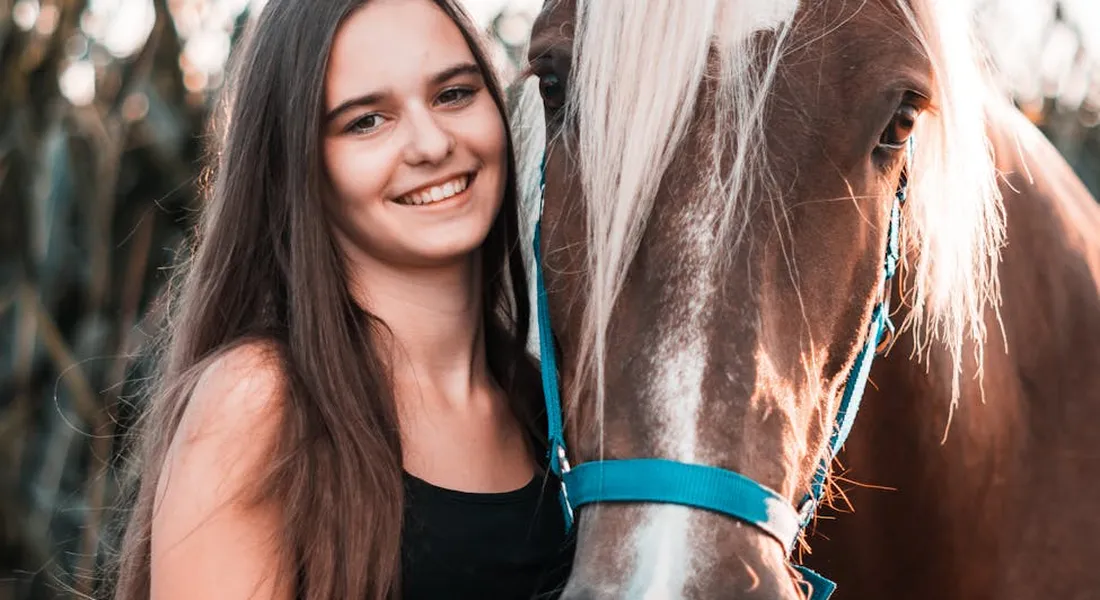
Your horse’s pasture is more than a lawn; it’s their dining room, gym, and social club rolled into one. Start by identifying your grass type-cool-season mixes like timothy or orchard grass are common, but local extension offices can give specifics for your area. I learned with Luna that some grasses can be too rich for sensitive thoroughbreds, so knowing what’s underhoof prevents digestive upset.
A general rule is one to two acres per horse, but this depends on your climate and soil. In dry regions, you might need more land to support grazing. Always err on the side of more space to encourage movement and reduce squabbles between herd mates. For more detailed guidance, check out how much pasture land you need per horse.
Weed control is non-negotiable. Walk your fields weekly, yanking invaders like ragwort or buttercup before they seed. I keep a “weed bucket” by the gate for Pipin’s paddock, as that pony will test-eat anything green and suspicious.
Implement pasture rotation if you can. Letting a section rest for a few weeks allows grass to recover and breaks parasite cycles. Simple electric tape can create temporary cells, giving your land a chance to breathe and regrow.
Choosing Safe, Durable Fencing
Good fencing is a quiet guardian. Wood post-and-rail is classic and strong, but it requires yearly checks for splinters and rot. Vinyl boards are low-maintenance and visible, though the initial cost is higher. For young or curious horses like Luna, electric tape on sturdy posts offers a psychological barrier that’s flexible and safe.
No matter the material, your weekly fence check should be as routine as feeding. Look for these hazards and fix them immediately:
- Loose or broken boards that can trap a leg.
- Protruding nails or screws-hammer them flat or replace them.
- Sagging wires that can entangle and cut.
- Sharp edges on metal corner caps.
After Rusty caught his blanket on a loose nail, I now carry a hammer and pliers in my barn coat during inspections. The thud of a solid fence post under your hand should feel reassuring, not wobbly.
Providing Adequate Shelter
A proper run-in shed is a haven from sun, wind, and driving rain. Size it so every horse can enter without crowding-a 12×12 foot space for one horse, adding 100 square feet for each additional animal. Ventilation is key; fresh air moving through an open side prevents the buildup of dampness and ammonia smells that hurt lungs. Is a run shed right for your horse? Your climate and turnout will help you decide.
Orient the open side away from prevailing winds, and ensure the roof has a generous overhang. The floor should be a well-drained base like gravel or limestone screening, not concrete. I once used packed clay in Pipin’s shed, and the way it stayed dry and firm even in a downpour proved its worth.
Check that there are no exposed beams or nails inside where a horse could rub or scratch. A simple, three-sided structure with a sloped roof often outshines a fancy stable for promoting natural behavior and turnout time.
Gathering Essential Gear: Tack, Tools, and Supplies
Navigating Saddle Fit and Selection
Think of a saddle as custom footwear for your horse’s back. A poorly fitted saddle causes pain and behavioral issues, so invest in a professional fitter from the start. Watch for white hairs behind the withers or dry spots under the saddle pad after a ride-these are clear signs of pressure points. These cues beg the question: ‘are signs poorly fitting saddle’? If so, there’s more to check and a professional evaluation can set you on the right path.
For your first saddle, consider an affordable, synthetic all-purpose model. They’re lightweight, easy to clean, and often have adjustable gullet systems. I started Rusty in a synthetic saddle, and its forgiving nature while we both learned was a game-changer.
Never buy a saddle just because it’s a famous brand or a good deal. The only metric that matters is how it sits on your horse’s unique shape, with even contact along the tree.
Basic Tack and Grooming Kit Must-Haves
Your grooming kit builds connection before you even ride. Start with these basics in a sturdy bucket:
- Rubber curry comb to loosen dirt and massage muscles.
- Stiff dandy brush for knocked-off mud.
- Soft body brush for a final glossy sweep.
- Hoof pick with a stiff brush-clean feet prevent thrush.
- Mane and tail comb with wide teeth to avoid tearing hair.
The smell of clean leather and the sound of a contented sigh while brushing are the true rewards of this daily ritual. For tack, a well-fitted halter and a strong cotton lead rope are day-one essentials. A simple snaffle bridle with padded reins is a versatile starter. Fit the halter so you can slip two fingers between the noseband and your horse’s face, and ensure the bit rests comfortably at the corners of the mouth.
Stocking Your First-Aid and Stable Cabinet
Prepare for minor mishaps before they happen. Your equine first-aid kit should live in a waterproof, labeled box:
- Digital thermometer and lubricant.
- Sterile gauze pads, vet wrap, and adhesive bandage tape.
- Antiseptic wound cleaner and a triple-antibiotic ointment.
- Blunt-tipped scissors and flashlight with extra batteries.
Keep a separate human kit nearby with band-aids, antiseptic wipes, and pain relievers, because a knocked knuckle at the wash rack is a rite of passage. For daily chores, you’ll need a four-tine manure fork, a wheelbarrow, heavy-duty water buckets (one per horse plus a spare), and a slow-feed hay net to mimic natural grazing. These tools keep your routine smooth and your horse’s environment clean.
The 3-Month Countdown: Your Month-by-Month Action Plan
3 Months Out: Research and Foundation
This is when you build your knowledge base and lay the physical groundwork. Your first task is to secure a safe property with adequate turnout space-I’ve seen too many behavioral issues melt away when a horse like my sensitive Luna gets consistent time to just be a horse. Start interviewing your support team now; a good farrier and a vet you trust are worth their weight in gold.
- Secure your boarding spot or prep your own land, prioritizing pasture access.
- Interview and select a veterinarian and farrier, asking for references from local barns.
- Begin reading books on basic equine nutrition, first aid, and stable management.
Use this time to volunteer at a local stable. Nothing beats the hands-on learning of mucking a stall or feeling the rhythm of grooming a reliable soul like Rusty.
2 Months Out: Infrastructure and Inventory
Now we move from plans to purchases. Walk every inch of your fencing, repairing any weak spots before a clever escape artist like Pipin finds them first-I learned that lesson the hard way with a patched gate and a missing pony. Source your hay supplier early; quality varies wildly, and you want a consistent, clean source.
- Repair all fencing and gates, ensuring no sharp edges or loose wires exist.
- Secure a contract with a reliable hay supplier for the coming year.
- Purchase major gear: a well-fitted halter, lead rope, grooming kit, and basic first-aid supplies.
- Open a separate bank account just for horse care expenses; it keeps budgeting honest.
Invest in durable basics rather than fancy tack; your horse cares more about comfort than color.
1 Month Out: Health Checks and Fine-Tuning
The final stretch is about dotting i’s and crossing t’s. Schedule the pre-purchase veterinary exam immediately, as good vets book up weeks in advance. Confirm your farrier’s availability for a trim or shoeing shortly after arrival. Do a full trial run of your stall setup, from bedding depth to water bucket stability.
- Schedule the pre-purchase exam with your chosen vet.
- Confirm your farrier’s first appointment for your new horse.
- Do a mock setup of the stall, checking for safety and practicing your mucking routine.
- Arange professional transport with a reputable, insured equine shipper.
A calm, well-planned arrival day sets the tone for your entire partnership, reducing stress for both of you.
Health and Wellness Foundations: Vaccinations, Dental, Hoof Care
Core Vaccinations and a Smart Deworming Plan
Protecting your horse from disease isn’t a one-size-fits-all calendar event. Core vaccines like Tetanus, Eastern/Western Equine Encephalitis, and West Nile Virus are non-negotiable for every horse, regardless of how quiet their life seems. Rabies vaccination is also a smart, safe choice. Talk to your vet about risk-based vaccines for your area, like Strangles or Influenza. For a complete schedule, refer to the essential horse vaccinations complete schedule guide. It outlines timing for core vaccines, Rabies, and risk-based options tailored to your horse’s age, lifestyle, and locale.
For deworming, throw out the old schedule. Modern practice is to base deworming on quantitative fecal egg counts, not just the date on the wall. This targeted approach prevents parasite resistance and is easier on your horse’s system. I run fecals on all our barn residents twice a year; it’s a small cost for big peace of mind.
The Importance of Annual Dental Care
Horses’ teeth continually erupt, forming sharp points and hooks that can cause silent pain. A yearly dental check and “float”-where a veterinarian files down those sharp edges-is as essential as hoof care. Regular dental floats, performed on a set schedule, prevent the re-formation of sharp points. This ongoing care supports comfort, proper chewing, and overall performance. A horse with dental issues might drop grain, tilt its head while eating, or resist the bit, but often the signs are subtler.
Watch for cues you might miss. Is your horse suddenly hesitant to take treats, losing weight despite good feed, or showing unexplained head tossing? These can all point to a tooth problem needing attention. Learning the signs your horse needs dental care can guide you to timely care. I recall a trail horse who became grouchy about bridling; a dental exam revealed a painful ulcer on his cheek from a sharp point.
Establishing a Daily Hoof Care Routine
No hoof, no horse-it’s a cliché because it’s true. Your daily hoof check is your first line of defense against lameness, and it builds trust through gentle, consistent handling. Start by running your hand down the leg, squeezing the tendon to ask for the hoof. Always pick from heel to toe to avoid digging the tool into the sensitive frog.
- Secure your horse calmly and run your hand down the back of its leg.
- Hold the hoof firmly but gently, supporting its weight.
- Use a hoof pick to clean from the heel toward the toe, clearing debris from the collateral grooves and around the frog.
- Look for signs of thrush-a black, tarry discharge and a foul smell.
- Feel the hoof wall for unusual heat and visually check for cracks or loose shoes.
Consistency is key; making this a daily ritual lets you catch small issues before they become big, expensive problems. The simple act of picking hooves has taught me more about each horse’s well-being than almost anything else.
The Final Logistics: Transport, Arrival, and First Days
The smell of fresh shavings is in the air, and your tack is clean. Now comes the real moment of truth: getting your horse home. This transition is the single biggest variable in your early days together. Get it right, and you build a foundation of trust.
Arranging Safe and Low-Stress Transportation
Hiring a transporter is not the place to cut corners. A bad trip can set your partnership back weeks. I learned this the hard way years ago with a nervous Thoroughbred who arrived dehydrated and frantic. Always, always ask for and check multiple references from recent clients, specifically asking about the driver’s patience and the condition of horses upon arrival.
Guidance: Tips for hiring a reputable shipper, preparing the horse for travel, and what to have ready upon arrival.
Your shipper should be insured, experienced with your horse’s type, and happy to answer all your questions. Ask about their trailer maintenance schedule-the sound of a rattling ramp or loose partition is terrifying for a horse.
To prepare your horse, ensure they are:
- Familiar with loading. Practice this beforehand if you can.
- Protected with safe shipping gear: leather or breakaway halter, shipping boots or standing wraps, and a tail wrap.
- Fed a wet mash the night before for hydration, and given a small, damp hay net for the journey.
Upon arrival, have this ready:
- A clean, deeply bedded stall with the door latched.
- A full bucket of fresh, plain water. Some horses won’t drink strange-tasting water at first, so ask the seller for a gallon from their source to mix in.
- A flake of the same hay they’ve been eating, hung in a safe net.
- A quiet human presence. No welcoming party, no other animals poking noses in.
The First 24 Hours: Minimizing Stress
Resist every urge to show your new horse their pasture mates or start grooming. Think of yourself after a long, disorienting flight. You need a quiet hotel room, not a city tour. The single best thing you can do is give your horse the gift of boring solitude to let their adrenaline levels drop.
Guidance: Advice on introducing the horse to its stall/pasture alone, monitoring water intake, and allowing quiet adjustment.
If possible, let them arrive to an empty paddock or a stall with a run. The space should be safe, with no loose wires or sharp edges. I like to turn them loose and just watch from a distance. You’ll see them sniff, maybe roll, and eventually approach the hay.
Water is your biggest concern. Mark your bucket with tape to monitor levels. A horse that hasn’t drunk in 8-10 hours needs a vet call. To encourage drinking, try soaking a handful of their hay in water or adding a splash of apple juice. Just quietly refresh the water every few hours. Keeping your horse hydrated is essential; make fresh water readily available and encourage water intake throughout the day. Small changes to routine can help maintain steady hydration.
Your only interactions should be calm and predictable. Speak softly when you enter, offer a single piece of carrot, and leave. This isn’t the time for a deep grooming session or trying on new tack.
Your First Week: Observation and Routine Building
This week is about becoming a detective. Your horse’s body is telling you how they’re handling the change. I keep a simple notebook in the tack room for the first month, jotting down three things each visit. Consistent observation is more valuable than any gadget; it teaches you your horse’s normal so you can instantly spot abnormal.
Guidance: List what to watch closely: appetite, manure, and social behavior. Encourage gentle interactions and patience.
Build a simple routine: feed at the same times, do a visual check morning and night. During checks, monitor this trifecta:
| What to Watch | Normal Signs | Red Flags |
|---|---|---|
| Appetite | Eagerly eats hay, finishes meals. | Half-eaten hay nets, ignored grain. |
| Manure | Frequent, moist piles (8-12/day). | Hard, dry balls or very loose stool. |
| Social Behavior | Curious, ears forward, resting a hind leg. | Persistent pacing, calling, or lethargy. |
Introduce herd life slowly. Use a adjacent paddock or a safe fence line for sniffing before a full turnout. Remember Pipin, the Shetland? His first introduction was over a stall guard, and he spent ten minutes making hilarious snorty faces at Luna before they settled.
Start gentle handling. Use this week for short, positive sessions:
- Practice leading smoothly in and out of the stall.
- Pick up all four feet, even if just for a second.
- Rub them all over with your hands, getting them used to your touch.
This builds a language without any pressure. The riding can wait. What you’re building now is far more important: a sense of security.
FAQ: Preparing for Your First Horse
Does the checklist include average cost figures for the first year?
The article provides a framework for budgeting recurring and one-time costs but avoids specific average figures, as they vary dramatically by region and horse. Your most critical financial step is establishing a dedicated emergency fund of $3,000-$5,000 before purchase. Always request local quotes for hay, bedding, and farrier services to build your personalized budget.
How do I find a suitable mentor if I don’t know anyone in the horse community?
Start by volunteering at a reputable boarding stable or therapeutic riding center to meet experienced horse people. Join local riding clubs, 4-H groups, or equestrian associations on social media and attend their events to connect with potential mentors. A good mentor is often someone whose horses are visibly healthy and well-mannered, and they are usually willing to share knowledge in exchange for reliable help.
What should I do if my new horse isn’t settling in after the first week?
Persistent stress signs like loss of appetite, excessive calling, or lethargy warrant a call to your veterinarian to rule out underlying health issues. Ensure your horse has a calm, predictable routine and review their environment for unseen stressors, such as aggressive pasture mates or insecure fencing. Extreme cases may benefit from consulting with a professional trainer or your mentor to assess the situation and adjust your management approach.
Settle In and Trust the Timeline
Your three-month plan builds the practical foundation, from fencing checks to stocking the feed room. The most critical step is securing a dedicated emergency fund before your horse ever sets foot on the property-it transforms panic into a manageable problem.
Patience now prevents problems later. The best horsemanship isn’t in the checklist, but in the quiet moments watching your horse settle in, learning the language of his ears and the rhythm of his breathing.
Further Reading & Sources
- The Ultimate Checklist BEFORE You Start Your Horse
- HORSE SHOW PREPARATION CHECKLIST – Equestroom
- Horse Show Checklist: 10 Prep Tips – AQHA
- SPRING HORSE HEALTH CHECKLIST – Equestroom
At Horse and Hay, we are passionate about providing expert guidance on all aspects of horse care, from nutrition to wellness. Our team of equine specialists and veterinarians offer trusted advice on the best foods, supplements, and practices to keep your horse healthy and thriving. Whether you're a seasoned rider or new to equine care, we provide valuable insights into feeding, grooming, and overall well-being to ensure your horse lives its happiest, healthiest life.
Choosing the Right Breed