
Your Horse’s First Winter: A Complete Preparation and Acclimation Guide
Hello fellow stablemates. That first frost in the air can spark a real knot in your stomach when you’re staring at a horse who has never seen a snowflake. You’re right to think about vet bills, frozen water buckets, and a buddy who might get grumpy or stiff with the change.
Take a deep breath of that crisp air. This guide will give you a clear, step-by-step plan for a smooth season, covering safe acclimation to prevent shock, precise adjustments to feed for warmth and weight, the smart use of shelter and blankets, and maintaining hoof health and soundness on tricky ground.
I’ve guided countless horses-from sharp Thoroughbreds to steady quarter horses-through their first winters, using principles that prioritize their comfort and natural resilience.
Understanding Winter Cold: How Horses Cope Naturally
Your horse is not a helpless creature in the face of frost. They are a furnace wrapped in a living coat, engineered by evolution for resilience. I’ve watched my own horses, from the sensible Rusty to the sleek Luna, stand contentedly in a falling snow, their backs dusted white while steam rises from their withers. They are using energy to create warmth, and their magnificent coats are designed to trap it. So how do they actually fare in winter conditions? Do horses handle the cold as naturally as they seem?
The key is thermoregulation. A horse’s winter coat isn’t just longer hair; each strand stands up via tiny muscles at its base, creating loft. This loft traps a layer of warm air against the skin, a biological insulation jacket. Blanketing too early flattens this natural loft and signals to the body that it doesn’t need to produce its own top-notch insulation. It’s like turning on the heat in September and wondering why you feel chilly in October.
The Acclimation Process: Letting the Coat Do Its Job
Acclimation isn’t passive; it’s your horse’s body actively adapting to shorter days and falling temperatures over weeks. This process is driven by photoperiod-the length of daylight-not just a sudden cold snap.
- Start with trust. Allow them consistent, 24/7 turnout if possible, so their system learns the natural rhythm.
- Hold off on blanketing until temperatures are consistently below what your specific horse is comfortable with. For a healthy horse with a full coat, this is often around 40°F (5°C) or lower, assuming they are dry.
- Ensure they have unlimited access to quality forage. The microbial fermentation of fiber in the hindgut is their central heating system, generating internal warmth for hours.
- Always provide windbreaks and dry, deep bedding for lying down. A horse out of the wind and wet can tolerate remarkably low temperatures.
I learned this with Pipin, our Shetland. His dense, fuzzy coat makes him a winter powerhouse. Blanketing him would cause him to sweat and then chill. Your job is to facilitate their natural coping skills, not override them with human worry.
When is it Too Cold? Reading Your Horse’s Signals
Forget the thermometer alone. Watch the horse. A cold but comfortable horse will have relaxed body language, ears semi-alert, and may be dozing in the sun. They might have a bit of frost on their back or whiskers-this is normal, as body heat escapes at the highest point. But knowing how much cold horses can tolerate is crucial for proper care.
Signs of genuine cold stress are more obvious:
- Persistent, full-body shivering that doesn’t stop with movement.
- Hunched posture with a tightly tucked tail and clamped muscles.
- Ears that are constantly pinned back or drooping.
- Reluctance to move or seek shelter.
Wind and wet are the true enemies. A soaking rain at 45°F will chill a horse far faster than a dry, still day at 25°F. Luna, with her fine Thoroughbred coat, gets a waterproof sheet in persistent wet weather, while Rusty’s Quarter Horse density often means he just needs a good run-in shed. Assess each horse as an individual, considering their coat, body condition, and access to shelter.
Blanketing Basics: A Sensible Guide to Winter Rugs
A blanket is a tool, not a requirement. Its purpose is to compensate for what nature and management cannot provide. Used wisely, it keeps a horse dry and conserves the calories they’d burn shivering. Used poorly, it causes rubs, sweats, and a suppressed immune system.
To Rug or Not to Rug? Making the Right Call
Ask these questions before you even open the tack trunk:
- Is the horse clipped? A full-body clip removes their natural defense, making a blanket necessary in cold weather.
- Is the horse old, very young, or underweight? These horses may struggle to maintain body heat and need the extra help.
- Is it wet and windy, compromising their coat’s loft? A waterproof turnout sheet may be the answer.
- Does the horse live out 24/7 with poor shelter? Sometimes a blanket is the mobile shelter they need.
A healthy, unclipped horse with a good weight and access to shelter often does best without a blanket. Over-blanketing is a more common mistake than under-blanketing, and it can seriously hinder your horse’s ability to self-regulate.
Choosing, Fitting, and Maintaining Winter Blankets
Fit is everything. A poorly fitted blanket is uncomfortable, unsafe, and useless. You should be able to fit a flat hand snugly under the blanket at the withers and across the chest. The front straps should hang vertically, not pull inward.
- Measure from the center of the chest, along the side, to the point of the buttock. This is your horse’s blanket size.
- Check shoulder darts or gussets for freedom of movement. Listen for the quiet rustle of fabric as they walk, not the tight strain of seams.
- Leg straps should cross under the tail and fasten to each other, hanging just below the tailhead. They should not hang low or be tight.
Maintenance is non-negotiable. Brush off mud daily. Check for and repair rips immediately. Wash waterproof blankets at season’s end with a tech-wash to restore water repellency. A moldy blanket is a health hazard.
Common Blanketing Pitfalls and How to Avoid Them
| Pitfall | Consequence | The Fix |
|---|---|---|
| Blanketing a wet horse | Traps moisture, causing a dangerous chill and potential skin fungus. | Always ensure the coat is completely dry. Use a sweat scraper and cooler if needed. |
| Using a “one-weight-fits-all-weather” approach | Horse overheats and sweats under a heavy rug on a mild day, then chills. | Have a lightweight sheet for wet/chilly days and a medium or heavy fill for bitter cold. Remove layers as the day warms. |
| Ignoring daily checks | Rubs develop into sores; a twisted blanket can cause a fall. | Run your hands over the blanket every day, checking fit, looking for rubs, and feeling for dampness underneath. |
| Leaving a blanket on all season without removal | You miss weight loss, injuries, or a coat that fails to develop properly. | Take the blanket off at least once a week for a thorough grooming and visual inspection of their entire body. |
The sound of a correctly fitted blanket is the soft rustle of nylon as your horse moves, not the sharp rip of a seam giving way or the ominous silence of a sweaty, overheated animal. Pay attention to these sounds and sensations; they tell you more than any label ever could.
Creating a Cozy Winter Haven: Shelter and Stall Prep
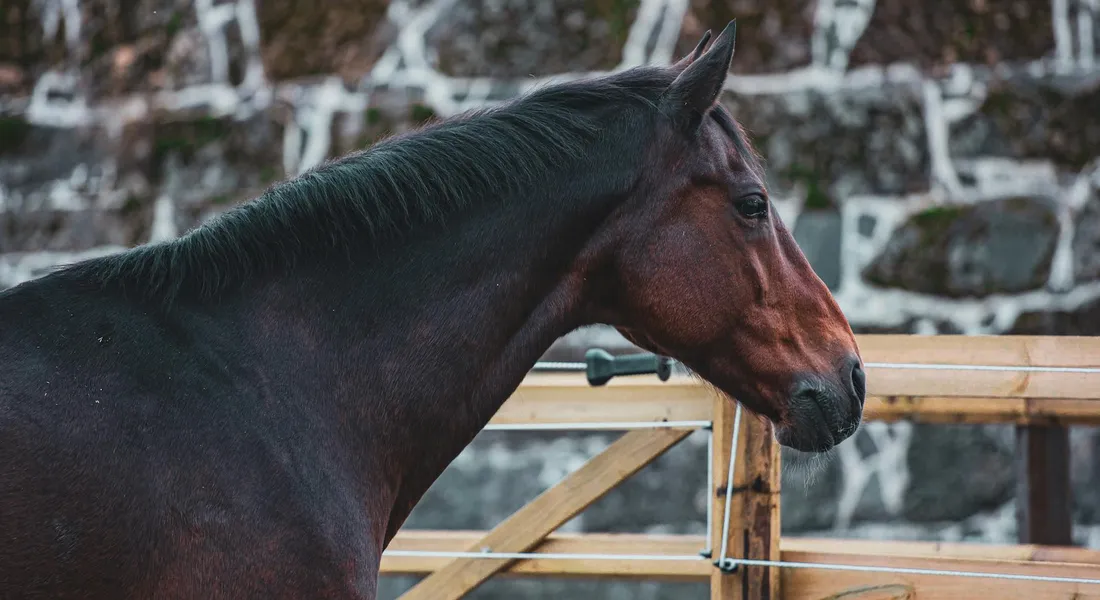
When the wind starts to howl, a proper shelter is more than a luxury—it’s a cornerstone of welfare. Your goal isn’t to create a sealed, heated room, but a dry, draft-free space that allows your horse’s own body heat to work effectively. Moreover, a well-designed shelter also provides shade so your horse stays cool on hot days. In short, build a safe shelter that shades your horse while protecting them from wind.
Step-by-Step Shelter Winterization
I walk my barn like a detective every fall, looking for trouble spots. A well-winterized barn is a quiet, comfortable space, free from the whistle of wind and the drip of condensation.
- Conduct a Draft Audit. On a breezy day, feel along every window, door, and wall seam. A draft at your ankle is a draft at your horse’s legs. Seal gaps with caulk or non-toxic foam, and consider hanging heavy stall guards or blankets over doors to break wind tunnels.
- Ensure Ventilation Up High. This is critical. Warm, moist air from your horse’s breath and body must escape. Good ventilation at the peak of the roof or via open eaves prevents a buildup of damp, ammonia-laden air that can cause respiratory issues.
- Check Roofs and Gutters. A single leak over a stall can turn bedding into a cold, soggy mess. Clear gutters of summer debris to prevent ice dams and water backup.
- Secure the Perimeter. Snow can hide fencing. Walk your fence lines now, tightening wires, checking posts, and marking any low spots where a snowdrift might create an escape route for a curious pony like my Pipin.
Bedding Deeply for Warmth and Comfort
The right bedding is your horse’s personal insulation system. A thin layer does little; a deep, fluffy bed allows a horse to nestle down, trapping warm air against their body. Choosing the right type of bedding is essential for their comfort and warmth.
- Straw: Traditional and provides excellent loft for nesting. It’s less absorbent, so requires diligent mucking. Ensure it’s clean and dust-free.
- Wood Shavings or Pellets: Highly absorbent and easier to keep level. For warmth, you need a generous depth-think eight inches or more. The compacted, dry base layer acts as a fantastic insulator from the cold ground.
The true test of a good winter bed is the knee test: when you kneel on it, your knees should stay dry and you should feel the cushioning depth. A horse lying down on a proper bed is a horse conserving precious energy for staying warm.
Winter Feeding: Keeping the Internal Furnace Stoked
Forget heavy blankets for a moment, even when you know to blanket a horse in colder weather. The most effective heater your horse owns is its own digestive system, specifically the microbial fermentation in its hindgut. We stoke that furnace with fiber.
Hay is Heat: Adjusting Equine Nutrition for Cold
Grain provides concentrated energy, but hay creates heat through the long digestion process. As temperatures drop, a horse’s energy requirement to maintain core body temperature can increase significantly.
- The Rule of Thumb: For every degree Fahrenheit below 30°F, increase their daily roughage (hay) by 1%. In a 20°F cold snap, that’s a 10% increase.
- Slow It Down: Use slow-feed nets or multiple hay piles to mimic natural grazing. This keeps that internal furnace burning steadily all night long, not just at feeding times.
- Know Your Horse: My easy-keeping quarter horse, Rusty, needs a careful eye to prevent him from getting too round on extra hay. My lean Thoroughbred, Luna, gets a heftier increase. Always provide hay free-choice in extreme cold-a horse’s ability to self-regulate is often smarter than our fixed schedule.
Water Management: Preventing the Freeze-Up
This is the single most critical management task in winter. A horse eating more hay but drinking less water is a direct ticket to colic. Cold water is far better than no water.
- Invest in Tank Heaters or Heated Buckets. Check them daily for proper function and safety. The gentle hum of a working heater is a sweet winter sound.
- Break Ice Religiously. Do it multiple times a day. A horse will not break through a thick layer of ice to drink.
- Encourage Intake. Offer lukewarm water periodically, especially after meals. Adding a tablespoon of salt to their daily grain can also prompt them to drink more at the trough.
A well-hydrated horse in winter will have manure that is moist and formed, not dry, hard balls. Checking this daily is a fast, easy gauge of their internal health when water consumption is hard to track.
Health and Hoof Care Through the Frosty Months
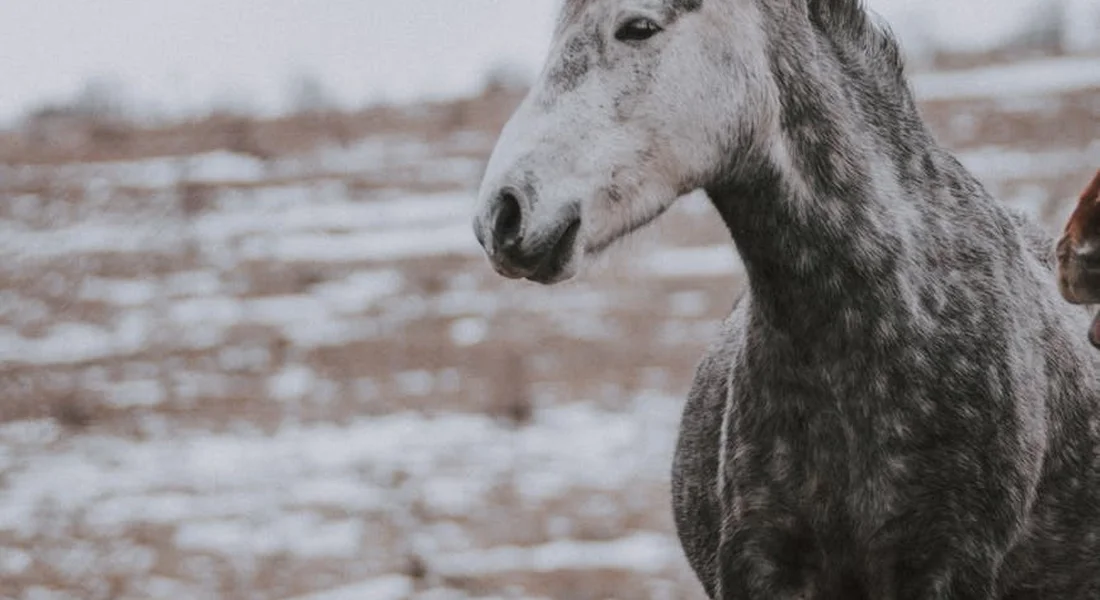
Veterinary Readiness: Vaccinations, Deworming, and Dental Checks
Think of your fall vet visit as your horse’s winter coat fitting-it needs to be precise. I book mine as the last leaves turn, with the crisp smell of pine in the air. This proactive check transforms guesswork into a clear plan for the months when getting a vet out feels like a marathon.
Update core vaccinations like flu and rhino. Horses huddle closer in barns, sharing air and germs. I time shots for late fall so protection is strongest during the deepest cold, when windows stay shut and ventilation drops. Understanding common horse vaccinations and deworming schedules helps tailor these plans. It emphasizes timing and targeted care. For deworming, I skip the routine paste and opt for a fecal egg count. It saved me from unnecessary treatments for Pipin, whose low count meant he could skip a cycle.
Dental health directly impacts winter weight. Sharp points cause pain, leading to quidding-dropping half-chewed hay. I found this out after Rusty started leaving tidy piles of hay wads; a simple float solved it and he gained back the pounds. Schedule that dental exam early, before the ground is too hard for a trailer ride.
- Request a body condition score from your vet to establish a winter weight baseline.
- Discuss any arthritis management; cold can stiffen old joints.
- Ask about vitamin E or selenium supplementation if your pasture is buried and hay is your only source.
Hoof Care Maintenance Despite Mud and Ice
Winter footing is a cycle of soggy and solid, a recipe for hoof troubles. Your farrier’s schedule becomes sacred. Book a trim right before the first hard freeze to get the hoof angle perfect for navigating slick spots and snow drifts. I plan mine around the weather report, not the calendar.
Daily hoof picking is your frontline defense. Mud hides thrush, and packed snow becomes painful ice balls. I clean feet morning and night, feeling for the soft, black decay in the sulci and smelling for that distinct, sour odor. For horses like Rusty, who despises wet feet, I keep a dry stall area and use a moisture-barrier ointment on his frogs.
Brittle hooves crack in dry barn air, while constant wetness weakens walls. Applying a hoof conditioner after picking helps maintain integrity, but the best defense is consistent, balanced trimming. I use a breathable product, massaging it into the coronary band to stimulate growth.
- Install snow pads if your horse accumulates ice balls, but only after a farrier consultation.
- Create a mud-free zone in turnout with gravel or sand to give hooves daily respite.
- Check for loose shoes more often; frozen ground can pull them right off.
Safe Turnout and Exercise in Icy Conditions
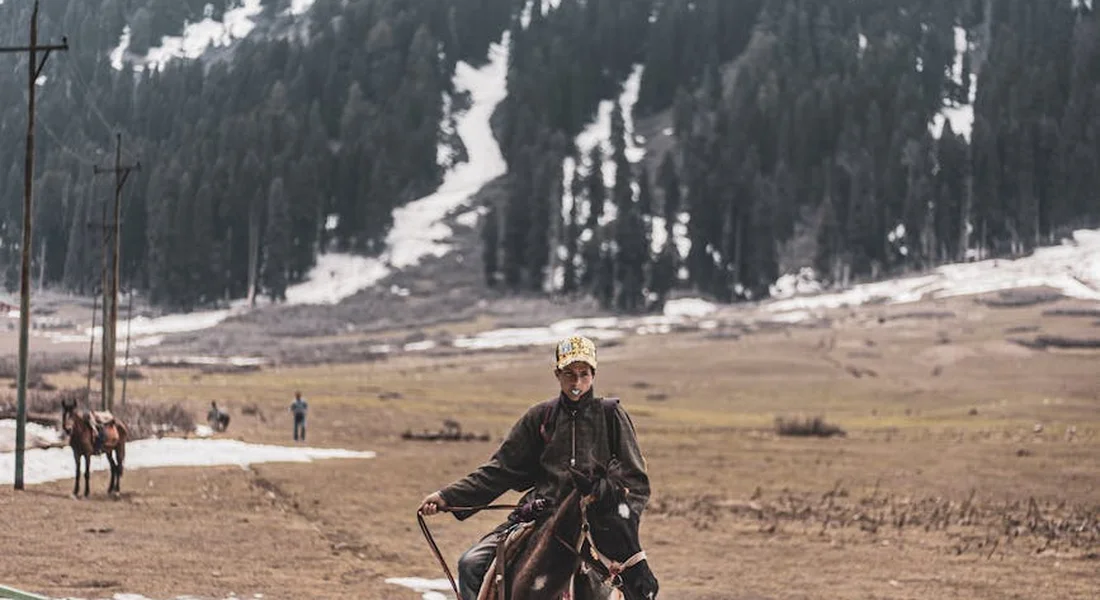
Turnout Adjustments for Weather and Footing Safety
Turnout is non-negotiable for sanity-theirs and yours. The key is adapting duration and location. I base my decision on the wind’s bite and the ground’s grip, not just the thermometer reading. On a calm, sunny 20-degree day, my crew stays out for hours. With a howling wind, they get shorter, more frequent breaks.
Ice management is a daily chore. I spread coarse sand or wood ash on high-traffic areas. After Pipin figured out how to slide a frozen gate latch open, I now secure all closures with a backup clip and check them with my own hands. Ensure shelters are dry and deep-bedded, facing away from the prevailing wind.
Water is the silent challenge. A horse won’t drink icy water, risking colic. I use heated buckets and check them twice daily, listening for the hum of the heater and watching for the gentle steam rise.It’s one of those winter hydration tricks. Break ice manually if heaters fail-it’s a cold job, but a critical one.
- Use hay nets in the field to encourage movement and internal warmth.
- Blanket only if your horse is clipped, thin-skinned, or lacks a natural coat; a wet blanket is worse than no blanket.
- Observe the herd dynamics; cold can make some horses grumpy and pushy around resources.
Cold-Weather Exercise: Keeping Your Horse Moving Safely
Consistent movement prevents stiffness and boredom. When the arena footing is good but the trails are glare ice, I get creative. I often replace a riding session with 30 minutes of liberty work or ground driving for Luna, which satisfies her need to move without risking a rider on her sensitive back.
If you do ride, extend your warm-up. Cold tendons and ligaments are like stiff rubber bands. I walk for a solid fifteen minutes, feeling the rhythm of my horse’s stride loosen, before I even think about asking for more. These essential warm-up and cool-down exercises for your horse help keep tendons supple and joints safe. Avoid hard, frozen ground entirely; seek out the softer interior of fields or a well-maintained arena.
Your tack needs winter care too. Leather stiffens in the cold. I condition my bridles and saddles weekly, the rich smell of leather balm cutting through the stable air, to keep them supple and safe. Check all stitching for weakness caused by temperature swings.
- Layer your own clothing for warmth and flexibility-bulky gloves make fine rein adjustments impossible.
- Cool down thoroughly. A sweaty back under a winter coat is an invitation for a chill; walk until the breathing is steady and the skin is dry.
- Consider hill work at a walk. It builds fitness safely and offers mental stimulation on short, dark days.
FAQ: Your Horse’s First Winter Preparation and Acclimation
How do I know what weight of winter blanket my horse needs?
Choose blanket weight based on temperature, your horse’s coat, and their individual metabolism. A lightweight sheet is for wind and rain, a medium fill is for consistent cold, and a heavy fill is for severe, wet cold or clipped horses. Always assess your horse daily and remove layers to prevent overheating and sweating.
What are the most important modifications to make to a stall for winter?
Ensure the stall has draft-free walls but maintains excellent ventilation up high to remove moisture and ammonia. Provide a deep, dry bedding layer to insulate your horse from the cold ground. Install a safe, heated water source and check for any leaks in the roof that could dampen the bedding.
What tools or products help prevent ice accumulation in hooves?
Daily hoof picking is essential to remove packed snow and mud. Applying a non-stick cooking spray or petroleum jelly to the sole can help prevent snowball formation. Consult your farrier about snow pads or special hoof boots for turnout, which can physically prevent ice and snow from packing into the hoof.
From My Winter Morning Rounds
Secure a dry shelter, provide plenty of roughage, and break ice on water tanks twice daily. Your horse’s first winter is not a race-success hinges on introducing colder temperatures and new routines gradually, over weeks, not days.
Patience and quiet observation are your best tools this season. The thud of hooves on hard ground or a contented sigh in a deep bed of straw tells you more than any checklist ever could.
Further Reading & Sources
- Winter Care For Horses | Equine Science Center
- Preparing Your Horse and Barn for Winter | Julie Goodnight Academy
- Winter horse care tips – World Horse Welfare
- Caring for your horse in the winter | UMN Extension
At Horse and Hay, we are passionate about providing expert guidance on all aspects of horse care, from nutrition to wellness. Our team of equine specialists and veterinarians offer trusted advice on the best foods, supplements, and practices to keep your horse healthy and thriving. Whether you're a seasoned rider or new to equine care, we provide valuable insights into feeding, grooming, and overall well-being to ensure your horse lives its happiest, healthiest life.
Health