
Adopting a Rescue Horse: Your Practical 60-Day Guide to Health and Trust
Hello fellow equestrians. You have a new rescue in your barn, and alongside the joy comes a quiet storm of questions-how to handle unexpected vet bills, ensure everyone’s safety, and transform wary side-eye into a soft nicker of trust. I have stood in those same muddy boots, watching a horse like Luna survey her new world with tension in every muscle.
The first sixty days are a delicate dance, but a structured approach builds a solid foundation. This article walks you through the key steps:
- Creating a safe and predictable daily routine from day one
- Navigating the essential veterinary and nutritional assessment
- Using gentle, consistent handling to build a language of trust
- Prioritizing gradual turnout for equine mental and physical welfare
My years as a barn manager and trainer, spent rehabilitating everything from reliable geldings to clever ponies like Pipin, have shown me that clarity and compassion forge the strongest bonds.
Foundational Routines: Nutrition, Health, and Daily Care
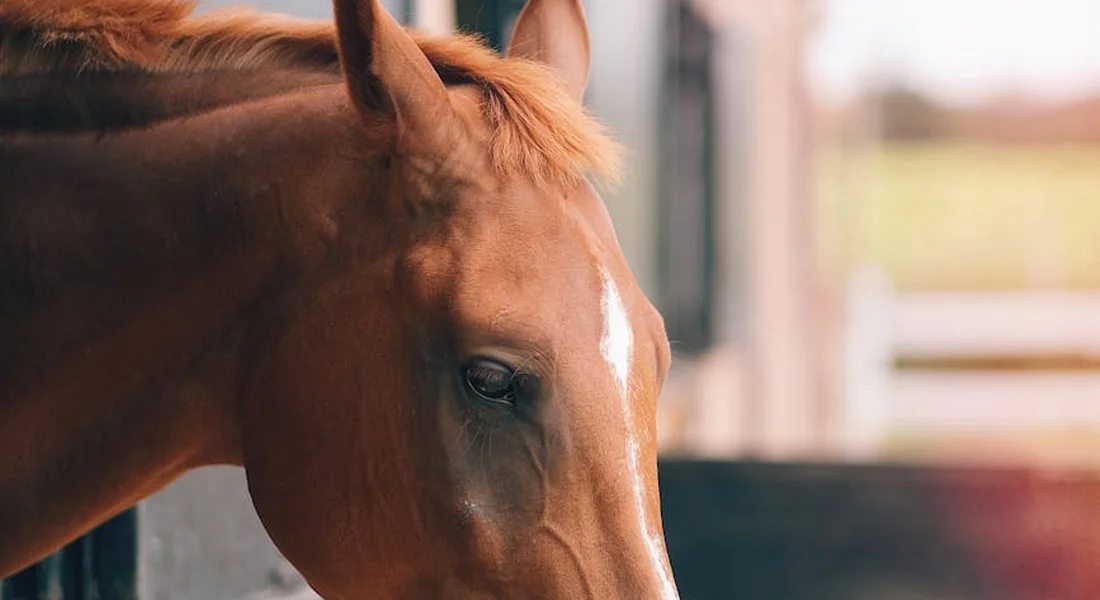
Consistency is your new best friend. A predictable routine builds a scaffold of security for a horse whose past was likely anything but. The simple, daily repetition of your actions-showing up at the same time, moving in a calm manner, following the same order of operations-is how you translate your good intentions into a language your horse can understand and trust.
Designing a Rescue-Specific Nutrition Plan
You cannot rush weight gain. A starved digestive system is fragile and cannot handle a sudden influx of rich food. I learned this the hard way with a rescue years ago; too much, too fast led to a colic scare that chilled my blood. Start with high-quality grass hay, fed small amounts frequently.
- Week 1-2: Free-choice grass hay (soaked if dental issues are suspected) and a plain vitamin/mineral balancer pellet. No grain, no rich alfalfa.
- Week 3+: Slowly introduce calorie-dense supplements. I’m a fan of soaked beet pulp for safe calories and hydration, or a specialized senior feed that’s highly digestible.
- Always: Unlimited access to fresh, clean water. Monitor manure consistency daily-it’s your best window into gut health.
Think of refeeding like nursing a sputtering fire back to life: you add kindling slowly and patiently, not a whole log at once. Regular weight-taping and body condition scoring are non-negotiable to track progress objectively.
10 Daily Care Routines for Consistency
These aren’t chores; they are trust-building appointments. Keep them short, positive, and low-pressure.
- Morning feed and visual health check (eyes, nose, manure, coat).
- Refill water buckets, scrubbing them clean every other day.
- Pick out stall or paddock manure.
- Offer a midday hay flake or slow-feeder net.
- Evening feed and another full-body visual scan.
- Gentle grooming session, even if just a soft brush on the neck they allow you to touch.
- Pick out hooves. This is a major trust exercise-be patient.
- Hand-walk for 10 minutes if they are cleared for light activity.
- Check fences, buckets, and blankets for safety.
- Spend 5 minutes just standing quietly in their space, reading a book or ignoring them.
Scheduling Veterinary and Farrier Care
Proactive care prevents panic. Get these professionals on your calendar early, and brief them fully on the horse’s history. Your first farrier visit is less about a perfect trim and more about teaching the horse that hoof handling can be a neutral or even positive experience. A quiet, patient farrier is worth their weight in gold, especially if you know how to prepare your horse for that initial visit.
- Vet: Schedule a follow-up visit 4-6 weeks post-adoption for weight check, dental exam, and vaccination/deworming plan.
- Farrier: Aim for a visit within the first 2-3 weeks, even if just for a trim and assessment. Use a sedative if your vet recommends it-it’s a kindness, not a failure.
- Records: Keep a dedicated binder or digital folder for all vet/farrier notes, costs, and observations. Patterns emerge in ink.
The Heart of the Matter: Building Trust and Bonding
This is the slow, beautiful work. Trust isn’t built in grand gestures, but in a thousand quiet moments where you choose patience over pressure.
Five Trust-Building Techniques That Work
Technique 1: Presence Without Pressure
Sit on an upturned bucket in the paddock. Don’t look at them, don’t approach them. Let them decide to investigate you. The first time Luna chose to walk over and sniff my hair, her warm breath fogging the morning air, my heart stopped. Letting them make the first choice is a powerful gift that tells them they have a say in this relationship.
Technique 2: Positive Reinforcement with Treats
Use small, safe treats (like a piece of carrot or commercial treat). The rule is simple: reward any try. A step toward you? Treat. Accepts the halter? Treat. Stands quietly? Treat. You are not bribing; you are having a clear conversation about what behaviors you appreciate. Avoid treating for mugging or pushy behavior-turn your body away instead.
Technique 3: Gentle Grooming Sessions
Start with just a soft rubber curry or your hand. Follow the direction of the hair, watching for muscle twitches or head swings that say “that’s sore.” The act of grooming releases endorphins. Finding that itchy spot they can’t reach and scratching it is the equine equivalent of a handshake and a peace treaty. Keep sessions under 10 minutes.
Reading and Responding to Horse Body Language
Learn to listen with your eyes. A rescue horse often speaks in whispers before they’ll ever shout.
| What You See | What It Likely Means | Your Best Response |
|---|---|---|
| Ears pinned flat back, whites of eyes showing | Fear or pain-based aggression. “Get away.” | Back up, give space. Reassess your approach. |
| Head low, lower lip drooping, one hind leg cocked | Relaxation and comfort. “I feel safe.” | Quietly continue what you’re doing. This is gold. |
| Snort with head high, tense body | High alert, uncertainty. “What is that?” | Stay calm, speak softly, let them process. |
| Turning hindquarters towards you while moving away | Anxiety about pressure. “You’re too close.” | Move to their shoulder, reduce pressure. |
The most important muscle to develop is your own patience. Progress is measured in blinks, not bounds.
Navigating Challenges: Common Health and Behavioral Issues
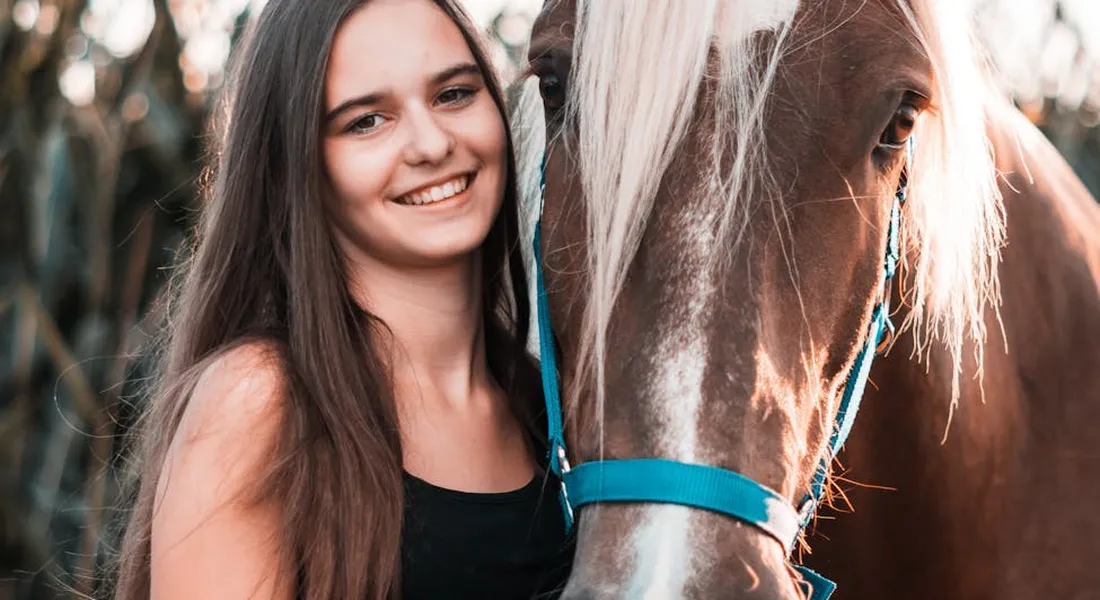
Setbacks are data, not failure. They are clues about the horse’s past and guides for your next step.
Identifying Stress-Induced Behaviors
Wood chewing, weaving, stall walking, or withdrawal are distress signals. These behaviors are cries for help, not acts of defiance. The cure is almost always more turnout, more forage, and more quiet companionship. I’ve seen a chronic weaver nearly stop within a week of moving to a 24/7 track paddock system with a calm buddy.
Addressing Nutritional Deficiencies and Weight Gain
Plateaus happen. If weight gain stalls despite good calories, dig deeper.
- Teeth: Painful hooks or ulcers can prevent proper chewing.
- Parasites: A fecal egg count can reveal hidden burdens.
- Metabolic Issues: A cresty neck or persistent fat pads can signal an underlying condition like PPID.
Work with your vet. Sometimes the solution is as simple as adding a probiotic or switching to a chopped forage.
Managing Fear-Based Reactions and Skittishness
For the horse that spooks at its own shadow, like Pipin on a windy day, you must become a steady anchor. Don’t punish the reaction. Instead, practice approach and retreat with scary objects. Tap a plastic tarp with a stick, then walk away. Let curiosity overcome fear. Your goal is not a bombproof horse, but a horse that trusts you enough to look to you for guidance when they are afraid.
Progressing Together: Advanced Rehabilitation and Enrichment
Once basic health and trust are established, you can start painting on a broader canvas.
Developing a Gradual Training Plan
Forget a 30-day program. Think in 90-day cycles. Start with liberty work in a round pen or small paddock-moving their feet respectfully without ropes. Then introduce ground manners: leading, backing, yielding hindquarters. That path evolves from liberty work—no ropes—to calm, confident handling with light tack. It naturally transitions you toward saddling without drama. The first time you slip a saddle pad on and off without a flinch is a victory parade. Let the horse’ confidence be your timeline.
Introducing Socialization with Other Horses
Do this carefully over a safe fence line for at least a week. Choose a calm, non-aggressive buddy as their first friend. Watch for playful versus aggressive squeals and kicks. Seeing your rescue graze nose-to-nose with a companion, synchronized in the rhythm of chewing, is one of the most healing sights a barn can offer.
Enrichment Activities for Mental Stimulation
- Hide carrots in a traffic cone or scatter hay in their paddock.
- Introduce a Jolly Ball or other safe, sturdy toy.
- Practice simple target training with a pool noodle.
- Take them on quiet, exploratory hand-walks around the property.
A bored horse is a stressed horse; an engaged mind is a calm mind. These activities build confidence and reinforce that new things can be fun, not frightening.
Foundational Routines: Nutrition, Health, and Daily Care
Designing a Rescue-Specific Nutrition Plan
Your new horse’s ribs might tell a story of scarcity, but rushing to fix it with rich feed is a recipe for colic. I learned this with Luna, my dapple grey Thoroughbred, who arrived looking like a ghost of herself. We started with what her gut knew: plain, good-quality grass hay, fed in small, frequent meals. Always begin with forage, letting the horse’s digestive system wake up slowly over weeks, not days. Think of it like reintroducing solid food to someone who’s been starved; you go slow to avoid shock.
Beyond hay, I work with my vet to add a balanced vitamin-mineral pellet or a soaked feed if needed, but grain is rarely the hero. For weight gain, I prefer beet pulp or a fat supplement like rice bran. Consistency in feeding times matters more than fancy supplements, as it rebuilds metabolic trust and routine. Watch manure closely-its texture and frequency are your best daily report card on how the plan is working.
10 Daily Care Routines for Consistency
Routine is the silent language of safety for a rescue. It tells them, “You are secure here.” These ten simple acts build that foundation.
- Visit at the same times each day, even if just to say hello from the stall door.
- Provide fresh water, scrubbing buckets daily to encourage drinking.
- Offer hay before any concentrates to mimic natural grazing.
- Pick feet carefully, honoring any fear or tenderness from past neglect.
- Do a quick body check: run hands over legs, look for new scrapes, note demeanor.
- Spend five minutes in silent companionship in the paddock, ignoring them as they ignore you.
- Keep turnout schedules predictable; freedom to move is non-negotiable for healing.
- Use the same gentle voice for commands; tone is everything.
- Note feed consumption each morning-a dropped appetite is the first red flag.
- End each interaction on a calm note, even if you didn’t accomplish your goal.
This list isn’t about tasks, it’s about building a predictable rhythm that says, “This human is safe.” With Pipin, the Shetland pony, routine turned his cheeky escapes into mere gate inspections, because he learned the hay would always come.
Scheduling Veterinary and Farrier Care
Book these appointments within the first week, but frame them as gentle introductions, not interventions. Your vet needs a baseline: vaccines, deworming, dental float, and a blood draw if possible. These initial checks also help determine the ongoing veterinary care the horse will need, including regular checkups, vaccines, dental maintenance, and parasite control. Schedule farrier work for a separate, quiet day, as both experiences can be overwhelming. I always warn my vet and farrier about the horse’s history so they move slowly and talk softly.
For a horse like Rusty, who hated handling his feet, we did mock farrier visits for weeks first. I’d simply pick up a hoof, hold it for three seconds, and give a carrot. Advocate for your horse in these sessions; you are their translator and protector. If the horse is terrified, reschedule rather than force it. Their long-term comfort is worth postponing a trim. In fact, this approach is part of teaching your horse basic ground manners, which lays the groundwork for safer handling. You’ll find a simple guide on ground manners in the next steps.
The Heart of the Matter: Building Trust and Bonding
Five Trust-Building Techniques That Work
Trust isn’t earned in grand gestures, but in a hundred quiet moments. Beyond the three techniques detailed below, remember technique four: Scatter Feeding-tossing hay pellets in the grass to encourage natural foraging and lower head anxiety. Technique five is Leading with Choice-asking with a loose rope and releasing pressure the instant they think about moving, not after they do.
Technique 1: Presence Without Pressure
I spend a lot of time just being a boring fixture in the space. I’ll read a book sitting on an upturned bucket in Luna’s paddock, ignoring her completely. Your passive presence teaches the horse that your proximity doesn’t always mean demands or pressure. They learn to sniff your hair, stand in your shadow, and eventually, doze off with you nearby. This is the bedrock.
Technique 2: Positive Reinforcement with Treats
Use treats wisely. I keep small, low-sugar pieces like chopped carrot or a commercial pellet in my pocket. The rule is simple: reward any try. A glance toward you, a relaxed ear, a step forward-mark it with a click or a “yes” and then the treat. This method clearly communicates what you want, building a language of “yes” instead of “no.” Pipin went from snatching to softly lipping treats from my palm in a month.
Technique 3: Gentle Grooming Sessions
Start with just a soft brush on the shoulder, where they can see you. Watch for tension. If they flinch, stop and just rest your hand there. Grooming is not about getting clean; it’s about tactile connection and finding the itchy spots that make them lean in. The day Rusty let me brush his previously sensitive belly without tightening up, I knew we’d turned a corner. Keep sessions short-five minutes of success is better than twenty of struggle.
Reading and Responding to Horse Body Language
See that tight muzzle? The whites of the eye? That’s a horse shouting in silence. Learning to read this is your superpower. A head lowered with soft, blinking eyes is a green light. Ears pinned flat back with a stiff neck? Red light-back off. Respond by mirroring their calmness: breathe deeply, soften your own posture, and give them space. When Luna would get a worried wrinkle above her eye, I’d simply step back and look away, breaking the pressure. It told her I was listening. This dialogue of movement and reaction builds more trust than any rope ever could.
Navigating Challenges: Common Health and Behavioral Issues
Identifying Stress-Induced Behaviors
Your new rescue might speak volumes through movement before they make a sound. I learned this with a thoroughbred mare who would rhythmically sway her head for hours. Observing these silent signals is your first clue to their inner world, telling you when to slow down or change approach. Common stress tells include stall weaving, fence walking, or excessive vocalization. Some, like cribbing on wood, are coping mechanisms from past confinement.
Watch for subtler signs too. A horse that flinches at sudden shadows or holds their breath when you enter the stall is communicating anxiety. Time and patience are your best tools here, not correction, as punishing these behaviors only adds more fear. I keep a simple journal for each horse, noting what triggers a reaction-was it the sound of a tractor or a new feed bucket? Patterns emerge quickly, especially when dealing with common horse fears and skittish behavior.
- Physical Signs: Sweating without exertion, tense muscles under your hand, a fixed stare or whites of the eyes showing.
- Behavioral Signs: Repetitive pacing, refusing to eat in your presence, sudden spooking at familiar objects.
- Immediate Action: Ensure safety, then remove the stressor if possible. Offer a quiet, predictable routine. Sometimes, just sitting quietly in the corner of the paddock with a book does more than any training session.
Addressing Nutritional Deficiencies and Weight Gain
Seeing ribs is a call for careful action, not rapid feeding. Their digestive system is delicate after neglect. Rushing weight gain can cause lethal founder or colic, so the mantra is always “slow and steady.” Start with a vet check for teeth and parasites, as these often block nutrient absorption. I base every plan on good-quality grass hay, introduced in small, frequent meals to mimic natural grazing.
For a severely underweight horse, I’ve soaked alfalfa pellets or beet pulp to create a gentle, calorie-dense mash. The smell of warm beet pulp on a cold morning became a trust-builder with more than one rescue, a reliable pleasure they could count on. Avoid rich grains initially; the gut flora needs time to adjust. Supplements like a balanced vitamin-mineral pellet or rice bran for fat can be added later, but hay is the cornerstone.
- Week 1-2: Free-choice grass hay, constant access to fresh water, and a plain salt block. Monitor manure consistency.
- Week 3-4: Introduce a weighed amount of hay to prevent waste and monitor intake. Add a soaked feed if weight gain stalls.
- Ongoing: Weigh-tape weekly. Adjust feed by pounds, not scoops. The goal is a gradual curve, not a spike.
Managing Fear-Based Reactions and Skittishness
A rescue horse might see a flapping coat as a monster. Their fear is real, not disobedience. Your job is to become a predictable, non-threatening presence in their life, which builds trust far faster than any dominance technique. I start all handling with what I call “pressure-off” rewards. Simply taking a step back when they stop fleeing teaches them that calmness earns space. Building trust with a new rescued horse starts from day one and grows through consistent, gentle handling. In the next steps, you’ll find practical tips on building trust with a new rescued horse.
Use slow, deliberate movements and a calm voice. If a horse like Pipin shies from a saddle pad, I don’t force it. I’ll drape it over a fence rail for days, letting them sniff and inspect it until it’s just another piece of barn scenery. For sudden spooks, plant your own feet, breathe deep, and wait. Chasing or tightening the lead rope often confirms their fear.
- Desensitization Steps: Introduce new objects (tarps, bags) at a distance. Move closer only when they relax, rewarding with a voice cue or a break.
- Space is Key: Never corner a fearful horse. Always work in an open area where they can move their feet without feeling trapped.
- Body Language: Turn your shoulder to them, avert your gaze, and soften your posture. These are equine peace signals.
Progressing Together: Advanced Rehabilitation and Enrichment
Developing a Gradual Training Plan
Forget a rigid 30-day program. Your plan must bend like a willow to the horse’s daily mood and progress. I sketch a monthly framework but decide each session based on the horse’s energy and confidence that morning. Week one might be just leading from a halter without pressure. Groundwork-yielding hindquarters, moving shoulders-builds dialogue and respect without you ever leaving the ground.
Keep sessions short, under twenty minutes. End on a positive note, even if it’s just one successful step back. Celebrating tiny victories, like standing calmly for grooming, reinforces that work with you is safe and rewarding. When introducing saddles or riders, let the horse wear the gear while eating hay to build positive associations. I spent weeks just leaning over Luna’s back before ever sitting up, ensuring her trust was solid.
- Foundation (Days 1-30): Master leading, tying, and hoof handling. Introduce basic voice commands.
- Connection (Days 31-45): Advance groundwork with circles and changes of direction. Introduce saddle pad and girth.
- Partnership (Days 46-60): Begin light longing. Consider a first mounted walk if the horse is mentally ready, not just physically.
Introducing Socialization with Other Horses
Horses heal in herds. Turnout time is not a luxury; it’s critical therapy for their mind and body. Proper socialization reduces anxiety and teaches normal equine behavior, something many rescues have never learned. But introductions must be managed. I always use a double-fenced paddock or adjacent stalls first, letting horses sniff and squeal without contact for a few days. For a young rescue, early socialization with other horses is crucial to build confidence. When ready, I introduce them gradually to a few calm peers to reinforce herd etiquette.
Choose a calm, non-aggressive herd member for the first face-to-face meeting. My old Quarter Horse, Rusty, has been a steady babysitter for many nervous newcomers. Watch for pinned ears or squeals, but allow normal herd hierarchy to establish as long as it doesn’t turn violent. Always have a human on hand with a rake or flag to gently discourage bullying. The goal is peaceful coexistence, not forced friendship. This approach also translates to introducing a new horse to an established herd. In that case, plan a gradual, supervised introduction on neutral ground to ease the transition.
Enrichment Activities for Mental Stimulation
A bored horse is a stressed horse. Enrichment prevents backsliding into old, stable-bound behaviors. Simple changes in their daily routine spark curiosity and build problem-solving skills, which directly boosts confidence. I scatter hay in multiple piles around the paddock instead of one net, encouraging natural foraging movement.
Make toys from safe items. A traffic cone stuffed with hay, a sturdy ball they can nudge, or a frozen block of water with apple slices inside. The slow crunch of ice on a hot day keeps a horse occupied for hours, providing mental and physical relief. Even changing your walking route for hand-grazing or exploring a new, quiet corner of the property counts as enrichment.
- Food Puzzles: Use slow-feed nets with different hay types, or hide carrots in a muffin tin covered with balls.
- Sensory Variety: Walk over safe, varied footing like rubber mats, shallow sand, or grassy patches. Let them sniff different herbs like peppermint or chamomile.
- Positive Challenges: Teach a simple trick like targeting a cone with their nose. This shifts their focus from fear to fun learning.
Beyond 60 Days: Fostering Resilience and Ongoing Support
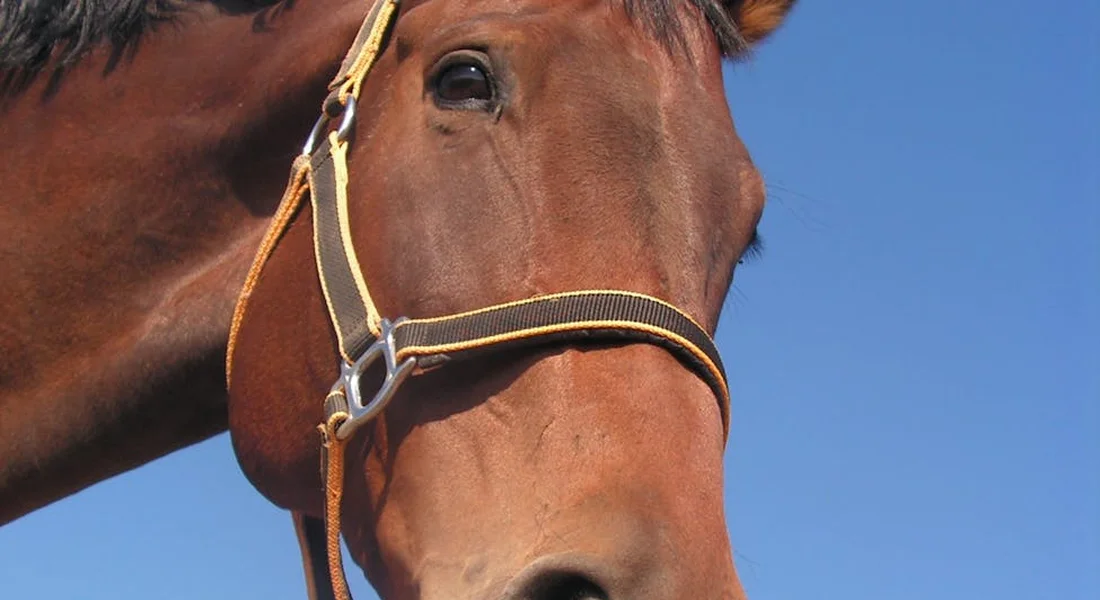
Those first two months are a foundation, but the real architecture of your partnership is built now. I remember watching Luna, months after her arrival, finally sigh and lower her head for a bridle without tension in her jaw. It wasn’t a grand moment, just a quiet morning with the smell of dew on the arena sand. True rehabilitation is not a race to a finish line; it’s the daily practice of showing up, reading your horse’s quiet signals, and adapting to their pace. This next phase is about deepening that language and building a horse that’s not just recovering, but thriving.
Assessing Progress and Setting New Goals
Take a breath and look back. Compare your notes from day one to now. Is the rib cage less prominent? Does the coat have more bloom? Progress can be subtle, like Pipin waiting at the gate instead of bolting, or Rusty taking a deep sniff of a previously scary tarp. Create a simple checklist to visually track changes in weight, hoof growth, and demeanor-it turns intangible hope into tangible data.
Setting new goals requires a blend of optimism and realism. If your horse now leads calmly, perhaps the next goal is standing tied for grooming. Use short, positive sessions.
- Physical Health: Document weight with a tape, photograph hoof condition monthly, and note energy levels. A sudden drop might mean a feed adjustment.
- Behavioral Shifts: Record reactions to common stimuli. Does a raised voice still cause a bolt, or just a wary ear flick?
- Trust Milestones: Note voluntary interactions, like your horse choosing to approach you in the paddock.
I learned with my sensitive Thoroughbred that her goals were small. One week, our sole aim was walking past the wheelbarrow without her spinning. Celebrating these micro-wins builds confidence for both of you.
Building a Support Network with Vets and Trainers
You cannot, and should not, do this alone. A rescue horse often comes with a mystery file, and a good support team is your best diagnostic tool. I’ve spent many afternoons on the phone with my vet, describing the precise shade of Luna’s droppings or the way Pipin favors a foot. Your veterinarian and farrier are your core health detectives; choose ones who listen more than they lecture and who respect your observational skills.
When seeking a trainer, look for someone who speaks the language of gentle horsemanship and has experience with trauma. They should be willing to work with you, not just on your horse.
- Ask potential trainers to observe a handling session first. Their focus should be on the horse’s emotional state, not just obedience.
- Find a farrier who is patient and uses a calm, low-stress approach. A rushed trim can undo weeks of trust.
- Connect with other rescue owners. Their shared stories are a priceless resource for problem-solving and moral support.
A strong network acts as a safety net, catching issues before they become crises. It lets you hear the reassuring thud of hooves on good ground, knowing a team has your back.
The Long-Term Commitment to Your Rescue Horse
This is the forever promise. It means budgeting for unexpected colic calls, planning for senior feed years down the line, and committing to daily turnout for both body and mind. The long-term commitment is a pact to prioritize their welfare every single day, through muddy winters and busy schedules, because they depend entirely on your choices.
Your horse’s needs will evolve. The cheeky pony will need dental care, the anxious Thoroughbred may always need a quiet approach. Plan for it.
- Financial Planning: Start a separate savings fund for veterinary care. Even a small monthly amount builds a buffer for emergencies.
- Lifelong Learning: Attend clinics, read new research on equine nutrition, and stay curious about better ways to communicate.
- Advocate for Their Nature: Fight for maximum pasture time. Horses are designed to move and graze; a stalled life often leads to physical and mental setbacks.
I think of old Rusty, now a steady trail companion. His long-term care isn’t glamorous-it’s joint supplements, routine teeth floats, and knowing he hates puddles so we take the long way around. That daily devotion is what turns a rescue case into a beloved partner. The journey continues with every scoop of feed, every quiet grooming session, and every moment of mutual understanding.
Frequently Asked Questions: Your First 60 Days with a Rescue Horse
How do I handle a rescue horse that is terrified of humans?
Focus on passive presence and choice-based interactions to build security. Spend time sitting quietly in their space without making demands, allowing them to approach you first. Use positive reinforcement, like a treat, for any small sign of curiosity or relaxation to create positive associations.
What is the single most important thing to prioritize for safety in the beginning?
Establishing a predictable daily routine is the cornerstone of safety and trust. A consistent schedule for feeding, turnout, and quiet handling reduces anxiety and prevents stress-induced reactions. Always work in a secure, enclosed area and prioritize your own calm, deliberate movements to avoid triggering fear.
What should my immediate focus be within the first week of adoption?
Your immediate focus must be on veterinary assessment and implementing a safe, slow nutrition plan. Schedule a vet visit to address urgent health needs and create a refeeding schedule based on grass hay to prevent digestive shock. Simultaneously, begin establishing calm, daily care routines to build a scaffold of predictability.
The Next Chapter Together
Anchor your first weeks with a solid health check, consistent feed times, and calm handling to build security. Resist the urge to rush; trust is woven from countless quiet, positive moments, not forced milestones.
Your patience is the safest shelter a rescue horse will ever know. Listen with your eyes and heart, because the soft nicker or relaxed sigh is your best guide forward.
Further Reading & Sources
- My Right Horse
- Ready for Adoption | Red Bucket Equine Rescue
- Equine Rescue & Adoption Foundation Home
- r/Horses on Reddit: What are some tips for adopting a rescue horse?
At Horse and Hay, we are passionate about providing expert guidance on all aspects of horse care, from nutrition to wellness. Our team of equine specialists and veterinarians offer trusted advice on the best foods, supplements, and practices to keep your horse healthy and thriving. Whether you're a seasoned rider or new to equine care, we provide valuable insights into feeding, grooming, and overall well-being to ensure your horse lives its happiest, healthiest life.
Behavior