
How to Adjust Your Horse’s Diet for Peak Summer Performance
Hello fellow equestrians. Does your horse seem lethargic or picky as the mercury climbs, sparking worries about weight loss and costly health issues?
That nagging concern is valid-summer stress can unravel months of training and hit your wallet hard.
I will guide you through practical, barn-proven fixes you can start today, focusing on:
- Hydration methods that entice even stubborn horses to drink more water.
- Adjusting forage and grain to maintain energy without digestive upset.
- Smart use of electrolytes to replace what sweat takes away.
- Daily monitoring cues to ensure your horse thrives, not just survives.
My advice is forged from years of barn management and training, juggling the needs of steady geldings like Rusty and high-strung Thoroughbreds like Luna through every heatwave.
Why Summer Turns Equine Nutrition Upside Down
Walk into the barn on a July afternoon, and you’ll feel it-the heavy, quiet heat that makes even the flies lazy. Your horse stands dozing, his metabolism shifting gears to cope. Summer doesn’t just change the weather; it fundamentally alters how your horse processes fuel and water, demanding a nutritional pivot from every owner.
Energy Requirements in the Heat
Think of your horse’s body like a wood stove. In winter, you stoke it high for warmth. In summer, you need just enough fire to cook, not heat the whole house. Intense work in hot weather can actually increase energy needs, but for many pleasure horses, maintenance requirements may drop as they conserve energy to stay cool. That same idea applies to keeping horses cool and safe in hot weather. Practical steps like shade, ventilation, and steady hydration make a big difference. I learned this watching Rusty; on scorching days, even his eager trail pace slows, and he’d rather stand in the shade.
The Link Between Metabolism and Temperature
Digesting food generates internal heat-a process called thermogenesis. A large meal of starchy grains can make your horse feel like he’s running a furnace inside. To prevent overheating, the equine body may subtly slow metabolic processes, meaning it uses nutrients differently than in cooler months. It’s a delicate balance between providing fuel and avoiding internal burnout.
Hydration: The Non-Negotiable Base Layer
Water is the first, second, and third thing on your summer checklist. I start every morning by scrubbing tanks and listening for the fresh rush of clean water-that sound is care. Dehydration sneaks up fast; a horse losing just 5% of its body water in sweat is at serious risk of systemic shutdown.
Offer cool, not ice-cold, water and always have salt available to encourage drinking. If Pipin taught me anything, it’s that a smart pony will drink before he eats on a hot day, and we should follow that wisdom.
Electrolyte Balance and Sweat Loss
Equine sweat is salty, losing crucial electrolytes like sodium, potassium, and chloride. A white crust on their coat isn’t a badge of honor; it’s a depletion notice.
- Sodium Chloride (Salt): Always provide a plain white salt block or loose salt. This is non-negotiable.
- Potassium: Lost in high amounts through sweat. Good pasture and quality hay are natural sources.
- Supplementation: For hard-working horses, add a balanced electrolyte to their feed or water, but never force it in water without a fresh alternative.
Remember, electrolytes without sufficient water intake can worsen dehydration, so always pair them with ample hydration.
Building Your Summer Feeding Strategy
Forget complicated charts. Your strategy is built on observation and adjustment. Watch your horse’s ribs, his energy, and the pile of manure-these are your daily reports.
Prioritizing Forage Quality and Fiber Intake
The steady fermentation of fiber in the hindgut is a slow, cool-burning energy source. Maximizing turnout for grazing or offering free-choice hay supports digestion, reduces boredom, and aligns with their natural physiology. Luna’s sensitive gut settles best with 24/7 access to grassy fiber, which keeps her calmer in the heat than any grain ever could.
Assessing Hay Quality and Pasture Management
Summer hay can be stemmy and less nutritious. Use your senses:
- Look: It should be leafy and green, not dusty or brown.
- Smell: Sweet and fresh, like cut grass, not moldy or stale.
- Feel: It should be resilient, not brittle or damp.
For pasture, rotate grazing areas to prevent overgrazing and ensure access to shade and water in every paddock. This simple management reduces stress and preserves grass quality.
Adjusting Concentrates and Supplements
This is where you fine-tune. If your horse is working hard, you might need more. If he’s a pasture ornament, you might need less. To guide these changes, assess your horse with equine body condition scoring. Base any changes on body condition score, not on the calendar, and make all adjustments slowly over 7-10 days.
Fat Supplementation vs. Carbohydrate Sources
Fats, like rice bran or vegetable oil, provide dense calories without the metabolic heat spike of sugary grains.
- Fat Pros: High-energy, “cool” digesting, supports sleek coat.
- Starch/Carb Cons: High amounts can risk digestive upset and increased internal heat.
For many active horses, swapping a cup of grain for a cup of oil is a savvy summer move that maintains condition without the burn.
Mineral Balance: Calcium, Phosphorus, and Potassium
Sweating and lush pasture alter mineral levels. A imbalance here affects everything from muscles to nerves.
| Mineral | Summer Role | Natural Source |
|---|---|---|
| Calcium | Muscle function, nerve signaling | Legume hay (alfalfa) |
| Phosphorus | Energy metabolism | Grass hay, grains |
| Potassium | Fluid balance, sweat loss | Pasture, beet pulp |
Aim for a calcium-to-phosphorus ratio between 1:1 and 2:1, and remember that potassium is easily leached from hay-so fresh forage or a balanced supplement may be key. A simple blood test from your vet can guide you if you’re unsure.
The Art of Summer Hydration and Electrolytes
Ensuring Constant Water Access
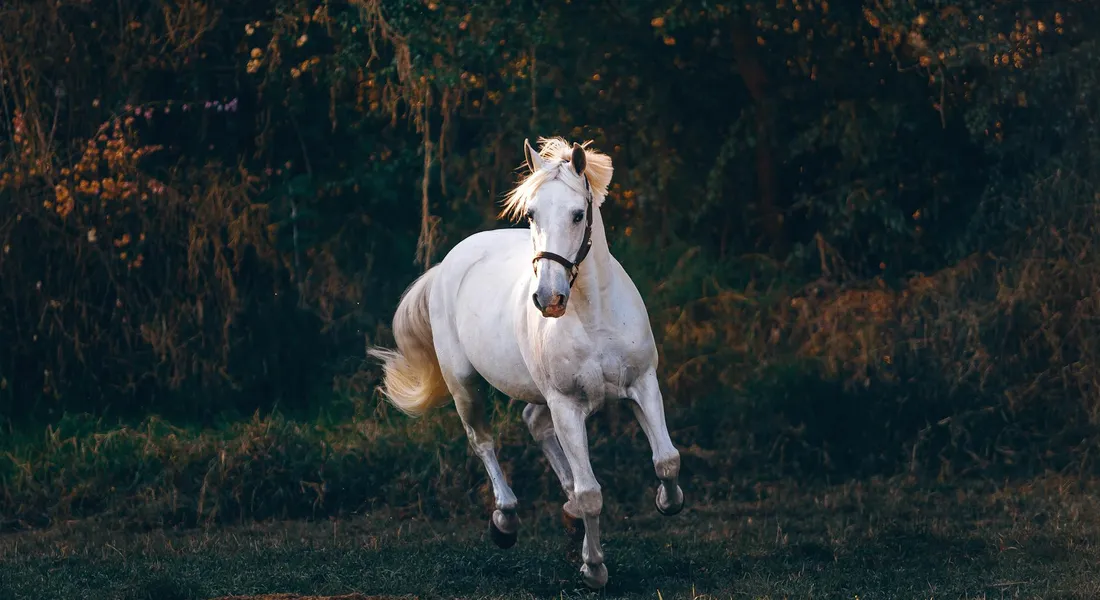
I spend summer afternoons listening to the rhythmic thud of hooves and the soft splash from the trough, a sure sign everyone is drinking. Your first job in the heat is to provide clean, cool water around the clock, checking tanks and buckets twice daily for debris or algae. Automatic waterers save time, but place your hand in the stream to feel the temperature and ensure it runs cool, not sun-warmed.
Beyond the Bucket: Encouraging Drinking
A horse like Luna might turn her nose up at warm, stale water. Encourage her with these simple tricks:
- Drop a few clean, floatable apples or carrots in the bucket to make drinking a game.
- Soak a flake of hay until it drips, offering a hydrating snack.
- Add a teaspoon of apple cider vinegar or a splash of unsweetened juice to a separate water bucket for a hint of flavor.
Always keep a plain water source available so your horse can choose, preventing dehydration from taste aversion. I learned this with Rusty, who will drink anything, but Pipin needs his water to taste like his favorite treat.
Supplementing Electrolytes Correctly
Electrolytes are the minerals lost in sweat, and replacing them haphazardly can upset your horse’s internal balance. Think of electrolytes like seasoning food; a little enhances function, but a handful ruins the meal. Start by observing sweat patterns after work. A light sheen on Luna’s neck means different needs than Rusty being soaked after a trail ride.
Choosing Between Salt Blocks and Daily Powders
Your choice depends on your horse’s lifestyle and your routine. Here is a breakdown:
| Method | Best For | Practical Tip |
|---|---|---|
| White Salt Block | Horses with ample turnout, like Pipin who licks his between escapades. | Place it in a dry, shaded spot. It provides sodium and chloride intuitively, but some horses ignore it. |
| Daily Electrolyte Powder | Horses in consistent work or those who sweat heavily, akin to Luna during training. | Mix a measured dose into a dampened handful of feed. Choose a balanced formula containing sodium, potassium, and magnesium. |
For most pleasure horses, a salt block and a balanced diet are sufficient; only add powders during periods of intense heat or prolonged exercise. These are part of the essential components of a healthy horse diet. More on these components can inform future feeding decisions. I monitor intake by feeling for dampness on the block and watching for consistent drinking.
Feeding Schedule and Digestion Stability
Why Gradual Diet Changes Are Critical
Switching feeds quickly is like asking your horse to digest a brick. The microbes in the hindgut need a week or more to adjust to new hay or grain, preventing colic and founder. I once rushed a change for Rusty when new hay arrived, and his gut sounds went silent for a scary afternoon. Now, I transition every horse, from pony to thoroughbred, with glacial patience. Transitioning between feeds safely means changing your horse’s diet gradually, not rushing to a new feed. Start by mixing the new feed with the old and gradually increasing the ratio over a week or more to protect the gut.
Step-by-Step Guide to Transitioning Feed
Use this slow method over 10 to 14 days for sensitive horses like Luna, or 7 days for hardier types like Rusty.
- Days 1-3: Feed 80% old diet, 20% new diet.
- Days 4-6: Shift to a 50/50 blend of old and new.
- Days 7-9: Offer 80% new diet, 20% old diet.
- Day 10 onward: Provide 100% new feed if manure remains firm and appetite is strong.
Extend the timeline at any sign of loose manure or off behavior; a slow transition is cheaper than a vet call. Check manure piles daily during the change, looking for normal, formed balls.
Optimizing Meal Timing for Cooler Hours
Digestion creates internal heat, so feeding big meals at noon adds to your horse’s cooling burden. Schedule grain and larger hay meals for early morning or late evening when the barn shadows are long and the air is cooler. I feed Pipin his concentrate at dawn, so he eats as the birds wake up, and give Luna her evening hay after the sun dips. Split daily rations into three or four smaller meals to keep the gut moving steadily without heat spikes. These timing tips form the foundation of a daily feeding routine. They’re a natural fit for a broader guide on creating the perfect horse feeding schedule.
Solving Common Summer Diet Problems
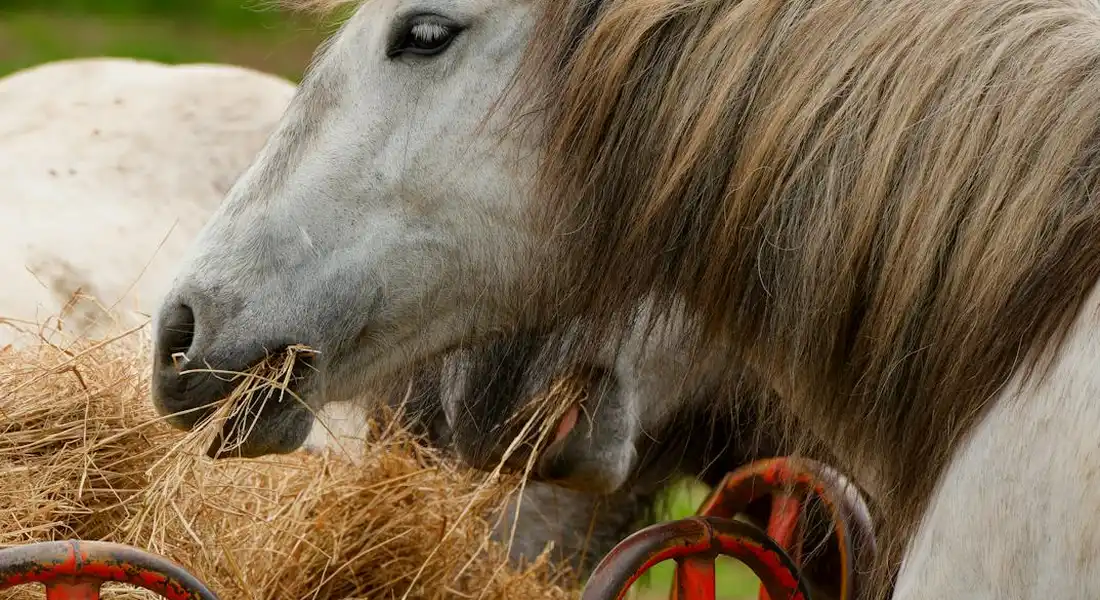
That mid-summer slump isn’t just in your imagination. I’ve watched my reliable Rusty push his grain around with a bored lip when the temperature soars. Heat stress changes everything. Your first job is to become a detective, noticing small shifts in eating habits before they become big problems.
When Your Horse is Losing Weight
Seeing ribs appear in July is alarming. Horses use significant energy just panting and sweating to stay cool. My sensitive Luna can look ribby after just a few hot days if her workload stays high. Weight loss in heat is often a sign of calorie burn outpacing intake, not just picky eating.
Checklist for Boosting Calorie Intake
Throw more grain at the problem and you risk colic or heat buildup. This list focuses on smart, cool-burning calories.
- Prioritize Fat Over Starch: Stir a half-cup of corn or soybean oil into feed. Fat provides dense calories without the digestive heat spike of heavy grains.
- Soak Your Beet Pulp: A quart of soaked beet pulp shreds adds gut-friendly calories and hydration. The dark, sweet smell always brings Pipin trotting over.
- Up the Hay Quality: Find the greenest, leafiest second-cut hay you can. Better hay means more calories per bite, so they eat less to get more.
- Add a Lunch Feeding: If you feed grain twice a day, split it into three smaller meals. Consistent intake supports metabolism without overload.
When Your Horse Stops Eating or Drinking
A silent barn at feeding time is a worry. Appetite shutdown usually starts with water. I learned this when Pipin refused his bucket; the water was warm from sitting in the sun. A dehydrated horse will always refuse food, so thirst is the first link you must fix.
Practical Hacks to Stimulate Appetite
- Turn a Hose Into a Water Fountain: Many horses will drink straight from a running hose. The sound and cool temperature can trigger their instinct to drink.
- Create a “Soup:” Soak your horse’s grain pellets or cubes into a sloppy mash. The easier it is to swallow, the more likely a tired horse is to eat.
- Hide Electrolytes in Applesauce: Use a sugar-free applesauce pouch as a carrier for electrolyte paste. It masks the taste and adds moisture.
- Move the Feed Tub: Place it in the breeziest, shadiest spot in the stall or paddock. A cooler horse is a hungrier horse.
Fueling the Performance Horse in Hot Weather
Training or competing in summer demands a nutritional game plan. It’s about timing and type, not just quantity. Think of your horse’s system like a classic truck; it needs the right premium fuel to run smooth in the heat. A balanced diet for a performance horse is essential to translate that fuel into steady energy and quick recovery. It supports endurance and keeps performance peak when it matters most.
Pre-Activity: Loading Energy and Hydration
Preparation starts the day before. For a big weekend trail ride with Rusty, my focus is on hydration reserves and steady energy. You cannot “cram” hydration the morning of a event; their gut needs time to absorb and store fluids.
What to Feed 12-24 Hours Before Work
This is about familiarity and fluid. Stick to your normal feeds but tweak their form.
- Offer Soaked Hay Free-Choice: Dunk hay nets for 30 minutes. This pre-loads the gut with water-soaked fiber, the base of all energy.
- Keep Grain Meals Light and Simple: Give your usual evening grain ration, but avoid any new supplements or rich additions that could disrupt digestion.
- Provide a Salt Lick Bonus: Hang an extra salt block in the stall. Licking encourages water consumption and pre-loads sodium stores.
- Do a “Pinch Test”: Check your horse’s skin elasticity on the neck the morning of work. If it snaps back quickly, they’re well-hydrated.
Post-Activity: Recovery and Replenishment
The work is done when the horse is cool, dry, and mentally settled. I walk Luna until her nostrils stop flaring and her coat feels cool under my palm. Immediately offering a big meal to a hot, tired horse is like asking someone to run a marathon right after finishing one.
Steps for Restoring Electrolyte and Fiber Intake
- Cool Water Introduction: After walking, offer a few sips of water every five minutes for the first half-hour. I add a splash of apple juice to Rusty’s bucket to tempt him.
- Electrolyte Replenishment: Within an hour of cooling, provide electrolytes. A wet mash with a balanced electrolyte powder is better than a paste, as it also adds water.
- Restart the Gut with Mash: Two hours post-work, offer a small bucket of soaked beet pulp or a handful of soaked hay pellets. This gentle fiber gets the digestive mill turning again.
- Return to Normal Routine: At the regular evening feeding, give the full hay ration and grain meal. Listen for the comforting sound of steady chewing-it’s the best recovery music there is.
Special Considerations for Vulnerable Horses
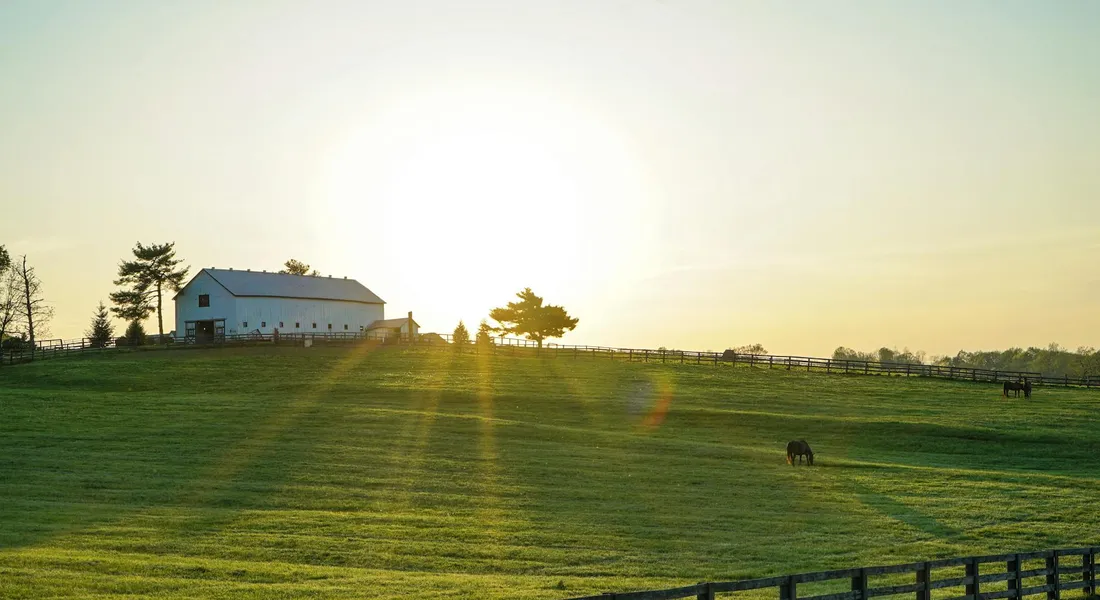
The summer sun doesn’t treat every horse equally. I’ve watched Luna’s coat darken with sweat in what Rusty would call a mild breeze. Adjusting your approach for the young, the old, or the ailing isn’t just kind-it’s non-negotiable for their health.
Adjustments for Young, Aged, or Ill Equines
My old mentor Pipin teaches me daily about aging. His metabolism is slower, his teeth are worn, and his internal cooling system isn’t what it was. For seniors, the summer focus is on highly digestible nutrients and relentless hydration. I soak all his senior pellets and hay cubes into a soupy mush.
This adds water he might not drink and saves his dental energy for chewing the good hay he needs. For the young, growing horse, energy demands are high, but their digestive tracts are delicate. Pushing calories with rich grain can spark dangerous digestive upset in the heat; instead, I rely on premium alfalfa or a quality balancer pellet to meet their protein needs safely.
Managing Protein Requirements and Heat Stress
Protein metabolism creates internal heat. This is the last thing a horse struggling with humidity needs. A common summer mistake is over-supplementing protein, thinking it fuels muscle. For most non-working horses, good grass hay meets their protein requirement.
For horses in work, like Luna, I ensure her protein is high-quality and balanced with ample calories from fats and fibers. A spoonful of vegetable oil cools her engine more efficiently than an extra scoop of protein-rich feed. The thud of hooves on hard summer ground also means joint support becomes critical for all ages.
- For the Aged: Prioritize soaked feeds, joint supplements (like glucosamine), and constant access to clean, cool water. Check their water bucket three times a day.
- For the Young: Use a balancer pellet instead of bulk grain. Ensure their forage is leafy and green, not stemmy and mature.
- For the Ill or Metabolic: Work directly with your vet. Soaked, low-sugar hay is often the bedrock of their summer diet to prevent laminitis flare-ups.
Vitamin Supplementation and Summer Health
Lush summer pasture is nature’s perfect multivitamin. But for horses on restricted grazing, stalled due to heat, or working heavily, key nutrients get sweated out. The two biggest players are electrolytes (salt, potassium, chloride) and the B-vitamin complex. Natural foraging enrichment and healthy grazing tips can help horses meet micronutrient needs even when pasture is limited. Forage variety and scheduled grazing encourage steady intake and support electrolyte balance.
Plain white salt is the cornerstone; offer a free-choice block and add a tablespoon to daily grain year-round, doubling it on sweaty days. A horse lacking salt won’t drink adequately, no matter how many fancy electrolytes you add.
B-vitamins are water-soluble and vital for energy metabolism. A hard-working horse depletes them quickly. While commercial supplements exist, I first look to my feed room. Brewers yeast is a fantastic, palatable natural source. Adding a quarter-cup to dinner can support appetite and energy levels during a tough training week. Remember, the goal is a balanced gut and a hydrated body, not a collection of expensive bottles.
FAQ: How to Adjust Your Horse’s Diet for Peak Summer Performance
What is the best forage to add for a summer horse diet?
Soaked beet pulp is an excellent addition, as it provides digestible calories and significant hydration. It serves as a “cool” energy source that doesn’t create the internal heat spike of high-starch grains. This makes it ideal for maintaining condition and supporting gut health during hot weather.
How can I support my horse’s natural summer detoxification?
Ensure constant access to clean water and a plain salt block to support the kidneys and liver in processing metabolic waste. Providing ample turnout on quality pasture allows for movement, which aids circulation and lymphatic drainage. Avoid over-supplementing and focus on a simple, high-fiber diet to let the digestive system function optimally without added stress.
What is the ideal summer feed distribution schedule?
Distribute hay and concentrate meals into smaller, more frequent portions to avoid large digestive heat loads. Offer the largest meals during the coolest parts of the day, such as early morning and late evening. If using paddocks, place hay nets in multiple shaded areas to encourage natural grazing movement and prevent boredom.
Your Partner in the Summer Sun
Focus on clean water, high-quality forage, and smart electrolyte replenishment to keep your horse fueled and cool. The most critical upgrade you can make is proactively replenishing electrolytes through a quality supplement or a well-balanced mineral block, not just hoping salt alone does the trick.
Make every dietary change slowly, and watch your horse more than your feed chart. Their energy, attitude, and manure are the best gauges you have for getting summer nutrition right when feeding for optimal health and performance.
Further Reading & Sources
- Feeding Strategies for Peak Performance in Horses | CAES Field Report
- Summer Horse Health Tips | Caring for Horses in Hot Weather
- Seasonal Diet Changes for Horses: Expert Tips & Advice
- Adjusting Your Horse’s Diet for Seasonal Changes | Masterson Equestrian Trust
At Horse and Hay, we are passionate about providing expert guidance on all aspects of horse care, from nutrition to wellness. Our team of equine specialists and veterinarians offer trusted advice on the best foods, supplements, and practices to keep your horse healthy and thriving. Whether you're a seasoned rider or new to equine care, we provide valuable insights into feeding, grooming, and overall well-being to ensure your horse lives its happiest, healthiest life.
Nutrition