
Bartering for Board: A Practical Path to Affordable Horse Care
Published on: June 25, 2026 | Last Updated: June 25, 2026
Written By: Henry Wellington
Hello fellow equestrians. Juggling the cost of your horse’s keep with the dream of consistent, quality care can leave you feeling stretched thin. That anxiety about choosing between your budget and your horse’s well-being is deeply familiar in the barn aisle.
Let’s break down whether trading labor for lodging is a lifeline or a liability. I’ll guide you through evaluating if your schedule and skills are a true match for a barn’s needs, crafting a clear, written agreement that defines duties and protects your horse’s routine, and spotting the red flags that signal your horse’s turnout time or gentle care is being shortchanged.
I’ve negotiated these arrangements from both sides for over a decade, keeping horses like my steady Eddy Rusty and sensitive Luna thriving on fair deals.
What “Work for Board” Really Means in a Stable
Beyond Cash: Defining Care-Exchange
Forget dollar bills; the currency here is elbow grease and dawn-to-dusk diligence. Work for board is a trade where you provide labor-mucking, feeding, turning out-in exchange for your horse’s stall and basic care. This isn’t about occasional help; it’s a structured swap where your time directly covers costs, often outlined in a written agreement to avoid muddy expectations. I learned this firsthand when I traded morning feed rounds for Luna’s training space, the crisp morning air filled with the thud of hooves and the rustle of hay nets.
The tasks are the bedrock of stable life. You’re not just a visitor; you become part of the daily rhythm. This means knowing which hay shed has the freshest bales and noticing the subtle change in a horse’s demeanor at feeding time. Your labor ensures the welfare fundamentals: clean water, ample turnout, and a dry bed, which matters more than any fancy facility.
Who Typically Makes This Trade?
This arrangement draws specific folks who value hands-on connection over convenience. From my years at the rail, I’ve seen a few common profiles:
- The Dedicated Student: Often a teenager or college rider whose budget is tight but passion is boundless. They’ll muck stalls after class to keep their partner, much like the young girl who tirelessly worked to afford cheeky Pipin’s keep.
- The Retired Enthusiast: Someone with more time than disposable income, offering reliability and a lifetime of horse sense in exchange for daily access.
- The New Owner on a Budget: Eager to learn every aspect of care from the ground up, understanding that sweat equity is the best education. I mentored one such owner with Rusty, teaching that gentle horsemanship starts in the stall, not just the saddle.
- The Career Changer Testing Waters: Someone considering a move into the equine industry, using the trade as a low-risk internship to gauge their commitment.
What unites them is a willingness to trade comfort for the profound satisfaction of personally ensuring their horse’s well-being. Building a strong bond and trust with your horse turns care into partnership. With patient, consistent training, that trust grows into mutual respect.
Sifting the Chaff: The Honest Pros and Cons
The Sweet Smell of Saved Hay: Advantages
Let’s talk benefits. When this deal works, it feels like finding an extra bale of the good orchard grass.
- Major Cost Reduction: The obvious win. Your board bill vanishes, freeing up cash for vet care, quality tack, or that emergency fund. This allowed one owner I know to afford regular bodywork for her sensitive thoroughbred, Luna.
- Deepened Equine Knowledge: You learn to read your horse’s health through daily chores-monitoring water intake, manure consistency, and that first telltale sign of a loose shoe. There’s no better teacher than the daily, hands-on rhythm of stable life.
- Guaranteed Barn Time & Bonding: Your schedule is built around the barn, ensuring you see your horse daily. This constant presence builds a unique trust, as you become the source of their comfort.
- Physical Fitness & Routine: The labor is real. You’ll build strength pushing wheelbarrows and develop a structured routine that many find mentally grounding.
The greatest advantage isn’t financial; it’s the intimate stewardship you gain over your horse’s daily life, from the quality of their hay to the depth of their bedding. Creating a safe, enriching environment for your horse supports learning, comfort, and well-being. Thoughtful daily care helps you anticipate their needs and prevent stress, making every interaction more rewarding.
The Heavy Wheelbarrow: Potential Downsides
Now, for the manure pile. It’s not all sunny pastures, and you must weigh the load carefully.
- Time Commitment is Immense: This is a second job. Your social life and free time shrink. When a friend calls for a spontaneous dinner, you’ll likely be forking out a stall.
- Physical Exhaustion & Injury Risk: Barn work is hard on the body. A slipped disc from heaving a wet bale or a kick from a startled horse are real dangers. Your safety and your horse’s safety depend on never rushing through chores when you’re fatigued.
- Potential for Exploitation: Without a crystal-clear agreement, you might find yourself working far more hours than the board is worth, or taking on duties like fence repair or night check without extra consideration.
- Strain on Horse-Rider Relationship: When you’re always the one doing the drudgery, it can be hard to switch mindsets to enjoy a relaxed ride. Your patience might wear thin, affecting your softness with a sensitive mount.
- Limited Flexibility: Sick days, vacations, or family emergencies become logistical nightmares. You can’t just skip out; you must find reliable cover, which I learned the hard way when Pipin’s clever escape coincided with my flu.
The heaviest downside is the risk of burnout, where the joy of horse ownership gets buried under an endless pile of chores. It requires honest self-assessment: are you trading money for time you don’t truly have?
From the Horse’s Mouth: Real Barn Experiences
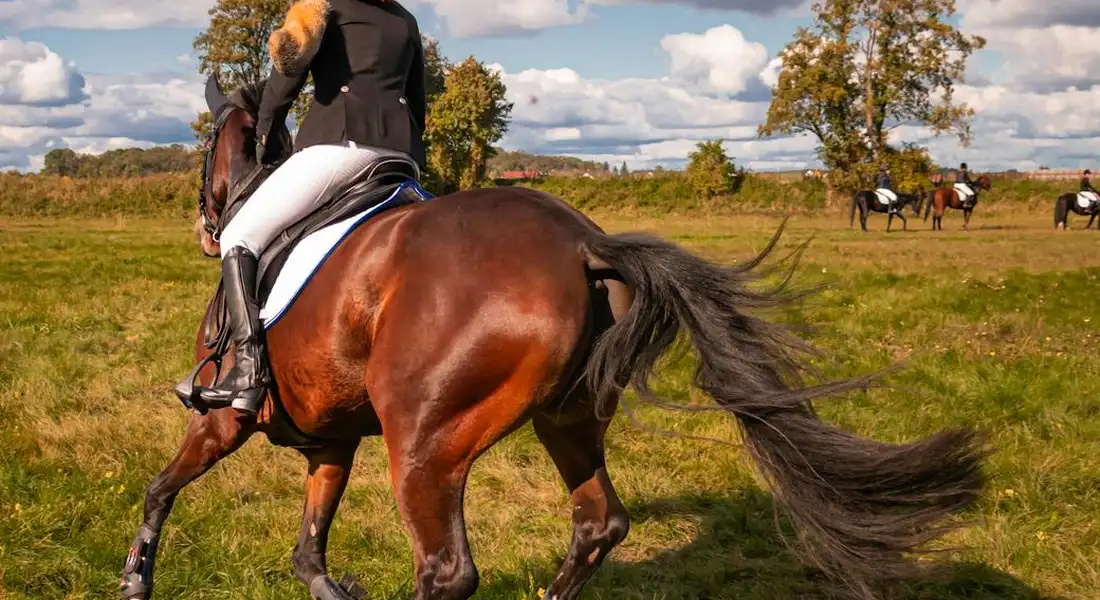
I once traded morning feeds and turnout for my sensitive thoroughbred Luna’s board. The barn owner saved on labor, and I ensured Luna got her crucial pre-dawn calm before the herd stirred. That quiet hour of just us, the smell of dew on grass and the soft thud of her hooves moving to pasture, was the linchpin of her entire manageable demeanor. Without that gentle start, her high-strung nature made her a basket case by noon.
Another time, I saw a well-meaning rider barter for Pipin the pony’s care by handling evening feeds. They missed his clever stall latch trick three times in a week. A barter deal falls apart fast when the animal’s specific quirks and welfare needs aren’t the central, non-negotiable part of the agreement. Pipin’s extra grazing taught us all a lesson about precise task definitions.
For a steady guy like Rusty, a barter system can be seamless if the work is consistent. His reliable nature masked a subtle need. I learned that even the “easy” horse suffers when turnout schedules become flexible favors instead of guaranteed care. His dislike of puddles meant his paddock rotation needed thoughtful planning, which wasn’t happening when tasks were loosely defined.
- Good Barter: My Luna arrangement. It prioritized her mental health through predictable, gentle handling and maximized her turnout.
- Bad Barter: The Pipin scenario. The labor was done, but the watchful, knowledgeable care was missing, compromising safety.
- The Lesson: The horse’s routine must be sacred, not the variable that bends to your work schedule.
Building a Solid Agreement: Negotiation Steps
A handshake over a hay bale isn’t enough. You need a plan that protects you, the barn, and most importantly, the horse. Here is how to build one.
Step 1: Audit Your Skills and Their Needs
Be brutally honest about what you can reliably do. Are you a meticulous groom but slow at mucking? Can you handle a feisty horse like Luna or just a steady one like Rusty? Compare your honest skill list against the barn’s true pain points-don’t assume what they need. Maybe they need weekend coverage or someone skilled in wrapping legs, not just another body for daily feeds.
- Your Skills: Feeding, turnout, mucking stalls, basic first aid, handling easy/ difficult horses, tack cleaning.
- Their Needs: Pre-7 AM shifts, medicating specific horses, deep-cleaning tack, repairing fences.
- Ask: “What task keeps you up at night?” That’s where your barter has the most value.
Step 2: Define Hours, Tasks, and Expectations
Vagueness is the enemy. “Helping out” becomes 4-hour days quickly. Define every task with military precision: “Muck and bed 12 stalls, including Pipin’s, with fresh water by 8:30 AM, five days a week.” Specify which horses you’ll handle and their specific protocols. Luna’s grain amount differs from Rusty’s, and missing that detail affects health.
- List exact days and times, including a buffer for unexpected delays.
- Detail each horse’s care: turnout times, feed types and amounts, any medications.
- Clarify task standards. Is “clean stall” mean picked or fully stripped?
- State who provides tools (pitchforks, gloves, wheelbarrows) and supplies (soap, bandages).
Step 3: Draft a Simple, Written Contract
This isn’t about distrust; it’s about clarity. A one-page document prevents “I thought you were doing that” disasters. Putting the agreement in writing formalizes the horse’s care as a professional priority, not a casual favor. I’ve used a basic contract for years-it saved a friendship when a flu outbreak changed everyone’s availability overnight.
Your contract should include:
- Names, dates, and duration of the agreement.
- The detailed task list from Step 2.
- The board value being covered and the agreed work exchange rate.
- Protocols for sick days, vacations, or if either party needs to end the deal.
- A simple signature line for both parties. Keep a copy in the tack room.
This paper is your best defense against the slow creep of extra duties that cut into your own horse’s time. When the agreement is clear, you can focus on the good stuff: the creak of leather as you tack up, knowing your horse is cared for.
Legal Corrals: Safeguarding Your Arrangement
Shaking hands on a deal feels good, but in the modern world, a little paperwork is your best friend. I learned this after a friend’s barter deal soured over a minor vet bill-nobody knew who was responsible. Protecting yourself starts before you even fill your first water bucket.
Understanding Liability and Insurance
The moment you step onto the property to work, you become a potential liability. If you slip on ice and break a leg, who pays? If a horse you’re handling spooks and damages the barn owner’s truck, whose insurance covers it? These aren’t fun questions, but they are necessary. You might be asking, does horse liability insurance protect me?
Ask the barn owner for a copy of their insurance policy and see what it covers. Many farm policies have “Additional Insured” riders. Request to be added as an “Additional Insured” on their policy for the duration of your agreement; it’s a clear sign they’re serious about a professional arrangement. This is also a good moment to consider how insurance requirements differ for horse owners and breeders.
You should also have your own personal liability insurance. An equine umbrella policy or a membership with an organization like the United States Eventing Association (USEA) often provides this. Don’t assume “it’ll be fine.” I’ve seen a loose horse cause a chain reaction costing thousands. When it comes to liability and coverage, it’s crucial to be well-informed and prepared.
Is This Employment? Tax and Legal Gray Areas
This is where the trail gets muddy. The IRS and state labor boards see “work for compensation” very literally. If you are exchanging labor for a service of clear monetary value (board), that can be considered taxable income. The barn owner could technically be viewed as your employer.
- Are they setting your hours and controlling how you perform tasks? That leans toward employment.
- Are you trading a specific service (e.g., 15 hours of mucking) for a specific service (full board for Luna)? That leans toward barter.
To stay in the clear, draft a simple, signed Barter Agreement outlining the exact exchange, stating it is not an employer-employee relationship, and that both parties are responsible for their own taxes. It doesn’t need lawyer-speak. Just write: “I, [Barn Owner], agree to provide full board for [Your Horse] in exchange for [You] providing 15 hours per week of stall cleaning and turnout. This is a trade of services, not employment.” Keep it in your tack trunk along with any legal documents for your horse transactions.
Reading the Herd: Signs a Barter Deal is Wrong
Trust your gut. If something feels off in the first week, it will likely get worse. You’re not just evaluating a business deal; you’re assessing a partnership in your horse’s care.
- The herd never looks content. You consistently see pacing fence lines, chewed wood, or overly anxious horses. This speaks to poor management, not just an “off day.”
- The barn owner is never present or is constantly micromanaging. Absentee owners mean you’re left holding the bag. Hoverers mean you’ll never have autonomy or trust.
- Your assigned duties keep expanding without discussion. Suddenly, you’re responsible for feeding eight other boarders’ horses on weekends. That’s scope creep, not partnership.
- The facility is in a consistent state of disrepair. One broken board is normal. Consistently clogged waterers, broken latches, and dangling electrical wires are a safety red flag for you and your horse.
- Communication is aggressive or dismissive. If you ask a question about feed and get snapped at, that environment will become toxic. You should feel comfortable speaking up.
I once walked away from a deal where the other boarders’ horses were all ribby. The hay was poor quality, and the owner got defensive when I asked about it. Your primary duty is to your horse; no amount of free board is worth compromising their well-being. If the existing horses aren’t thriving, yours won’t either.
Other Trails to Ride: Cost-Saving Alternatives
Partial Board and Self-Care Options
Bartering isn’t the only path to affordable horse keeping. Boarding structures exist on a spectrum, and finding your spot can save cash without a full labor trade. I’ve managed barns offering everything from full concierge service to a field with a run-in shed, so understanding the nuances between stall and pasture boarding is crucial.
Partial board (or sometimes called “caretaker” board) means you pay a reduced fee in exchange for handling some of your horse’s daily chores. You might be responsible for all morning feedings and turnouts, while the staff handles evenings. This model offers more flexibility than a rigid barter contract, as your financial commitment remains clear and your time contribution has defined limits.
Self-care is the far end of the spectrum. You rent the physical space-a stall and paddock or a field-and you provide all labor, feed, and bedding. It’s the most financially lean option, but the time demand is immense and non-negotiable. I kept my old gelding, Rusty, on self-care for two winters. The 5 AM ice-breaking and hay-hauling in sub-zero temperatures built character, but it’s not for the faint of heart or the time-poor.
- Full Board: “Hands-off” care. You just show up and ride. Highest cost, lowest time demand.
- Partial Board: Shared responsibility. Moderate cost, moderate and scheduled time demand. Good for establishing routine.
- Self-Care: Full responsibility. Lowest cost, highest and inflexible time demand. Requires significant storage and logistics.
Stable Hacks for Trimming Expenses
Whether you barter, do partial, or even stay in full board, smart management can shave dollars off your monthly bill. It’s about working smarter, not just harder. The smell of fresh hay is sweeter when you got it at a good price.
Look into cooperative buying. Many areas have hay-buying groups or grain co-ops. Going in with a few other boarders on a pallet of shavings or a truckload of local hay can dramatically cut per-bag costs. Building a small network of fellow owners creates buying power and a built-in support system for emergency horse-sitting.
Invest time in learning basic DIY skills. Can you clean and condition your own saddle? Absolutely. I teach a clinic on basic blanket washing and repair-a $50 service charge saved per blanket adds up. Learning to neatly wrap legs, give a good grooming, or even pull a mane builds your bond and keeps money in your pocket.
- Source Smart: Buy hay off the field in summer. Purchase grain and supplements in bulk. Split loads with other owners.
- Skill Up: Learn to clip, braid, and give a basic hose-down. These are billable skills at many barns that you can do yourself.
- Preventive Care Pays: Consistent hoof picking and daily hoof moisturizer can stave off some thrush issues. Good fly control prevents kick-induced injuries. An ounce of prevention is worth a pound of vet bill.
- Equipment TLC: Clean your bit after every ride. Oil leather regularly. Store blankets properly. Repair rips immediately. Prolonging gear life delays replacement costs.
- Vet & Farrier Consults: Ask your farrier about a longer trim cycle if your horse’s hooves allow. Discuss vaccine protocols with your vet-some risk-based adjustments might be possible.
Remember, the goal is prudent saving, not deprivation. That sensitive thoroughbred, Luna, still needs her high-quality diet, and cheeky Pipin will always find the one weak spot in a fence. Always evaluate a cost-cut through the lens of your horse’s genuine welfare and safety; if it compromises either, it’s a dead-end trail. The thud of healthy hooves on good footing is a sound worth budgeting for.
FAQ on Bartering for Board: Is Working in Exchange for Care a Good Deal?
What types of work are typically exchanged for accommodation?
Common tasks include daily chores like mucking stalls, feeding horses, and handling turnout. You may also assist with grooming, including daily grooming, tack cleaning, and basic farm maintenance. These duties are core to stable operations and directly support your horse’s care.
How do I find legitimate opportunities to work for room and board?
Network through local equestrian groups, social media boards, or classifieds specific to horse care. Always visit the stable in person to assess conditions and discuss expectations with the owner. Checking references from current or past barterers can help verify the opportunity’s legitimacy and safety. This is especially important when dealing with breeders or rescues.
How does this arrangement differ from traditional employment or renting?
Bartering involves a direct trade of labor for housing, bypassing cash transactions typical in rentals or jobs. It usually lacks formal employment structures, such as wages, benefits, or legal protections like workers’ compensation. This setup requires a clear, written agreement to define terms, unlike standard leases or employment contracts that have regulated frameworks.
Straight Talk on Stable Barters
Get every detail-from mucking schedules to who buys the fly spray-in a written agreement before you pick up a pitchfork. Your time has value, so the math must show your labor truly offsets the full cost of your horse’s quality care, including ample turnout and vet-farrier access.
Move slowly and watch your horse closely; any arrangement that stresses them or stretches you too thin isn’t a deal. The best bargain always leaves you both content, with time left for quiet moments at the stall door.
Further Reading & Sources
- The Perils of Barter
- Horse Boarding: Types, Cost, & Other Considerations – Farm House Tack
- Horse Boarding Rates? | The Horse Forum
- r/Horses on Reddit: I want to get into boarding horses, any advice? (More in comments)
At Horse and Hay, we are passionate about providing expert guidance on all aspects of horse care, from nutrition to wellness. Our team of equine specialists and veterinarians offer trusted advice on the best foods, supplements, and practices to keep your horse healthy and thriving. Whether you're a seasoned rider or new to equine care, we provide valuable insights into feeding, grooming, and overall well-being to ensure your horse lives its happiest, healthiest life.
Stable Management