
What is a Horse Martingale? A Practical Guide to Control and Safety
Hello fellow equestrians! Is your horse a head-tosser on the trail or a strong puller in the arena? That jarring yank on your arms isn’t just annoying-it undermines your confidence and can lead to a dangerous scramble for balance.
I’ve felt that heart-in-throat moment too, like when Luna decides a flapping leaf warrants a full vertical launch. A well-fitted martingale became our communication tool, not a restraint.
In this guide, we’ll untangle the mystery. You’ll get clear answers on the core function of a martingale and its different designs, precise, step-by-step fitting instructions, and critical safety pitfalls every rider must avoid.
My advice comes from the clay dust of the arena and the quiet of the stall, managing herds and training horses with patience for over a decade.
What Exactly is a Horse Martingale?
At its core, a martingale is a set of straps that creates a connection between your horse’s girth and their head. Picture the familiar creak of leather as you buckle the chest piece around the neck, with two straps running up to attach either to the reins or a noseband. The bottom strap always anchors to the girth, between the front legs. This simple network is your tool for influence, not force.
Its sole job is to manage extreme head positions. A martingale is a safety supplement for your skills, never a replacement for patient, foundational training. I learned this with Luna; on crisp mornings, her energy would boil over into head-tossing that made steering a suggestion. The martingale helped contain the excitement, but the real fix was more turnout time and softening my own anxious hands.
Commonly, martingales address evasion like head tossing, rearing, or the horse throwing its head up beyond your reach. Always rule out pain first-a poor saddle fit or dental issue can cause the very behavior you’re trying to correct. In gentle horsemanship, we use the mildest aid possible. A martingale should act as a polite reminder of where the head should be, not a punishment.
The Main Types of Horse Martingales
Not all martingales are created equal. The type you choose depends on your discipline and your horse’s specific need. Here’s a quick scan of the four main players you’ll see in the tack room.
| Type | Key Design Feature | Primary Attachment Points | Common Use Case | Effect on Rein Contact |
|---|---|---|---|---|
| Running | Splits into two rings for reins to pass through | Girth to reins (via rings) | Hunter/Jumper, Eventing | Creates leverage only when head is raised |
| Standing | Fixed-length strap from girth to noseband | Girth to cavesson or noseband | Show Ring, Prevention of extreme head lift | Direct, fixed limit on head height |
| German | Hybrid: part running martingale, part draw rein | Girth to bit rings (via reins) | Training aid for flexion | Variable, encourages downward head carriage |
| Irish | Short strap or rings connecting the reins | Rein to rein | Racing, Schooling | Keeps reins together, no direct head control |
The Running Martingale
This is the workhorse you’ll see most often. The straps from the chest piece end in two rings that your reins slide through. When the horse lifts its head too high, the rings create leverage that encourages them to lower it and re-establish a soft contact. It’s popular in hunter jumper circles and eventing because it offers control over fences without fixing the head in place. It allows the horse to move freely and comfortably, especially when learning how to jump properly.
Adjustment is everything. You must check the length when the horse’s head is in a normal position. A good rule of thumb is that the rings should reach the horse’s throatlatch when the strap is pulled upward, ensuring freedom for normal movement. That’s why properly fit and adjusted horse tack matters for safety and comfort. Verifying fit now can save trouble on rough terrain later. I use a running martingale on Rusty for our hill work; it gives me a steady feel if he gets strong, but doesn’t bother him when he’s calmly sniffing the trail.
The Standing Martingale
This design uses a single, fixed strap that runs from the girth to a cavesson noseband. It directly limits how high the horse can raise its head. The standing martingale is a firm boundary, often used in show rings where a consistent headset is desired or with a horse that might rear. It’s on the stricter side, so fit is non-negotiable.
You must leave enough slack for the horse to flex at the poll and breathe comfortably. An old barn trick is to ensure you can fit a flat hand between the strap and the horse’s throatlatch when their head is in a neutral position. Too tight, and you risk interfering with balance and airflow; too loose, and it’s just decorative leather.
The German Martingale
Think of this as a combination aid. It has rings like a running martingale, but the reins thread through to create a pulley effect on the bit. Used correctly, it can encourage a horse to soften at the poll and yield to bit pressure, but it’s a powerful training tool, not everyday gear. I’ve used it in short sessions with a young horse to teach the concept of flexion.
This martingale requires knowledgeable hands. Always use it under guidance, as improper adjustment can put severe pressure on the mouth and discourage forward movement. It’s temporary homework, not a permanent solution. The goal is to make itself obsolete once the horse understands the desired head position.
The Irish Martingale
This is the simplest of the bunch. It’s just a short leather strap with two rings, or sometimes a figure-eight shape, that connects the two reins. Its only job is to prevent the reins from sliding over the horse’s head in a stumble or sharp movement, which is why it’s a staple in racing. It offers no control over head carriage.
You might see it in schooling for a green horse or a pony like Pipin, who thinks it’s hilarious to duck and send the reins flying. It’s a purely organizational piece of safety equipment, keeping your reins where you can find them in a pinch. The soft jingle of the rings is a familiar sound on the track and in busy schooling arenas.
How to Fit a Martingale: A Step-by-Step Guide
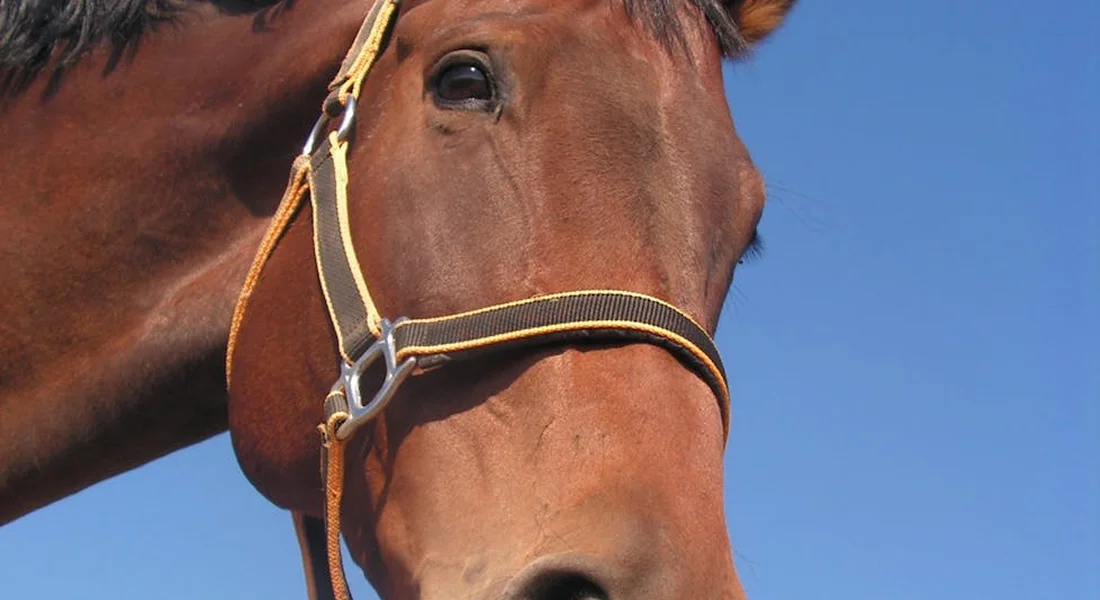
A poorly fitted martingale is worse than none at all. It can rub, pinch, and create more problems than it solves. Getting it right is a matter of patience and feel, not force. Taking the time to fit a martingale correctly is the single most important step in using this tool safely and effectively.
Step 1: Measure Your Horse for the Right Size
Before you buy or borrow, you need a measurement. For a running martingale, have your horse stand square on level ground. Run a soft tape measure from the center of the horse’s chest, up between the front legs, along the neck, and to the throatlatch where the cheekpiece of the bridle sits.
For a standing martingale, measure from the chest up to the bottom of the horse’s noseband. Jot this number down. Manufacturers size differently, so your measurement is your best guide to finding a martingale that will have enough strap length to adjust correctly.
Step 2: Attach and Adjust the Straps
- First, buckle the martingale’s chest strap to the girth, between the horse’s front legs. It should sit flat and centered.
- Next, place the neck strap or breastplate over the horse’s neck. It should rest comfortably a hand’s width behind the withers.
- For a running martingale, run the reins through the rings. For a standing martingale, attach the fork to the cavesson noseband’s dedicated loop.
- Now, adjust the length. This is the critical part. With the horse’s head in a neutral, relaxed position, the running martingale rings should reach to the top of the withers. The standing martingale should allow the horse to lift its head fully without restriction, but catch before the nose goes above a 45-degree angle.
You should be able to slip your flat hand easily between the horse’s neck and any strap when the head is down; it should feel snug, never tight. This ensures comfort and prevents chafing when you put a harness on the horse.
Step 3: Test the Fit and Function
Don’t just mount up. First, walk your horse in hand. Ask them to lower and raise their head. Watch the leather. Does it lie flat without twisting? Listen for any odd creaks or see any immediate rub points? Check that the running martingale rings don’t interfere with the bit or the stirrup leathers. Up next, follow a saddle-up step-by-step guide to ensure you do it correctly. It helps you mount safely and comfortably for both you and your horse.
Then, for your first ride, keep it short and simple in a controlled arena. I learned this with Luna; a quick five-minute walk-trot-canter test showed me the neck strap on her running martingale was a hair too forward, causing it to shift. A short, supervised test ride is non-negotiable to see how the gear and the horse work together in motion before you hit the trails. That structured approach lays the groundwork for a confident trail horse, step by step. A clear, step-by-step training guide helps carry these lessons from arena to trail with consistency.
When and Why to Use a Martingale in Your Riding
A martingale isn’t everyday equipment for every horse. It’s a specific tool for specific moments. Think of it like a seatbelt: you hope you never need its full function, but it’s there for security. Its primary job is to prevent the horse’s head from being raised beyond a controllable point, protecting both of you from a dangerous headset.
- For the horse that tosses its head excessively to evade the bit.
- For the horse that throws its head up when spooked (we all know one like Rusty, who’d levitate at a puddle).
- For young or unbalanced horses learning to carry a rider over fences, where a sudden head lift can disrupt their arc.
- For high-energy, sensitive types (like my Thoroughbred, Luna) who might use their head for leverage in a moment of excitement, not malice.
For Safety and Control on the Trail
The trail is full of surprises: a flapping tarp, a hidden deer, a suspicious rock. A martingale acts as a polite reminder to your horse that launching their nose skyward isn’t an option. With Rusty on our wooded trails, his running martingale gave me confidence that a sudden startle wouldn’t turn into a runaway headshake where I had no rein contact at all. On the trail, a martingale is a safety backup that keeps a single head toss from becoming a full-blown bolt.
In Training Sensitive or Green Horses
Here, the martingale is a teacher, not a crutch. For a clever, food-motivated pony like Pipin, a standing martingale helped him learn that rooting his nose to the ground to snatch grass wouldn’t work under saddle. For a green horse learning to jump, a running martingale can encourage them to stretch down into a bascule instead of hollowing.
The key is pairing it with soft, consistent hands and positive reinforcement. Used thoughtfully in training, a martingale can help a horse find balance and acceptance of contact without the rider resorting to holding or pulling. It makes the right thing easy and the wrong thing more difficult, which is the heart of good horsemanship.
Common Martingale Problems and How to Solve Them
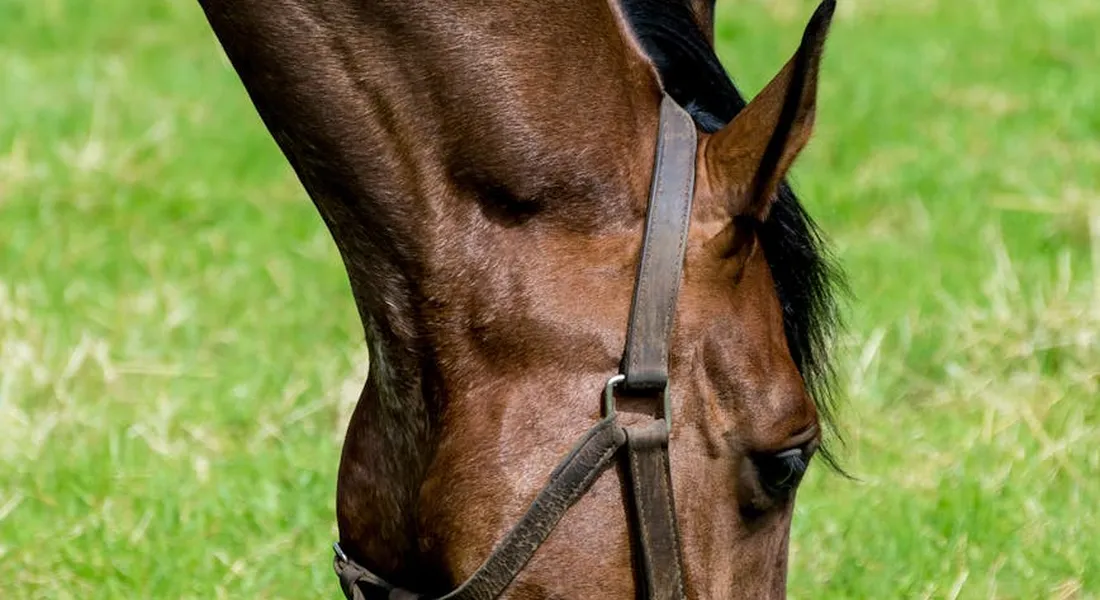
Even the best gear can cause hiccups if it’s not dialed in just right. I’ve spent more afternoons than I can count troubleshooting martingale issues in my barn, and the problems usually boil down to a few key areas.
- Chafing under the neck is a red flag for a strap that’s either too tight or lacking padding. The fix is simple: loosen it a hole or two, or slide a sheepskin cover over the strap. I keep a stash of these covers for sensitive souls like Luna.
- Incorrect tension often shows up as head tilting or evasion. If your horse starts carrying its head oddly, check that the martingale only engages when the head lifts beyond a natural position. Adjust the straps for a lighter touch.
- A horse leaning heavily on the martingale usually means it’s compensating for something else. This is a prime moment to reassess your bit and bridle fit, as discomfort there can make a horse seek pressure elsewhere.
- Equipment failure is a silent hazard. Make a habit of checking for worn stitching, cracked leather, or frayed nylon, especially at friction points, before every ride.
Troubleshooting Fit and Comfort Issues
Your horse’s comfort is written on its skin and in its movement. Spotting issues early is a cornerstone of good horsemanship, especially when it comes to identifying potential health problems.
- For rub marks or hair loss, immediate action is needed. Add sheepskin or fleece padding to the offending strap, or consider switching to a martingale with a wider, softer neckpiece.
- If your horse’s movement seems restricted or stiff, the martingale might be too short. You should see free, fluid motion at the walk, trot, and canter. When in doubt, lengthen the straps or try a different style.
- Turn grooming time into a tack check session. Run your hands over every point where the martingale contacts your horse. Catching a hot spot before it becomes a sore is a win for your horse’s welfare.
When Your Horse Resists the Martingale
Resistance is a conversation starter, not a battle cry. Listen closely to what your horse is telling you.
- Acclimate your horse slowly and positively to the new feel. Let them wear the martingale in the crossties or during a calm hand-walk before you ever ride. I did this for days with my Thoroughbred, Luna, until she stopped tensing up.
- Rule out pain elsewhere first. A horse that hates the martingale might actually be reacting to a pinching noseband or an ill-fitting saddle. A full tack audit is your best first step.
- Persistent head tossing or fighting is a sign to call in a professional. A qualified trainer can identify if it’s a training gap, a physical issue, or simply the wrong tool for your horse.
Choosing the Right Martingale for Your Horse and Discipline

Selecting a martingale is like choosing a saddle-it must fit the individual athlete and the job. There’s no universal answer.
- Your horse’s conformation is the first box to check. A short-necked pony like Pipin needs different strap lengths than a long-necked horse. Watch how the pieces lay against their unique shape.
- Match the martingale type to your horse’s behavior and your primary discipline. A running martingale offers more freedom for jumping, while a standing martingale provides a firm limit for a consistent head carriage.
- Consider materials based on your routine. Leather is durable and molds over time, perfect for the show ring. Nylon is affordable and easy to clean, making it my go-to for muddy trail days with Rusty.
- Never guess on fit-seek hands-on guidance. Borrow different styles from your trainer or barn mates to see what works. The right choice should look and feel effortless for both of you.
FAQ: What is a Horse Martingale and How is it Used?
Is a martingale a substitute for proper horse training?
A martingale is not a shortcut for training and should never replace foundational work with your horse. It serves as a safety tool to manage extreme head movements temporarily, while the real solution lies in addressing the root cause through patient training. Always integrate its use with soft hands and positive reinforcement to avoid creating dependency.
Are martingales used in traditional Romani horsemanship?
In Romani equestrian culture, martingales may be employed selectively for control during travel or work, but they are often secondary to relationship-based methods. These traditions typically emphasize communication and trust over restrictive gear, with martingales used only when necessary for safety. Practices can vary, reflecting a focus on adaptability and respect for the horse’s nature.
When is it inappropriate to use a martingale on a horse?
A martingale should be avoided if the horse shows signs of pain, such as from dental issues or poor saddle fit, as it can mask underlying problems. It is also unsuitable for horses that do not exhibit head-tossing or similar evasion behaviors, as unnecessary gear can cause confusion. Always consult a professional to assess whether a martingale is the right choice for your specific horse and situation.
Riding with a Martingale
A martingale is a tool for safety and clearer communication, not a fix for training. Its fit and adjustment are everything; a poorly fitted martingale is worse than using none at all. Start in a controlled setting and ensure your horse accepts it calmly before heading out.
Every horse in my care, from sensitive Luna to steady Rusty, has taught me that equipment only supports the conversation you’re already having. Pay attention to what your horse tells you with their head carriage and tension—that feedback is your best guide. When you can read whether they’re happy from those signals, you’ll know what they’re feeling and how to respond. That understanding of their body language is how you tell if your horse is happy.
Further Reading & Sources
- Martingale (tack) – Wikipedia
- English Martingales & Breastplates for Horses – Running & More– StateLineTack
- What Is a Martingale, and Does Your Horse Need One? – My New Horse
- Martingales | Martingales For Horses | Al Dunning
At Horse and Hay, we are passionate about providing expert guidance on all aspects of horse care, from nutrition to wellness. Our team of equine specialists and veterinarians offer trusted advice on the best foods, supplements, and practices to keep your horse healthy and thriving. Whether you're a seasoned rider or new to equine care, we provide valuable insights into feeding, grooming, and overall well-being to ensure your horse lives its happiest, healthiest life.
Equipment