
Appaloosa Horse Breed: Identifying and Caring for Your Spotted Partner
Published on: August 2, 2026 | Last Updated: August 2, 2026
Written By: Henry Wellington
Hello fellow equestrians, have you ever been captivated by a horse with a breathtaking spotted coat and found yourself puzzling over its breed? You might be looking at an Appaloosa, but questions about their health, behavior, or fit for your barn can quickly turn admiration into uncertainty.
Let’s clear the confusion. I’ll walk you through the key facts you need, from their rich history to daily care. We’ll explore the fascinating genetics behind their iconic leopard spots and blankets, proactive management for their unique vision and hoof health, and how their steady temperament makes them brilliant all-around partners.
My advice comes from countless hours in the saddle and the stable, having cared for everything from clever ponies like Pipin to high-strung thoroughbreds, so you get practical, horse-sense guidance.
The Appaloosa Signature: Understanding Coat Patterns and Key Traits
An Appaloosa’s coat isn’t just pretty wallpaper; it’s a living map of their genetics. I’ve spent chilly mornings brushing out blankets of spots, each horse as unique as a human fingerprint. These patterns, along with three subtle physical traits, are the breed’s true signature. Look beyond the flashy spots, and you’ll see the real identifiers: mottled skin like speckled eggshells, a visible white ring around the eye (the sclera), and hooves with bold vertical stripes. They aren’t mere decoration but built-in breed verification you can check every day at grooming time. Color and coat patterns are part of what defines a breed across horses. From solid hues to distinctive markings, the spectrum of horse colors and appearances helps distinguish breeds just as these traits do for the Appaloosa.
Decoding the Spots: Common Appaloosa Patterns
Think of these patterns as nature’s own paintbrush techniques. One horse in my care had a blanket over his hips like he’d sat in snow, while another looked like she was sprinkled with confetti. Here’s your quick guide to the classics:
- Leopard: A white coat peppered with dark spots from head to hoof, like a Dalmatian. A “full-leopard” is completely covered.
- Blanket: A solid white area, often with dark spots, draped over the hips and loins. It can be small or cover the entire hindquarter.
- Snowflake: Dark coat scattered with white spots or flecks, like a reverse night sky.
- Few-spot Leopard: A mostly white horse with just a handful of darker spots, often on the elbows or knees.
Remember, many Appaloosas sport a mix. That gray with a spotted blanket? Classic Appy.
Beyond the Spots: Essential Physical Identifiers
These features are your daily check-up checklist. Mottled skin, especially on the muzzle and genitals, isn’t just for show; it’s a hallmark of the breed. The visible white sclera makes their eyes expressive, but watch for excessive redness-it’s a health check point. Those striped hooves aren’t just striking; they remind you to pick feet carefully, feeling for any unusual cracks or warmth. In my barn, noting a change in hoof stripe clarity or skin mottling has been a first alert to minor issues before they grew.
Roots in the West: The Appaloosa’s History with the Nez Perce
The story of the Appaloosa is woven into the Palouse River region, a tale of selective breeding that bordered on artistry. The Nez Perce tribe, in what is now the Northwestern United States, crafted these horses for stamina, sure-footedness, and a keen intelligence. They weren’t just livestock; they were partners in hunting and travel. After the tribe’s displacement in the late 1800s, the breed nearly vanished, saved only by a handful of dedicated breeders who valued their grit. That resilience is still in their DNA, something I see in the steady, confident gaze of an older Appaloosa gelding on the trail.
The Nez Perce Selective Breeding Legacy
The Nez Perce didn’t breed for color alone. They prized a compact, muscular build, hard hooves, and a temperament that could think for itself. This created a versatile stock horse foundation-agile enough for rugged terrain and calm enough for daily work. That legacy means your modern Appaloosa often inherits a sensible mind and a tough constitution, traits every horse owner values during a long ride or a tricky training session. It’s history you can feel in their smooth, ground-covering stride.
The Modern Appaloosa Horse Club’s Role
Founded in 1938, the Appaloosa Horse Club (ApHC) became the guardian of this legacy. They maintain the breed registry and standards, ensuring those unique patterns and traits are preserved for future generations. Their work is a promise that the Nez Perce’s vision for a capable, distinctive horse continues to thrive in barns and show rings today. When you register an Appaloosa, you’re adding your name to a long story of preservation and care.
Appaloosa Temperament: What to Expect in the Barn and Saddle
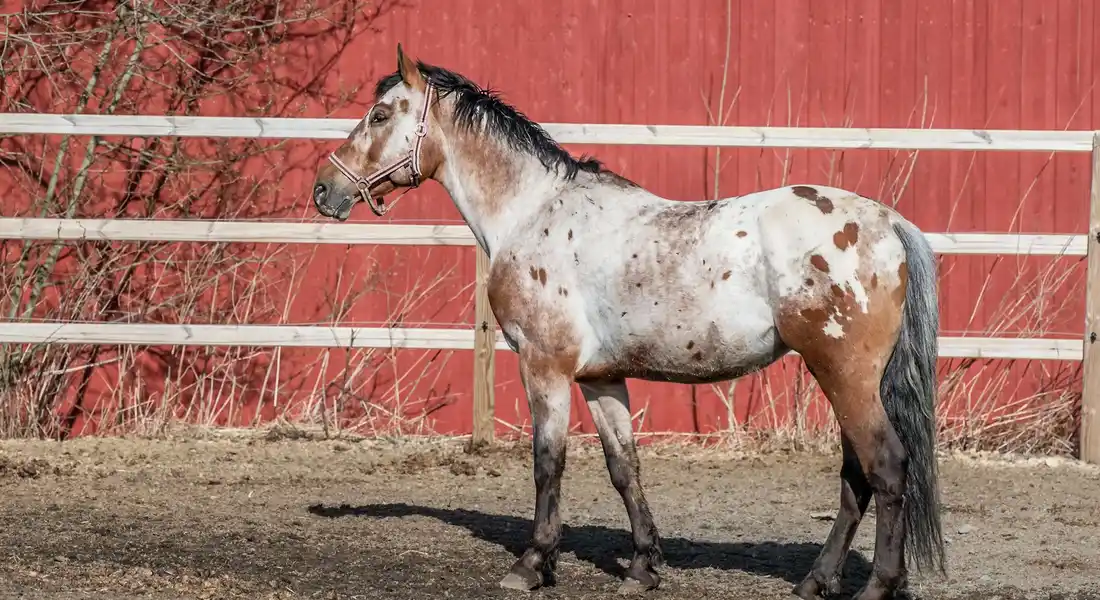
You’ll often hear Appaloosas described as “people horses,” and after years in the barn, I find that rings true. Their temperament tends to be a fantastic blend: intelligent and willing but generally calm and sensible. They possess a grounded demeanor that contrasts sharply with more high-strung breeds, like the thoroughbred anxiety my mare Luna can sometimes exhibit. An Appaloosa’s mind is often working, figuring things out. I once worked with a spotted gelding who learned to unfasten his stall gate with his lip-not out of malice, but sheer clever boredom. This smart, sometimes cheeky nature means they respond poorly to heavy-handedness but blossom with a thinking rider.
Daily Handling and Personality Nuances
Working with their intelligence is the key. They are quick learners, which is a double-edged sword; they learn good habits and bad ones with equal speed. Positive reinforcement, like a timely scratch or a small treat for our portly Shetland Pipin, works wonders. Be prepared for opinions. An Appaloosa might give you a long, thoughtful look before deciding your request is reasonable. This isn’t disobedience-it’s consideration. Your best tool is consistent, fair communication; they respect it more than force.
- Use clear, consistent cues to avoid confusing their smart minds.
- Keep training sessions varied to prevent boredom and inventive misbehavior.
- Channel their willingness into a job, even if it’s just mastering a new grooming skill.
Suitability for Different Owners and Riders
Their steady nature makes many Appaloosas excellent candidates for beginners and families seeking a trustworthy partner. They often have a “been there, done that” attitude that can instill confidence in a novice rider. For the experienced horseman, that same brain offers a versatile partner ready for trail challenges, ranch work, or dressage. The ideal Appaloosa owner is someone who values a thinking partner over a purely reactive one, and who appreciates a horse with a quiet sense of humor. They may not be the automatic choice for a total first-timer due to their occasional stubborn streak, but for a rider with some guidance, they are a treasure.
Caring for Your Appaloosa: Breed-Specific Health and Maintenance
While sturdy, Appaloosas have a few genetic cards in their deck that require mindful management. Their care isn’t difficult, but it is specific. Sunburn on pink, unpigmented skin and a condition called Congenital Stationary Night Blindness (CSNB) are the main breed-specific notes. Daily observation becomes your most important management tool, letting you catch small changes before they become big problems.
Health Considerations to Monitor
CSNB is a non-progressive condition where the horse sees poorly in low light; think of it like a human with severe night blindness. A horse with CSNB might be hesitant walking into a dark trailer or stall. Sun sensitivity is a more daily concern. For some horses, photosensitivity means even brief sun exposure can trigger irritation and sunburn on exposed skin. This makes consistent shade and sun protection not just convenient, but essential. The pink skin around their muzzle and under their sparse coat burns easily. Providing ample shade is non-negotiable, and a bottle of equine-safe sunscreen should be as standard in your tack box as hoof picks.
- Schedule routine vet checks and discuss Appaloosa-specific genetic testing.
- Always provide a dark, shady run-in shelter for protection from UV rays.
- Apply zinc-oxide based sunscreen to pink skin daily during sunny months.
- Be patient and use extra lights when handling a horse with CSNB at dawn, dusk, or in dark spaces.
Grooming and Hoof Care for Unique Features
Grooming an Appaloosa is a joy, as it highlights their unique beauty. Their coats can range from dense to surprisingly fine, and that mottled skin needs gentle care.
Follow this routine to keep their spots shining and their skin healthy:
- Use a soft rubber curry in circles to lift dirt without irritating sensitive skin.
- Follow with a bristle brush to sweep away debris and distribute natural oils.
- Pay special attention to areas with sparse hair, checking for dryness or sunburn.
- For a final polish, a soft cloth or towel buffs the coat to a brilliant sheen.
Hoof care is largely standard, but many Appaloosas have beautifully striped hooves. These vertical stripes can be a handy feature, as they often make cracks or flaws in the hoof wall easier to spot during your daily clean-out. Keep up with regular farrier visits, and enjoy the unique look of those striped feet.
Appaloosa Conformation and Performance: A Naturally Versatile Athlete
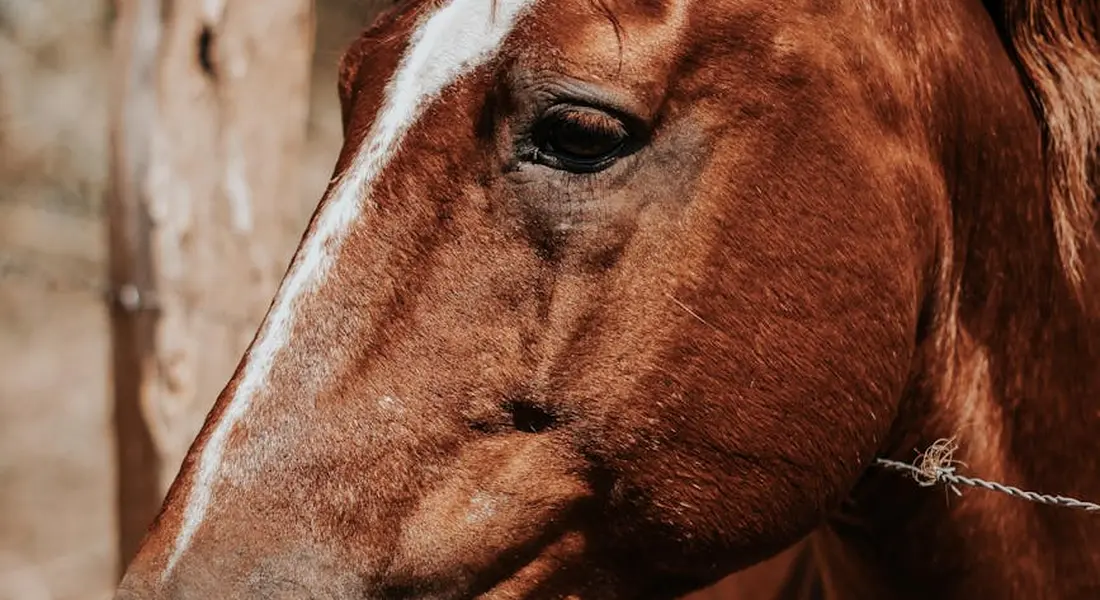
An Appaloosa’s body is a testament to purposeful breeding. They typically possess a strong, muscular stock horse frame: a deep chest, powerful sloping shoulders, and a short, strong back coupled with robust hindquarters. This build is engineered for bursts of speed, quick turns, and sustained power. It’s the same blueprint you see in top ranch horses, built for long days and demanding work. Their movement is often described as smooth and “easy riding,” a trait any trail rider will appreciate after a six-hour trek.
This conformation makes them natural contenders in the arena and on the range. Their agility and intelligence shine in reining and cutting, where that powerful hind end drives stunning spins and slides. On the trail, their sure-footedness and steady mind, combined with a comfortable gait, make miles feel effortless. I’ve seen Appaloosas excel in everything from dressage arenas to jumping courses, proving their “western” build is just a starting point for a highly adaptable athlete.
Built for Work: Stock Horse Heritage
Look closely at an Appaloosa’s hindquarters. That rounded, muscular development isn’t just for show; it’s the engine for collection and propulsion. Their good, solid bone structure provides the durability needed for repetitive, demanding tasks. This is a horse bred to stop hard, turn on a dime, and move a cow, then pack you home safely through rough terrain. It’s a functional beauty. There are key muscle groups—gluteals, hamstrings, and core muscles—that drive hindquarter power. Understanding how these key muscle groups function explains why this build translates into performance. My old lesson horse, a solid Appy gelding, had this same build-he could teach a beginner balance all afternoon and still have power left for a lively trail ride.
Their physical design is a direct legacy from generations of horses that worked for a living, making them inherently sound partners for demanding physical tasks. These traits align with what is often highlighted in the strongest, most powerful horse breeds, signaling a shared heritage of strength and stamina. Their well-balanced conformation and durable musculature place them among this elite group in discussions of power and performance.
Evaluating for Your Chosen Discipline
Whether you’re looking at a potential show horse or a steady companion, ask these questions based on what you see and feel, and consider your own riding style and temperament:
- For Trail & Pleasure: Is the stride long and ground-covering? Does the horse maintain a calm demeanor in new environments? Check for a kind eye and a willingness to stand quietly at the mounting block.
- For Western Sports: Does the horse have a low center of gravity with strong, defined hocks and stifles? Can it move its shoulders freely for lateral work? Watch for natural cow sense and quick, balanced transitions.
- For English Disciplines: Is there enough shoulder angle for a longer, floating stride? Does the horse naturally carry itself with engagement from behind, or will it need significant building? Assess its natural curiosity and courage over fences or with arena decorations.
Considering an Appaloosa? Weighing the Pros, Cons, and Practicalities
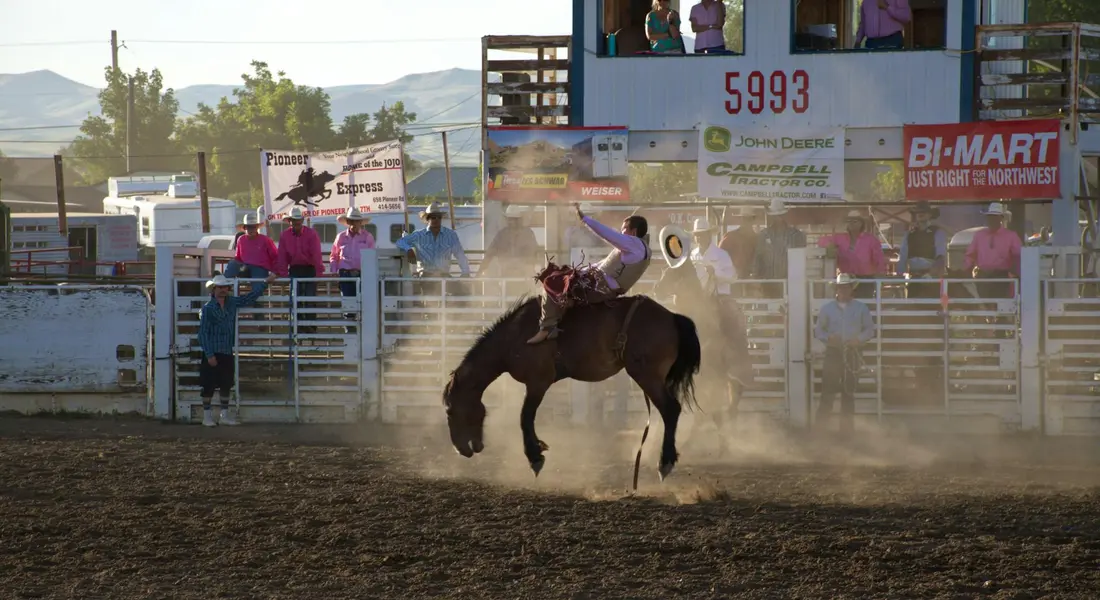
Bringing any horse home is a major commitment. With Appaloosas, the decision comes with a unique set of wonderful traits and specific considerations. It’s about loving the whole package, not just the pretty spots. That’s why it’s crucial to choose the right horse for your experience level and lifestyle.
Advantages of the Appaloosa Breed
- Unmistakable Character: You get a living work of art. Their color patterns are a daily joy and a fantastic conversation starter at the barn.
- A Thinking Partner: They are typically quick learners and highly perceptive. This intelligence makes them very trainable when approached with fairness and consistency.
- One Horse, Many Hats: Their versatility is legendary. An Appaloosa can be your trail buddy one day, your lesson horse the next, and your local show champion on the weekend.
- Steady Temperament: While individuals vary, the breed is known for a generally sensible, willing attitude-a trait I’ve always valued more than flashy movement in a teaching horse.
Challenges and Responsibilities
- Sunburn and Skin Care: Pink, mottled, or light skin under white markings is highly susceptible to sunburn and skin cancer. Daily application of equine-safe zinc oxide sunscreen on noses and udders/sheaths is non-negotiable for much of the year.
- Congenital Stationary Night Blindness (CSNB): This inherited condition causes poor vision in low light. Affected horses are fine in daylight but can be spooky or hesitant at dusk or in dark barn aisles. A veterinary ophthalmologist can diagnose it.
- The “Solid” Reality: Not every registered Appaloosa is loudly spotted. Some are born solid-colored or may “roan out” with age. Choose the horse for its mind and movement, not just its coat.
- Breed Stereotypes: Some outdated biases still exist in certain competitive circles. Focus on the performance and partnership, not uninformed opinions.
Acquiring Your Appaloosa: Cost and Selection Tips
Prices range wildly from a few thousand for a green or older solid horse to tens of thousands for a proven performer with flashy color. Age, training, pedigree, and show record are the biggest price drivers. A lightly spotted, well-trained trail horse often represents the sweet spot of value and ability. Costs can also vary by breed and other factors, but these elements generally have the biggest impact.
Finding your horse requires diligence. Seek out breeders or sellers who prioritize temperament, soundness, and trainability over color production alone. A responsible source will: explain the basics of horse breeding fundamentals. It helps you understand how temperament, conformation, and health are shaped through careful selection.
- Freely discuss any known health issues in their lines, including CSNB.
- Provide a detailed health history and current veterinary records.
- Allow a pre-purchase veterinary exam by your own vet without pressure.
- Demonstrate the horse’s training and be honest about its limitations.
- Ask you as many questions as you ask them, ensuring a good match.
Think of buying a horse like buying a used truck: you want a full service history and a trustworthy mechanic’s inspection, not just a shiny paint job. Visit the farm, watch the horse interact with its herd, and see how it’s handled daily. The right Appaloosa is out there, waiting for a rider who appreciates its unique blend of history, heart, and capability.
FAQ: Appaloosa Horse Breed
How do I find reputable Appaloosa horse breeders in Idaho and Oregon?
Start by checking the Appaloosa Horse Club (ApHC) website for their breeder directory, which lists members in these states. Attend local horse shows or breed events in the Pacific Northwest to network with established breeders and see their stock firsthand. Always visit the farms in person to assess breeding practices, horse care standards, and ask for references from previous buyers.
What key factors influence the price of an Appaloosa horse?
The price is heavily affected by the horse’s age, level of training, and pedigree, with proven show or performance records commanding higher values. Color pattern rarity, such as a dramatic leopard or blanket, can increase cost, but solid-colored Appaloosas are often more affordable. Different coat colors and patterns can influence their market value. Additional factors include health history, conformation soundness, and whether the horse has undergone genetic testing for conditions like CSNB.
What are the best practices for finding an Appaloosa horse for sale?
Utilize breed-specific sale platforms like the ApHC’s classifieds or reputable equine websites that allow you to filter for Appaloosas. Engage with regional Appaloosa associations in your area, as they often have newsletters or networks listing available horses. Consider hiring an equine agent or trainer with Appaloosa experience to help evaluate prospects and navigate pre-purchase veterinary exams.
Partners for Life
Providing excellent care for an Appaloosa means respecting their unique history and specific needs, from vigilant eye and skin checks to finding a saddle that fits their distinct build. The most important thing you can do is learn their normal, from coat pattern to temperament, so you can spot the smallest change that signals a problem.
Take your time building trust with this intelligent, watchful breed. A happy partnership is built on patience, quiet consistency, and the simple act of listening to what your horse tells you every single day.
Further Reading & Sources
- Appaloosa: Horse Breed Characteristics and Care
- Appaloosa – Wikipedia
- The Appaloosa Horse | Oasis Animal Hospital
- Appaloosa Characteristics – Appaloosa Horse Club (ApHC) UK
At Horse and Hay, we are passionate about providing expert guidance on all aspects of horse care, from nutrition to wellness. Our team of equine specialists and veterinarians offer trusted advice on the best foods, supplements, and practices to keep your horse healthy and thriving. Whether you're a seasoned rider or new to equine care, we provide valuable insights into feeding, grooming, and overall well-being to ensure your horse lives its happiest, healthiest life.
Choosing the Right Breed