
Horse Coat Colors and Patterns: Your Practical Barnside Guide
Published on: August 22, 2026 | Last Updated: August 22, 2026
Written By: Henry Wellington
Hello fellow equestrians! Have you ever fumbled over the correct term for your horse’s stunning coat or wondered if that unique pattern hints at something more? Whether you’re filling out registration papers or just curious, knowing your colors builds a deeper connection and can flag important health considerations.
Over the years, I’ve learned that coat color is more than just aesthetics-it’s a language. From my time managing the barn, I’ve seen how mislabeling a color can confuse everything from vet calls to sales ads, and how some patterns, like certain white markings, are tied to genetic health. Let’s clear up the confusion together.
In this article, I’ll break down the equine rainbow into plain talk. We’ll cover:
the core base colors that form the equine canvas,
the common white patterns that paint over them, and
how genetics mix to create the rarities you might spot at a show.
You can trust this breakdown-it’s built on years of hands-on barn management and training, from identifying the classic sorrel on a steady Quarter Horse like Rusty to understanding the nuances of a sensitive grey like Luna.
The Foundation: Understanding Basic Horse Coat Colors
Think of these five colors as the primary paint on your horse’s genetic canvas. Every splashy pattern or subtle shade starts here. I’ve spent years in the barn squinting at sun-bleached coats and muddy legs to figure out who’s who. Knowing these basics saves you from mix-ups at the vet or show office, and it deepens your connection to your horse’s unique blueprint. Identifying different coat colors is the next practical step. From chestnut to palomino, you’ll learn to tell them apart at a glance.
- Bay: The body is reddish-brown, but the tell-tale sign is the “black points.” That means a black mane, tail, and lower legs. My reliable guy Rusty might look sorrel from a distance, but his black legs give him away as a bay.
- Chestnut: This color ranges from light gold to deep, rich brown. The key? No black hairs anywhere. Mane, tail, and legs are the same color as the body or lighter. A liver chestnut is so dark it’s almost chocolate.
- Black: A true black horse is black all over, year-round. Sun bleaching can create brownish tips, but the skin underneath is dark. Check the fine hair around the muzzle and eyes-if it’s black, you’ve got a black horse.
- Gray: This is a color-changing gene. A gray horse is born a dark color like black or bay and slowly lightens with age, eventually becoming white or flecked with gray. Their skin remains dark. Many people call older gray horses “white,” but a true white horse is different.
- White: Genetically rare. A true white horse has pink skin and white hair from birth, often with blue or brown eyes. They aren’t just light grays; they lack the color pigment entirely.
These base colors are the starting point. All the dazzling patterns and diluted shades you see are simply modifications on these five. It’s like a recipe: bay is your base broth, and pattern genes are the spices.
| Color | Key Traits | Common Confusions |
|---|---|---|
| Bay | Reddish body, black mane/tail/legs | Dark chestnut; look for black on lower legs |
| Chestnut | No black hair; mane/tail match body | Light bay; check for those black points |
| Black | Black hair with black skin | Sun-faded black vs. dark bay; check muzzle hair |
| Gray | Born dark, lightens with age, dark skin | Older grays called “white”; true whites have pink skin |
| White | Pink skin, white hair from birth | Very light gray or cremello; skin color is the giveaway |
Bay, Chestnut, and Black: The Non-Fading Classics
These three colors are stable. They don’t fade with age like gray does. Within each, you’ll find a beautiful spectrum. I’ve learned that noticing these subtleties is a form of respect for the individual in front of you.
A bay can be a bright “blood bay” or a dusky “seal brown,” where the black points blend into a nearly black body. Chestnuts shine as “sorrels” (reddish), “liver” chestnuts (dark brown), or “flaxen” chestnuts with a pale, creamy mane and tail. Blacks can be a glossy jet or a faded “raven” black after a summer in the sun.
Telling a dark bay from a black horse on a sunny day is a classic barn argument. Here’s my quick-tip list from countless hours in the paddock:
- Look at the fine hair around the muzzle and eyes. On a black horse, it stays black. On a bay, it will be reddish or brown.
- Check the elbows and flanks. Sun bleaching often hits these areas first. A black horse will show brownish rust here; a dark bay might just look lighter brown.
- View them in the shade. Sunlight plays tricks. The true color often reveals itself out of direct glare.
Rusty, my quarter horse, taught me this: his sorrel body looks plain until the sun hits, revealing the subtle black points that confirm he’s a bay, not a chestnut.
The Dilutes: Cream, Dun, and Silver Coat Variations
Dilution genes are like a soft filter placed over a base coat. They lighten the color but keep the original pattern. Understanding dilutes explains why a foal might be a completely different shade than its parents.
Common dilute colors include:
- Palomino: A chestnut base with one cream gene. Body is a golden yellow with a white or flaxen mane and tail.
- Buckskin: A bay base with one cream gene. The body is a tan or gold, but the black points (mane, tail, legs) remain.
- Dun: This gene adds primitive markings. You get a diluted body color (from a bay, black, or chestnut base) plus a dark dorsal stripe down the back, and sometimes leg barring or shoulder stripes.
- Grulla: A black base with the dun gene. The coat is a smoky gray or mouse color with black points and primitive markings.
- Silver-dapple: Affects black pigment. A black horse becomes chocolate with a flaxen mane and tail; a bay horse’s black points are lightened to silvery brown.
- Cremello & Perlino: These are double dilutes. Two cream genes on a chestnut base create a cremello (cream body, blue eyes). On a bay base, it creates a perlino (similar coat, but often slightly darker points).
Buckskins and duns are often confused, but the presence of primitive markings is the key divider. Here’s a side-by-side comparison:
- Buckskin: Tan/gold body, black points, no dorsal stripe.
- Dun: Tan/gold body, black points, plus a required dorsal stripe and often other “primitive” marks.
Special care pops up with the extreme dilutes. Those lovely pink-skinned cremellos and perlinos are highly prone to sunburn. I’m extra vigilant with any light horse, ensuring they have shade and sometimes using equine-safe sunscreen on their muzzles. Their eyes can be more sensitive too, so a good fly mask is non-negotiable during bright days.
The Paint Job: Pinto and Paint Patterns
Let’s clear up a common barn mix-up right at the trough. “Pinto” describes a striking color pattern of irregular white and dark patches, while “Paint” refers specifically to the American Paint Horse, a breed registry that requires both pinto patterning and specific stock horse bloodlines. I’ve groomed many a flashy grade horse that wasn’t a Papered Paint, but they turned just as many heads on the trail. If you ever spot a bold pinto-like coat on a solid, stocky frame, you’re likely looking at a Paint Horse—a breed where color and lineage meet. A true Paint balances that striking pattern with the athletic, practical build of a stock horse.
The major pinto patterns are defined by how that white paint splashes across the canvas of the horse. Here are the four you’ll most often meet:
- Tobiano: White usually crosses the topline, with rounded, smooth-edged patches. They often have dark heads and all four white legs, like a horse wearing tall white socks.
- Overo: White is jagged and framy, rarely crossing the spine. These horses frequently sport bold, extensive white on their faces.
- Sabino: Identified by high white leg markings, roaned edges on patches, and belly spots. Many chestnuts and greys have subtle sabino ticking.
- Tovero: A genetic cocktail of tobiano and overo. Look for dark “capping” around the ears and eyes, with white spreading up from the belly.
Identifying them in the field is a fun puzzle. Next time you’re sizing up a painted horse, run through this mental checklist:
- Scan the spine first. Is there a broad river of white flowing over the back? That’s a strong tobiano clue.
- Study the head. A mostly solid, dark face points to tobiano. A face with a wide blaze or bald face suggests overo or sabino.
- Inspect the edges. Tobiano white is crisp. Overo and sabino white often looks torn or has a feathered, roaned border.
- Look at the legs. Four white stockings? Tobiano. White mainly on the belly and shooting up the legs? Think sabino.
With great beauty comes great responsibility. Breeding two frame overo patterned horses carries a risk for Overo Lethal White Syndrome (OLWS), where foals are born with a non-functioning digestive tract. This is a sobering reminder why genetic testing and informed breeding are pillars of gentle, ethical horsemanship.
The Spotted Wonder: Appaloosa Patterns
The master artist behind these spots is the Leopard-complex (LP) gene. This gene is a full package deal, controlling not just coat pattern but a suite of unique physical traits that make an Appaloosa an Appaloosa. Watching these patterns develop is one of my great joys in the stable.
While endlessly variable, Appaloosa patterns generally fall into a few captivating categories:
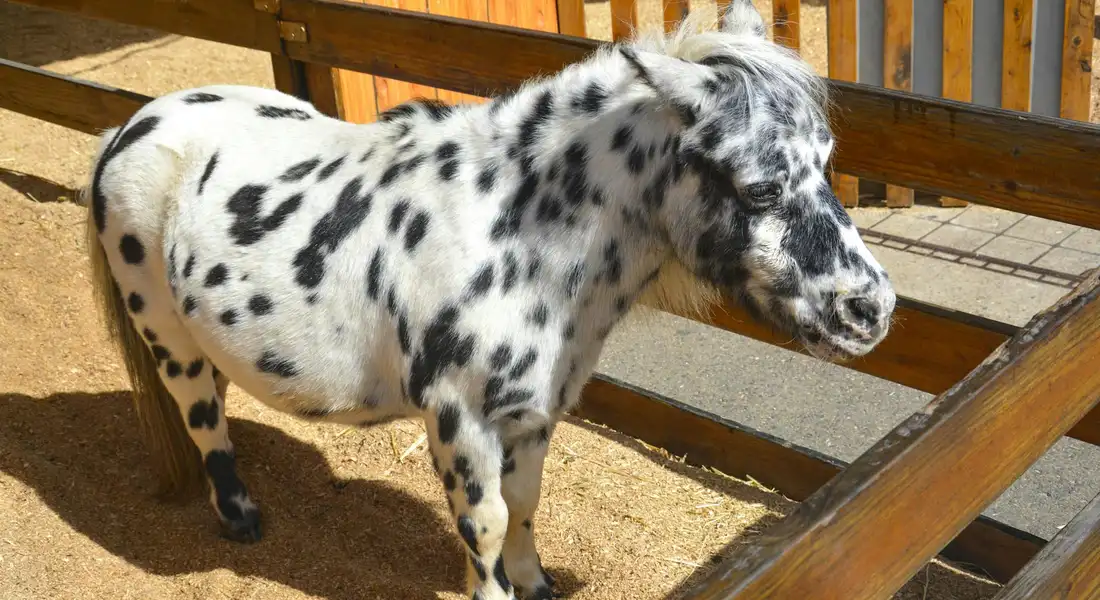
- Leopard: A base white coat densely covered in small, dark spots from ears to tail. It’s the classic “polka-dot” horse.
- Blanket: A solid white area over the hips and loins, which may or may not contain darker spots within it.
- Snowcap: A pure white blanket with no spots at all, a stark, beautiful contrast.
- Varnish Roan: The horse lightens to a roaned appearance with age, but dark points persist on the face, knees, and other bony areas.
Before you even see the spots, look for these other LP gene signatures:
- Mottled skin around the muzzle, eyes, and under the tail.
- Vertically striped hooves with alternating light and dark bands.
- Prominent white sclera (the area around the iris) visible around the eye.
These traits are the reliable tells when a fading coat or winter fluff has hidden the spots.
An Appaloosa’s coat is a living, changing tapestry. Many are born solid or with just a hint of pattern, with their true spots and roaning emerging and shifting over several years and with each seasonal shed. I’ve spent hours brushing a seemingly plain gelding only to watch his blanket pattern deepen with every spring coat change.
From Leopard to Blanket: A Pattern Primer
Leopard Pattern
Imagine a horse shaped from a starry night sky. A true leopard pattern presents a primarily white coat with distinct, dark spots scattered evenly from neck to croup. The spots can range from tiny flecks to large, handprint-sized ovals.
Blanket Pattern
This pattern looks exactly like a white sheet was tossed over the horse’s hindquarters. The blanket can be sparse with just a few confetti-like spots or so densely populated it resembles a leopard pattern isolated to one area. It’s a personal favorite for its dramatic, graphic appeal.
Snowcap Pattern
A snowcap is a blanket pattern without any spots inside the white area. This creates a sharp, clean contrast against the darker front half of the horse, like a fresh drift of snow settled perfectly on their back.
Varnish Roan Pattern
This pattern is all about graceful aging. A varnish roan will slowly lighten from its base color, as if varnished with dust, while the skin over bony prominences stays dark, creating a ghostly map of the skeleton. It requires a patient eye to see the full picture develop.
The Flecked Coat: Roan and Other Mixed Patterns
Picture running your hand over a coat that looks solid from afar but up close is a tapestry of colored and white hairs woven together. That’s the magic of a roan. The roan pattern creates a stunning, flecked appearance by evenly interspersing white hairs throughout the horse’s base coat color, while typically leaving the head, legs, mane, and tail darker. This unique display is just one aspect of horse coat colors that captivate enthusiasts.
Roans are categorized by the color underneath all those white hairs:
- Blue-roan: This isn’t a true blue, but a black base coat mixed with white, giving a cool, smoky slate appearance.
- Red-roan: A bay or chestnut base creates this warm, rosy blend where the red tones shine through the white flecking.
- Strawberry-roan: Specifically a chestnut base, resulting in a softer, pinkish-red hue that reminds me of sun-bleached berries.
Roan is often mistaken for similar patterns. Rabicano, for instance, usually deposits white hairs only in specific areas like the flanks and tailhead. Frosty graying or the gradual whitening of a gray horse is a different process entirely; a true roan’s pattern is present from birth and relatively stable, not a progressive lightening with age.
Seasonal changes play a big role. A roan can “roan out” in summer, appearing lighter as the shorter coat makes the white hairs more prominent. In winter, the longer guard hairs may darken the overall look, so always note the dark points to correctly identify the pattern year-round.
Coat Color in the Real World: Practical Care Considerations
Your horse’s color is more than just pretty packaging; it’s a care manual written in their genes. Daily management must adapt to protect their skin and coat health. Breed colors and coat appearance vary and inform routine care. These differences shape how you approach grooming, sun protection, and skin monitoring. Proactive, color-aware care prevents discomfort and builds a foundation for lifelong equine welfare.
From my years in the barn, here are the non-negotiable tips:
- Sun Protection for Light Skins: Palominos, Cremellos, Paints with pink skin under white markings-they all need shields. I swear by breathable, UV-blocking fly sheets and zinc-free sunscreen on muzzles and around eyes.
- Stain Management for Grays: Our dapple grey, Luna, turns every grass stain into a bold statement. A quick post-ride wipe-down with a damp towel and monthly baths with a gentle whitening shampoo keep her comfortable without constant scrubbing.
- Monitoring Pink Skin: That cute pink nose or ankle under a white sock is vulnerable. Check it daily for signs of redness, peeling, or irritation, which can signal sunburn or photosensitivity.
I managed a sun-sensitive Palomino who’d burn faster than you could say “turnout.” His pink nose was a constant worry. We crafted a routine of dawn and dusk turnout, always slathering on equine sunscreen, and using a lightweight mesh sheet-he started nudging the sunscreen bottle himself, knowing it meant relief.
Checking for sunburn is a two-minute ritual. Here’s how to do it right:
- Gently feel the muzzle, around the eyes, and under any white markings with the back of your hand for unusual warmth or tenderness.
- Look closely for any new pinkness, flaking skin, or small scabs that indicate damage.
- Part the hair in these light-skinned areas to see the skin itself, not just the surface coat.
- If you find anything, get the horse to shade immediately and call your vet for a recommended topical cream or systemic support.
Catching sunburn early isn’t just about comfort; it’s a direct line to preventing more serious skin ailments and ensuring your horse enjoys their turnout time without pain.
Genetics Made Simple: How Coat Colors Are Passed On
Think of horse coat genetics like mixing paints from your barn’s supply room. You have base colors-red and black-and a few modifier tubes that act like stencils, limiting where color appears. Each parent horse contributes one set of these genetic “paints,” and the foal’s coat is the unique blend they receive at conception. Watching my gelding Rusty’s sorrel coat shine in the sun, I always marvel how his simple red hue came from a specific, predictable recipe.
Most colors boil down to two main genes: one for the black pigment and another, called agouti, that acts like a mask. It holds the black pigment to the mane, tail, and legs, creating a bay. Bay is dominant over chestnut, which is why you can see both colors in the same family. It’s not magic, just simple inheritance, much like how Luna’s grey father guaranteed her dapple coat.
Let’s use a basic Punnett square. Imagine a chestnut mare (who has two recessive ‘no black’ genes) and a bay stallion (who has one dominant ‘black’ gene and one recessive). Here’s how they can have a bay foal:
| Mare’s Gene (e) | Mare’s Gene (e) | |
|---|---|---|
| Stallion’s Gene (E) | Ee | Ee |
| Stallion’s Gene (e) | ee | ee |
The ‘E’ stands for the ability to make black pigment. An ‘Ee’ foal inherits that ability from the bay parent. If it also gets the agouti modifier, the black is restricted, and you get a bay. This simple grid shows a 50/50 chance for a bay or chestnut foal in this particular cross, which is why breeding is always a bit of a lottery.
For quick planning, here are a few common pairings and their most likely outcomes:
- Chestnut x Chestnut: Will always produce a chestnut foal. This is the most foolproof prediction in the breeding shed.
- Bay x Bay: Can produce bay, chestnut, or even black. It depends entirely on those hidden recessive genes each parent might be carrying.
- Grey x Any Color: Will usually produce a grey foal. The grey gene is a strong dominant that gradually bleaches the base color, just like it did with Luna.
- Black x Black: Typically yields black foals, but if both parents secretly carry chestnut, a surprise red baby can appear.
Nature has a wonderful sense of humor. I once helped foal a solid bay mare who, to everyone’s shock, delivered a loudly spotted pinto because a pattern gene had been hiding quietly for generations. If you’re curious about identifying your horse’s breed, the next steps will show easy ways to pin it down. For true certainty in breeding or simply to satisfy your curiosity, a modern DNA test is invaluable. It takes the mystery out of your horse’s blueprint and can guide smarter care decisions for their entire life.
Frequently Asked Questions About Horse Coat Colors and Patterns
Where can I find a reliable chart or directory of all horse coat colors?
Reputable equine registries and university extension programs often provide excellent, science-backed visual guides and directories. These resources are invaluable for clarifying subtle differences, like distinguishing a buckskin from a dun. For creative interpretations and community-shared examples, platforms like DeviantArt host galleries where enthusiasts post images of various colors.
How does a horse’s coat color change from summer to winter?
A horse’s coat often grows thicker and longer in the winter, which can make some colors, like roans or duns, appear darker or less distinct. In summer, the shorter, sleeker coat more accurately reflects the true base color and pattern clarity. This seasonal change is a natural adaptation for temperature regulation and differs from the permanent lightening caused by the grey gene. It’s important to understand that horse coats are made of hair, not fur, which affects their seasonal growth and shedding patterns.
How can I explain horse coat colors simply to kids?
Start by comparing horse coats to familiar things, like calling a chestnut “ginger” or a palomino “golden”. Use engaging pictures and simple terms, focusing on the big, recognizable patterns like big Paint spots or Appaloosa blankets. Interactive tools, like basic Punnett squares with colored magnets, can make genetics a fun, hands-on activity.
Coat Color Wisdom from the Stall
While a stunning coat catches the eye, your daily care routines—from sun protection for light-skinned horses to meticulous grooming for dense patterns—make the real difference. Establishing an essential daily grooming routine helps keep a healthy horse by promoting skin health and spotting concerns early. A well-run regimen also supports overall comfort and responsiveness, aligning with the goal of attentive care. Your horse’s color is a beautiful trait, but their individual health, comfort, and behavior must always guide your management decisions.
Take your time learning how your horse’s coat reflects their well-being through the seasons. The best horsemanship is quiet, observant, and always puts the horse’s voice first, especially when it comes to seasonal grooming.
Further Reading & Sources
- Equine coat color – Wikipedia
- Horse coat colours and patterns
- A Horse of a Different Color: Common Equine Coat Colors! | ASPCA
- Horse coat colors – EQUISHOP Equestrian Shop
At Horse and Hay, we are passionate about providing expert guidance on all aspects of horse care, from nutrition to wellness. Our team of equine specialists and veterinarians offer trusted advice on the best foods, supplements, and practices to keep your horse healthy and thriving. Whether you're a seasoned rider or new to equine care, we provide valuable insights into feeding, grooming, and overall well-being to ensure your horse lives its happiest, healthiest life.
Coat and Mane Care