
Horse Breeding Reasons: Making an Informed Decision for Your Equine Partner
Published on: August 10, 2026 | Last Updated: August 10, 2026
Written By: Henry Wellington
Hello fellow equestrians. Standing at the crossrail of whether to breed your mare or stallion can feel overwhelming, with valid concerns about cost, equine health, and the lifelong responsibility of a new foal clouding your judgment.
I will help you sort through the noise by exploring the core motivations behind responsible breeding. We will examine key reasons, including:
- Improving specific performance or temperament traits in a bloodline.
- Preserving the genetics of a rare or historically significant breed.
- Fulfilling a personal horsemanship goal through the journey of raising a foal.
- Understanding the realistic financial and time investments required.
My perspective is grounded in years of barn management and training, where I’ve balanced breeding dreams with the daily realities of mare care and foal development.
The Heart of the Matter: Core Reasons for Equine Reproduction
Deciding to breed a horse is a serious commitment that echoes through years of a foal’s life. From my time managing the barn, I’ve found most folks are driven by a few core motivations. It’s more than just wanting a cute baby; it’s about intention, especially given how long horses can breed for.
- Preserving Bloodlines: This is about safeguarding genetic heritage, whether for a rare breed or a beloved family line that tells a story.
- Genetic Improvement: This is deliberate matchmaking, aiming to amplify desirable traits like sound conformation or a willing mind in the next generation.
- Producing for a Purpose: Breeding creates a partner for a specific job, from the precision of the dressage arena to the steady trust needed on a mountain trail.
I’ve spent countless hours watching mares and foals in the pasture, and the reasons behind each pairing always come back to one of these pillars.
Preserving Heritage and Bloodlines
This work feels like being a curator for living history. Some breeds have genetic lines dwindling to a precious few. Breeding to preserve them is an act of stewardship. It involves deep dives into pedigree books and understanding strategies like linebreeding to concentrate traits or crossbreeding to inject vigor. The emotional weight of continuing a lineage is real-I felt it when we bred a mare from a line known for its gentle patience, hoping to extend that legacy for more riders like those who trusted Rusty. It’s not just about names on paper; it’s about ensuring those reliable, kind eyes keep looking out over pasture fences for years to come.
Pursuing Genetic Improvement
Think of this as thoughtful evolution. We’re selecting for traits that make a horse not just talented, but also durable and pleasant to be around. Conformation matters immensely-a correct leg can mean decades of soundness. But temperament is just as heritable. You can’t train in innate calm. Breeding for a quieter mind is a gift to the horse and its future human, something I learned when working with sharp, sensitive souls like Luna. It’s especially important when aiming to breed one of the friendliest and calmest horse breeds for families. It’s about pairing a mare’s strengths with a stallion’s to fill in the gaps, always aiming for a more versatile, resilient animal.
Fulfilling Specific Roles
This is breeding with a job description in mind. The goal dictates the match. A potential show jumper needs power and scope, while an endurance prospect requires metabolic efficiency and mental grit. For many, the dream is a trustworthy trail horse. There’s a steady market for sensible, sturdy partners because a safe horse is priceless, a truth anyone who’s navigated a spook at a garbage bag will understand. Breeding a horse like that means prioritizing temperament and sure-footedness over flashy movement. It’s about creating a true partner.
Genetics in Your Hands: Selecting Your Mare and Stallion
This is where your breeding plan touches the leather of the halter. Choosing your pair is the most practical step you’ll take. It requires a clear-eyed assessment, not wishful thinking. Here’s how to break it down.
Evaluating the Mare
Your mare is the foundation. Her health and well-being set the stage for everything. Start with a veterinary reproductive exam to check her fitness for pregnancy. A mare’s own care and history are the first blueprint for her foal’s future, which is why I’m such a stickler for quality forage and ample turnout for any broodmare. Use this checklist:
- Age and Reproductive Soundness: Is she within the ideal age window? Has she had foals before, and were there complications?
- Overall Health and Conformation: Is she physically sound, with good feet and a body free from chronic issues? Does she have the structural traits you want to pass on?
- Temperament and Performance: Is her demeanor something you’d want replicated? What has she proven she can do, whether in sport or as a steady companion?
Choosing the Right Stallion
Selecting a sire is about researching his genetic contribution beyond the show ring photos. Progeny testing-seeing what his previous offspring are like-is worth more than any trophy. Always look for a stallion whose get are known for their sound minds and bodies, not just their trophies. Your checklist should include:
- Pedigree Analysis: How do his bloodlines complement your mare’s? Look for proven combinations that avoid concentrating negative traits.
- Proven Offspring: Can you visit or get reports on his grown foals? Are they successful, sane, and structurally correct?
- Live Cover or Semen Quality: For artificial insemination, require a recent semen analysis report. For live cover, assess his manners and safety protocols.
- Breeding Contract Details: Understand the terms for live foal guarantee, breeding fees, and what happens if the mare doesn’t settle.
When Nature Calls: Timing the Breeding Season
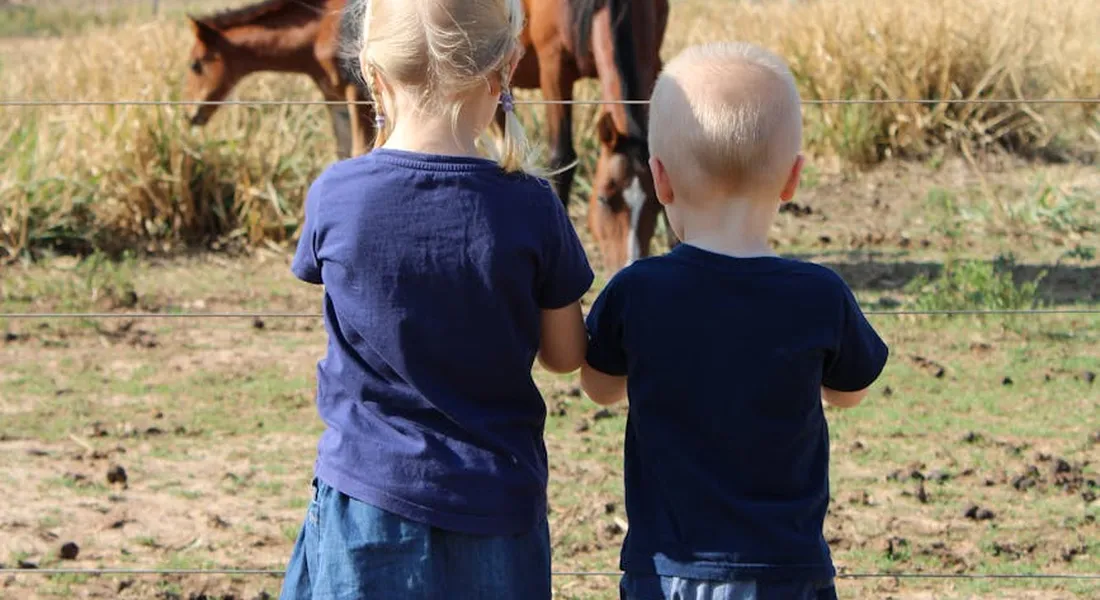
Horses are not machines; their fertility is a dance with the sunlight. As days grow longer, a mare’s cycle naturally kicks into gear, aiming for foals to hit the ground in warm, grassy months. Working with this rhythm, not against it, is the first rule of thoughtful breeding. Understanding the estrous cycle helps you do just that.
| Region | Typical Breeding Season | Key Months for Cover/AI | Average Gestation |
|---|---|---|---|
| USA (General) | Spring to Summer | April to July | 340 days |
| UK | Spring to Summer | May to August | 340 days |
| Australia | Spring to Summer | September to February | 340 days |
| Texas, USA | Early Spring to Fall | March to October | 340 days |
Northern Hemisphere Cycles
In the USA and UK, the breeding window focuses on spring and summer. Increasing daylight, or photoperiod, triggers mares to cycle regularly. I watch for the first reliable sign in my barn: when the sensitive thoroughbred, Luna, starts showing consistent heat as the lilacs bloom. Plan your covers or AI for these months to sync with peak fertility.
Southern Hemisphere Cycles
In Australia and New Zealand, the seasons are flipped. Their prime breeding time is from September to February. This reversal is crucial for international breeding; shipping frozen semen north in July means tapping into a stallion just beginning his southern season. It adds a layer of planning but expands your genetic options dramatically.
The Path to Parenthood: Methods and Timelines
Getting from point A to a healthy foal involves choosing your method and then marking your calendar. Your decision balances safety, logistics, and the horses’ well-being.
Natural Cover Versus AI
Natural cover is the traditional stallion-to-mare breeding. Artificial insemination (AI) involves placed semen. Each has its footprint in a modern breeding program.
Let’s break down the practicalities.
Natural Cover Pros:
- It follows the horses’ natural instincts, which can feel straightforward.
- Conception rates per cycle can be high with experienced handlers.
- Less reliance on specialized veterinary equipment for the act itself.
Natural Cover Cons:
- Carries a risk of injury to both mare and stallion.
- Requires significant stallion management and a very secure breeding area.
- Geographically limits you to nearby stallions.
AI Pros:
- Safer, with no direct contact between horses.
- Opens access to stallions globally via shipped cooled or frozen semen.
- Greatly reduces the risk of transmitting venereal diseases.
AI Cons:
- Requires precise cycle tracking and a skilled vet for insemination.
- Can be more expensive per attempt, and success rates vary.
- Demands proper handling and storage of semen samples.
My own experience leans on welfare: using AI for a prized but distant bloodline spared the mare a stressful trailer ride, a stable hack for keeping everyone calm.
From Conception to Foaling: A Rough Schedule
Gestation averages 340 days, roughly eleven months. Use this timeline as your pasture-side guide.
- Months 1-3: The embryo implants and early growth begins. A vet should confirm pregnancy via ultrasound around day 16. This early check prevents you from feeding a non-pregnant mare like she’s carrying a foal, a common and costly oversight.
- Months 4-6: The fetus grows steadily. The mare’s belly may begin to round. Schedule a mid-pregnancy ultrasound around month five to check fetal heartbeat and development.
- Months 7-9: Nutritional demands increase significantly. Boost her quality forage, like the good orchard grass hay my quarter horse Rusty thrives on. This is the time to advocate for ample turnout; movement aids digestion and keeps her muscles strong for carrying the weight.
- Months 10-11: The final countdown. You’ll see udder development and wax forming on the teats. Prepare a quiet, deeply bedded foaling stall. Know the signs of stage one labor-restlessness, sweating-because when nature calls, it pays to be ready with clean towels and your vet’s number.
Care Beyond Conception: Managing Mare and Foal Health
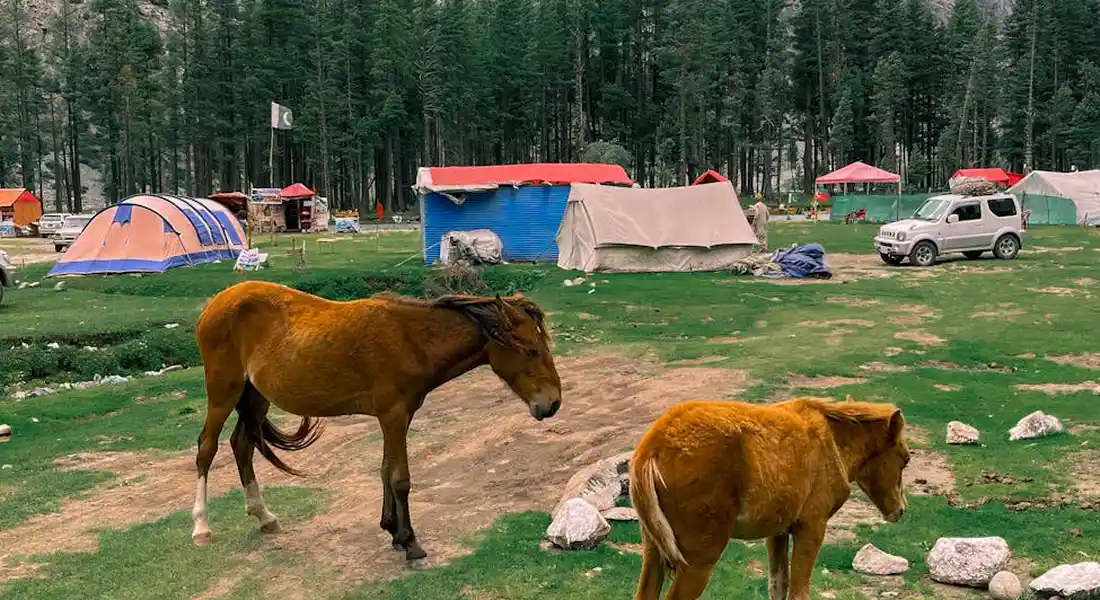
Once your mare is in foal, your job shifts from matchmaker to meticulous caretaker. Every decision you make now, from her breakfast to her bedding, builds the foundation for a healthy foal and a smooth recovery for the mare. This stage is where gentle horsemanship and proactive care truly shine, blending science with stable sense. It’s also the perfect time to familiarize yourself with the health care and vaccination schedule for young horses.
Nutrition for the Expectant Mare
Feed your pregnant mare like you’re crafting a masterpiece slowly, not assembling a fast meal. Her entire diet should pivot on one non-negotiable element: superior roughage that is clean, leafy, and free of dust or mold. Her calorie needs will shift dramatically over the eleven months, and getting it wrong risks developmental issues or metabolic disorders. For a concise, practical reference, consult an essential nutrition guide for pregnant mares. It outlines stage-appropriate guidance on nutrients, moisture, and feeding frequency.
I adjust feed in three clear phases, a system that worked for my high-strung Luna when she was expecting.
- Months 1-3: Maintain her pre-pregnancy weight. Offer free-choice hay or pasture. No extra grain is needed unless she’s a hard keeper.
- Months 4-7: Increase her total digestible energy by about 10-15%. Introduce a quality broodmare pellet or balancer to boost protein, calcium, and phosphorus. Do this over a week to avoid digestive upset.
- Months 8-11: This is the foal’s major growth period. Provide a concentrated broodmare feed split into multiple small meals. Always ensure she has access to a trace mineral salt block and fresh, unfrozen water.
Watch her body condition like a hawk, aiming for a score where you can feel but not see her ribs-a too-fat mare can have as many problems as a too-thin one.
Preparing for the Foal
Your foaling setup should be a sanctuary of safety and calm. About a month before the due date, move your mare to her foaling stall-a quiet, well-ventilated space with walls free of protruding nails or splinters. Bed it deeply with straw, which is less likely to stick to a wet foal than shavings. Keep the lighting soft and indirect.
Your foaling kit is your emergency toolbox. Assemble it now and keep it in a clean, designated bucket. Here’s my must-have list, refined over many years at the barn:
- Clean, dry towels (several)
- 1-2% iodine solution in a small, clean cup for the umbilical stump
- Sterilized dental floss or string for tying the cord if needed
- Rectal thermometer and lubricant
- A mild phosphate enema for the foal
- A flashlight with new batteries
- A stopwatch to time the stages of labor
- Your veterinarian’s phone number posted visibly
Having everything in one place lets you focus on the mare, not a frantic search for supplies in the middle of the night.
Those First Critical Days
The foal’s first 24 hours are a delicate dance between instinct and intervention. Your primary goal is to confirm the foal nurses adequately within the first two hours to ingest the antibody-rich colostrum. Watch for a strong suck, the sound of swallowing, and milk on its muzzle. Next, monitor for the passage of meconium-that first, sticky dark manure. Impaction is common and painful.
I learned the urgency of this with Pipin, our Shetland pony. Her foal was on its feet quickly but confused about where to find a meal. We had to quietly step in, gently directing the wobbly baby and squeezing a few drops of colostrum onto our fingers to guide him. That first successful latch is a relief you can feel in your bones, a sign the crucial transfer of immunity has begun. After that, step back and let the pair bond, limiting disturbances to essential checks only.
The Bottom Line: Weighing Costs and Commitment
Breeding a horse is a profound commitment that extends far beyond genetics and dreams. You must balance your heart’s desire with a brutally honest assessment of your time, finances, and ethical duty to the life you create. This isn’t a side hustle; it’s a long-term project with living, breathing consequences. There are also legal responsibilities when breeding horses—regulations around registration, welfare, and liability. Understanding these obligations protects the horse, the breeder, and the community.
Financial Realities of a Breeding Program
Let’s talk numbers, because wishful thinking doesn’t pay vet bills. The upfront costs are just the entry fee to a marathon of expenses that last for years. Even a single foal venture carries significant, often overlooked, financial weight.
- Stud Fee & Transport: $1,000 to $10,000+
- Pre-Breeding Mare Exam & Culture: $300-$600
- Pregnancy Checks & Ultrasounds: $200-$500
- Supplemental Feed for 11+ Months: $800-$1,500
- Foaling Veterinarian (on-call or emergency visit): $300-$800
- Foal Vaccinations, Deworming, & Health Papers: $400-$700 in first year
- Additional Board, Bedding, & Fencing: $1,200-$3,000 annually
Compare this to the uncertain market value of a weanling. Unless you are breeding a proven, marketable pedigree, you should assume this is a financial investment in equine welfare, not a retirement plan.
The Long-Term Responsibility
The bill of sale is not the finish line. You are accountable for turning this foal into a well-adjusted, educated equine citizen, regardless of who eventually owns it. This means daily handling for manners, careful socialization with other horses, and foundational ground training. It means ensuring the foal understands pressure and release, loads in a trailer, and respects human space.
Think of my old reliable Rusty-his steady mind was crafted through years of patient, consistent work from foalhood onward. Breeding responsibly means having a concrete plan for the offspring’s entire life, which may include keeping it yourself if the right home never materializes. The true cost is measured not in dollars, but in decades of deliberate care and advocacy.
Looking to the Future: Evaluating Your Breeding Program
Breeding isn’t a one-and-done event; it’s a commitment that unfolds over years. The true test of your program isn’t the beauty of the mare or the fame of the stallion, but the quality and wellbeing of the horse you produce. Understanding the horse breeding fundamentals provides a framework for evaluating every foal’s potential over time. These fundamentals guide every decision—from pairing to care—helping you build a durable program. Your long-term goal should be genetic improvement, which means being brutally honest about each foal’s strengths and weaknesses compared to your original vision. I’ve seen fancy papers lead to mediocre horses, and unassuming crosses produce incredible partners-the proof is always in the pasture.
This evaluation process is called progeny testing. It’s the most reliable way to see if your chosen stallion and mare truly complement each other. You can’t judge a breeding decision on a single foal; patterns across multiple offspring reveal which traits are consistently passed on. It requires meticulous records and a patient eye, watching those gangly foals grow into their adult frames and careers.
Assessing Your Offspring
Watch that baby like a hawk, but with a soft eye. Your initial checklist evolves as they grow. At weaning, look for structural correctness: are the legs straight? Is the neck set on well? Does the foal move freely? Personality is glaringly obvious now, too. That bold, curious weanling often becomes a confident riding horse, while the perpetually spooky one may need a specialized home. Compare the foal directly to your original goals. Did you breed for a calm trail horse but got a firecracker? That’s critical data.
As a yearling and two-year-old, assess dynamic conformation-how they move at liberty in the field. Look for fluidity, balance, and natural engagement. This is where many conformational faults become apparent. Soundness isn’t just about the absence of lameness; it’s about building a body that can hold up to a job without constant maintenance. I remember watching Luna’s full brother develop; his breathtaking movement came with a metabolic sensitivity we had to manage for life, a direct inheritance we noted for future plans.
Finally, put them under saddle. This is the ultimate test. Does their mind accept training? Do they have the physical and mental aptitude for the discipline you bred them for? A horse can be perfectly built but mentally unsuitable, making them a poor reflection of your breeding goals for temperament. Be prepared to adjust your future pairings based on these real-world results.
Planning for Stud Farm Development
If your breeding program expands beyond a single mare, your approach must become more systematic. Facility design is paramount. You need safe, separate turnout for stallions, pregnant mares, weanlings, and young stock. Fencing must be immaculate-I learned this the hard way after Pipin taught a group of weanlings the fine art of gate latch manipulation. Think about footing, shelter, and handling areas that reduce stress for all.
Your record-keeping must evolve from a notebook to a professional system. Document everything: breeding dates, ultrasound results, vaccination and deworming schedules for mare and foal, detailed conformation photos, and behavioral notes. Meticulous records are not just for you; they are a sign of respect and transparency for the future owners of your horses. This builds a reputation for trustworthiness.
Embrace sustainable practices from the start. This means responsible pasture management to prevent overgrazing, a manure management plan, and biosecurity protocols. On a horse property, smart pasture rotation keeps paddocks productive and turnout safe. These practices also protect land health and horse welfare. A successful breeding operation is judged not only on the horses it produces but on the land it stewards and the welfare standards it upholds every single day. Plan for growth slowly, ensuring each horse receives the individual attention and ample turnout that is the bedrock of gentle horsemanship.
FAQ: Horse Breeding Reasons
What factors determine the horse breeding season?
The primary factor is photoperiod, as increasing daylight triggers a mare’s fertile estrus cycles. Geography and climate are also key, as seasons are reversed between the Northern and Southern Hemispheres. The natural rhythm aims for foals to be born in warmer months when pasture is abundant for the nursing mare.
How long is the typical horse breeding season?
A typical breeding season lasts several months to capitalize on a mare’s natural cyclicity. In many regions, the active window for cover or artificial insemination spans 4-6 months, such as April through July in much of the USA. This length provides multiple opportunities for a mare to conceive during her peak fertility period.
What is unique about the breeding season in Australia?
Australia’s breeding season is opposite to the Northern Hemisphere, generally running from spring into summer (September to February). This reversal is crucial for international breeding programs using shipped semen. The season’s timing can vary slightly within the country’s different climate zones, from tropical north to temperate south.
A Final Word on Responsible Breeding
Successful breeding starts with a purpose beyond a simple desire for a foal, requiring a deep evaluation of conformation, temperament, and genetic health. Your most critical duty is to have a complete, lifelong plan for every horse you bring into this world, from weaning through their senior years.
True horsemanship means putting the animal’s welfare above all else, a principle that must anchor every breeding decision. Listen to your mare, respect the process, and always champion the life you are helping to create.
Further Reading & Sources
- Horse breeding – Wikipedia
- Breeding & Genetic Inheritance – CTS Courses
- Horse Breeding Basics | Extension Horses
- Horse Breeding Ethics • Equine-Reproduction.com, LLC
At Horse and Hay, we are passionate about providing expert guidance on all aspects of horse care, from nutrition to wellness. Our team of equine specialists and veterinarians offer trusted advice on the best foods, supplements, and practices to keep your horse healthy and thriving. Whether you're a seasoned rider or new to equine care, we provide valuable insights into feeding, grooming, and overall well-being to ensure your horse lives its happiest, healthiest life.
Choosing the Right Breed