
Solving Horse Breed Specific Questions: Your Guide to Tailored Care and Training
Published on: August 12, 2026 | Last Updated: August 12, 2026
Written By: Henry Wellington
Hello fellow equestrians! Does your calm Quarter Horse suddenly spook at a trail obstacle your friend’s Arab handles with ease? Are you pouring grain into a sleek Thoroughbred who still seems ribby, while your pony paddock mate balloons on hay? Mismatching care to breed isn’t just inefficient-it can strain your budget with vet calls and create safety risks through misunderstood behavior.
Let’s sort this out. In this guide, I’ll walk you through the key breed-specific factors that actually matter at the barn:
- Decoding innate behavior: why breed temperament dictates your daily approach, not just your riding goals.
- Customizing feed and turnout: how to match nutrition and pasture time to metabolism and build, from draft to pony.
- Fitting tack and modifying training: selecting gear and techniques that work with your horse’s physical structure and natural mindset.
My advice comes from a tack trunk filled with years of barn management, where I’ve tailored routines for clever Shetlands like Pipin and high-strung athletes like Luna, learning what each breed truly needs to thrive.
Which Horse Breeds Are Best for First-Time Owners?
Choosing your first horse is like picking a steady partner for a long trail ride-you want reliability over flash. Based on my years in the barn, I lean towards breeds that forgive my early mistakes and don’t spook at their own shadow. My old reliable, Rusty the Quarter Horse, is a perfect example; his calm demeanor made learning daily care feel natural, not nerve-wracking. For newcomers, seek out these steady temperaments: the American Quarter Horse, the versatile Morgan, the sturdy Connemara Pony, the gentle Haflinger, and the dependable Draft cross. These are often cited as among the best horse breeds for beginner riders. They also reward calm, consistent handling. Their forgiving nature turns routine feeding, grooming, and basic health checks into a bonding experience, not a battle.
A calm horse means you can focus on learning care fundamentals without constant anxiety about reactions. These breeds often share traits that simplify daily management for a novice. For many riders, the friendliest and calmest horse breeds for families are a natural fit for beginners. Here’s what that looks like in the stall and field.
- Hardy Constitutions: They typically have robust health, with fewer metabolic quirks than some high-strung breeds, meaning fewer sudden vet alarms.
- Easy Keeper Status: Many, like Quarter Horses and Haflingers, maintain weight easily on good-quality hay, simplifying your feed math and budget.
- Predictable Handling: Their steady minds make them less reactive during farrier visits, deworming, or when introducing new tack.
- Forgiving Gaits: They often offer smoother, more balanced rides which builds rider confidence during those initial wobbly moments.
- Social Stability: These horses usually integrate well into herd turnout, reducing the drama and injury risk that comes with bossy or overly anxious paddock mates.
Warmblood, Coldblood, Hot Blood: What Do These Terms Mean for Care?
These old terms describe temperament and build, not actual temperature. Think of them as a horse’s engine type. A hot blood, like the fiery Arabian, has a high-revving engine built for speed and stamina. A coldblood, like the steady Percheron, is a diesel workhorse built for power. A warmblood, like a sporty Hanoverian, is a refined hybrid, blending power and agility. This isn’t just trivia; it directly shapes their needs for turnout, feed, and mental stimulation. The thud of a draft horse’s hoof requires different support than the quick, light step of a Thoroughbred. Many people ask whether horses are warm-blooded or cold-blooded. In horse terms, ‘warmblood’ is a breed and temperament descriptor, not a direct temperature measure.
| Type | Energy & Build | Origin | Care Implications |
|---|---|---|---|
| Hot Blood (e.g., Arabian, Thoroughbred) | High-strung, refined, light-framed | Desert, arid climates | High exercise needs, meticulous calorie monitoring, essential mental engagement to prevent boredom. |
| Coldblood (e.g., Percheron, Clydesdale) | Calm, powerful, heavy-boned | Cold, temperate regions of Europe | Monitor joint/hoof health closely, adjust feed for slower metabolism, ensure ample space for comfortable movement. |
| Warmblood (e.g., Hanoverian, Dutch Warmblood) | Athletic, trainable, medium-heavy build | Selective European breeding | Disciplined, varied exercise routines, balanced nutrition for sport, consistent handling to channel their power. |
Daily Management for the High-Strung Hot Blood
Managing a hot blood like Luna, my sensitive Thoroughbred, taught me that their care is about channeling energy, not suppressing it. Ample daily turnout in a safe paddock is non-negotiable; it lets them move and play out nerves. For these horses, a stalled life is a fast track to stress ulcers and destructive habits like weaving. Design work that includes long, forward trots and canters to satisfy their need for speed, but always end on a calm note. I keep handling consistent and quiet-sudden movements or a raised voice only heighten their anxiety. Their feed must be carefully measured; they often need more calories to fuel their metabolism but are prone to digestive upset from rich grains.
Supporting the Steady Coldblood and Versatile Warmblood
With coldbloods, think steady support for a powerful frame. I watch their joint health like a hawk, adding supplements if needed and providing deep, soft bedding. Their slower metabolism means they can balloon on rich hay, so I measure portions carefully to prevent obesity-related lameness. Farrier visits are paramount for their heavier bodies to ensure proper hoof balance and prevent strain. For the athletic warmblood, discipline is key. They thrive on varied, purposeful work-think flatwork one day, hacking the next. They possess great power that requires a rider with clear cues, but they reward you with a willing partnership. Both types benefit from gentle horsemanship that respects their strength without relying on force.
How Do You Care for Breeds Bred for Speed and Stamina?
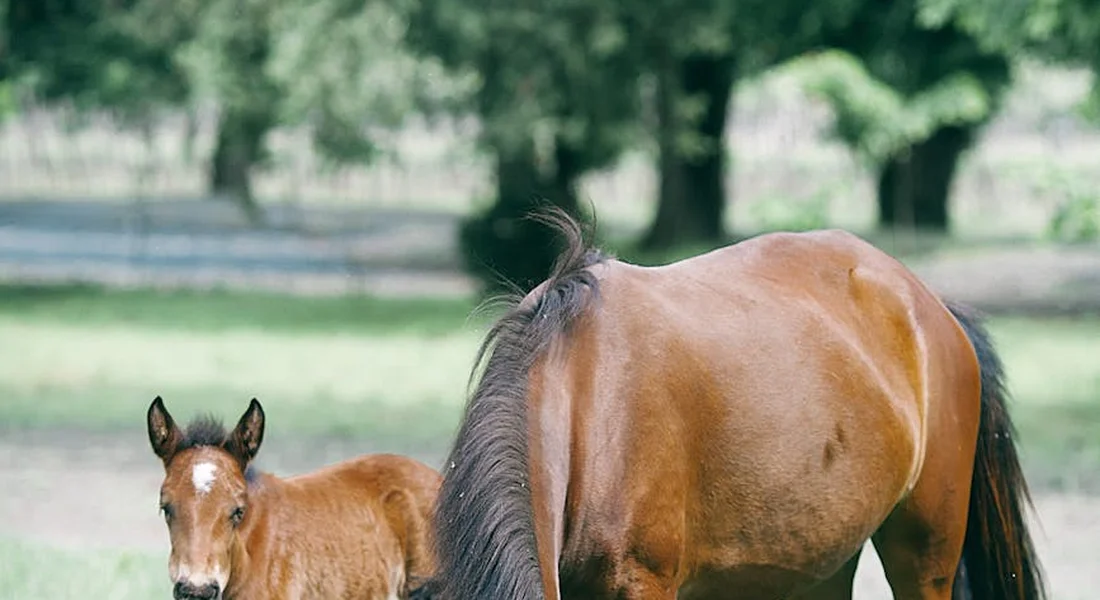
Working with my Thoroughbred, Luna, rewired my entire approach to care. That sleek frame and nervous energy demand a proactive routine, not a reactive one. For breeds built for the track, daily management is about supporting a metabolism that idles high and a mind that notices every flicker of change. Forget the one-size-fits-all plan; this is custom tailoring for equine athletes.
Designing a Diet for a Fast Metabolism
Think of a Thoroughbred’s gut as a high-performance engine that must never run dry. Their system is designed for near-constant trickle feeding. The golden rule is this: forage first, forage always, with any concentrates added like a careful seasoning. I keep a slow-feed net stuffed with good grass hay in Luna’s stall at all times. This mimics grazing, keeps her occupied, and prevents ulcers that often plague high-strung horses.
When extra calories are needed for work, I choose a low-starch, high-fat grain or a commercial feed designed for sensitive metabolisms. Always weigh your feed and make changes over a week or more to avoid colic or explosive energy spikes. I learned that lesson after Luna did a spectacular levitation act following a too-quiet switch to a new sweet feed.
The Non-Negotiable: Secure, Spacious Turnout
A bored Thoroughbred is an inventor of trouble, and a confined one is an injury waiting to happen. Turnout is their therapy. I advocate for daily turnout in a large, safely fenced area where they can truly move out-trot, canter, and blow off steam. Solid fencing like wood or closely spaced mesh is best; a Thoroughbred can find a way through a space you’d swear was too small.
Companionship is key. Luna thrives when she’s out with a calm buddy like Rusty, the Quarter Horse. It keeps her calm and reduces fence-running. Check the pasture daily for holes, loose wire, or anything that could catch a delicate leg during a spirited romp. That hour of turnout is cheaper than any calming supplement.
Managing the Sensitive Mind
The mental care is as vital as the physical. Their sensitivity isn’t a flaw; it’s what makes them brilliant. Routine provides security, but variety keeps them engaged. I keep workouts short and focused, mixing flatwork with trail walks or ground poles to prevent frustration. Always end on a good note, even if it’s just a simple walk-halt transition done softly.
Listen to what they tell you. Some days Luna needs a long, slow hack to settle her brain. Other days, she’s ready for focused gymnastic work. Forcing a tense, mentally checked-out horse through a drill benefits no one and can erode trust quickly. Your patience is part of their care plan.
What Are the Unique Care Needs of Legendary Breeds Like the Arabian?
That dish-shaped face tells a story of centuries in the desert, and their care must honor that legacy. Arabians are not just delicate; they are durable, intelligent, and intensely aware. Their legendary endurance means fitness builds slowly, their paper-thin skin begs for protection, and a mind made for survival demands respect in training. Caring for them is a partnership built on nuance.
Building Endurance, Not Just Speed
An Arabian’s fitness plan isn’t about sprint drills. It’s about cultivating slow-twitch muscles and cardiovascular stamina for the long haul. Start with consistent, long, slow distance work to build a resilient metabolic base before adding intensity. Think hours of walking and trotting over varied terrain, not endless circles in the arena.
I structure fitness like climbing a ladder. Weeks of steady trail riding prepare them for introduced trot sets, then careful canter work. Monitor recovery closely-a quick resting heart rate and respiration are your best signs of improving fitness. You can also measure your horse’s recovery time after workouts to quantify progress. Tracking how quickly heart rate returns to baseline helps tailor the next steps. Pushing too fast leads to burnout in a horse that would otherwise go all day.
Shielding That Fine Skin
Run your hand over an Arabian’s coat and you’ll feel the difference. Their fine skin and short hair offer little barrier against sun and insects. Proactive fly protection is a daily ritual, not a seasonal afterthought. I use a lightweight, breathable fly sheet, a full mask with ears, and apply a non-toxic repellent to exposed legs.
Sunburn is a real risk, especially on pink skin. For horses like a grey Arabian, I apply equine-safe sunscreen on the muzzle and around the eyes. Providing a shaded shelter in the turnout paddock is absolutely essential for their comfort and health during peak sun hours. A simple three-sided shed can make all the difference.
Training the Intelligent Mind
An Arabian learns fast and bores faster. Repetition is the quickest way to create a resistant, opinionated partner. Keep training sessions short, goal-oriented, and varied to engage their problem-solving brains positively. I mix in liberty work, trail obstacles, and even simple tricks like targeting to keep their interest peaked.
I learned this managing a clever pony like Pipin, but it applies tenfold to Arabians. Once, by changing a sensitive gelding’s routine-simply reversing the order I groomed and tacked-I sidestepped a brewing bout of anxiety. Pay attention to the small resistances; they are often a smart horse asking for a clearer, more interesting conversation. Their intelligence is their greatest gift, and it deserves a thoughtful trainer.
What Special Considerations Do Giant and Draft Breeds Require?
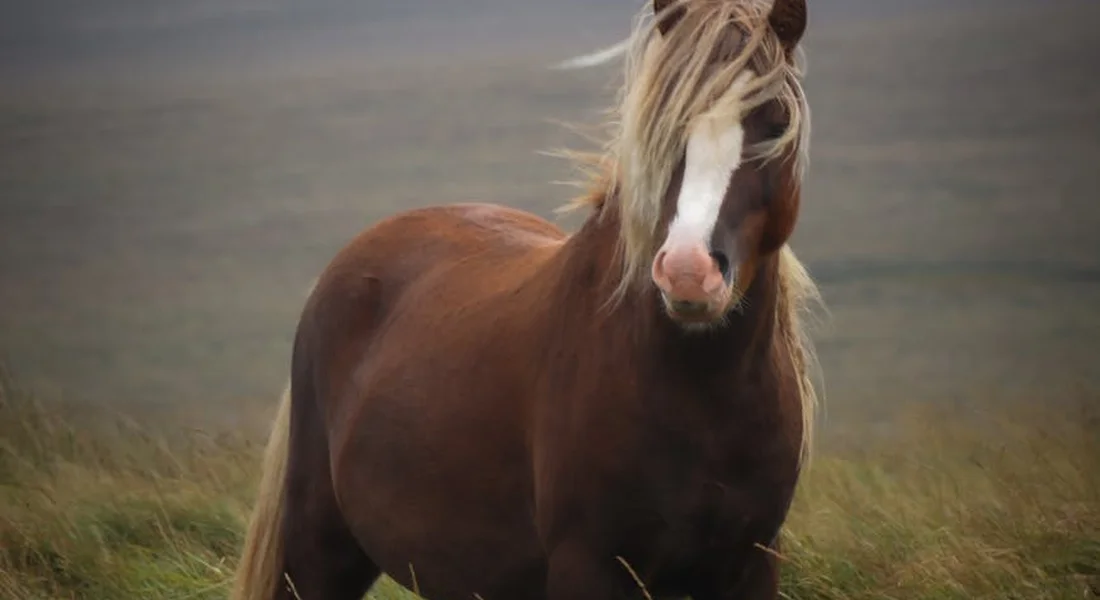
Caring for a Shire, Clydesdale, or Belgian is a rewarding commitment that reshapes your entire approach to stable management. Their monumental size means every routine task, from mucking out to leading, requires forethought and reinforced equipment. I learned this firsthand when a young Clydesdale at our barn decided a standard stall door was merely a suggestion; we spent a week reinforcing every latch with heavier steel.
These gentle giants have metabolisms and structures that need specific support to prevent issues like developmental orthopedic disease. Prioritizing ample turnout on firm, dry ground is critical for their circulatory health and mental well-being. A draft cooped up in a stall is a recipe for stiffness and boredom-related mischief.
Here is your essential checklist for keeping a draft horse healthy and safe:
- Fortified Housing: Use railroad ties or heavy timber for stall walls and extra-strong sliding door mechanisms. Pasture fencing must be tall and sturdy-no thin boards or weak electric tape that can’t withstand a hearty lean.
- Specialist Hoof Care: Their large, fleshy hooves require a farrier experienced with draft angles and weight distribution. Neglecting regular trims can swiftly lead to permanent leg deformities in these heavy animals.
- Precision Nutrition: Feed for steady growth, not speed. Diets should be rich in quality hay and balanced minerals, with grain used sparingly to avoid explosive growth spurts in youngsters or obesity in adults.
- Mindful Handling: Their power is absolute, so your communication must be clear and calm. Always use a lead rope with a sturdy, quick-release knot and work at their shoulder, never where you can’t be seen. Gentle, consistent pressure wins over force every time.
Remember, the upfront cost of stronger infrastructure and expert care is an investment in their longevity. Watching a draft horse move comfortably in his pasture, thanks to your diligent care, is one of the most satisfying sights in the barn.
Are Gaited Horses Like the Tennessee Walker Easier to Care For?
That butter-smooth ride can be deceiving. While a Tennessee Walker’s gait is easier on your back, it doesn’t translate to simpler care for the horse. Their unique locomotion is a delicate balance of conformation, muscle memory, and comfort that you must actively preserve. A deeper understanding of Tennessee Walking Horse gaits clarifies how that rhythm supports the balance. Training a sensitive Saddlebred taught me that a single ill-fitting piece of tack can erase their natural gait entirely.
Breeds like the Tennessee Walking Horse, American Saddlebred, and Missouri Fox Trotter possess inherited, natural gaits like the running walk or rack. This genetic gift means their maintenance is highly specialized, not reduced. They are not just trotting horses with a different gear; they are gaited horse breeds with unique movements.
Focus your care on these three critical areas:
- Back-Conformation Saddle Fit: Many gaited horses have longer, flatter backs or more pronounced withers. A saddle that bridges or pinches will cause immediate gait irregularities and long-term soreness. I swear by wool-flocked panels and frequent fit checks as their muscle tone changes.
- Gait-Specific Hoof Balance: The hoof angle and breakover point are engineered for their distinctive footfall. A farrier must understand how a slight change in heel height can make a gait choppy or unsound. This isn’t standard pasture trim territory.
- Exercise for Gait Maintenance: Work builds the muscles that power their smooth movement, but it must be consistent and correct. Long, relaxed trail rides that encourage their natural stride are far better than short, intense sessions that cause tension. Listen for the pure, four-beat rhythm-it’s your benchmark for their well-being.
So, are they easier? They are different, demanding a knowledgeable and observant owner. The payoff for your precise care is a horse that offers unparalleled comfort and a partnership built on rhythmic harmony.
Do Flashy Coats Come with Health Concerns?
That stunning spotted or pinto coat might turn heads, but it can whisper clues about a horse’s health needs. In my barn, I’ve learned to look beyond the beauty-like with Luna’s dapple grey, which requires diligent cleaning to prevent stains. Certain pigment patterns are genetically tied to conditions that demand proactive care from day one.
Appaloosas are prone to Equine Recurrent Uveitis, a painful eye inflammation, and some may struggle with night blindness. I manage this by keeping stalls dust-free and using fly masks with UV protection. Consistent, gentle eye checks become as routine as feeding, catching any redness or squinting early.
For Paints and Pintos, extensive white markings often mean pink, unpigmented skin underneath. This skin is more sensitive to sunburn and can be linked to congenital deafness. You’ll want to run your fingers over those white socks and blazes, feeling for any dry or irritated patches during grooming.
Sun protection is non-negotiable for these horses. Here is a practical list of skin care tips I use daily:
- Apply a zinc-oxide based equine sunscreen to pink skin and muzzles before turnout.
- Use a lightweight, breathable fly sheet with a UV rating during peak sunlight hours.
- Schedule turnout overnight or during cooler parts of the day to avoid intense sun.
- Provide constant access to shade, whether from a run-in shed or dense trees.
- Inspect skin daily for signs of burning, cracking, or summer sores, especially where tack rests.
How Do You Adapt Care for Hardy Heritage Breeds Like the Mustang?
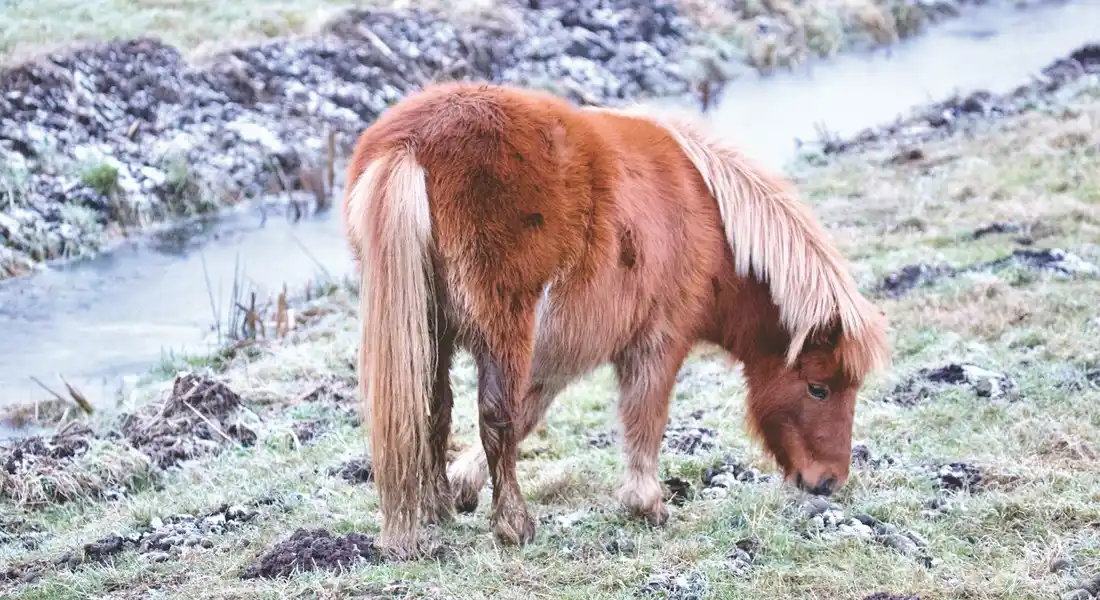
Mustangs are born from the harsh, arid landscapes of the American West, shaping a constitution that’s incredibly efficient and tough. Their systems are fine-tuned for sparse, fibrous forage. Transitioning a mustang to domestic life isn’t about overhauling their hardiness, but about respecting it with patient adjustments.
The biggest shock for a mustang is often the diet. Where feral life meant constant grazing on poor-quality scrub, your lush pasture and rich grain are like a rich banquet. Introduce new feeds painfully slow to avoid founder or colic, starting with handfuls of grass hay over weeks. I keep my mustang clients on a mostly forage-based plan, mimicking that slow, steady intake.
Training hinges on trust, not force. These horses are independent thinkers-much like Pipin the pony, but on a larger scale. They need a reason to cooperate. Build a partnership through calm, consistent handling where every positive interaction, from haltering to hoof picking, is a deposit in your trust bank. Routine care like hoof trimming becomes a training exercise in itself. I spend days just letting them hear the rasp and feel the hoof stand before ever lifting a foot.
Horse Breed Specific Questions FAQ
Which horse breed is known for its speed and is primarily used in racing?
The Thoroughbred is the breed most renowned for its speed and is the primary breed used in flat racing worldwide. Their lean, athletic build and high-strung temperament are specifically developed for explosive acceleration and endurance. This focus on performance directly influences their specialized care needs for nutrition, turnout, and mental management.
Which breed is the largest and tallest in the world?
The Shire horse is generally considered the largest and tallest breed in the world. These gentle giants can stand over 18 hands high and possess a powerful, heavy-boned draft build. Their immense size necessitates specialized care, including fortified housing, precision nutrition, and expert hoof care to support their substantial weight.
Which breed is often associated with cowboys and ranch work?
The American Quarter Horse is the breed most famously associated with cowboys and cattle ranch work. Their powerful hindquarters allow for quick bursts of speed and exceptional agility, making them ideal for cutting cattle and other ranch tasks. This breed’s generally calm, willing temperament also contributes to its reliability as a working partner in demanding environments. Are American Quarter Horses used in other disciplines as well? Their versatility keeps them in demand across rodeos, trail riding, and even ranch roping.
Final Thoughts from the Stable
Choose a breed that fits your actual life and riding goals, not just a fantasy, and always prioritize the individual horse in front of you over a breed stereotype. The best breed for you is the one you can care for confidently and consistently, ensuring its health and happiness for years to come.
Invest time in understanding your horse’s unique language; a flick of an ear or a change in rhythm tells you more than any breed description ever will. True partnership is built on that quiet, daily listening, not on a pedigree paper.
Further Reading & Sources
- Horse Care Management
- Equine & Horse Care
- Horse Breeding Basics | Extension Horses
- The Horse Course: Introduction to Basic Care and Management | Coursera
At Horse and Hay, we are passionate about providing expert guidance on all aspects of horse care, from nutrition to wellness. Our team of equine specialists and veterinarians offer trusted advice on the best foods, supplements, and practices to keep your horse healthy and thriving. Whether you're a seasoned rider or new to equine care, we provide valuable insights into feeding, grooming, and overall well-being to ensure your horse lives its happiest, healthiest life.
Breed-Specific Care