
How to Calculate the Perfect Saddle Weight for Your Mini Horse
Hello fellow equestrians! Saddling your mini horse feels daunting when you’re balancing their tiny frame against the risk of sore backs or spooky behavior. That nagging fear of causing harm or facing a hefty vet bill is a sign you’re a caring owner, and it’s a worry I’ve soothed many times in the barn aisle.
Let’s solve that puzzle together. In this guide, I’ll walk you through:
- Assessing your mini’s unique conformation and back strength.
- Using a simple formula to find the maximum safe saddle weight.
- Selecting tack materials and designs that lift the weight burden.
- Spotting subtle signs of discomfort before they become big problems.
This advice comes from a decade of barn management and training, where fitting tack for everything from sensitive Thoroughbreds to our stout Shetland, Pipin, taught me that gentle horsemanship starts with the weight on their backs. That principle carries through to properly fit and adjust horse tack, keeping the horse comfortable and your cues clear. A quick tack check before every ride ensures you stay in tune with Pipin and the rest of the crew.
Why Saddle Weight is a Big Deal for Small Backs
Picture a mini horse’s back not as a tiny replica of a Quarter Horse’s, but as its own delicate architecture. Their vertebrae are closer together, the spinal processes less robust, and the supporting muscles finer. I’ve palpated many backs, from sturdy Rusty’s to the more refined structure of a mini, and the difference in bone prominence under my fingers is always striking. Slapping a heavy saddle on that frame is like asking a child to haul a feed bag. You’ll see the warning signs: a hollowed back, pinned ears, or that reluctant, choppy stride. Imagine the creak of an over-tightened girth and the subsequent stiffening of their entire body. A mini’s spine is more delicate, and every ounce counts for their comfort and health. Chronic overload doesn’t just cause soreness; it can lead to permanent withers damage and a sour attitude toward work.
The Goldilocks Principle: Not Too Heavy, Not Too Light
Your goal is to find the load that feels secure for you but invisible to them. The saddle itself is dead weight your mini must carry before you even swing a leg over. Think of it like a kid’s backpack; stuff it with too many books, and their posture crumbles. Too light, and it flops around, causing bruising shifts. I learned about balance the hard way with our clever pony, Pipin, who would simply stop moving under a poorly proportioned load. The ideal saddle weight allows for freedom of shoulder movement and a happy, forward rhythm. Knowing the right weight to carry is essential for your mini’s health and comfort.
Step-by-Step: Calculate Your Mini’s Safe Saddle Weight
This is practical math, not advanced physics. Getting it wrong compromises everything from gait to ligament health. This calculation is the foundation of all saddle fitting and cannot be skipped. Follow these three steps to nail your numbers.
Step 1: Find Your Mini Horse’s Exact Weight
Guessing is a fast track to trouble. Use a weight tape designed for equines, snug around the heart girth just behind the elbow. For minis, a tape calibrated for their proportions is best. No tape? Use the standard formula: (Heart Girth in inches x Heart Girth in inches x Body Length from shoulder to buttock in inches) / 330. Take multiple measurements over a week and average them for accuracy. Minis can gain or drop weight quickly, so I make it a barn routine to check every month, just like checking hooves.
Step 2: Apply the 20% Rule (And When to Break It)
The classic guideline is that saddle and rider together should not exceed 20% of the horse’s weight. For a 200-pound mini, that’s a 40-pound total limit. But rules have exceptions. For a young, old, or unfit mini like a recovering rescue, that percentage must drop. With a sensitive soul like Luna was, we started at 15% and built up slowly. Always let your veterinarian guide you for minis with health or soundness concerns. Their back comfort is paramount. Conditioning your mini to carry weight safely is a gradual process. Start with light loads and increase slowly under guidance from your vet or an experienced trainer.
Step 3: Subtract the Saddle’s Own Heft
Now, get the true weight of your tack. Heft it onto a bathroom scale or use a hanging scale. A synthetic endurance saddle might be a feathery 4 pounds, while a stocky leather saddle can be 12. Check the manufacturer’s website for specs if you can’t weigh it. Subtract this saddle weight from your total allowed load from Step 2. The number left is your maximum rider weight. If your mini can carry 40 pounds total and your saddle weighs 8, you have 32 pounds of rider capacity. This step ensures the gear itself isn’t the problem.
Finding the Perfect Fit: Measurement Over Assumption

You can have the most precise weight calculation in the world, but if your saddle doesn’t match your mini’s unique shape, you’re setting them up for discomfort. I learned this the hard way when a cute saddle fit my Shetland, Pipin, like a tight shoe, causing grumpy ears and a hollow back. We must move beyond simple weight to the physical reality of their contours. Part of that reality is recognizing the signs of a poorly fitting saddle. Look for signals like restlessness, weight-shifting, or a tense back. A perfect weight calculation is utterly useless if the saddle pinches, bridges, or rocks on their back.
Essential Measurements for a Mini Horse Saddle
Grab a flexible seamstress tape and bribe a friend with cookies to help. Minis are wiggly. You need three key measurements:
- Back Length: Measure from the back of the withers to the point of the loin (where the last rib meets the spine). This tells you the maximum saddle tree length your mini can accommodate without sitting on their lumbar region.
- Girth Circumference: Measure around the barrel where the girth will lie, about a hand’s width behind the elbow. Do this while your mini is standing square and relaxed.
- Withers Shape & Height: This is visual and tactile. Feel the shape: are they high and sharp like Luna’s, or round and muted like Rusty’s? Lay a flexible ruler or piece of stiff wire over the withers to see the curvature.
The Three-Point Saddle Fit Test
Before you cinch up, perform this quick check with the saddle placed gently on your mini’s bare back, using only a thin, clean pad. Look for three things:
- Even Pressure: Look down the channel of the saddle. You should see a clear, consistent space running along the spine, from pommel to cantle, with no contact.
- Withers Clearance: Slide your fingers vertically into the saddle’s gullet over the withers. You should be able to fit at least two to three stacked fingers there without pushing up.
- Stability at the Balance Point: Press down firmly on the seat. The saddle shouldn’t rock forward onto the withers or tip back onto the loins. It should sit level on their natural balance point.
Choosing Gear That Distributes Weight Wisely
Once you have the right shape, the gear itself becomes your tool for intelligent weight management. The goal is to disperse rider weight over the largest possible area of strong back muscle. A heavy saddle concentrates force, while a lightweight, well-balanced one scatters it. My personal rule for minis is to always opt for a wider bearing surface, like a full quarter horse bar tree scaled down, to spread pressure more like a snowshoe than a stiletto. That consideration naturally raises questions about the risks of overloading miniature horses and how to gauge safe limits. Understanding load tolerance helps guide safer gear choices rather than just chasing performance.
Saddle Types That Work for Mini Horses
| Type | Pros for Weight/Stability | Cons to Consider |
|---|---|---|
| Endurance Saddle | Extremely lightweight (often under 15 lbs), designed for long-term comfort and weight dispersion. Close contact feel. | Can be pricey. May feel too “tippy” for a novice rider on a wider mini. |
| Lightweight Western Paddle | Offers a secure seat and stability. The paddle skirt provides a good bearing surface without heavy tooling or weight. | Ensure the tree is correctly scaled; some are just shrunken horse trees and are still proportionally too long. |
| Synthetic Trail Saddle | Affordable, easy to clean, and consistently light. Often features a universal fit tree that suits many minis. | Less durable over decades. The fit can sometimes be less precise than a quality leather tree. |
The Truth About Saddle Pads and Girth Tension
A pad is not a magic fix for a poor saddle fit, but the right one optimizes a good fit. Thick, fluffy pads add significant weight and can cause bridging. I prefer a thinner, dense foam or felt pad that absorbs shock without bulk. For minis, a contoured pad that follows their spine is ideal.
Girth tension is where good fit meets security. You want it snug enough to hold the saddle in place during mounting and light work, but never drum-tight. Tighten the girth slowly, walking your mini a few steps between adjustments to let their skin settle. You should be able to comfortably slip your flat hand between the girth and their barrel at the tightest point. Always check tension again after five minutes of walking, as they often let out a sneaky breath when first saddled.
Spotting Trouble: Signs Your Saddle Weight is Wrong
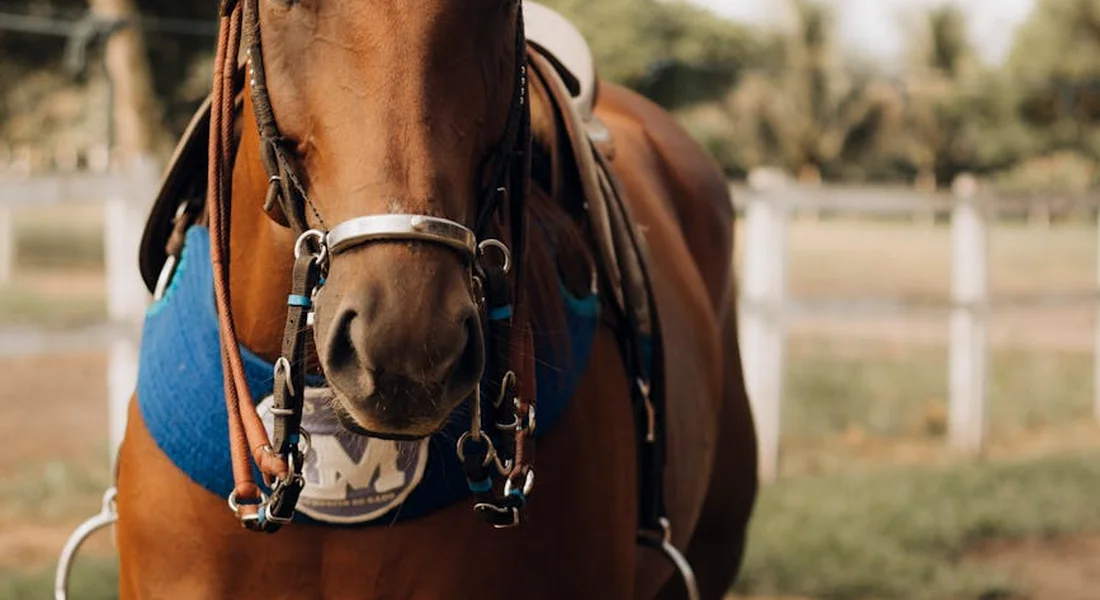
Your mini horse is a master of nonverbal communication. They won’t file a complaint, but they will shout their discomfort through behavior and body changes. Paying attention is your most important job. By learning to read their body language, you can tell when your horse is happy and relaxed. That awareness makes every interaction smoother and safer.
- Girthiness or Cinchiness: Pinning ears, nipping, or swishing the tail when the girth is tightened is a classic first sign of saddle-related pain.
- Uncharacteristic Bucking or Bolting: A usually calm mini who acts out under saddle is often saying the pressure on their back is intolerable.
- Reluctance to Move Forward: Stiffness, short strides, or a general “stuck” feeling can signal a sore back, not a bad attitude.
- White Hair Patches or Dry Spots: After removing the saddle pad, look for circular areas where the hair is white or feels dry and coarse. This is permanent damage from constant pressure.
- Sore Back Muscles: Run your hand firmly down either side of the spine. Tight, hard, or flinching muscles are a red flag. They should feel even and supple.
Listen to your mini-they tell you first with their behavior, long before physical marks appear.
Back Health Red Flags You Can’t Ignore
Some signs point directly to a saddle that’s too heavy or poorly balanced for your mini’s structure. I learned this the hard way with Luna, my sensitive Thoroughbred; a poorly balanced pad created a hotspot in minutes.
- Withers Pressure Sores: Look for rubs or swelling at the highest point of the shoulders. This happens when the saddle’s tree is too narrow or the front bears too much weight, pinching this bony area.
- Mid-Back Pain and Swaying: If the saddle is too long or heavy, it can press on the loins behind the last rib, a weak area. Your mini may hollow its back or seem weak behind the saddle.
- Dry, Sweaty, or Hot Spots: After a ride, immediately feel under the pad. A perfect fit leaves an even, damp sweat pattern. A dry spot means no pressure there, a very wet spot means friction, and a hot spot screams inflammation.
Make a habit of running your hands over your mini’s back during grooming-your fingertips are the best diagnostic tool you own. Catching heat or swelling early prevents a minor fit issue from becoming a veterinary crisis.
Pro Tips for Safe and Happy Saddling
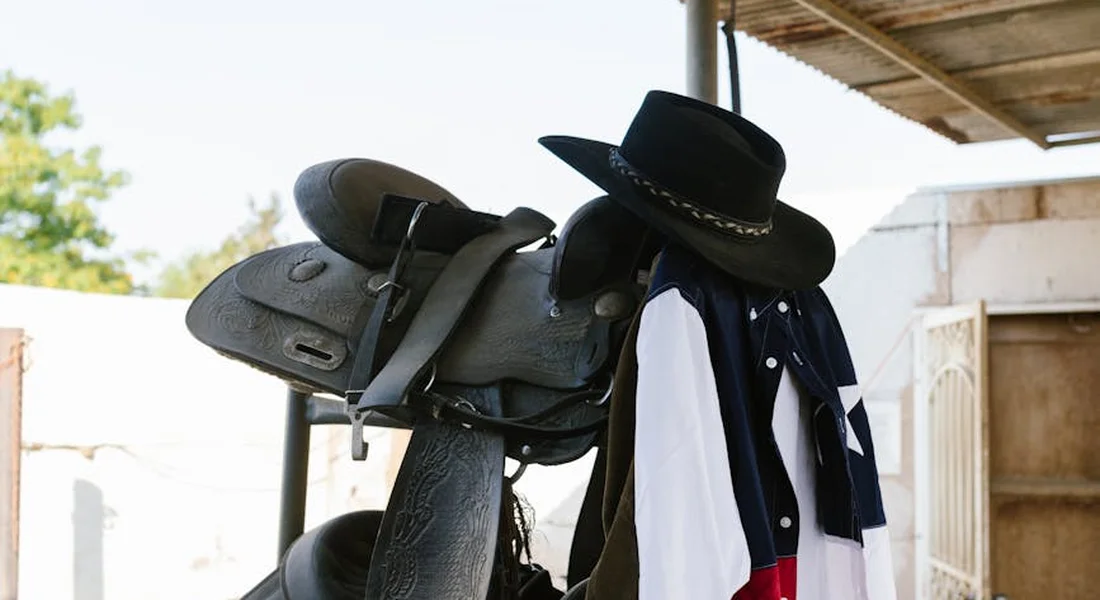
Getting the weight right isn’t a one-time event. Your mini’s body changes with seasons, age, and fitness, and your tack wears in. A proactive approach keeps them comfortable for years.
Always re-check the saddle’s balance after any significant change in your mini’s weight, whether gain or loss. A few pounds can completely alter how the tree sits. I keep a simple journal for Pipin, noting his weight and any pad adjustments, which is a lifesaver during lush spring grass season.
You can use corrective pads to re-balance a saddle that is close to fitting. A half-inch felt pad at the front can lift a bridge, while a thinner rear riser can fix a saddle tipping backward. Remember, pads are for fine-tuning fit, not for fixing a fundamentally wrong saddle.
Regular Checks and Adjustments
Schedule a quick monthly “fit check.” Saddle up as normal, then feel down the front, along the panels, and at the gullet without tightening the girth fully. Look for even contact.
- Check for pad compression. Over time, felt and foam pads compact, changing the saddle’s effective angle and balance.
- Monitor your mini’s top line. As their back muscles develop from correct work, the saddle may need slight re-positioning or a thinner pad.
- For growing youngsters, check fit every two to three weeks. Their shape can change almost overnight.
This five-minute monthly ritual is cheaper than any lameness exam and builds immense trust with your equine partner.
When to Call in a Professional Saddle Fitter
There are times when DIY solutions reach their limit. Calling a certified saddle fitter is not an admission of failure; it’s a commitment to your animal’s welfare.
- You see persistent dry spots or white hairs despite trying different padding.
- Your mini has an unusual conformation, like very high withers, a flat “mutton” wither, or a sway back.
- You’re starting a new, more demanding activity like driving or competitive trail, which changes pressure dynamics.
- You simply cannot find a “quiet” back-the muscles remain tight and sore.
A professional brings a trained eye, precise tools, and access to brands and adjustments you might not have. Think of their fee not as a cost, but as an investment in thousands of pain-free rides and a lifetime of soundness for your miniature horse.
FAQ: Calculating the Right Saddle Weight for Your Mini Horse
What factors affect saddle weight selection for mini horses?
Key factors include your mini’s exact weight, age, and overall fitness or health status. Their unique conformation, such as back strength and withers shape, directly influences how much load they can safely carry. Additionally, the saddle’s own weight, material, and design must be chosen to minimize pressure on their delicate spine.
How do I measure my mini horse for saddle fit?
Accurately measure back length from the withers to the loin and girth circumference behind the elbow with a flexible tape. Assess withers height and shape by feeling and using a tool like a flexible ruler to note the curvature. Always perform a fit test to ensure even pressure, adequate withers clearance, and stability before riding.
How does saddle weight distribution impact my mini horse’s comfort and health?
Even distribution prevents concentrated pressure that can lead to sore muscles, white hair patches, or permanent withers damage. It promotes a natural, fluid gait by allowing free shoulder movement and reducing strain on the spine. Proper weight spread is essential for preventing chronic pain and ensuring your mini remains happy and sound for years.
From the Barn: Fitting for the Long Haul
Start by keeping total saddle weight under 15% of your mini’s healthy body weight, and always double-check balance and girth pressure. The most critical step is to saddle up, then watch for any change in gait or attitude-that’s your mini telling you if the weight is right.
This process isn’t a race; it’s a conversation with a very small, honest partner. Your patience and their quiet feedback are the cornerstones of safe, kind horsemanship. That’s how you build a strong bond and trust your horse. The next steps show practical ways to deepen that bond.
Further Reading & Sources
- Saddle breaking minis? | The Horse Forum
- Putting a saddle on a Mini | Miniature Horse Talk Forums
- Amazon.com: Mini Horse Saddle
- Amazon.com: AceRugs: Pony Saddles
At Horse and Hay, we are passionate about providing expert guidance on all aspects of horse care, from nutrition to wellness. Our team of equine specialists and veterinarians offer trusted advice on the best foods, supplements, and practices to keep your horse healthy and thriving. Whether you're a seasoned rider or new to equine care, we provide valuable insights into feeding, grooming, and overall well-being to ensure your horse lives its happiest, healthiest life.
Equipment