
What is a Piebald Horse? Defining the Black and White Equine
Published on: August 15, 2026 | Last Updated: August 15, 2026
Written By: Henry Wellington
Hello fellow equestrians. You see a flashy black and white horse and wonder if “piebald” is the right term, or if you’re mixing up your color patterns. It’s a common snag that can trip up registration, sales, and even casual barn talk, leaving you second-guessing your equine knowledge.
Let’s settle this now. In this guide, I’ll give you the crystal-clear definition of a piebald, show you how to tell it apart from a skewbald in one glance, demystify the simple genetics behind those patches, and discuss if that beautiful coat requires any specific grooming or health attention.
I’ve spent countless hours in the barn aisle debating coat colors while cleaning tack, and my years as a barn manager and trainer have shown me why getting the basics right matters for every horse’s well-being.
Defining the Piebald Horse: More Than Just Black and White
You’ve seen them. That unmistakable horse in the field that looks like it was painted by a child with a heavy hand on the black and white pots. That’s your classic piebald. But there’s a precise definition hiding under those dramatic patches.
The Basic Blueprint
At its simplest, a piebald horse is one that displays a black-and-white coat pattern resulting from the piebaldism gene. The key is that the darker patches must be specifically black. This is what officially separates a piebald from its colorful cousin, the skewbald, which has white patches mixed with any color other than black-like bay, chestnut, or sorrel.
I remember the first time I had to explain this to a new boarder who was adamant their bay-and-white pony was “piebald.” We stood at the fence, looking at Pipin the Shetland (who is solid black and therefore doesn’t count here!), and used him as a reference point for “true black.” It’s a foundational lesson in equine color vocabulary.
Seeing the Pattern in the Pasture
Identifying a piebald is about more than just noting two colors. Look for these characteristics:
- Irregular, Sharp-Edged Patches: The black and white areas are usually distinct, like continents on a map, not softly blended.
- White Crossing the Spine: True piebald patterning almost always involves white that crosses the topline of the horse, rather than just being on the belly or legs.
- Often, Four White Legs: It’s very common for piebalds to have two or more white stockings or fully white legs.
- A Two-Toned Mane and Tail: These can be mixed black and white, or entirely one color, often based on the color of the patch they grow from.
Check the hooves too; they are frequently striped with vertical bands of black and white, which is a fantastic, built-in reminder to keep an eye on hoof health. Standing in the grooming bay, running a hand down a piebald leg, you see the story their genes wrote right down to the ground.
The Genetics Behind the Patchwork: Why Piebald Happens
This striking look isn’t random. It’s a carefully coded genetic instruction that tells certain skin cells, “Don’t make pigment here.”
Melanocytes and Pigmentation Limits
Think of melanocytes as tiny, microscopic paint factories in your horse’s skin. Their job is to produce melanin, the pigment that colors hair. In a solid-colored horse, these factories are evenly distributed and working everywhere. In a piebald horse, these pigment factories failed to migrate to certain areas during the earliest stages of embryonic development. Where the factories are absent, the hair grows white and the underlying skin is pink.
This is why the edges of patches can be so sharp-it’s the literal border of where the melanocyte cells decided to settle. It’s not a fade; it’s a frontier.
Piebaldism as a Genetic Alteration
The specific genetic alteration responsible is a version of the KIT gene, often called the “Tobiano” or “Frame Overo” pattern gene depending on how it expresses. For piebalds, we’re typically talking about the Tobiano pattern, which is a dominant gene.
- One copy of the gene from one parent is enough to produce the pattern.
- The pattern is visually identifiable at birth and remains stable for life.
- It does not affect the horse’s health, soundness, or temperament-a piebald can be as sturdy as Rusty or as sensitive as Luna.
Breeding for color is a complex game, but understanding this basic dominance helps explain why you might see a solid-colored mare unexpectedly produce a flashy piebald foal if she carried a hidden gene. The surprise in the morning turnout, that moment of “where did *that* come from?” usually has its answer in a grandparent’s genetic contribution.
Piebald vs. Skewbald vs. Tobiano: Telling Spotted Horses Apart
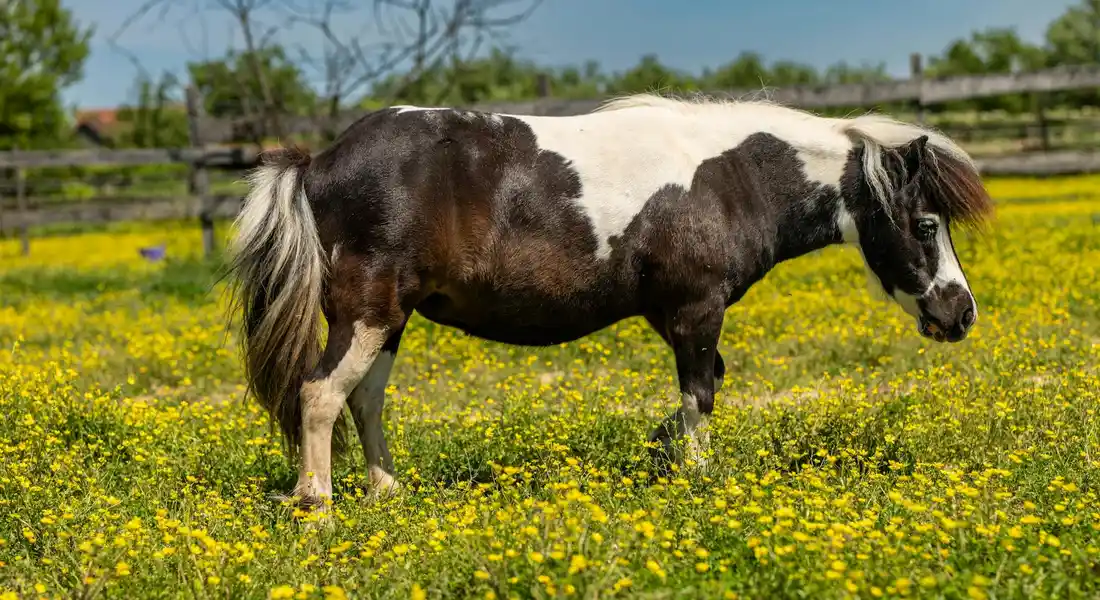
Spotting a flashy coat in the pasture often starts a barn debate. Is that piebald, skewbald, or something else? I’ve settled many of these discussions while filling water troughs, using the same simple rules I’ll share with you.
Color Pattern Cheat Sheet
Keep this table in mind. I literally have a version taped to my feed room wall, right next to Pipin’s treat schedule.
| Term | Base Coat | Patch Color | Quick Tip |
|---|---|---|---|
| Piebald | Black | White | Black and white only, like a dairy cow. |
| Skewbald | Any color but black (bay, chestnut, etc.) | White | Think “skewed” from black-bay and white, chestnut and white. |
| Tobiano | Any color | White (typically) | White usually crosses the back; patches have soft, rounded edges. |
Piebald and skewbald describe color combinations, while tobiano is a specific pattern that can appear on either.
Spotting the Key Differences
Look at the shape and flow of the white. A tobiano’s white patches often look poured from above, creating a vertical design. The head is usually dark with markings like a star or stripe, not a bald face.
I learned this with a client’s tobiano mare; her white swooped over her withers in a clean, dramatic arc. Run your hand along the spine-if the white consistently crosses it, you’re likely looking at a tobiano pattern.
Use this list during your next barn walk:
- Piebald: Exclusively black and white. No brown or red hairs mixed in the colored patches.
- Skewbald: White with any other color. That strawberry roan with white? Skewbald.
- Tobiano vs. Overo: Tobiano white is generally vertical and regular. Overo white is often jagged, lateral, and rarely crosses the back.
My solid black Pipin would be piebald if he sprouted white spots. Luna’s dapple grey is a fading process, not true piebald spotting. Seeing the difference becomes second nature, like recognizing the squeak of a loose stall door.
Do Piebald Horses Have Unique Health Considerations?
That beautiful broken coat isn’t just for show. It signals a few practical care items that, when managed, keep your horse perfectly content.
Skin Sensitivity and Sunburn Risks
Under those white patches lies pink, unpigmented skin with little natural defense against UV rays. I’ve seen pink-nosed ponies get painfully burnt in a single afternoon. Invest in a quality, breathable UV-blocking fly sheet for extended summer turnout.
I keep a bottle of equine-safe sunscreen in my grooming bucket for noses and any other pink areas. Rusty has a blaze but dark skin underneath, so he’s fine, but a piebald needs this extra step. The smell of coconut sunscreen now reminds me of peaceful, sun-safe afternoons.
Ample turnout with proper shelter is non-negotiable for equine welfare, allowing them to seek shade and graze during cooler hours. This simple hack prevents so much discomfort.
Hearing and Vision: Rare but Possible Links
In horses with very extensive white markings on the head, there can be a rare link to congenital deafness or visual quirks. It’s uncommon, but being aware is part of gentle horsemanship.
I once worked with a sweet piebald gelding who was deaf on one side. We adapted with clear hand signals and always approached from his good side. Watch for a horse who doesn’t flinch at a sudden noise from behind or seems unusually hesitant in shadowy corners.
If you suspect an issue, stay calm and predictable. Move slowly within their sightline, letting them feel the thud of your footsteps as a warning vibration.
Regular Veterinary Check-Ups
Your vet is your best partner. During routine visits, ask them to give extra attention to the skin at color boundaries and the eyes. My vet and I have a standing chat each spring about sun protection strategies for the barn’s spotted residents.
Make a thorough skin check part of your daily grooming routine, feeling for dry, flaky, or raised spots where the color changes. Early detection is everything.
Good nutrition builds resilient skin. Ensure their diet supports coat health with enough omega-3s, preferably from fresh pasture or quality hay. That’s equine care at its core: proactive, observant, and always kind even when dealing with unexpected skin conditions.
Practical Care for Your Piebald Partner
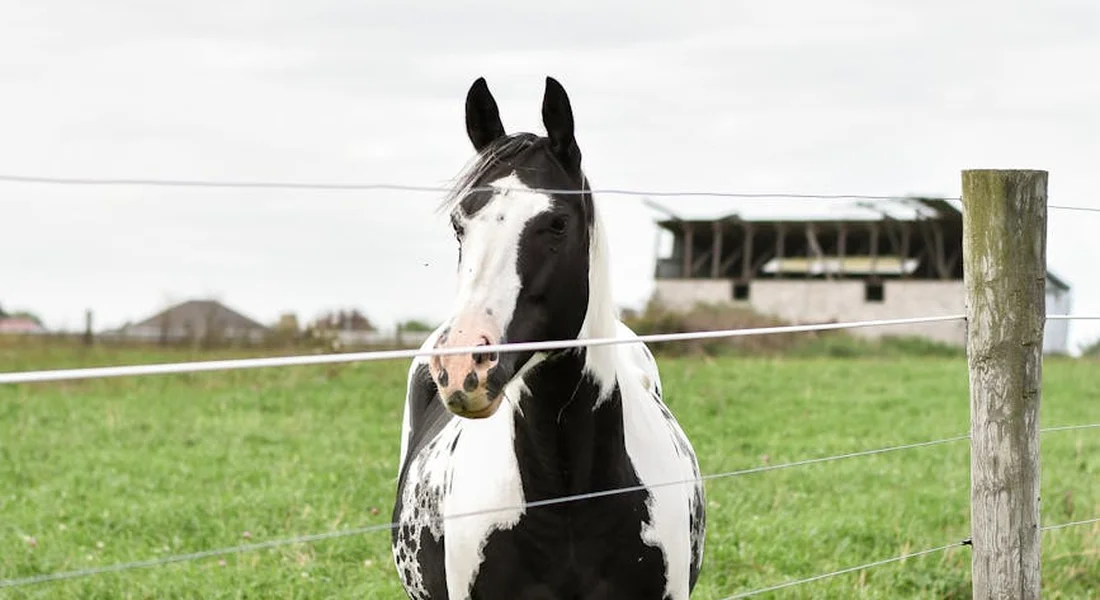
Owning a flashy, two-toned horse is a joy, but that striking coat comes with its own set of management considerations. From grooming to sun protection, a little tailored care keeps your painted friend healthy and gleaming.
Grooming Tips for a Two-Toned Coat
That stark contrast between black and white isn’t just for looks; it often means two different hair textures on one horse. The white hair, especially, can be more brittle and prone to staining. Your grooming routine isn’t just about shine-it’s a critical check for skin issues hiding under all that pigment.
Tools for Different Textures
You’ll want a versatile toolkit. I keep separate curry combs for my piebald, Pipin: a gentler rubber one for his fine white patches and a stiffer one for the dense black areas.
- A fine-bristled body brush lifts dust from the delicate white hair without breaking it.
- A silicone grooming mitt is fantastic for applying coat polish and smoothing the contrasting sections evenly.
- A clean, damp cloth wiped over white areas post-brushing catches the last bit of dirt.
Bathing for Contrast
Bathing a piebald requires a bit of artistry. The goal is bright whites and rich darks without drying out the skin.
- Always use a moisturizing, color-enhancing shampoo. I use a purple shampoo for white areas and a black-shine formula for dark patches.
- Wash in sections. Lather up the white areas first, rinse thoroughly, then move to the darker parts to prevent dye transfer.
- A clarifying wash once a month helps remove deep-set stains from sweat and grass. Follow it immediately with a rich conditioner.
Leaving conditioner on the white socks and facial markings for an extra few minutes adds crucial moisture to that brittle hair.
Sun Protection for Sensitive Skin
This is non-negotiable. Pink skin under white hair has no natural defense against UV rays. I learned this the hard way when Luna, my grey, got a nasty burn on her pink nose.
Using Fly Sheets and Masks
A good, breathable fly sheet with a UV-protectant coating is a summer lifesaver. Look for one with a light color to reflect heat.
- Full-body sheets protect the large white patches on the back and barrel.
- A UV-resistant fly mask with ear covers shields the face. Some even have nose flaps for pink muzzles.
- Ensure the fit is perfect to prevent rubbing, which is especially damaging on unpigmented skin.
Safe Sunscreen Application
For exposed pink skin on the muzzle, around the eyes, and on any white lower legs, sunscreen is a daily chore.
- Choose a non-toxic, equine-specific or baby sunscreen. Avoid zinc oxide, which can be toxic if ingested.
- Apply a thick layer to all pink skin every morning before turnout. Reapply if you’re riding midday.
- Pay special attention to the thin skin inside the ears if they are white-haired and pink.
Consistency is everything; a sunburn on a horse is painful, can lead to blistering, and increases the risk of skin cancers like squamous cell carcinoma.
Nutrition and Hoof Care: No Color Bias
Here’s the good news: a piebald horse’s internal needs are just like any other horse’s. Color doesn’t change the fundamentals of equine wellness.
They need high-quality forage, constant access to clean water, and balanced minerals based on their workload and local soil deficiencies. Their hooves, whether emerging from a white sock or a black leg, require the same consistent trimming schedule and clean, dry environment. Hooves grow continuously, so regular trimming helps prevent overgrowth and cracks. It also supports even wear and a comfortable gait.
The old myth that white hooves are softer is just that-a myth. Hoof quality is determined by genetics, nutrition, and environment, not pigment. I’ve seen solid black hooves that were brittle and white hooves that were rock-hard. Your farrier is your best guide.
Breeds Commonly Seen in Piebald
You can find this playful pattern across the equine spectrum. It’s a color, not a breed, popping up wherever the right genes come together—not just in Paint Horses.
The Non-Breed-Specific Nature of the Pattern
Piebald is simply the expression of the tobiano or overo paint pattern genes. These genes can appear in virtually any breed. Think of it like a piebald pattern being a type of coat a horse wears, not a clue to its breed pedigree.
You can have a draft horse, a pony, a sport horse, or a stock horse all wearing the same basic black-and-white “suit.” It’s all about genetic inheritance. Breeding fundamentals explain how those traits pass from sire and dam to foal. A quick look at genetics helps show why coat color and conformation can span multiple horse types.
Popular Breeds with This Color Variation
While any breed can theoretically produce a piebald, some breeds have selectively embraced and cultivated the pattern.
- Gypsy Vanners and Cobs: Bred for this look, they are the classic, feathered piebald powerhouse.
- American Paint Horse: The breed registry is built around these patterns, with tobiano (piebald) being one of the major categories.
- Miniature Horses & Shetland Ponies: A very common and popular color in the pony world, as my cheeky black-and-white Pipin proves.
- Crossbred Sport Horses: It’s increasingly common to see tobiano patterns in warmblood crosses and even in some Thoroughbred lines.
- Traditional Stock Breeds: Quarter Horses, Mustangs, and Morgans can all carry and express the piebald pattern.
Clearing the Confusion: Common Piebald Misconceptions
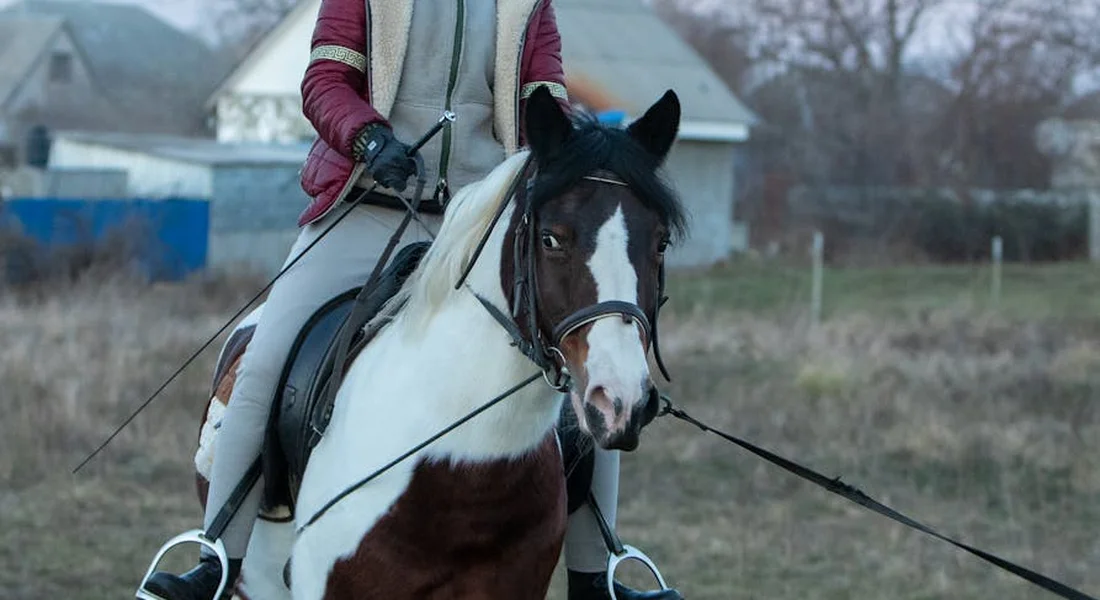
Myth vs. Reality in Coat Color and Care
Over years of mucking stalls and swapping stories, I’ve heard every rumor about colored coats. Are different horse coat colors patterns, or are they just shades we mistake for variety? Let’s settle these piebald puzzles with some straight talk and barn-floor experience, so you can focus on what truly matters: your horse’s well-being.
Myth: A piebald is a specific breed of horse, like a Thoroughbred or an Arabian.
Reality: This is a classic mix-up. Piebald simply describes a black-and-white patchy coat pattern, not a breed. You’ll find this striking pattern across countless breeds, from sturdy Quarter Horses to flashy Gypsy Cobs, each with its own genetic blueprint. I once helped train a piebald Morgan who had the same steady demeanor as my old Rusty, proving bloodlines define character, not paint jobs.
Myth: All that white skin means piebald horses are sickly or prone to more health problems.
Reality: Pink skin under white hair can be more sun-sensitive, but that doesn’t doom a horse to poor health. The real risks are managed through simple, proactive care, not predetermined by color. A piebald with a quality diet, ample turnout, and a good fly mask is often healthier than a stalled, solid-colored horse with poor digestion.
Myth: The white patches require harsh bleaches or constant salon-level grooming to stay clean.
Reality: I learned this the gentle way with a friend’s piebald gelding. Regular brushing with a clean curry comb and a bucket of plain water does more good than any caustic shampoo. The smell of fresh hay and clean leather should dominate your barn, not chemical cleaners. For stubborn stains, a dab of cornstarch paste works wonders without stripping natural oils.
Myth: Horses with flashy coats like piebalds have wilder or more unpredictable temperaments.
Reality: Coat color has zero to do with personality. Temperament is a cocktail of breeding, training, and individual experience, not pigment. My sensitive Luna, a dapple grey, requires a softer approach than cheeky Pipin the pony, and both are solid-colored. A piebald’s trust is earned through patient, consistent horsemanship, just like any other horse.
Here’s a quick stable hack for any horse with pink skin, piebald or not:
- Use a UV-blocking fly mask during peak sunshine hours to prevent sunburn.
- Apply a zinc-free, equine-safe sunscreen to muzzle and pink areas if they’ll be out all day.
- Ensure free-choice access to shade in the pasture-it’s a cornerstone of equine welfare.
Seeing a piebald horse thud across a field is a beautiful sight. Their care boils down to the same principles I advocate for every horse: observe closely, groom gently, and prioritize plenty of peaceful turnout time.
FAQ: What is a Piebald Horse?
Is a piebald horse the same as a Paint horse?
No, these terms describe different things. “Piebald” is a color pattern descriptor for a black-and-white horse, while “Paint Horse” is a specific American breed registry. A horse can be a piebald without being a registered Paint Horse, and many Paint Horses display other patterns like skewbald or solid colors.
Can two solid-colored horses produce a piebald foal?
Yes, this is genetically possible if both parents carry a hidden copy of the dominant pattern gene. A foal only needs to inherit one copy of the gene from either parent to express the piebald pattern, which can lead to a surprising and flashy foal from seemingly solid parents.
Does the piebald pattern affect a horse’s price or value?
The pattern itself does not inherently increase or decrease a horse’s monetary value. A horse’s price is primarily determined by its breed, training, health, conformation, and performance record. While the striking look may be appealing to some buyers, it is not a substitute for these fundamental qualities.
Final Thoughts from the Stable
Caring for a piebald horse centers on proactive skin care, as the pink skin under white patches burns easily. A well-fitted, breathable fly sheet with UV protection is your best defense against painful sunburn and insect irritation. During extreme weather, continuing proactive protection is even more crucial. Adapting shelter and turnout helps guard sensitive skin against the elements.
Good horsemanship is built on daily observation-notice if your horse seeks shade or stamps at flies, and adjust your care. Their comfort and trust are the true measures of your partnership.
Further Reading & Sources
- Piebald – Wikipedia
- Piebald – Definition, Meaning & Synonyms | Vocabulary.com
- PIEBALD Definition & Meaning – Merriam-Webster
- PIEBALD | English meaning – Cambridge Dictionary
At Horse and Hay, we are passionate about providing expert guidance on all aspects of horse care, from nutrition to wellness. Our team of equine specialists and veterinarians offer trusted advice on the best foods, supplements, and practices to keep your horse healthy and thriving. Whether you're a seasoned rider or new to equine care, we provide valuable insights into feeding, grooming, and overall well-being to ensure your horse lives its happiest, healthiest life.
Choosing the Right Breed