
What is the Fastest Breed of Horse? A Barn-Side Look at Equine Speed
Published on: August 23, 2026 | Last Updated: August 23, 2026
Written By: Henry Wellington
Hello fellow equestrians. That burning question about ultimate horse speed isn’t just idle chatter-it matters when considering racing prospects, training approaches, or simply understanding the athlete in your care. I’ve seen the confusion firsthand when well-meaning owners mismatch a horse’s innate speed with their riding goals.
We’ll cut through the noise by covering: the precise anatomical traits that generate blinding speed, the undisputed breed champion backed by hard data, and how other popular breeds stack up for different disciplines.
My years in the barn as a manager and trainer, working with everything from steady Quarter Horses to fiery Thoroughbreds, have given me a practical lens on what those speed records truly mean for day-to-day horsemanship.
The Need for Speed: A Caretaker’s Look at Equine Velocity
We all know the Thoroughbred holds the official title, clocking breath-taking speeds on the track. But in my years at the barn, I’ve learned raw speed is just one facet. True velocity depends on heart, conformation, and a partnership where the horse feels safe to extend itself. Watching my Thoroughbred, Luna, unwind in the field is a masterclass in powerful, efficient movement-a far cry from the controlled chaos of a racetrack.
For us caretakers, a “fast” breed translates to specific daily realities. It means management built around explosive power and a metabolic engine that runs hot. Owning an equine athlete requires a mindset shift from basic maintenance to proactive, performance-oriented stewardship. Nutrition basics shape feeding for optimal health and performance. It means prioritizing energy balance, forage quality, and strategic timing to support peak performance. Their care sheet isn’t just longer; it’s written in a different language of energy balance and precise recovery.
Anatomy of a Speed Demon: Physiology and Care Implications
These horses are fine-tuned biological machines. Every aspect of their design, which makes them breathtakingly quick, also demands vigilant attention from us in the stable. You can’t have the glorious stride without accepting the responsibility for the legs that create it.
Legs and Lungs: The Engine Room
Look at a race-bred horse’s leg: it’s all long, lightweight levers and minimal bone below the knee. This allows for a huge, ground-eating stride. But that same elegance lacks the shock-absorbing bulk of a stock horse. The thud of hooves on hard ground makes me wince for their joints.
Their care revolves around this fragility. Your farrier becomes your most crucial ally, as perfect balance and timely trims are non-negotiable for preventing strain. I’ve seen more issues from slightly long toes on a TB than on any other horse in my care. Turnout on gentle, rolling terrain is better conditioning than any manicured arena, building those tendons and ligaments with natural variation.
Then there’s the respiratory system-a turbocharger. These deep, capacious lungs pull in vast air, but also make them prone to irritants. I am fanatical about dust-free hay, soaking it if needed, and ensuring their stable isn’t a dusty cave. A speed horse with a cough is a car with a clogged fuel injector.
The Mind of a Racer: Temperament and Handling
The physiology is only half the story. The mind driving it is wired for hyper-awareness and reaction. This isn’t a flaw; it’s what lets them explode from a starting gate. Luna can spot a plastic bag 50 yards away and calculate its threat level in nanoseconds. My steady Quarter Horse, Rusty, wouldn’t notice until he stepped on it.
Handling this mind requires soft hands, endless patience, and a routine that burns mental energy. For a high-strung horse, predictable daily rituals are the anchor that keeps their world from feeling chaotic and frightening. I feed, turn out, and muck in the same order. Surprises are for birthdays, not daily barn life.
Their intelligence needs engagement. A bored speedster will invent their own fun, often involving escape or destruction. I use slow feeder nets to stretch meal times and hide carrots in their paddock to mimic foraging. It’s not spoiling; it’s occupational therapy. Remember, a tired mind is just as important as a tired body for a safe, manageable partner.
Fueling the Fast Track: Nutrition for Peak Performance
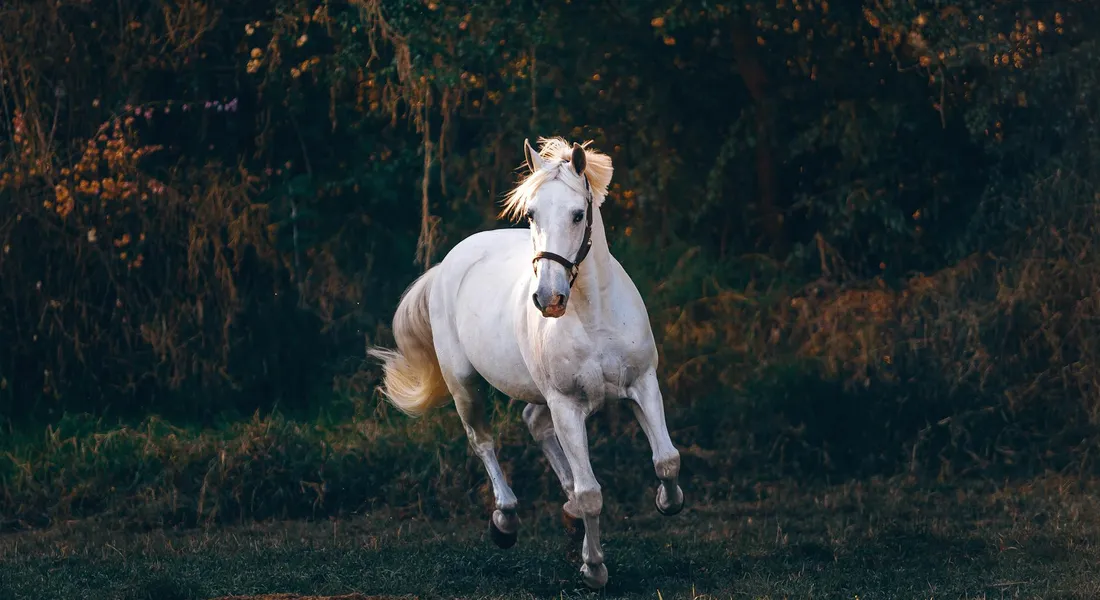
Feeding a fast horse isn’t about piling on the grain; it’s about precision. Think of it like fueling a race car-you need high-octane, but the wrong mix causes a breakdown. My sensitive Thoroughbred, Luna, taught me that. When she first arrived, all nervous energy and jangling nerves, a generic “performance” feed made her hot as a firecracker. We had to dial it back to basics. The foundation of any speed diet is not grain, but exceptional roughage-think of it as the high-quality fuel that keeps the engine running smoothly without overheating.
Hay should be the star of the show. For an athlete, I aim for a mix of grassy and legume hays, like timothy with a bit of alfalfa, to provide sustained energy and support muscle repair. The smell of fresh, leafy hay in the morning is my benchmark for quality. Always provide free-choice forage to mimic natural grazing, which keeps the gut moving and stress levels low, directly impacting a horse’s willingness and ability to perform. For a quick guide, a complete comparison of hay types helps pinpoint what’s best for each horse. That comparison will be useful as you decide what to feed.
Concentrates are the supplement, not the main course. I use them to fill specific gaps. A scoop of a balanced pelleted feed or soaked beet pulp often does the trick better than heavy oats. Knowing the essential components of a healthy horse diet helps you decide when concentrates are truly needed. With that framework, concentrates function as a targeted supplement, not the main course. Here’s a simple checklist I follow for any horse in work:
- Weigh hay and feed. Don’t guess. A kitchen scale in the feed room changed my life.
- Prioritize fat for calm energy. A cup of rice bran or flaxseed can work wonders over stimulative sugars.
- Electrolytes are non-negotiable. They go in the daily feed after a sweaty workout, not just on race day.
- Water, water, water. Clean, always-available water digests everything. I check buckets obsessively.
Turnout is the silent partner in nutrition. A horse burning circles in a stall uses calories for anxiety, not athleticism. Maximum turnout on good pasture or a sandy lot allows for movement that supports metabolism and hoof health, making every calorie consumed work harder for performance. I’ve seen stoic veterans like Rusty and fiery types like Luna alike settle into their work better with this simple, welfare-first approach.
Training for Velocity: Conditioning and Partnership
True speed comes from a horse that is physically prepared and mentally willing. You cannot force velocity; you must cultivate it through trust. That thud of hooves in sync during a gallop is the sound of partnership, not coercion. Conditioning is a slow, progressive layering of fitness, where listening to your horse’s breath and demeanor is more important than any stopwatch.
Start with long, slow distance work to build cardiovascular health and tendon strength. It’s boring but foundational. I spend weeks just walking and trotting on varied terrain, letting the horse find its balance. Luna’s first month was all about rhythmical trots up gentle hills, building her wind without firing up her brain. The goal is to create an athlete that recovers quickly, which is far safer than creating one that simply runs fast once.
Interval training introduces speed in controlled bursts. After a solid base, I might ask for a strong gallop for a specific distance, then immediately bring back to a jog to let the heart rate recover. This teaches the horse to respond to cues even when fatigued. Always cool down thoroughly-a walk until the nostrils stop flaring and the sweat dries. An improper cool-down is where stiffness sets in and tomorrow’s training is compromised.
Building a Foundation: The First Steps
Before a single gallop, you need a horse that understands basic pressure and release. This is where gentle horsemanship pays dividends. I begin all my horses, from ponies to prospects, with the same groundwork. Establishing clear communication from the ground prevents misunderstandings at speed.
My first steps always involve:
- Teaching yield from pressure. A light tap on the shoulder should mean “step over.” Food-motivated Pipin learned this with a single carrot chunk as a reward.
- Desensitization to gear. I drape saddlepads, swing ropes, and clink stirrups until the horse sighs in boredom.
- Voice commands. A steady “whoa” must be ingrained long before it’s needed on a loose rein.
- Building duration. Asking for a calm stand tied or while grooming builds the mental stamina needed for focused work.
Riding starts at a walk. Lots of walking. Circles, serpentines, halts. The focus is on softness and response, not pace. If you can’t control the direction and speed of the mind at a walk, you have no business asking for a trot or canter. This phase builds the muscular framework that will later support high-speed work without injury.
Beyond the Track: Speed in Other Disciplines
Speed isn’t exclusive to the racetrack. It’s a controlled explosion in many sports. A cutting horse’s rapid lateral bursts, a barrel horse’s tight turns, or an eventer’s gallop on cross-country all demand tailored conditioning. The common thread is that the speed is disciplined, directed by the rider, and built on an immense reservoir of trust.
Take my quarter horse, Rusty. As a trail horse, his “speed” is about reliable, steady power up a steep incline, not a flat-out sprint. His training focused on balance and sure-footedness. For sports like barrel racing or pole bending, the training shifts:
- Develop explosive hindquarter strength through rollbacks and turns in a round pen.
- Practice patterns at a slow jog until they are memorized, then gradually add pace.
- Condition for anaerobic bursts-short, intense efforts with full recovery between.
The equipment changes too. A thick, grippy saddle pad for barrel racing, versus a close-contact saddle for eventing. No matter the discipline, the principle remains: the horse’s body must be prepared for the specific demands of its sport to prevent strain and ensure a long, sound career. Watching a horse use its speed intelligently, in partnership with its rider, is the true reward for all this careful preparation.
When Speed Takes a Toll: Common Health Considerations
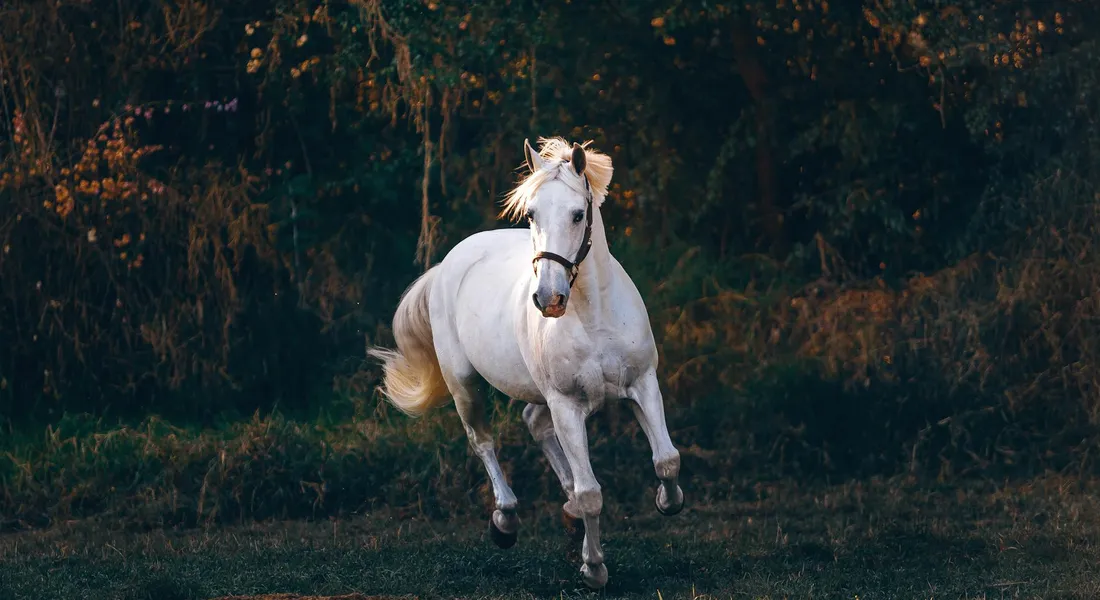
Horses bred for velocity, like my dapple grey Thoroughbred Luna, often carry invisible baggage in their vet records. That breathtaking pace comes from a physiology that operates on the edge. Intensive training and competition can predispose them to specific physical and mental stresses that a pleasure horse might never encounter.
Managing these athletes means thinking like a preventive medic. Here are the big three areas I watch like a hawk:
- Joint and Tendon Wear: The tremendous force of a high-speed stride pounds their legs. I build in ample walking cool-downs and prioritize turnout over stall rest to keep tissues supple.
- Digestive Sensitivity: To fuel performance, they often eat rich grains. This can upset their hindgut. I always ensure Luna has access to hay before grain and never works on a full stomach.
- Mental Burnout: The pressure to perform can create a nervous wreck. I mix up Luna’s routine with trail walks and simple groundwork to keep her mind relaxed and engaged.
Hoof Care at High Speed
Think of the hoof at a gallop: it’s absorbing shock, providing traction, and bearing immense weight in a split second. The wear and tear is real. I’ve seen more lameness issues originate from poor hoof management in speed horses than from any single traumatic injury.
Your farrier is your best ally. This isn’t just about a trim; it’s about engineering. For Luna, we use a wider web shoe to support her heel and allow for expansion on impact. Here is my non-negotiable hoof protocol:
- Clean and Check, Every Single Day: Picking hooves isn’t just for removing stones. It’s your chance to smell for thrush, feel for unusual heat, and spot hairline cracks before they spread.
- Schedule with Precision: Never let a speed horse go overdue for a trim. Every 5-6 weeks is our calendar rule. Irregular hoof angles change breakover and stress tendons.
- Support from the Inside: A shiny coat starts with good feed, and strong hooves do too. I add a quality biotin supplement and ensure their diet has adequate zinc and copper.
Remember, the hoof wall you see today was grown months ago; your care now is an investment in soundness for next season.
Choosing Your Partner: Speed Breeds for the Everyday Equestrian
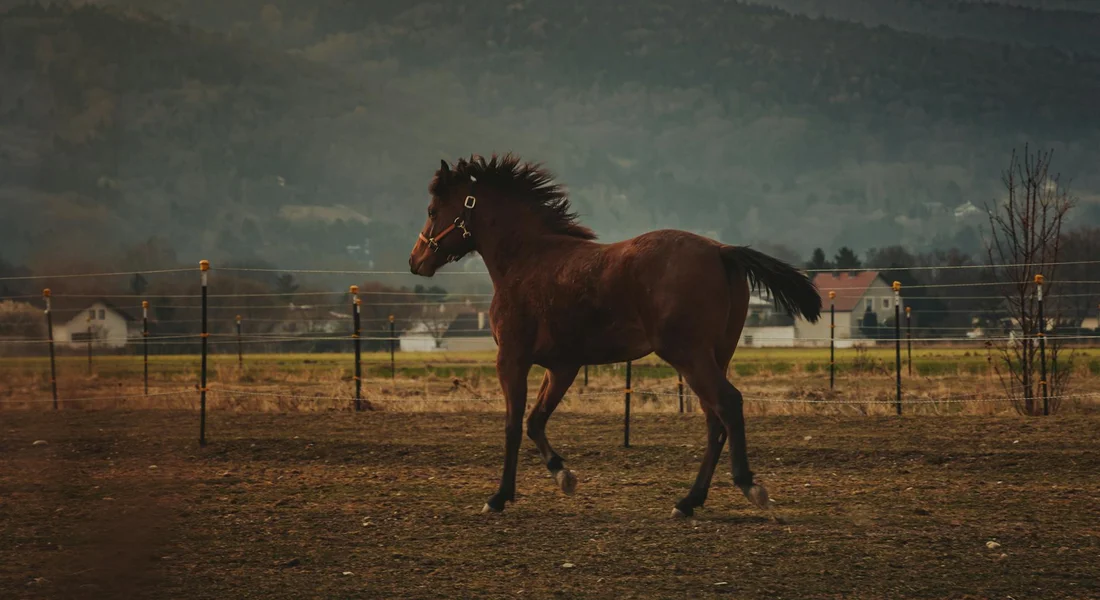
Dreaming of a faster horse doesn’t mean you need a racetrack in your backyard. The key is matching breed traits to your actual life. Your ideal partner should add joy, not constant anxiety, to your daily routine.
Let’s be practical. My sorrel Quarter Horse, Rusty, proves speed comes in many forms. Here are breeds that can turn up the pace while still fitting into a sensible care program. We’ll also compare the fastest and slowest breeds to help you decide what’s right for your needs.
- American Quarter Horse: The reliable pickup truck of the speed world. They offer explosive, short-distance power perfect for trail riding or arena work. Their generally steady temperament, like Rusty’s, makes them a superb first “fast” horse.
- Arabian: Built for endurance, their speed is coupled with legendary stamina and a deep bond with their rider. They are often clever and sensitive, thriving with consistent, gentle handling and a job to do.
- Appendix Horse (Quarter Horse/Thoroughbred Cross): This cross often gives you the best of both: a calmer mind with a dash more athleticism. They can be versatile partners for everything from jumping to competitive trail.
Before you get starry-eyed, run through this grounded checklist:
- How many hours of daily turnout can I guarantee? Every horse on this list will develop vices or stiffness if stalled 23 hours a day.
- What is my true riding experience? Be brutally honest. A nervous seat on a reactive horse is unsafe and unfair to both of you.
- Can I afford the upkeep? Speed breeds often require more frequent farrier visits, potential joint supplements, and high-quality feed.
I learned the hard way that the quiet horse in a stall can be a firecracker under saddle, so always insist on a trial period or several rides before making a commitment. The right partnership is worth the wait.
FAQs: What is the Fastest Breed of Horse?
What is the fastest horse breed in terms of mph?
The Thoroughbred is recognized as the fastest, capable of reaching peak speeds near 55 mph in short sprints on the racetrack. Sustained gallops during races often average between 40-45 mph, showcasing their explosive power. This high-speed capability necessitates diligent care focused on joint support, respiratory health, and controlled nutrition to maintain peak condition.
What is the fastest horse breed for long distance?
The Arabian horse excels in endurance, maintaining speeds of 15-20 mph over many miles due to its efficient physiology and stamina. Their care regimen emphasizes high-quality forage, electrolyte balance, and progressive conditioning to sustain performance without injury. Regular hoof maintenance and mental stimulation are also crucial for their well-being in long-distance disciplines. These traits translate well to horse endurance running travel, where riders cover long distances across varied terrains. Proper route planning and sufficient rest help keep the horse sound on multi-day journeys.
What is the fastest horse breed in India?
The Marwari horse, indigenous to India, is prized for its speed and agility, achieving up to 35-40 mph in short bursts across arid landscapes. Its care involves adaptations for hot climates, such as providing ample shade, hydration, and sandy turnout for hoof strength. Attention to diet and preventive health checks helps manage the demands of their active lifestyle.
Stewardship Over Speed
Conditioning a fast horse for work is a commitment that demands a smart regimen of progressive training, tailored nutrition, and deliberate recovery time. The most critical piece of your program is the daily, hands-on check for soundness and soreness-this quiet time tells you more than any stopwatch ever could.
True partnership is never rushed, and a horse’s trust is built in the calm moments after the run. Your most important job is to listen, ensuring the care you provide always outpaces the demands you make. That patience helps you build a strong bond and trust your horse. With every calm exchange, you reinforce the connection that makes cooperation possible.
Further Reading & Sources
- Top 10 Fastest Horse Breeds in the World | TwinSpires
- 13 Fastest Horse Breeds in the World – Wild Jolie
- What horse is faster than the American quarter horse? – Quora
- Fastest Horse Breeds: Top 10 Best for Horse Racing
At Horse and Hay, we are passionate about providing expert guidance on all aspects of horse care, from nutrition to wellness. Our team of equine specialists and veterinarians offer trusted advice on the best foods, supplements, and practices to keep your horse healthy and thriving. Whether you're a seasoned rider or new to equine care, we provide valuable insights into feeding, grooming, and overall well-being to ensure your horse lives its happiest, healthiest life.
Choosing the Right Breed