
Can Horses Eat Lettuce and Eggplant? A Practical Vegetable Safety Guide
Published on: September 2, 2026 | Last Updated: September 2, 2026
Written By: Henry Wellington
Hello fellow equestrians! You’re eyeing that bunch of lettuce or that shiny eggplant and wondering if it’s a safe treat for your horse. That moment of hesitation is wise-a simple snack gone wrong can lead to colic, vet bills, and a very unhappy animal.
In this guide, I’ll walk you through the key points:
- The straight facts on lettuce as a hydrating, low-risk option
- Why eggplant requires a more cautious approach and proper preparation
- Simple, safe steps for introducing any new vegetable to your horse’s diet
- A clear list of common garden vegetables that should never hit the feed tub
I’ve spent years in the barn managing feeds and sorting out what keeps horses like my steady Rusty and sensitive Luna thriving without digestive surprises.
How a Horse’s Stomach Handles Garden Snacks
Picture your horse’s digestive system as a meticulous, fermentation-based assembly line, not a garbage disposal. Horses are hindgut fermenters, meaning the real magic of breaking down fibrous food happens in the cecum and colon, long after the stomach. That stomach is relatively small and empties quickly, designed for a steady trickle of forage.
When you toss in a garden snack like lettuce, it zips through that small stomach with little nutritional extraction. I learned this watching Rusty; he’d vacuum up carrot tops but leave his grain if he’d had too many greens first. Their primary fuel must always be long-stem forage, like hay or grass, to keep that hindgut happy and moving.
Non-fibrous vegetables can arrive in the hindgut too rapidly, sometimes disrupting the delicate microbial balance. This is why sudden, large portions of any new food, even watery lettuce, are a textbook colic risk. Always think of garden veggies as a sprinkle on top of a solid dietary foundation.
Feeding Lettuce to Horses: Crispy Hydration or Empty Calories?
Lettuce is mostly water, which makes it a brilliant, low-calorie coolant on a sweltering day. I consider it a “hydrating hobby” for them-more about enrichment and palate pleasure than nutrition. Luna, my Thoroughbred, will delicately lip a romaine leaf apart, the crisp sound a sure sign of summer.
Don’t expect it to replace hay or contribute meaningful vitamins. Its value lies in variety and mental stimulation, turning treat time into a light, crunchy exploration.
Selecting the Safest Lettuce Leaves
Not all lettuce is created equal in the barn. Your goal is maximum freshness with minimum risk. Always choose the crispest, brightest leaves you’d be happy to put in your own salad. Here’s my stable-tested guide:
- Go for Dark Greens: Romaine, green leaf, and butterhead lettuce are excellent choices. They typically have more nutrients and less trapped dirt than tightly packed heads.
- Skip the Iceberg: It’s mostly water and air, with a higher chance of hiding grit in its layers. It’s not toxic, but it’s the nutritional equivalent of feeding your horse a celery stick made of lace.
- Reject Anything Questionable: Wilted, slimy, or discolored leaves are an immediate “no.” Mold is a silent danger in damp, old produce.
- Wash is Non-Negotiable: Even organic lettuce needs a thorough rinse under cool water to remove soil, potential pesticide residue, and tiny hitchhikers.
Proper Portions and Prep for Lettuce Treats
Preparation is everything to prevent choke and digestive upset. I treat lettuce like a delicate garnish, not a meal component. Follow these steps for safe snacking:
- Wash and Dry: Rinse leaves thoroughly under running water. Shake or pat them dry; a soggy handful is less appealing and can be messy.
- Chop or Tear: Never feed a whole, large leaf. Tear it into palm-sized pieces or chop it into rough strips. This makes it easier to chew and swallow, significantly reducing choke risk.
- Start Small: Introduce any new food, including lettuce, in a tablespoon-sized amount. Monitor your horse for any soft manure or disinterest over the next 24 hours.
- Maintain a Sensible Limit: For a full-sized horse, a loose cup or two of prepared lettuce per day is a safe maximum. For a pony like Pipin, a handful is plenty. This keeps it a fun treat without displacing the hay that should be rumbling in their gut.
I often mix a few lettuce strips into a boredom-buster hay net or scatter them in the stall for a fun forage game. It turns a simple snack into a mind-engaging activity that mimics natural grazing behavior.
The Truth About Eggplant: A Nightshade to Avoid
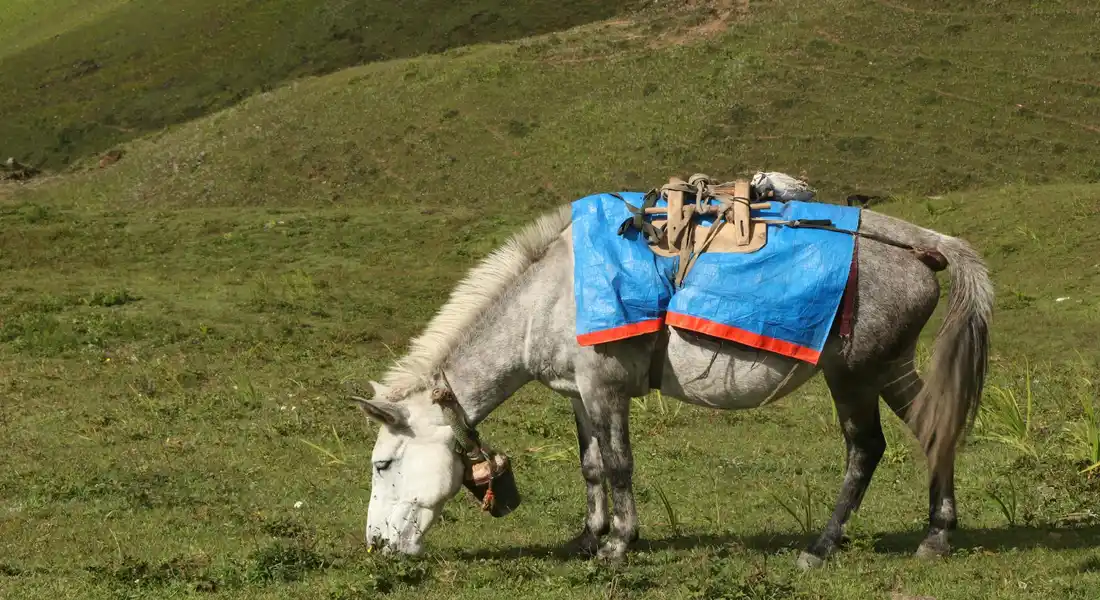
Let’s cut straight to the chase: you should never feed eggplant to your horse. I learned this lesson the hard way when Pipin, our clever Shetland, figured out how to undo the latch on the kitchen compost bin. While a tiny nibble might not spell disaster, eggplant contains compounds that can genuinely upset your horse’s digestive and nervous systems. It’s simply not worth the risk when so many other tasty and safe options exist.
Why the Nightshade Family is Troublesome for Horses
Eggplant belongs to the Solanaceae, or nightshade, family-a group that includes tomatoes, potatoes, and bell peppers. These plants produce natural defenses called glycoalkaloids, like solanine. A horse’s metabolism isn’t built to handle these toxins efficiently, which can lead to gastrointestinal cramping, diarrhea, or even lethargy and coordination issues. Think of it like a system error; their gut flora and liver didn’t evolve to process these specific plant chemicals.
I always check the garden perimeter after Luna’s sensitive tummy reacted to some stray potato vines. The concentration of these troublesome compounds can vary based on the plant’s ripeness and part, making it impossible to guess a “safe” amount. Here are common nightshade plants to keep far from your paddock:
- Eggplant (fruit and plant)
- White potatoes (especially the green parts and sprouts)
- Tomatoes (vines and green fruit are most problematic)
- Peppers (the plant itself, though the fruit is debated)
Immediate Steps If Your Horse Nibbles Eggplant
Stay calm. Panic helps no one, least of all your horse. Your first job is to prevent more from being eaten. Swiftly remove any remaining plant material from your horse’s reach and check their mouth for leftovers. Then, shift into observation mode. Watch for signs of discomfort like pawing, looking at their flank, or unusual quietness. If tension rises, a calm, steady approach can help prevent bucking. It also dovetails with methods for calming a stressed horse and stopping bucking before it starts.
Time is your friend, but so is professional advice. Have your veterinarian’s number handy and call them to describe what was eaten, how much, and any symptoms you see. They might suggest monitoring or an immediate visit. Follow these steps in order:
- Secure the area to prevent further snacking.
- Identify and estimate how much was consumed.
- Observe your horse closely for the next several hours.
- Contact your vet with all the details for guidance.
Excellent and Safe Vegetable Alternatives for Treats
Now for the fun part-the yes list! Rewarding your horse with treats is a joy, and it strengthens your bond. Focus on simple, crunchy vegetables that mimic the forage they’re designed to eat. I always wash and cut larger items to prevent choking, a simple step that makes treat time both safe and special. Curious about which treats are truly your horse’s favorites? Our best horse treats and favorite foods guide explains popular options and how to choose safely.
Rusty, my Quarter Horse, is a connoisseur of crunchy snacks. Introduce any new treat slowly, just a handful at first, to ensure it doesn’t cause any digestive surprise. A diverse diet supports gut health, and these options are perfect for that. Here are my barn-tested, horse-approved favorites:
- Carrots (classic for a reason-high in beta-carotene)
- Celery stalks (great hydration, low sugar)
- Zucchini and cucumber (soft, watery, and usually a big hit)
- Pumpkin and squash (cooked and deseeded, in moderation)
- Beet pulp (soaked, not the raw beet)
Remember, treats are just that-extras. The foundation of your horse’s health will always be quality forage, plenty of turnout, and fresh water. Watching Luna contentedly crunch a celery stick in her paddock is a small pleasure that never gets old, and it’s a safe one.
Common Vegetables That Are Toxic to Horses
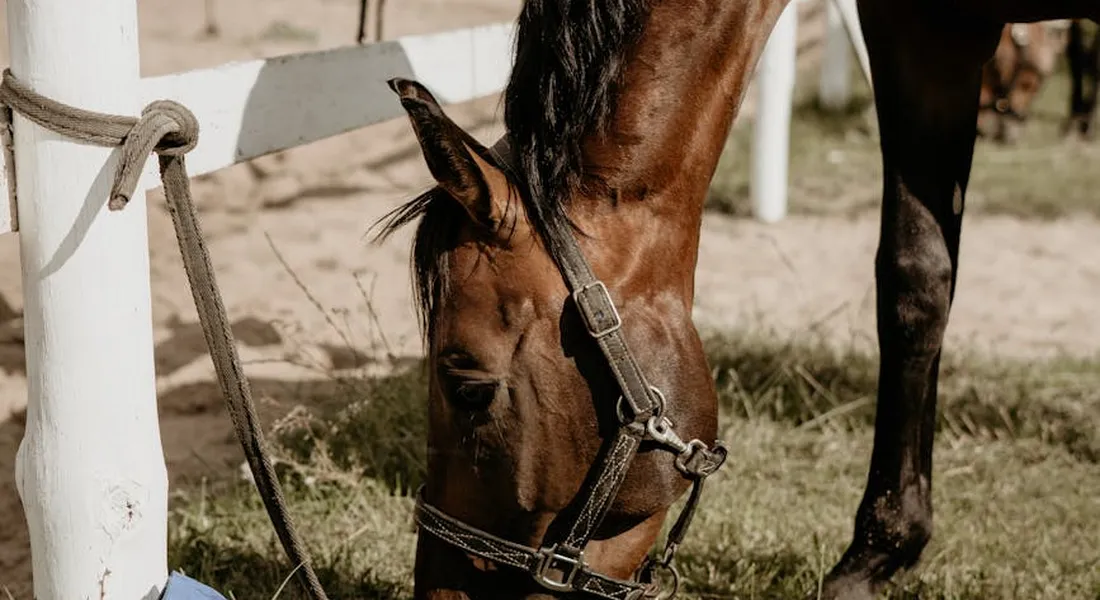
Your horse might give you those big, pleading eyes for a bite of your salad, but some veggies are a hard no. I’ve learned this the hard way after years of managing curious mouths like Pipin’s, who once orchestrated a great escape straight for the compost pile. Knowing what’s poisonous is your first line of defense in keeping your horse safe and healthy.
Not all plants are created equal in a horse’s gut. Their digestive system is a finely tuned fermentation vat, and certain compounds can throw it into chaos or cause lasting damage. When in doubt, keep it out of the mouth—this simple rule has saved me more than one emergency vet call.
Here is a list of common kitchen vegetables you must never feed:
- Onions, Garlic, Leeks, and Chives: All members of the allium family damage red blood cells, leading to anemia. This includes cooked forms or powders in leftovers.
- Tomatoes and Potatoes (plant parts & green tubers): The fruits are debated, but the leaves, stems, and vines contain solanine, a toxin causing colic, weakness, and confusion. A green, sprouting potato is a definite danger.
- Rhubarb Leaves: Packed with oxalates, they can cause kidney failure and severe calcium imbalance. The stalk isn’t safe either, so just avoid it altogether.
- Avocado: Every part-skin, pit, flesh, leaves-contains persin, which can cause cardiac distress and swelling around the head and neck.
I treat my feed room like a pharmacy, with everything labeled and locked. Accidental access is a real risk, so secure your kitchen scraps and garden waste with the same vigilance you’d use for a grain bin. Rusty’s steadfast nature doesn’t make him immune to curiosity, and a discarded onion skin could spell trouble.
Essential Rules for Introducing Any New Vegetable

So, lettuce and eggplant might be on the “maybe” list, but how do you go from “maybe” to “yes, please” safely? Introducing new food isn’t about surprise parties for your horse’s palate. Think of it as a slow, respectful conversation with their digestive system, one tiny bite at a time.
Horses are creatures of habit, and their gut flora is a delicate ecosystem. A sudden change is like dumping a bucket of ice water on someone sleeping—it’s a shock. I always start new foods on a calm day when I can watch the horse closely, not before a big ride or during a storm. Understanding their digestive system, especially since horses are herbivores, is crucial when introducing any dietary changes.
Follow these steps every single time:
- Start Microscopically: Begin with one or two small pieces, no larger than a sugar cube. For a sensitive soul like Luna, I might offer just a sliver to start.
- Go Solo: Only introduce one new vegetable every two weeks. If there’s a reaction, you’ll know exactly the culprit.
- Watch Like a Hawk: Monitor for 24-48 hours. Look for changes in manure consistency, signs of gas, colic, hives, or sudden lethargy.
- Wash Thoroughly: Scrub all veggies to remove pesticides, dirt, and potential contaminants. I use the same cold water wash I’d use for my own dinner.
- Keep it Raw and Plain: Serve vegetables raw, clean, and free from oils, dressings, salts, or spices. A horse’s digestion doesn’t need gourmet preparation.
The smell of fresh hay is the backdrop to all this. Remember, any treats or veggies are just supplements to a forage-based diet, never a replacement for long, peaceful hours of grazing. Considering the essential components of a healthy horse diet helps keep the focus on forage as the foundation. Forage should remain the base, with balanced minerals, clean water, and sensible supplements to fill any gaps. Your horse’s main joy and nutrition should always come from that simple, steady source. Turnout time is where true health begins, and a few novel veggies are just the sprinkle on top.
FAQ: Can Horses Eat Lettuce and Eggplant? Vegetable Safety Guide
Can horses eat lettuce?
Yes, horses can safely eat lettuce as a low-calorie, hydrating treat in small amounts. It should be fed washed, chopped, and introduced slowly to avoid digestive issues like colic. Remember that lettuce is mostly water and does not replace the nutritional value of hay or forage. Unlike some leafy greens, such as collard and mustard greens, lettuce is milder and generally safe for horses in moderation.
Can horses eat eggplant?
No, horses should never eat eggplant because it contains toxic compounds from the nightshade family, such as solanine. Consuming eggplant can lead to gastrointestinal distress, nervous system problems, or other health risks. It is best to avoid eggplant entirely and choose safer vegetable options for treats.
What are some safe vegetable alternatives for horses?
Safe vegetable alternatives include carrots, celery, zucchini, and pumpkin, which are crunchy and hydrating for horses. Always wash and chop these vegetables to prevent choking, and introduce them gradually in small amounts. These treats should complement a diet based on quality forage, not replace it. What vegetables can horses eat? Proper selection is important to ensure safety.
Your Horse’s Salad Bar Rules
Stick to leafy greens like romaine or butterhead lettuce as an occasional, watery treat, and permanently skip the eggplant due to its troublesome solanine content. The golden rule for any new food is to start with a handful, offered by hand, and observe your horse for a full day before considering it a safe snack.
Good horsemanship is always about cautious curiosity and putting your partner’s comfort first. Your horse’s honest feedback-a soft nicker of approval or a dismissive snort-is the most valuable tool in your care kit.
Further Reading & Sources
- Comprehensive Guide: What Fruits and Vegetables Can Horses Eat? – JH HORSE STALL
- Foods in Your Kitchen That Your Horse Can Eat Too – A Guide – American Stalls
- What Vegetables Can Horses Not Eat? Essential Safety Guide
- Foods in Your Kitchen That Your Horse Can Eat, Too – Equivont
At Horse and Hay, we are passionate about providing expert guidance on all aspects of horse care, from nutrition to wellness. Our team of equine specialists and veterinarians offer trusted advice on the best foods, supplements, and practices to keep your horse healthy and thriving. Whether you're a seasoned rider or new to equine care, we provide valuable insights into feeding, grooming, and overall well-being to ensure your horse lives its happiest, healthiest life.
Nutrition