
How to Groom a Horse for a Show: A Practical Guide for a Flawless Presentation
Published on: September 10, 2026 | Last Updated: September 10, 2026
Written By: Henry Wellington
Hello fellow equestrians! Standing in the barn with a show date looming, it’s easy to feel that knot in your stomach-worried your horse won’t look their polished best or that a tangled mane might overshadow their performance.
Let’s turn that worry into a confident routine. I will guide you through the key steps to transform your horse, covering strategic bathing and conditioning for a deep, lasting shine, efficient techniques for detangling and styling the mane and tail, detailed hoof cleaning and polishing for a solid foundation, and the final wipe-down and touch-ups that make all the difference in the ring.
My methods are honed from years of barn management and grooming everything from reliable Quarter Horses like Rusty to sensitive Thoroughbreds like Luna for the spotlight.
What Defines a Show-Ready Horse?
Imagine your horse under the arena lights, every hair in place and a gleam that turns heads. A show-ready horse presents an image of peak health and meticulous care, from immaculate coat to sparkling hooves. It’s a different world from the everyday brush-down I give Rusty after a muddy trail ride.
Everyday grooming keeps your partner clean and comfortable. Show grooming is a detailed inspection and enhancement. Your hands become diagnostic tools, feeling for subtle bumps or heat while you bring out a natural shine. I once found a tiny cut on Luna’s fetlock during a pre-show groom, allowing me to treat it before it became an issue.
This process builds profound trust. Working slowly on Pipin’s tangled tail taught him to stand quietly for care. Transforming grooming into a patient ritual strengthens your bond and ensures a calmer partner in the stressful show environment. The show ring rewards this quiet confidence.
Contrast the two levels of care. The leap from pasture-ready to show-ring perfect is measured in patience, not just products.
- Everyday Standard: Coat free of mud, mane and tail detangled, hooves picked clean.
- Show Standard: Coat dust-free and glowing with natural oils, mane pulled and neatly braided, tail fluffed and silky, hooves oiled to a dark patent shine, and every facial whisker trimmed.
Building Your Show Grooming Kit
A dedicated, organized kit is your backstage secret weapon. I use a heavy-duty rubber tote that can handle being kicked in the trailer. Knowing exactly where every brush and bottle is saves precious minutes and reduces pre-class panic.
Core Tools for Every Grooming Session
These are the non-negotiables, the tools that do the heavy lifting day in and day out. Quality here pays off in a healthier coat and a more enjoyable grooming experience for your horse. These are the essential grooming tools every horse owner should have. They’re the backbone of safe, effective care for your horse.
- Rubber Curry Comb: Think of this as a deep-tissue massage. Use it in firm circles to loosen dirt, mud, and dead hair. It brings oils to the surface for natural shine. For Luna’s fine skin, I choose a gentler, nubbed rubber curry.
- Soft Bristle Brush: This is your polish brush. Follow the curry with long, sweeping strokes to lift away debris and lay the hair flat. The sound of bristles through a clean coat is deeply satisfying.
- Wide-Toothed Mane Comb: Essential for detangling without breakage. Always start at the ends and work upward. For thick tails like Pipin’s, I comb in sections to avoid yanking.
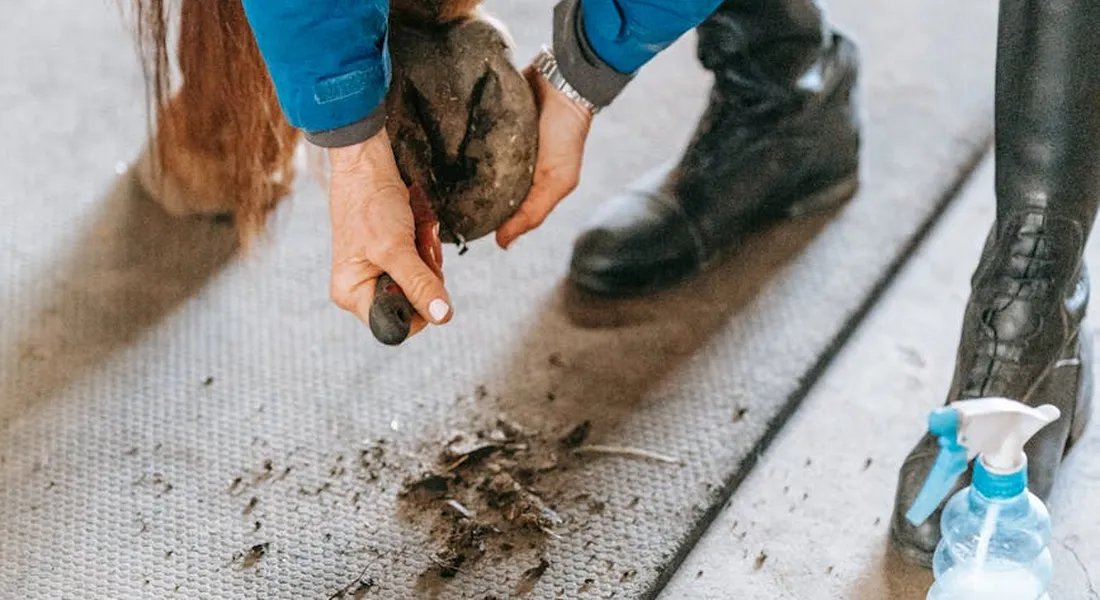
- Sturdy Hoof Pick: Your first safety check. Clean all grooves of the frog and sole, listening for the tell-tale *clink* of a dislodged stone. A clean hoof is the foundation of good health and presentation.
- Grooming Cloths or Mitts: Slightly dampened, they are perfect for a final wipe-down to capture lingering dust, especially on the face, legs, and under the belly.
Specialty Products for that Competitive Edge
These add the final gloss but require a restrained hand. Always test any new spray or lotion on a small, hidden area a week before the show to check for skin reactions.
- Coat Polish/Spray: A light silicone-based spray can enhance shine and help repel dust. Apply sparingly and buff with a clean cloth. Overdoing it creates a greasy magnet for dirt and arena sand. A little on Rusty’s sorrel back makes him look like a copper penny.
- Leave-In Detangler: A lifesaver for manes and tails. Look for formulas with natural oils like coconut or avocado. Spritz lightly before combing to add slip and prevent breakage.
- Hoof Dressing: Applied with a small paintbrush after cleaning, it gives hooves a uniform, healthy dark appearance. Avoid the coronary band to prevent clogging pores.
- Whitening Shampoo: For white markings, a violet-tinted shampoo used during the pre-show bath can make socks and blazes brilliant. Rinse thoroughly to avoid any residue.
Store your kit in a cool, dry place. The goal is a horse that looks brilliantly healthy, not heavily processed, which always wins more points with discerning judges.
The Complete Step-by-Step Grooming Process
Follow these steps in order for a flawless finish. Always start with a clean, dry horse in a safe, enclosed space to avoid rinsing dirt back into the coat or stressing your animal. I move my three-Rusty, Luna, and Pipin-into the grooming bay one at a time, ensuring each has had plenty of turnout first to shake off the initial dust.
Step 1: Secure Your Horse and Perform a Safety Check
Before you touch a brush, ensure your horse is safely tied. If you’re going to put a halter on, using a tie with a quick-release knot can make release quick and safe. I prefer cross-ties with quick-release snaps for most, but for a sensitive soul like Luna, I often use a single tie with a handler present. That quick-release approach is a small, practical step that pairs well with halter handling. Run your hands down all four legs, over the back, and along the neck to check for heat, swelling, or cuts that need attention before grooming. For our clever escape artist Pipin, I learned to smear a little apple paste on a wall-mounted lick; it keeps him happily distracted and stationary for the whole session.
Step 2: Deep Clean with Currying and Systematic Brushing
Start with a rubber curry in a circular motion to lift deep dirt and loosen hair. Listen for that satisfying *thump-thump* sound as you work over the big muscle groups. Follow with a stiff dandy brush or shedding blade in short, flicking strokes to remove the debris you’ve brought to the surface. Finish with a soft body brush in the direction of the hair growth for a smooth base. I always do this in a set order: neck, shoulders, back, barrel, and hindquarters, saving the delicate legs and face for last.
Step 3: Bathing and Conditioning for Ultimate Shine
For a show, I bathe the day before to let the coat’s natural oils return for a deep shine. Use lukewarm water and a gentle horse shampoo. Soak the coat thoroughly, lather from the neck down, and rinse until the water runs completely clear to prevent itchiness. Apply a silicone-free conditioner to the mane, tail, and coat, then rinse again. Towel dry vigorously and walk your horse in a sunny, draft-free area until completely dry to prevent chills. For a complete, step-by-step routine, you can follow a properly bathe your horse step-by-step guide. It walks you through prep, washing, conditioning, and drying for consistent results.
Step 4: The Final Polish and Detail Work
This is where the magic happens. Use a clean grooming mitt or a soft cloth to give the entire coat a final buff. Wipe the eyes, nostrils, and under the tail with a separate, slightly damp cloth to lift any last-minute dust or bedding. For a brilliant finish on my steady Eddy Rusty, I gently go over his sorrel coat with a silk scarf-it catches every stray bit of lint and brings out a fantastic luster.
Mastering Mane, Tail, and Hoof Presentation
These areas win or lose ribbons. Gentle handling is non-negotiable here; rushing causes breakage and teaches your horse to fear grooming. I advocate for slow, deliberate work, much like the patience I learned when pulling Rusty’s thick, quarter horse mane for the first time.
Mane Care: From Pulling to Perfect Alignment
For a tidy appearance, manes are often pulled to thin and shorten. Wrap small sections around a pulling comb and give a quick tug. If your horse is sensitive, use a solo-comb trimmer as a humane alternative to achieve a similar layered look. For braiding, start with a detangling spray and a wide-tooth comb, working from the bottom up in sections. I keep a spray bottle of water mixed with a drop of conditioner handy to manage flyaways. Both techniques require patience and a gentle touch.
- Spray detangler on the mid-lengths and ends.
- Using your fingers, separate large tangles.
- Comb from the very bottom of the hairs, working upward slowly.
- Once smooth, dampen slightly and comb flat against the neck.
Tail Grooming: Cleaning, Brushing, and Preserving Length
Wash the tail with shampoo and conditioner, rinsing thoroughly. Never brush a dry or dirty tail. Always separate and brush the tail from the bottom hairs upward, holding the main section in your hand to avoid pulling on the tailbone. To preserve our thoroughbred Luna’s fine tail, I braid it loosely after grooming and place it in a tail bag for protection until the show ring. This prevents rubbing and breakage in the stall.
Hoof Preparation: Picking, Cleaning, and Applying Polish
Clean hooves are a sign of meticulous care. Pick out all debris from the sole and frog, and use a stiff brush to scrub the entire hoof wall clean. Let the hooves dry completely before applying any polish or oil; moisture traps dirt and creates a muddy finish. For a classic look, use a small paintbrush to apply hoof oil or polish, avoiding the coronary band. On Rusty, I buff with a soft cloth after applying to get a deep, dark shine that lasts all day.
Advanced Show Techniques: Clipping and Braiding
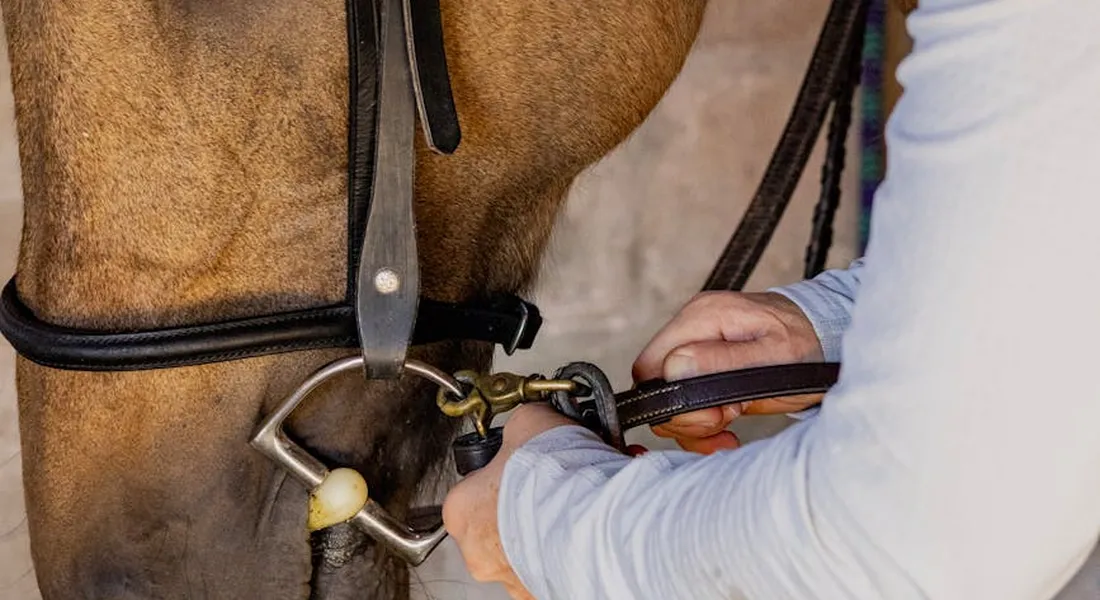
Polishing your horse to peak show ring condition involves two hallmark skills: clipping and braiding. These finishing touches demand practice and patience, so never attempt them for the first time the morning of a big event. Remember, not every class demands this level of detail; always check your specific discipline’s rules.
Body Clipping for a Sleek Silhouette
A winter coat can hide your horse’s beautiful musculature. Clipping removes this fuzzy blanket for a clean, defined silhouette. The key is choosing the right pattern. A trace clip, which removes hair from the neck, belly, and lower legs, is perfect for the working horse. A full body clip leaves nothing to the imagination and is common for in-hand halter classes.
Safety and preparation are non-negotiable. I learned this the hard way with a fidgety Luna. Always start with an impeccably clean, dry, and dust-free horse; dirt will destroy your clipper blades in seconds. Use a vacuum or thorough curry to get down to the skin. Follow these steps for success:
- Secure your horse in a well-lit, quiet area with solid footing.
- Ensure your clippers are clean, well-oiled, and fitted with sharp blades. Dull blades pull and create uneven lines.
- Plan your pattern with chalk and clip against the direction of hair growth using long, overlapping strokes.
- Frequently feel for temperature; hot blades will burn. Let them cool down.
- Have a helper to hold the lead rope, offer treats, and manage the cord. A calm horse makes for smooth lines.
Braiding for Competition: Styles and Execution
Braiding disciplines a mane and tail, presenting a picture of tidy elegance. Hunter braids (small, button-like braids) are classic for hunters and jumpers. Dressage often favors larger, fewer braids or elegant French braids. For a basic, secure button braid, you’ll need a comb, spray bottle, yarn or braiding bands, and a pulling thread or latch hook.
Here is my tried-and-true method for a neat mane. The foundation of every good braid is a clean, detangled, and slightly damp section of hair; dry hair slips and frays.
- Divide the mane into even sections, securing each with a clip. The size of your section determines the braid size.
- Spray one section with water or a light braiding gel. Comb it through.
- Braid tightly down to the end of the hair, keeping tension even.
- Loop the braid under itself to form a tight, flat knot against the crest of the neck.
- Secure the knot by wrapping yarn around its base or using a braiding band. Tuck the tail of the braid up under the knot.
Show-Day Execution and Common Mistakes
Show morning is a ballet of controlled chaos. Your job is to be the calm center. Rushing creates mistakes and transfers your anxiety straight down the lead rope to your horse. Build in extra time for the inevitable spook at a flapping banner or the need to re-polish a hoof after a muddy step off the trailer.
Last-Minute Touch-Ups at the Showgrounds
Your grooming isn’t done when you leave the barn. The showgrounds require a tactical touch-up kit. I keep a small “go-bag” in my tack trunk that has saved my presentation countless times. A damp terry cloth towel is a secret weapon for wiping away dust and hoof marks without disturbing the coat’s natural oils or show sheen. Your kit should include:
- Hoof oil and a small brush for a fresh gloss before entering the ring.
- A water spray bottle and detangler for last-minute mane and tail smoothing.
- Baby wipes for cleaning eyes, nostrils, and under the tail.
- A soft cloth for a final buff of the coat.
- Extra braiding bands, yarn, and scissors.
Pitfalls to Avoid for a Flawless Look
Experience is often learning what not to do. I’ve seen beautiful preparations unravel from simple oversights. Avoid slathering hoof oil on the coronary band or sole; it looks messy and can attract bedding, making the hoof look dirty just minutes later. Here are other common errors to sidestep:
- Bathing too early: A horse bathed the night before will find every speck of dust in its stall. Bathe early in the morning if possible.
- Braids that are too tight: They cause discomfort and can even pull hair out. Your horse should be able to move its neck freely.
- Testing new products: Show day is not the day for a new shampoo or spray. You don’t know how the coat will react or if your horse dislikes the smell.
- Neglecting the underside: Judges notice a clean belly and inner legs. Give them a final wipe-down before you enter.
Aligning Grooming with Class Rules and Long-Term Care
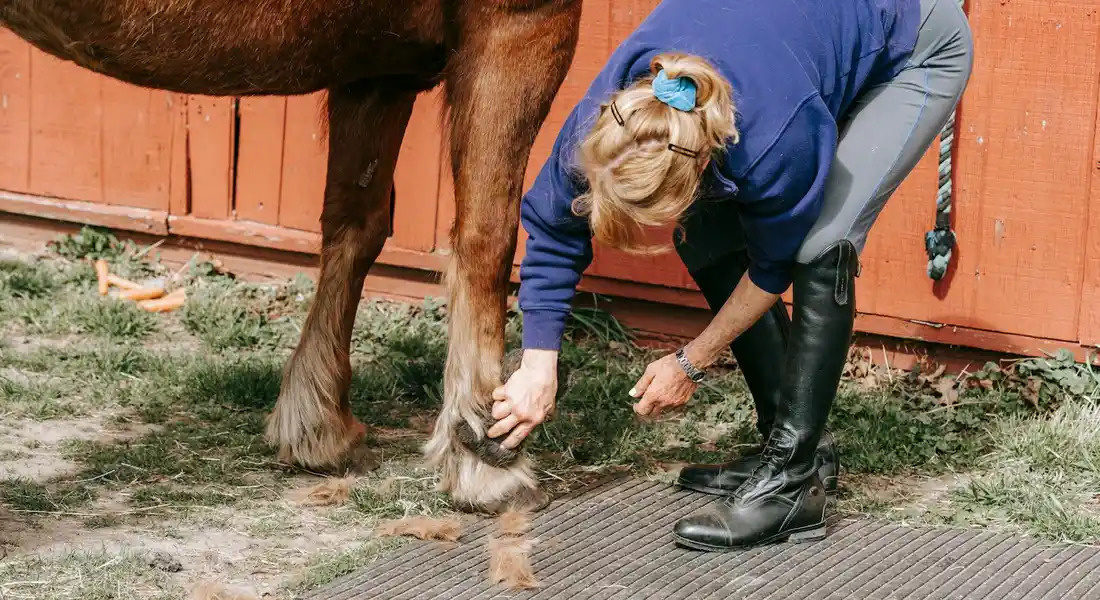
Show ring grooming is not just about sparkle on the big day; it is a direct reflection of your horse’s daily life and welfare. That impeccable shine starts months earlier, in the pasture and at the feed tub, not just at the wash rack. I have seen too many riders scramble for a quick fix, but true show-ready condition is built on a foundation of consistent, gentle care and knowing exactly what your discipline requires. Your horse’s coat is a health report card, and turnout time is its best teacher.
Understanding Discipline-Specific Grooming Standards
What wins points in one ring can lose them in another. Always check your specific rulebook, as associations update details, but here is a grounded starting point from the barn aisle.
- Hunter/Jumper: Expect a tidy, understated look. Manes are neatly braided, usually with matching yarn, and tails are brushed clean but left full. The goal is a polished, “ready to hunt” appearance. My thoroughbred, Luna, requires careful braiding to keep her fine mane from tangling.
- Dressage: Precision is key. Manes are braided or pulled to a uniform length on the right side. Tails are often cleaned and brushed out, but not overly thinned, to showcase elegant movement. A clean, flowing tail complements the picture of controlled power.
- Western Pleasure & Events: The natural look reigns. Manes and tails are full, clean, and beautifully maintained, but not braided. Think of Rusty, my Quarter Horse: his sorrel coat and full mane embody that sturdy, working-horse aesthetic the class honors.
When in doubt, grab the rulebook or ask a seasoned competitor in your discipline-it saves last-minute panic at the show grounds.
Conditioning the Coat for Lasting Health and Shine
A glossy coat comes from the inside out. It is the result of three things working together: daily care, smart nutrition, and freedom to move.
Start with the daily ritual. A thorough currying and brushing does more than remove dirt; it stimulates natural oils and brings them to the surface. I spend time each day on this with all the horses, even Pipin the pony, who thinks it’s a pre-treat massage session. This consistent handling builds trust and monitors skin health. It’s an essential part of a daily grooming routine.
- Use a rubber curry in circular motions to loosen dirt and dead hair.
- Follow with a stiff brush to flick away debris.
- Finish with a soft brush to lay the hair and distribute oils.
Nutrition is your secret weapon. That shine is built in the gut. A diet rich in quality forage, like good grass hay, supports a healthy digestive system which directly impacts coat quality. Omega-3s from flax or a balanced supplement can add depth to the color and a reflective gleam. Grain should only supplement, not replace, roughage.
Never underestimate turnout. Ample time in a safe pasture is non-negotiable. Sunlight, rolling, and movement promote circulation and a healthy, resilient coat. A horse that lives like a horse, with room to be a horse, will always have a better base shine than one kept constantly stalled. I plan my barn schedule around maximizing turnout, rain or shine, because the mental and physical benefits are undeniable. A fair, honest comparison of stall boarding versus pasture boarding helps identify what truly supports your horse’s wellbeing.
FAQ: How to Groom a Horse for a Show or Competition
How should you adapt your show grooming routine for a nervous or sensitive horse?
Begin by introducing grooming tools slowly in a calm environment to prevent startling the horse. Incorporate positive reinforcement, such as treats or praise, during short sessions to build confidence. Always monitor the horse’s body language and adjust your pace to avoid overwhelming them, ensuring a stress-free experience. Adopt a step-by-step grooming routine to steadily build trust and a stronger bond. This approach lays a clear, calm path for future sessions and deeper cooperation.
What are the key factors to consider when choosing show grooming products for optimal results?
Focus on products that match your horse’s specific needs, like moisturizing formulas for dry coats or lightweight sprays for fine hair. Being mindful of common horse grooming mistakes helps you avoid them. Avoid overusing silicone-based polishes, as excess can attract dust and detract from a natural appearance. Test all products on a small patch of skin well before the show to check for adverse reactions.
How can you efficiently pack and organize a show grooming kit for easy access at competitions?
Invest in a sturdy, compartmentalized box or bag with clear sections for tools, products, and emergency items. Arrange supplies in the order of your grooming routine, placing essentials like hoof picks and brushes within quick reach. Regularly clean and restock your kit after each use to maintain hygiene and preparedness for every event.
Walking into the Ring with Confidence
A flawless show finish is built on systematic cleaning, precise clipping, and impeccable hoof polish. The winning touch isn’t in the sparkle, but in ensuring every step of your grooming routine is calm and comfortable for your equine partner.
I’ve learned from fussy Thoroughbreds like Luna that patience and a soft hand build the trust that truly dazzles. Your horse’s quiet contentment in the ring is the final, and most important, part of your presentation.
Further Reading & Sources
- Secrets to an Effective Horse Show Grooming Routine
- Pro Horse Show Grooming Tips | Schneiders Blog
- 10 Horse-Grooming Tips – AQHA
- r/Equestrian on Reddit: Groom responsibilities at a horse show?
At Horse and Hay, we are passionate about providing expert guidance on all aspects of horse care, from nutrition to wellness. Our team of equine specialists and veterinarians offer trusted advice on the best foods, supplements, and practices to keep your horse healthy and thriving. Whether you're a seasoned rider or new to equine care, we provide valuable insights into feeding, grooming, and overall well-being to ensure your horse lives its happiest, healthiest life.
Basic Grooming Techniques