
When Should You Blanket Your Horse? (A Temperature and Care Guide)
Published on: September 28, 2026 | Last Updated: September 28, 2026
Written By: Henry Wellington
Hello fellow equestrians! That morning chill in the barn aisle often brings the same nagging question: to blanket or not to blanket? Getting this decision wrong doesn’t just waste your time-it can compromise your horse’s comfort, leading to everything from a sweaty back to a stressful chill.
Let’s replace that worry with a clear, practical system. This guide will walk you through the real-world factors I use every winter.
- The specific temperature ranges where a blanket becomes necessary
- How your horse’s unique coat, age, and health change the rules
- Critical weather conditions beyond a simple cold snap
- My step-by-step method for checking blanket fit and comfort
After more than a decade as a barn manager and trainer, I’ve learned through cold fingers and happy horses what truly works when the weather turns.
The Core Factors: More Than Just a Thermometer
Staring at the barn thermometer and deciding on a blanket feels scientific, but it’s more like interpreting a living, breathing weather station-your horse. The number is just one piece of the puzzle.
Assessing Your Horse’s Natural Insulation
Run your hands over your horse’s coat. A dense, plush coat that stands up traps warm air beautifully; a slick, flat coat does not. My old reliable Rusty, the Quarter Horse, grows a woolly mammoth coat that could likely withstand a polar vortex. My Thoroughbred, Luna, grows hair so fine she shivers if a cloud passes the sun. Body condition is your horse’s internal furnace, and a horse with a good fat covering (a body score of 5 or 6) will always stay warmer than a lean, rangy one.
Age matters, too. Very young and very old horses often struggle to regulate their temperature efficiently. And don’t forget the clipper! A body clip strips away all that natural insulation, making a blanket not a choice but a necessity, especially when it’s too cold for horses.
Environmental Variables: Wind, Rain, and Humidity
A dry, still 30°F day is far different from a windy, soggy 40°F one. Wind cuts through a coat, robbing warmth. Rain or wet snow soaks the hair, collapsing those insulating air pockets and chilling the skin. In my experience, a soaking wet horse in a 45 mph wind is in more danger of chilling than a dry horse in a calm 20°F field.
Look at your shelter. Does your paddock have a proper, three-sided windbreak where they can huddle? Or is it a wide-open expanse? Humidity is a stealthy thief of warmth, making cold air feel penetrating and damp. Always factor in the “feels like” condition, not just the mercury.
Temperature Guidelines: A Practical Chart for Real Barns
This chart is my barn-manager baseline, honed from years of pre-dawn blanket checks and adjusting straps. It assumes a healthy adult horse with a full winter coat and access to shelter.
| Temperature (°F / °C) | Dry & Calm Conditions | Wet or Windy Conditions |
|---|---|---|
| 40°F+ / 4°C+ | No blanket needed. | Consider a light, waterproof sheet if horse is thin-coated or in a storm. |
| 30°F to 40°F / -1°C to 4°C | No blanket for good doers. Light blanket (0-100g fill) for seniors, thin coats, or poor doers. | Light blanket (0-100g fill) or medium (150-250g) for most. Crucial for clipped horses. |
| 20°F to 30°F / -7°C to -1°C | Light to medium blanket for most. Good doers with shelter might be fine. | Medium to heavy blanket (300g+ fill). Essential for clipped, senior, or thin horses. |
| Below 20°F / Below -7°C | Medium to heavy blanket for all. Monitor water sources for ice. | Heavy blanket. Check frequently for shifting. Provide extra hay. |
Understanding the Numbers: Fahrenheit and Celsius
The chart works in both, but the logic is key. The “danger zone” for an unblanketed horse isn’t a single number, but the combination of cold and wet. I start paying serious attention when the damp chill hits around 40°F (4°C), as that’s when a rainy day can quickly sap a horse’s core warmth. For my clipped or thin-skinned horses, my threshold for blanketing is a full 15 degrees warmer. That leads to a broader question: do horses handle cold winter conditions well on their own, or do they need blankets and extra shelter? Understanding their tolerance helps guide winter care decisions.
Adjusting for Wind Chill and Wet Conditions
This is where barn management gets real. A weather app showing wind chill is your best friend. If it’s 35°F but feels like 25°F with the wind, blanket for 25°F. A waterproof turnout sheet is not just for rain; it’s a vital windbreak. A soaked, matted coat can lose nearly all its insulating power, turning a mild day into a medical emergency.
My rule of thumb? If I’m miserable standing in the field in my winter coat, my sensitive or clipped horse is miserable too. If I’m dry and comfortable, they might be just fine with their own fur. Always, always err on the side of checking and adjusting. A damp blanket under a cold sun is worse than no blanket at all. There’s a lot of blanket lore out there, and horse blanket myths can actually make your horse sick if you follow them. I’ll unpack the top 10 misconceptions in the next guide so you can blanket with confidence.
Choosing the Right Blanket: Your Horse’s Weather Wardrobe
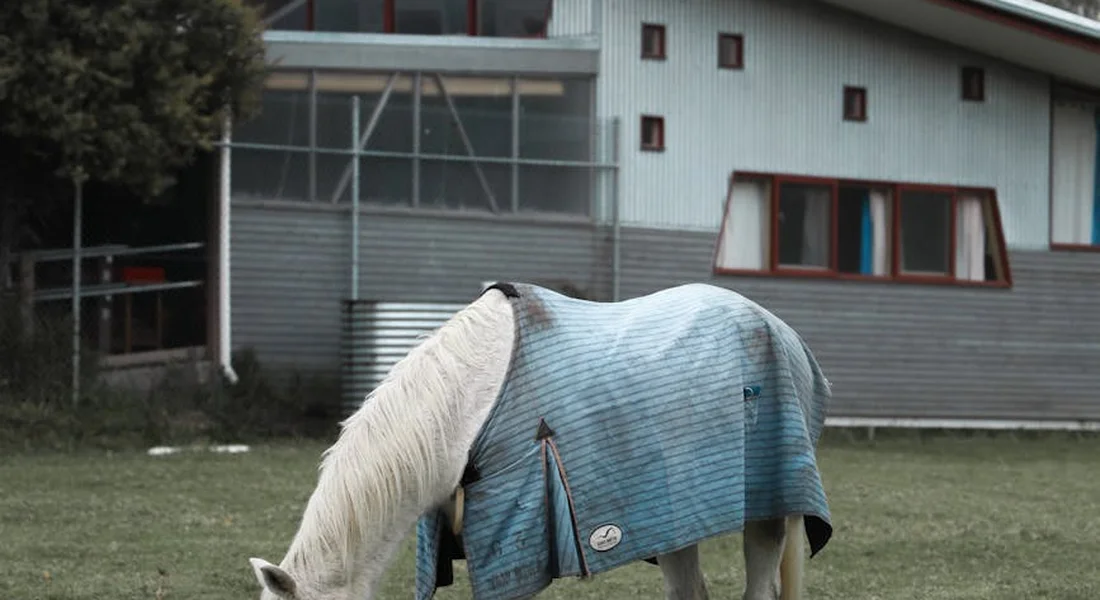
Think of your horse’s blanket collection like your own closet. You have a heavy winter coat, a light jacket for spring, and maybe a rain shell. Your horse deserves the same thoughtful layering system for comfort.
Turnout Blankets: For Wind and Waterproof Protection
This is your horse’s main defense against the elements. A good turnout blanket is waterproof, windproof, and breathable. I learned the hard way with Rusty that “water-resistant” is not the same as “waterproof” during a freezing November downpour. Look for a high denier rating (like 1200D) for durability against pasture antics and rubbing on fences. The best turnout blanket is one your horse can wear safely while playing in the field, keeping them dry and warm without restricting movement. It’s an essential part of winter horse care.
- Waterproof & Breathable: Keeps rain out while allowing sweat vapor to escape, preventing a damp, chilled horse.
- Durable Outer Shell: High denier nylon or polyester withstands tearing from rolling, trees, and curious herd mates.
- Secure Leg Straps & Surcingles: Designed to prevent twisting or catching if a horse rolls, with breakaway features for safety.
- Fill Weight Varies: Choose from lightweight (0g), medium (200g), or heavy (300g+) fill based on temperature and your horse’s needs.
Stable Blankets and Cooler Rugs: Indoor and Post-Exercise Care
Stable blankets are for the cozy confines of the stall or barn aisle. They are often softer, more absorbent, and lack the tough, waterproof shell of a turnout. I keep a heavy stable blanket for Luna for those bitter nights when she’s in, as it’s warmer and less crinkly, which suits her sensitive nature. A cooler rug is a critical piece of kit-it’s a moisture-wicking layer used after a workout. Throwing a wool or polar-fleece cooler on a sweaty back pulls moisture away from the skin and prevents a rapid chill, which is a non-negotiable for responsible post-ride care.
- Stable Blankets: Softer, often quilted, not waterproof. Ideal for dry, draft-free environments.
- Cooler Rugs: Made of wool, fleece, or specialized wicking fabric. Use to dry a horse slowly after exercise or bathing.
- Absorbent Layers: These blankets manage sweat and moisture from the inside, unlike turnouts which guard against weather from the outside.
Lightweight Options: Rain Sheets and Liners
These are your versatile tools for shoulder seasons and changing conditions. A simple rain sheet (0g fill, waterproof) is perfect for a chilly, wet spring day when a heavy blanket is too much. A detachable liner turns one blanket into multiple-add it for extra warmth, remove it for a lighter layer. Layering with a liner system is more economical and adaptable than owning four separate heavy blankets, letting you customize protection as the mercury dips and rises.
- Rain Sheets: Waterproof, no insulation. Keeps a horse dry in mild temperatures, protecting a summer coat or a clipped horse from showers.
- Detachable Liners: Clips inside a shell blanket. Adds warmth flexibility and is easier to wash than a whole insulated blanket.
- Mesh Sheets: Used in summer to protect from flies and sun while allowing maximum airflow.
The Perfect Fit: Ensuring Comfort and Safety
A poorly fitting blanket is worse than no blanket at all. It can cause rubs, restrict movement, and even become a terrifying hazard. Watching Pipin the pony somehow get a front leg through a neck cover taught me that fit is everything.
How to Measure for Blanket Size
Grab a soft measuring tape and stand your horse square on level ground. Start at the center of the chest, where the buckle would sit. Run the tape along the side, over the widest part of the shoulder, and straight back to the point of the buttock (the rear of the hind leg). This number in inches is your blanket size; most brands size in three-inch increments (e.g., 78″, 81″). When in doubt between two sizes, round up for freedom of movement.
- Use a flexible cloth tape measure.
- Ensure the horse is standing squarely.
- Measure from chest to tail, following the body’s contour.
- Consult the specific brand’s sizing chart, as fits can vary.
Key Fit Points: Withers, Chest, and Hindquarters
Once the blanket is on, do a thorough check. At the withers, you should be able to slide your hand flat between the blanket and the horse’s shoulder blade. It should not pinch or rest directly on the spine. The chest closure should allow for a hand’s width of space-not gaping open, not straining. Over the hindquarters, the blanket should cover the dock without pulling tightly or hanging so low it interferes with the hocks. A blanket that is too tight across the shoulders will cause painful rubs and limit your horse’s stride, turning a simple walk into an uncomfortable shuffle.
- Withers: Clearance is vital. Look for built-in wither relief panels or gussets.
- Chest: Buckles should meet with room to spare, not pulling the blanket forward.
- Back & Hindquarters: Fabric should lie smoothly without binding or excessive slack.
Buckle and Strap Safety
This is where daily checks are non-negotiable. Start with the front: chest buckles should be evenly secured. Belly surcingles (straps) should be snug enough that you can just slide your hand sideways between the strap and the horse’s belly-not hanging loose. Leg straps should be crossed or run parallel, each fastened with enough length to allow a full range of motion but not so long they dangle. Always connect leg straps to each other, not to the blanket itself, to prevent dangerous entanglements if a strap breaks or comes undone. Listen for the click of every buckle, and feel for any twisted webbing before you walk away.
The Daily Routine: Putting On, Taking Off, and Checking
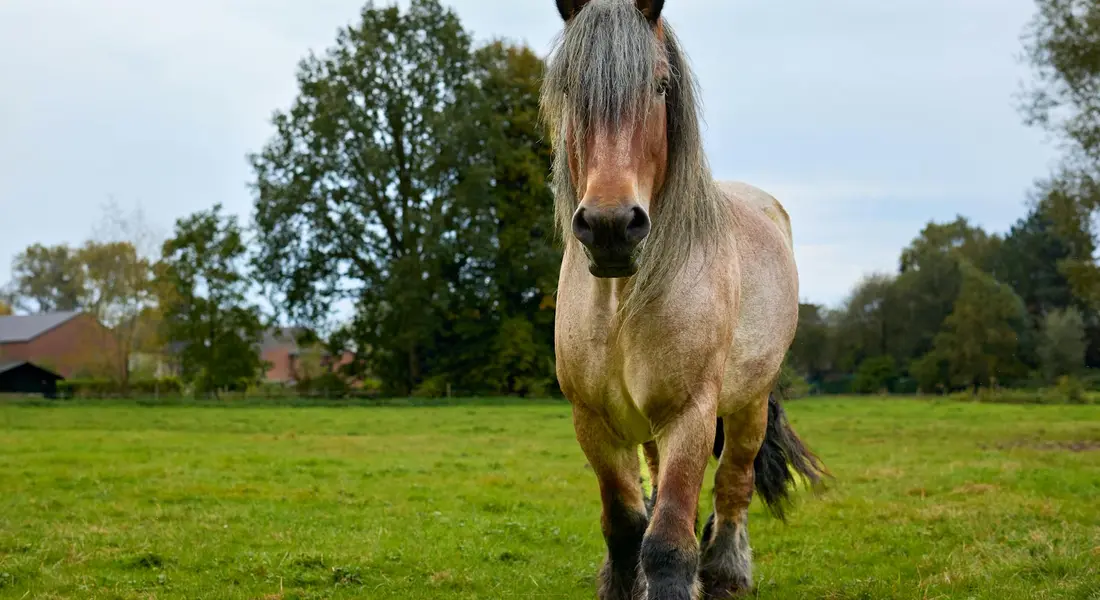
Blanketing is a daily commitment, not a set-it-and-forget-it deal. Your routine is your best tool for keeping your horse comfortable and preventing problems like chills, sweats, or rubbed shoulders. Reading and following the proper steps ensure that your blanket is applied correctly.
Step-by-Step: How to Blanket Your Horse Safely
Rushing leads to twisted straps and grumpy horses. I take a breath every time I approach a stall with a blanket; it’s a moment of connection, not a chore. Here’s my barn-tested method.
- Secure your horse. Always have a halter on and your horse tied safely or held by a reliable helper. Never try to blanket a loose horse in a stall or paddock.
- Fold and present. Fold the blanket in half lengthwise, lining-side out. Drape it over your arm, approach from the near side, and let your horse sniff it. Place it gently over the withers, then unfold it toward the hindquarters.
- Smooth from front to back. Run your hand from the withers down the shoulder to ensure the blanket is centered and the lining lies flat. Check that the front leg arches are positioned correctly.
- Secure the front closures first. Do up the chest buckles or snaps. You should be able to slide your flat hand vertically between the closure and your horse’s chest. Too tight restricts movement, too loose invites a hoof during a roll.
- Fasten the belly surcingles. These should be snug but allow a full hand’s width (about 4 inches) between the strap and the horse’s belly. Crossed surcingles should lie flat and not twist. Attach leg straps next, if present.
- The leg strap test is critical. Each strap should run between the hind legs, clipped to the opposite D-ring. You must be able to fit two stacked fists between the strap and the inner thigh. A dangling leg strap is a major entanglement hazard during rolling.
When to Remove the Blanket: Monitoring Temperature and Sweat
Taking the blanket off is just as important as putting it on. I’ve learned to watch the sky and feel the air, not just trust a weather app. The rule is simple: if the daytime temperature rises consistently above the range your blanket is designed for, it’s time to strip it off.
Your best diagnostic tool is your hand. Slide it under the blanket at the chest, shoulder, and girth area every few hours on a warming day. If the haircoat beneath feels damp or clammy, your horse is too warm and the blanket must come off immediately. A sweaty horse left blanketed can catch a chill just as fast as a wet horse left naked in the wind.
For clipped horses or sudden warm spells, I often do a midday swap-a heavy blanket for a lighter sheet, or removing it entirely for a few hours of sun. Just remember to re-blanket before the temperature drops again in the evening.
Daily Checks: Horse and Blanket Inspection
This takes two minutes and saves weeks of healing time. Every single time you handle a blanketed horse, make these inspections.
- On the Horse: Run your fingers along the withers, shoulders, and chest. Feel for any broken hairs, heat, or tenderness which signal rubbing. Check for dirt or moisture buildup under the blanket, especially along the back seam.
- On the Blanket: Listen for the sound of torn fabric. Inspect all straps for fraying, especially at buckle points. Feel for lumps of impacted bedding or mud inside the lining. Ensure all hardware is intact and secure.
My pony Pipin taught me this lesson the hard way-his genius for unbuckling led to a dangling surcingle that nearly tripped him. A daily visual and tactile inspection catches small issues before they become dangerous failures.
Blanket Maintenance and Horse Health Checks
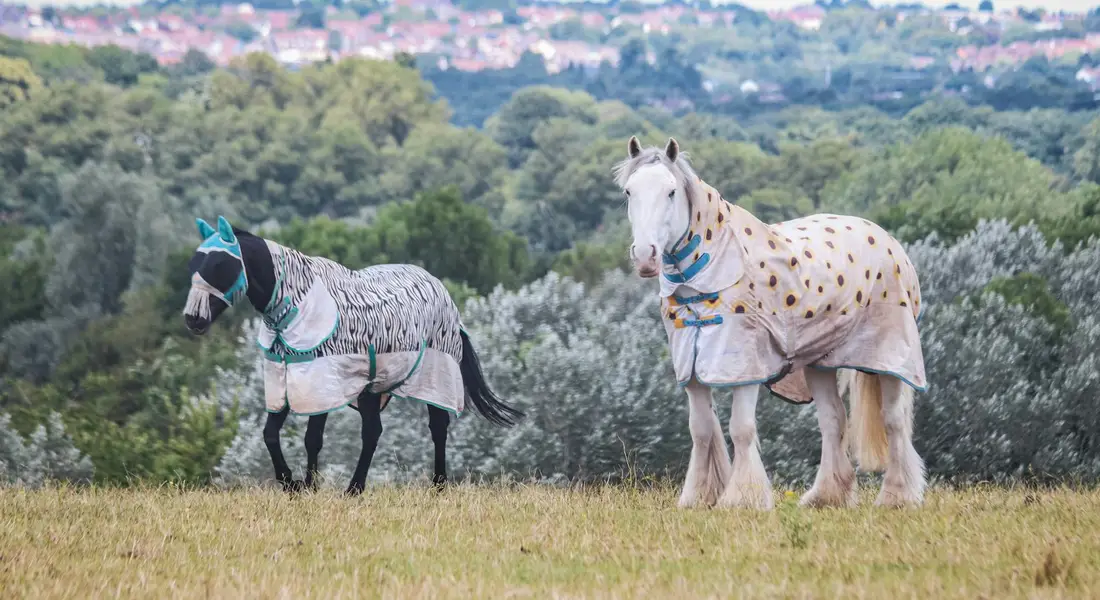
Your horse’s wardrobe is an investment in their comfort. Proper care extends the life of your gear and gives you a perfect opportunity to monitor your horse’s physical condition up close.
Cleaning and Storing Your Horse Blankets
Dirt and sweat grind away at waterproof coatings and irritate your horse’s skin. I set a calendar reminder for a mid-season and end-of-season deep clean.
Always follow the manufacturer’s label, but here’s a solid baseline: clean horse blankets properly. Brush off loose dirt, hose down heavily soiled areas, and use an equine-specific detergent in a front-loading commercial washer. Tumble dry on very low heat with tennis balls to re-loft the lining, or air-dry completely in the sun. Never store a damp or dirty blanket; it invites mold and permanent damage to waterproof membranes.
For storage, I clean them thoroughly, make any necessary repairs, and then hang them in a rodent-free, dry area-never stuffed in a bin where folds can become permanent creases that leak.
Monitoring Your Horse’s Weight and Coat Health
A blanket can hide a multitude of sins, from weight loss to skin fungi. You must get under there regularly. Once a week, make it a ritual to remove the blanket entirely and give your horse a thorough going-over.
- Use your eyes and hands. Look for any bald patches, scurfy skin, or hives. Run your hands over their ribs, spine, and hips. You should be able to feel ribs easily, but not see them sharply. Blanketing does not replace calories.
- Assess the coat itself. A healthy winter coat should be dense and fluffy, providing natural insulation. A sleek, flat coat under a blanket might mean they’re running too hot. A patchy, dull coat could signal nutritional issues or external parasites.
I track Luna’s weight with a simple tape and a notebook, because her Thoroughbred metabolism can change quickly. The blanket is a tool for comfort, not a crutch that lets you ignore the foundational elements of good nutrition and health care. Regular, hands-on assessment is non-negotiable.
FAQ: When Should You Blanket Your Horse?
What are the core principles behind horse blanket guidelines?
The guidelines are based on more than just air temperature. You must consider your horse’s natural insulation from its coat and body condition, as well as environmental factors. Wind, rain, and humidity can make the temperature feel much colder, necessitating a blanket even when the thermometer reads higher.
At what temperature in Celsius should I generally consider blanketing?
As a general rule for a horse with a full coat, start considering a light blanket when temperatures near 4°C, especially if it’s wet or windy. This ties into the broader principle that temperature should blanket a horse to maintain comfort. Let the weather guide your gear decisions as conditions shift. For clipped, thin, or senior horses, the threshold is higher, often around 10°C. In dry, calm conditions, a healthy horse may not need a blanket until temperatures approach or dip below freezing (0°C).
How do the blanket guidelines specifically change for winter conditions?
Winter guidelines account for sustained cold, where consistent blanketing is often required. They emphasize heavier fill weights (300g+) for temperatures below -7°C and highlight the critical need for waterproofing against snow and freezing rain. Winter care also involves providing extra forage for heat generation and frequently checking for ice accumulation on blankets.
Final Thoughts from the Stable
Let temperature, wind, and wetness guide your initial decision, but always factor in your horse’s coat, health, and living situation. The clearest sign comes from your horse’s body: a shivering horse needs a blanket, while a sweaty one is telling you it’s time to take it off.
Make any changes gradually and check fit daily to prevent rubs or discomfort. The best horsemanship is quiet observation-your horse’s behavior and condition are the ultimate report card on your care.
Further Reading & Sources
- When to Blanket Your Horse – A Temperature Guide
- To Blanket or Not to Blanket | Total Equine Veterinary Associates’ TEVApedia
- The Ultimate Horse Blanketing Guide – SmartPak Equine
- r/Horses on Reddit: what’s everyone’s views and thoughts on blanketing horses? 🙂
At Horse and Hay, we are passionate about providing expert guidance on all aspects of horse care, from nutrition to wellness. Our team of equine specialists and veterinarians offer trusted advice on the best foods, supplements, and practices to keep your horse healthy and thriving. Whether you're a seasoned rider or new to equine care, we provide valuable insights into feeding, grooming, and overall well-being to ensure your horse lives its happiest, healthiest life.
Stable Management