
How to Spot a Horse Colic Emergency and Exactly What to Do
Hello from the barn aisle. If you’ve ever watched your horse pace, look at its side, or refuse supper, that knot in your stomach is all too familiar. Colic is the emergency we all dread, mixing fear of pain for our horse with stress over vet bills and that gut-wrenching helplessness.
Today, we’re turning that worry into a clear action plan. We’ll cover how to spot the subtle early signs most people miss, the immediate physical checks you can do at the stall, exactly when to pick up the phone and call the vet, and what to do (and not do) while you wait for help. This comes from years of barn management, midnight vet calls, and learning that a calm, prepared response makes all the difference.
Recognizing the Red Flags: Classic Colic Symptoms
Colic doesn’t always announce itself with dramatic thrashing. More often, it starts as a quiet unease that you have to know how to read. I’ve spent countless hours just watching my herd, and that’s the best training you can get. A change in the pattern of behavior is your first clue.
Your horse might stand unusually still, as if frozen, or he may be restless and keep shifting his weight. You might see him look back at his flank, a classic sign of abdominal discomfort. I’ve watched Luna do this, her elegant neck craned around, her eyes wide with a worry she can’t express. Listen for a lack of gut sounds-a quiet belly is often an unhappy one.
Other clear warnings include repeatedly lying down and getting up, curling the upper lip (flehmen response) without a mare around, or stretching out as if to urinate without producing anything. Pawing at the ground is a common signal of pain, and while a horse might paw in impatience, colic pawing is usually more persistent and purposeful.
The Subtle Signs You Might Miss
The early signs are the easiest to dismiss. You might think your horse is just having an off day. He may seem dull, losing interest in his grain or that favorite peppermint. His ears might just be droopy, not pinned. He may stand with his hind legs camped out slightly, taking pressure off his gut. Spotting early signs of illness or injury in your horse is crucial for timely care. Being proactive helps you act before problems worsen.
I missed these once with Rusty, chalking it up to tiredness after a long trail ride. An hour later, he was drenched in sweat. Trust your gut when your horse’s behavior seems “not quite right”-that instinct is your most valuable tool. A reduced number of manure piles in the stall or paddock is a silent but critical red flag. So is dirt on his flanks or back, a telltale sign of unobserved rolling.
Taking Vital Signs: Your On-the-Spot Health Check
When you suspect colic, don’t panic—get data. Knowing your horse’s normal baseline is key. Here’s your quick barn-side triage for colic:
- Gut Sounds: Press your ear or a stethoscope behind the last rib and over the flank. You should hear gurgles, pops, and rumbles. Silence is a problem.
- Heart Rate: Normal is 28-44 beats per minute. Find the artery under the jawbone. A sustained rate over 60 BPM signals significant pain.
- Gum Color & Capillary Refill Time (CRT): Lift the lip. Gums should be salmon pink. Press your thumb firmly on the gum above a front tooth, release, and count how many seconds for the white thumbprint to pink back up. Two seconds or less is normal. Tacky, dry gums or a slow CRT indicate dehydration.
- Respiratory Rate: Watch the flank rise and fall. Normal is 8-16 breaths per minute. Pain or shock can elevate this.
Write these numbers down the moment you take them; they are vital information for your vet and help you track if things are getting worse.
Decoding the Distress: Gauging Colic Severity
Not all colic is a 911 call, but all colic warrants a call to your vet. Your job is to convey the severity so they know how fast to come. Mild colic might look like intermittent discomfort—periods of pawing or flank-watching that come and go. The horse might still nibble hay. A more serious case involves constant, escalating pain.
Signs of severe, surgical colic include violent, uncontrolled rolling, sweating profusely even at rest, and getting up and down relentlessly. You might see him try to lie down and almost throw himself backward. A heart rate that climbs and stays above 60 beats per minute is a major warning bell.
If your horse is in such distress that he cannot be safely walked, or if he attempts to roll in a dangerous, confined space like a stall, your primary job shifts from assessment to preventing him from injuring himself until help arrives.
When It’s a “Drop Everything” Emergency
Some scenarios mean you hang up on everyone else and call the vet now. This isn’t a judgment call-it’s a protocol. Use this quick guide:
| Mild/Moderate (Call Vet) | Severe Emergency (Call Vet NOW) |
|---|---|
| Intermittent pawing or looking at flank | Violent, uncontrolled rolling or thrashing |
| Dull attitude but still responsive | Unresponsive to surroundings, focused only on pain |
| Heart rate under 60 BPM | Heart rate over 60 BPM and climbing |
| Still passing some manure | No manure, with signs of straining |
| Mild sweating | Profuse sweating across neck and flanks |
I learned this the hard way with Pipin, who decided a Sunday evening was perfect for an impaction. His relentless, dangerous rolling in his stall meant the conversation with my vet was about 10 words long before she was in her truck. In a true emergency, your vet would much rather you call and have it be a mild case than not call and face a tragedy. Have your horse’s details-age, breed, symptoms, and vital signs-ready when you dial. Keep an eye out for common emergency signs—persistent colic symptoms, severe pain, sweating, inability to stand, or labored breathing. If any of these pop up, call your vet immediately.
The First 30 Minutes: Your Step-by-Step Response Plan
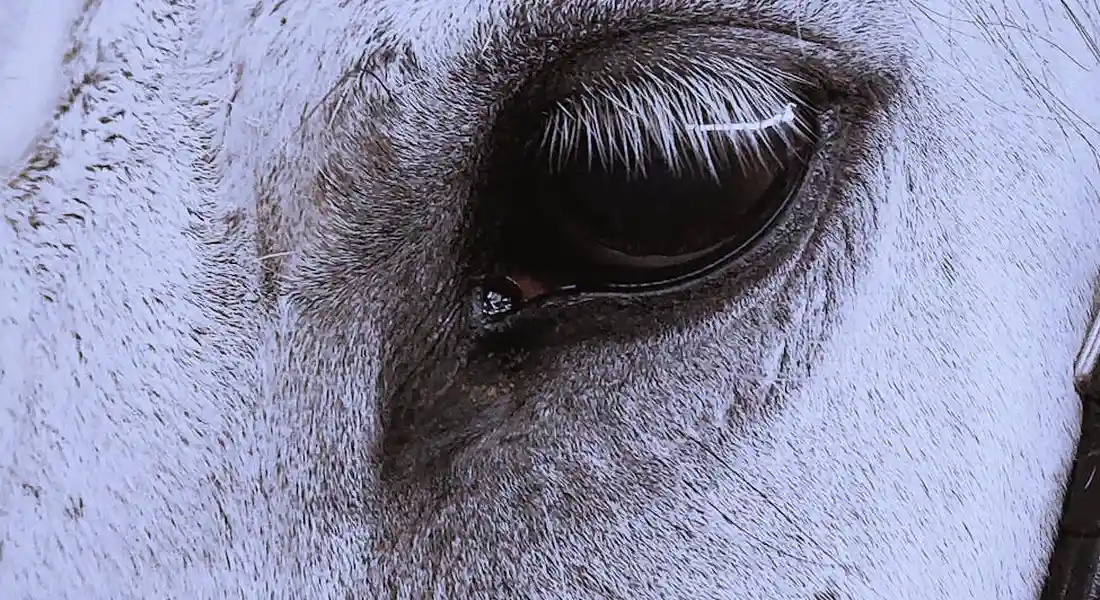
Step 1: Secure the Scene and Your Horse
Act fast, but move with purpose. Your priority is creating a safe zone for you and your horse. Lead them to a well-bedded stall or a small, secure paddock if they are able to walk. Clear the area of any equipment, buckets, or obstacles they could hurt themselves on if they thrash or roll. This is also the foundation for creating a safe, enriching environment for your horse, supporting calm behavior and curiosity. When you structure space this way, it’s easier to introduce enriching elements and training safely in the steps that follow.
I learned this the hard way with Pipin, who once tried to roll his colic away right next to a fence post. Now, my first move is always to get the horse onto open, soft ground. Your safety is just as important; a pained horse can be unpredictable, so stay alert and avoid standing directly behind them.
Step 2: Call Your Veterinarian Immediately
Pick up the phone now. Do not try to diagnose it yourself or wait for a “magic hour” to pass. In colic cases, the clock is your biggest enemy, and early vet contact dramatically improves outcomes. I have my vet’s number on speed dial and posted in three places in the barn.
When you call, be prepared to give a concise report. State your horse’s name, your location, and the specific symptoms you’ve seen. For instance, “This is Luna, she’s been pawing consistently, sweating, and hasn’t defecated since this morning.” This lets your vet triage the emergency and grab the right supplies on their way. If this might involve initial veterinary care or ongoing management, mention any recent changes or prior conditions. That context helps determine whether you need initial care or ongoing treatment for your horse.
Step 3: Monitor and Comfort While You Wait
Your job now is to observe and soothe. Resist the urge to offer hay, grain, or water unless your vet explicitly says so. Introducing anything into a compromised gut can make the situation much worse. Gentle walking can sometimes help, but only if the horse is agreeable; never force it.
Use this time to gather critical information for the vet. Focus on these key points:
- Heart Rate: Feel for the pulse under the jaw or behind the elbow. A rate climbing above 50 beats per minute signals serious pain.
- Gum Color and Moisture: Lift the lip. Pale, blue, or bright red gums are a major warning. They should feel slick, not sticky.
- Gut Sounds: Press your ear to the barrel. Listen for the familiar gurgles and pops on both sides. Eerie silence is a bad sign.
- Signs of Shock: Look for cold ears, a glazed expression, or excessive sweating. I keep a quiet vigil, much like the nights I’ve spent waiting with old Rusty, talking to him in a low voice to keep us both calm.
Jot down your observations and their times; this timeline is invaluable to your veterinarian.
Partnering with Your Vet: What to Expect During Treatment
Hearing the vet’s truck rumble down the drive is a relief, but your role is far from over. You are now the primary source of history. Your daily knowledge of this animal’s routines and quirks is data your vet doesn’t have. Be ready to help with restraint and to follow instructions precisely.
Questions Your Vet Will Ask (And Why They Matter)
Your vet will need a rapid fire of details. Answering honestly and accurately directs every treatment decision. There are no judgment calls here, only facts that build a diagnostic picture. Here are the common questions and what they reveal:
| Question | Why It Matters |
|---|---|
| “What exactly have you seen them do?” | Specific behaviors (pawing, rolling, stretching) help pinpoint the pain’s location and intensity. |
| “When was their last normal manure?” | This establishes a timeline for potential intestinal blockage or slowdown. |
| “What did they eat yesterday and today?” | Sudden rich grass, moldy hay, or a new grain can trigger gas or impaction colic. |
| “Has their water consumption changed?” | Dehydration is a prime cause of impaction, especially in winter or with a new water source. |
| “Any recent changes in exercise or turnout?” | A sudden day off after heavy work or a change in pasture time disrupts gut motility. |
| “Are they up-to-date on deworming?” | This rules out parasitic burdens as a contributing factor. |
Remember, even a small detail like switching hay suppliers or a broken automatic waterer can be the missing puzzle piece. Full transparency helps your vet help your horse.
Beyond the Crisis: Practical Strategies for Colic Prevention
After you’ve walked a colicky horse through the night, the dawn brings a sharp focus: prevention is your best defense. I’ve spent more nights than I care to count in a stall with a restless horse, and that experience taught me to build routines that keep guts happy. Shifting from emergency response to daily prevention turns fear into proactive, manageable care.
Fueling the Engine: Smart Feeding and Water Practices
Think of your horse’s digestive tract as a finely-tuned fermentation vat that never stops. What you put in directly dictates its health. I learned this the hard way with Luna, who developed a gas colic after a too-rich spring grazing session. Always introduce lush pasture or new hay over a week, mixing it with their current forage to let the gut microbes adjust slowly. With spring pasture at its peak, transitions must be gradual to avoid stressing the gut. A slow, staged transition from hay to pasture gives the microbes time to adjust and helps prevent colic.
Water is the silent hero of digestion. A horse can survive on poor hay but will colic without water. In winter, I use heated buckets to guarantee liquid water, remembering the icy morning Pipin refused to drink until I warmed it. Make hydration a daily habit—offer fresh water regularly and encourage your horse to sip throughout the day. Small, frequent drinks support digestion and overall comfort. Check water troughs twice daily, scrubbing them weekly to remove biofilm and encourage drinking.
Feeding isn’t just about what, but how. Here’s my barn-tested checklist:
- Provide forage first. Horses need to chew for nearly 18 hours a day; use slow-feed nets if weight is a concern.
- Soak beet pulp and hay cubes to prevent choke and increase fluid intake, especially for older horses or in dry weather.
- Spread grain meals into three or more smaller servings. One large meal can overwhelm the small intestine.
- Feed hay before grain. This simple step ensures fibrous material lines the stomach, slowing sugar absorption.
The Rhythm of the Barn: Consistency is King
Horses are creatures of profound habit. The predictable thud of hooves at turnout time and the rustle of hay nets at 5 PM are their security. A disrupted schedule is a direct ticket to stress, and stress is a prime colic trigger. I keep Rusty’s world steady, and his reliable digestion shows it.
Turnout is non-negotiable. Movement stimulates gut motility and reduces anxiety. Aim for daily turnout, even if it’s just a large paddock for wandering; standing in a stall lets gas pool and muscles cramp.
Build your daily rhythm around these pillars:
- Feed at the same times each day, within a one-hour window.
- Turn out and bring in on a consistent schedule, mimicking natural light cycles.
- Maintain a regular deworming and dental care program with your vet.
- Make any changes-feed, schedule, herd dynamics-over several days, not hours.
Understanding the “Why”: Common Types of Equine Colic
Colic isn’t one disease; it’s a bellyache with many causes. Knowing the type helps you talk to your vet and manage risk. Picture the gut as a long, twisty hose; problems arise when it gets blocked, stretched, or tied in a knot.
Impaction colic is like a traffic jam in the large colon, often from dry, fibrous material or dehydration. Gas colic feels like bloating, where fermentation goes haywire, producing painful pockets. The most dangerous, torsion or displacement, is when a section of intestine twists on itself-a true surgical emergency.
I listen to gut sounds with a stethoscope daily; the healthy gurgle and ping are a beautiful sound. Silence is a red flag. Recognizing early signs-restlessness, lack of manure, repeated lying down and getting up-gives you a critical head start.
Risk Factors in Your Management
Your daily choices directly influence colic risk. It’s not about blame, but about empowered awareness. Parasite overload from irregular deworming can damage gut walls and blood vessels, setting the stage for blockages.
Dental issues are a silent contributor. If Pipin can’t chew his hay properly, he swallows long stems that are harder to digest. Old horses, like him, need checkups every six months. Sharp points on teeth turn eating from pleasure to pain, leading to quidding and poor digestion.
Scrutinize these common risk factors in your routine:
- Sudden feed changes or overfeeding of concentrates (grains).
- Limited turnout and exercise, which slows gut movement.
- Inadequate clean water, especially in temperature extremes.
- Sandy soil ingestion from grazing too short or eating off the ground.
- High-stress events like transport, changing stalls, or altering herd buddies.
Mitigate what you can. I add psyllium husk to Rusty’s feed monthly for sand clearance and pad his schedule before a show. Your management is the steady hand that guides your horse away from digestive turmoil.
After the Storm: Guiding Your Horse Through Recovery
The vet has left, the immediate crisis is over, and the barn is quiet again except for the soft rustle of bedding. This is when your vigilant care truly shapes the outcome. Successful recovery from colic hinges on a slow, methodical return to normalcy, always putting the horse’s comfort and gut health first. I’ve spent many a night camped out with a recovering horse, and patience here pays dividends.
The First 48 Hours: Your Watchful Vigil
Consider this period an extension of the emergency. Your horse is vulnerable, and close observation is non-negotiable. You are looking for a return to normal behavior as much as you are watching for warning signs of a setback. Check vital signs-temperature, pulse, and respiration-every three to four hours, just as you did during the colic.
- Manure Production: The first few piles are a cause for celebration. Note the consistency; it may start loose but should firm up.
- Appetite & Hydration: A genuine interest in drinking water is a fantastic sign. Offer fresh, clean water constantly.
- Gut Sounds: Use your stethoscope or press your ear to their barrel. You want to hear consistent gurgles and pops from all quadrants.
- General Demeanor: Is your horse resting comfortably, or are they staring at their flank again? Restlessness can signal lingering pain.
I kept a notebook by Luna’s stall after her spasmodic colic, jotting down every time she drank, passed manure, or sighed deeply to sleep. This log became invaluable for tracking her progress and providing clear updates to my vet.
Reintroducing Feed: A Slow March Back to Hay
Do not simply throw a full hay net back in the stall. The digestive tract needs to wake up gently. Start with multiple, tiny meals of the highest-quality, soft hay you can find, like a late-cut timothy or a leafy orchard grass. Soaking hay can further reduce dust and increase water intake.
- Hour 0-12: Offer only water. Allow the gut to settle completely.
- Hour 12-24: Introduce a handful of soaked hay every 3-4 hours. Think the size of a softball, not a basketball.
- Day 2: If all is well, gradually increase the amount of hay at each feeding, moving toward small, frequent meals.
- Grains & Concentrates: Hold off on grain for at least 3-5 days, and only reintroduce under veterinary guidance. Many horses do perfectly fine without it.
When Rusty recovered, we fed him a “hay tea”-warm water poured over his hay-which he slurped up eagerly. This clever hack encouraged hydration and provided a gentle trickle of nutrients without bulk.
Movement and Turnout: The Healing Power of Walking
Controlled movement stimulates gut motility and reduces stiffness. Turnout is medicine, but it must be administered in careful doses to prevent a risky roll or gallop. Start with hand-walking in a flat, safe area.
- Day 1: Multiple short, slow walks of 5-10 minutes throughout the day. Let them graze on a few blades of hand-plucked grass if the vet approves.
- Day 2-3: Gradually increase walk time to 15-20 minutes, aiming for 4-5 sessions daily.
- Small Paddock Turnout: Only after several days of uneventful hand-walking should you consider a small, boring dirt or sand paddock for quiet roaming.
- Back to the Herd: Reintroduce to pasture mates slowly and during a calm time of day to avoid excited running.
For a clever escape artist like Pipin, we used a tiny, circular pen made of panels for his first turnout. This safe, confined space satisfied his need to move and sniff the air without offering room for mischief.
Long-Term Adjustments for Gut Health
View colic as a warning sign from your horse’s body. Use the recovery period to audit your management practices with a critical eye toward prevention. Lasting changes often stem from this reflective time. Consider a comprehensive colic prevention checklist with 12 daily habits you can adopt now.
| Area to Assess | Post-Colic Adjustment |
|---|---|
| Water Intake | Ensure heated water sources in winter, clean buckets daily, and consider offering electrolyte mash. |
| Feeding Schedule | Mimic grazing with slow-feed hay nets to provide near-constant forage access. |
| Parasite Control | Review your deworming program with your vet; a fecal egg count is a smart next step. |
| Dental Health | Schedule a dental float if overdue, as poor chewing can lead to impactions. |
| Stress Reduction | Maximize turnout with compatible buddies and maintain a consistent daily routine. |
The creak of the stall door and the thud of a healthy hoof are sounds you’ll never take for granted again. Gentle horsemanship after colic means listening more closely to those everyday sounds and rhythms, trusting them as the true measure of recovery.
FAQ: How to Recognize and Respond to a Horse Colic Emergency
What should I avoid doing at home while waiting for the vet?
Do not administer any home remedies, such as oils or laxatives, as they can worsen certain types of colic. Avoid allowing your horse to eat hay, grain, or drink large amounts of water, as this can complicate an obstruction. Most importantly, do not give any medication not prescribed by your veterinarian, as it can mask critical symptoms.
How much does emergency colic treatment typically cost?
Emergency colic treatment costs vary dramatically based on severity, required procedures, and geographic location. A simple medical colic case with a farm call and medication may cost a few hundred dollars, while surgical intervention can cost several thousand. It is crucial to discuss financial expectations and potential options with your veterinarian when they arrive.
What kind of medication might the vet administer for colic?
Your veterinarian may administer pain relievers like Banamine (flunixin meglumine) to alleviate discomfort and reduce inflammation. They might also give sedatives to calm a thrashing horse for safety, and laxatives or fluids to address impactions. All medications are chosen based on their diagnosis and are administered at specific, safe dosages for your horse’s condition.
Trust Your Gut, Call Your Vet
Time is your greatest ally; know the subtle signs like restlessness or a dropped appetite and have your vet’s number saved in your phone. Your first and non-negotiable action must always be to call the veterinarian immediately-delaying to see if symptoms subside risks your horse’s life.
Your calm, purposeful actions while waiting for help provide immense comfort and safety. True partnership is built on daily observation, so always heed the quiet messages in your horse’s behavior and posture.
Further Reading & Sources
- Colic in your horse | UMN Extension
- Horse colic prevention and management | Blue Cross
- Comprehensive Horse First Aid Guide: Addressing Cuts, Colic, Lameness, and More
- Emergency Colic Treatment | Equimed – Horse Health Matters
At Horse and Hay, we are passionate about providing expert guidance on all aspects of horse care, from nutrition to wellness. Our team of equine specialists and veterinarians offer trusted advice on the best foods, supplements, and practices to keep your horse healthy and thriving. Whether you're a seasoned rider or new to equine care, we provide valuable insights into feeding, grooming, and overall well-being to ensure your horse lives its happiest, healthiest life.
Health