
The Comprehensive Colic Prevention Checklist: 12 Daily Habits to Adopt Now
Hello fellow equestrians. That tightness in your chest when your horse turns away from his hay or starts pacing his stall – it’s a fear we all share. Colic is more than a medical term; it’s sleepless nights, staggering vet bills, and the gut-wrenching worry for your partner’s safety.
This guide moves you from fear to action with a practical daily defense plan. We will focus on building these key prevention habits into your routine:
- Designing a slow-feeding forage system
- Mastering water intake in all seasons
- Protecting turnout time as non-negotiable
- Performing a two-minute daily gut check
My years in the barn as a manager and trainer have taught me that colic prevention isn’t about luck-it’s built on the simple, consistent choices we make every day.
What is Colic and Why Does Prevention Matter?
Colic is simply a word for belly pain in your horse, and it can range from mild discomfort to a life-threatening emergency. Think of it like a terrible stomachache that can twist or block their delicate gut. I’ve spent nights in the stall with a colicky horse, listening to that eerie silence instead of the usual crunch of hay, and it’s a feeling you never forget. Prevention matters because treating colic is costly, stressful, and often a race against the clock, while daily prevention is quiet, consistent, and within your control. Your horse’s digestive system is a long, complicated fermentation vat designed for almost constant grazing. When we disrupt that with erratic care, we invite trouble. Some feeding habits quietly raise colic risk, even in well-managed systems. The top 7 feeding mistakes that greatly increase your horse’s colic risk explain what to avoid.
I learned this the hard way with Luna, my sensitive Thoroughbred. A sudden change in her grain brand, made without a slow transition, led to a mild colic scare that had me pacing the aisle. Her system was a finely tuned engine, and I’d thrown in the wrong fuel. Every day you spend on consistent care is a day you’re building a stronger, more resilient digestive tract for your horse. It’s not about paranoia; it’s about respectful, informed stewardship. The goal is to hear the steady thud of hooves at feeding time, not the vet’s truck on emergency call.
Build a Soothing Daily Routine: The Caregiver’s Role
Your most powerful tool against colic isn’t a medicine chest; it’s the daily rhythm you create. Horses thrive on predictability. A soothing routine lowers their stress, keeps their gut moving, and turns you from a feeder into a trusted caregiver. Your role is to be the calm, consistent center of their world, which directly translates to a healthier digestive system. This is where gentle horsemanship and equine welfare shine-through simple, daily actions. Part of that care is recognizing early signs of colic and knowing when to call a veterinarian for prompt treatment. Being prepared to act quickly when needed is part of doing the right thing for a horse’s gut.
Habit 1: Stick to a Predictable Feeding and Turnout Schedule
Feed and turnout times should be as reliable as sunrise. A horse’s gut produces acid continuously, expecting food to buffer it. Miss a meal, and that acid can irritate the stomach lining. I set my phone alarms for feed times, and my crew, especially Rusty, will start nickering and pacing if I’m even ten minutes late-they are the best living clocks. Here’s how to lock in that schedule:
- Feed hay and grain at the same times each day, even on weekends.
- Prioritize maximum turnout. A horse moving freely in a pasture is a horse digesting optimally.
- If stall-bound, provide slow-feed hay nets to mimic natural grazing patterns.
- Make any feed changes over 7-10 days, mixing a little more of the new with a little less of the old.
Remember the smell of fresh hay hitting the bin at 7 AM? That smell means security to your horse. For Pipin, our Shetland, a disrupted schedule means he’ll test every latch looking for his breakfast, proving that a predictable routine keeps even clever ponies out of mischief.
Habit 2: Provide Regular, Gentle Exercise
Movement is gut motility. A sedentary horse is a colic risk waiting to happen. You don’t need intense workouts; you need consistent motion. A daily 30-minute walk, whether under saddle or on a lead rope, does more for digestion than a weekly hour of galloping. It massages the intestines and reduces gas buildup.
I make it a point to hand-walk Luna after she’s been in her stall, even if I don’t ride. The rhythm of our footsteps seems to settle her mind and her stomach. Consider these options:
- Daily turnout in a safe paddock or pasture is the best exercise.
- Incorporate walking over gentle hills or on different surfaces to engage the core.
- For the stalled horse, even 15 minutes of lunging at a calm walk-trot can make a difference.
- Post-feeding, let them rest for at least an hour before vigorous activity, but quiet walking is fine.
Think of it as taking your horse’s digestive system for a walk. The gentle sway of their back and the sound of their breathing become part of a healthy daily soundtrack.
Habit 3: Minimize Stress with a Peaceful Stable Atmosphere
Horses are prey animals, and stress hits them in the gut. Loud noises, sudden changes, and social isolation can trigger digestive shutdown. Creating a calm barn isn’t about luxury; it’s about viewing your stable through your horse’s ears and eyes. I keep a radio playing softly on a classical station to buffer sudden sounds like trash trucks, and it makes a noticeable difference in the herd’s demeanor.
Advocate for turnout with buddies whenever possible. A horse alone is a stressed horse. Watch your own energy too; moving with a quiet purpose teaches your horse that the barn is a safe place. Here are my stable hacks for peace:
- Use rubber mats and quiet flooring to dampen the clatter of hooves and buckets.
- Establish a consistent order for handling horses so they know what to expect.
- Provide visual contact with other horses if separate stalls are necessary.
- Handle with soft hands and a patient voice-your frustration is their anxiety.
I recall a time when construction near our barn had all the horses on edge. We countered it with extra turnout time and handfuls of hay spread around their paddocks to encourage foraging, which is a naturally calming behavior. A peaceful stable has a smell of clean bedding and contented horses, not fear.
Smart Feeding and Hydration: Habits for a Happy Tummy
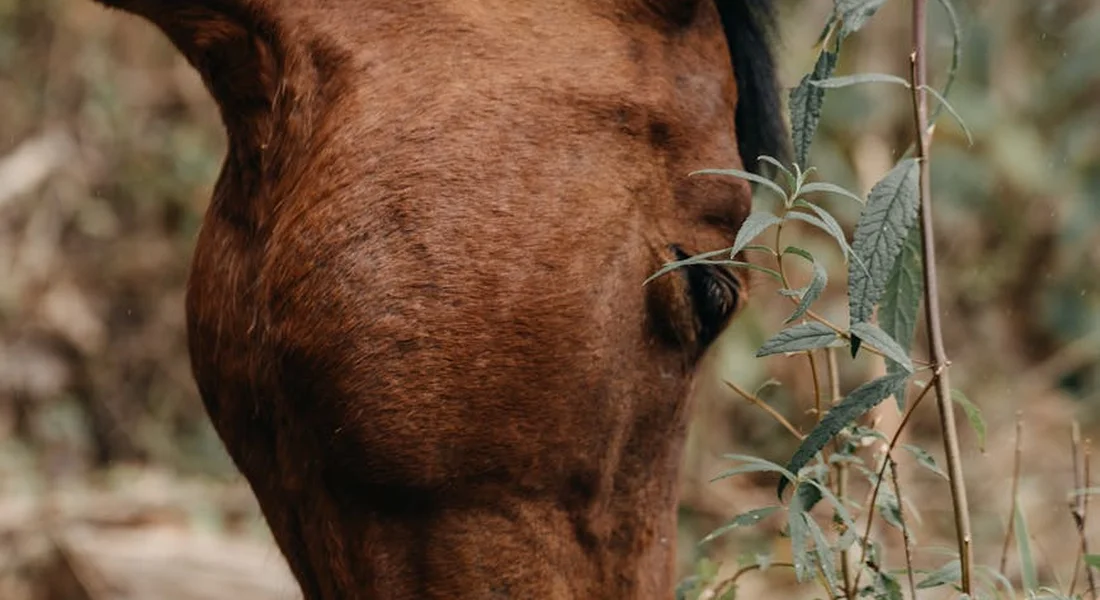
Habit 4: Serve High-Quality, Dust-Free Hay
Think of your horse’s hay as the foundation of their house. If it’s moldy or dusty, that foundation crumbles, irritating airways and creating digestive havoc. I shake out every single flake for my sensitive mare, Luna; the cloud of dust that puffs out is a stark reminder of what could end up in her lungs and gut.
Good hay smells sweet, like a summer field, not musty or like old cardboard. Invest in a hay net with small holes or soak hay for 20-30 minutes to settle dust and reduce sugar content, a game-changer for horses prone to respiratory issues or laminitis.
Habit 5: Ensure Constant Access to Fresh, Clean Water
Water is the oil in the engine. Without it, everything seizes up. A dehydrated horse is a colic waiting to happen. I scrub my water troughs weekly because that slimy biofilm isn’t just gross-it discourages drinking.
Check water sources twice daily, breaking ice in winter and ensuring automatic waterers are actually working. In cold months, offer lukewarm water to encourage intake, and consider adding a safe electrolyte to their feed if they’ve worked hard and sweated.
Habit 6: Feed Small, Frequent Meals Instead of Large Ones
A horse’s stomach is surprisingly small, designed to process a trickle of forage, not a tidal wave of grain. Two giant meals a day put immense strain on that system. I structure feedings around my barn chores to spread out the calories and be gentle on their digestive system.
This mimics natural grazing and keeps gastric acid levels stable. For easy keepers like Rusty, I use slow-feed nets to make his hay last for hours.
Your goal is to have forage moving through the digestive tract for at least 18 hours a day. This constant movement is your best defense against impactions and ulcers.
Habit 7: Be Strategic with Grains and Treats
Grains are concentrated fuel, not a dietary staple for most horses. My rule is to only feed grain if hay alone can’t maintain weight or energy for work. Even then, I split the ration. That question—do horses need grain?—is common, and it ties into the broader myth about the ideal equine diet often debunked in reputable guides.
- Never feed more than 5 pounds of grain in a single meal.
- Always feed hay before grain to slow intake and buffer stomach acid.
- Treats should be tiny, sporadic, and low-sugar. That apple is better cut into eight pieces than fed whole.
A sudden overload of sugars and starches from a well-meaning but massive grain meal or a whole bag of carrots can trigger a painful gas or spasmodic colic. Pipin the pony is a master treat-thief, so I keep all feed rooms meticulously latched.
Proactive Health Monitoring: The Non-Negotiable Checks
Habit 8: Schedule Annual Dental Exams and Floating
Sharp points and uneven wear on teeth turn chewing into a painful chore. A horse that can’t chew properly creates wads of poorly processed hay called “quids,” which are difficult to digest and can lead to blockages. I know it’s time for a check when I see longer stem pieces in Rusty’s manure.
An annual dental float by a certified equine dentist or vet isn’t a luxury; it’s fundamental maintenance for the first step of digestion. Older horses like Pipin may need checks every six months as their teeth wear down. Regular dental floatings keep chewing comfortable and digestion efficient. Ongoing care helps prevent issues before they start.
Habit 9: Implement a Fecal-Based Deworming Program
The old-school method of deworming every horse every two months is obsolete and creates drug-resistant parasites. The modern, smarter approach is a Fecal Egg Count (FEC) test.
- Your vet tests a fresh manure sample to identify parasite types and load.
- You only deworm with the specific medication effective for those parasites.
- Retest to ensure the treatment worked.
This targeted strategy protects your horse’s gut flora from unnecessary chemical bombardment and keeps the dewormers we have effective for longer. A heavy parasite burden can cause weight loss, diarrhea, and even life-threatening blockages.
Habit 10: Maintain Regular Farrier Visits
You might wonder what hooves have to do with colic. It’s all about comfort and movement. A horse with sore feet, like one with long toes or an abscess, will move less. Less movement means a slower, more sluggish gut.
Regular trimming every 5-8 weeks promotes soundness, which encourages the steady walking and grazing that keeps the digestive tract motile. I’ve seen a horse come up slightly colicky simply because foot pain kept him from walking to his water source frequently enough.
Comfort and Digestive Support: Soothing Daily Practices
Beyond food and water, a horse’s mental state and gut motility are deeply connected. A calm routine and direct, soothing care can keep everything moving smoothly.
Habit 11: Incorporate Gentle Abdominal Massage
I started doing this with Luna on vet advice. Her Thoroughbred tension often translated to a tight belly. Just five minutes of gentle, clockwise massage can stimulate circulation and relax the abdominal muscles, encouraging gut movement.
Wait until your horse is calm and resting in the stall or cross-ties. Use the flat of your hand and follow the path of the large intestine: start near the flank, move up toward the last rib, across behind the ribs, and down toward the groin. The pressure should be firm but never deep; think of the weight you’d use to smooth a wrinkled blanket, not to knead bread dough.
Watch their reaction. A soft eye, lowered head, or a sigh means you’ve hit the right spot. If they tense, pin their ears, or swish their tail aggressively, stop. This is a bonding exercise, not a wrestling match. I skip it entirely if any horse seems gassy or visibly uncomfortable.
Habit 12: Evaluate Supplements and Probiotics with Your Vet
The supplement aisle is overwhelming. A probiotic for Rusty? A joint support for Pipin? The truth is, a balanced diet from good forage often needs little enhancement. Always, always review any supplement regimen with your veterinarian at least once a year-they can see potential overlaps or conflicts you might miss.
Probiotics can be useful during stress, antibiotic use, or for older horses with less robust gut flora, but they are not a magic shield. Your vet can recommend a quality, research-backed product. For easy keepers like Pipin, adding unnecessary calories in a supplement pellet can do more harm than good.
Ask your vet these specific questions:
- Does my horse’s current diet and workload create a documented deficiency this addresses?
- Is there published research on this specific product’s efficacy for horses?
- What is the optimal duration for use, and how will we know if it’s working?
Your Daily Colic Prevention Checklist
Print this, stick it on the feed room wall, and make it your barn bible. Consistency is your most powerful tool.
| Task | Frequency | Key Notes |
|---|---|---|
| Provide fresh, clean water | Morning & Evening (Check midday) | Scrub tanks weekly. Check heaters/auto-waterers daily. |
| Feed consistent, quality forage | As per schedule (2+ times daily) | Weigh hay. Never feed moldy or dusty hay. |
| Monitor manure output | Each stall cleaning | Note changes in consistency, volume, or presence of worms. |
| Ensure regular, daily turnout | Daily, preferably 24/7 | Movement is non-negotiable for gut health. |
| Implement gradual feed changes | Over 7-14 days | This includes new hay batch, grain type, or pasture. |
| Maintain a consistent deworming schedule | Per vet FEC-based plan | Do not over-deworm. Use fecal egg counts. |
| Schedule regular dental checks | Every 6-12 months | Poor chewing leads to poor digestion. |
| Minimize stall stress | Constant | Provide forage, a calm neighbor, and visual access. |
| Keep feed rooms secure | Constant | Prevent gorging on grain or supplements. |
| Observe water intake in winter | Daily | Offer warm water, soak hay, provide salt. |
| Practice gentle abdominal massage | 3-5 times weekly, as tolerated | Only when horse is relaxed and comfortable. |
| Review supplements with vet | Annually or with any diet change | More is not better. Target specific, vet-confirmed needs. |
This list isn’t about paranoia; it’s about building a rhythm of care that becomes as automatic as putting on your boots. The day you skip checking the water because you’re in a hurry is the day a float valve sticks. The peace of mind you gain from this routine lets you enjoy the good parts-the quiet nickers, the smell of rain on dust, the sound of contented chewing.
FAQ: The Comprehensive Colic Prevention Checklist
How can I identify if a specific grain or supplement is an irritant for my horse?
Monitor your horse closely for subtle changes in manure consistency, energy levels, or behavior after introducing any new feed component. When transitioning between feeds, do so gradually to give the digestive system time to adjust. A slow, planned transition helps reduce the risk of upset and makes it easier to identify reactions. Eliminate the suspected irritant for a period and then reintroduce it to see if symptoms recur. Always consult your veterinarian to rule out other issues and for guidance on conducting a proper elimination diet.
What does a “paced feeding method” look like for a horse prone to eating too fast?
It involves using slow-feed hay nets with small openings to dramatically extend chewing time and mimic natural grazing. For grain, spread it out in a flat pan or use a specially designed slow-feeder bucket to prevent rapid ingestion. This paced approach allows for proper salivation and reduces the risk of choke and digestive upset.
Why is keeping a detailed daily log more valuable than just following the checklist?
A detailed log helps you spot patterns and subtle correlations between management changes and your horse’s well-being that a simple checklist might miss. It provides concrete data for your veterinarian, which is invaluable during a health crisis or routine consultation. This record can reveal specific triggers, like changes in weather or hay batch, that uniquely affect your individual horse.
Your Stable’s First Line of Defense
Preventing colic is about consistent, mindful daily care focused on your horse’s digestion and routine. Your most powerful daily habit is simply observing your horse at rest and checking that water trough, because catching a subtle change early changes everything.
Trust the quiet routine of good horsemanship-it builds a foundation of health. Your horse’s behavior is his most honest report card, so make a habit of reading it every single day. Understanding horse behavior and psychology is key to providing the best care and building a strong bond.
Further Reading & Sources
- Colic: How to soothe your baby, calm your nerves-Colic – Diagnosis & treatment – Mayo Clinic
- Colic Relief Tips for Parents – HealthyChildren.org
- Colic Treatment & Management: Medical Care, Diet, Prevention
- Colic Prevention
At Horse and Hay, we are passionate about providing expert guidance on all aspects of horse care, from nutrition to wellness. Our team of equine specialists and veterinarians offer trusted advice on the best foods, supplements, and practices to keep your horse healthy and thriving. Whether you're a seasoned rider or new to equine care, we provide valuable insights into feeding, grooming, and overall well-being to ensure your horse lives its happiest, healthiest life.
Health