
Practical Bonding Activities to Deepen Your Connection with Your Horse
Hello fellow equestrians. Does it sometimes feel like you’re just another item on your horse’s daily checklist, or that minor spooks and stubbornness are chipping away at your patience? That disconnect is a common barnyard frustration, and it’s often a sign that your partnership needs intentional, gentle reinforcement.
Let’s fix that. I’ll share the most effective, welfare-focused methods to build trust from the ground up, covering mindful grooming that turns care into conversation, groundwork games that foster willing teamwork, and shared quiet time that reduces pressure and builds mutual curiosity.
This advice comes from years of barn management and training, where I’ve seen these simple activities transform partnerships with everything from reliable trail horses to sensitive thoroughbreds.
The Foundation: Why Bonding Matters
-
Think of bonding as the silent language between you and your horse, built on trust instead of treats or force. This foundation makes every interaction, from haltering in a muddy field to a spook on the trail, safer and more fluid. A horse that trusts you will listen to your calm voice over the rustle in the bushes, turning a potential bolt into a moment of connection. It transforms routine care from a chore into a conversation, and riding from a directive into a partnership. Building this trust takes time, patience, and understanding.
-
For your horse, a strong bond is emotional security. It reduces the low-grade stress of existing in a human world and increases their overall calmness. You’ll see it in their lowered head, soft eyes, and the slow, deep sighs they give when you scratch their favorite spot. This sense of safety is a cornerstone of equine welfare, giving them a reliable anchor in their daily life and forming the foundation of a strong bond between a horse and its owner.
-
I learned this deeply with Pipin, our Shetland escape artist. His cheeky gate-unlatching antics were a cry for engagement, not just mischief. Through consistent, patient sessions just hanging out in his paddock, I became more interesting than the lure of the feed room. The day he chose to walk beside me back to his stall, instead of plotting his great escape, was a quieter victory than any ribbon.
Start Simple: Bonding Through Daily Care
The Art of Grooming
-
Turn grooming into a mindful ritual. Start with a rubber curry in deep, circular motions to loosen dirt and stimulate circulation, following the lay of the hair. Use long, sweeping strokes with a dandy brush for the legs and a softer body brush for the torso. Always finish by running your hands over every inch of their body; your fingertips will find lumps or heat long before your eyes do.
-
Engage all your senses. Listen for the contented groan when you hit that itchy wither, smell the clean scent of horse and leather, and feel the rhythm of their breathing under your hands. This focused attention tells your horse they are the center of your world for those twenty minutes. That shared quiet is where deep connection grows, far from the arena’s pressure.
-
Match your tools to their coat. For a fine-coated Thoroughbred like Luna, I use softer brushes to avoid sensitivity. For Rusty’s sturdy Quarter Horse build, a firmer curry gets through his thicker hair. A simple comb for mane and tail, a clean hoof pick, and a soft cloth for the face are all you need. Grooming needs vary by coat type and breed, so tools and techniques should match. Knowing your horse’s coat type helps tailor the routine to protect skin and shine. This routine is your first health check, catching everything from a hidden tick to a fresh scrape.
Handling with Heart
-
Gentle handling starts with mindset. During feeding, be the bearer of peace, not chaos-move slowly and speak softly. When cleaning a stall, your calm presence while they eat nearby builds positive association. Turnout should be a joyful release, not a frantic chase; walk out together patiently, then unfasten the lead with a kind word.
-
Your body language is your primary tool. Approach from the shoulder, not head-on, and avoid direct, sustained eye contact which can feel threatening to a prey animal. Soften your own posture and breathe deeply to project calmness. Patience isn’t passive; it’s an active communication of safety that your horse will mirror back to you.
-
For leading and tying, use pressure-and-release. Ask for movement with light lead rope pressure, and release instantly when they step forward. When tying, use a quick-release knot and a safety string breakaway. Never tie a horse higher than the withers or shorter than allowing full head movement. Teaching them to stand quietly tied is a ultimate test of trust, built one uneventful minute at a time. Additionally, a safe, step-by-step guide on tying a horse is available for reference. Following the safely tie horse step-by-step guide will give you a clear, practical walkthrough.
The Power of Routine
-
Horses are creatures of habit, and a consistent daily routine is a love language they understand. Predictable feeding, turnout, and care schedules eliminate anxiety about the basics. When your horse knows what to expect, their mental energy is freed for learning and bonding, not worrying about when dinner is coming. Understanding common fears and skittish behaviors helps you tailor care to manage anxiety. With calm handling and gradual exposure, you can turn worry into confident learning.
-
Weave micro-moments of connection into every stable visit. It’s the extra scratch on the neck after putting on a halter, the moment spent letting them sniff your glove before you pick a hoof, or just leaning on the stall door for a quiet chat. These small, positive interactions compound into immense trust, reinforcing that your presence always means good things.
Communicate on the Ground: Groundwork for Trust
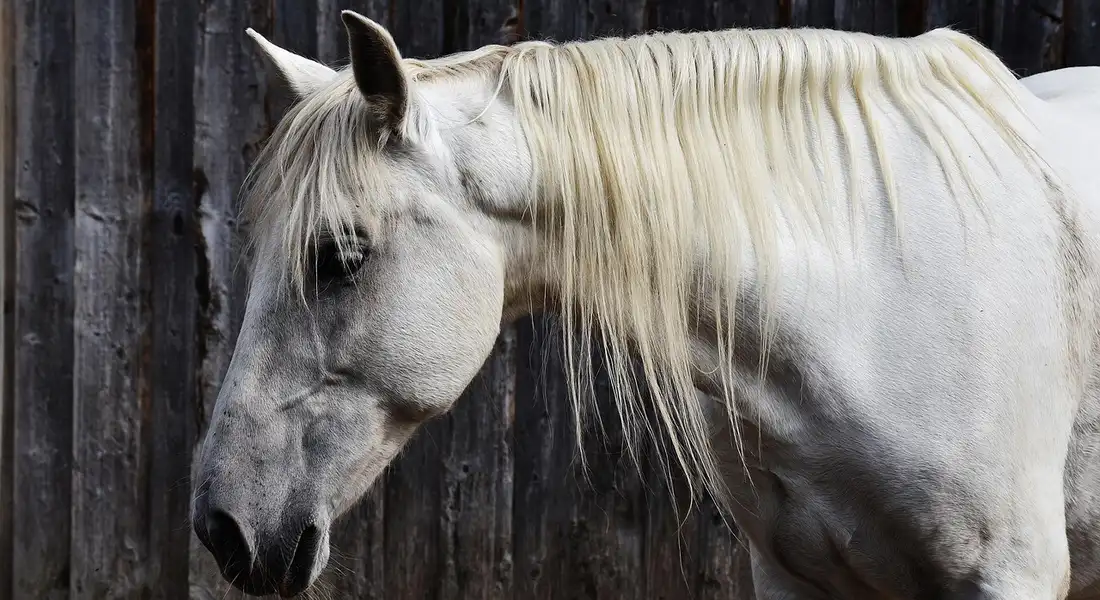
True partnership is built from the dirt up, long before you ever put a foot in the stirrup. The conversations you have on the ground set the tone for everything else. I’ve found that the quietest horses and the most spirited ones both blossom with consistent, clear groundwork. It’s how you learn each other’s language.
Leading with Confidence
Polite leading isn’t just about getting from point A to B. It’s a continuous dialogue. The goal is a horse who walks beside you with slack in the rope, attentive to your pace and direction. Start in a familiar, quiet space like your barn aisle.
- Stand at your horse’s shoulder, facing forward. Hold the lead rope about a foot from the clip in your hand closest to them.
- Give a clear verbal cue like “walk on” and step off with energy. A cluck can help. Don’t look at them-look where you’re going.
- If they lag, a gentle wiggle of the rope can encourage them forward. If they surge ahead, plant your feet, say “whoa,” and ask them to step back into position.
- The instant they are walking politely beside you with a soft rope, praise them verbally. A treat here can create a powerful positive association.
To build focus, turn a simple walk into a game. Weave through traffic cones, walk over a single pole on the ground, or practice halting at specific markers. My old reliable Rusty loves this; it makes a simple chore engaging for his intelligent mind.
Desensitization Drills
This isn’t about forcing your horse to endure scary things. It’s about introducing novelty slowly and showing them, through patience, that the world isn’t out to get them. The key is to start at a distance or intensity where your horse is curious, not panicked. This is where calm, assertive leadership for your anxious horse comes into play. By staying calm and assertive, you guide them through gradual exposure without pressure.
- Noises: Start with rustling a plastic bag softly at a distance while they eat. Gradually bring it closer as they stay calm.
- Tarps & Flags: Let them sniff a stationary tarp. Then drag it gently far away. Progress to walking over a tarp laid flat on the ground.
- Grooming Tools: Introduce new tools like a soft sweat scraper or vacuum hose by letting them investigate, then gently touching their neck before moving to their body.
I learned the power of patience with Luna, my sensitive Thoroughbred, and a flapping tarp. One windy day, it sent her skyward. Instead of putting it away, I folded it, let her sniff it, and simply laid it over a rail. For a week, we just walked past it. Then I petted her with it. Within two weeks, she was calmly walking over it. The victory wasn’t in dominating her fear, but in dissolving it together.
Basic Obstacle Training
This is where you become a team, solving simple puzzles together. You don’t need fancy equipment. A few poles, some cones, and a bit of creativity are all it takes.
Set up two poles parallel on the ground and walk straight through them. Later, arrange them in an L-shape or a small box to navigate. Guide your horse with your body and voice. The goal isn’t speed or precision, but mutual attention.
This cooperative problem-solving builds a bank of trust you can draw on later under saddle. It teaches your horse to look to you for guidance when confronted with something new. Pipin, my cheeky Shetland, views obstacle courses as the best game ever, especially when there’s a carrot waiting at the “finish line.”
Beyond the Lead Rope: Liberty and Play
When you remove the physical connection of a rope, you discover what your relationship is truly made of. Liberty work and play are the purest forms of bonding, rooted in choice and mutual enjoyment. It’s an invitation, not a command.
Introduction to Liberty Work
Start in a secure, enclosed space like a round pen or small arena. The principle is simple: use your own body language to communicate. Your energy invites movement; your relaxation invites connection.
- Yielding Hindquarters: Stand at your horse’s shoulder. Look at their hip and step toward it with energy. The goal is for them to step their hind end away, crossing one leg over the other. This teaches them to move their feet from your subtle pressure.
- Following at Liberty: Walk around the space with purpose. Change direction, stop, and start. Reward your horse with a scratch when they choose to follow and mirror your pace. If they walk away, use your energy to gently ask them to move their feet, then re-invite them to join you.
The magic moment is when they turn, soften their eye, and walk to you voluntarily. That’s trust you can’t buy with treats.
Fun with Games and Toys
Horses are curious and playful. Engaging that side builds a joyful bond. Think of it as recess for both of you.
A large, sturdy exercise ball is a fantastic tool. Some horses love to push it with their noses. You can gently roll it toward them and encourage them to touch it. Treat-dispensing toys, like a slow-feeder ball with a few handfuls of pellets, make them think and work for their reward.
Always supervise play with toys and choose items too large to be a choking hazard, made of durable, non-toxic materials. Keep sessions short-five to ten minutes of engaged play is far better than a long, frustrating one. Watch their mood; if they get frustrated or over-excited, end on a positive note and try again later.
Hand Grazing and Quiet Time
Never underestimate the bonding power of simply doing nothing together. Our lives are full of asking them for things. Sometimes, the greatest gift is to ask for nothing at all.
Find a safe patch of grass and let your horse graze on a loose lead. Stand quietly, feel the rhythm of their grazing, and watch the world go by. Or, on a rainy afternoon, just sit on a bucket in their stall while they doze. Breathe with them. These quiet moments help create a safe, enriching environment for your horse. Regular, calm interactions like this build trust and well-being.
This unstructured time allows your horse to be a horse in your presence, which is the ultimate compliment. It reduces their guard and teaches them that your company can mean peace, not just work. It’s in these quiet moments that you often feel the deepest connection-the soft nuzzle, the contented sigh, the simple comfort of shared space.
Under Saddle: Bonding Through Riding
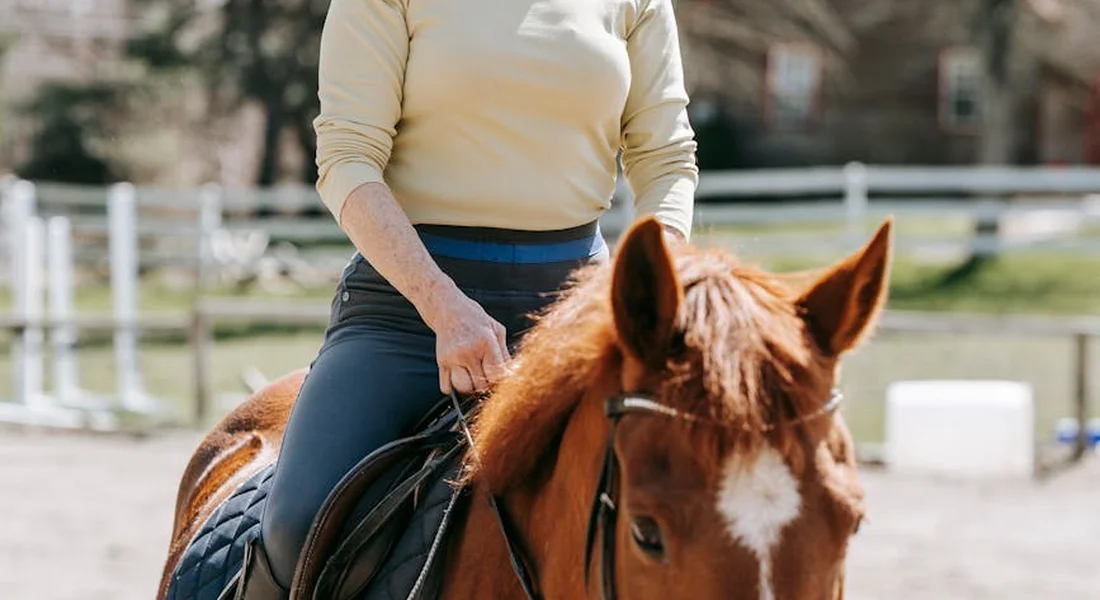
Building a Partnership in the Saddle
Riding isn’t just about steering; it’s a conversation where your body talks and your horse listens. When you ride with soft, following hands and clear, quiet aids, you stop fighting and start dancing. You learn the rhythm of their stride, and they learn to trust your signals. This synchronization turns work into partnership.
For a sensitive soul like my thoroughbred Luna, a calm, patient ride does more for our bond than any intense drill session ever could. Asking for a soft halt, a relaxed trot transition, or a gentle bend and then rewarding with a loose rein builds immense trust. The goal is to finish a ride feeling more connected than when you started, which means prioritizing patience over perfection every single time.
Trail Riding for Trust
There’s no better trust-builder than heading down a new trail together. You become a team facing unfamiliar sights-a flapping tarp, a curious deer, that puddle Rusty despises. Exploring new environments forces you to rely on each other, building a shared bank of confidence with every mile.
Safe trail outings start long before the trailer leaves the barn. Check all tack thoroughly, especially cinches and stitching. On the trail, become a student of your horse’s body language. The pricked ears, the slight hesitation, the snort-they’re all words. Reading this language and responding with calm reassurance is the fastest way to tell your horse, “I’ve got you,” and that is the foundation of an unbreakable bond.
Tack Acclimation and Care
Introducing new tack should be a slow, positive process, not a battle. Let your horse see and sniff the new saddle pad or bridle. Place it gently on their back without cinching, offering a treat. I spend days just laying a girth over Pipin’s back while he eats his hay, making the association purely positive.
Involve your horse in tack care to deepen the connection. While you’re cleaning your bridle, let them stand with you, perhaps enjoying a slow feed net. Run your hands over the cleaned leather before putting it on them, checking for wear together. This ritual of care transforms tack from mere equipment into a symbol of your shared preparation and respect.
Special Moments: Low-Pressure Activities
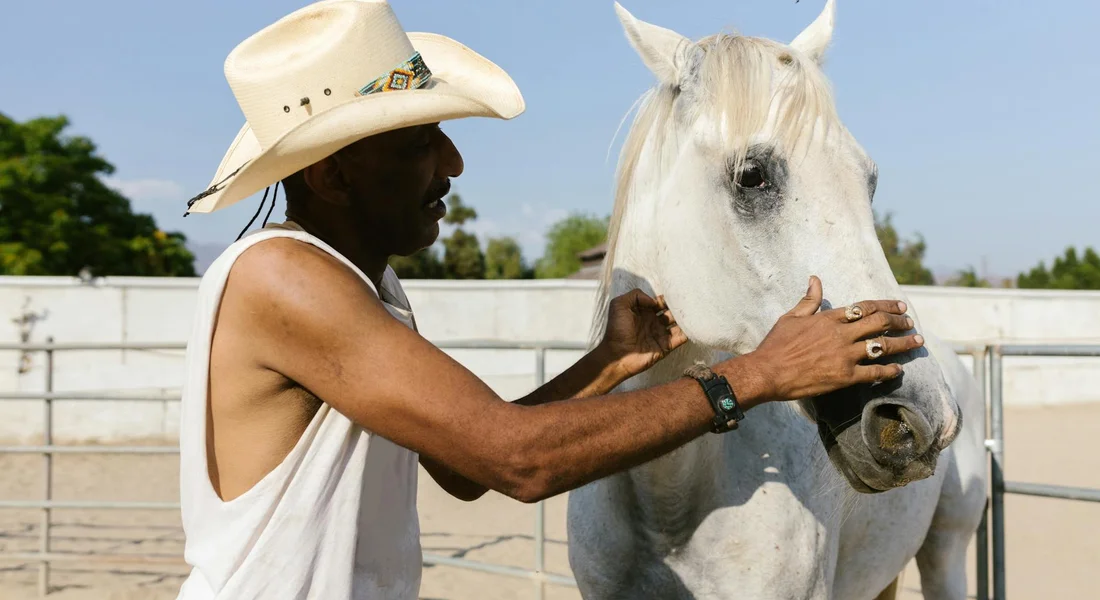
Treats and Positive Reinforcement
Treats are powerful bonding tools when used with intention, not just as bribes. The key is to reward a specific, calm behavior you’ve asked for, like standing still for hoof picking or lowering the head for haltering. This teaches your horse that cooperation is rewarding.
Safe treat options include:
- Commercial horse treats
- Chopped apples or carrots (to avoid choking)
- Handfuls of their regular grain
The timing matters most. Offer the treat just after the desired action, not while they’re mugging your pockets. By rewarding the try, you build a horse that thinks with you, not one that just searches your hands.
Turnout Time Together
Some of my most cherished moments come from simply leaning on the fence, watching the herd. Seeing Luna fling herself into a joyful buck-and-kick or Rusty peacefully dozing in the sun connects you to their true nature. If it’s safe, sitting quietly in a paddock lets them choose to approach and investigate you.
This isn’t just sentiment-it’s critical welfare. Ample turnout is the greatest gift for a horse’s mental and physical health. A horse with time to just be a horse is a happier, more relaxed partner, and that contentment is the fertile ground where a real bond grows.
Stall Exercises and Massage
On rainy days or for older horses, quiet stall bonding through touch is profound. Start with simple massages along the neck, withers, and back, using firm, flat-handed strokes. Watch for their lip to twitch or head to lower-signs of release.
Gentle stretches can also build trust. Practice asking for a carrot stretch toward the hip or a simple front leg lift, holding for only a second before releasing. The goal is relaxation, not flexibility. This mindful touch communicates care in a language deeper than words, soothing muscles and solidifying your role as a source of comfort.
Frequently Asked Questions About Horse Bonding Activities
How soon after getting a new horse should I start bonding activities?
You can and should begin gentle bonding activities immediately, focusing on observation and low-pressure interaction. Start with quiet presence, basic grooming, and establishing a reliable care routine to build a foundation of safety. Structured groundwork and play should be introduced slowly as you learn their personality and trust level.
What if my horse doesn’t seem interested in play or liberty work?
Respect their individual personality; not all horses express bonding through overt play. Focus on deepening the activities they do enjoy, such as extended hand-grazing or detailed, mindful grooming sessions. Grooming touch, used with calm, attentive hands, can deepen your connection with your horse. These quiet grooming moments often reveal how much trust has grown between you. The goal is mutual comfort, so find the “quiet time” activities where they show signs of relaxation and engagement with you.
Can bonding activities replace proper exercise for my horse?
No, bonding activities are a crucial supplement to, but not a replacement for, adequate physical exercise and turnout. Mental and emotional connection enhances their overall well-being and makes structured exercise safer and more cooperative. A balanced approach that includes both dedicated bonding time and sufficient physical movement is key to a happy, healthy partner.
Lessons from the Round Pen
From hand-grazing Pipin to practicing liberty work with Luna, the best bonding mixes daily, pressure-free interactions with your horse’s favorite things. The foundation is always time-consistent, quiet time where you are a safe harbor, not a taskmaster.
This journey asks for patience and a keen eye for your horse’s comfort and signals. True partnership blooms when you heed the feedback in a soft eye or a relaxed sigh more than any preset goal.
Further Reading & Sources
- Equestrian Spirit – 17 Easy Exercises to Develop a Bond With Your Horse
- Simple Ways to Strengthen the Human-Horse Bond – Horse and Rider
- Bonding Exercises for Horse Owners
- Groundwork Exercises To Improve Your Relationship With Your Horse – Asset Publisher
At Horse and Hay, we are passionate about providing expert guidance on all aspects of horse care, from nutrition to wellness. Our team of equine specialists and veterinarians offer trusted advice on the best foods, supplements, and practices to keep your horse healthy and thriving. Whether you're a seasoned rider or new to equine care, we provide valuable insights into feeding, grooming, and overall well-being to ensure your horse lives its happiest, healthiest life.
Exercise