
Understanding Horse Coat Colors: A Guide to Green, Bay, and Sorrel
Published on: February 3, 2026 | Last Updated: February 3, 2026
Written By: Henry Wellington
Hello fellow equestrians, have you ever hesitated when describing your horse’s color or felt a flicker of doubt when someone calls a horse ‘green’? Mixing up these terms is more common than you think and can lead to tangles in veterinary paperwork, sales ads, and even daily barn chatter.
Let’s saddle up and sort it out. I’ll walk you through a clear breakdown so you can identify these colors with confidence. We’ll cover:
- Why “green” isn’t a color you see, but a crucial term for training and safety.
- The specific combo of black points and a red body that makes a true bay.
- How to spot a sorrel and why it’s often confused with chestnut.
After years of barn management and training horses like my own sorrel Quarter Horse, Rusty, I’ve learned that precise color talk is a small but mighty tool for clear communication and care.
Untangling the Terms: What “Green,” Bay, and Sorrel Really Mean
Let’s start with the word that tricks everyone: “green.” In the stable, this has nothing to do with color. A green horse is an inexperienced one, still learning the ropes, much like my young Thoroughbred Luna was when she first arrived-all energy and no focus. We build their confidence with gentle, patient training, which is why turnout time for mental grazing is so vital.
Bay and sorrel, however, are all about pigment. Bay describes a specific combination of a red or brown body with black points, while sorrel refers to a solid reddish coat without that black trimming. My good trail horse Rusty is a classic sorrel, his coat like a bright penny in the sun.
Use this quick list to keep them straight:
- Bay Horse: Reddish-brown body, black mane, black tail, black lower legs.
- Sorrel Horse: Red or copper body, mane and tail are the same color or lighter (like flaxen).
- Green Horse: A training term. It means a novice, untried horse.
Regional lingo adds a twist. Some breed registries and old-timers use “sorrel” and “chestnut” interchangeably for red horses. Focus on the physical clues over the name itself, and you’ll never be wrong at the breed show or the back pasture.
The Bay Horse: More Than Just Brown
Imagine the scent of oiled leather and the sight of a horse gleaming in the late afternoon light. A true bay is a masterpiece of contrast. Their body shines in shades of copper or mahogany, perfectly set off by a mane and tail as dark as a moonless night. This isn’t just brown; it’s a dynamic color built for elegance.
You can identify a bay in three simple steps. I use this method whenever a new horse arrives at the barn.
- Examine the body color. Look for reddish or brown tones, not gray, dun, or pure black.
- Investigate the points. The mane, tail, and lower legs must be distinctly black.
- Check the leg definition. The black should consistently cover the legs from the hoof up to at least the fetlock, often to the knee or hock.
Spotting a Bay: The Black Points Rule
The black points are your non-negotiable clue. Look for that crisp line where the body color ends and the black sock begins, a sharp border you can see and feel. I once spent a week convinced a new boarder was a black horse until I groomed him on a sunny day; the rich red undertones on his neck and flank revealed a stunning dark bay. Always inspect in full light to be sure.
Common Shades of Bay: From Blood Bay to Dark Bay
All bays share the black-point rule, but their body color dances across a spectrum. Recognizing these shades makes you a more observant horseman and helps you note subtle changes in coat health. Understanding how horses see colors and light can change how you observe these tones. Their color world differs from ours and affects how coat shades register. Here are the ones you’ll commonly meet:
- Blood Bay: A vibrant, red-hot color. It reminds me of a ripe cherry or fresh brick.
- Copper Bay: The classic middle ground, a warm reddish-brown like a well-worn saddle.
- Dark Bay: So deep it’s nearly black, but sunlight will reveal lowlights of brown or red, usually around the flanks or muzzle.
Genetics paint these variations, but you don’t need a lab coat to appreciate them. Each shade has its own personality in the pasture, and I’ve found most bays to be wonderfully steady partners.
The Simple Genetics Behind Bay Coats
The bay color is a brilliant example of simple genetics. It’s controlled by the Agouti gene, which acts like a meticulous director telling black pigment where it can and cannot go. This gene restricts the black to the points-the mane, tail, and legs-allowing the red or brown base color to shine everywhere else. Think of it as nature’s way of creating a perfect, contrasting uniform.
The Sorrel Horse: A Classic Red Coat
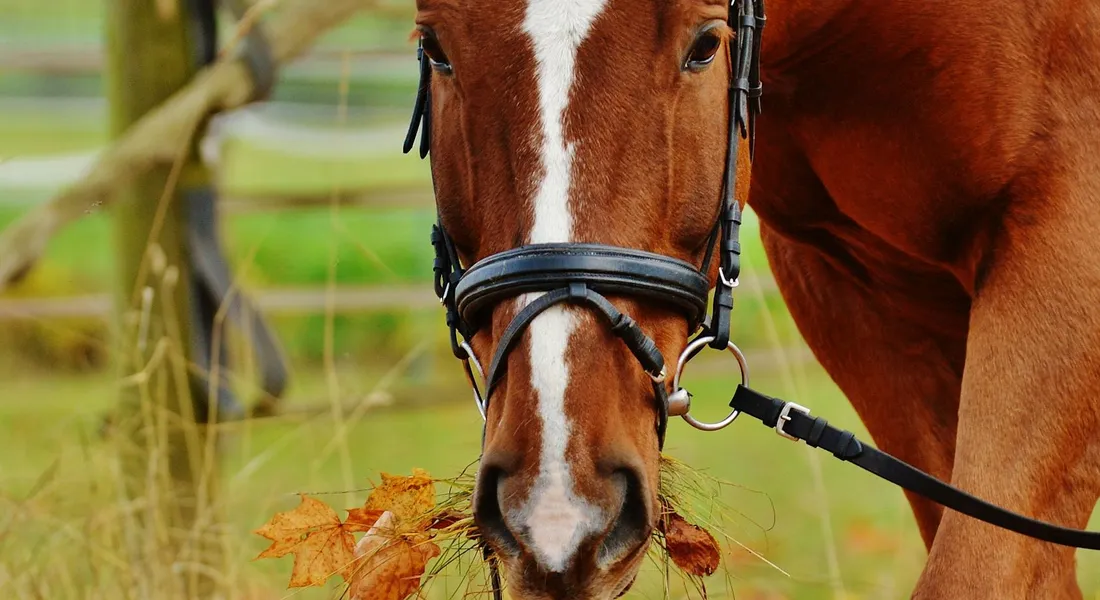
Picture the late afternoon sun hitting a horse’s back, setting a copper coat on fire. That’s the sorrel. This color is a uniform, reddish hue with a mane and tail in the same shade, often called chestnut in other disciplines. I see it every day with my Quarter Horse, Rusty; his sorrel coat and blaze look like polished mahogany. Warmth is the key-think ginger, penny, or autumn leaves. Breeds like the Quarter Horse and some stock horse registries prefer “sorrel,” while many English breeds say “chestnut,” but they’re describing the same beautiful red factor.
Identifying a True Sorrel
Don’t get tricked by similar shades. Use this checklist to confirm you’re looking at a real sorrel:
- A uniformly red body, from light copper to deep, rich red.
- No black points on the legs, mane, or tail-just variations of red.
- Mane and tail are typically the same color or lighter than the body.
- Skin is usually dark, but the coat itself lacks any black hair infusion.
Compare this to a liver chestnut, which is a very dark, chocolatey red. A sorrel will never have the dusky, near-black appearance of a liver chestnut; the red tones are always clear and warm. I’ve watched new riders mix them up, but a side-by-side look in the grooming stall makes the difference obvious.
Sorrel vs. Chestnut: A Matter of Terminology
The difference is in the dictionary, not the DNA. It’s mostly about tradition and breed culture. This table clears up the confusion:
| Term | Common Usage | Example Breeds |
|---|---|---|
| Sorrel | Preferred term for a red coat with light mane/tail. | American Quarter Horse, Pinto, Appaloosa |
| Chestnut | Broad term for all red-based coats. | Thoroughbred, Arabian, Warmbloods |
| Red Chestnut | Specific term for a lighter, brighter red coat. | Used across many breed registries |
| Liver Chestnut | Specific term for a very dark, brownish-red coat. | Used across many breed registries |
If you’re filling out registration papers, the breed association’s word is law, but in the pasture, we’re all just admiring a gorgeous red horse.
Genetics of Sorrel: The Red Factor
Every sorrel coat tells a simple genetic story. It’s caused by a recessive gene (often called the “red factor” or “e” allele) that prevents the production of black pigment. For a horse to be sorrel, it must have two copies of this recessive gene (homozygous “ee”), meaning it can only pass on red to its offspring. I’ve bred my share of mares, and when two sorrels like Rusty are paired, you can bet the farm the foal will be some shade of red. It’s one of the most predictable outcomes in equine color genetics. The variation in shade—from pale gold to deep burgundy—is influenced by other modifier genes, but that core “no black allowed” rule always holds true. This is just one genetic consideration in horse breeding that can help manage expectations and outcomes.
The Myth of “Green” Coats: Setting the Record Straight
Here’s a classic barn yard mix-up that makes every seasoned horse person smile. A hopeful new owner once called me, asking if we had any “green” horses for sale. She was quite specific, wanting a “pretty, moss-colored one.” After a gentle chuckle, I explained the truth. In equestrian terms, “green” means a horse that is young, inexperienced, or untrained, not a descriptor for coat color. It comes from the idea of being “green” or new to the job, like a greenhorn. My cheeky pony Pipin was brilliantly green in this sense when he first arrived, figuring out stall latches before he figured out lunging. On very rare occasions, a dusty, dull bay in certain lights might have a faint olive cast, but that’s a trick of the eye, not a registered color. You’ll never find “green” on a vet papers or pedigree form.
Coat Color Genetics Made Simple
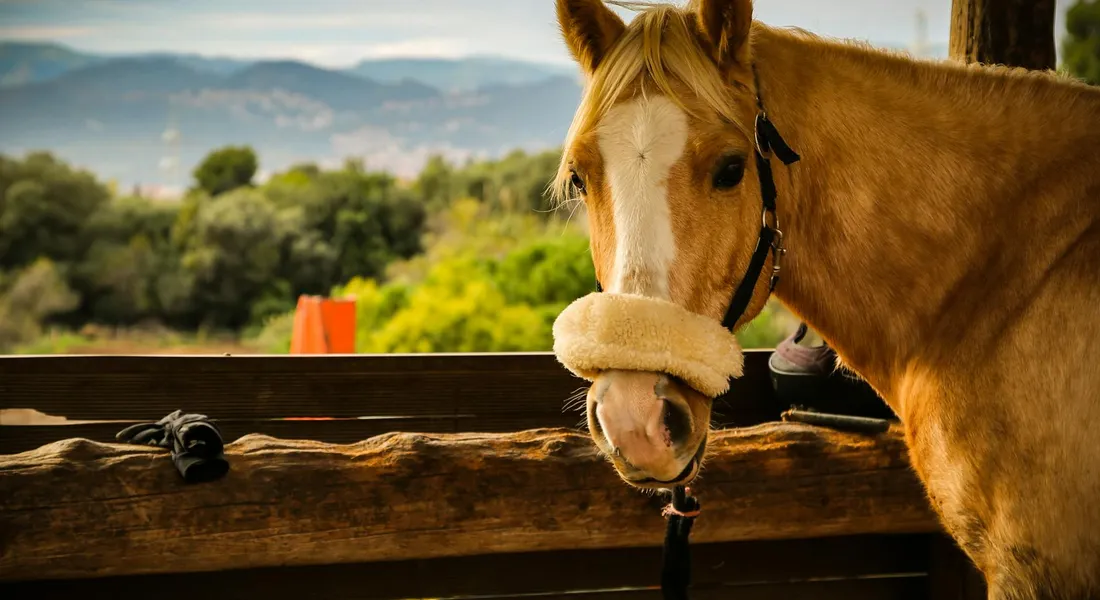
Think of horse coat colors like a simple painting project. All those stunning shades start from just two types of pigment in the hair. Eumelanin makes black hair, and pheomelanin makes red hair. These two pigments are the only building blocks your horse’s body uses to create every color you see in the pasture. Genetics decide where and how much of each pigment gets used, which is why a foal’s color can sometimes surprise you. Color isn’t the whole story—patterns on the coat add another layer of variety. Curious about whether there are different horse coat color patterns? That topic will be explored next.
The Two Pigments: Building Blocks of Color
Imagine eumelanin as a pot of black paint and pheomelanin as a pot of red paint. A horse’s base color depends on where these “paints” are applied.
- Bay: The black paint (eumelanin) goes on the points-mane, tail, and lower legs. The red paint (pheomelanin) covers the body. This gives you that classic reddish-brown with black points.
- Black: Here, the black paint covers almost everything. A true black horse has black hair across its body, though sun exposure can sometimes bleach it to a rusty brown.
- Chestnut/Sorrel: This is the red paint show. Only pheomelanin is present, creating all shades from light sorrel to dark liver chestnut. The terms are often used interchangeably, though ‘sorrel’ typically describes a lighter, redder shade common in Quarter Horses like my guy, Rusty.
How Genes Modify Color: Dilutions and Patterns
Once you have a base color, other genes can tweak it. These modifiers act like filters or stencils over the base paint.
Dilution genes lighten the original pigment. For example:
- A bay horse with one cream dilution gene becomes a buckskin (golden body with black points).
- A chestnut/sorrel horse with the same gene becomes a palomino (creamy gold with a white mane and tail).
Pattern genes add white or change hair distribution. Common ones include:
- Gray: This gene causes horses to be born colored but progressively add white hairs until they turn white, like my Thoroughbred, Luna.
- Roan: A mix of white and colored hairs throughout the body, creating a frosty look.
Why Coat Colors Change with Age and Season
That bright sorrel coat in spring might look dull and bleached by late summer. This is normal. Sunlight breaks down the red pheomelanin pigment, especially in lighter coats. Gray horses are the ultimate changelings, born dark and slowly lightening over years until they are often pure white. Seasonal shedding also brings in a new, often richer coat. To maintain vibrant color, regular grooming is key. A balanced diet rich in omega-3s supports healthy hair, and using a UV-protectant fly sheet can minimize sun bleaching for your redheads.
Practical Care: Does Coat Color Matter?
In my years of mucking stalls and fitting saddles, I’ve learned color is the last thing to worry about for health. A horse’s heart isn’t a shade of bay or sorrel. Focus on the individual horse in front of you-their metabolism, their skin sensitivity, their personality-not the color of their hair. Physical traits like conformation and hoof health can subtly influence lifespan. Understanding these traits helps tailor long-term care. Welfare always comes first. That said, a few color-linked traits can inform your care routine in minor, practical ways.
Sun Sensitivity and Light-Coated Horses
Horses with pink skin under their hair are more prone to sunburn. This often includes light sorrels, grays, and pintos. I always keep a bottle of equine sunscreen in my tack box for noses and any pink areas. A well-fitted, breathable fly sheet with UV protection is one of the best investments for a fair-skinned horse, acting like a consistent layer of shade. It’s a simple act of gentle horsemanship that prevents painful burns during long turnout days.
Grooming for a Healthy Shine
A glossy coat signals good health. You can enhance the rich mahogany of a bay or the coppery glow of a sorrel with consistent care. Follow these steps:
- Feed for shine: Ensure their diet includes quality fats, like from a cup of flaxseed or a balanced oil supplement. Good hay is the foundation.
- Groom from the skin out: Use a rubber curry comb in circles to loosen dirt and stimulate natural oils. That oil is what gives the coat its deep luster.
- Polish with purpose: Follow with a stiff brush to flick away debris, then a soft brush for final polish. The rhythm is calming-the soft whisk of brushes, the smell of clean leather nearby, the contented thud of a hoof as your horse relaxes.
Regular bathing with a color-enhancing shampoo can help, but nothing beats the shine from within that comes from excellent nutrition and robust health.
Beyond Color: Prioritizing Individual Needs
Turnout time, proper feed, and gentle handling will always matter more than coat color. In my barn, care plans are based on personality, not pigment. Rusty, my sorrel Quarter Horse, needs joint support and patience with puddles. Luna, the dapple grey, requires a careful warm-up for her sensitive mind. Pipin, the black Shetland, needs a secure latch on his stall and plenty of mental stimulation. Their color didn’t write the care schedule; their individual needs did. Spend your energy on understanding what makes your horse tick, and the beauty of their coat will be a happy bonus. Grooming needs vary by breed and coat type, so the right brush and routine keeps each horse comfortable year-round. Knowing a horse’s coat type—short, dense, or feathered—helps tailor washing, brushing, and any clipping you plan.
Beyond Bay and Sorrel: A Quick Look at Other Common Colors
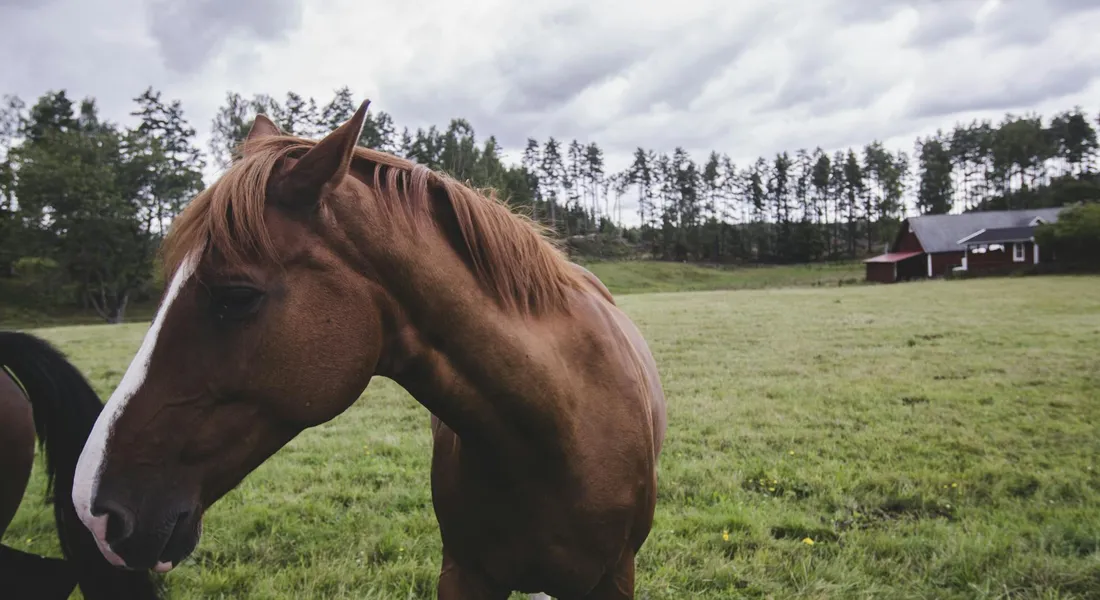
While bay and sorrel form the equine foundation, genetics paint a wider canvas. You’ll see these other shades in the pasture, each with its own charm. This quick guide helps you identify them and understand a few simple care notes tied to their coats.
Recognizing common coat patterns sharpens your eye and can even clue you into specific management needs, like sun protection for pink skin.
- Dun: A dusty, diluted body color (often yellow or mouse-gray) with a dark mane, tail, legs, and a distinct dark dorsal stripe down the spine. You might see leg barring, like faint zebra stripes on the knees. My friend’s dun gelding looks like he’s been dusted with desert sand.
- Buckskin: Think of a bay that’s been lightened to a creamy tan or gold. They keep the black points (mane, tail, legs). It’s a classic “looks like a workhorse” color, and I’ve found their coats often have a beautiful metallic sheen in summer sun.
- Palomino: A golden body with a white or flaxen mane and tail. The shade ranges from pale cream to deep, rich gold. They’re not a breed but a color, and that light mane requires detangling patience.
- Gray: Born a dark color, these horses lighten with age as white hairs mix in, often becoming flea-bitten (dark specks) or pure white. Our Luna is a dapple gray, which means her coat currently shows shadowy circles. All grays require vigilant sunblock on pink skin.
- Roan: A solid base color (red roan, blue roan) evenly mixed with white hairs, creating a frosted appearance. The head and legs usually stay darker. A key tip: roan coats can hide minor scrapes and bumps, so your hands are your best tool for finding hidden heat or swelling.
Knowing these colors is more than just barnyard trivia. It connects you to your horse’s unique look and reminds you that a coat is more than decoration-it’s the first layer of their living, breathing system. Identifying the different coat colors helps you recognize your horse at a glance.
FAQ: Understanding Horse Coat Colors – Green, Bay, and Sorrel
Is a “green” horse actually green in color?
No, a “green” horse is not a coat color. In equestrian terms, “green” refers to a horse that is inexperienced or in early training. This important distinction affects training approaches and safety protocols at the barn. You will never find “green” listed as a color on veterinary or registration paperwork, even when they are documented among traditionally recognized coat colors.
Do bay and sorrel horses require different grooming or care?
Their basic care is identical, focusing on nutrition, grooming, and health. However, very light-colored sorrels with pink skin may need sun protection on sensitive areas, especially to prevent skin conditions. The key is to care for the individual horse’s needs, not its specific coat pigment, as personality and health always trump color.
Why are the terms “sorrel” and “chestnut” used interchangeably?
This is primarily a difference in breed registry terminology, not genetics. For example, Quarter Horse registries often use “sorrel,” while Thoroughbred registries use “chestnut” for the same red-based coat. Both terms describe a horse with a red coat and no black points, governed by the same recessive “red factor” gene.
From the Feed Room: Real Talk on Horse Colors
Whether you’re brushing a bright sorrel like my Rusty or working with a fresh green horse, remember that daily care routines adapt to the individual, not the color. A simple, essential daily grooming routine helps keep a healthy horse comfortable and allows you to spot issues early. Focus on consistent, gentle care tailored to your horse’s specific life stage and coat type, as this matters far more than any label in the pedigree book.
True horsemanship is built on patience, a steadfast commitment to safety, and quiet observation in the stall or field. Your horse’s comfort and trust are won by listening to them, not by the shade of their hair.
Further Reading & Sources
- A Horse of a Different Color: Common Equine Coat Colors! | ASPCA
- Equine coat color – Wikipedia
- A Comprehensive Guide to Common Horse Coat Colors – My New Horse
- Coat Color Calculator
At Horse and Hay, we are passionate about providing expert guidance on all aspects of horse care, from nutrition to wellness. Our team of equine specialists and veterinarians offer trusted advice on the best foods, supplements, and practices to keep your horse healthy and thriving. Whether you're a seasoned rider or new to equine care, we provide valuable insights into feeding, grooming, and overall well-being to ensure your horse lives its happiest, healthiest life.
Coat and Mane Care