
Horse Gaits Explained: How Your Horse Moves and Why It Matters
Published on: February 28, 2026 | Last Updated: February 28, 2026
Written By: Henry Wellington
Hello fellow equestrians! Does a choppy trot leave you sore, or are you unsure if your horse’s canter is balanced? Understanding the natural rhythms of your horse’s movement is fundamental to preventing injury and building a trusting riding partnership.
In this guide, we’ll break down the mechanics of horse gaits into practical, barn-side knowledge. You’ll gain the clarity needed to ride with more confidence and care for your horse’s long-term soundness.
- The defining features of the four natural gaits: walk, trot, canter, and gallop
- How each gait works, from hoof-fall sequences to the horse’s shifting balance
- Actionable tips for recognizing and smoothly riding each gait
- What changes in gait might tell you about your horse’s comfort or health
With years of barn management and gentle training, I’ve used this exact framework to help horses from reliable Rusty to sensitive Luna find their best, most comfortable stride.
The Basic Natural Gaits: Walk, Trot, Canter, Gallop
Defining a Gait: The Horse’s Engine
Think of a gait as the horse’s transmission. It’s the specific pattern of footfalls and body mechanics that propel them forward, each gear suited for a different speed and purpose. Understanding these patterns isn’t just academic; it’s how you learn to move *with* your horse instead of against him, feeling for rhythm changes and potential lameness before it becomes a major issue. Every ride, every sound of hooves on the arena footing, starts with this fundamental engine.
The Walk: The Foundation of All Movement
The walk is a gentle, four-beat gait where each hoof hits the ground independently: left hind, left fore, right hind, right fore. You’ll always hear or feel four distinct beats. There is no moment of suspension; one foot is always on the ground. This is the most important gait for building muscle, cooling down, and assessing soundness, as any hitch or irregularity is easiest to spot here. My old trail partner, Rusty, has a walk so steady and rhythmic you could set a metronome by it, which is why I always start and end every hack with a long, purposeful walk on a loose rein to let him stretch and process.
The Trot: A Two-Beat Spring
The trot is a diagonal, two-beat gait: the left fore and right hind move together, then the right fore and left hind. It’s a working, energetic pace with a moment of suspension between each diagonal pair. This “spring” is what makes posting possible, as you rise and sit with the beat to stay in harmony and save your horse’s back. You’ll feel a distinct up-down motion. Luna, my sensitive Thoroughbred, has a trot that feels like sitting on a tightly coiled spring-it’s powerful and requires a deep, following seat to stay balanced without bouncing.
The Canter: A Three-Beat Roll
The canter is a collected, three-beat gait followed by a moment of suspension. For a left lead, the sequence is: right hind, then left hind and right fore together (the diagonal pair), then left fore, then suspension. It feels like a rocking horse motion-“bump, together, push, fly.” Finding the correct lead is about balance and preparation, not pulling the horse’s head; ask with your inside leg at the girth and your outside leg behind it, sitting deep through your inside seat bone. It’s a gait of impulsion and grace, and when you get it right, it feels like the horse is rolling forward underneath you, just like when horses roll on their own.
The Gallop: Four Beats of Power
The gallop is an extended four-beat gait. The footfall sequence “unravels” the canter’s diagonal pair: left hind, right hind, left fore, right fore (for a left lead). This creates maximum reach and speed, with a significant floating moment of suspension. This is a flat-out run, and while thrilling, it requires a strong, secure position and a huge amount of space; you’re essentially along for the ride, leaning forward in a two-point to free the horse’s back. I’ve only let Pipin, our Shetland, truly gallop in a large, secure paddock, where his cheeky sprint is all snorts, flying mane, and pure, unadulterated joy.
The Biomechanics Behind the Stride: How Gaits Actually Work
Footfalls and Rhythm: The Horse’s Cadence
Footfall order is the literal blueprint of movement. Rhythm is the consistent timing between those footfalls. A clean, regular rhythm is the hallmark of a sound and balanced horse. Listen for it: the steady 1-2-3-4 of a walk, the crisp 1-2-1-2 of a trot, the rolling 1-2-3-pause of a canter. Any deviation-a skipped beat, a hurried step-is your first clue something is off, whether it’s a sore hoof, a tight muscle, or a rider blocking the motion.
Diagonal vs. Lateral: The Push and Swing
This is the core engine mechanics. Diagonal movement (trot) uses opposing front and hind legs, creating stability and forward thrust-it’s efficient and strong. Lateral movement (seen in the pace, a gait not used here) uses same-side legs, which can create a swaying motion. The canter is a hybrid, blending a diagonal pair with a single-foot strike to create its unique rocking momentum. When you feel unbalanced at the trot, focus on the diagonal pair swinging forward; your posting should mirror that same swinging energy, not fight against it.
The Moment of Suspension: Flight Time
Suspension is the pause where all four feet are off the ground. It’s the culmination of impulsion and thrust. The trot has a brief suspension. The canter’s is more pronounced. The gallop’s is longest. This flight phase is where power is converted into distance, and it’s why a fit, well-conditioned horse with strong top-line muscles will cover more ground with less effort. You can’t create suspension by force; it comes from proper engagement of the hindquarters, a supple back, and a rider who allows the energy to flow through, not get trapped by a stiff hand or a hollowed back.
Specialized Movements: Understanding Gaited Horse Gaits
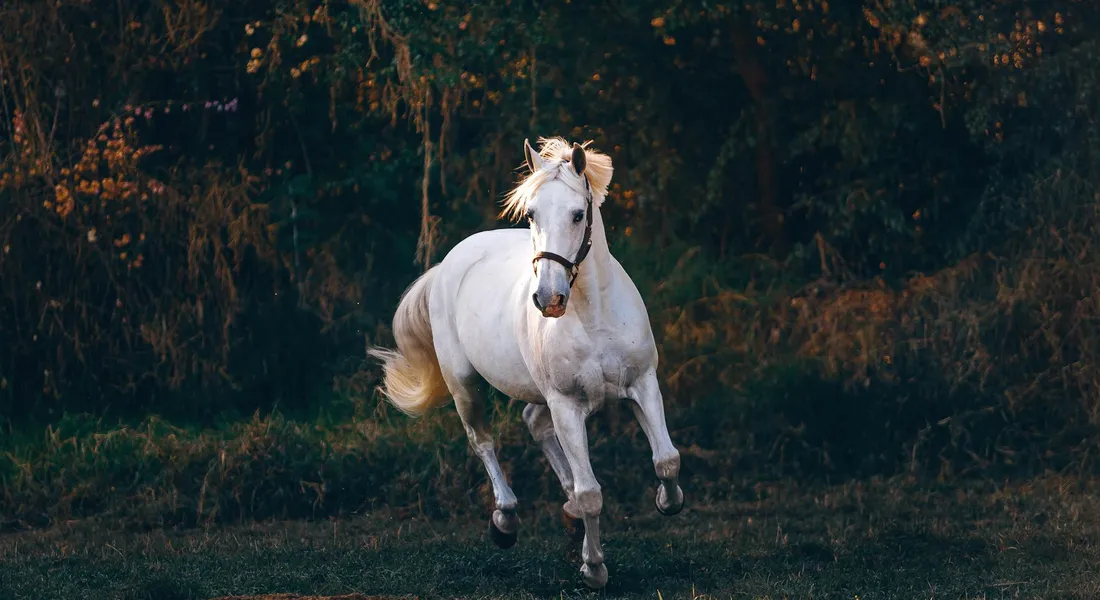
What Makes a Horse “Gaited”?
Think of a gaited horse as having a different transmission under the hood. While most horses have the standard four-cylinder engine—walk, trot, canter, gallop—gaited breeds come with an extra gear or a smoother cruise control. This isn’t a trained trick; it’s hardwired into their DNA and reflected in their build. Genetic predisposition means some horses are born with a natural ability to perform symmetrical, four-beat gaits that often lack the jolting moment of suspension you feel in a trot. Their limb coordination is simply different.
From a conformation standpoint, many gaited horses have a slightly different shoulder angle, a more sloping croup, and a back built for fluid flexibility. I remember the first time I rode a Missouri Foxtrotter; the absence of that predictable trot bounce was a revelation. It felt less like driving a pickup truck over gravel and more like gliding on a calm lake. This innate smoothness is why gaited horses have been cherished for centuries by riders who cover long distances or have back issues. That smoothness also invites a look at whether a horse’s anatomy influences speed. After all, shoulder angle, croup slope, and back flexibility can shape stride length and propulsion.
The Smooth Alternatives: Pace, Rack, Tölt, and More
Let’s break down these smooth-stepping alternatives. Each has a distinct rhythm and feel, often described by the sound of the hooves hitting the ground.
- The Pace: A two-beat lateral gait where the legs on the same side move together (left front and left hind, then right front and right hind). It creates a swaying motion. Some horses pace naturally, but it can be rough to sit. A well-known variant is the “stepping pace,” which is slower and more broken up, offering a comfortable ride.
- The Rack: This is a flashy, four-beat gait where each hoof hits the ground separately at equal intervals. It’s fast and smooth, but requires significant energy from the horse. The sound is a crisp, one-two-three-four cadence.
- The Tölt: The pride of the Icelandic horse, this is a breathtaking four-beat gait with tremendous impulsion and no suspension. The horse can tölt from a slow walk speed up to a near-gallop pace, all while you’re sitting absolutely still in the saddle. It feels like magic.
- The Running Walk: Made famous by the Tennessee Walking Horse, this is a four-beat gait with a distinctive head nod. The hind foot oversteps the print of the front foot by inches, creating a powerful, gliding stride that eats up trail mileage.
Choosing a gait often depends on your riding goals: the tölt for energetic smoothness, the running walk for trail endurance, or the rack for show ring sparkle. My thoroughbred, Luna, with her high-strung nature, would find a steady rack exhausting, but for a calm, bred-for-it horse, it’s as natural as breathing.
Spotting Trouble: When a Gait Becomes Irregular
Common Signs of an Irregular Gait
Your horse’s movement tells a story. Learning to read the subtitles in their steps is a cornerstone of responsible care. Irregularity rarely shouts; it whispers. Watch for a head bob that wasn’t there before-a dip when a particular leg hits the ground is a classic sign of pain in that limb.
Here are other red flags to catch early:
- A shortened stride or “stabby” step where the hoof is placed down tentatively.
- Reluctance to move out or a sudden unwillingness to pick up a specific gait.
- Stiffness, especially when first leaving the stall or after standing.
- Dragging a toe or an uneven “clop-clop” sound on hard ground.
- Swelling or heat in a leg, or persistent uneven hoof wear.
I once missed the early signs with old Rusty, dismissing his slight hitch as “just getting older.” It turned into a manageable arthritis flare-up that a sooner vet call could have eased. Your daily grooming and hoof-picking ritual is your best surveillance system; your hands will feel heat, and your eyes will see changes long before they become severe.
From Soreness to Conformation: Potential Causes
When a gait goes off, play detective. Start with the simplest, most common culprits before worrying about big-ticket issues.
First, check the feet. A stone bruise, an improperly fitted shoe, or thrush can make any horse move like they’re walking on eggshells. Next, feel along muscles and joints for soreness. A tight back from a poorly fitting saddle or a pulled muscle from a slip in the paddock can cause short, choppy strides. Always rule out pain before blaming attitude; that lazy horse might just be sore.
Deeper causes involve conformation and wear-and-tear. A horse with base-narrow or sickle-hocked legs is biomechanically prone to certain stresses. Conditions like navicular disease or arthritis develop over time. This is where advocating for maximum turnout pays dividends. Constant movement in a pasture keeps joints lubricated and muscles supple, far better than 23 hours of stall confinement ever could. Gentle, consistent work builds the strength to support conformational quirks and can help mitigate common horse health issues related to their anatomy.
Remember Pipin, our Shetland escape artist? His cheeky dashes across the field are actually great for his joint health. A sudden change in gait is a conversation starter from your horse. Listen, investigate, and never hesitate to bring in your farrier or vet. That partnership of observation and care keeps them sound for the long ride.
Riding the Rhythm: Practical Tips for Gait Management
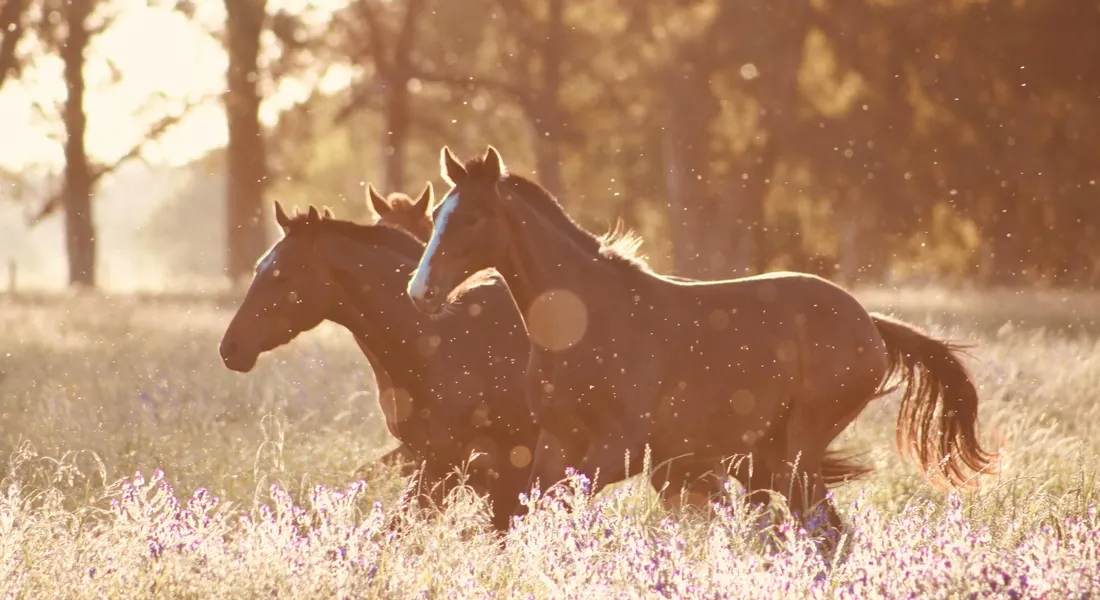
Asking for Transitions: Clear and Kind Cues
The shift from a walk to a trot shouldn’t feel like a negotiation. Clean transitions build respect and gymnastic ability. I think of my aids as a single, cohesive request, not a series of separate shouts. A smooth transition is built on preparation: rebalance your horse with a half-halt, then apply your driving aids with crisp clarity.
- Prepare: Sit deep, breathe out, and engage your core. A gentle squeeze on the reins signals your horse to rebalance their weight onto their hindquarters.
- Ask: Apply your leg aid decisively, exactly when you intend the new gait to begin. Your intent must be clear-no nagging or repeated kicking.
- Release: The moment your horse responds, soften. This release of pressure is their reward for listening.
With a sensitive horse like Luna, a mere thought and a shift of my weight can often ask for a downward transition. For a food-motivated pony like Pipin, I need unwavering consistency, or he’ll learn he can ignore a muddled cue.
Developing Balance and Impulsion
Impulsion isn’t speed; it’s the engine’s potential energy, created from behind and channeled forward. A horse shuffling on its forehand has no impulsion. One engaged from the hindquarters feels powerful yet controllable. True impulsion is felt as a springy, energetic willingness that makes the gait feel light and elevated, not flat and fast like mere speed over distance.
Beyond the groundwork, riding exercises develop this. Start with leg-yielding at the walk to unlock the hind end. Spirals and shallow serpentines ask the horse to bend and engage their inside hind leg more deeply. Transitions within the gait-like collected trot to working trot and back-are gold. They teach the horse to shift balance without changing rhythm.
I often tell riders to imagine their legs are creating the energy, and their hands are simply shaping and recycling it back to the hind legs, like a loop. If you constantly block with your hands, you kill the engine you’re trying to build.
Gait Care Essentials: Supporting Healthy Movement
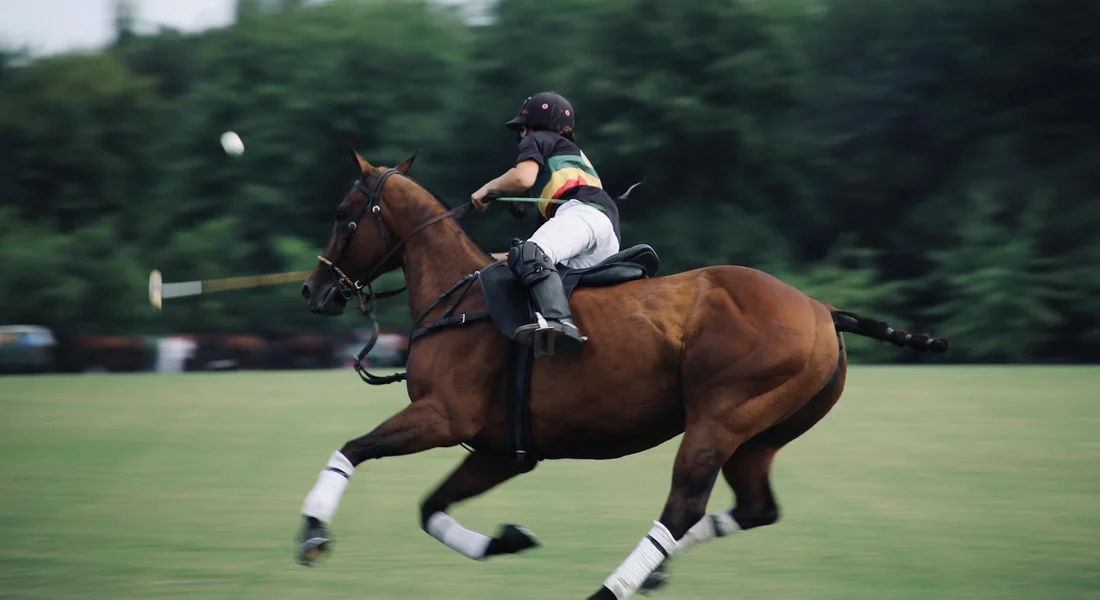
Hoof Care and Footfall
Every gait’s quality is dictated by the foundation. An unbalanced hoof creates an unbalanced landing, which travels up the leg. My farrier is my partner in gait preservation. A correctly trimmed hoof lands heel-first, allowing the natural shock absorption of the digital cushion to protect joints and soft tissue up to the shoulder and back.
- Trim Schedule: Most horses need trimming every 6-8 weeks, but active horses or those on soft footing may need more frequent attention.
- Surface Matters: Constant work on deep, fluffy footing can strain tendons, while perpetual pavement is brutally concussive. A mix is ideal.
- The Eye Test: Watch your horse move on hard, level ground. Do they land evenly? Do they swing a leg outward? This tells you more than a static hoof inspection.
Fuel for Motion: Diet and Turnout
You cannot ask for energetic, healthy movement if you’re fueling the body incorrectly. A horse’s metabolism is designed for slow, steady digestion of forage. Think of forage as the slow-burning log in the fireplace, providing steady warmth and energy for sustained movement throughout the day. High-starch grains can create volatile, fizzy energy that disrupts rhythm and focus.
For the average pleasure horse, quality hay or pasture is often sufficient. If more calories are needed, I opt for soaked hay pellets, beet pulp, or a fat supplement like rice bran. And never underestimate turnout. The freedom to choose their own gaits-to zoom, buck, and graze-is the ultimate core and cardio workout. A stiff horse is often a stalled horse.
When to Seek Professional Help
Listen to the horse in front of you, not the one you remember from last month. A change in gait is a primary symptom. Any persistent shortness of stride, reluctance to engage a hind leg, or sudden unwillingness to perform a gait they know well is a billboard-sized signal that something is wrong. Spotting these early signs of illness or injury in your horse lets you seek timely care and prevent further damage. Stay observant and act quickly if you notice changes in movement or behavior.
Here’s my barn rule: if a gait abnormality lasts more than two days without a clear cause like a stone bruise, or is paired with swelling or heat, I make the call. First to my farrier to rule out a mechanical foot issue, then immediately to my veterinarian. Chasing a lameness with training is a surefire way to turn a minor issue into a chronic one. Your horse’s smooth, rhythmic gaits are the prize; protecting them is the most important job you have.
FAQ: Horse Gaits and How They Work
What are the main differences between gaits a beginner should feel for?
As a beginner, focus on the rhythm and sensation. The walk is a slow, four-beat sway with no bounce. The trot is a two-beat, springy diagonal gait where you post up and down. The canter is a three-beat, rolling motion that feels like a rocking horse.
Are the gait names (walk, trot, canter, gallop) the same for all horse breeds?
The four basic natural gaits use the same names across all breeds. However, some “gaited” horse breeds have additional, naturally smooth gaits with unique names like the tölt or rack. The core mechanics of the walk, trot, canter, and gallop remain consistent as a foundation.
How can videos or charts help me understand different horse gaits?
Videos let you see the footfall sequence and rhythm in motion, which is harder to grasp from text alone. A detailed gait chart visually maps the hoof-fall patterns and moments of suspension for each pace. Using both tools together reinforces your mental picture, making it easier to identify gaits in real life.
Ride with the Rhythm
Mastering the gaits starts with feeling your horse’s natural rhythm under you and ensuring their comfort comes first. The most critical skill you can develop is recognizing the difference between a horse moving freely in its natural balance and one that is tense or restricted, as this is the foundation of all soundness and training.
Be patient with yourself and your horse as you both learn; true fluency in the gaits is a conversation, not a command. The best cue you’ll ever get comes from listening to the horse beneath you-a smooth transition always starts with partnership.
Further Reading & Sources
- Horse gait – Wikipedia
- Guide to Horse Gaits: Walk, Trot, Canter, Gallop and More | Mad Barn
- The 4 Basic Horse Gaits Explained [Diagrams & Animations]
- A Brief Guide to Gaits – Horse and Rider
At Horse and Hay, we are passionate about providing expert guidance on all aspects of horse care, from nutrition to wellness. Our team of equine specialists and veterinarians offer trusted advice on the best foods, supplements, and practices to keep your horse healthy and thriving. Whether you're a seasoned rider or new to equine care, we provide valuable insights into feeding, grooming, and overall well-being to ensure your horse lives its happiest, healthiest life.
Exercise