
How Do You Put Boots on Your Horse? A Practical Guide for Safe, Snug Fit
Hello fellow equestrians, feeling that familiar knot of frustration when your horse fidgets, stamps, or outright refuses a boot? A poorly fitted or clumsily applied boot can cause rubs, heat, and even tendon strain, turning a simple task into a vet bill waiting to happen.
That worry is completely valid-your horse’s comfort and soundness are always worth the extra minute of care.
In this guide, I’ll walk you through a calm, methodical approach to booting up, covering the essentials to make it stress-free for you both.
- Selecting the right boot style for your horse’s legs and your riding discipline.
- Checking for a fit that is secure without pinching or gaping.
- A step-by-step routine to apply boots safely, from pastern to knee or hock.
- Handling common resistance with patience and gentle horsemanship.
My advice is grounded in years of barn management and training, fitting boots on everything from food-motivated ponies to sensitive thoroughbreds who need that extra soft touch.
Before You Boot: Essential Preparations
Rushing to put on boots is a sure way to spook your horse or cause a rub. I set aside five minutes for prep, a habit formed after many early mornings with Rusty in our dusty aisle. This quiet routine builds trust and ensures your horse’s comfort and safety from the start, especially when putting on fly boots or any other type of protective gear.
Begin by checking each leg thoroughly. Run your hands down from knee to hoof, feeling for any heat, swelling, or cuts. This tactile check is your first line of defense against working a horse in pain. Additionally, recognizing subtle signs of equine pain—such as weight shifting or reluctance to move—can help you intervene early.
- Clean and Dry the Legs: Brush off all dirt and mud. For a horse like Luna, who comes in with dew-soaked legs, I always towel dry completely to prevent chafing under the boot.
- Pick the Hooves: Clear out all debris from the sole and frog. A hidden pebble can create terrible pressure once a boot is on.
- Gather Your Gear: Have all boots, brushes, and your hoof pick in one spot. Fumbling for a strap while your horse dances is no fun.
- Assess Your Horse’s Mindset: A calm horse makes everything easier. With a clever pony like Pipin, I sometimes do a few minutes of groundwork first to get his brain with me.
- Tidy Your Workspace: Sweep up hay and move buckets aside. A clear area prevents tripping and helps your horse feel secure.
Step-by-Step: Putting on Different Types of Horse Boots
Fitting boots correctly is a skill that becomes second nature. I’ve applied every type on everything from a sleepy draft to a prancing Thoroughbred. The right technique protects your investment in the boot and, more importantly, your horse’s soundness, especially when adjusting other horse tack.
How to Apply Bell Boots or Overreach Boots
These prevent a horse from clipping its front heels with its hind toes. Rusty wears his for every trail ride, especially near those dreaded puddles. A twisted bell boot is useless and can even trip your horse, so alignment is key.
- Identify the top and bottom. The thicker, more reinforced section sits at the heel.
- For roll-on styles, stretch the rubber open and position it at the toe. Roll it evenly up and over the hoof wall until it sits around the coronary band.
- For pull-on styles, simply work the boot over the hoof, ensuring the entire heel bulb is covered.
- Check that the boot sits uniformly with no gaps or folds. Give it a gentle twist to ensure it’s seated properly.
- The process is identical for hind legs, but move slowly and talk to your horse to avoid surprise.
How to Apply Tendon Boots or Brushing Boots
These boots protect the cannon bone and tendons from impact. Luna’s sensitive legs always get a set before we school. Always fasten straps from the top down; this smooths the hair underneath and prevents painful pinches.
- Place the boot on the front of the cannon bone, centering the protective padding over the tendon.
- The closure should be on the outside of the leg. Ensure the boot is straight, not angled.
- Secure the top strap first. It should be snug-you should be able to slide two fingers underneath comfortably.
- Fasten the remaining straps in order, moving down the leg. Check that each is evenly tensioned.
- For hind legs, apply the same way, noting the boot may sit slightly lower due to leg structure. Watch for any restriction in the hock movement.
- Have your horse walk a few steps. The boot should stay in place without sliding or rotating.
How to Apply Shipping or Fetlock Boots
Used for travel or stall rest, these offer crucial padding. I wrapped Pipin’s fetlock after a minor scrape, and the boot kept the area clean. These boots must be secure but never tight; compromised circulation defeats their purpose.
- Position the padded section directly over the fetlock joint or any area needing protection.
- If it’s a wrap-style boot, start at the top of the pastern and wrap downward, overlapping each layer by half.
- For pre-made shell styles, wrap them around the leg and secure the Velcro straps firmly but gently.
- Ensure there are no wrinkles in the lining or padding. The fit should be even and smooth.
- Run your hand over the boot. Your horse should not flinch, and you should be able to feel the bone structure without excessive pressure.
Getting the Fit Right: Sizing and Alignment
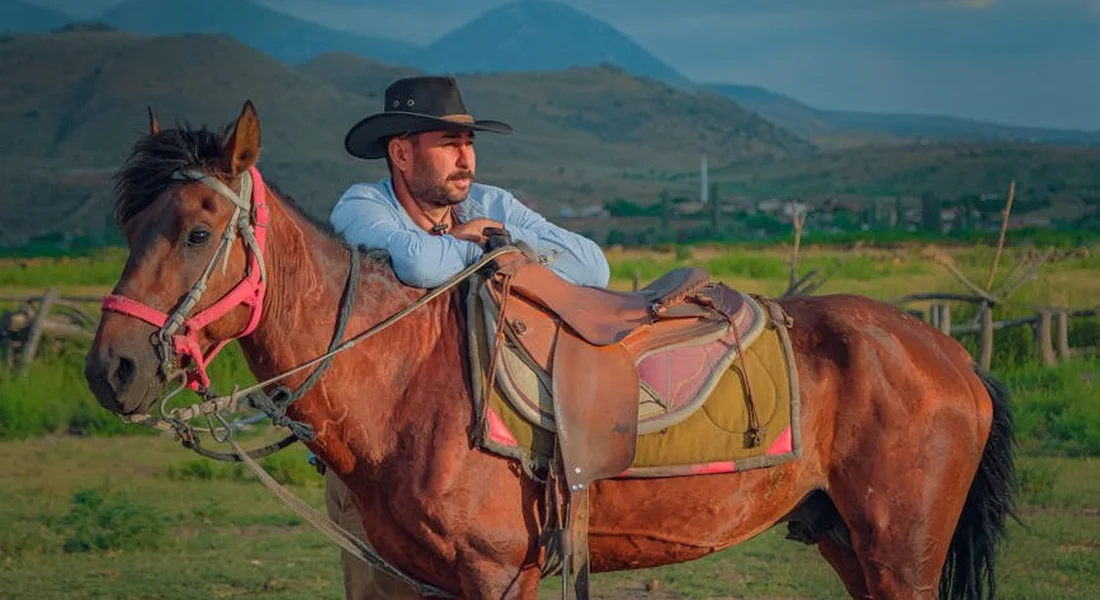
Think of a boot like a good pair of jeans: it should feel secure without cutting off circulation. A perfect fit means the boot’s shell hugs the leg contours without any bunching or gaps. Start with clean, dry legs-mud or moisture can create false tightness and lead to rubs. I always check Luna’s dappled grey legs twice; her thoroughbred sensitivity means even a grain of sand can cause irritation.
Use these visual and tactile checks before you fasten a single strap:
- No wrinkles or folds in the boot material, especially around the tendons.
- Even tension across the entire boot surface; one side shouldn’t pull tighter than the other.
- Correct leg alignment: the boot should center on the cannon bone, not twist inward or outward.
Size charts are a starting point, not a gospel. Common mistakes include choosing boots based on breed alone or ignoring your horse’s unique leg shape, like Pipin’s stout pony joints. A boot that’s too long can bang against the fetlock, while one too short won’t protect the area it’s designed for. If in doubt, measure twice with a soft tape and consult the manufacturer’s guide. For best results, verify those measurements against the boot’s size chart to ensure the right horse measurement size before purchasing.
Checking Strap Tension and Security
Straps that are too loose invite slipping; straps that are too tight stop blood flow. Use the classic ‘finger test’: you should smoothly slide one finger under each fastened strap without forcing it. If you can’t get your finger in, it’s too tight. If you can fit two fingers easily, it’s too loose. Listen for the soft click of buckles engaging fully.
Follow these steps every time you boot up:
- Fasten straps in order, usually from the top down, to distribute tension evenly.
- Run your hand over every strap and closure, feeling for pinched skin or hair.
- Ask your horse to walk a few steps. Watch for any shift or rotation in the boot.
- Do a final check after five minutes of movement, as settling can alter the fit.
Boots must move with the horse, not against them. Rusty’s steady quarter horse stride needs a different support profile than Luna’s springy trot, so I choose designs that match their natural biomechanics. A boot that fights the leg’s motion will always cause trouble.
Troubleshooting Common Boot Problems
Even with great fit, boots can act up. Spotting issues early prevents minor annoyances from becoming major wounds. The main culprits are slipping and rubbing, which often stem from the same root causes: fit, footing, or filth. After a muddy ride with Rusty, I always inspect his boots before hosing off.
Keep this diagnostic kit in your mental tack room:
- Slipping: Boot shifts down or rotates around the leg during work.
- Irritation: Redness, hair loss, or swelling at pressure points after removal.
- Dirt Deception: Grit inside the boot mimics a bad fit and grates the skin.
Immediate solutions include stopping to readjust, cleaning the leg and boot interior, and switching to a different type of protection if problems persist. Prevention is your best tool: ensure legs are bone-dry, consider fleece-lined boots for thin-skinned horses, and never ignore a subtle change in gait-it might be the boot talking.
Diagnosing and Fixing Boot Rubbing
Rubbing screams that something is out of place. First, identify the rub’s location-it points directly to the problem area. A rub on the inside of the leg often means the boot is twisted or too narrow. A rub at the top or bottom edge usually signals incorrect length or over-tightened straps.
Here are common causes and how to fix them:
- Dirt or Sand: Tiny particles become sandpaper. Clean the horse’s leg and the boot’s interior thoroughly before every use.
- Improper Fit: Re-measure and try a different size or brand. Remember, a ‘large’ in one brand isn’t the same in another.
- Worn-Out Gear: Check for stiff, cracked straps or interior lining that’s lost its cushion. Repair or replace immediately.
- Static Position: Boots put on in the stall can rub when the horse moves out. Always do your final tension check after walking.
For a quick field fix, I’ve used moleskin or a specialized boot liner in a pinch. But a permanent fix always requires addressing the root cause, not just cushioning the symptom.
Preventing and Managing Boot Slipping
A slipping boot is frustrating and unsafe. It often happens when the boot is too wide for the leg or the straps have lost their grip. Start by repositioning the boot higher on the cannon bone and re-fastening. If it slips again, you need a deeper investigation.
Take these steps to stop the slide:
- Re-check your sizing. A boot that’s too large will never stay put.
- Examine the leg shape. Very tapered legs might need boots with more contour or adjustable panels.
- Look at strap placement. Cross-over strap designs often provide better hold on slender legs.
- Ensure the boot interior and horse’s leg are completely dry. Even a little sweat can act as a lubricant.
For horses with tricky conformation, like Pipin’s round pony legs, I seek out boots with multiple, angled straps that lock the unit in place. Sometimes, the solution is trying a completely different style-a tendon boot might stay where a splint boot wobbles. Some readers wonder: are bell boots and splint boots for horses? The answer depends on conformation and how the boot stays in place, which is why I try a few styles. Patience here saves your horse’s skin and your sanity.
Choosing Leg Protection: Boots vs. Wraps
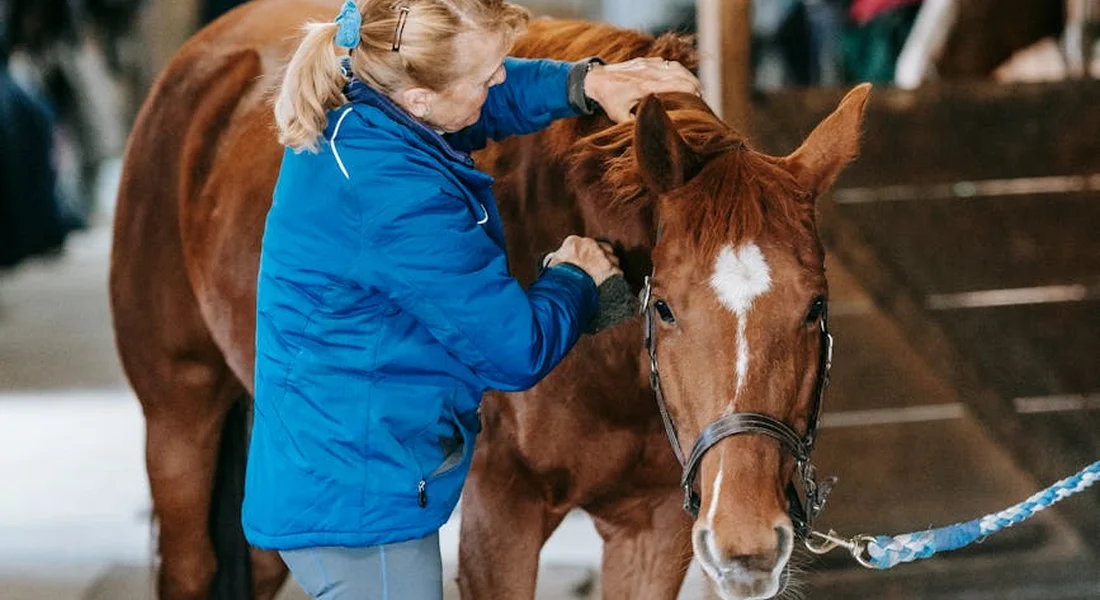
Standing at the cross-ties with a saddle over my arm, I’ve debated this more times than I can count. The choice between boots and traditional wraps isn’t just about color coordination. It boils down to the kind of work your horse is doing, the level of support they need, and how much mud you’re willing to scrub out later. My quarter horse Rusty needs durable, no-fuss gear for the trails, while Luna’s fine Thoroughbred legs demand precise, breathable protection, especially when you learn how to properly wrap polo bandages for protection.
Think of boots as your reliable sneakers and wraps as your custom-tailored support hose. Each has its place in a well-managed tack room. A good rule of thumb is to match the protection to the impact: faster gaits and unpredictable terrain often need the hard shell of a boot, while stationary support or precise compression calls for a wrap.
| Type | Pros | Cons | Best For |
|---|---|---|---|
| Boots (Splint, Sports, Bell) | Quick to apply; consistent fit every time; often waterproof and easy to hose off; designed for specific impacts like strikes or brushes. | Can create pressure points if dirty or poorly fitted; may trap heat and sweat; less customizable than wraps. | Trail riding, jumping, lunging, and general arena work. Ideal for busy days or horses in consistent training. |
| Wraps (Polo, Standing Bandages) | Fully customizable tension and padding; excellent for even pressure and cooling; breathable fabric reduces heat buildup. | Require skill to apply evenly; time-consuming; can loosen or slip if not applied correctly, creating a hazard. | Stall rest, shipping, show preparation, and providing targeted support for injuries. Perfect for the meticulous caretaker. |
For a horse like Pipin the pony, who invents his own athletic events, a sturdy shipping boot is my safeguard for his stall adventures. Listen to the sound of your horse’s movement-the thud of a heavy hoof on hard ground tells me boots are wise, while the quiet stand of a resting horse whispers for the soft hold of a wrap.
After the Ride: Boot Removal and Care
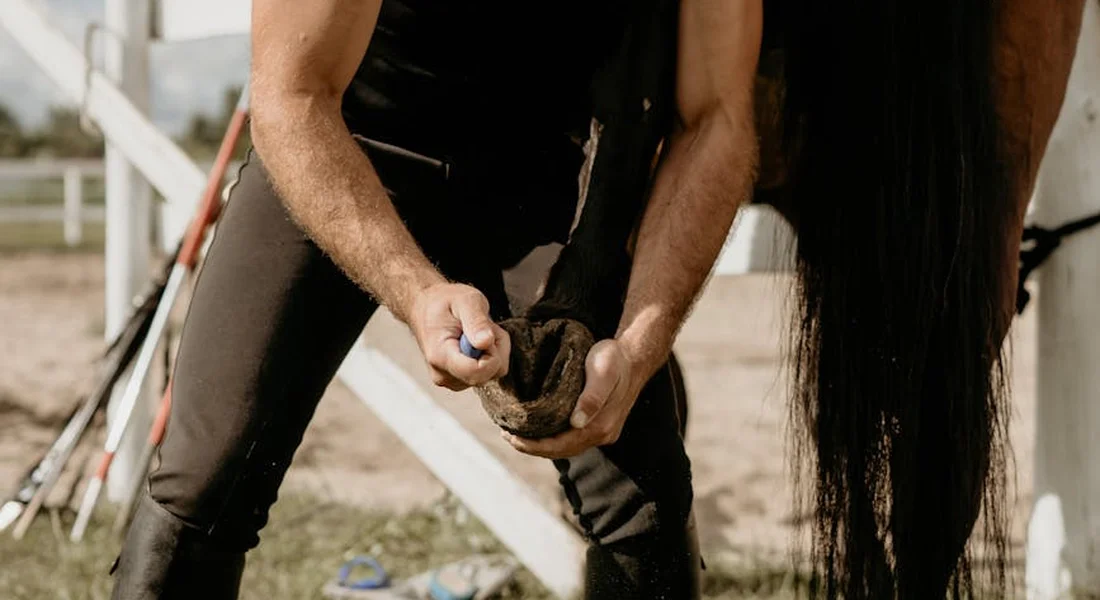
The work isn’t over when you dismount. How you take gear off directly impacts your horse’s comfort and skin health. I once rushed pulling Luna’s boots and missed a tiny pebble inside-a mistake I won’t repeat. Always let your horse’s legs cool down fully before removing protection to prevent blood from pooling in the lower limbs.
- Unfasten with intention. Undo buckles or Velcro from the top down, supporting the leg. Never just pull a boot off; gently rotate it as you slide it downward.
- Conduct a post-ride leg check. Run your bare hands down the cannon bone and tendons. Feel for unusual heat, sweat, or swelling. Look closely for rub marks, hair matting, or any indentations left by the gear.
- Clean immediately. Shake out all dirt, sand, and hair. For boots, use a damp cloth with mild soap, rinse well, and air dry completely. For wraps, follow fabric care labels-most polos can be machine washed.
- Inspect for wear and tear. Check boot liners for thinning, examine Velcro for losing its grip, and test all straps for strength. A weak closure is a safety risk.
- Store smart. Keep boots unbuckled and flat. Hang wraps loosely or roll them. Good airflow prevents mildew and preserves materials.
This routine takes five minutes but adds years to your gear’s life. I keep a dedicated tub by the wash stall for post-ride boot cleaning-it turns a chore into a simple, mindful habit. Spotting a worn strap before it breaks during a gallop is the kind of small victory that defines good horsemanship.
Frequently Asked Questions About Horse Boots and Care
Why should I consider using boots on my horse?
Boots offer crucial protection for your horse’s legs during activities like riding or turnout, shielding against impacts, abrasions, and overreach injuries. They help maintain soundness by reducing stress on tendons and joints, especially on hard or uneven surfaces. Selecting the right type, such as appropriate hoof boots for your horse, based on your discipline and your horse’s needs can prevent common issues and promote long-term comfort.
What books on horse training are recommended for further learning?
“The Principles of Riding” by the German National Equestrian Federation is a classic guide covering fundamentals for various disciplines. “101 Horsemanship Exercises” by Rio Barrett offers practical, step-by-step drills to enhance communication and skills. For insights into behavior, “Brain Training for Riders” by Andrea Monsarrat Waldo focuses on the mental aspects of training for both horse and rider.
Are there essential books on horsemanship from the 1960s that still apply today?
Yes, “The Complete Book of Horses and Horsemanship” by Margaret Cabell Self from 1963 remains a valuable resource on care, training, and riding basics. Another is “Horses and Their Owners” by Ruth B. James, which explores the human-horse relationship with timeless advice. These books provide historical perspectives that complement modern practices, emphasizing patience and understanding in horse management. These works also offer a concise historical introduction to horses, situating today’s care in a longer lineage. Seeing how horses and riders interacted through the ages helps frame modern training and handling.
Boot Up with Confidence
Keep the process simple: start with clean, dry legs, ensure each boot fits snugly without pinching, and always double-check your buckles or fastenings before you move off. The right fit is everything-it’s what keeps your horse protected and comfortable, mile after mile.
Take your time and let your horse get used to the feel and sound of new gear. Your horse will tell you if something is wrong; a head toss, a stomp, or a resistant step is valuable feedback you should always heed. This is especially important as mistakes can break your horse’s trust.
Further Reading & Sources
- Learn how to size / measure for Cavallo Hoof Boots!
- Soft Ride Horse Boot Sizing | Horse Boot Size Chart
- Get the fit right – Flex Hoof Boots
- Hoof Boot Fitting Guide | Avoid Common Mistakes & Find the Perfect Fit
At Horse and Hay, we are passionate about providing expert guidance on all aspects of horse care, from nutrition to wellness. Our team of equine specialists and veterinarians offer trusted advice on the best foods, supplements, and practices to keep your horse healthy and thriving. Whether you're a seasoned rider or new to equine care, we provide valuable insights into feeding, grooming, and overall well-being to ensure your horse lives its happiest, healthiest life.
Equipment