
Riding Clydesdale Horses: Practical Uses and Key Considerations
Published on: July 8, 2026 | Last Updated: July 8, 2026
Written By: Henry Wellington
Hello fellow equestrians, are you dreaming of riding a Clydesdale but held back by concerns about their towering size or unique needs? I’ve seen many riders hesitate, worrying about safety, tack fit, or whether these draft breeds can truly enjoy riding work.
Let’s settle those doubts. In this guide, we’ll walk through the real-world factors that make a Clydesdale a worthy riding prospect. We’ll break down their famously steady temperament and how it translates under saddle. You’ll get a clear look at the necessary tack adjustments and saddle fitting for a broader back. I’ll share tips on conditioning these large horses for riding without stressing their joints. We’ll also compare their best uses, from gentle trail riding to therapeutic programs.
My advice comes from years in the barn aisle, fitting saddles on everything from fine-boned Thoroughbreds to sturdy draft crosses, always with an eye for the horse’s comfort and willingness.
The Clydesdale Breed: More Than Just a Pretty Face
When you see them in a parade, all feathers and flash, it’s easy to think of Clydesdales as living statues. But I’ve mucked stalls next to them, and let me tell you, there’s a real, breathing horse under all that grandeur. Their history forged a partner, not just a poster child.
Historical Uses and Modern Roles
These horses were the engines of Scottish agriculture and the backbone of industrial Glasgow, hauling massive loads of coal and ale. That centuries-old job description bred for a powerful, willing, and shockingly steady mind, a trait that translates beautifully to the modern riding arena. Today, while they still excel in driving, many have found second careers as trail companions, therapeutic riding mounts, and pleasure horses for riders who value a calm connection over hair-trigger speed.
Breed Characteristics at a Glance
Forget the beer wagon for a moment. Here’s what you’re actually getting with a Clyde:
- Height: Typically 16.2 to 18 hands. You look up, way up.
- Weight: 1,800 to 2,200 pounds of solid horse.
- Key Traits: Feathered feet (that require diligent care), a straight or slightly convex profile, and a deep, barreled chest.
- Temperament: The jewel in the crown. Generally gentle, patient, and tolerant. I’ve seen a Clydesdale let a spooky plastic bag tap its knee without blinking, while my Thoroughbred Luna would have been three counties away.
- Movement: Purposeful, forward, and ground-covering. They are not built for tight reining patterns.
Physical Build: How Size and Shape Affect the Ride
Mounting a Clydesdale isn’t just riding a big horse; it’s experiencing a different biomechanics entirely. Your old Quarter Horse saddle won’t cut it here, and your leg cues need a translation. Understanding their anatomy—the skeleton, joints, and muscles—explains why their movement differs. This biology of motion can guide your tack choices and riding cues for a smoother ride.
The Reality of Size and Weight
The sheer mass is the first consideration. A standard mounting block becomes a joke. You will need a sturdy, two-step block at minimum, and your tack must be draft-specific-wider trees, longer girths, and bridles measured in inches, not the usual hands. Everything is scaled up, from the cost of a horseshoe (think dinner plates) to the volume of bedding they displace. Their weight also means they can be more prone to certain leg stresses, making consistent, thoughtful hoof care and joint support non-negotiable.
Understanding the Draft Horse Gait
Don’t expect the snappy, elevated trot of a sport horse. The Clydesdale stride is a study in efficient, rolling power. Their walk is a mile-eating march you can sit all day. Their trot is often smoother and less “bouncy” than a lighter breed’s because of the sheer pendulum swing of their legs. You feel the thud of each hoof as a deliberate, rhythmic event, a steady drumbeat that soothes rather than excites. This isn’t a horse you “collect” in a classic sense; you channel their natural, powerful forward drive. It’s less about precision and more about partnership in momentum, a feeling of riding the wave of a gentle, furry giant. It’s uniquely wonderful, once you learn to move with them and understand their psychology.
Temperament and Rideability: A Gentle Giant’s Mind
Classic Clydesdale Disposition
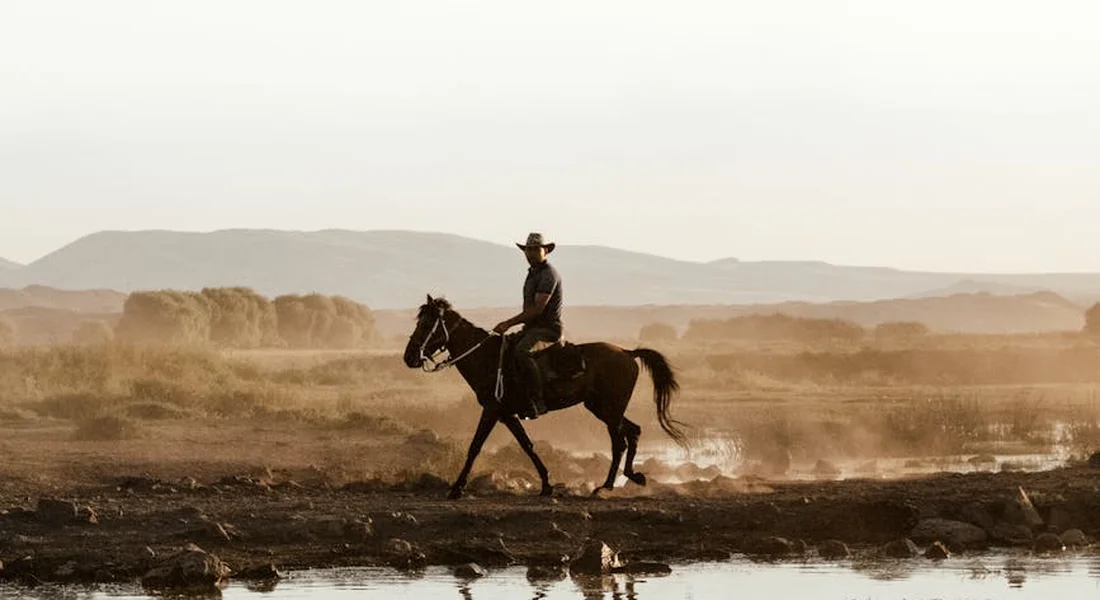
Forget any notion of the flighty, hot-blooded horse. The Clydesdale’s mind is as substantial as its body. They are typically unflappable, patient, and possess a deep-seated willingness to please that makes them a joy to work with on the ground. These traits are defining characteristics of the Clydesdale temperament. I’ve stood beside Pipin the Shetland as a team of Clydesdales clopped past; where Pipin might spook, the Clydes simply turned a wise, curious eye, their feet planted like tree trunks. This breed was built for focus amidst urban chaos, and that translates to a remarkable steadiness on the trail.
Their intelligence is practical, not cunning. They learn quickly but aren’t prone to anxious overthinking. You’ll often find them observing the world with a calm, almost philosophical air. This dependable nature means you spend less time managing fear and more time building a partnership based on quiet mutual respect.
How Temperament Influences Training and Safety
That steady mind is your greatest safety asset, but it requires a specific training approach. They respond poorly to force or harsh correction-it’s like yelling at a mountain. Pressure-and-release must be clear, fair, and consistent.
- Start Slow and Solid: Foundation work is non-negotiable. Spend months on gentle desensitization, ground manners, and voice cues. A well-started Clydesdale is a safe companion for life.
- Leverage Their Strength, Don’t Fight It: Asking for a spin on a dime or a rapid lateral move is not their language. They excel at steady, powerful forward movement and deliberate, balanced turns.
- Patience is a Two-Way Street: They will give you time to figure out your aids, but they also need time to process and physically adjust their large frame. Rushing creates confusion, not collection.
The biggest safety consideration isn’t malice, but sheer physics; their default “stop” or “side-step” carries more mass, so your cues must be thoughtful and your position secure.
The Rider’s Fit: Who Should Consider a Clydesdale?
Advantages for the Trail and Beyond
If your dream is covering miles of variable terrain with the stability of a luxury vehicle, look no further.
- Unshakable Confidence: They walk through mud, water, past flapping plastic, and over noisy bridges that would make my Thoroughbred, Luna, levitate. This builds incredible confidence in a rider.
- Sustainable Comfort: That broad back and swinging stride is famously gentle for long hours. It’s a rolling gait that many riders with back or joint issues find manageable.
- Versatile Power: Beyond trail riding, they shine in driven disciplines, ranch work moving cattle, and are spectacular mounts for therapeutic riding programs where temperament is paramount.
Their greatest gift is making adventurous riding accessible and peaceful, turning a tense trail ride into a relaxing amble through the woods.
Disadvantages and Practical Challenges
Romance must meet reality. The challenges are logistical and financial.
- The Cost of Everything is Bigger: More hoof means more trim and shoeing cost. A custom saddle is a major investment. They consume significantly more hay-expect 1.5 to 2 times what a light horse eats.
- Trailer and Tack Logistics: You need an extra-tall, extra-strong trailer. Standard tack simply does not fit. Everything, from girths to bridles, must be draft-sized.
- Physical Handling: Cleaning a 17-hand-plus back, treating a hoof thrush case, or even applying fly spray requires a step stool and strong overhead muscles.
- Heat and Athleticism: They are not endurance athletes. They can overheat in warm climates and their cardiovascular system isn’t built for sustained, high-speed work.
Owning a Clydesdale is a commitment to a different scale of horsekeeping, where every routine task requires forethought and appropriate equipment.
Ideal Rider Profile
So, who is this horse for? Picture a rider who values partnership over performance. The ideal Clydesdale owner is a confident beginner beyond the basics, or an experienced rider seeking a steady, trustworthy mount for pleasure and trail. They are not the choice for a competitive show jumper or barrel racer. They are perfect for the rider who finds joy in the journey itself-the sound of hooves on a forest path, the quiet companionship. You need patience, a sense of humor about the logistics, and a love for a horse that prefers a gentle nudge to a sharp spur. This is a horse for the rider who measures success in calm miles and quiet understanding, not in blue ribbons.
Tack and Gear: Finding Equipment for a Larger Frame
Saddle Fit: It’s Not One-Size-Fits-All
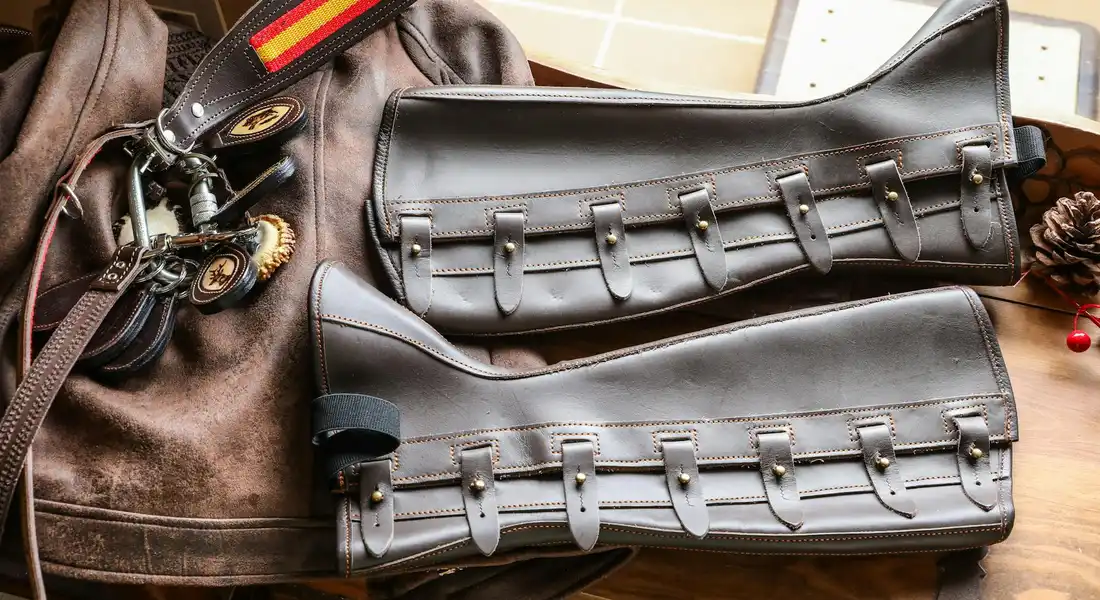
Saddling a Clydesdale requires a complete rethink of what “fit” means. Their backs are broad, flat tables of muscle, not the angled peaks of a Thoroughbred like Luna. I once tried a standard western saddle on a Clydesdale mare, and it rocked side-to-side like a canoe, causing soreness that took weeks to soothe. It was a stark reminder of how different their conformation is compared to other breeds, even other draft horses like the Shires. You need a saddle with an extra-wide tree and panels designed for maximum contact.
Follow these steps to check saddle fit on a draft horse:
- Place the saddle without a pad and look from behind; it should sit level, not tipping forward or back.
- Slide your hand under the panels at the withers, mid-back, and cantle. You should feel even, firm pressure everywhere.
- Watch for wither clearance: you need a clear channel of space along the entire spine to prevent pinching.
Invest in a quality saddle pad that matches the saddle’s shape to wick moisture and cushion every step. A proper pad is your first defense against rubs and pressure points on those powerful shoulders.
Bridles, Bits, and Harnessing Safety
Your usual full-size bridle will likely look like a child’s toy on a Clydesdale’s head. Their polls are wide, and their nosebones are substantial. Using tack that’s too small creates constant discomfort, often shown through head shaking or evading contact. Seek out “draft” or “oversize” bridles, and be prepared to use the last holes on the cheekpieces and throatlatch.
Bit selection is critical due to their large, fleshy mouths and sensitive bars. A thick, smooth snaffle with a loose-ring or D-ring cheek is a reliable start. I always check for wrinkles at the corners of the mouth-one or two soft folds is ideal, but deep creases mean the bit is too high and tight. Avoid thin or ported bits that can concentrate pressure.
Safety checks for larger gear are non-negotiable. Make this your pre-ride ritual:
- Inspect all leather for stiffness, cracks, or weak stitching. The sheer mass of a Clydesdale stresses materials faster.
- Ensure buckles are secure but not digging in. You should easily slide two fingers under the noseband and throatlatch.
- Use quick-release snaps on any auxiliary lines or when adapting driving harness parts for ground work.
Training and Conditioning for the Riding Clydesdale
Foundation Training Principles
Training a Clydesdale is less about speed and more about building a thoughtful partnership. They have a deliberate, powerful nature that differs vastly from Rusty’s quarter horse reliability. Pushing too hard turns their willing attitude into solid resistance; slow, clear steps build confidence instead. Begin with extensive ground work, teaching them to yield their hips and shoulders with light cues.
Use pressure-and-release methods consistently, rewarding the smallest try with instant relief and praise. Their size means a whisper of a cue is often enough-a loud signal can overwhelm them, much like it would with sensitive Luna. Incorporate desensitization to flapping straps and odd sounds, as many draft breeds have a cautious curiosity.
Establish these foundation blocks before riding:
- Practice standing calmly at a sturdy mounting block until it becomes a boring habit.
- Introduce weight in the stirrup gradually, leaning over without fully mounting to prepare their back.
- Teach basic voice commands like “walk on” and “whoa” from the ground to create a shared language.
Building Fitness Without Strain
Conditioning a Clydesdale is about protecting their joints while building stamina. Their legs carry immense weight, so strain injuries are a real risk. Think of fitness as a slow simmer, not a rolling boil-gradual heat develops the deepest strength. Start with daily hand-walking or ridden walks on soft footing, aiming for 20-30 minutes initially.
Increase workload by adding minutes before adding speed or incline. Gentle hill work at a walk builds hindquarter muscle safely. Always end a session while your horse still feels fresh; that last bit of energy is your buffer against overexertion. Prioritize daily turnout on good pasture so they can move freely, which is vital for circulation and mental health.
Monitor their condition with these physical signs:
- Watch their breathing return to normal within 10-15 minutes of stopping work.
- Feel for firm, developed musculature over the topline, not a soft or sagging back.
- Check legs daily for any heat or filling, especially after new activities.
Health and Hoof Care: Keeping a Big Horse Sound
Owning a Clydesdale is a lesson in scale, and their care follows the same rule. What’s a minor issue for a light horse can become a major project when you’re dealing with 1,800 pounds of gentle giant. Their sheer size influences everything from their metabolism to the ground they walk on, and it also affects their purchase price and ongoing expenses.
Common Health and Nutrition Considerations
You cannot feed a Clydesdale like you feed your Arabian. Their bulk is deceiving; many are surprisingly easy keepers. I learned this the hard way when a well-meaning boarder gave my borrowed draft cross an extra scoop of sweet feed, leading to a week of restless energy that felt like parking a freight train in a standard stall. Their diet must be meticulously managed to avoid obesity, which exponentially increases the risk of laminitis and metabolic disorders.
Think low-sugar forage, measured concentrates only if needed for work, and absolutely no free-choice rich pasture without a grazing muzzle. Their joints also carry a significant load. A glucosamine and chondroitin supplement isn’t just a nice-to-have; it’s a long-term investment in their soundness. Watching my old lesson horse, Rusty, stiffen up taught me that prevention is always cheaper and kinder than treatment.
Hoof Management is Paramount
Those dinner-plate hooves are the foundation of everything. They are not just bigger; they are often flatter, more prone to spreading, and can develop cracks if not maintained with religious discipline. A six-week farrier cycle is non-negotiable. I budget for it like my mortgage. A missed appointment isn’t an option. The sound of a Clydesdale’s healthy hoof meeting solid ground is a confident ‘thud,’ but the sight of a chipped or imbalanced hoof on a horse that size will chill your blood.
Your farrier must be an experienced draft specialist. They understand the angle and support needed. Beyond trimming, your daily hoof pick ritual is your first-line diagnostic tool. Dig deep into that frog, checking for thrush, which these big, often feathered feet can harbor. Clean, dry bedding and regular turnout on well-draining ground are your best allies in the fight for healthy hooves.
The Real Cost: Budgeting for a Draft Horse
The initial purchase price is often the smallest number. The real math begins with the ongoing upkeep, where everything is multiplied by a factor of “XL.” You’re not just buying a horse; you’re committing to a lifestyle of heavyweight economics.
Upfront and Recurring Expenses
Let’s break it down plainly. Your hay bill will double or triple. They can easily consume 30+ pounds of hay per day. Grain, if needed, is by the quart, not the cup. Your dewormer tubes? You’ll need two. Forget standard doses; every medication, supplement, and treatment is calculated by weight, making routine care notably more expensive.
- Tack & Equipment: A draft-sized saddle, bridle (often needing a larger browband), and girth are specialty items. They cost more upfront and can be harder to resell.
- Trailer & Transportation: A standard two-horse slant load is often insufficient. You need a stock trailer, a large straight load, or a dedicated draft trailer.
- Farrier & Vet: As discussed, farrier work is more frequent and costly. Vet bills for procedures requiring sedation scale with weight-more drugs, higher fees.
- Bedding: You’ll use more to absorb more. Deep, clean bedding is critical for preventing pressure sores and keeping those large limbs clean.
Weighing Suitability for Your Barn
Before you dream of feathered feet in your driveway, take a hard look at your physical setup. Stalls and aisles built for 16-hand Thoroughbreds will feel dangerously claustrophobic for a 17-hand-plus Clydesdale. A cramped stall increases the risk of injury, castings, and stress-related behaviors, turning your gentle giant into an anxious one.
Ask yourself: Are your stall doors wide enough? Is your ceiling high enough? Is your wash rack sturdy and your cross-ties mounted into solid beams? Their strength is immense. I watched Pipin the pony untie a quick-release knot, but a frustrated Clydesdale could take a wall with them. Most critically, do you have ample, safe turnout? These horses were bred for fieldwork and need space to move their bodies freely to maintain mental and physical health. A small, muddy paddock simply won’t suffice. Their suitability hinges entirely on your ability to provide a environment scaled to their majestic needs.
FAQ: Riding Clydesdale Horses: Practical Uses and Key Considerations
How does the temperament of a Clydesdale horse influence its rideability?
Their famously steady and patient temperament makes them exceptionally safe and predictable mounts, especially for nervous riders or on chaotic trails. This calm disposition means they are less likely to spook, but their size requires riders to give clear, thoughtful cues as their movements are powerful. Their willingness to please translates to a rewarding partnership, though they respond poorly to harsh training methods and require a handler who values patience.
What special considerations are needed for tack and equipment when riding a Clydesdale?
Standard horse tack will not fit; you must invest in draft-specific saddles with extra-wide trees and oversize bridles to avoid discomfort and injury. Every piece of equipment, from girths to horse blankets, needs to be sourced in draft horse sizes, which are specialty items. Regular safety checks on all tack are crucial due to the increased stress their mass places on leather, stitching, and hardware.
What are the common health or maintenance concerns for a riding Clydesdale?
Their large frame and weight make them prone to joint stress, making consistent farrier care and preventative joint supplements critical for long-term soundness. Those characteristic feathered feet require diligent daily cleaning and drying to prevent skin issues like scratches and thrush. As easy keepers, their diet must be carefully managed to prevent obesity and related metabolic conditions like laminitis.
Your Clydesdale Riding Journey
Riding a Clydesdale requires the right, sturdy tack and a patient training approach that respects their slower maturity. Your single most important task is finding a saddler experienced with draft-cross trees to ensure your horse’s comfort and your safety. Also, proper care for your Clydesdale is essential to keep them healthy and happy.
Move forward with patience, prioritizing clear communication over speed. Your Clydesdale’s trust and willing demeanor will be your best guide, telling you everything you need to know about your progress together.
Further Reading & Sources
- Riding Clydesdales: Unleashing the Adventure
- Can You Ride a Clydesdale? Find Out Now!
- r/Equestrian on Reddit: Looking to Learn to Ride at 250lbs – Clydesdale?
- Clydesdales as Riding horses? | The Horse Forum
At Horse and Hay, we are passionate about providing expert guidance on all aspects of horse care, from nutrition to wellness. Our team of equine specialists and veterinarians offer trusted advice on the best foods, supplements, and practices to keep your horse healthy and thriving. Whether you're a seasoned rider or new to equine care, we provide valuable insights into feeding, grooming, and overall well-being to ensure your horse lives its happiest, healthiest life.
Choosing the Right Breed